Somewhere in my twenties I admitted an uncomfortable thing to myself: I do not really read romance for the falling in love. I read it for the fight on the way there. The kiss is fine, I suppose. But the insult that lands three chapters earlier, the one both people replay at 2 am while pretending to sleep, that is the actual product.
Which is why most enemies to lovers lists annoy me. They rank the lovers half and ignore the enemies half, so you get books where two attractive people exchange one frosty email and the internet calls it a war. I ranked these fifteen the other way, using what I have started calling the beef test. Three questions. Would these two genuinely avoid each other at a wedding? Does the hostility have a reason that is not secretly attraction? And does the switch from hate to love cost somebody something real, an apology, a career, a crown? The higher a book sits, the better its answers.
This list is for you if you finished The Hating Game and want to know what else holds up, or if BookTok keeps shouting the same four titles at you and you want a referee. There are two classics, five books by South Asian authors, one faerie court with actual knives, and a couple of famous names ranked lower than their fans will like. I have flagged the heavy content where it exists.
How I picked these
- Every book had to pass the beef test: real avoidance, a reason for the hostility beyond attraction, and a costly turn. Books that flunked all three did not make it, however famous.
- I preferred fights about something concrete (class, politics, a promotion, a lease) over misunderstandings that one honest text message would fix.
- Every pick was verified through Google Books and Open Library, with a real cover and the first publication year, so you are not hunting ghost editions.
- Five books by South Asian authors made it on merit. Rishta pressure and family honour are natural enemies engines, and our writers use them well.
- I skipped bully romance on purpose. Cruelty without wit is not tension, it is just cruelty, and there is enough of that on family WhatsApp groups already.
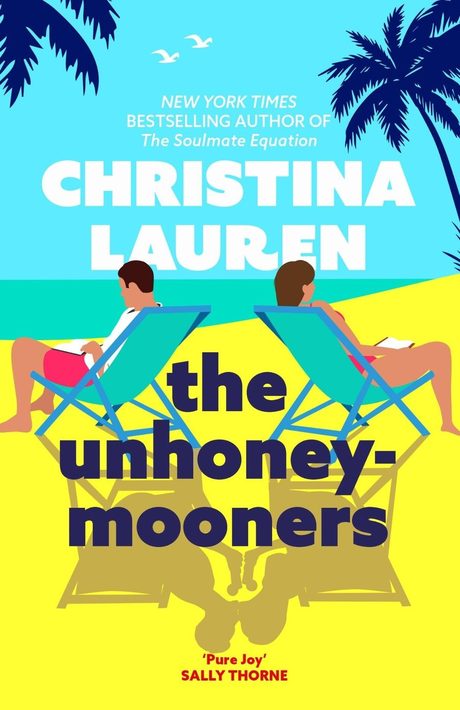
- Books that really belong to other tropes got sent to their own lists: The Unhoneymooners to fake dating, Get a Life, Chloe Brown to grumpy sunshine.
The whole list at a glance
All 15 books, in order
| # | Book | Author | Year | Vibe | Best for |
|---|
| 1 | Pride and Prejudice | Jane Austen | 1813 | sharp, formal, quietly savage | readers who want the foundation text |
| 2 | North and South | Elizabeth Gaskell | 1855 | industrial, principled, slow burn | readers who want ideas with their romance |
| 3 | The Hating Game | Sally Thorne | 2016 | office war, electric banter | first-time romance readers |
| 4 | The Cruel Prince | Holly Black | 2018 | dark, political, knife-edged | fantasy readers who like scheming |
| 5 | Battle for Bittora | Anuja Chauhan | 2010 | loud, desi, election-season | readers who already miss Anuja Chauhan |
| 6 | Book Lovers | Emily Henry | 2022 | urban, witty, guarded | career-minded readers tired of small towns |
| 7 | The Trouble with Hating You | Sajni Patel | 2020 | spiky, warm, defiant | anyone who has dodged an arranged meeting |
| 8 | Red, White & Royal Blue | Casey McQuiston | 2019 | glossy, romantic, optimistic | readers who want comfort with wit |
| 9 | Beach Read | Emily Henry | 2020 | bittersweet, summery, tender | a soft landing after heavy books |
| 10 | From Lukov with Love | Mariana Zapata | 2018 | slow, sporty, simmering | certified slow burn addicts |
| 11 | The Marriage Game | Sara Desai | 2020 | screwball, spicy, chaotic | sitcom fans who read |
| 12 | Dating Dr. Dil | Nisha Sharma | 2022 | hot, loud, Punjabi | rom-com fans raised on reality TV |
| 13 | Hana Khan Carries On | Uzma Jalaluddin | 2021 | warm, thoughtful, delicious | You've Got Mail loyalists |
| 14 | Love on the Brain | Ali Hazelwood | 2022 | nerdy, fluffy, formulaic | The Love Hypothesis repeat readers |
| 15 | The Spanish Love Deception | Elena Armas | 2021 | slow, steamy, repetitive | completing your BookTok bingo card |
The list
The books, ranked
1

The source code
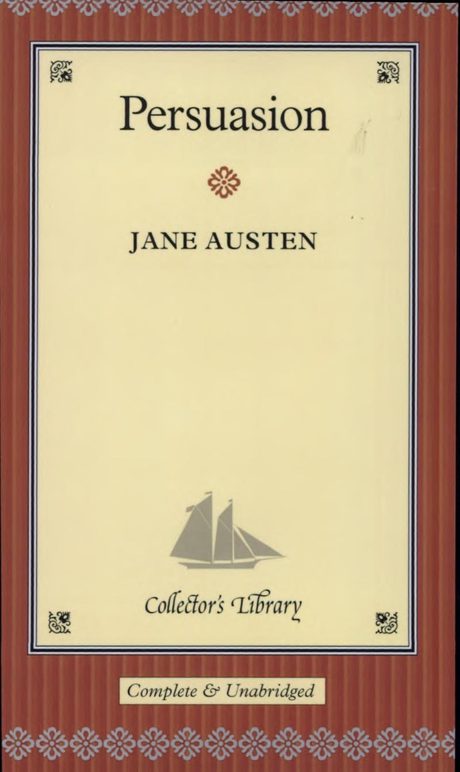
Pride and Prejudice
Jane Austen1813about 382 pages
He insults her within an hour of meeting her, then spends the rest of the book paying for it.
Elizabeth Bennet is smart, unimpressed, and stuck in a house with four sisters and a mother whose only project is getting them married. Mr Darcy is rich, proud, and rude enough to call her tolerable at a dance, within her hearing. What follows is two people dismantling their own worst opinions in public, with a first proposal so badly bungled it doubles as a demolition. If you have only seen the adaptations, the book is sharper, funnier, and harder on both of them. Two hundred years of romance novels have been living in its spare room.
Why it is at 1
Rank one because every enemies to lovers beat you love started here: the public snub, the disastrous proposal, the letter, the slow crawl back. The hostility is earned on both sides, his pride and her prejudice, the clue is in the name. And the reconciliation costs both of them their vanity, which is the most expensive currency either one has.
Read it ifyou want the original and can handle nineteenth-century sentences
Skip it iflong Regency paragraphs feel like homework, in which case start at rank 3 and circle back
sharp, formal, quietly savageBest for: readers who want the foundation textclassicregencyslow burn
Pairs with: Book Lovers at rank 6, which borrows its bones knowingly.
2

North and South
Elizabeth Gaskell1855about 466 pages
A mill owner and a southerner who thinks he is a barbarian argue about workers until it turns into something else.
Margaret Hale moves from the soft south of England to a northern mill town and decides, on sight, that manufacturer John Thornton represents everything wrong with it. He decides she is a snob who understands nothing about work. Between them sit a strike, real poverty, and two proud people who keep catching each other at their worst possible moments. Gaskell gives the argument actual content: labour, class, who gets to judge whom. It moves slower than a modern romance, and the ending is one of the most satisfying in Victorian fiction, understated and completely earned.
Why it is at 2
Second because the enmity has the most substance on the list. These two are not bickering over a parking spot, they disagree about how society should work, and both are partly right. When they finally soften, it is because each has genuinely moved, not because the plot needed them to. That is the trope at full power.
Read it ifyou liked Pride and Prejudice and want higher stakes
Skip it ifVictorian pacing and strike politics sound exhausting after a long workday
industrial, principled, slow burnBest for: readers who want ideas with their romanceclassicvictorianclass conflict
3

The modern benchmark
The Hating Game
Sally Thorne2016about 389 pages
Two executive assistants share an office wall, a mutual loathing, and one HR-unfriendly elevator ride.
Lucy Hutton and Joshua Templeman work for the co-CEOs of a merged publishing house and have turned mutual contempt into a daily sport: the staring game, the mirror game, the HR game. Then a promotion opens up that only one of them can have, and the war stops being funny. Thorne writes banter with real rhythm and knows exactly when to let the mask slip. It is a one-room comedy in the best sense, small cast, high voltage, no wasted scenes. Half the office romances BookTok loves are photocopies of this one, usually at lower resolution.
Why it is at 3
The modern benchmark. The hate is theatre and the book knows it, but the games are so well built that the reveal still lands. It loses beef-test points because these two were never truly enemies, they were flirting in a trench coat. It wins most of them back on pure execution. Start here if the classics scare you.
Read it ifyou want the definitive office rivalry with jokes that land
Skip it ifyou need the hate to be real rather than sublimated flirting
office war, electric banterBest for: first-time romance readersoffice romancebanterbooktok
Pairs with: The Marriage Game at rank 11, its desi office-war cousin.
4
The literal one
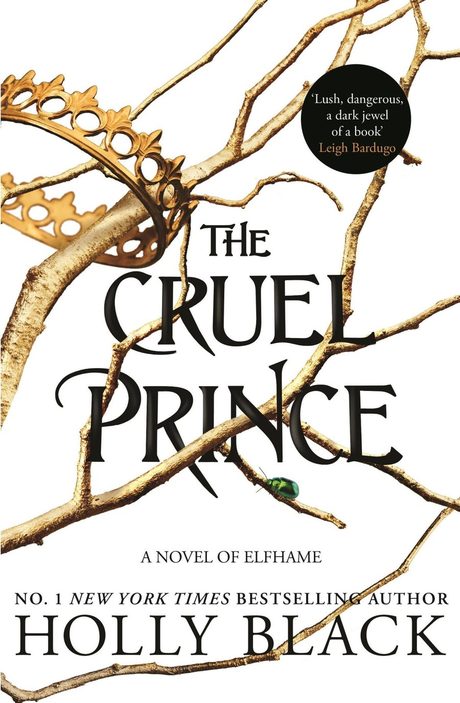
The Cruel Prince
Holly Black2018about 343 pages
A mortal girl in Faerie decides the prince who torments her is a problem she can solve with strategy.
Jude Duarte was seven when a faerie general killed her parents and carried her off to be raised in his world. Now seventeen, she wants power in a court where humans are barely people, and Prince Cardan, the youngest and cruellest royal, stands in her way. This is enemies to lovers with the safety off: humiliation, blades, betrayal, court politics that would make a Mughal durbar look polite. The romance arrives as a slow poison rather than a warm bath, and Black never pretends the cruelty did not happen. It says YA on the label, but this is the sharp end of YA.
Why it is at 4
Fourth because the enemies part is the most literal on the list. Jude and Cardan genuinely hurt each other, and the book makes you believe both the hatred and the gravity that follows it. It sits below the classics only because the love half stays partial here, this is book one of a trilogy doing setup.
Read it ifyou want real menace and court intrigue with your tension
Skip it ifon-page bullying ruins a romance for you, because there is plenty before anything turns
dark, political, knife-edgedBest for: fantasy readers who like schemingya fantasyfaeriedark
Heads up: on-page bullying, violence, death of parents in the opening chapter
5

Best desi beef
Battle for Bittora
Anuja Chauhan2010about 331 pages
Two exes contest the same Lok Sabha seat from rival parties while their families keep score.
Jinni Pande is dragged out of her animation job in Mumbai by her grandmother to contest elections from Bittora, the family pocket borough. Her opponent is Zain Altaf Khan: ex-royal, ex-boyfriend, current headache, standing on the rival ticket. Chauhan writes the campaign trail like she has slept in the jeep: rallies, ticket brokers, sweaty photo ops, grandmothers who could run the Election Commission blindfolded. The Hindi-English banter is the most natural in Indian commercial fiction, and the rivalry is structural, they are literally on opposing ballots. It stays funny even when it gets serious about what winning costs.
Why it is at 5
The highest desi entry because the hostility is baked into the plot, not sprinkled on the dialogue. An election gives the fight rules, stakes, and a public scoreboard, and the history between Jinni and Zain makes every sabha personal. Some of the political detail has aged since 2010. The chemistry has not.
Read it ifyou want a rom-com that smells like an Indian election
Skip it ifwall-to-wall Hinglish and campaign chaos sound tiring rather than fun
loud, desi, election-seasonBest for: readers who already miss Anuja Chauhanindianpoliticalrom-com
Pairs with: The Zoya Factor if you would rather have cricket than politics.
6
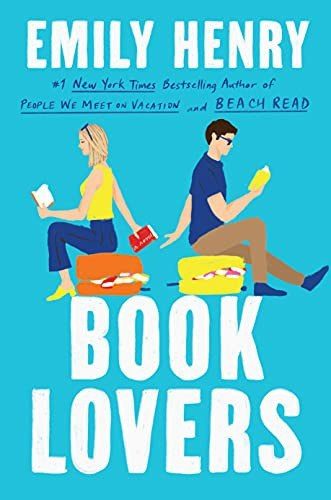
Book Lovers
Emily Henry2022
A shark of a literary agent keeps colliding with the one editor in New York as unsentimental as she is.
Nora Stephens is the city person who gets dumped in every small-town romance, the ambitious girlfriend the hero outgrows. Henry hands her the microphone. On a forced sisters' trip to a tiny North Carolina town, Nora keeps running into Charlie Lastra, a Manhattan editor who once rudely passed on a book she championed. Their hostility is professional history plus matching armour, and the banter reads like two people relieved to finally play at full speed. Underneath the jokes it is a book about being the sibling who holds everything together, and what that quietly costs. Henry's best novel so far.
Why it is at 6
The best written modern entry here. The enemies material is thinner than the top five, one bad lunch meeting and two guarded people, but the self-awareness about the trope and the sharpest dialogue Henry has done push it above its weight. It is also the rare romance where both leads keep their ambition at the end.
Read it ifyou want banter between two adults with actual jobs
Skip it ifyou need genuine hostility, because these two are just porcupines being careful
urban, witty, guardedBest for: career-minded readers tired of small townscontemporarypublishingbanter
7

The Trouble with Hating You
Sajni Patel2020about 305 pages
She walks out on the rishta dinner, then finds the same man assigned to rescue her company.
Liya Thakkar is an engineer in Houston with a hard rule against marriage, which she enforces by walking out the moment her parents spring a suitor on her at dinner. The suitor is Jay Shah, a lawyer, and weeks later he turns up at her office to help save her struggling company. The hostility is real on her side, and Patel slowly shows why: Liya carries damage her community would rather not name. The book keeps its rom-com energy while being honest about how aunty networks punish women who refuse the script. The banter is spiky and the grovel, when it comes, is properly earned.
Why it is at 7
The desi entry with the most earned hostility. Liya is not performing, her walls exist for reasons the book takes seriously, and Jay has to do actual work instead of just being handsome in her vicinity. It sits below Bittora because the middle stretch sags a little. The payoff is worth the sag.
Read it ifyou want rishta-season pressure written from the inside
Skip it ifheavy backstory inside a rom-com feels like a bait and switch to you
spiky, warm, defiantBest for: anyone who has dodged an arranged meetingsouth asiancontemporaryworkplace
Heads up: references to past sexual assault and community shaming
8
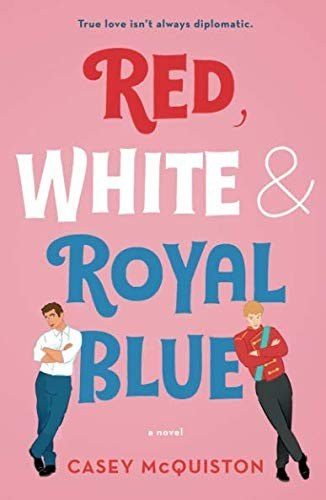
Red, White & Royal Blue
Casey McQuiston2019about 421 pages
The First Son of the United States falls into a royal wedding cake, then into the prince he hates.
Alex Claremont-Diaz, son of the American president, has nursed a grudge against Prince Henry of England for years. After a public scuffle between them flattens a spectacularly expensive wedding cake, the two are forced into a staged friendship for damage control, and the fake smiles stop being fake alarmingly fast. McQuiston writes email chains you will want to screenshot, and the book's fantasy of a kinder politics reads differently depending on which year you pick it up. The enemies phase is short, more prologue than plot. The wit and the warmth carry everything after it.
Why it is at 8
Eighth because the hate is the shallowest in the top ten, a misunderstanding plus tabloid pressure, and it melts within a hundred pages. What keeps it this high is everything that follows: the letters, the coming-out arc, two public people building one private room. It is a gateway book for a reason.
Read it ifyou want charm, emails, and a queer royal fantasy
Skip it ifyou came for sustained enmity rather than fast friends-to-more
glossy, romantic, optimisticBest for: readers who want comfort with witlgbtqroyalpolitical
9
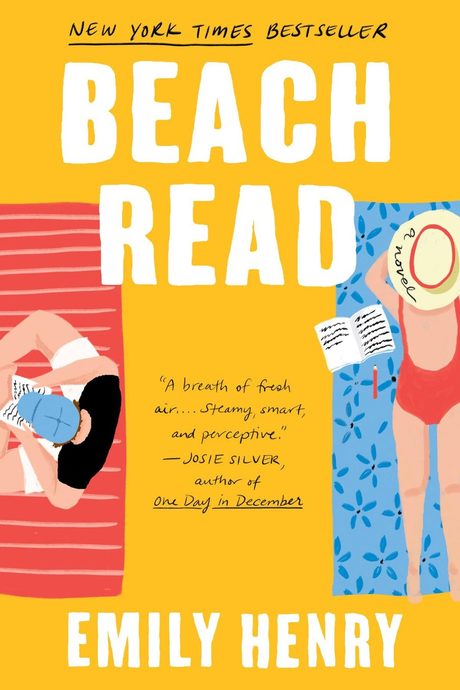
Beach Read
Emily Henry2020about 401 pages
A romance novelist and a literary novelist swap genres for a summer to prove a point neither believes anymore.
January Andrews writes happy endings and has stopped believing in them, after her father's death came with a surprise mistress and a surprise beach house. Next door lives Augustus Everett, her college rival, who writes prize-circuit misery. They agree to swap genres for the summer: he attempts a rom-com, she goes with him to interview survivors of a death cult for his kind of book. The rivalry is fond from the first porch scene, but the grief underneath is real, and Henry balances the sweet and the sad better than almost anyone working. This is the softest book on the list and it knows it.
Why it is at 9
Ninth with an honest caveat: this is rivals to lovers at best, and the enemies label gets stuck on it by people quoting other lists. It stays because the creative rivalry is a real engine, the bet has rules, and the book delivers the trope's core pleasure, watching guardedness turn into curiosity.
Read it ifyou want warmth with grief handled properly
Skip it ifyou will feel cheated when the enemies turn out to be fond
bittersweet, summery, tenderBest for: a soft landing after heavy bookscontemporarywritersgrief
10
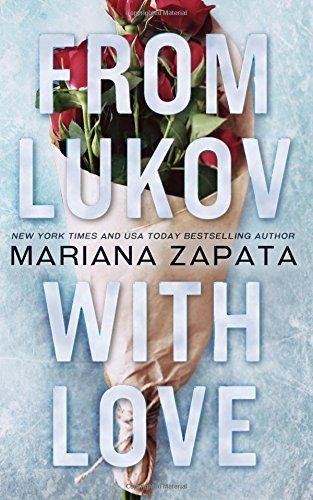
The slow burn seat
From Lukov with Love
Mariana Zapata2018about 522 pages
A figure skater accepts a partnership with the man she has publicly feuded with for a decade.
Jasmine Santos has given her life to figure skating and has little to show for it except scars and a reputation for biting. When Ivan Lukov, her rink's golden boy and her longtime verbal sparring partner, offers her a season as his pairs partner, she says yes out of something close to spite. Zapata is the patron saint of the slow burn, and this is five hundred plus pages of practice sessions, insults with history, and affection arriving one millimetre at a time. Nothing explodes here, it accumulates, which is exactly what her readers queue up for.
Why it is at 10
The slow burn seat on this list. A decade of genuine public sniping gives the enemies half real texture, even if the reader spots the fondness underneath long before Jasmine does. Docked a few places because the length is indulgent and the plot is thin. Ranked this high because the payoff genuinely pays.
Read it ifyou want maximum pining per page and love a training montage
Skip it iffive hundred pages of simmer sounds like a treadmill with feelings
slow, sporty, simmeringBest for: certified slow burn addictssports romanceslow burn
11
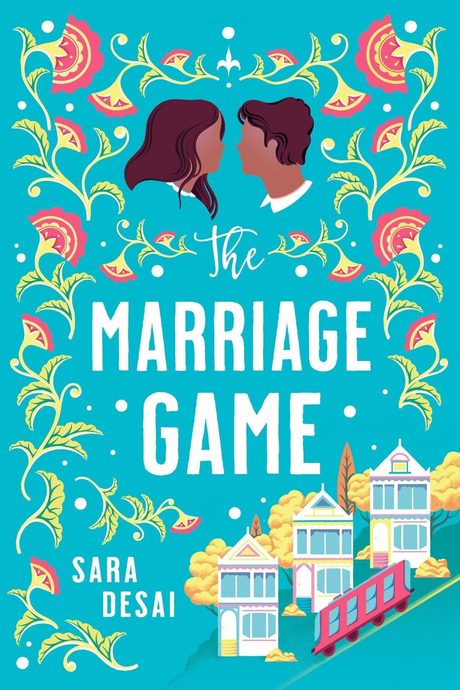
The Marriage Game
Sara Desai2020about 353 pages
She moves into the office above her father's restaurant, he refuses to vacate it, and the aunties smell blood.
Layla Patel comes home to San Francisco after a spectacularly public breakup, planning to launch her recruitment agency from the office above her family's restaurant. Except her father has already rented that office to Sam Mehta, a corporate downsizing consultant with no plans to leave. They strike a deal: she can hold the blind dates her father arranged through a desi marriage ad in the space, he gets to sit in and veto, and the loser of their little war gives up the lease. It is a screwball setup played gloriously broad, with prank escalation, a chorus of relatives, and a laptop's worth of HR violations.
Why it is at 11
A turf war is a proper enemies engine: two people, one lease, a deadline, no exit. The blind-date device keeps forcing them into the same room, which is the trope working as designed. It ranks below the other desi picks because the comedy sometimes shouts where a whisper would land better.
Read it ifyou want a loud screwball office war with aunty interference
Skip it ifbroad sitcom humour and manufactured misunderstandings make you grind your teeth
screwball, spicy, chaoticBest for: sitcom fans who readsouth asianoffice romancescrewball
12
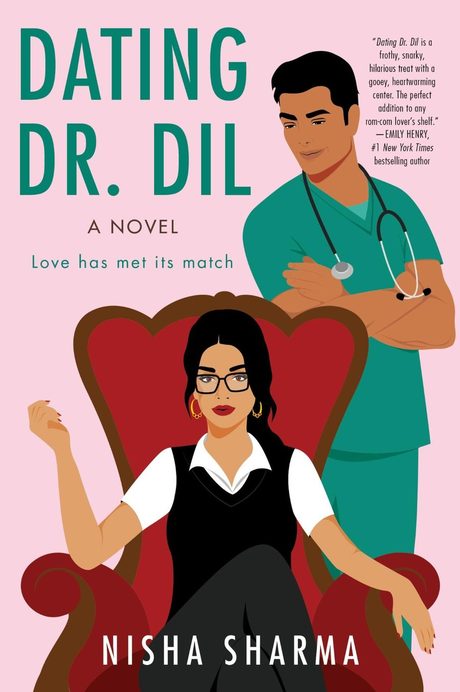
Dating Dr. Dil
Nisha Sharma2022about 318 pages
She trashes romantic love on live TV, he defends it, the clip goes viral, and their families start scheming.
Kareena Mann wants to save her late mother's house, and her father will fund it only if she is engaged within four months. Prem Verma hosts a heart-health TV show and needs community goodwill for the centre he is trying to build. After their on-air shouting match about love goes viral, getting engaged to each other becomes, horribly, the practical option for both. Sharma reworks Taming of the Shrew with aunties, WhatsApp warfare, and two people who confuse winning arguments with being right. The chemistry runs hot and the Punjabi wedding-industrial complex gets the affectionate roasting it deserves.
Why it is at 12
The beef starts in public, which raises the price of surrender: these two have an audience for their hostility, and pride is harder to drop on camera. It loses points for a plot that leans on convenient eavesdropping, and earns them back with the Shakespeare bones underneath. Quietly the most underrated desi entry here.
Read it ifyou want a viral-clip premise with Shakespeare underneath
Skip it ifengagement-deadline plots strike you as prehistoric no matter the execution
hot, loud, PunjabiBest for: rom-com fans raised on reality TVsouth asianretellingviral fame
13

Hana Khan Carries On
Uzma Jalaluddin2021about 352 pages
Two halal restaurants on one Toronto street, and a podcast confession booth where the rivals accidentally get honest.
Hana Khan works at her family's fading halal restaurant in Toronto and pours her real self into an anonymous podcast. When a flashy new halal place opens up the street, run by an annoyingly composed young man named Aydin, she declares war on behalf of the family business. This is You've Got Mail rebuilt with more on its mind: gentrification, a hate incident the neighbourhood has to absorb, an industry that wants only one kind of Muslim story. The rivalry stays civil because the warmth is the point, and the anonymous-listener thread gives the reveal an ache the trope rarely manages.
Why it is at 13
Thirteenth because the enemies are structural, two competing businesses and family loyalty on both sides, but the hostility is the gentlest on the list. Jalaluddin cares more about community than combat, which makes this a weaker enemies book and a better novel than several entries above it. The rank grades the trope, not the writing.
Read it ifyou want a kind rivalry with real things at stake
Skip it ifgentle and wholesome is not what you opened this list for
warm, thoughtful, deliciousBest for: You've Got Mail loyalistsmuslim romancecanadafood
Heads up: an on-page Islamophobic attack
14
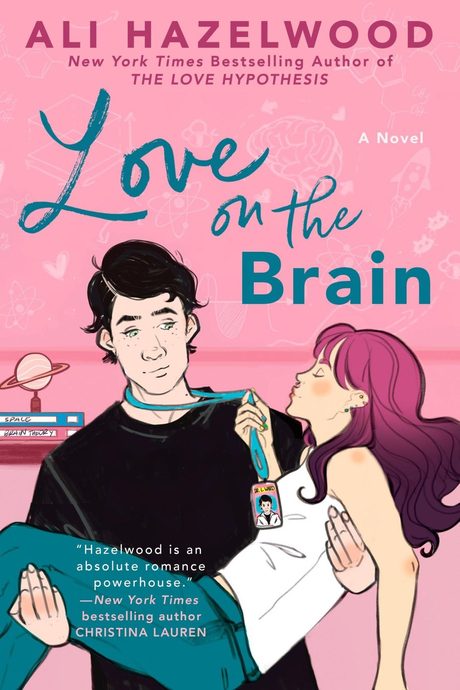
Love on the Brain
Ali Hazelwood2022about 369 pages
A neuroscientist joins a NASA project co-led by the man she is certain despises her, and science ensues.
Bee Konigswasser lands her dream job on a NASA neuroengineering project, then learns her co-lead is Levi Ward, the tall grump who could not stand her in grad school. Equipment vanishes, emails go unanswered, and Bee builds a tidy case file proving he is sabotaging her. Readers of The Love Hypothesis will recognise the house recipe: STEM setting, oblivious heroine, enormous besotted man. Hazelwood is genuinely funny about academia's absurdities and sincere about how women get squeezed out of it. The mystery of who is undermining Bee will not survive contact with an attentive reader.
Why it is at 14
Fourteenth because the enmity is one-sided and mostly imaginary: Bee believes in the feud, while Levi has been silently devoted since roughly the Cretaceous. That is the trope in its weakest form. It stays on the list because misread signals are half the fun of the genre, and Hazelwood commits to the bit completely.
Read it ifyou want STEM-flavoured fluff with a guaranteed soft landing
Skip it ifone-sided misunderstandings dressed up as hate annoy you
nerdy, fluffy, formulaicBest for: The Love Hypothesis repeat readersstem romanceacademia
15
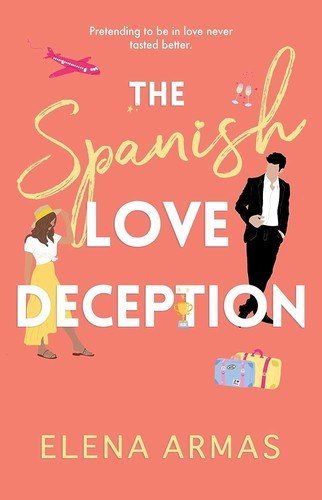
The BookTok giant
The Spanish Love Deception
Elena Armas2021
She needs a wedding date in Spain, and the insufferable colleague she avoids at work volunteers first.
Catalina Martin needs a date for her sister's wedding in Spain, mostly so her hometown stops pitying her over an ex with a long shadow. Aaron Blackford, the colleague she trades daily hostilities with, offers himself, and she is desperate enough to say yes. What follows is a transatlantic flight's worth of bickering, one bed, one ballroom, and the slow admission that the hostility was doing load-bearing work for other feelings. BookTok made this book enormous, and when the pull between the two leads finally arrives, it is real. Getting there asks for more patience than the hype admits.
Why it is at 15
Last place, and I know exactly how much trouble this will cause. The enemies phase is mostly Catalina narrating grievances the book never dramatises, and the middle repeats itself for a hundred pages. But when the wall finally drops, the drop is steep, and the fans are not wrong about that part. Overrated, still likeable.
Read it ifyou want the BookTok famous one and you own some patience
Skip it ifyou need the hate shown on the page rather than reported in monologue
slow, steamy, repetitiveBest for: completing your BookTok bingo cardbooktokworkplacefake date
Worth knowing
Where the famous ones went
A few titles you expected are missing on purpose. The Unhoneymooners is fake dating with a garnish of sibling grudge, so it lives on the fake dating list. Get a Life, Chloe Brown is grumpy sunshine: Redford is not Chloe's enemy, he is a kind man with a headache. The Love Hypothesis is fake dating too, whatever the hashtags say. And a few dark-romance hits sit on the bully side of the line I drew in the criteria, so they stayed off.
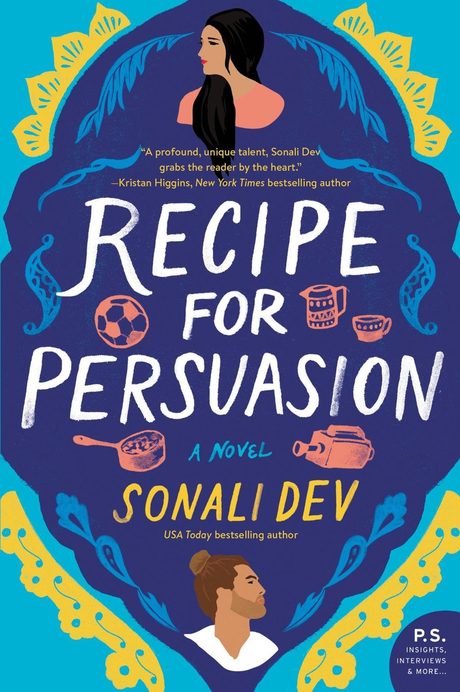
One honourable mention: Pride and Prejudice retellings are a cottage industry of their own. If you want the Austen skeleton wearing new clothes, Sonali Dev's Pride, Prejudice and Other Flavors moves it to a Bay Area desi family, and Ibi Zoboi's Pride takes it to Brooklyn. Neither made the fifteen because the original is already holding the top spot for the same bones.
People also ask
Questions, answered
What does enemies to lovers actually mean?
It is a romance structure where the two leads start in genuine opposition, rivals, adversaries, or open antagonists, and the story converts that hostility into love. The good versions give the hostility a real cause (class, politics, a job, a lease) so the turn means something. The weak versions use one misunderstanding and call it hate, which is why half the books tagged with this trope disappoint people.
Is Pride and Prejudice really an enemies to lovers book?
Yes, and it is arguably the template. Darcy insults Elizabeth publicly, she builds a case against him, both act on their dislike, and the reversal costs each of them real pride. They are not enemies in the swords-drawn sense, but the mutual, motivated hostility that the trope needs is fully there, two centuries before BookTok named it.
Which enemies to lovers book should I read first?
The Hating Game, ranked 3 here. It is short, fast, funny, and shows you the full machinery of the trope in one office. If it works for you, go up the list toward Pride and Prejudice and North and South, or sideways to Battle for Bittora if you want the Indian version with election dust on it.
Are there good Indian or South Asian enemies to lovers books?
Plenty. This list has five: Battle for Bittora at rank 5, The Trouble with Hating You at 7, The Marriage Game at 11, Dating Dr. Dil at 12, and Hana Khan Carries On at 13. Rishta pressure, family honour, and community gossip give the trope natural fuel, which is why these setups feel earned rather than engineered.
What is the difference between enemies to lovers and grumpy sunshine?
Enemies to lovers needs mutual hostility with a cause: both people are against each other. Grumpy sunshine is a temperament mismatch: one closed-off person, one warm person, no actual war between them. Beach Read and Book Lovers sit near the border, which is why you see them on both kinds of lists. If the conflict would end with one honest conversation, you are probably holding a grumpy sunshine book.
Is The Cruel Prince too dark if I mostly read rom-coms?
Possibly, and it is better to know now. There is on-page bullying, violence, and a heroine who makes ruthless choices, and the romance stays thorny rather than sweet. If your ceiling is The Hating Game, try Book Lovers or Red, White & Royal Blue instead. If you enjoyed the scheming in Indian TV serials and want that energy with knives, Jude and Cardan will suit you fine.
Before you go
What to read tonight
If you are picking one for tonight, use the beef test on yourself. Want the full architecture, insult to grovel? Take Pride and Prejudice. Want jokes with your hostility? The Hating Game or Battle for Bittora, depending on whether your office war should come with a promotion or a Lok Sabha seat. Want the hate to be genuinely frightening for a while? The Cruel Prince, with the content note read first.
And if you finish one and want to stay in the neighbourhood, the fake dating and grumpy sunshine lists cover the two tropes that keep getting smuggled onto enemies lists. I keep those borders patrolled so you do not have to.
Keep going
Lists that pair with this one
Romance
12 Grumpy Sunshine Romance Books, Ranked by Grump Quality
Every book scored twice, once for how earned the grumpiness is and once for whether the sunny one has an inner life.
Romance
12 Fake Dating Books Where the Pretending Stops Working
Ranked by the only thing that makes this trope work: how good the reason to keep lying actually is.
Romance
13 Second Chance Romance Books, Ranked by What the Years Did
Thirteen reunions, ordered by whether the time apart actually changed anybody, with an honest note on which ones end well.
Trending
The 15 Best Romantasy Books, Ranked by Romance to Fantasy Ratio
Fifteen books arranged from almost all romance to almost all fantasy, with an honest spice note on each, so you land in the right one first time.
Books Like
15 Books Like Emily Henry, Matched to the One You Loved Most
Her six novels are not the same book, so this list sorts by which one you would reread on a bad day.