I once finished a six hundred page biography of a man I did not particularly like, at two in the morning, on a bus, and I could not have told you why except that the writer had turned a real life into a story I needed to see the end of. That is the whole trick of this genre. Facts do not pull you along, structure does, and a life only becomes a book when somebody decides where to start it.
So these are ranked by narrative pull, which is a plain question: how hard did the book make me keep reading. Because that question misses something important, every entry also carries a label saying how close the writer stood to the life on the cover. A memoir is the inside of a head, which is intimate and unreliable in a specific direction. A biography built from documents is checkable and can never smell the room. Neither is more honest than the other, they fail differently, and knowing which one you are holding changes how you read it.
Sixteen books, ranked one to sixteen. Two of the best written are near the bottom, and I explain that in their entries, because this measures pull rather than quality. Four are Indian or about India. The heavy ones carry a note at the end of the entry so you can choose your evening on purpose. Quick picks are below if you have five minutes and a full cart.
How I picked these
- Narrative pull is the only axis for the ranking: how hard the book made me keep reading, not how important the person was. Fame moved nobody up a place.
- Every book verified through Google Books and Open Library, with a real cover and a real edition, so nothing here is a ghost title from a print on demand seller.
- I stayed off books our other lists already carry, which is why Born a Crime sits with the comedian memoirs, Ants Among Elephants with the India lists, and Playing It My Way with the cricket books, and why none of them is repeated here.
- Ghostwriters and collaborators are named wherever the arrangement is known and acknowledged, because you deserve to know whose sentences you are reading.
- Two famous doorstoppers got cut for length rather than quality, including Ron Chernow's life of Alexander Hamilton, which is superb and is also a commitment I cannot honestly hand to somebody starting out.
- If a book asks something of you, the entry says so before you spend money on it, not after.
The whole list at a glance
All 16 books, in order
| # | Book | Author | Year | Vibe | Best for |
|---|
| 1 | Educated | Tara Westover | 2018 | tense, controlled, upsetting | people who never read nonfiction |
| 2 | Open | Andre Agassi | 2009 | propulsive, bitter, honest | readers who avoid nonfiction |
| 3 | Angela's Ashes | Frank McCourt | 1996 | funny, bleak, Irish | readers who love voice |
| 4 | The Glass Castle | Jeannette Walls | 2005 | fast, unsentimental, vivid | readers who want scenes |
| 5 | Empire of Pain | Patrick Radden Keefe | 2021 | cold, sweeping, damning | long journeys |
| 6 | The Immortal Life of Henrietta Lacks | Rebecca Skloot | 2010 | warm, angry, curious | science curious readers |
| 7 | H Is for Hawk | Helen Macdonald | 2014 | wild, precise, grieving | readers who love language |
| 8 | Just Kids | Patti Smith | 2010 | tender, bohemian, elegiac | artists and romantics |
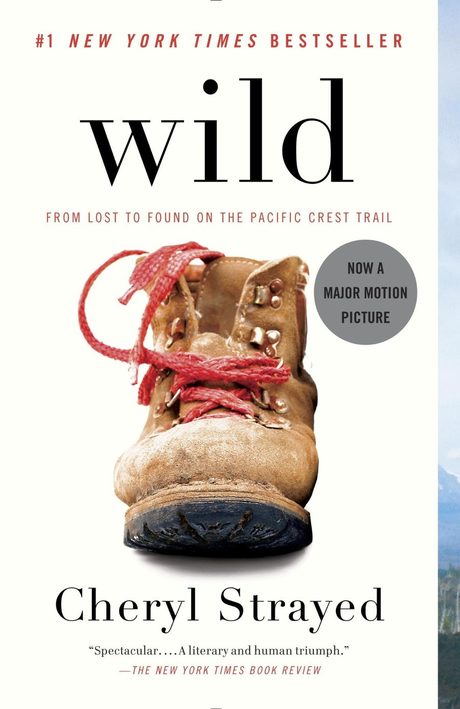
| 9 | Wild | Cheryl Strayed | 2012 | raw, physical, restless | readers in a stuck year |
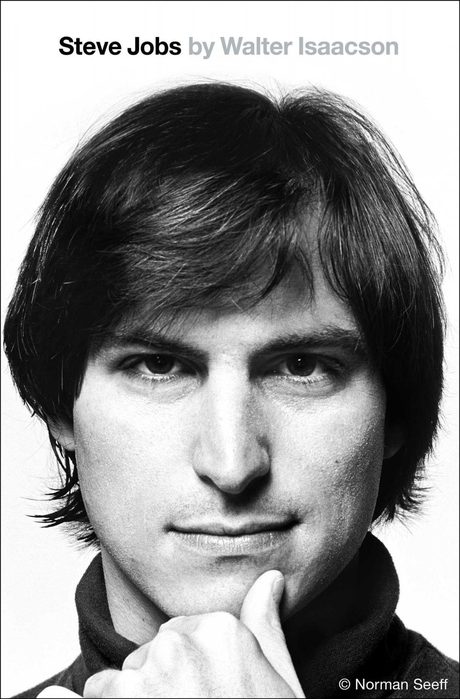
| 10 | Steve Jobs | Walter Isaacson | 2011 | brisk, gossipy, sprawling | tech curious readers |
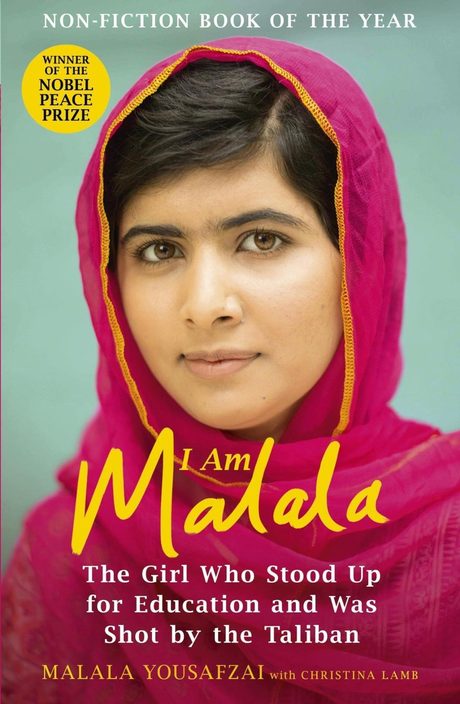
| 11 | I Am Malala | Malala Yousafzai | 2013 | plain, brave, urgent | teenagers and parents |
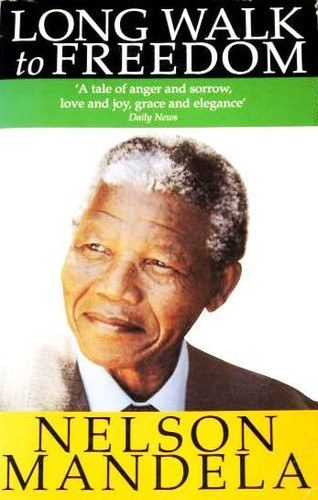
| 12 | Long Walk to Freedom | Nelson Mandela | 1994 | calm, formal, immense | readers with time |
| 13 | Coming Out as Dalit | Yashica Dutt | 2019 | sharp, personal, unsparing | one evening |
| 14 | Wings of Fire | A. P. J. Abdul Kalam | 1999 | plain, sincere, dated | students and gifting |
| 15 | The Year of Magical Thinking | Joan Didion | 2005 | cold, precise, circling | readers who love prose |
| 16 | The Story of My Experiments with Truth | M. K. Gandhi | 1927 | austere, searching, odd | patient Indian readers |
The list
The books, ranked
1
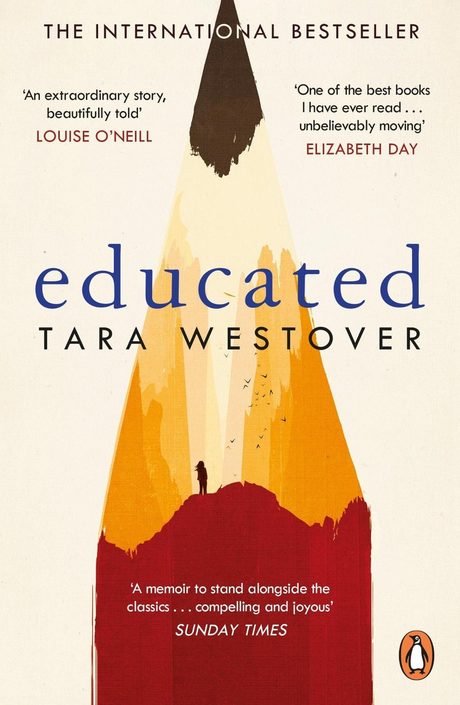
Inside voice
Educated
Tara Westover2018
A girl raised off the grid with no schooling teaches herself enough to reach university, and loses her family doing it.
Tara Westover grew up in the mountains of Idaho in a family that did not believe in schools, doctors or the government, working in her father's scrapyard, and she did not sit in a classroom until she was seventeen. The book follows what happens when she teaches herself enough to get into a university and then keeps going, and what that costs at home. It is not really a book about education. It is about the moment you notice that your family's account of reality and your own no longer match, and that you will have to choose one of them.
Why it is at 1
Number one on pull. I have handed this to people who do not read books, and they finish it inside a week and then message me at midnight about it. The chapters move like a novel because Westover withholds and reveals like a novelist, and the tension is domestic rather than dramatic, which is harder to build. Nothing else here has that hit rate with new readers.
Read it ifyou want one book that turns a non reader into a reader
Skip it iffamily violence on the page is not something you can sit with now
tense, controlled, upsettingBest for: people who never read nonfictionmemoirfamilyeducation
Heads up: repeated physical violence between siblings, and a family coming apart
2
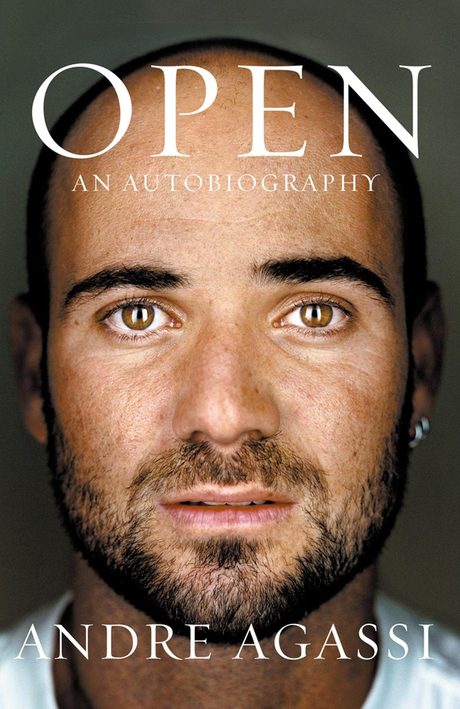
Inside voice, written with a ghost
Open
Andre Agassi2009about 404 pages
The tennis champion opens by telling you he hates tennis, and then spends the book explaining how that is possible.
Agassi hated the sport he was world class at, and he had been hating it since he was a small boy standing in front of his father's ball machine. The book gives you the yard in Las Vegas, the tennis academy that reads like a boarding prison, the wigs, the collapse in the rankings, the long second career. The sentences are far better than a sports memoir needs them to be, because he worked with a professional writer, J. R. Moehringer, and he says so in the book rather than pretending otherwise.
Why it is at 2
Second because it has the cleanest engine here. A boy is made to do a thing, becomes the best on earth at it, and cannot enjoy a minute of it. You do not need to follow tennis, and I do not. It ranks under Educated only because the last third slows once his personal life settles down, which was good for him and slightly less good for the reader.
Read it ifyou want a clear arc, short chapters and momentum
Skip it ifyou want match analysis, because this is about the person
propulsive, bitter, honestBest for: readers who avoid nonfictionmemoirsportfathers
Pairs with: Educated, since both are childhoods built by a parent's certainty.
3
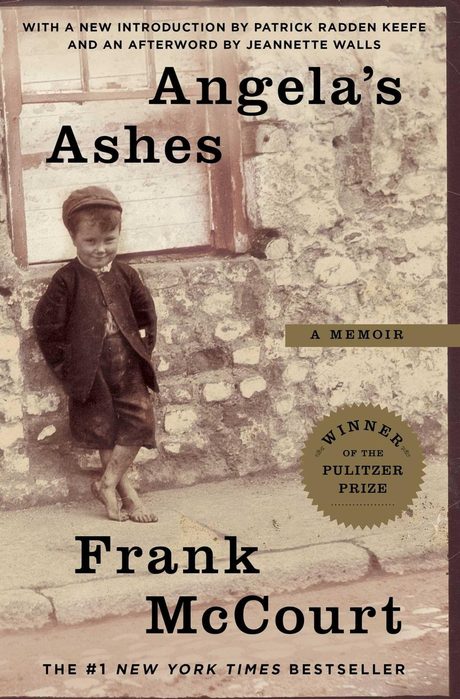
Inside voice
Angela's Ashes
Frank McCourt1996about 384 pages
A childhood in the lanes of Limerick, told in a child's present tense, and much funnier than the subject has any right to be.
Frank McCourt was born in New York, taken back to Limerick as a small boy, and grew up in a house with a father who drank the wages and a mother trying to keep the surviving children alive. He writes it in the present tense in a child's voice, which sounds like a gimmick and is exactly why the book works, because a child reports what he sees without arranging it into tragedy first. The result is funny far more often than any summary of the plot can explain, and the funniness is what makes the sad parts land.
Why it is at 3
Third because the voice does the pulling. There is no plot in the ordinary sense, only one thing after another, and you keep going because the narrator is such good company in such bad circumstances. If you have read a lot of miserable childhoods and grown tired of the form, this is the book that started that wave and the one that survives it.
Read it ifyou want a narrator you would follow anywhere
Skip it ifchild deaths and grinding poverty are not what you want tonight
funny, bleak, IrishBest for: readers who love voicememoirchildhoodireland
Heads up: the deaths of young children, alcoholism, extreme poverty
4
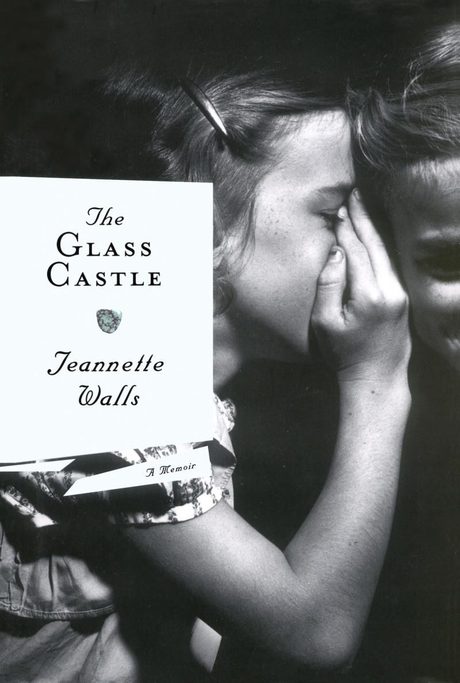
Inside voice
The Glass Castle
Jeannette Walls2005about 306 pages
She sees her mother picking through a dumpster from a taxi window, and then tells you the childhood that led there.
Jeannette Walls opens on that taxi and then goes back to the start: a brilliant, alcoholic father who kept promising the family a glass house he would build one day, a painter mother who did not want the responsibility of feeding anyone, four children moving from town to town and often going hungry. Walls writes it without asking you to pity her, which is the hardest register there is for this material, and it is the reason the book has lasted while similar ones have not.
Why it is at 4
Fourth, sitting right beside Angela's Ashes because the two are cousins: poor childhood, charming ruinous father, a child narrating without judgement. If you want the funnier, more lyrical one, take McCourt. If you want the faster one with sharper scenes, take Walls. Reading both inside a month is too much of the same weather, so pick one now and keep the other for next year.
Read it ifyou want a fast, scene driven childhood memoir
Skip it ifyou need the narrator to be angry on your behalf
fast, unsentimental, vividBest for: readers who want scenesmemoirfamilypoverty
Heads up: child neglect, hunger, and a sexual assault described briefly
Pairs with: Angela's Ashes, with a few months left between them.
5
From the archive
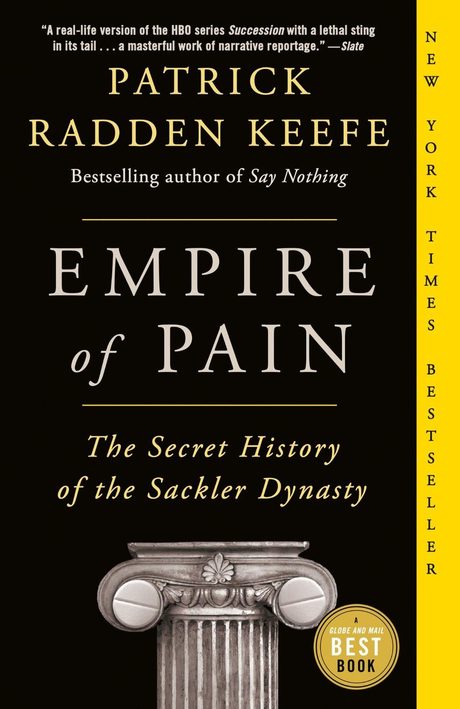
Empire of Pain
Patrick Radden Keefe2021about 675 pages
Three generations of one pharmaceutical family, written like a dynasty novel and assembled entirely from paper.
Patrick Radden Keefe tells the story of three generations of the Sacklers: the brothers who built a fortune partly by inventing modern drug marketing, and the descendants who owned Purdue Pharma when it made and sold OxyContin. He structures it as a family saga, complete with feuds, ambition and museum wings carrying the family name, and it moves like fiction because the shape is borrowed from fiction. The family did not cooperate with him, so the whole thing rests on documents, depositions and the people who worked around them.
Why it is at 5
Fifth because it is the most novel shaped book here that nobody wrote from the inside. It reads like a story about a dynasty and it is built out of paperwork, which makes it the strongest argument on this list that distance does not have to mean dryness. It is long, and the middle stretch on marketing tactics asks for patience before the last act pays it back.
Read it ifyou want a family saga that happens to be true
Skip it ifaddiction and overdose sit too close to home right now
cold, sweeping, damningBest for: long journeysbiographyfamilypharma
Heads up: addiction and overdose deaths run through the whole book
6
With access to the family
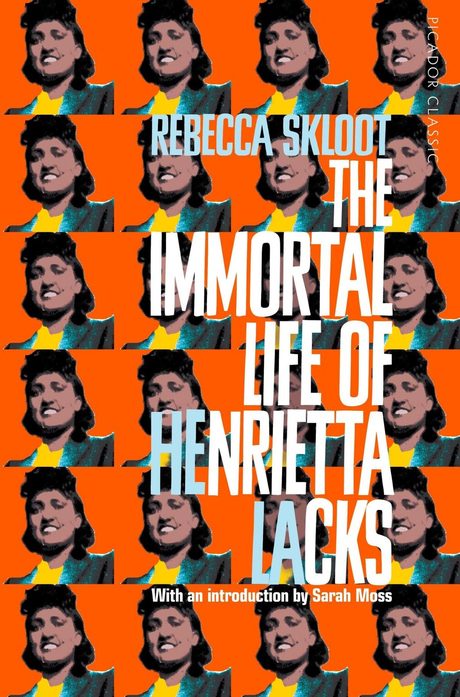
The Immortal Life of Henrietta Lacks
Rebecca Skloot2010about 435 pages
Her cells were taken in 1951 and are still alive in laboratories, and her family found out decades later.
Henrietta Lacks was a Black woman in Baltimore whose cancer cells were taken during treatment in 1951 and kept alive in laboratories, where they became one of the most used cell lines in medical research. Her family did not know for decades. Rebecca Skloot spent years with them, especially with Henrietta's daughter Deborah, and the book braids three strands: the science, the family, and Skloot's own awkward, decade long relationship with them. The science is explained so plainly that you barely notice you are being taught it.
Why it is at 6
Sixth because it does something rare, which is to make you care about a person almost nobody recorded. There is very little archive of Henrietta herself, so Skloot builds her out of family memory and stays honest about the point where the record stops. It sits under Empire of Pain only because the author's presence in her own book, which many readers love, does slow the middle.
Read it ifyou want science, family and consent inside one story
Skip it ifyou want a clean narrative with the writer kept out of it
warm, angry, curiousBest for: science curious readersbiographyscienceethics
Heads up: illness, death, and medical racism
7
Inside voice
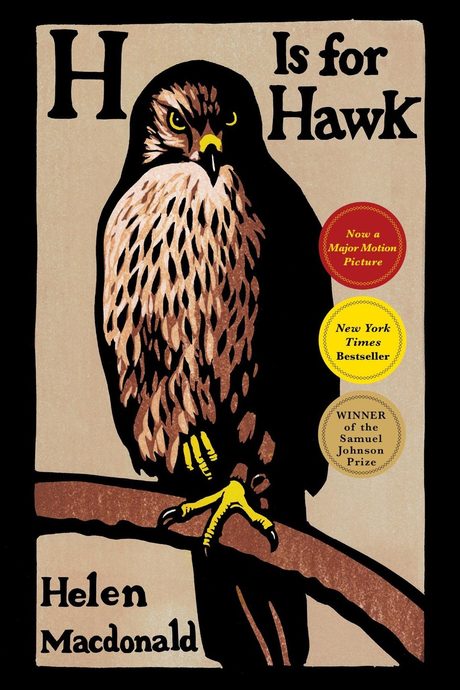
H Is for Hawk
Helen Macdonald2014about 231 pages
Her father dies suddenly, so she buys a goshawk and trains it, which is not a metaphor but the actual plan.
Helen Macdonald's father died without warning, and she responded by buying a goshawk and setting about training it. The book alternates between her year with the bird and the story of T. H. White, the writer who tried the same thing badly decades earlier and left a record of it. Her writing on the hawk is the best I have read on any animal, precise and slightly frightening, and the grief runs underneath all of it without ever being announced or explained.
Why it is at 7
Seventh because the pull here is sentence by sentence rather than plot driven, and the book is slower than everything above it by design. It earns the place because nothing else on this list can do what it does with a single image. If you read mainly for language, move it to number one and ignore my ranking entirely.
Read it ifyou read for sentences and can sit with a slow book
Skip it ifyou want momentum, or you cannot read about hunting
wild, precise, grievingBest for: readers who love languagememoirgriefnature
Heads up: bereavement throughout, and animals killed on the page
8
Inside voice
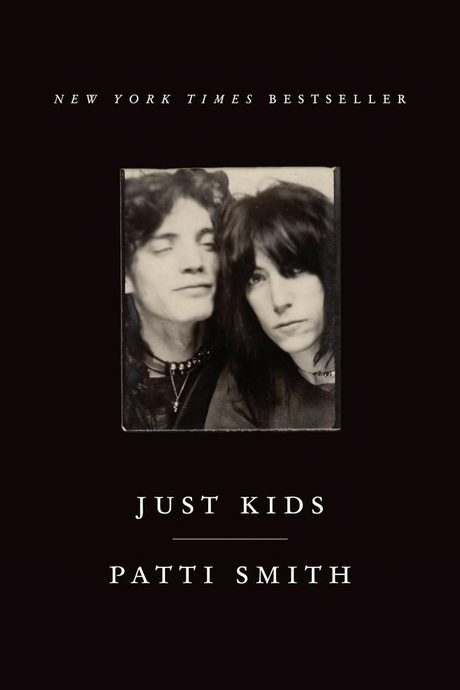
Just Kids
Patti Smith2010about 310 pages
Two broke twenty year olds in New York decide they are artists, years before anybody else agrees with them.
Patti Smith arrived in New York in 1967 with no money and met Robert Mapplethorpe almost immediately, and this is the story of the years when they were poor together, before either of them was anybody. They shared rooms, food and an absolute certainty that they were artists, which is easier to admire in a book than to live next door to. She wrote it after his death, as a promise she had made him, and that shapes every page: tender, protective, and unembarrassed about how earnest the two of them were.
Why it is at 8
Eighth because the pull is atmosphere rather than event. Very little happens in the ordinary sense and the book is still hard to put down, because being young and broke and sure of yourself is rendered so exactly. It ranks here rather than higher because that same quality lets it drift if you are not in the mood for it.
Read it ifyou want to be nineteen and broke in New York for a week
Skip it ifyou need plot, because this book is mostly weather
tender, bohemian, elegiacBest for: artists and romanticsmemoirartnew york
Heads up: drug use, and the death of a close friend from illness
9
Inside voice
Wild
Cheryl Strayed2012about 338 pages
After her mother dies and her marriage ends, she walks a thousand miles alone with a pack she can barely lift.
Cheryl Strayed's mother died when Strayed was twenty two, her marriage came apart, she used heroin for a while, and then she decided to walk more than a thousand miles of the Pacific Crest Trail on her own. The hike gives the book its spine and the flashbacks give it its weight. She is unusually unflattering about herself, and that is the thing that keeps the whole enterprise from turning into an advertisement for going outdoors to fix your life.
Why it is at 9
Ninth because the structure does a lot of the work: a trail is a plot, so even the slower chapters have somewhere to be going. It sits under Just Kids because the writing is good rather than remarkable, and above the biographies because you feel every mile in your own feet. It is also the book here most often misread as a self improvement plan.
Read it ifyou want grief carried inside a physical journey
Skip it ifyou find the redemption arc of outdoor memoirs tiring
raw, physical, restlessBest for: readers in a stuck yearmemoirgrieftravel
Heads up: heroin use, bereavement, and frank sex
10
With access to the subject
Steve Jobs
Walter Isaacson2011about 656 pages
The authorised life of a man who could see the product before anybody else and treated people as raw material.
Isaacson interviewed Jobs over two years, on the understanding that Jobs would have no control over the result, and he talked to a long list of people who had worked with him, loved him, or been fired by him. What comes through is a temperament: someone who could see what a product should be before the rest of the room, and who was careless with the people who built it. The Apple story is here, and the book is at its best when it lets colleagues contradict him on the page.
Why it is at 10
Tenth because it reads quickly for a six hundred page biography and it is the one people actually finish. It is not the deepest book about Apple, and Isaacson is better at collecting scenes than at judging them, so you leave holding a portrait rather than an argument. On pure pull, though, the subject supplies most of it himself.
Read it ifyou want the standard, readable version of the story
Skip it ifyou want technical or business depth about the company
brisk, gossipy, sprawlingBest for: tech curious readersbiographytechnologybusiness
Heads up: serious illness and death
11
As told to
I Am Malala
Malala Yousafzai2013about 356 pages
Most of this book is about the valley before the bus, which is the half people forget it has.
Malala Yousafzai was fifteen when she was shot on a school bus in Swat, and this book, written with the journalist Christina Lamb, spends most of its length on everything that came before: the valley, her father's school, the slow arrival of the Taliban, and a girl who kept going to class after it stopped being safe. The first half is the better half. Underneath the campaign that followed, it is really a book about a father and a daughter who agreed on something and refused to back down from it.
Why it is at 11
Eleventh because the pull is real while the prose stays functional, which is what happens when a fifteen year old's story is shaped for a global audience by a professional. Read it as history from inside a house that lived through it rather than as literary writing. The Swat chapters would be worth the book on their own.
Read it ifyou want to watch a place turn, from a child's window
Skip it ifyou want literary writing, because this is plainly told
plain, brave, urgentBest for: teenagers and parentsmemoirpakistaneducation
Heads up: she is shot, and there is violence through the later chapters
12
Inside voice, with a collaborator
Long Walk to Freedom
Nelson Mandela1994about 768 pages
Begun in secret on Robben Island, finished decades later, and told in a voice that almost never raises itself.
Mandela started writing this in prison, in secret, and finished it many years later with the help of the journalist Richard Stengel. It covers a childhood in the Transkei, the law practice in Johannesburg, the turn to armed struggle, the trial, and twenty seven years inside. The voice is calm and formal throughout, to the point where you sometimes want him to shout. The prison chapters are the ones that stay with you: the smallness of the days, the letters that arrive censored, the negotiations that begin quietly inside the walls.
Why it is at 12
Twelfth because it is long and unhurried, which is the opposite of narrative pull, and it is here anyway because the second half is unlike anything else on this list. Read it as a life rather than as a page turner. If you only want the prison years, start at the Robben Island section and go back for the beginning later.
Read it ifyou want a whole life in the man's own steady voice
Skip it ifyou want a fast read, because this is seven hundred pages of patience
calm, formal, immenseBest for: readers with timememoirsouth africapolitics
Heads up: political violence and long imprisonment
13
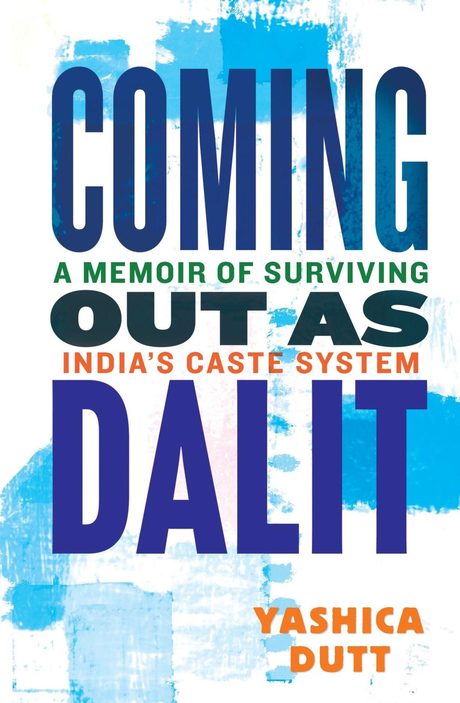
Inside voice
Coming Out as Dalit
Yashica Dutt2019about 266 pages
A childhood spent passing as upper caste, and the daily work of hiding that most of urban India pretends is over.
Yashica Dutt grew up passing as upper caste, coached by a mother who policed every detail that might give the family away, from the surname to the food to the way relatives were described to neighbours. The book moves between that childhood and a wider account of what caste still does in offices, universities and marriages in urban India, the places most confident that caste is finished. She wrote it after the death of the research scholar Rohith Vemula in 2016 pushed her to stop hiding.
Why it is at 13
Thirteenth on pull because the book is half memoir and half argument, and the argument sections read like journalism rather than story. It is on the list because the memoir half is excellent, and because very little else in English describes the daily labour of hiding a caste identity from the inside. It is also short, which makes it the quickest way into the subject.
Read it ifyou want caste described from the inside rather than studied from outside
Skip it ifyou want pure narrative, since half of this is argument
sharp, personal, unsparingBest for: one eveningmemoircasteindia
Heads up: caste discrimination and violence, and a death by suicide referred to throughout
14
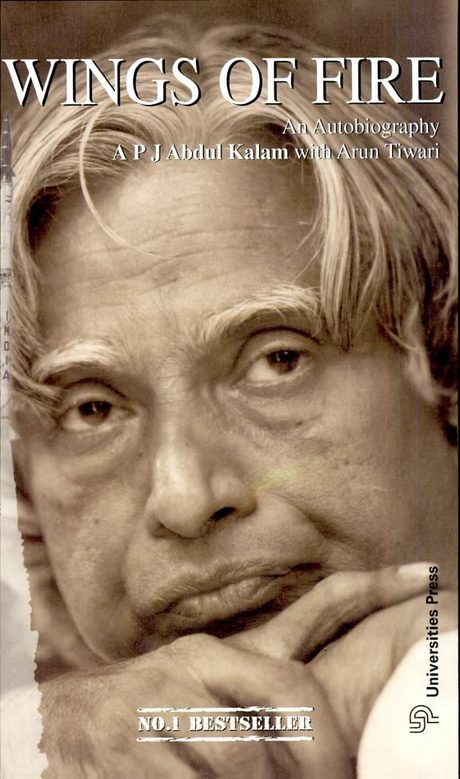
As told to
Wings of Fire
A. P. J. Abdul Kalam1999about 180 pages
The Rameswaram boy who sold newspapers and ended up building rockets, in the book half of India was gifted at school.
Kalam tells his life from Rameswaram, where the family rented out boats and he delivered newspapers as a boy, through his engineering education and the decades he spent inside India's space and missile programmes. Written with Arun Tiwari, it is plain to the point of flatness in places, and it is also the reason a whole generation of Indian schoolchildren decided that science was something people like them could do. The early chapters, about a small town and a father who ran a household on principle, are the best part of it.
Why it is at 14
Fourteenth on pull, and I will be honest about why: it is written as an account rather than as a story, and the middle turns into a project by project record that holds you only if you care about the programmes themselves. Keep it for the childhood chapters, and for the strange fact that a scientist's memoir became the standard prize day gift in this country.
Read it ifyou want the Indian memoir that pointed a generation at engineering
Skip it ifyou want narrative craft, because this is a plainly told record
plain, sincere, datedBest for: students and giftingmemoirindiascience
15

Inside voice
The Year of Magical Thinking
Joan Didion2005about 241 pages
Her husband dies at the dinner table while their daughter lies in a coma, and she spends a year trying to think her way out of it.
Joan Didion's husband died at the table in December 2003, while their daughter was in hospital and critically ill, and this is the record of the year that followed. It is obsessive in a very particular way: she rereads the medical reports, replays the evening for clues, refuses to give away his shoes because he would need them if he came back. She keeps naming this magical thinking, and she keeps doing it anyway, and the gap between what the writer knows and what the widow does is the book.
Why it is at 15
Fifteenth on pull, and first if I were ranking prose. It circles instead of advancing, on purpose, because that is what the year was like. So it is the book here I admire most and would never describe as fast. Read it when you are steady, or when you have lost somebody and want proof that a clear mind is no protection at all.
Read it ifyou want the finest writing here and can take stillness
Skip it ifyou are freshly bereaved, because this book does not comfort
cold, precise, circlingBest for: readers who love prosememoirgriefmarriage
Heads up: the sudden death of a spouse and a child's critical illness
16
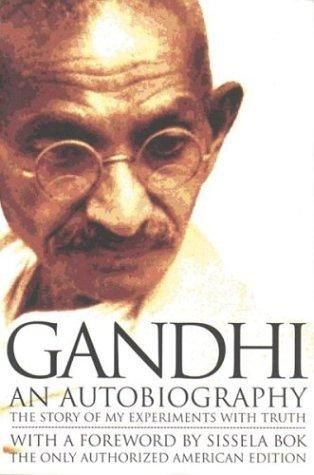
Inside voice, translated from Gujarati
The Story of My Experiments with Truth
M. K. Gandhitranslated by Mahadev Desai1927about 568 pages
Written in weekly instalments in Gujarati, and startling mostly for what he refuses to leave out about himself.
Gandhi wrote this in Gujarati as weekly instalments and Mahadev Desai translated it into English, which is why it reads as a run of very short chapters rather than a shaped narrative. He covers the childhood, the painfully shy law student in London, and the South Africa years where the method was worked out, and he treats his own conduct as material for examination, including the episodes that make him look small or foolish. The governing decision is that nothing embarrassing gets left out, and he mostly keeps to it.
Why it is at 16
Sixteenth on pull, because it is a set of moral experiments written by a man auditing himself, and it never once tries to hold your attention. It is on the list anyway, because it is the Indian autobiography every later one gets measured against, and because the honesty is genuinely startling if your picture of him comes from textbooks and statues.
Read it ifyou want the man in his own words instead of the statue
Skip it ifyou want a story, because this is a record of self examination
austere, searching, oddBest for: patient Indian readersautobiographyindiahistory
Heads up: frank passages about sexuality, celibacy and diet
Worth knowing
How close the writer stood, and why the label matters
Every entry carries a label that answers one question: whose sentences are these? Inside voice means the person wrote the book about their own life. As told to means a professional writer shaped it with their name on the cover, which usually makes the prose smoother and the personality quieter. Written with a ghost means the same arrangement without the cover credit, which I flag only where it is known and acknowledged. With access means an outsider wrote it while the subject and the people around them talked to him. From the archive means the subject did not cooperate and the book was built out of paper.
The label is not a ranking, because each distance fails in its own direction. A memoir hands you the inside of a head, which no biography can reach, and it is also the account of somebody with an interest in the verdict, remembering thirty years late. An archive book can show you a date and a bank transfer and will never know what the room smelled like. When two books about the same world disagree, it is usually the distance talking rather than a liar.
Worth knowing
Where to start if you have never read a memoir for pleasure
Start with Open, then Educated, then The Glass Castle. All three are fast, scene driven and built out of a childhood, so they teach you the pleasure of the form without demanding patience first. After those, read Empire of Pain to see what a writer can do from the outside with nothing but documents, and then H Is for Hawk when you are ready for a book that goes slowly on purpose. Leave Mandela and Gandhi for later, for a stage when a life told at its own pace sounds like a good evening rather than homework.
One plain thing about the grief books, since three of them are here. The Year of Magical Thinking, H Is for Hawk and Wild are company, not treatment. A book can make a loss feel less lonely and it cannot do the work of a doctor or a therapist, and none of these three claims otherwise. Read them when you want to be understood, and get actual help when you need help.
People also ask
Questions, answered
What is the difference between a biography and a memoir?
A memoir is written by the person about a part of their own life. A biography is written by somebody else about the whole of one. That difference decides what you can trust in it. A memoir gives you the inside of a head, and the memory of somebody who has a stake in how the story lands. A biography gives you records, dates and other people's versions, and it can never reach that inside view. This list mixes both and labels each book so you know which one you are holding.
What is the best biography or memoir to start with?
Educated by Tara Westover if you want the book that converts people who do not read, and Open by Andre Agassi if you want the fastest read here. Both are built like novels, with short chapters, a clear arc and a childhood you cannot look away from. If you would rather have a biography than a memoir, start with Empire of Pain, which reads like a family saga and was written without any cooperation from the family it is about.
Which Indian memoirs are worth reading?
Coming Out as Dalit by Yashica Dutt is the one I would put first, because it describes the daily work of hiding a caste identity from the inside and does it in a single evening. Wings of Fire is much plainer, and it stays on this list for the Rameswaram childhood chapters and for what the book did to a generation of students. Gandhi's autobiography is the deep end, and it is worth reading once you want a life told at its own speed rather than a story.
Are memoirs actually true?
They are true the way a witness statement is true. The writer is usually not lying, and they are also remembering across decades, choosing what to include, and quietly casting themselves in their own film. That is exactly why every book here is labelled by how close the writer stood to the events. Where a memoir has been publicly disputed, read it as one account rather than as the record. If you want a checkable version of a life, put a document based biography next to it.
Which memoirs read most like novels?
Educated, Open, Angela's Ashes and The Glass Castle, because all four use the tools of fiction: scene, withholding, a narrator with a real voice, and a childhood that works as a first act. Empire of Pain pulls off the same effect from the outside by structuring three generations like a dynasty novel. The two that read least like novels are Gandhi's autobiography and The Year of Magical Thinking, and in Didion's case that is a deliberate choice rather than a shortcoming.
Is Educated worth the hype?
Yes, with one caveat. It is the rare book that survives how hard it gets recommended, mainly because Westover writes the violent scenes with restraint instead of underlining them for you. The caveat is that it is a book about family violence and estrangement, and readers who grew up in a controlling household often find that it lands very close. If that is you, know what you are picking up before you reach the third chapter.
Before you go
What to read tonight
If you want to start tonight, start with Open. You will be forty pages in before you notice, and it genuinely does not matter whether you care about tennis. If you already read a lot of nonfiction, start with H Is for Hawk or the Didion, and give both the quiet they ask for.
Once you have two or three of these behind you, try reading a memoir and a biography from overlapping worlds close together, which is where this genre gets interesting. Steve Jobs after Empire of Pain, for instance, since both are about what a family or a company will forgive in the person bringing in the money. You will notice how differently the same kind of man gets handled when the writer had access, and when the writer had only paper.
Keep going
Lists that pair with this one
Comedy
The 16 Best Comedian Memoirs, Ranked by How Funny the Page Is
Stage-funny does not always survive the printing press, so I scored every one of these on the page alone.
Nonfiction
The 15 Best Business Books Worth Your Time (And 4 That Are Not)
I ranked fifteen by how much of each one you can actually use, and named the four that get quoted far more often than they get finished.
Mood & Life
20 Best Books to Read in Your 20s, Grouped by the Problem
Four problems run this decade, work, love, money and meaning, so the list is sorted that way instead of pretending one book fixes all four.
Indian Fiction
16 Best Books to Understand India, Ranked by What They Explain
Sixteen books, ten doors into the same country: history, caste, the mega city, the village, money, and where to start tonight.