20 Best Books to Read in Your 20s, Grouped by the Problem
Four problems run this decade, work, love, money and meaning, so the list is sorted that way instead of pretending one book fixes all four.
By Bhavik SarkhediUpdated August 2026Covers and data: Google Books, Open Library
At twenty three I owned a shelf of advice books and a job I did not want. The books were not the problem. The problem was that I read them like scratch cards, hoping one of them would tell me what to do on Monday morning, and none of them did, because none of them knew what my Monday looked like.
That is the honest shape of this decade. You are not short of advice, you are short of a way to sort it. So this list is grouped by the four things that actually go wrong between twenty and thirty: work, love, money, and the quiet question of what any of it is for. Inside each block, the first book is the one I would hand you first.
Some of these are famous and earn it. Two are famous and sit low here, with reasons given in plain sight. Four are Indian, because a book about quitting your job to find yourself reads differently when your parents paid for the degree and ask about it at dinner. Quick picks are below if you are standing in a bookshop and somebody is waiting for you.
Four problems, twenty books: work, love, money, meaning. If a book did not clearly belong to one of them, it did not make the list, however good it is.
Books you can finish at twenty four, when you are tired and the phone is right there. Nothing over four hundred pages, no reading list disguised as a book.
At least three Indian titles, because most twenties lists are written for a reader with a lease, a car, and no family opinion about their career.
Every title checked through Google Books and Open Library with a real cover, so nothing here is a ghost edition or a summary pamphlet wearing the same name.
I cut the productivity shelf down to one. You do not need eleven habit books, you need one and a calendar.
The two most recommended books for this age group are both here, both ranked low, and I say exactly why in their entries.
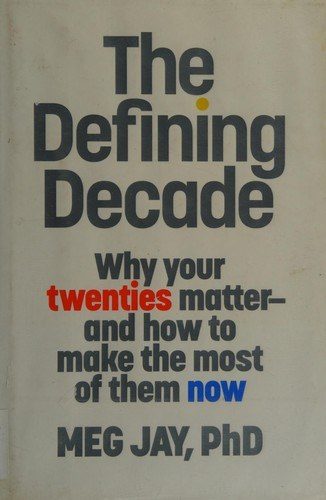
A clinical psychologist argues that your twenties are not a rehearsal, then shows you the research behind that inconvenient claim.
Meg Jay spent years listening to twenty somethings tell her they had plenty of time. Her book is a calm argument against that idea, built from her sessions and from developmental research: the choices you make between twenty and thirty about work, partners and cities set the terms for the forty years after, because that is when identity is still cheap to change. It runs in three parts, work, love, and the brain and body. The tone is a good therapist rather than a coach with a whiteboard, which is why it survives a second reading.
Why it is at 1
First because it does the one thing nothing else here does: it gives the decade a shape. Every other book on this list answers a question. This one tells you which question you are actually standing in. The caveat is that Jay writes for an American reader with a lease and a car, so translate the logistics and keep the psychology.
Read it ifyou want a reason to take the next three years seriously
Skip it ifyou are already anxious about time, because this book pushes hard in that direction
calm, direct, slightly alarmingBest for: the twenty two year old driftingpsychologycareernon-fiction
Newport takes the phrase follow your passion, holds it up to the light, and shows you there is nothing inside it.
Newport's argument is that passion does not arrive before the work, it grows out of being good at something. He calls the alternative a craftsman mindset: stop asking what a job offers you and start asking what rare and valuable skill you are building inside it. The book runs on case studies of people who built happy careers slowly and people who quit to chase a dream and ended up broke and no happier. It is short, argued rather than inspirational, and a little repetitive through the middle third.
Why it is at 2
Second because it treats the advice every Indian twenty something has been handed, do what you love, as a claim that can be tested instead of a blessing. Jay tells you the decade matters. Newport tells you what to do with Monday. In that order the panic turns into something like a plan.
Read it ifyou keep quitting things because they do not feel like a calling
Skip it ifyou are in a genuinely toxic job, because this book will tell you to stay and get good
argued, unsentimental, usefulBest for: career switchers and serial quitterscareerworknon-fiction
Three friends at IIT decide the system is not worth their sanity, and pay for that decision in grade points.
Hari, Ryan and Alok are engineering students at IIT Delhi who land at the bottom of their class and stay there. The book is about what a ranking system does to a friendship, to a father's expectations, and to a boy who is bright but not built for competition. It is written plainly, moves fast, and is funnier than its reputation allows. Twenty years on the prose shows its age and the romance is thin, but the pressure it describes has not eased by a single degree in Indian colleges.
Why it is at 3
Third because it is the only book here that puts you back inside the room where your twenties were decided for you: a hostel, a syllabus, and a father on the phone asking about marks. Newport is about choosing work. This is about what happens when the choice was made at seventeen by somebody else. Read it for recognition, not for the sentences.
Read it ifyou went through an Indian engineering or medical college and never processed it
Skip it ifyou want careful prose, because the writing is deliberately plain and sometimes flat
fast, funny, familiarBest for: Indian college survivorsindian fictioncollegefriendship
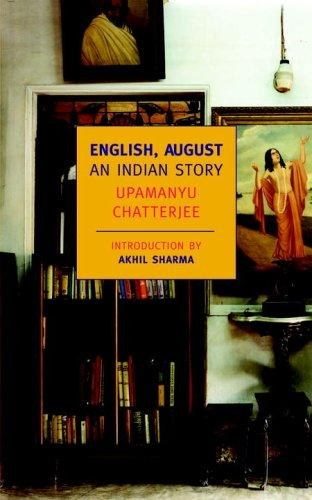
A bored young civil servant is posted to a small town and does almost nothing for three hundred pages, brilliantly.
Agastya Sen is urban, English speaking, and freshly recruited into the Indian Administrative Service when he is sent to a town called Madna where the heat is punishing and nothing is expected of him quickly. He smokes, he lies about being married, he reads Marcus Aurelius in the afternoons, he fails steadily to become the man his father is. Chatterjee wrote the funniest Indian novel about drift I have read, and the joke underneath it is that the town is not Agastya's problem. He has been handed a good life and cannot feel anything about it.
Why it is at 4
Fourth, and the most accurate book here about being twenty four in India. Five Point Someone is the pressure before the job. This is the strange flatness after it, when you hold the thing everybody wanted for you and the days still go past like water. No other book on this list catches that particular boredom.
Read it ifyou got the job everyone congratulated you for and feel nothing much
Skip it ifyou need plot, because very little happens and that is entirely the point
dry, funny, driftingBest for: the well placed and boredindian fictionsatiredrift
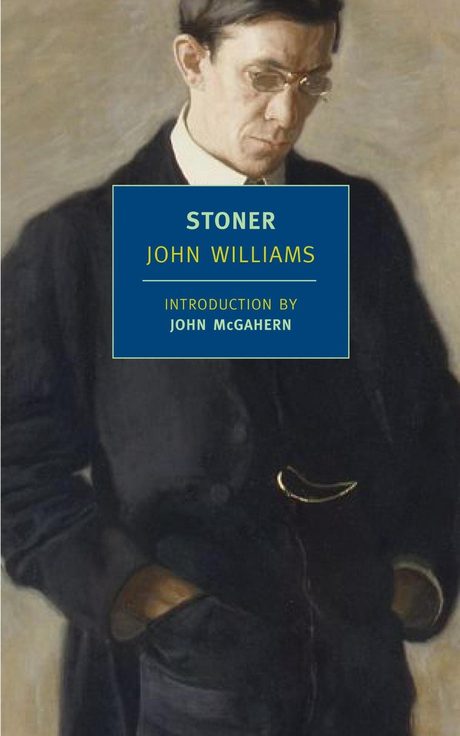
The quiet life of a farm boy who becomes an English professor, and somehow the saddest book you will ever recommend.
William Stoner leaves a Missouri farm to study agriculture, falls into a literature class by accident, and stays at that university for the rest of his life. He has an unhappy marriage, one affair, a long departmental feud, and a daughter he loses slowly. Nothing dramatic happens by the usual standards. Williams writes in plain sentences that keep landing like small stones, and by the last page you have watched an entire ordinary life go past at speed. The novel was ignored for decades before readers found it again.
Why it is at 5
Fifth, and the best written book in this block. It sits with the work books on purpose, as the control group. Jay and Newport tell you how to build a career. Williams shows you a man who built one carefully and still had to decide in his fifties whether it counted. Read it at twenty five and you will choose differently at thirty.
Read it ifyou want a novel that treats an ordinary working life as a serious subject
Skip it ifyou are already low, because this book is quietly devastating and offers no relief
plain, sad, perfectBest for: readers who want literatureclassiccampusliterary fiction
Heads up: marital unhappiness, estrangement from a child, terminal illness
A driver from a poor village writes to the Chinese premier explaining exactly how he became an entrepreneur.
Balram Halwai narrates his own rise from a village tea shop to a car service business in Bangalore, in a run of late night letters addressed to Wen Jiabao. He is funny, self serving, and completely clear eyed about the arrangement that keeps people like him carrying bags for people like his employers. Adiga writes the servant's view of the Indian middle class with no soft edges anywhere. The voice carries the whole book and it is one of the best voices in recent Indian fiction. There is a crime in it, and Balram tells you about it early.
Why it is at 6
Sixth, and the book that closes the work block with a slap. The other five ask what you should do with your career. Adiga asks who is allowed to have one. If you are twenty four with a laptop job and a driver waiting downstairs, this is a novel about the gap you have trained yourself to stop noticing.
Read it ifyou want the class question asked without any comfort offered
Skip it ifyou dislike an unreliable narrator who is proud of the worst thing he did
sharp, angry, funnyBest for: readers of modern Indiaindian fictionclasssatire
Heads up: murder, casual cruelty, caste and class violence
A student in 1960s Tokyo is loved by two women and is not yet a person who can handle either of them.
Toru Watanabe hears a song on a plane and remembers his student years: Naoko, who is grieving and unwell, and Midori, who is alive in a way that frightens him. There is no magic in this Murakami, no cats and no parallel worlds, only dormitories, records, long walks and a great deal of unspoken damage. It is his most straightforward novel and his most popular for exactly that reason. What it gets right is the very specific young habit of confusing devotion with paralysis, and of standing between two people while telling yourself you are being kind.
Why it is at 7
First in the love block because it is the least flattering. Most romance written for this age is designed to make you feel understood. Murakami gives you a young man who is decent, passive, and slowly damaging two lives by refusing to choose between them. If you recognise yourself in Toru, that recognition is the value, and it is not comfortable.
Read it ifyou want a love story honest about your own passivity
Skip it ifgrief and suicide in fiction are not safe for you right now
melancholy, slow, preciseBest for: anyone stuck between two peoplejapanese fictionfirst lovegrief
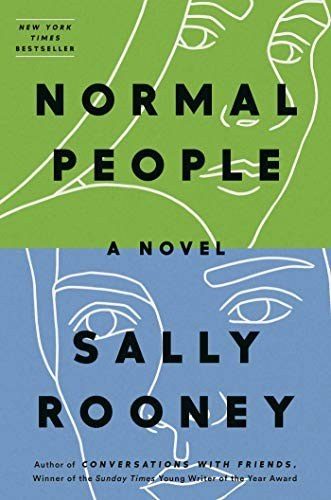
Two clever people keep finding each other across four years and keep failing to say the one simple thing.
Connell and Marianne meet at school in a small Irish town where he is popular and she is not, then circle each other through university in Dublin. Class runs under everything: his mother cleans her family's house, and neither of them ever quite says so. Rooney writes conversation better than almost anyone working now, and she is very good on the small social calculations that make two people who love each other behave badly. There are no quotation marks, which irritates some readers for about ten pages and then stops mattering completely.
Why it is at 8
Second because it is the current version of the same failure. Murakami's Toru cannot bring himself to choose between two women. Rooney's pair cannot say the plain thing out loud. Side by side they make one argument, that most young heartbreak is a communication problem wearing the costume of fate. This is the easier read of the two and the one you will finish over a weekend.
Read it ifyou want dialogue that sounds like people you actually know
Skip it ifyou need a plot with events, because this is four years of two people talking
sharp, intimate, frustratingBest for: on and off relationshipsirish fictionclassmodern romance
Heads up: depression, self harm, an abusive family
Four people in Prague argue with their own lives about whether anything we choose actually carries weight.
Tomas is a surgeon who sleeps with many women and loves exactly one of them. Tereza arrives with a suitcase and stays. Sabina paints and leaves everybody. Around the four of them, Soviet tanks roll into Prague in 1968 and private decisions turn political overnight. Kundera keeps stopping the story to think out loud about lightness and weight, about whether a life you get only once can be judged at all. It is a novel that argues with the reader. Some find the narrator's view of women dated, and that criticism is fair.
Why it is at 9
Third because your twenties are the first stretch of life where the lightness question becomes real. You can change city, change field, leave someone, and nothing external stops you, and that freedom is far heavier than it looks from outside. Rooney and Murakami write about two people. Kundera writes about whether any of it means anything, which is the three in the morning version.
Read it ifyou like a novel that stops to think and never apologises for it
Skip it ifyou want characters over ideas, because the essays interrupt constantly
cerebral, sensual, argumentativeBest for: overthinkers at three amczech fictionphilosophylove
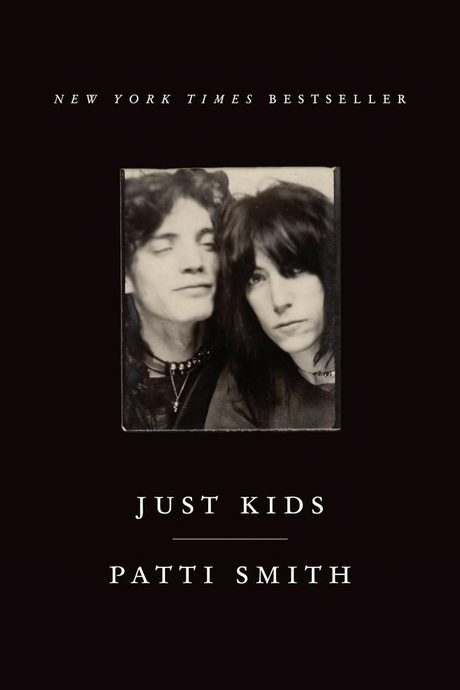
Two broke twenty year olds in New York promise to keep each other making art, and mostly keep the promise.
Patti Smith and Robert Mapplethorpe met in 1967 with no money, no plan, and complete certainty that they were artists. The book covers the shared rooms, the pawned possessions, the Chelsea Hotel, and the slow separate arrivals of her music and his photographs. She writes it as a promise kept to him after his death. What makes it useful rather than nostalgic is how ordinary the poverty is on the page: the arithmetic of one sandwich, the negotiation about which of them gets to work on art this month while the other takes the shift.
Why it is at 10
Fourth, and the only love story here that ends well, though not in the way you would expect. The other three are about romantic love failing in slow motion. This is the friendship version, two people agreeing to be each other's proof that the work matters. At this age that relationship often does more for you than any romance, and almost nobody writes it down.
Read it ifyou have one friend who keeps you honest about your work
Skip it ifart scene nostalgia tires you, because there is a great deal of it
warm, broke, romanticBest for: artists with day jobsmemoirnew yorkfriendship
Nineteen short chapters arguing that money is a behaviour problem rather than a mathematics problem.
Housel's premise is that a patient person with no financial training will beat a brilliant one who cannot control himself. The chapters are short and each is built on a story: a petrol station attendant who left millions, an executive who went broke, the compounding arithmetic that nobody feels in their gut until it is too late. He is honest that luck and risk are the same thing viewed from opposite ends. There is very little instruction in the book, which is deliberate. It changes how you think about money before you make one decision with it.
Why it is at 11
First in the money block because behaviour comes before product. You cannot choose a fund sensibly while you still believe rich people are simply smarter people. Housel is also the most readable finance writer alive for a beginner and the chapters fit a commute. What he will not tell you is what to actually buy in India, which is why the next book is here.
Read it ifyou earn now and have never once asked why you spend
Skip it ifyou want specific instructions, because this book deliberately gives none
short, calm, story-ledBest for: first salary, no planmoneybehaviournon-fiction
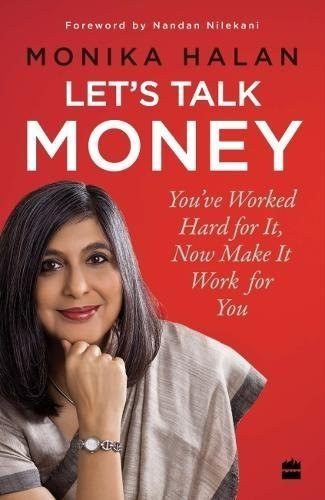
The rare personal finance book written for Indian salaries, Indian products, and Indian family pressure.
Halan builds a system rather than delivering a lecture: three buckets for your money, an emergency fund sized to your actual life, term insurance kept strictly separate from investment, and index funds for the long part. She is direct about what gets sold to Indian savers by relatives and bank staff, and about why a policy promising both cover and returns is usually a poor version of two separate things. The book assumes you know nothing and never makes you feel foolish for it. Product names have moved on since publication; the structure has not.
Why it is at 12
Second because it is the only book on this list that works in rupees. Housel changes your head, Halan tells you what to do on Monday with a salary account and an uncle who sells insurance. If you read one money book in your twenties in India, read this one, and read it before your first big policy purchase rather than after it.
Read it ifyou have a salary and no idea where it goes each month
Skip it ifyou already invest and want advanced tax or equity strategy
practical, indian, plainspokenBest for: first job in Indiapersonal financeindianon-fiction
The habit book that survived its own hype, largely because it is about systems instead of willpower.
Clear's argument is that you do not rise to your goals, you fall to your systems, and those systems are built from small repeated actions attached to cues you can design on purpose. Make it obvious, attractive, easy and satisfying, then let repetition do the slow work. It is well organised, thick with examples, and less padded than most of the shelf around it. The weakness is that the examples are tidier than real life ever is, and the last third restates the first with new anecdotes.
Why it is at 13
Third in the money block, which surprises people. A monthly investment and a gym membership fail for identical reasons: the plan was fine and the Tuesday was bad. Halan gives you the plan, Clear gives you the machinery that keeps it alive through January. Read it after the money books rather than before, or you will build a beautiful routine that leads nowhere.
Read it ifyou make good plans and abandon them by week three
Skip it ifyou have read two habit books already, because this adds structure and not much else
systematic, tidy, repetitiveBest for: plans that die in week threehabitsself-improvementnon-fiction
A psychiatrist survives the camps and comes out holding one idea: you choose your response, never the circumstances.
The first half is Frankl's account of Auschwitz and three other camps, written without drama and without one line asking for pity. The second half sets out logotherapy, his method built on the belief that a person can endure almost any how if they have a why. He is careful to say that survival was mostly luck rather than virtue, and that single admission is what makes the rest of it trustworthy. The whole thing runs under two hundred pages. I have read it three times and it gets shorter and stranger each time.
Why it is at 14
First in the meaning block, and the book I would save if the shelf caught fire. Everything else here helps you build a life. This one is about what remains when the building is taken away from you by force. It is also the shortest serious book on the list, which matters at twenty five when your attention arrives in pieces.
Read it ifyou want the hardest version of the meaning question answered plainly
Skip it ifyou cannot read about the Holocaust right now, which is a real and sufficient reason
spare, steady, unforgettableBest for: one evening, changed yearmemoirpsychologyholocaust
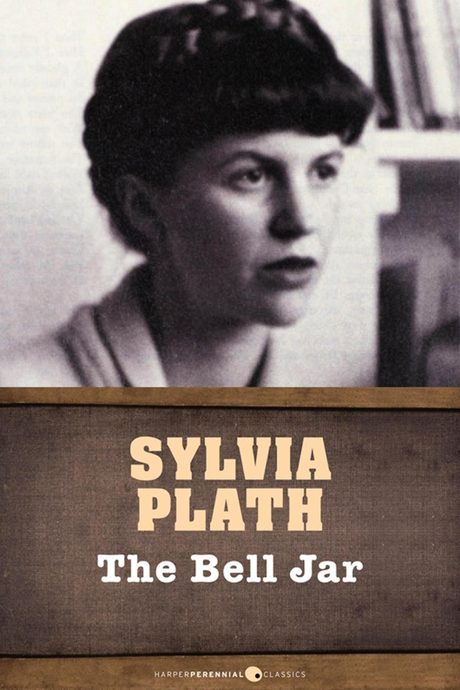
A gifted young woman wins a magazine internship in New York and starts coming apart while everybody congratulates her.
Esther Greenwood is nineteen, talented, and in the middle of a summer that should be the start of everything. Plath writes the descent with a very dry humour that somehow makes it worse, because Esther keeps noticing how absurd the whole performance is even as the ground goes out from under her. It is a novel about depression that never once uses the vocabulary of therapy, and about the narrow set of futures on offer to a clever woman in 1953. Plath died weeks after it first appeared, which is impossible to read around.
Why it is at 15
Second because it is the honest counterweight to every book here that says your twenties are yours to build. Sometimes the machinery breaks, and the achievements make it worse rather than better. Frankl is about surviving what is done to you. Plath is about surviving what happens inside you, and she is far funnier about it than her reputation allows.
Read it ifyou want depression written from the inside with the jokes intact
Skip it ifyou are in a bad patch, because the treatment scenes are hard going
dry, precise, frighteningBest for: readers who mask wellclassicmental healthnew york
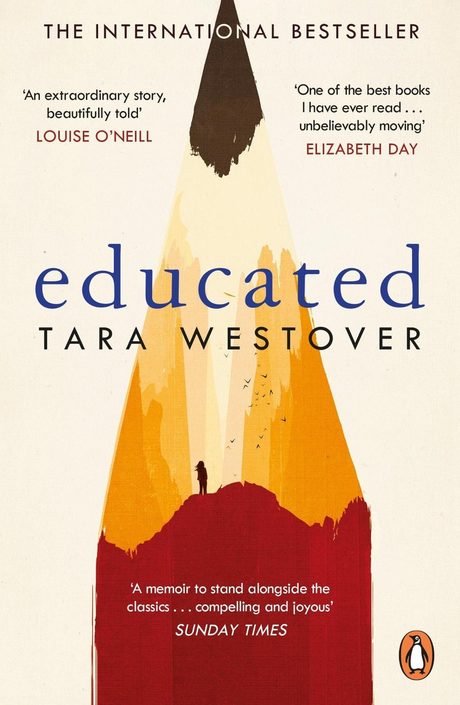
A girl raised off the grid by survivalist parents has no birth certificate at nine and a doctorate at twenty seven.
Westover grew up in rural Idaho in a family that did not believe in schools, hospitals or the federal government. She taught herself enough mathematics and grammar to pass an entrance exam, arrived at university at seventeen with no idea what the Holocaust was, and kept going. The book is less about academic achievement than about its price: what happens to a family when one member begins describing reality differently from the rest. She is scrupulous about memory and notes in footnotes where her siblings remember an event another way.
Why it is at 16
Third because it is the most useful book here about becoming someone your family did not order. That is a very Indian problem too, even when the family believes in schools and paid the fees. Frankl and Plath work on the inside. Westover writes the moment your education turns you into a stranger at your own dinner table, and what that costs both sides.
Read it ifyour education has made you a stranger at home
Skip it iffamily violence in memoir is hard for you to sit with
tense, clear, extraordinaryBest for: first in the familymemoirfamilyeducation
Heads up: physical abuse, serious injuries, denial and gaslighting
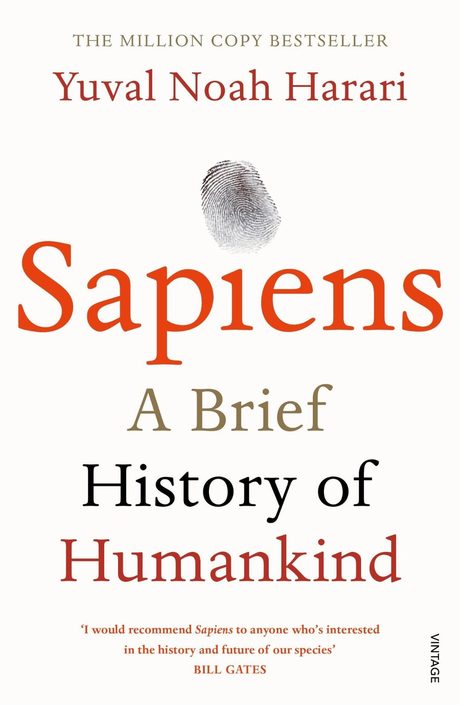
A one volume history of our species that treats money, religion and nations as stories we all agreed to believe.
Harari runs from the cognitive revolution to the present in around four hundred pages, arguing that what separates us from other animals is an ability to cooperate in large numbers around shared fictions: gods, states, companies, rupees. It is a big argument delivered with enormous confidence, and that confidence is both the appeal and the problem, because specialists dispute plenty of the detail. Read it as a provocation rather than a textbook and it does something worthwhile at twenty five. It makes the arrangements around you look optional.
Why it is at 17
Fourth, and the book people quote most at parties. It earns a place because it widens the frame at exactly the age when your own life feels like the entire universe. Take the specifics with salt, particularly on agriculture and on happiness. Keep the habit of mind, which is asking who benefits from the story everybody treats as natural.
Read it ifyou want the widest possible frame in a single book
Skip it ifyou want careful history, because the confidence outruns the evidence in places
broad, confident, arguableBest for: the big picture cravinghistorybig ideasnon-fiction
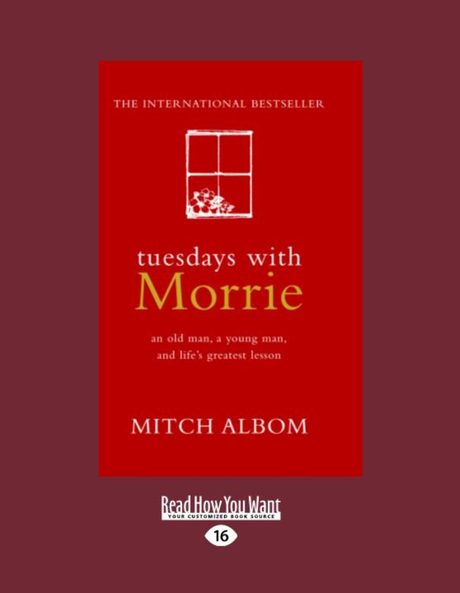
A sportswriter visits his dying professor every Tuesday for fourteen weeks and takes notes on how to live.
Albom reconnects with Morrie Schwartz, his old sociology teacher, after seeing him on television with a terminal motor neurone diagnosis. They meet weekly and talk about death, family, money, forgiveness and regret, and Albom writes it up as a final class with one student. It is short, gentle and unashamedly sentimental. Morrie is good company on the page, and some of what he says about how a culture trains you to want the wrong things will stay with you longer than the packaging around it suggests.
Why it is at 18
Fifth, and I have argued with myself about including it. The book is soft where Frankl is hard, and it flatters the reader in a way I usually dislike. It is here because at twenty three it was the first thing that made me think about my parents' remaining years as an actual number, and that thought was worth more than the prose. Read it, do not build a philosophy on it.
Read it ifyou want a gentle first book about mortality
Skip it ifsentimentality irritates you, because this book has no defence against the charge
gentle, sentimental, warmBest for: readers who avoid heavy booksmemoirmortalityshort read
A shepherd boy walks from Spain towards the pyramids chasing a dream, and the world keeps arranging itself to help.
Santiago leaves his flock to look for treasure near the pyramids and collects teachers along the road: a king, a crystal merchant, an Englishman, an alchemist. It is a fable rather than a novel, so the characters are positions instead of people and the plot is a sequence of lessons. The prose is simple by design and the whole thing reads in one sitting. What it does well is make a young reader feel that leaving is permitted. What it does badly is insist the universe conspires to help you, which is comfortable and mostly untrue.
Why it is at 19
Nineteenth, which will annoy the people who love it. I am not sneering. I read it at twenty and it did its job, which was to make a boy from Ahmedabad believe he was allowed to want something odd. The philosophy simply does not survive contact with a bad year. Take the permission it offers, then leave the metaphysics on the shelf.
Read it ifyou need permission to want something your family finds strange
Skip it ifyou dislike fables that sound wise while saying very little
simple, hopeful, thinBest for: a first push out the doorfableclassicone sitting
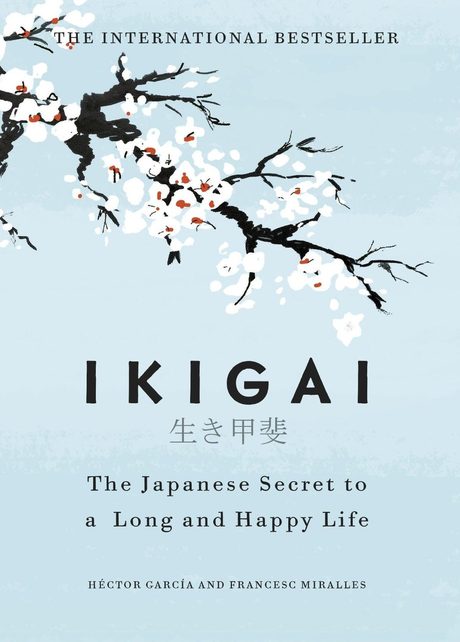
Héctor García and Francesc Miralles2016about 160 pages
A pleasant short book about Japanese longevity that has been sold to you as a philosophy of purpose.
Two Spanish writers travel to Ogimi in Okinawa, a village with a striking number of very old residents, and mix interviews with chapters on diet, gentle movement, community and flow. The Okinawan material is the good part: the food, the moai support groups, the habit of stopping eating before you are full. The four circle diagram everybody posts online, the one about what you love and what pays, is not really what this book is doing. It is a light read and a genuinely nice hour of your life.
Why it is at 20
Last, and honestly assessed. This is not a bad book, it is a thin one wearing a large idea's clothes. If you want the longevity habits, the first half delivers them cleanly. If you came looking for a method to find your purpose, the diagram in your head is doing that work and these pages are not. Read it in a cafe, enjoy it, do not reorganise your life around it.
Read it ifyou want a light hour on Okinawan habits and food
Skip it ifyou are actually looking for a purpose framework, because this is not one
light, pleasant, oversoldBest for: a slow Sunday afternoonjapanlongevitylight read
The order is not best to worst. It is the order in which the problems tend to arrive. Work comes first because it is loudest, it eats the most hours, and at twenty three it is usually the thing keeping you awake at two in the morning. Love is second because it turns serious once your days have a shape. Money is third, which is late, and that lateness is the most expensive mistake of the whole decade. Meaning is last because it is the question you can postpone longest and the one that never goes away.
Inside each block, rank one is the book I would hand you first. So if you read only four books from this entire list, read numbers one, seven, eleven and fourteen, in that order, and you will have covered the decade at a decent resolution. If you read only one, make it fourteen and give it an evening with the phone in another room.
People also ask
Questions, answered
What is the single best book to read in your 20s?
Man's Search for Meaning, if you want the one that lasts. It is under two hundred pages, it does not date, and it answers the question the other nineteen books here are circling. If you want practical rather than profound, The Defining Decade is the better first pick, because it gives the whole decade a shape before you start optimising individual pieces of your life. Read both inside the same month if you can manage it.
How many books should I read in a year in my 20s?
Enough that you actually finish them. Twelve real books you can still describe two years later beat fifty you sped through for a reading challenge screenshot. If you are starting from zero, aim at one a month and pick the short ones first: Frankl, Ikigai, The Alchemist and Tuesdays with Morrie all sit under two hundred and fifty pages. Speed arrives on its own once finishing stops feeling like homework.
Are self help books worth reading in your 20s?
Two or three are, and after that the returns fall off a cliff, because most of the shelf is six ideas wearing different jackets. The ones worth your time here are The Defining Decade, So Good They Can't Ignore You and Atomic Habits. Once you have those, novels will teach you more about people than another productivity title will, and people are the actual subject of this decade.
Which Indian books should a 20 something read?
English, August by Upamanyu Chatterjee first, because nothing else describes the flatness of a good job in a small posting so exactly. Then The White Tiger by Aravind Adiga for the class question, and Let's Talk Money by Monika Halan for the only financial advice on this list that works in rupees. Five Point Someone is optional and depends entirely on whether you survived an Indian engineering college.
Is Ikigai overrated?
It is overrated and still not worthless. The Okinawan material on food, movement and community is real and pleasant, and you can finish the book in an hour. What it does not contain is the purpose framework most readers think they are buying, so if you came for that you will close it feeling faintly cheated. Read it as travel writing with health notes and it holds up perfectly well.
What should I read if I only have one evening?
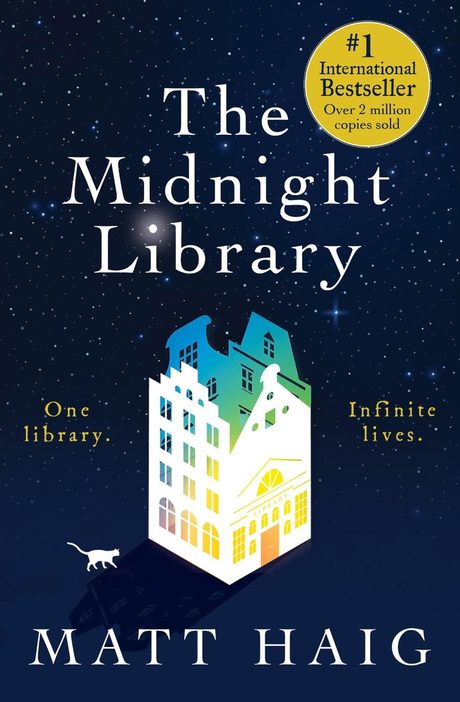
Man's Search for Meaning at around a hundred and sixty pages, or The Alchemist if you want something light that pushes you forward. If you would rather have fiction that stays with you, Stoner takes two evenings and the second one is worth clearing. Avoid starting Sapiens or Educated on a weeknight, because both are the kind of book that keeps you up and ruins the next morning.
Before you go
What to read tonight
If it is a Tuesday night and you want to begin something now, start with number one and read it with a pen, because the value of that book is in the arguing you do down the margins. If you are choosing between the two most recommended titles here, the tiebreak is simple: The Defining Decade when you need a plan, Man's Search for Meaning when you need a reason.
And when you are twenty nine looking back at a list like this, the books that will have done the real work are almost certainly the novels rather than the advice. Advice ages badly and you outgrow it inside three years. Stoner and English, August will still be describing your life accurately in a decade, which is the only test that matters for a book you keep carrying between rented flats.