The 16 Best Comedian Memoirs, Ranked by How Funny the Page Is
Stage-funny does not always survive the printing press, so I scored every one of these on the page alone.
By Bhavik SarkhediUpdated August 2026Covers and data: Google Books, Open Library
I wrote a novel about a stand-up comedian, which means I spent two years reading comedian memoirs and calling it research. Here is the uncomfortable thing I learned: being funny on stage and being funny on paper are two different jobs. On stage you have timing, a mic, and a crowd that came to laugh. On the page you have fonts. Some of the biggest names in comedy turn in books that read like a LinkedIn post with better swearing.
So this list runs on one axis: how funny and how alive the book is on the page, for a reader who may have never watched a single special. Every entry gets a page-funny score out of 10, which is my own rating, argued for in plain sight. Fame got nobody a higher spot. One of the most famous comedians alive sits at fifteen.
This is for you if you want to laugh on a train without headphones, or if you love comedy and want to see how the machine works from inside. The list is ranked, one to sixteen, best page first. Quick picks below if you only have ten seconds before your chai goes cold.
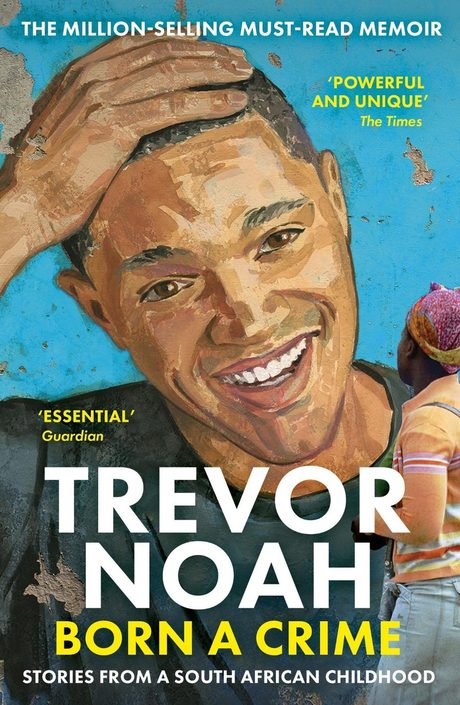
A childhood under apartheid told with the timing of a headliner and the heart of a son writing about his mother.
Trevor Noah was born in South Africa to a Black mother and a white father when that relationship was literally illegal, so his existence was the crime in the title. The book is a set of stories from that childhood: church marathons, tuck-shop hustles, a prom disaster, a stepfather who turns the last chapters cold and frightening. What surprised me is how it reads. Every chapter is built like a bit, with a setup, an escalation, and a payoff, except the payoff sometimes lands in your chest instead of your funny bone.
Why it is at 1
Number one because it wins on both axes. It is genuinely funny on the page, and it has the highest stakes of any book here. Fey and Martin write better sentences about comedy, but nobody else makes you laugh inside a story this serious. If you read one book from this list, read this.
Read it ifyou want big laughs attached to a real story with real danger
Skip it ifyou want pure comedy with zero heaviness, because the last third gets dark
The sharpest sentences in this entire list, from the woman who ran SNL's writers room and built 30 Rock.
Tina Fey covers an awkward theatre-kid childhood, improv poverty in Chicago, the SNL writers room, building 30 Rock, playing Sarah Palin while the actual election was happening, and motherhood. It is less a life story and more a stand-up set in book form, organised loosely around a career. The chapter on her father alone is worth the cover price, and her rules for improv have been stolen by every corporate trainer in the world since.
Why it is at 2
Sentence for sentence, the funniest book here. It loses the top spot only because it stays in sketch mode: the deflection never fully drops, so you finish knowing her jokes better than her. As a page-funny machine though, nothing beats it. I have read certain paragraphs five times.
Read it ifyou want joke density and you like your authors a little guarded
Skip it ifyou want confession and vulnerability, because Fey deflects like a goalkeeper
The best book ever written about why comedy works, by a man who walked away from the biggest crowds in stand-up history.
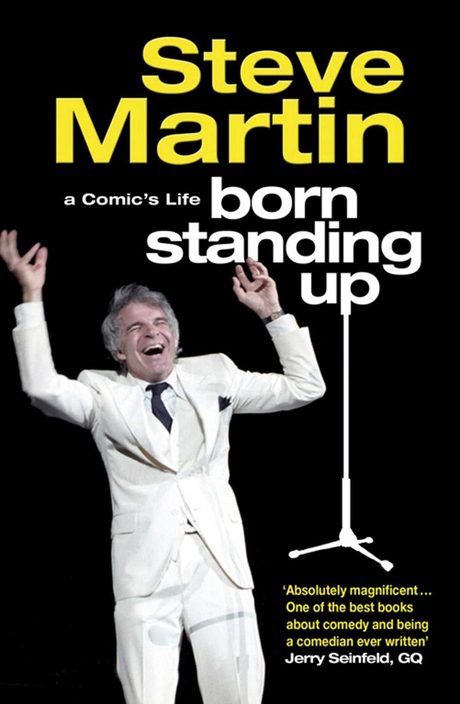
Steve Martin spent eighteen years learning stand-up, became the biggest act the form had ever seen, filled stadiums, and then quit for good. This is his autopsy of those years: magic shops, empty rooms, the slow invention of a wild-and-crazy persona that was actually a precise machine, and the loneliness that arrived with the arenas. It is written in calm, polished prose, closer to a serious literary memoir than a joke book, and it treats stand-up as a craft you can study.
Why it is at 3
Third because this list rewards the page, and this is the best written book here, full stop. It is not laugh-out-loud, and it never tries to be. But no other book explains the actual mechanics of being funny this clearly. My novel's comedian owes this book a royalty cheque.
Read it ifyou care about craft and want to understand comedy, not just consume it
Skip it ifyou picked this list to laugh, because this one aims for your brain
elegant, melancholy, preciseBest for: aspiring comics and craft nerdsmemoirstand-upcraft
A fake memoir with a bitter ghostwriter, a gambling spiral, and lies so committed they loop back into honesty.
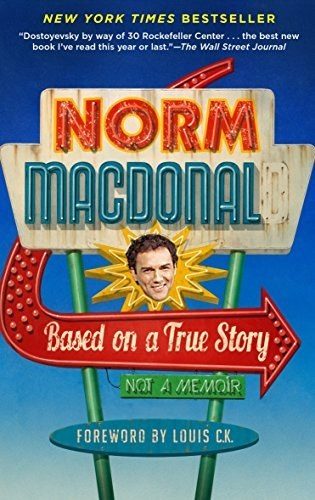
Norm Macdonald refused to write a normal memoir, so he wrote this instead: a tall tale where a version of Norm loses everything gambling, drags a despairing ghostwriter through the wreckage, and narrates his own legend with a straight face. Real moments from his SNL years float through it, but you are never told which parts are true, and that is the point. It reads like an old folk yarn that wandered into a casino. The subtitle admits it is not a memoir.
Why it is at 4
Fourth because it is the most purely enjoyable prose on this list after Fey, and the most original structure on it by a mile. It sits below the top three only because readers who want an actual life story will feel pranked. Norm would consider that a five-star review.
Read it ifyou like your comedy deadpan and your narrators unreliable
Skip it ifyou want facts, timelines, and the real story, because almost none of this happened
deadpan, absurd, secretly sadBest for: readers who enjoy being lied toanti-memoirabsurdistsnl
Sleepwalk with Me and Other Painfully True Stories
Mike Birbiglia2010about 201 pages
An anxious man's sleep disorder nearly kills him, and he turns it into the tightest storytelling in modern comedy.
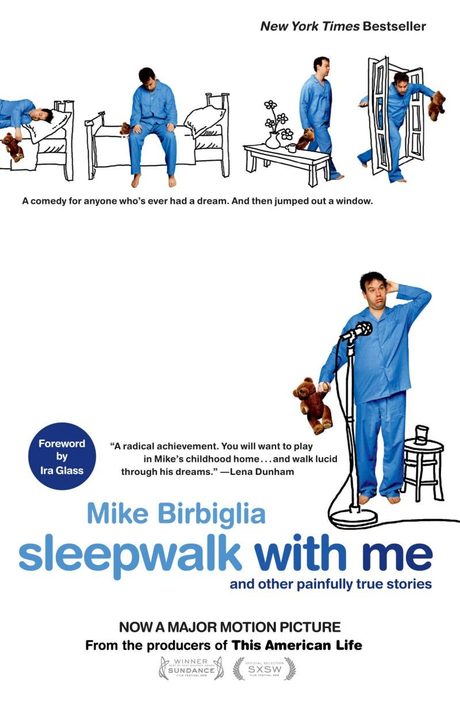
Mike Birbiglia has a disorder that makes him physically act out his dreams, which once ended with him going through a closed hotel window while fully asleep. Around that centrepiece he stacks stories about bombing on stage, a pizza-fixated childhood, a relationship he could not commit to, and a cancer scare he handled by ignoring it. Birbiglia's whole style is the slow confession that keeps getting worse, and it transfers to the page almost perfectly because his stage voice already sounds like a man reading you his diary.
Why it is at 5
Fifth because it is the best pure storytelling here after Noah. Each piece is shaped like a short story with jokes load-bearing inside it, not sprinkled on top. It ranks below the giants only because its scale is small: one anxious life, no era, no empire. That smallness is also its charm.
Read it ifyou like confessional storytelling where the teller is the punchline
Skip it ifyou need your narrators confident, because Mike's whole brand is flinching
anxious, tender, preciseBest for: fans of story-first comedymemoirstorytellinganxiety
The Mr. Show guy who became Saul Goodman explains forty years of almost-famous, in a voice that never begs you to like him.
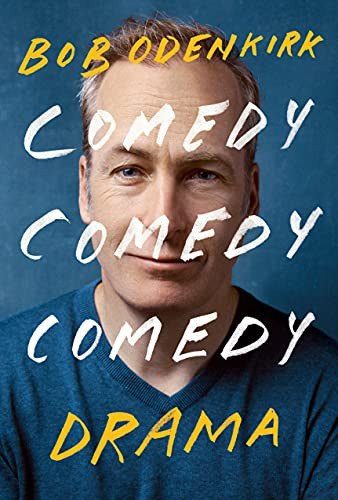
Bob Odenkirk spent decades as comedy's best-kept secret: an SNL writer who hated the room, half of the cult sketch show Mr. Show, a mentor to half the comedians you like, and then, in his fifties, suddenly a dramatic actor the world took seriously as Saul Goodman. The book walks that whole arc, including the heart attack on set that nearly ended it. He writes the way he performs, committed and a little cranky, with real opinions about what makes sketch comedy work and why he kept choosing the weird thing.
Why it is at 6
Sixth because it is the best career memoir on this list: honest about ambition, generous with credit, and specific about craft. It sits mid-table on laughs, since Odenkirk saves his silliness for scripts and writes his own life fairly straight. The Chris Farley pages are the emotional peak.
Read it ifyou love sketch comedy or you came to comedy through Better Call Saul
Skip it ifyou have never seen his work, because the names mean less cold
wry, driven, unsentimentalBest for: comedy history nerdsmemoirsketch comedycareer
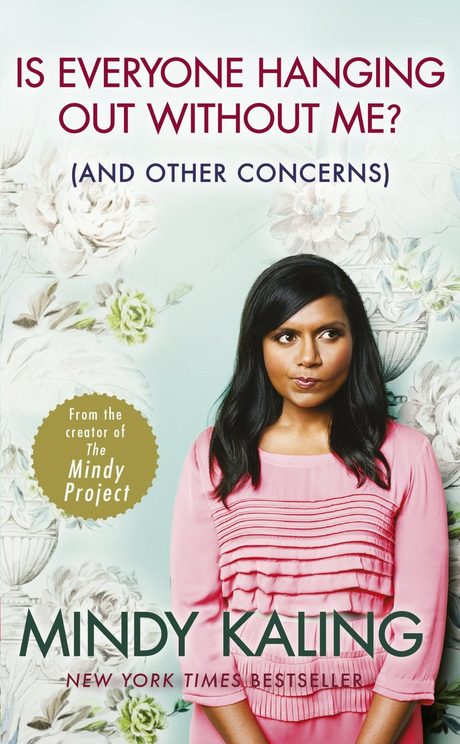
The breeziest book on this list, from the writer who gave The Office its warmest episodes.
Mindy Kaling grew up a rule-following daughter of immigrants, wrote a play where she performed as Ben Affleck, and talked her way into The Office writers room in her twenties. The book is a scrapbook of essays about that climb, plus riffs on best friends, body image, romcom logic, and why men over thirty should not own futons. It is deliberately light, the literary equivalent of a long WhatsApp voice note from your funniest friend, and it moves so fast you can finish it in two sittings.
Why it is at 7
Seventh because charm counts, and this has the most charm per page of anything here. It stays out of the top five because it skims: whenever a story approaches something painful, Kaling changes the subject with a joke. For its actual mission, being delightful, it succeeds completely.
Read it ifyou want something light, fast, and warm between heavier books
Skip it ifyou want depth or struggle, because this book politely declines both
chatty, bright, self-awareBest for: a weekend mood liftessaysthe officelight read
A filthy comedian writes an unexpectedly gentle book about shame, depression, and wetting the bed till her teens.
Sarah Silverman wet the bed into her mid-teens, was put on heavy medication as a child, and lost a psychiatrist to suicide before she finished school. Somehow the book built on that foundation is funny. She traces the line from a shame nobody could see to a comedy style built on saying the unsayable, through New Hampshire childhood, New York open mics, a one-season SNL job that ended by fax, and the shock-comic years. The filth is present but the tone underneath is oddly kind.
Why it is at 8
Eighth because it does the hardest thing on this list: it makes real pain funny without either mocking it or milking it. It ranks below the top tier because the second half drifts into bits and career stops that feel padded next to the childhood chapters, which are the best pages she has ever written.
Read it ifyou like dark humour that has actually earned its darkness
Skip it ifcrude jokes about bodily functions are a dealbreaker, because there are many
filthy, sad, surprisingly sweetBest for: fans of dark confessional comedymemoirdark comedymental health
Heads up: depression, suicide, childhood medical trauma
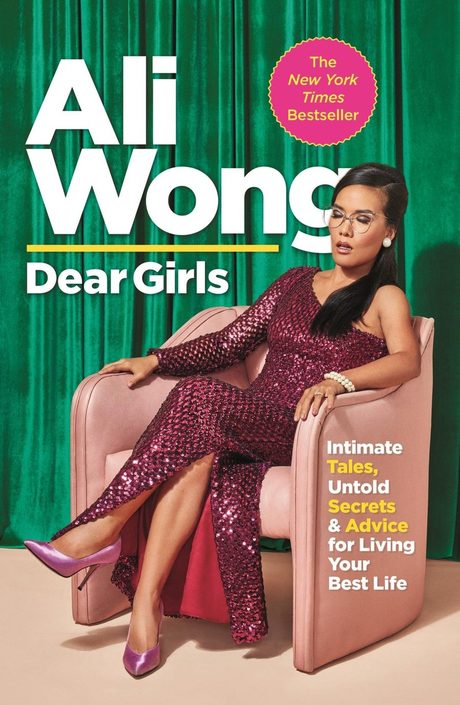
Letters to her daughters that no sane parent would ever let their daughters read before thirty.
Ali Wong frames the book as letters to her two daughters, then fills those letters with everything you are not supposed to tell children: brutal open-mic years, dating disasters, a trip to Vietnam to trace her mother's story, the unglamorous physics of pregnancy, and how she courted her husband with the focus of a corporate acquisition. The format sounds gimmicky and is not, because underneath the filth there is an actual instruction manual for being a woman who wants both ambition and a family.
Why it is at 9
Ninth because it is the funniest book on this list about work: the chapters on comedy as a job, the money, the road, the grind, are better than most craft books. It loses points for unevenness, since a few letters read like extended bits, and the afterword by her husband lands strangely in hindsight.
Read it ifyou want raunchy honesty with a spine of practical ambition
Skip it ifexplicit content bothers you even slightly, because Wong has no ceiling
raunchy, fierce, practicalBest for: ambitious readers who swear freelymemoirlettersstand-up
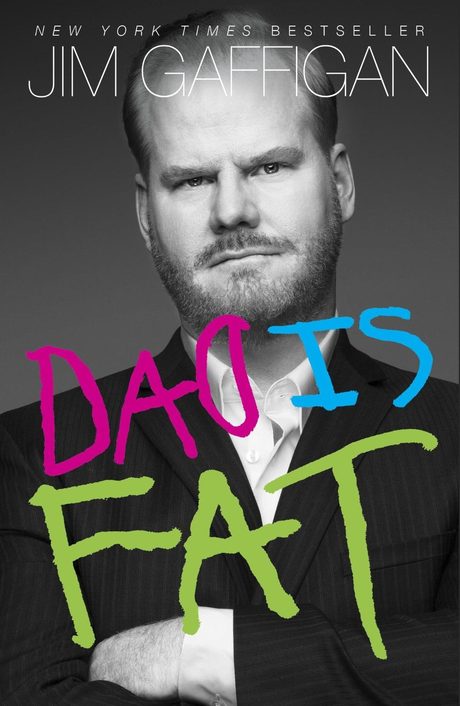
Five kids, two bedrooms, one pale man surviving Manhattan parenthood: the cleanest laughs on this list.
Jim Gaffigan and his wife raised five children in a two-bedroom New York flat, and this book is his field report. Bedtime as military operation, birthday parties as endurance sport, aeroplane travel with toddlers as a public shaming ritual: every essay mines the gap between how parenting looks in adverts and how it feels at 3 am. It is the only completely clean book on this list, no swearing, no shock, just a tired man noticing things accurately. You can gift it to your parents without a disclaimer.
Why it is at 10
Tenth because within its narrow lane it is flawless, and that lane is narrow. If you have children or grew up in a crowded Indian household where cousins slept in rotation, the recognition laughs are constant. If you are twenty-two and single, half the jokes describe a country you have not visited.
Read it ifyou have kids, want kids, or were one of many kids
Skip it ifparenting jokes feel like someone else's family WhatsApp group
clean, tired, relatableBest for: parents and joint-family survivorsessaysparentingclean comedy
India's most argued-about comedian on growing up between Nigeria, boarding school, and a country that keeps asking him to pick a side.
Vir Das has spent his whole life as the outsider the title promises: an Indian kid in Africa, a boarding school student so miserable he faked appendicitis, a theatre graduate in America, and then a comedian in India who became a lightning rod for the question of what an Indian is allowed to say abroad. The memoir works through that split identity with jokes doing the heavy lifting. It is the newest book on this list, published in late 2025, and the first big page-funny memoir from an Indian stand-up.
Why it is at 11
Eleventh on page merit, but first in relevance if you are reading this in India. Das writes honestly about belonging nowhere, which is the actual national condition of every hostel kid who came home to find home moved. It sits mid-list because the prose is sometimes still a script waiting for a stage.
Read it ifyou want an Indian life in this genre at last, told without apology
Skip it ifyou need distance from the controversies, because the book walks straight into them
restless, sharp, searchingBest for: Indian readers, third-culture kidsmemoirindian comedyidentity2025
A Glasgow shipyard welder becomes the funniest storyteller alive and writes it all down at eighty, rambling gloriously.
Billy Connolly left school for the Glasgow shipyards, played folk banjo in pubs, and slowly discovered that the chat between his songs was the actual show. This autobiography, written in his late seventies while living with Parkinson's, covers a brutal childhood, the welding years, fame, and a philosophy of funny that boils down to following your own weirdness wherever it goes. There is no tidy structure. He tells it the way he performs, wandering off mid-story and returning ten pages later with a better one.
Why it is at 12
Twelfth with an asterisk: judged purely on warmth and voice it would be top five, and if the audiobook counted this list would look different. On the page the wandering costs it, since a Connolly digression needs his accent to fully land. Still the most joyful life in the collection.
Read it ifyou love oral storytelling and books with grandfather energy
Skip it ifyou need chapters that go somewhere in a straight line
warm, rowdy, wiseBest for: reading aloud to someoneautobiographystorytellingscotland
Less a comedy memoir, more a hustle manual narrated by the hardest working man in show business.
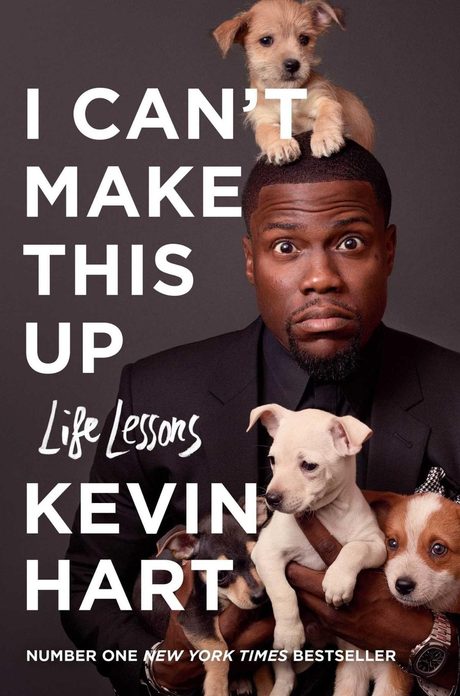
Kevin Hart grew up in Philadelphia with a mother who ran the house like a benevolent dictatorship and a father in and out of addiction. The book follows him from selling shoes to bombing under the stage name Lil Kev to selling out arenas, with every setback reframed as a lesson. It is really a self-improvement book wearing a memoir's clothes, and it is honest about the failures: the shows nobody came to, the network passes, the first marriage. The energy never once drops, which is both the appeal and the exhaustion.
Why it is at 13
Thirteenth because the life is genuinely inspiring but the page rarely made me laugh, and this list runs on page-funny. Hart's comedy is eighty percent delivery, and delivery does not photocopy. Read it as a hustle book and it jumps five spots. The mother chapters are the best material.
Read it ifyou want motivation with jokes rather than jokes with motivation
Skip it ifpositivity-speak wears you out, because every chapter ends in a lesson
Stories so wild you will read half of them aloud to whoever is sitting near you, told with zero self-pity.
Tiffany Haddish grew up in and out of state care in South Central Los Angeles, worked as an energy producer at Bar Mitzvahs, lived in her car while doing stand-up, and survived relationships that should come with warning labels. The book is a series of told-to-you stories in her exact speaking voice, unpolished on purpose. Some chapters are hilarious, some are horrifying, several are both in the same paragraph, and her refusal to perform sadness about any of it is its own kind of power.
Why it is at 14
Fourteenth because the highs are huge but the book is uneven in a way you can feel, with transcription-style prose that sags between the big stories. Ranked on best chapter alone it would be top five. Ranked on the full reading experience, it lands here. The Bar Mitzvah material is a gift.
Read it ifyou want jaw-drop stories and do not mind rough edges
Skip it ifheavy content told casually unsettles you more than formal telling
wild, raw, unbotheredBest for: readers who love oral historymemoirsurvivalstand-up
Heads up: abuse, domestic violence, childhood in state care
Half a great book about improv and work, half a scrapbook assembled the night before deadline.
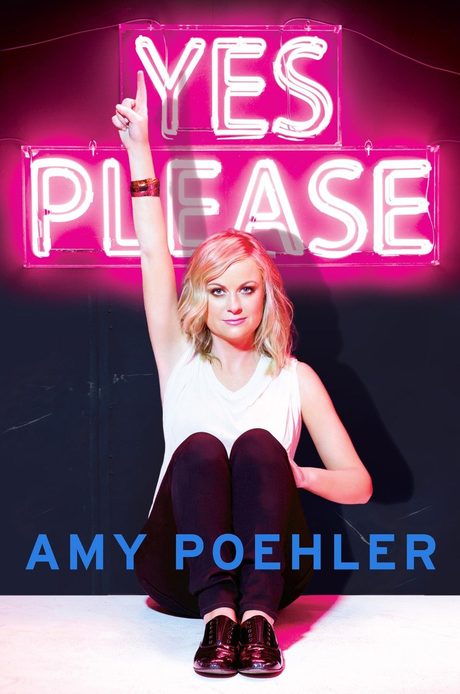
Amy Poehler gives you her Boston childhood, the improv years alongside the people who became modern comedy, SNL, Parks and Recreation, motherhood, and a divorce she declines to discuss, fairly enough. The strong sections are genuinely strong: her pages on treating your career like a bad boyfriend, on apologising properly, and on the improv ethic of making your partner look good are worth the whole book. Around them sit lists, haikus, and chapters that admit on the page how hard writing a book is.
Why it is at 15
Fifteenth, and I know this is someone's favourite. The problem is honesty about the reading experience: the padding is real, the structure is loose, and the book tells you repeatedly that books are hard to write. The good fifty pages deserve a spot, the whole object does not rank higher.
Read it ifyou love Poehler already and will happily take wisdom over laughs
Skip it iffiller chapters break your trust in a book
wise, scattered, generousBest for: improv people, Parks and Rec fansmemoirimprovessays
The least funny book on this list, deliberately, and possibly the most important one on it.
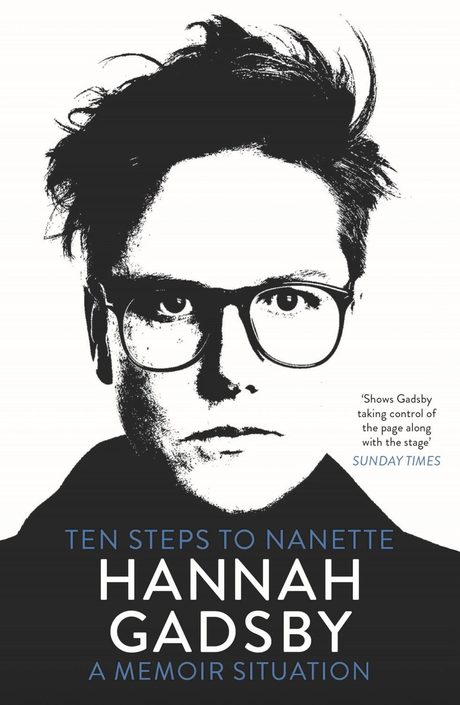
Hannah Gadsby grew up gay in Tasmania while it was still criminal to be so, was diagnosed with autism in adulthood, and built the stage show Nanette around the argument that self-deprecating comedy was slowly destroying her. The memoir walks the ten steps that led there, through trauma, misdiagnosis, art history, and comedy clubs. It dismantles jokes more often than it makes them, showing you the hidden cost of the laughs, and it asks more of the reader than anything else here.
Why it is at 16
Last on a page-funny axis, and placed with respect, not as an insult. This book interrogates the exact thing every other book on this list is selling. Read it after two or three of the funny ones and it will reframe them all. Just do not open it expecting Gaffigan.
Read it ifyou want the argument against comedy from inside comedy
Skip it ifyou came for laughs, because this book is doing surgery instead
unflinching, angry, rigorousBest for: readers ready for heavymemoirautismqueerserious
Every book gets a page-funny mark out of 10 in its label, and it measures one thing: did the printed sentences make me laugh, smile, or read a line twice for pleasure, with no memory of the comedian's voice allowed to help. A 9 means I laughed on public transport. A 5 means I enjoyed the book but my face stayed professional. A 3 means the book is doing something other than comedy, on purpose.
This is why the ranking looks disrespectful in places. Kevin Hart fills stadiums and sits at thirteen, while Mike Birbiglia, who plays theatres, sits at five. Stage charisma is real but it is not transferable. The comedians who rank high here are the ones who are also writers, and that is a shorter list than the industry admits.
People also ask
Questions, answered
What is the best comedian memoir of all time?
Born a Crime by Trevor Noah, and it is not especially close. It is the one book in the genre that works for people who do not care about comedy at all, because the story of his childhood under apartheid carries it. Bossypants is the funniest per page, and Born Standing Up is the best written, but Noah's book is the complete package.
Are comedian memoirs actually funny to read?
About half of them, honestly. Stage comedy depends on timing and voice, and many comedians cannot rebuild that on paper. The reliable page-funny ones are by comedians who started as writers: Tina Fey, Mindy Kaling, Norm Macdonald. The ones by pure performers often read flat, which is exactly why this list scores the page and not the fame.
Which comedian memoir should I read first?
Start with Born a Crime if you want a full story, Bossypants if you want maximum jokes, or Is Everyone Hanging Out Without Me if you want something light you can finish in a weekend. All three are easy entries. Save Born Standing Up for when you start caring how comedy actually works, and save Ten Steps to Nanette for last.
Is there a good comedian memoir by an Indian comedian?
Yes, finally. Vir Das published The Outsider: A Memoir for Misfits in late 2025, and it is the first major page-funny memoir from an Indian stand-up, covering his childhood in Nigeria, boarding school misery, and the controversies that made him a national argument. Before it, Indian comedians mostly gave us essay collections and poetry rather than a proper comic memoir.
Should I read these or listen to the audiobooks?
For most of this list, print and audio are both fine, but two books change grade with the format. Windswept & Interesting is far better heard, since Billy Connolly's telling is half the joke. Born a Crime also gains a lot in Noah's own narration. Read Bossypants and Born Standing Up in print though, because their pleasure lives in the sentences.
Before you go
What to read tonight
If it is 11 pm and you want to start something tonight, make it Born a Crime, and accept that you will be useless tomorrow. If you are choosing between the two most famous ones, the tiebreak is simple: Bossypants if you want to laugh, Born Standing Up if you want to understand why you laughed.
And once you have read three or four of these, go back and watch one special by a comedian whose book let you down. You will see the timing, the face, the pause, everything the page could not hold, and you will forgive them a little. The book was never the act. The good ones are something better: the act with the lights on.