I read And Then There Were None at fourteen, in a hostel bed, under a torch, and finished it in one night because stopping was not an option. Then I made the mistake most of us make. I read it again a year later, expecting the same feeling, and found out that a good half of what I had loved was simply not knowing.
So this list is ranked by what survives that second read. A book that only works once is a ride, and there are excellent rides here. A book that still works when you know everything is a novel, and those sit at the top. Every entry also gets a plain answer about its twist: unguessable, guessable, or not really a twist at all.
Four of the eighteen are Indian or set in India, and they are here on merit rather than as a quota. Sacred Games is the best crime novel anybody has written about this country, and Calcutta and Bombay of the 1920s have given us three of the most enjoyable historical detectives working today.
The order runs one to eighteen. Detective, psychological, legal, procedural and criminal point of view are all represented, and each entry says which lane it belongs to. Quick picks are right below if you want to decide in ten seconds and get on with your evening.
How I picked these
- The second read test set the order: how much of the book is left when you already know the ending. It is why a 1955 novel with no twist in it sits above the most talked about thriller of the last decade.
- One book per author, otherwise Christie, Chandler, Highsmith and Lehane could each fill this page alone.
- Twist honesty on every entry. If I guessed it, I say so, and I say roughly where.
- Cut for being famous rather than good: The Cuckoo's Calling, Anatomy of a Scandal and Before I Go to Sleep are all fine books that nobody needs on an all time list. I Am Pilgrim was cut for length, since six hundred pages is a lot to ask for one brilliant opening.
- Fiction only. Adding true crime would turn this into a different article with a different set of ethics.
- Every title checked through Google Books and Open Library, and every first publication year checked by hand, because reprint dates lie constantly.
The whole list at a glance
All 18 books, in order
| # | Book | Author | Year | Vibe | Best for |
|---|
| 1 | The Talented Mr. Ripley | Patricia Highsmith | 1955 | cold, sunlit, amoral | readers who like villains |
| 2 | And Then There Were None | Agatha Christie | 1939 | brisk, eerie, mechanical | puzzle lovers and first timers |
| 3 | Gone Girl | Gillian Flynn | 2012 | sharp, nasty, funny | readers who enjoy being played |
| 4 | The Secret History | Donna Tartt | 1992 | wintry, snobbish, dread soaked | literary readers |
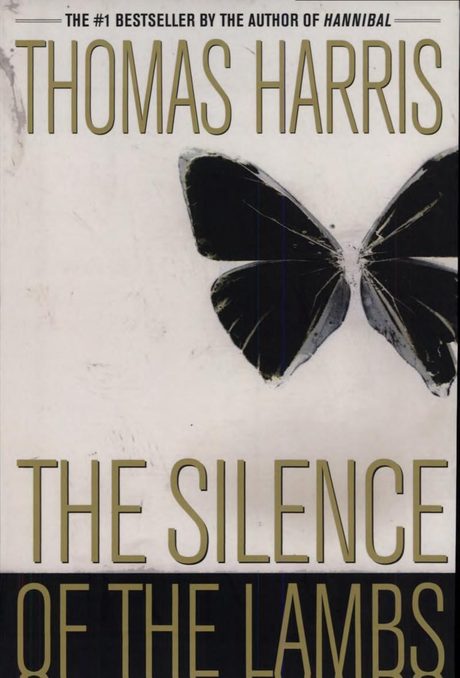
| 5 | The Silence of the Lambs | Thomas Harris | 1988 | clinical, tense, cold | procedural fans |
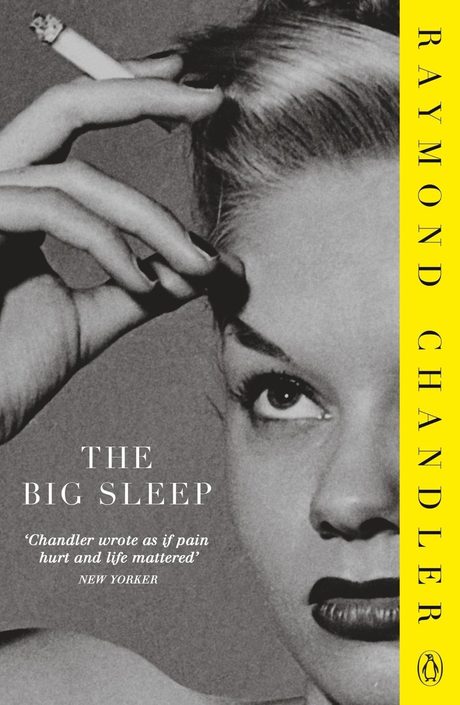
| 6 | The Big Sleep | Raymond Chandler | 1939 | wisecracking, weary, noir | readers who love prose |
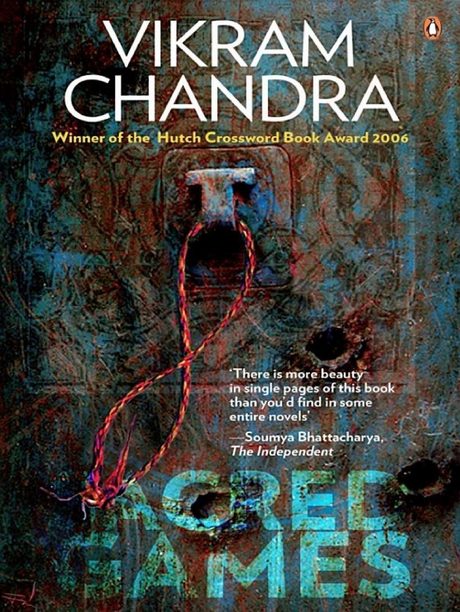
| 7 | Sacred Games | Vikram Chandra | 2006 | sprawling, profane, alive | readers with time |
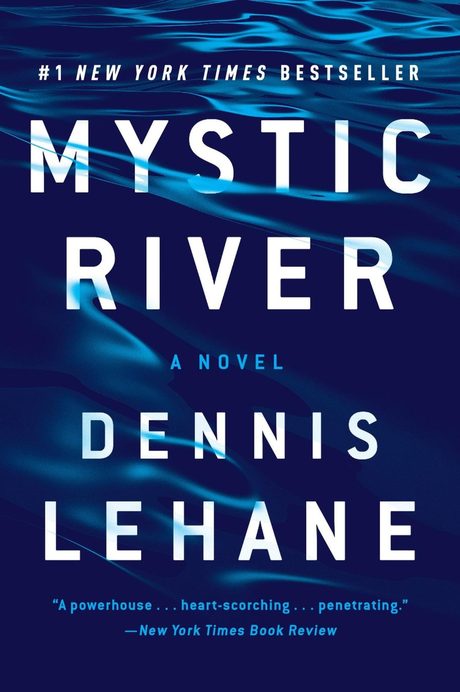
| 8 | Mystic River | Dennis Lehane | 2001 | heavy, humane, doomed | readers who like sad books |
| 9 | The Girl with the Dragon Tattoo | Stieg Larsson | 2005 | cold, procedural, angry | long haul readers |
| 10 | In the Woods | Tana French | 2007 | haunted, green, unsettling | literary crime readers |
| 11 | The Day of the Jackal | Frederick Forsyth | 1971 | dry, exact, relentless | spy thriller readers |
| 12 | Presumed Innocent | Scott Turow | 1987 | measured, adult, tense | courtroom drama fans |
| 13 | A Rising Man | Abir Mukherjee | 2016 | smoky, wry, political | historical crime readers |
| 14 | The Widows of Malabar Hill | Sujata Massey | 2018 | warm, precise, historical | cosy historical readers |
| 15 | Midnight at Malabar House | Vaseem Khan | 2020 | brisk, sunny, sly | puzzle mystery fans |
| 16 | The Dry | Jane Harper | 2016 | hot, dusty, tense | weekend reading |
| 17 | The Silent Patient | Alex Michaelides | 2019 | fast, clinical, twisty | flights and beginners |
| 18 | The Thursday Murder Club | Richard Osman | 2020 | cosy, funny, gentle | readers who avoid dark books |
The list
The books, ranked
1

Criminal point of view, better the second time
The Talented Mr. Ripley
Patricia Highsmith1955about 258 pages
A broke young man is paid to fetch a rich boy home from Italy, and decides he would rather have the boy's life instead.
Tom Ripley is a small time forger in New York with no money and no plan when a shipping magnate hires him to sail to Italy and talk his son Dickie into coming home. Tom finds Dickie living the life he thinks he was owed: boats, painting, sun, an allowance that never runs out. What follows is not a whodunit, because you watch every decision from inside Tom's head as he makes it. Highsmith writes him without a shred of judgment, which is the disturbing part. You will catch yourself hoping he gets away with it, and then wondering what that says about you.
Why it is at 1
Number one because it is the only book here that gets stronger every time you open it. There is no twist to protect and no reveal doing the heavy lifting, so the tension is moral and it never lets up. Ripley is also the ancestor of half this list: Gone Girl, The Secret History and Mystic River all borrow his trick of making the reader complicit.
Read it ifyou want suspense that comes from character rather than a hidden reveal
Skip it ifyou need a detective, a body count and an ending where the law wins
cold, sunlit, amoralBest for: readers who like villainsclassiccriminal povitaly
Pairs with: The Secret History, which pulls the same complicity trick with a group instead of one man
2

Locked island puzzle, unguessable by design
And Then There Were None
Agatha Christie1939about 324 pages
Ten strangers on an island, one accusing voice on a gramophone, and a body count that leaves nobody alive to explain it.
Ten people with nothing in common are invited to an island off the Devon coast. Their host never appears. A recorded voice accuses every one of them of a death they were never punished for, and then they begin dying in the order of an old nursery rhyme. Christie removed the detective, which is the boldest thing she ever did in fifty years of writing. There is no Poirot to reassure you that order will return, only a shrinking group of frightened people who are each also a suspect. It reads at the pace of a short story despite being a full novel.
Why it is at 2
Second because the puzzle is airtight and the solution is unguessable in a way that still feels fair once it is explained. Every locked island and cut off hotel written since owes it a licensing fee. It sits below Ripley only because the characters are types rather than people, which is the price of moving this fast.
Read it ifyou want the purest puzzle in the genre and a book you can finish in two sittings
Skip it ifyou want depth of character, or the attitudes of 1939 will get in your way
brisk, eerie, mechanicalBest for: puzzle lovers and first timersclassiclocked islandgolden age
Heads up: the novel's original British title and rhyme were racist and were changed in later editions; secondhand copies sometimes carry the old wording
3
Psychological, the reveal improves the first half
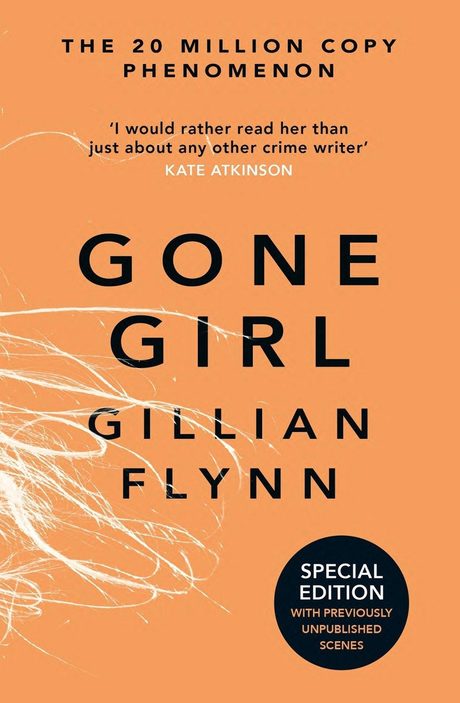
Gone Girl
Gillian Flynn2012about 478 pages
A wife vanishes on the morning of her fifth anniversary, and her husband keeps smiling at the wrong moment on television.
Amy Dunne disappears from a rented house in Missouri, leaving a broken coffee table, a suspiciously tidy kitchen and a husband who is bad at looking innocent. Nick narrates the present. Amy's diary narrates the marriage. Flynn spends half the book teaching you how to read a relationship from two unreliable sides, and then takes the floor out from under you. What stayed with me is not the plot but the writing about money: two clever media people pushed out of New York by the recession, parked in a dying suburb, letting the resentment cook for years.
Why it is at 3
Third because it survives its own reveal. Once you know, the first half becomes a different book and half the sentences turn into jokes at your expense, which is rare and hard to do. Ripley and Christie beat it only on longevity. Nothing since 2012 has matched its influence either, since every second thriller cover still promises a marriage with a secret.
Read it ifyou want a marriage autopsy disguised as a missing person case
Skip it ifyou need somebody to root for, because there is nobody
sharp, nasty, funnyBest for: readers who enjoy being playedpsychologicalmarriageunreliable
Heads up: domestic manipulation, one sequence of sexual coercion
4
Inverted crime, nothing to spoil
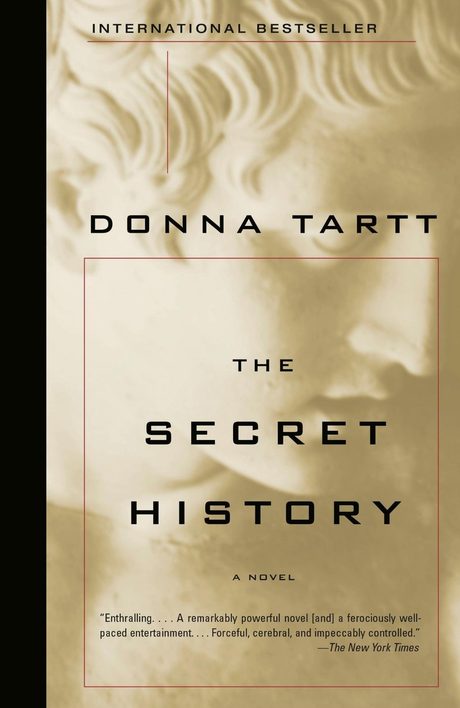
The Secret History
Donna Tartt1992
You learn who died and who helped in the prologue, then spend six hundred pages understanding how five students got there.
A scholarship student from California talks his way into a tiny Greek class at an elite Vermont college, where six students study with one professor and slowly stop resembling anybody else on campus. The prologue tells you there is a body and that the narrator was part of it. The rest of the novel is the slow, embarrassing, entirely believable account of how ordinary snobbery and a wish to belong curdle into something worse. Tartt writes about winter, borrowed money, cigarettes at four in the morning, and the particular misery of pretending you come from more than you do.
Why it is at 4
Fourth, and the least thriller shaped book on the list. There is no mystery to solve, only dread to sit inside, which is exactly why it holds up on a reread better than anything except Ripley. Placed under Gone Girl because it takes two hundred pages to grip you. After that it does not let go until the final line.
Read it ifyou like long character driven fiction and campus atmosphere
Skip it ifyou want pace, since the opening quarter is slow on purpose
wintry, snobbish, dread soakedBest for: literary readerscampusinvertedliterary
Heads up: heavy drinking and drug use, one death described closely
5
Detective, holds up better than its imitators
The Silence of the Lambs
Thomas Harris1988about 362 pages
A trainee FBI agent trades pieces of her childhood to a caged killer for hints about the one still hunting.
Clarice Starling is still a student at Quantico when she is sent to interview Hannibal Lecter, a psychiatrist and murderer kept behind glass in a Baltimore basement. A different killer is taking women in the Midwest, and Lecter will help only if Clarice pays him in memories. Harris writes procedure the way a good reporter would, and that is what makes the horror land: the forensics, the office politics, the smell of a storage unit in July. The famous scenes are famous for a reason, and the novel is tighter and colder than the film ever was.
Why it is at 5
Fifth because it built the modern serial killer thriller and remains better than nearly everything it inspired. The Lecter scenes are the draw, but the reason it lasts is Clarice, a working class woman being underestimated by every man in the building. One practical note: this is the second Lecter novel, and Red Dragon comes first, though either works alone.
Read it ifyou want the original of a formula you have already seen a hundred times
Skip it ifyou cannot handle close description of murder victims and post mortem work
clinical, tense, coldBest for: procedural fansserial killerfbiprocedural
Heads up: graphic violence and mutilation; the framing of one character reads as transphobic today
6
Noir, the plot is not the point
The Big Sleep
Raymond Chandler1939about 234 pages
A private detective takes a small blackmail job for a dying millionaire and finds two daughters, several bodies and no clean answer.
Philip Marlowe is hired by an old general, sitting in a hothouse among his orchids, to deal with a blackmail problem involving his younger daughter. The case grows teeth almost immediately. Chandler is famously careless with plot, one death is never properly explained even by him, and it does not matter at all, because what you are reading for is the voice: tired, funny, decent in a city that gives him no reason to be. Nearly every line of hardboiled dialogue you have heard since 1939 traces back to this book.
Why it is at 6
Sixth because it is the ancestor everything owes money to, and because the sentences are still the best in the genre. It loses points honestly, since the story does not fully add up. If you want Chandler at his most complete, The Long Goodbye is the better novel, but this is the one that changed the shape of crime writing for everyone after him.
Read it ifyou read for voice and want to see where the private eye came from
Skip it ifyou need the mystery to close neatly, or 1939 attitudes to women will annoy you
wisecracking, weary, noirBest for: readers who love prosenoirhardboiledlos angeles
7
India, epic scale, holds up
Sacred Games
Vikram Chandra2006about 1351 pages
A Sikh police inspector and a Hindu gangster narrate Bombay to each other across nine hundred pages, and neither of them is lying.
Sartaj Singh, a Bombay inspector with a failed marriage and an average career, gets a tip that leads him to a concrete bunker where the gangster Ganesh Gaitonde is waiting for him. Gaitonde tells his own story in alternating chapters, from petty cheating to a syndicate with political protection. Around the two of them Chandra builds the entire city: film financing, riots, intelligence officers, constables who cannot afford the rent in the place they police. Long insets in the middle leave both men to follow other lives entirely, and readers split hard on whether that is generosity or padding.
Why it is at 7
Seventh, and the best crime novel anyone has written about India. It is also the most demanding book here, close to nine hundred pages with Hindi and Marathi left untranslated in the dialogue, which reads naturally to most Indian readers and strands everyone else. The Netflix series took the first arc and dropped most of what matters. Read it for the city rather than for a tidy case.
Read it ifyou want Bombay from inside the police station and the syndicate at the same time
Skip it ifyou want a fast plot, because the digressions are the book
sprawling, profane, aliveBest for: readers with timeindiabombayepic
Heads up: graphic violence, explicit sex, communal riots described in detail
8
Crime drama, the guilt outlives the case
Mystic River
Dennis Lehane2001about 418 pages
Three boys write their names in wet cement, one gets into a stranger's car, and twenty five years later a daughter is found dead.
In 1975 three friends are scratching their names into fresh concrete when a car pulls up and takes one of them away for four days. The novel jumps to the men they became: a shopkeeper and former convict, a homicide detective, and the one who came back different. When the shopkeeper's daughter is murdered, the neighbourhood's own logic starts moving faster than the investigation can. Lehane writes working class Boston with an insider's ear, and the book is really about how a place decides who is guilty long before any evidence turns up.
Why it is at 8
Eighth because it is the saddest book here and the one that uses a crime for the most. The culprit is solvable, which normally costs a book on this list, but watching men act on a wrong certainty is worth more than any reveal. If you only know the film, the novel gives you far more of the wives, who quietly run everything that happens.
Read it ifyou want grief, class and neighbourhood loyalty inside a murder case
Skip it ifyou want a hero cop and a satisfying arrest at the end
heavy, humane, doomedBest for: readers who like sad booksbostonliterary crimegrief
Heads up: child abduction and abuse are central and referred to throughout
9

Investigation, drags once you know
The Girl with the Dragon Tattoo
Stieg Larssontranslated by Reg Keeland2005about 658 pages
A disgraced journalist and a hacker who trusts nobody reopen a forty year old disappearance for a family that deserves neither of them.
Mikael Blomkvist has just lost a libel case when a retired industrialist hires him to write a family history and, quietly, to find out what happened to a niece who vanished from a locked island in 1966. Lisbeth Salander, a researcher with a photographic memory and a court appointed guardian, ends up working the same case from the other end. Larsson was a journalist and it shows both ways. The detail about corporate fraud and Swedish institutions is real and specific, and the last hundred pages are a financial epilogue arriving after the mystery has already closed.
Why it is at 9
Ninth because Salander is one of the great characters in modern crime and the island investigation genuinely satisfies. The rest is bumpy. It opens with pages of business journalism, the English prose is functional at best, and the violence against women is relentless even though the book is furious about it. She is worth the entry price.
Read it ifyou want a long winter investigation and a lead character unlike anyone else in the genre
Skip it ifsexual violence on the page is a hard no for you
cold, procedural, angryBest for: long haul readersswedeninvestigationseries
Heads up: rape, sexual assault, animal cruelty, all described directly
10
Detective, one thread left open on purpose
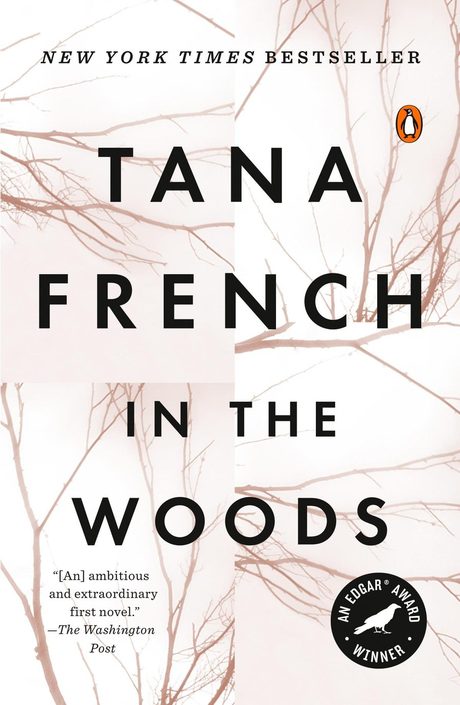
In the Woods
Tana French2007about 460 pages
A detective works a child's murder in the same wood where his two friends vanished in 1984 and he was found with blood in his shoes.
Rob Ryan is on the Dublin murder squad when a twelve year old girl is found dead on an archaeological dig beside a housing estate. The estate is Knocknaree, the same wood where Rob, at twelve, was found alone with his two friends missing and no memory of that afternoon. He does not tell his boss any of this. French writes police work with a novelist's attention to friendship, particularly between Rob and his partner Cassie, and their partnership is the real love story of the book, which is what makes the last hundred pages hurt.
Why it is at 10
Tenth, with the biggest asterisk on this list. The prose is the best of any modern detective novel here and the atmosphere is unbeatable. The ending resolves one case and deliberately refuses to resolve the other, which some readers call honest and others call a betrayal. I am in the first camp, but you deserve to know before you commit four hundred pages.
Read it ifyou want literary writing inside a proper police procedural
Skip it ifan unresolved thread will ruin the whole book for you, because there is one
haunted, green, unsettlingBest for: literary crime readersirelandproceduralmemory
11

Procedural, you already know the ending
The Day of the Jackal
Frederick Forsyth1971about 416 pages
A professional assassin is hired to kill de Gaulle, and history has already told you he fails, which somehow makes it tenser.
After a failed coup, a French paramilitary group hires an English contract killer to assassinate Charles de Gaulle. Forsyth was a Reuters correspondent in Paris and writes the whole thing as reportage: forged passports, a rifle built into a crutch, a detective doing paperwork in a small office while the calendar runs out. You know how the actual history ended. The book still keeps you up past midnight, because the suspense lives entirely in method and in watching two extremely competent professionals move towards each other from opposite ends of Europe.
Why it is at 11
Eleventh and the purest procedural here. It proves that the strongest thriller engine is competence rather than surprise, which is why it rereads better than any twist book on this list. Marked down only because the characters are deliberately thin, the Jackal has no inner life at all, and that is a design choice you will either admire or find cold.
Read it ifyou want process, tradecraft and a countdown you cannot look away from
Skip it ifyou need emotional stakes or characters with interior lives
dry, exact, relentlessBest for: spy thriller readersassassinfranceclassic
12

Legal, the reveal is fair and findable
Presumed Innocent
Scott Turow1987about 497 pages
The prosecutor assigned to a colleague's murder is charged with it himself, and he had been sleeping with her.
Rusty Sabich is a chief deputy prosecutor in a Midwestern county when a colleague is found killed in her apartment. He is handed the case, then arrested for it, and the novel becomes a courtroom procedural narrated by the accused man, which means you are inside the head of somebody who may be lying to you the whole way. Turow was a practising lawyer and hands you the machinery honestly: evidence rules, plea bargains, county politics, and a defence attorney doing quiet, brilliant work with almost nothing to use.
Why it is at 12
Twelfth and the best legal thriller ever written, ahead of Grisham because the sentences are better and the courtroom is not a stage set. The final page lands, and the clues to it are all there if you are paying attention to the domestic detail. It sits here rather than higher because the pace is deliberate and the middle section sags.
Read it ifyou want a real trial and a narrator you cannot fully trust
Skip it iflegal procedure bores you or you want action scenes
measured, adult, tenseBest for: courtroom drama fanslegaltrial1980s
13

India 1919, historical detective
A Rising Man
Abir Mukherjee2016about 315 pages
Calcutta, 1919: a Scotland Yard man arrives broken from the trenches and catches a case nobody in the Raj wants solved properly.
Captain Sam Wyndham lands in Calcutta a few months after the war, addicted to opium and short of reasons to keep going, and is handed the murder of a senior British official found in an alley near a brothel with a note stuffed in his mouth. He works with Sergeant Banerjee, an Indian officer sharper than everyone above him and treated accordingly. Mukherjee uses the case to walk you through Bengal under the Rowlatt Act, the Special Branch, and the daily arithmetic of who can be arrested in that city and who cannot.
Why it is at 13
Thirteenth and my pick for the best entry point into Indian historical crime, because the mystery is properly built and the politics arrive through plot rather than lecture. It sits under the older classics on ambition, not on execution. Wyndham's self pity gets thick in places, and Banerjee is the more interesting man, something the later books in the series quietly admit.
Read it ifyou want colonial Calcutta as a working city rather than a backdrop
Skip it ifyou want an Indian narrator, since the voice here belongs to a British officer
smoky, wry, politicalBest for: historical crime readersindiacalcutta1919
Pairs with: The Widows of Malabar Hill, same decade, other coast, a woman at the centre
14

India 1921, legal mystery
The Widows of Malabar Hill
Sujata Massey2018about 401 pages
Bombay's only woman solicitor takes a will case for three widows in seclusion, and finds she is the only lawyer allowed to speak to them.
Perveen Mistry works in her father's Bombay law firm in 1921, qualified to draft documents but barred from arguing in court. Going through a will, she notices that three widows of one household have signed away their inheritance, and since the women live in seclusion, she is the only lawyer who can legally sit with them and ask why. Massey modelled Perveen on the first generation of women who entered Indian law, and the pleasure of the book is procedural: property rules, community custom, household politics, and one woman working the narrow openings the system leaves her.
Why it is at 14
Fourteenth. It is the gentlest book here and the smartest about how law traps people who never see the inside of a court. The murder arrives late and the investigation is not the strongest element, so it ranks under A Rising Man on pure crime mechanics. As a novel about a woman operating inside two sets of rules at once, it beats most of this list.
Read it ifyou like historical detail, legal puzzles and a heroine with real constraints
Skip it ifyou want pace and danger, since the first half runs on paperwork and tea
warm, precise, historicalBest for: cosy historical readersindiabombaylegal1921
15
India 1950, classic puzzle
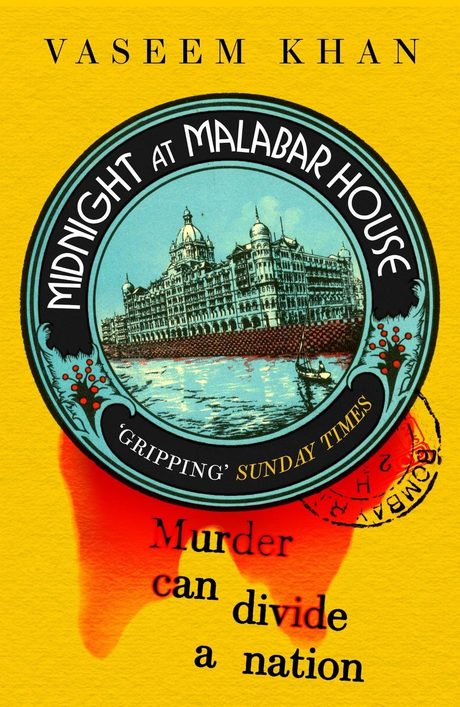
Midnight at Malabar House
Vaseem Khan2020about 396 pages
New Year's Eve 1949: India's first woman police inspector gets a dead English diplomat because nobody senior wants the case.
Persis Wadia has been made an inspector and then parked at Malabar House, the Bombay station where the force sends officers it cannot quite fire. On the last night of 1949 an English diplomat is shot at his own party, and the case reaches her desk only because everyone above her is asleep or unwilling. Khan writes the first months after independence with the politics still raw: Partition refugees, resentful British holdovers, a city busy renaming itself. Persis is prickly, ambitious and frequently wrong, which makes her much better company than a competent detective would be.
Why it is at 15
Fifteenth, and the most purely enjoyable of the four India books here. The case is a proper puzzle with suspects, alibis and a solution you can work at. It won the CWA Historical Dagger, which for once matches my own reading. It ranks under the other two historicals because the supporting cast can feel arranged for the plot and the romance subplot is thin.
Read it ifyou want a classic puzzle mystery set in 1950 Bombay
Skip it ifyou dislike a lead who is abrasive by design
brisk, sunny, slyBest for: puzzle mystery fansindiabombaypolice1950
16

Small town, the clues are fair
The Dry
Jane Harper2016about 309 pages
A federal agent goes home for a funeral and finds two deaths, twenty years apart, waiting for him in a town with no water.
Aaron Falk, a financial crimes investigator in Melbourne, returns to the farming town he left as a teenager after a friend's family is found shot. The place is two years into a drought that has taken everybody's money and most of their patience, and Falk himself left under a cloud involving a girl who drowned in 1991. Harper alternates the old death and the new one without ever losing you. The heat is the best character in the book, and the town's slide from suspicion into open menace happens without a single false note.
Why it is at 16
Sixteenth because it is the most competent modern debut on the list rather than a landmark of the genre. Everything works: pace, clues, place, and a solution you can reach yourself if you read the last quarter carefully, which I count in its favour. It ranks here because nothing about it is new. This is the small town secret novel done at a very high level.
Read it ifyou want a clean modern mystery you can finish over a weekend
Skip it ifyou want a book that breaks the form rather than perfecting it
hot, dusty, tenseBest for: weekend readingaustraliasmall towndebut
17
Psychological, a one time ride
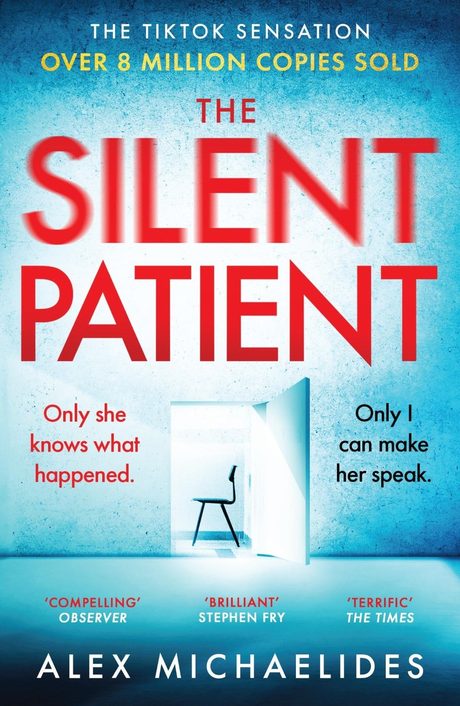
The Silent Patient
Alex Michaelides2019about 286 pages
A painter shoots her husband and never speaks again, and the therapist who takes her case wants that silence a little too badly.
Alicia Berenson is found beside her husband's body and stops speaking entirely. Six years later Theo Faber, a psychotherapist, takes a job at the secure unit where she is held, convinced that he can reach her when nobody else has. The book alternates his account with her old diary, and it moves: short chapters, clean prose, no scene that does not push. It is the best example here of a thriller engineered for momentum instead of depth, which is exactly what many readers want on a flight or in a waiting room.
Why it is at 17
Seventeenth, and this is where I annoy people. It is the most recommended thriller of the last decade, the twist rests on one structural trick that seasoned readers spot early, and I called it around the halfway mark. Reread value is zero. It stays on the list because the pacing is genuinely excellent and it turns non readers into readers, which counts for a great deal.
Read it ifyou want speed and a big reveal, or you are easing back into reading
Skip it ifyou have read a lot of thrillers, because you will probably see it coming
fast, clinical, twistyBest for: flights and beginnerspsychologicaltherapymodern
Heads up: suicide, domestic violence, psychiatric confinement
18

Cosy, the softest way in
The Thursday Murder Club
Richard Osman2020about 356 pages
Four residents of a retirement village solve cold cases for fun on Thursdays, until a real body turns up on their own grounds.
In a comfortable retirement village in Kent, four people in their late seventies meet weekly to go through unsolved police files. One of them, Elizabeth, has a past she declines to discuss and contacts she should not still have. When a local property developer is killed, the club attaches itself to the investigation and to two bemused police officers who cannot get rid of them. Osman writes jokes at a rate most crime novelists cannot manage, and underneath the jokes the book looks straight at dementia, widowhood and the boredom of being written off.
Why it is at 18
Eighteenth because it is the softest book here and the plot is over engineered, with more reveals than the story actually needs. It earns its place as the on ramp: if crime fiction has always looked too grim for you, start here and work upwards. It is also the funniest book on this list, and the only one where the sadness sneaks up on you from behind.
Read it ifyou want warmth, jokes and a mystery that never turns your stomach
Skip it ifyou want real menace, because nothing here is genuinely frightening
cosy, funny, gentleBest for: readers who avoid dark bookscosyenglandensemble
Worth knowing
How the second read test works
I ask one question of every crime novel: if I hand you the ending on a slip of paper before chapter one, is the book still worth your weekend? Ripley passes without effort, because there is nothing hidden in it, only a man you should not be sympathising with. Gone Girl passes for a stranger reason, since knowing the turn makes the first half funnier and crueller than it was. The Silent Patient fails, and it is honest about being built for one run.
This is not the same as asking which book is most exciting the first time. If it were, the modern thrillers would take the top five spots and the list would be interchangeable with every other list on the internet. The books that last are the ones where the crime is a way of examining people, and the reveal is a bonus rather than the whole load bearing wall.
Worth knowing
The India shelf, and where to start
The four India set books split cleanly. Sacred Games is the ambitious one and the hardest, roughly nine hundred pages of Bombay in the 1990s and 2000s, and it asks for real commitment. The other three are historical mysteries with recurring detectives, which makes them much easier to start: Calcutta in 1919 with Sam Wyndham, Bombay in 1921 with the solicitor Perveen Mistry, and Bombay in 1950 with Inspector Persis Wadia.
If you want the quickest way in, start with Midnight at Malabar House, then go to A Rising Man for the darker version of the same idea. One small thing that confuses people at the bookshop: The Widows of Malabar Hill is sold in India under the title A Murder on Malabar Hill, and it is the same novel with a different cover.
People also ask
Questions, answered
What is the best crime thriller book of all time?
The Talented Mr. Ripley by Patricia Highsmith, published in 1955, if you want one answer. It hides nothing, so it never stops working, and it invented the modern habit of putting the reader inside the criminal's head instead of the detective's. If you want a puzzle instead of a character study, the answer is And Then There Were None, which is still the most copied setup in crime fiction.
Which crime thriller has the best twist?
Gone Girl, because the reveal changes how you read every page that came before it, which is a much harder trick than shocking you once. And Then There Were None has the most airtight solution ever written, though it works as a puzzle rather than an emotional gut punch. Avoid going in with your guard up on either one, since half the pleasure is being taken in.
Where should I start if I have never read crime fiction?
Start with The Thursday Murder Club if grim books put you off, or The Dry if you want a proper modern mystery with heat and dust in it. Both are quick, clear and satisfying. Once you have finished one, jump straight to And Then There Were None, and from there the older classics stop feeling like homework and start feeling like the source code.
Are there good Indian crime thrillers on this list?
Four of them. Sacred Games by Vikram Chandra is the heavyweight and the best crime novel written about India. A Rising Man by Abir Mukherjee handles Calcutta in 1919, The Widows of Malabar Hill by Sujata Massey handles Bombay in 1921 through a woman solicitor, and Midnight at Malabar House by Vaseem Khan handles Bombay in 1950 with the country's first woman inspector. The last three are series openers, so there is more waiting if you like them.
Is The Silent Patient actually worth reading?
Yes, with expectations set correctly. It is fast, tightly plotted and very easy to finish, which is why it converts so many people back into readers. The twist depends on one structural trick, and if you have read twenty thrillers you will probably spot it before the halfway point. Read it for the momentum, not for the surprise, and do not let anyone tell you it is the best thriller ever written.
Do I need to read any of these in order?
Almost all of them stand alone. Two exceptions worth knowing: The Silence of the Lambs is the second Hannibal Lecter novel, after Red Dragon, though it explains itself perfectly well on its own. The Girl with the Dragon Tattoo opens a trilogy, and The Dry, A Rising Man, The Widows of Malabar Hill and The Thursday Murder Club each begin a series, so any of them can turn into a long relationship.
Before you go
What to read tonight
If it is late and you want to start something tonight, take And Then There Were None. You will lose sleep, but only for one night. If you are choosing between the two most recommended books here, Gone Girl and The Silent Patient, pick Gone Girl, and if you have already read it, pick Ripley and watch where Flynn learned the trick.
Once you have finished three or four of these, run the second read test yourself on the one you loved most. Go back to chapter two now that you know everything. If the book still holds you when it has nothing left to hide, you have found a writer worth following for years instead of a plot you happened to enjoy.
Keep going
Lists that pair with this one
Indian Fiction
18 Best Thriller Novels by Indian Authors, Ranked
Crime, mystery and suspense from Calcutta in 1919 to Delhi right now, ranked best first, with the sub-genre and the commitment marked on every book.
Mood & Life
20 Unputdownable Books, Ranked by the Engine That Hooks You
I ranked these on one thing: how hard each book made it to stop reading, and which mechanic does the pulling.
Mood & Life
16 Best Books for Long Flights and Train Journeys, by Hours
Every book here is timed: roughly how many hours it fills, and how well it survives being put down for the meal trolley.
Genre
14 Best Book Series to Read (And Where Each One Sags)
Fantasy, crime, historical and Indian series, each with its book count, its finished or unfinished status, and the exact volume where most readers put it down.
Genre
The Best Opening Lines in Books: 21 Novels, and What Each Does
A craft list disguised as a reading list: for every novel, the job its first sentence is doing, and whether the book keeps the promise.