Walk into a bookshop in Ahmedabad and look at the thriller table. Lee Child, Dan Brown, a stack of Scandinavians with snow on the covers, and somewhere near the bottom two or three Indian titles that got there because of a television adaptation. That table is lying to you. Indian crime writing has been quietly very good for twenty years, mostly in the places the table ignores: a Calcutta police station in 1919, a Bombay law office in 1921, a Bangalore inspector's collapsing marriage.
There is a real problem in the genre too, so let me say it before the list starts. A lot of what gets sold here as a thriller is a romance with a corpse in it, or a conspiracy plot held together by three weeks of internet research. This list is ranked strictly, best first, and each entry says plainly whether the book is literature, competent entertainment, or something you will read anyway on a Sunday.
Two things sit on every book. The sub-genre, so you know if you are getting a historical mystery or a corporate thriller, and the commitment, because some of these are standalones you finish in a weekend while others are the first step into a series that will take your next three months. That is a warning and an invitation in the same sentence.
Quick picks below if you want the answer without the argument.
How I picked these
- Crime, mystery and suspense all qualify, which is why a nine hundred page literary novel about a gangster shares a page with airport paperbacks. A romance with a body in it does not qualify.
- Indian authors, including writers of Indian origin living abroad, because Sujata Massey and Abir Mukherjee write old Bombay and old Calcutta better than most people currently living in either.
- Every title verified through Google Books and Open Library with a real edition and a real cover, so nothing here is a listing that exists only on a shopping site.
- Ranked on grip and writing together. A book that keeps you up but reads like a police report loses to a book that does both, which is why the order will annoy some people.
- I cut two very popular series where every instalment is the same novel with the names changed, and one book whose twist depends on information the reader is never given.
The whole list at a glance
All 18 books, in order
| # | Book | Author | Year | Vibe | Best for |
|---|
| 1 | Sacred Games | Vikram Chandra | 2006 | vast, profane, brilliant | readers with time |
| 2 | Age of Vice | Deepti Kapoor | 2023 | brutal, glossy, propulsive | Sacred Games fans |
| 3 | A Rising Man | Abir Mukherjee | 2016 | smoky, angry, procedural | series readers |
| 4 | The Widows of Malabar Hill | Sujata Massey | 2018 | elegant, warm, methodical | cosy mystery readers |
| 5 | Midnight at Malabar House | Vaseem Khan | 2020 | atmospheric, sharp, brisk | history-minded readers |
| 6 | Cut Like Wound | Anita Nair | 2012 | hot, grim, textured | procedural fans |
| 7 | A Death in Shonagachhi | Rijula Das | 2021 | dark, funny, humane | literary crime readers |
| 8 | The Englishman's Cameo | Madhulika Liddle | 2009 | courtly, curious, light | classic mystery lovers |
| 9 | Six Suspects | Vikas Swarup | 2008 | satirical, busy, plotty | long flights |
| 10 | Witness the Night | Kishwar Desai | 2010 | bleak, angry, plain | issue-driven readers |
| 11 | Club You to Death | Anuja Chauhan | 2021 | witty, social, warm | readers who like comedy |
| 12 | You Beneath Your Skin | Damyanti Biswas | 2019 | cold, urban, sober | readers of social thrillers |
| 13 | The Monochrome Madonna | Kalpana Swaminathan | 2010 | dry, domestic, quick | Agatha Christie readers |
| 14 | Chanakya's Chant | Ashwin Sanghi | 2010 | clever, cynical, plotty | political thriller fans |
| 15 | Mumbaistan | Piyush Jha | 2012 | filmic, hard, quick | commuters |
| 16 | The Bankster | Ravi Subramanian | 2012 | corporate, brisk, technical | finance and business readers |
| 17 | Marry Me, Stranger | Novoneel Chakraborty | 2014 | twisty, young, breathless | commercial fiction readers |
| 18 | The Girl in Room 105 | Chetan Bhagat | 2018 | chatty, quick, slight | reluctant readers |
The list
The books, ranked
1
Literary crime, standalone
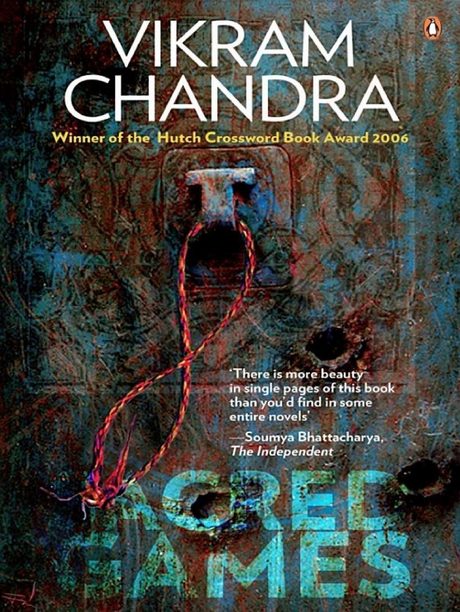
Sacred Games
Vikram Chandra2006about 1351 pages
A Sikh inspector and a gangster who shoots himself in the first chapter divide Bombay between them for nine hundred pages.
Sartaj Singh, a middle-aged Bombay policeman with a broken marriage and no illusions left, gets a tip about a bunker in the suburbs. Inside is Ganesh Gaitonde, a gangster missing for years, who talks to him through a wall and then kills himself. The novel splits from there. Sartaj works the case in the present while Gaitonde narrates his own rise from nothing, dead and still talking. Around them Chandra fits informants, film stars, an intelligence service and long side chapters about people whose lives only brush the plot. It is a crime novel that has swallowed a city.
Why it is at 1
Number one because nothing else in Indian crime writing works at this size and this level of sentence. The caveat is real. Nine hundred pages, digressions that test you in the middle, and an ending that is more argument than resolution. If you finish it, every other thriller here will feel small for about a month.
Read it ifyou want a novel that happens to be a thriller and you have three weeks
Skip it ifyou want a tight plot, because Chandra keeps stopping to follow strangers
vast, profane, brilliantBest for: readers with timemumbaipoliceliterary crime
Pairs with: Age of Vice, for the same scale with a faster engine
2

Literary crime, opens a planned sequence
Age of Vice
Deepti Kapoor2023about 617 pages
Five people asleep on a Delhi pavement are killed by a speeding Mercedes, and the servant found at the wheel was not driving it.
Kapoor opens with the crash and then walks backwards. Ajay is sold out of a hill village as a child and grows into the perfect servant, silent and useful, attached to Sunny Wadia, heir to a family that owns land, politicians and most of Delhi's nightlife. Neda, a journalist, drifts into Sunny's orbit and finds she cannot get out. The book moves between the three of them and the machine that produced all three, and the machine is what the title is about. Long, mean, and very hard to put down.
Why it is at 2
Second because it does much of what Sacred Games does at half the length and twice the speed, without giving up the prose. It loses the top spot on scope rather than skill. Chandra maps a whole city, Kapoor maps a class. The final stretch is where the fuel runs thin, and you can feel a sequel being arranged instead of a book being finished.
Read it ifyou want literary crime moving at thriller speed
Skip it ifyou need a closed ending, because this one leaves doors open deliberately
brutal, glossy, propulsiveBest for: Sacred Games fansdelhicrime epicliterary crime
3

Historical crime, first of a series
A Rising Man
Abir Mukherjee2016
Calcutta, 1919. A senior English official is found dead in an alley with a note stuffed in his mouth, and the new detective is full of opium.
Sam Wyndham arrives in Calcutta after the trenches and Scotland Yard, carrying a war injury, a dead wife and a habit he manages badly. His first case is a British official murdered near a brothel, with a warning note in his mouth, at a moment when the political weather in the city makes every honest question dangerous. He works it with Sergeant Banerjee, a Cambridge-educated Bengali whom the force treats as furniture, and that partnership is what makes the series. Mukherjee writes the Raj as an occupation rather than a costume drama.
Why it is at 3
Third because it is the best executed historical crime series here and the easiest world to disappear into. Against the Bombay books below it, the plotting is tighter and the politics are sharper. Standard first-novel wobbles apply, since Wyndham's backstory arrives in lumps. Book two is better, which is the right problem for a series to have.
Read it ifyou want a detective series and you like your history uncomfortable
Skip it ifyou dislike ongoing series, because you will want the next one immediately
smoky, angry, proceduralBest for: series readerscalcutta1919historical crimeseries
4

Historical mystery, first of a series
The Widows of Malabar Hill
Sujata Massey2018about 401 pages
Bombay, 1921. The city's only woman solicitor notices that three secluded widows have signed away everything they own, and then a man is stabbed.
Perveen Mistry works in her father's law firm because no court will let her argue in front of it. A routine estate file for the three widows of a Muslim mill owner smells wrong to her, and since the women live in purdah, she is the only lawyer in Bombay who can walk into their part of the house and ask a question. Then somebody dies there. Massey runs the case alongside Perveen's own past, including a marriage that went very wrong, and the two halves lock together well. The Parsi household is the best thing in the book.
Why it is at 4
Fourth, just behind Mukherjee, because the mystery is gentler and the pace slower. What it does better than anything else here is the ordinary texture of a working woman in 1921, the rules she has to route around before she can even take a statement. Start here if you want a series with almost no gore in it.
Read it ifyou like legal puzzles, period detail and a heroine with real constraints
Skip it ifyou want speed and violence, because this one is deliberately patient
elegant, warm, methodicalBest for: cosy mystery readersbombay1921legal mysteryseries
5
Historical crime, first of a series
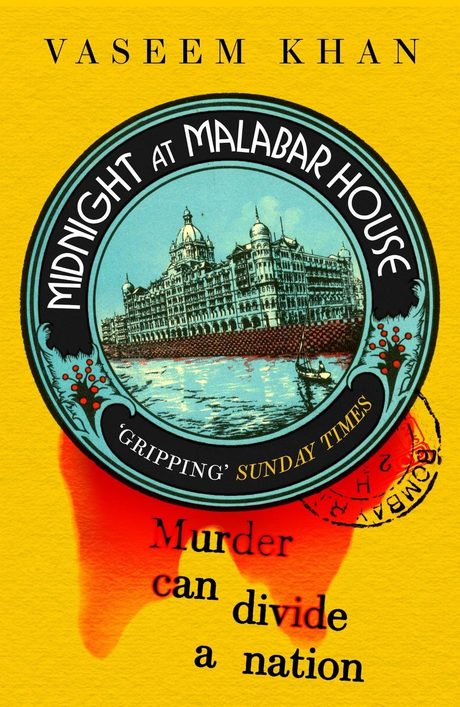
Midnight at Malabar House
Vaseem Khan2020about 396 pages
New Year's Eve, 1949. India's first woman police detective is parked in the basement unit until an English diplomat is shot at his own party.
Persis Wadia has been posted to Malabar House, the department where the Bombay police keep the officers they cannot fire, largely because nobody wants a woman detective. Then a killing lands that no senior man will touch and it falls to her by default. The case runs through a newly independent city still full of English people who have not gone home, partition refugees, and an old scandal everybody would prefer buried. Khan gives Persis a prickly, ambitious personality instead of a saintly one, and pairs her with an English forensic scientist nearly as socially hopeless as she is.
Why it is at 5
Fifth because the setting is the strongest idea on this list. Bombay in the first months of independence, with the old power still sitting in the building, is a superb place for a murder. The plot mechanics are more conventional than Mukherjee's and the solution arrives a shade too neatly. The atmosphere carries it anyway.
Read it ifyou want a detective series set at the exact moment of independence
Skip it ifyou want an intricate puzzle, because the mystery is the weakest element
atmospheric, sharp, briskBest for: history-minded readersbombay1949historical crimeseries
6
Police procedural, first of a series
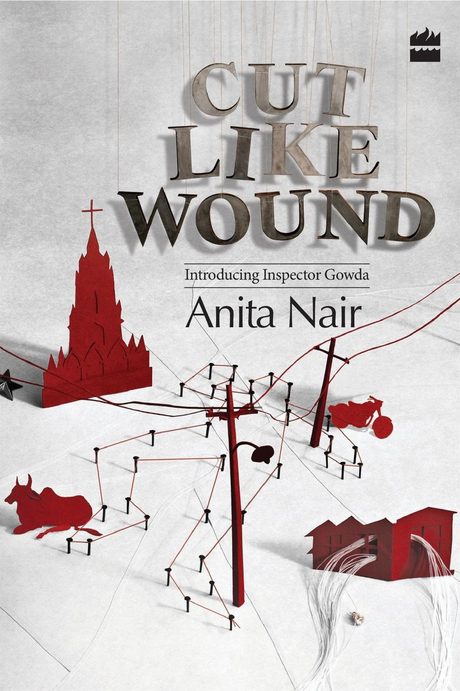
Cut Like Wound
Anita Nair2012about 223 pages
Bangalore gets a serial killer, and the inspector chasing him is a tired man with a whisky problem and a marriage he stopped attending years ago.
Borei Gowda is in his fifties, passed over for promotion, and stationed in the part of Bangalore that the software money never reached. Bodies begin appearing, killed in one particular way, and the department's interest stays minimal until the press notices. Nair alternates the investigation with chapters inside the killer's head, which is where the novel turns uncomfortable and good. She writes the city as heat, traffic and small daily humiliations, and she writes Gowda as a man whose competence is the last thing he has left.
Why it is at 6
Sixth because it is the strongest contemporary police novel by an Indian writer I have read, and because Gowda is a genuinely new character rather than an English detective repainted for Bangalore. It sits under the historicals only because the plot leans on a familiar serial killer structure. Nair's sentences are better than the genre requires.
Read it ifyou want a modern Indian police novel with a real city inside it
Skip it ifyou avoid serial killer plots or graphic violence
hot, grim, texturedBest for: procedural fansbangalorepolice proceduralseries
Heads up: explicit violence and chapters from a killer's point of view
7
Literary noir, standalone
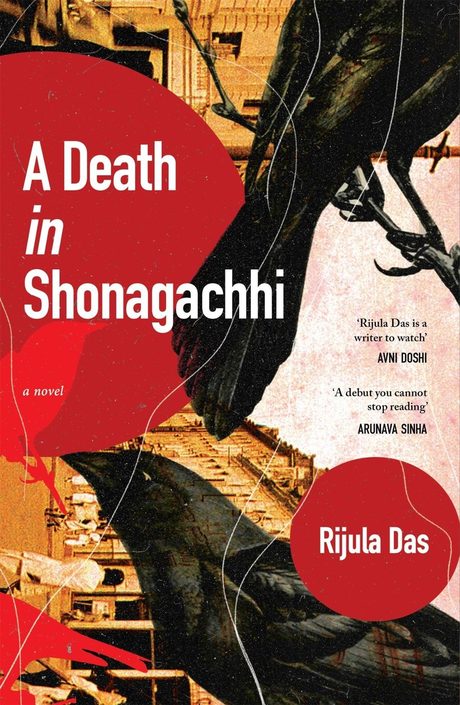
A Death in Shonagachhi
Rijula Das2021about 304 pages
A sex worker is murdered in Kolkata's oldest red light district, and the search for the truth runs into people the city prefers not to count.
Das sets her novel inside Sonagachhi and refuses the usual tourism about the place. A woman is killed, the police response is exactly as thin as you would expect, and the search moves through the neighbourhood's own hierarchy: the women who work there, the men who own the rooms, the customers who consider themselves decent, and a trafficking economy running on girls nobody reports missing. It is a crime novel and it is also very funny in stretches, which is not what you brace for and is precisely why it works.
Why it is at 7
Seventh because it is the best written book here after the top two and the one you are least likely to have heard of. It ranks below the series because the plot is loose. This is a novel about a place that contains a murder rather than a machine built around one. Read it for Indian noir with a conscience and no lecture attached.
Read it ifyou want literary crime that takes its setting completely seriously
Skip it ifyou want a clean puzzle, because the mystery is not the engine here
dark, funny, humaneBest for: literary crime readerskolkatanoirliterary crime
Heads up: sex work, trafficking, sexual violence
8
Historical mystery, first of a series
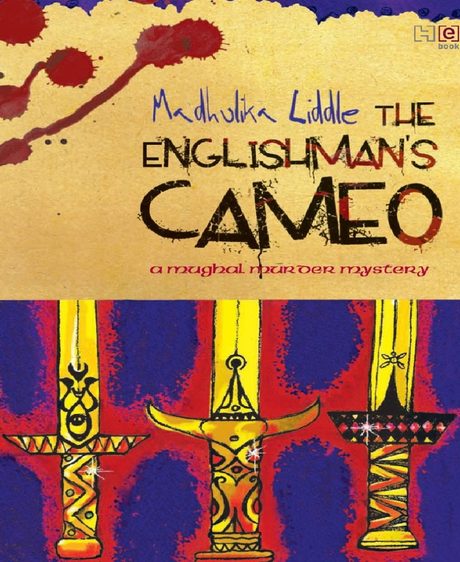
The Englishman's Cameo
Madhulika Liddle2009about 203 pages
Mughal Delhi, 1656. A young nobleman with no job and far too much curiosity has to clear a friend accused of murder.
Muzaffar Jang is a minor aristocrat in Shahjahanabad, brother-in-law to a senior official, bored and quietly clever. When a friend is arrested for a killing, he starts asking questions in bazaars, havelis and the parts of the city his family would rather he avoided, with an English cameo found near the body as his one hard clue. Liddle's Delhi is the real draw: what people ate, how a serai worked, who was allowed to speak to whom. The mystery is a classic puzzle, fair to the reader and neatly closed.
Why it is at 8
Eighth because it is the most purely enjoyable historical mystery here and also the lightest. It does not carry the weight of the Raj novels above it and never pretends to. Liddle knows her period better than any other novelist on this page. If Perveen Mistry worked for you, this is the obvious next stop.
Read it ifyou want a fair puzzle and a Mughal city you can walk around in
Skip it ifyou want psychological darkness, because this is a comfortable read
courtly, curious, lightBest for: classic mystery loversdelhimughalhistorical mysteryseries
9
Whodunit, standalone
Six Suspects
Vikas Swarup2008about 576 pages
A rich man's son is shot at his own party days after walking free from a murder charge, and six guests are carrying loaded guns.
Vicky Rai is acquitted of shooting a bartender, throws a celebration, and is killed at it. Six people present are found with a weapon: a bureaucrat, a film actress, a tribal man from the Andamans, a mobile phone thief, an American, and a politician. Swarup gives each of them a full backstory that runs almost as its own novella, then folds the six together at the end. It is a construction more than a mystery, and the joins show, but several sections are very entertaining and the satire on Indian public life lands more often than it misses.
Why it is at 9
Ninth because the ambition is real and the execution is patchy. Two of the six threads are excellent and one is close to caricature. Against the books above, the writing is plainer and the coincidences are much heavier. As something to read across a long flight, it is genuinely hard to beat.
Read it ifyou like structural games and satire mixed into your murder
Skip it ifyou want realism, because the coincidences stack up fast
satirical, busy, plottyBest for: long flightsdelhiwhodunitsatire
10
Social crime, first of a series
Witness the Night
Kishwar Desai2010about 257 pages
Thirteen members of one Punjabi family are dead, a teenage girl is tied to a bed and charged with all of it, and nobody wants the case reopened.
Simran Singh is a social worker sent to Jullundur to assess Durga, a fourteen year old accused of killing her family, and the girl will not talk. What Simran uncovers is less a whodunit than a slow exposure of what the town has been doing to its daughters for a generation. Desai writes Simran as blunt, rude and drinking more than she should, which keeps the novel from turning into a pamphlet. The subject is female foeticide and everything built around it, and nobody in the book is offered a comfortable exit.
Why it is at 10
Tenth because the material is powerful and the crime writing is only serviceable. The reveal is guessable and the prose is flat in places. It stays this high because very few Indian thrillers use the form to say something this specific, and because Simran is good company in a book that otherwise has none.
Read it ifyou want a crime novel with a real social argument driving it
Skip it ifyou want a fair-play puzzle, because the plot is not the point
bleak, angry, plainBest for: issue-driven readerspunjabsocial crimeseries
Heads up: infanticide and sexual abuse
11
Comic mystery, standalone
Club You to Death
Anuja Chauhan2021about 340 pages
A personal trainer is found dead in the gym of Delhi's most self-satisfied club, and the investigating officer is far cleverer than he lets on.
Chauhan takes the Delhi Turf Club, an institution stuffed with old money, new money, retired generals and people who have been on the membership waiting list for two decades, and drops a body into it. ACP Bhavani Singh arrives, speaks in mild Hindi-inflected English, and is patronised by nearly everyone he interviews, which is exactly how he gets his answers. Around the case Chauhan runs a romance and a full satire of Delhi's class arrangements, and both are funnier than the murder is frightening.
Why it is at 11
Eleventh because the comedy is first rate and the mystery is second rate, and this is a thriller list. If you want to laugh while somebody is being investigated, nothing else here comes close. Chauhan writes the best dialogue on this page, and Bhavani Singh was good enough to earn the second outing he later got.
Read it ifyou want a murder mystery that is actually funny
Skip it ifyou want tension, because nobody here feels in serious danger
witty, social, warmBest for: readers who like comedydelhicosy mysterysatire
12

Psychological crime, standalone
You Beneath Your Skin
Damyanti Biswas2019about 444 pages
Women are turning up in Delhi's winter fog with their faces destroyed by acid, and the case reaches into the family of the officer leading it.
Anjali Morgan is a psychiatrist working with children in Delhi's poorer colonies. Jatin Bhatt is a senior police officer, married, and involved with her. When bodies of women start appearing with acid burns, the two of them are pulled into an investigation that runs uphill into money and influence. Biswas keeps the pressure domestic: Anjali's autistic son, Jatin's marriage, the compromises both of them made long before the book opens. The crime writing is competent, and the passages about being a woman in Delhi after dark are the parts that stay with you.
Why it is at 12
Twelfth because it is honest and closely observed rather than thrilling. The investigation follows a standard track and one late turn arrives on a coincidence. What lifts it is the handling of the acid attack material, done with care and without any of the leering this subject usually attracts in fiction.
Read it ifyou want a crime novel about Delhi's class and gender fault lines
Skip it ifyou want an intricate plot, because the case itself is straightforward
cold, urban, soberBest for: readers of social thrillersdelhipsychological crime
Heads up: acid attacks and sexual violence
13
Amateur detective, mid-series entry
The Monochrome Madonna
Kalpana Swaminathan2010about 239 pages
A phone call from an acquaintance sends a writer into a flat with a corpse in it, and her retired detective aunt takes over from there.
Lalli is a retired police detective in Bombay and her niece Sita, who narrates, keeps getting dragged into cases by accident. Here Sita answers a distress call, walks into a flat and finds a dead man, and the investigation stays small and domestic from then on: a marriage, a painting, and a set of people all being economical with the truth. Swaminathan is a surgeon by profession and the precision shows. The real pleasure is the voice, dry and quick, and the household these two women run between crimes.
Why it is at 13
Thirteenth because the Lalli books are a proper Indian detective series that never found the readership they deserved, and this is the one most easily available in a decent edition. Plot quality swings across the series and this entry is mid-strength. Read it for Lalli and Sita rather than for the puzzle itself.
Read it ifyou want an Indian detective series with an older woman at the centre
Skip it ifyou insist on reading a series in order, because this is not book one
dry, domestic, quickBest for: Agatha Christie readersmumbaiamateur detectiveseries
14
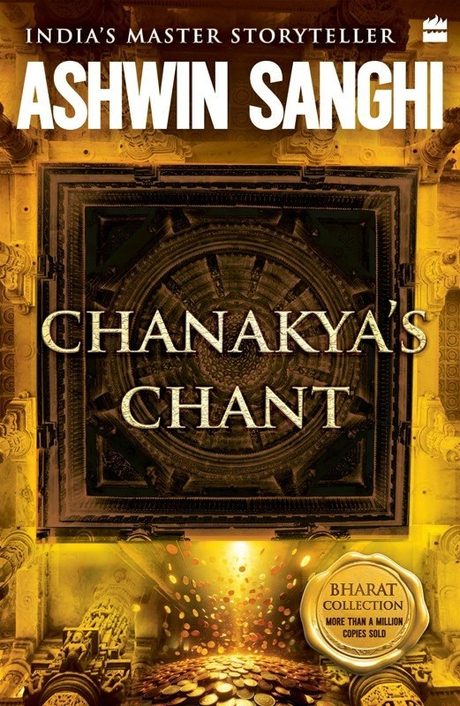
Political thriller, standalone
Chanakya's Chant
Ashwin Sanghi2010about 436 pages
Two kingmakers two thousand years apart, each building a ruler out of nothing, each willing to do almost anything to finish the job.
Sanghi runs two stories side by side. Chanakya in the fourth century before Christ, engineering the rise of Chandragupta Maurya, and Gangasagar Mishra, a Brahmin schoolteacher in modern Uttar Pradesh who decides he will make a slum girl the Prime Minister of India. Every move in the ancient half is answered by a move in the modern half, which reads as clever or mechanical depending on your mood. The modern half is much the better one, because Indian politics supplies material no novelist would dare invent.
Why it is at 14
Fourteenth because it is smart commercial fiction that knows exactly what it is. The prose is workmanlike and the parallel structure turns predictable once you spot the pattern. Even so, this is Sanghi's best book and the political manoeuvring is properly enjoyable. Take it on a flight rather than onto a shelf.
Read it ifyou like political scheming and do not mind a visible formula
Skip it ifyou want character depth, because everyone here is a chess piece
clever, cynical, plottyBest for: political thriller fanspoliticsdual timelinecommercial
15
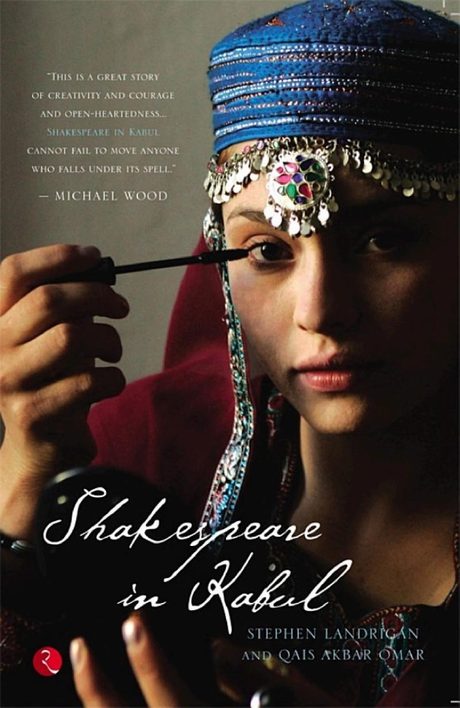
Crime novellas, standalone
Mumbaistan
Piyush Jha2012about 242 pages
Three short crime stories from Bombay's underside, each one short enough to finish before your train reaches Churchgate.
Jha writes three novellas, each set in a different corner of the city's crime economy and each built to move. The style is cinematic in the literal sense, since Jha directs films: short scenes, hard cuts, dialogue doing most of the work. Nobody here is subtle and nobody was meant to be. What lifts the collection above pulp is the geography, because Jha always knows which street the story is standing on, and the locations are specific enough to follow on a map.
Why it is at 15
Fifteenth because the ambition is small and the execution is clean, which is a fair trade. Next to the literary books above, the characters are thin and the endings are tidy. As a way into Indian crime writing for somebody who does not read much, it is one of the easiest doors on this list.
Read it ifyou want fast Bombay crime in one-sitting portions
Skip it ifyou want depth, because these are engineered purely for speed
filmic, hard, quickBest for: commutersmumbainovellaspulp
16
Corporate thriller, standalone
The Bankster
Ravi Subramanian2012
Employees of a Mumbai bank keep dying, and the man who works out why is a journalist who used to sit on that floor.
Subramanian spent his career inside banks and writes what he knows, which is the reason to pick him up. Three threads open separately: sudden deaths at the Mumbai branch of a global bank, a protest against a nuclear plant in Kerala, and an arms deal in Africa. They converge, as you always knew they would. The banking material is excellent and specific, covering how a trade gets hidden, what an audit actually examines, and how an institution protects itself. Everything set outside the office is noticeably thinner.
Why it is at 16
Sixteenth because the plot machinery creaks and the characters are types, and yet nobody else in India writes financial crime with this much inside knowledge. Read it for the industry rather than the thriller. If you work in a bank, move it up a few places. If you do not, the last hundred pages will feel long.
Read it ifyou want financial crime written by somebody who worked in the building
Skip it ifyou need strong characters, because people here get moved around like assets
corporate, brisk, technicalBest for: finance and business readersmumbaifinancial thrillercorporate
17
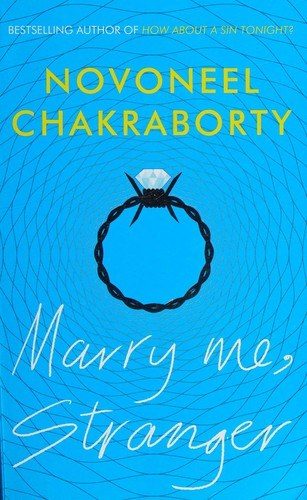
Psychological suspense, first of a trilogy
Marry Me, Stranger
Novoneel Chakraborty2014
A young woman in Mumbai starts getting messages from someone who knows everything about her and wants her to become somebody else.
Rivanah Bannerjee moves to Mumbai for a job and picks up a shadow. An anonymous person leaves her notes and instructions, knows her routines and her history, and begins steering her life by small degrees. The premise is strong and the first half is properly unsettling, because the stalker asks for no money and no sex, only that she change. Chakraborty writes for readers in their twenties and the register matches exactly: short chapters, plain language, a hook every few pages, and one mystery stretched across three books.
Why it is at 17
Seventeenth because the idea is much better than the writing, and the trilogy structure means you get no answer inside this volume. Next to everything above, the sentences are basic and the psychology is shallow. It earns a place because the hook is genuinely good and because it is the book this list's readers are most likely to be halfway through already.
Read it ifyou want fast commercial suspense and do not mind signing up for three books
Skip it ifyou want a resolved ending or careful prose, because you get neither
twisty, young, breathlessBest for: commercial fiction readersmumbaistalkerseries
18
Commercial thriller, standalone
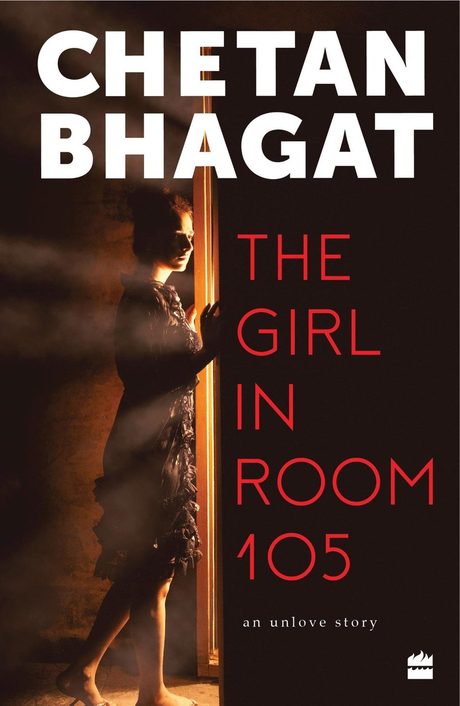
The Girl in Room 105
Chetan Bhagat2018about 312 pages
A drunk ex-boyfriend climbs into his old girlfriend's hostel room on her birthday and finds her dead, which is the best chapter in the book.
Keshav teaches at a Delhi coaching institute, drinks more than he should, and has never got over Zara. On her birthday he breaks into her hostel room and finds her body, then decides to investigate the killing himself with a flatmate along for comic relief. The first fifty pages move well. After that the novel becomes a road trip with jokes, a Kashmir subplot handled at newspaper depth, and a solution that arrives with very little actual detective work behind it.
Why it is at 18
Eighteenth, last, and here for two honest reasons. It got a very large number of Indian readers to try a thriller at all, and the opening act works. As crime writing it is thin, since the clues are never planted, the police are furniture, and the politics sit at the level of a forwarded message. Start here only if nothing above appeals to you.
Read it ifyou already read Bhagat and want the murder mystery one
Skip it ifyou want a real investigation, because the detection here is mostly luck
chatty, quick, slightBest for: reluctant readersdelhicommercialmystery
Worth knowing
Which series to start if you want to live in one
Six of these books belong to a series that keeps going, so pick by city and century rather than by detective. Calcutta in 1919, with a damaged English policeman and a Bengali sergeant nobody listens to, is Abir Mukherjee. Bombay in 1921, with the city's first woman solicitor, is Sujata Massey. Bombay in 1949, with the first woman on the detective force, is Vaseem Khan. Mughal Delhi in 1656 is Madhulika Liddle. Bangalore right now, with a passed-over inspector, is Anita Nair. Bombay right now, with a retired detective and her novelist niece, is Kalpana Swaminathan.
For the best writing, take Mukherjee. For the least violence, take Massey. For the strongest single character, take Nair's Gowda. All of them survive being read out of order, though the Wyndham novels lose the most that way because his private story runs across the whole run.
Worth knowing
About the bottom of this list
Ranks fourteen to eighteen are commercial fiction and I have said so inside each entry. That is a category, not an insult. These books are built to be finished, they sell in numbers the literary end can only dream about, and one of them is probably the reason somebody in your family started reading again after college. The trouble is that they get treated as the whole of Indian crime writing when they are only the entrance to it.
If you have read Bhagat or Chakraborty and want a step up without jumping straight into nine hundred pages, go to Mumbaistan or Club You to Death first, then A Rising Man. That order works on almost everybody I have tried it on.
People also ask
Questions, answered
Who is the best Indian thriller writer?
For pure writing, Vikram Chandra, although he has produced exactly one crime novel and it runs to nine hundred pages. For consistency across a whole series, Abir Mukherjee. For contemporary police work, Anita Nair. For sales, Ashwin Sanghi and Ravi Subramanian, which is a different question with a different answer. If you want one book to test whether the genre is for you, start with A Rising Man rather than Sacred Games.
Is Sacred Games worth reading if I have already watched the show?
Yes, and more than most adaptations allow. The series keeps the two central men and the broad shape of the plot, then invents freely from the first season onwards. The novel's real substance is everything a camera had to drop: the side chapters, Gaitonde's voice, the police procedure, the sheer quantity of Bombay. Treat them as two works sharing a premise. Read the book if the show left you curious about the city rather than the twist.
Which Indian thriller should I read first?
A Rising Man by Abir Mukherjee. It is a well-built murder mystery, it is set in a version of India most readers have never seen from the inside, and there are more books waiting if it works on you. If historical fiction bores you, start with Cut Like Wound for a modern police novel, or Club You to Death if you would rather laugh than shiver. Save Sacred Games until you know you want the commitment.
Are there good Indian detective series?
Several, and they are the healthiest part of the genre right now. Sam Wyndham in 1919 Calcutta, Perveen Mistry in 1921 Bombay, Persis Wadia in 1949 Bombay, Muzaffar Jang in Mughal Delhi, Inspector Gowda in present-day Bangalore, and Lalli in present-day Bombay. Between them they cover four centuries and four cities. Choose the period you want to spend time in, because in this kind of book the world matters more than the detective.
Is The Girl in Room 105 a real thriller?
Partly. The setup is a proper murder mystery and the first act works well. After that it behaves like a Chetan Bhagat novel with a corpse in it, complete with comedy, a road trip, a romance, and a resolution owing far more to luck than to detection. If you enjoyed it, treat the book as a door rather than a destination, and read Mumbaistan or Club You to Death next.
What is the best short Indian thriller?
Mumbaistan by Piyush Jha, which is three crime novellas rather than one novel, so each story ends in about an hour. The Englishman's Cameo is the best short standalone mystery here, tidy and fairly clued. Avoid opening with Sacred Games or Age of Vice if your reading time is scattered, because both are long and both punish you for reading them in ten minute pieces on a phone.
Before you go
What to read tonight
If you want to start tonight and cannot decide, read the first thirty pages of A Rising Man while standing in a queue somewhere. If Wyndham's voice works on you, your next two months are sorted. If it does not, switch to Cut Like Wound, which grabs faster and hits harder, and tells you within fifty pages whether modern Indian police fiction is your thing.
And if you only ever read one book off this page, make it Sacred Games, but clear the time first. It is the kind of novel that changes how you look at your own city on the way to work, which is a strange side effect for a crime story to have and the reason people are still arguing about it twenty years on.
Keep going
Lists that pair with this one
Indian Fiction
16 Best Novels Set in Mumbai, Mapped Neighbourhood by Neighbourhood
Sixteen Bombay novels ranked by how much of the city you carry out with you, from a Worli chawl to a tower in Vakola.
Indian Fiction
20 Best Books by Indian Women Authors, From 1905 to 2025
Ranked by how hard I would push each one at a stranger, with a door on every book so you know how much patience it asks for.
Mood & Life
20 Unputdownable Books, Ranked by the Engine That Hooks You
I ranked these on one thing: how hard each book made it to stop reading, and which mechanic does the pulling.
Mood & Life
16 Best Books for Long Flights and Train Journeys, by Hours
Every book here is timed: roughly how many hours it fills, and how well it survives being put down for the meal trolley.
Indian Fiction
The 20 Best Indian Books in Translation, Ranked by Where to Start
Twenty books from ten Indian languages, ordered from the easiest way in to the one that will fight you, with the translator named every time.