Some books are good. A smaller number are rude: they take your Sunday, ruin your Monday, and do not apologise. I have missed my stop on the way home because of one of them, and I have lied about what time I came to bed because of another. Twenty of those books are below.
After enough of those nights I got curious about the machinery, because a book you cannot put down is engineered, not blessed. Nearly all of them run on one of four engines: a withheld answer, a ticking clock, the chapter cliff, or a voice you would follow into traffic. The best ones run two at once. I have put the engine on every entry so you can pick the kind of pull that works on you, because these are not interchangeable.
The ranking is mine and it measures one thing: how hard the book made it to stop, not how good the book is. That is why a novel with sentences I would not defend sits at ten, and why two better books sit near the bottom. Twenty titles, hardest to escape at the top. Quick picks are right below if you want to leave in ten seconds and start reading something tonight.
How I picked these
- Pull, not prestige. I ranked on how hard it was to stop, which is why a badly written book beats a well written one in places, and I say so every time it happens.
- Every book verified through Google Books and Open Library with a real cover and a real edition, so nothing here is a phantom listing.
- I cut the books people call addictive that are only long. Length is not pull, and a saga you finish over three weeks out of loyalty did not qualify.
- Series are allowed only when book one lands somewhere. The Hunger Games and Fourth Wing both close on a hook, but neither strands you mid scene.
- The two Indian entries passed the same test as everyone else, and one of them sits at seven while running to a thousand pages.
- Famous books get honest placement. The Da Vinci Code is at ten with its prose criticised in the same paragraph, and Verity is at seventeen despite being the fastest read here.
The whole list at a glance
All 20 books, in order
| # | Book | Author | Year | Vibe | Best for |
|---|
| 1 | Gone Girl | Gillian Flynn | 2012 | cold, clever, mean | readers who enjoy being tricked |
| 2 | Project Hail Mary | Andy Weir | 2021 | funny, nerdy, hopeful | readers scared of science fiction |
| 3 | The Silent Patient | Alex Michaelides | 2019 | clinical, cold, quick | one sitting thriller readers |
| 4 | Dark Matter | Blake Crouch | 2016 | fast, anxious, cinematic | readers in a slump |
| 5 | The Hunger Games | Suzanne Collins | 2008 | urgent, angry, propulsive | teen and adult readers |
| 6 | The Girl with the Dragon Tattoo | Stieg Larsson | 2005 | dark, methodical, Nordic | patient mystery readers |
| 7 | Sacred Games | Vikram Chandra | 2006 | sprawling, profane, alive | readers with a free week |
| 8 | And Then There Were None | Agatha Christie | 1939 | cold, tidy, ruthless | first time Christie readers |
| 9 | The Seven Husbands of Evelyn Hugo | Taylor Jenkins Reid | 2017 | glamorous, sad, confiding | readers who love a secret |
| 10 | The Da Vinci Code | Dan Brown | 2003 | breathless, silly, addictive | airport and holiday reading |
| 11 | The Housemaid | Freida McFadden | 2022 | trashy, tense, quick | rebuilding a reading habit |
| 12 | One of Us Is Lying | Karen M. McManus | 2017 | gossipy, twisty, teen | teenagers and fast readers |
| 13 | Then She Was Gone | Lisa Jewell | 2017 | sad, dreadful, tender | readers who like domestic suspense |
| 14 | Fourth Wing | Rebecca Yarros | 2023 | brutal, hot, bingeable | romantasy newcomers |
| 15 | Big Little Lies | Liane Moriarty | 2014 | funny, sharp, sinister | readers who like ensembles |
| 16 | The Girl on the Train | Paula Hawkins | 2015 | grimy, sad, suspicious | commuters, obviously |
| 17 | Verity | Colleen Hoover | 2018 | lurid, nasty, quick | readers who want shock |
| 18 | Where the Crawdads Sing | Delia Owens | 2018 | lonely, green, tender | slower thriller readers |
| 19 | The Kite Runner | Khaled Hosseini | 2003 | guilty, warm, sad | readers who want feeling |
| 20 | The Immortals of Meluha | Amish Tripathi | 2010 | mythic, brisk, earnest | Indian mythology fans |
The list
The books, ranked
1
Engine: withheld answer, then a full reset
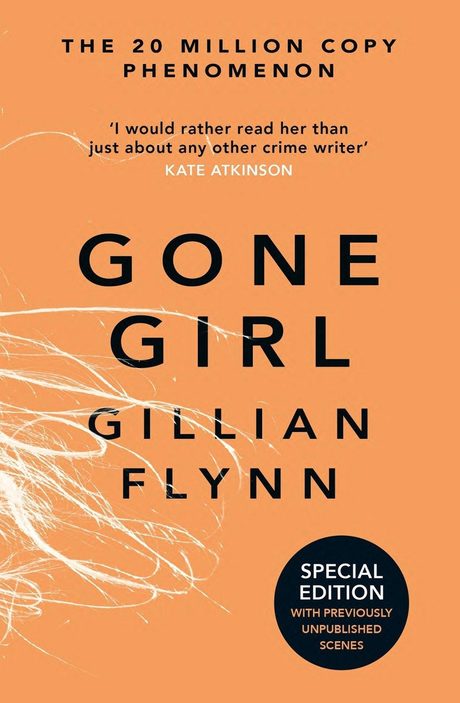
Gone Girl
Gillian Flynn2012about 478 pages
A wife vanishes on her fifth anniversary, her husband looks guilty, and the halfway point turns everything you believed inside out.
Amy Dunne disappears from her Missouri home on the morning of her fifth wedding anniversary. Her husband Nick is the obvious suspect, mostly because he behaves like a man with something to hide, and the book alternates between his account of the search and her diary. That structure is the trap. You read to find out what happened, then the novel does something at the midpoint that sends you back over pages you thought you had understood. Flynn writes a marriage the way crime writers write a crime scene, with the ugly details left in, and the result reads like eavesdropping on the worst couple you know.
Why it is at 1
First because it does what the other nineteen do, and then does it a second time. Most books here withhold one answer. Gone Girl hands you an answer at the halfway mark and that answer opens a bigger question, so the back half pulls harder than the front. That is rare, and it is why people finish this in a weekend and argue about it for a year.
Read it ifyou want a thriller that is also a nasty, funny book about marriage
Skip it ifyou need somebody in the book to root for, because nobody here qualifies
cold, clever, meanBest for: readers who enjoy being trickedthrillermarriagetwist
Pairs with: Big Little Lies at fifteen, if you want the same suburban rot with jokes
2
Engine: problem stack plus a withheld memory
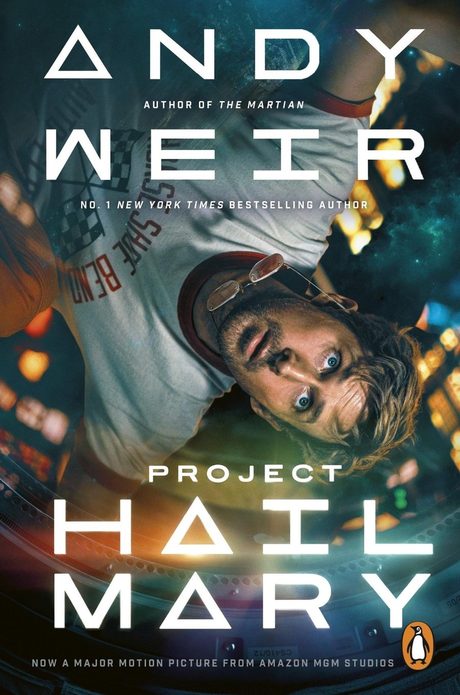
Project Hail Mary
Andy Weir2021about 482 pages
A man wakes alone on a spaceship with no memory, two dead crewmates for company, and a planet waiting to be saved.
The narrator comes round on a ship a long way from Earth with amnesia, two corpses in the room, and no idea why he is there. His memory returns in flashbacks while the present day problem keeps changing shape, and almost every chapter hands him a fresh technical crisis he has to solve with school physics and duct tape logic. It sounds like homework and reads like a comedy. Weir writes a scientist who is delighted by his own experiments, so even the failures are entertaining, and about a third of the way in the book introduces something I refuse to describe. Going in cold is most of the pleasure.
Why it is at 2
Second, and the highest ranked book here with no murder in it. Its engine is problem stacking: solve one crisis, discover a worse one, repeat, with the amnesia unspooling underneath the whole time. It misses the top spot only because the pull is steady rather than violent. You will not gasp once, and you will still look up and find that it is two in the morning.
Read it ifyou want a science story with warmth, jokes and real stakes
Skip it ifyour eyes glaze at pages of engineering problem solving
funny, nerdy, hopefulBest for: readers scared of science fictionscience fictionsurvivalfriendship
3
Engine: one withheld answer, held for 300 pages
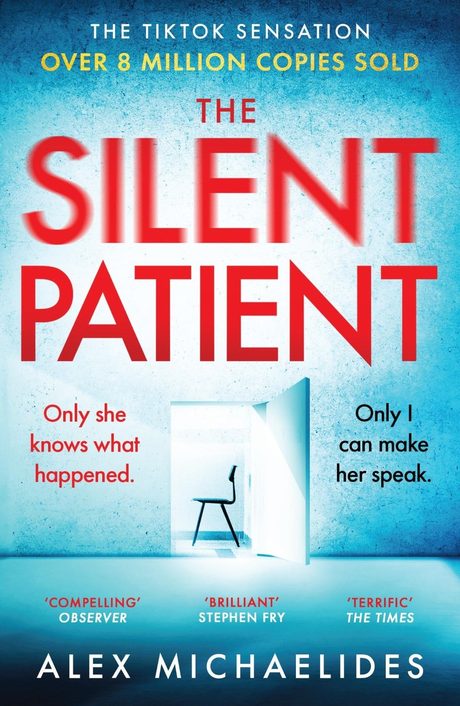
The Silent Patient
Alex Michaelides2019about 286 pages
A woman shoots her husband and never speaks again, and a therapist decides he is the one who can make her talk.
Alicia Berenson, a painter in London, is found beside her husband's body holding a gun, and from that night she stops speaking entirely. Six years later she is in a secure psychiatric unit, and Theo Faber, a psychotherapist with an unhealthy interest in her case, takes a job there to get near her. The novel is built around a single question, which is why she did it, and the chapters are short enough that stopping becomes a decision you have to make on purpose. Michaelides wrote screenplays before this and the pacing shows it, since no scene runs a line longer than it needs to.
Why it is at 3
Third because the pull is almost mechanical. There is one locked door and the book keeps walking you past it, twice a chapter. The prose is plain and the psychology gets thin in places, so this is not the best written book on the list. As a machine for keeping you awake past midnight it is close to perfect.
Read it ifyou want one big question and a fast, clean answer
Skip it ifyou want deep characters more than you want the twist
clinical, cold, quickBest for: one sitting thriller readerspsychological thrillertwistlondon
4
Engine: ticking clock plus a high concept
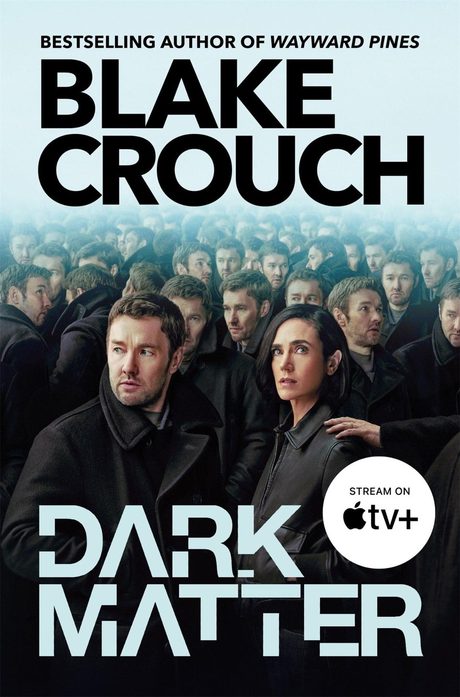
Dark Matter
Blake Crouch2016about 375 pages
A physics teacher is abducted on a Chicago street and wakes up in a life that is his, except for everything that matters.
Jason Dessen is walking home from a bar when a masked man takes him, drugs him, and he comes round strapped to a table while strangers in hazmat suits welcome him back. The life he returns to is recognisably his own, with one enormous substitution. Saying more would spoil the opening fifty pages, which are the best fifty pages Crouch has written. What follows is a chase in which the thing being chased is an ordinary marriage and the antagonist is a version of the hero who chose differently. Short chapters, present tense, almost no fat on the bone.
Why it is at 4
Fourth because it runs two engines: a clock that never stops and an idea you will want to argue about with somebody at one in the morning. It is less clever than Gone Girl and less warm than Weir, yet no book here has a stronger first act. If your reading habit has collapsed, this is the one that restarts it.
Read it ifyou like high concept chases with a domestic heart
Skip it ifyou want deep characters, because plot drives everything here
fast, anxious, cinematicBest for: readers in a slumpsci-fi thrillermultiversechicago
5
Engine: chapter cliff, chapter after chapter
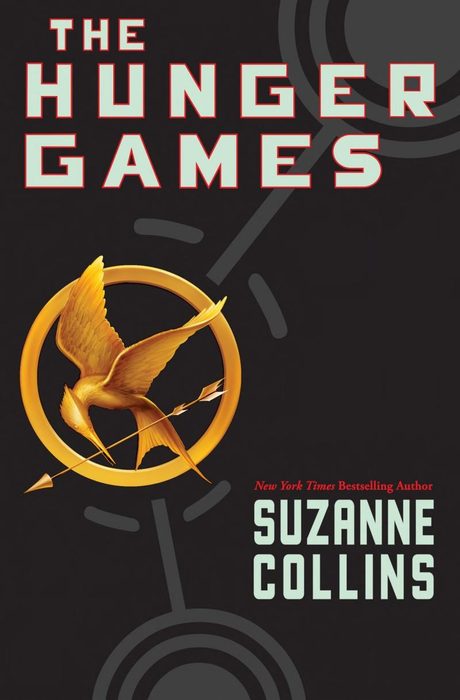
The Hunger Games
Suzanne Collins2008about 386 pages
Twenty four teenagers, one arena, one survivor, narrated by a girl who volunteered to take her little sister's place.
Katniss Everdeen lives in a poor mining district of a country that punishes its provinces with an annual televised fight to the death between children. When her twelve year old sister's name comes out of the bowl, Katniss takes her place. Collins writes in first person present tense and ends nearly every chapter on a fall, which is the most efficient page turning device in modern publishing. Read it as an adult and the politics land harder than the romance, because this is a book about spectacle and about people watching suffering as entertainment, written before every one of us carried a feed in our pocket.
Why it is at 5
Fifth, and the cleanest demonstration of the chapter cliff on this list. Count the chapter endings and you will find a threat, a reveal or a physical drop in almost all of them. It ranks below the four above only because the middle of the arena section settles into a rhythm you can predict. The opening hundred pages are hard to beat at any price.
Read it ifyou want relentless plot with a real political spine
Skip it ifyou cannot read about children being hurt
urgent, angry, propulsiveBest for: teen and adult readersdystopiayasurvival
Heads up: children killing children, sustained violence
6

Engine: cold case with a closed suspect list
The Girl with the Dragon Tattoo
Stieg Larsson2005about 658 pages
A disgraced journalist and a hacker with a photographic memory reopen a disappearance that has been cold for forty years.
Mikael Blomkvist, a financial journalist who has just lost a libel case, is hired by an ageing industrialist to work out what happened to a niece who vanished from a family island in the sixties. Lisbeth Salander, the researcher who ends up working beside him, is the reason this book became what it became: small, hostile, brilliant, and completely uninterested in being liked. The opening hundred pages carry a lot of Swedish corporate detail and plenty of readers stall there. Push through and the case turns into one of the best built mysteries of the century. Originally published in Swedish.
Why it is at 6
Sixth despite the slow start, which is the honest placement rather than the flattering one. The pull here is the cold case: a finite set of suspects, an island nobody could leave, and a photograph that nobody has read correctly. Once Salander and Blomkvist are in the same room the book stops letting go. Rank it lower for yourself if you have no patience for setup.
Read it ifyou want a proper investigation and a character you will not forget
Skip it ifa hundred pages of corporate detail will lose you early
dark, methodical, NordicBest for: patient mystery readerscrimemysterytranslated
Heads up: graphic sexual violence
7
Engine: voice, with a countdown underneath
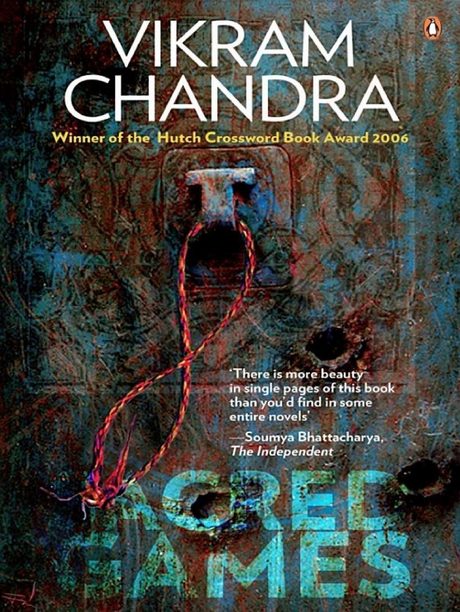
Sacred Games
Vikram Chandra2006about 1351 pages
A Mumbai police inspector and the gangster who taunts him, across a thousand pages that move faster than a thousand pages should.
Sartaj Singh, a middle aged Sikh inspector with a failed marriage and a decent conscience, gets a tip that leads him to a concrete bunker where Ganesh Gaitonde, the biggest gangster in the city, is sitting alone inside. What follows braids two stories: the investigation in the present, and Gaitonde's own account of building an empire from nothing. Chandra writes Mumbai the way a resident argues about it, slang left in place, glossary at the back if you need it. There is a real clock too, because something is coming for the city and the countdown runs under every chapter.
Why it is at 7
Seventh, and the only thousand page book on this list, which should tell you how hard it pulls. Gaitonde's voice does the work: funny, monstrous, and impossible to stop listening to. It sits here rather than higher because the commitment is genuine. Nobody finishes this over a weekend, though plenty of people finish it in a week and lose sleep doing it.
Read it ifyou want a crime epic with the real Mumbai inside it
Skip it ifa thousand pages and untranslated slang will defeat you
sprawling, profane, aliveBest for: readers with a free weekcrimemumbailiterary
Heads up: extreme violence, communal violence, sexual content
8

Engine: arithmetic, ten going down to zero
And Then There Were None
Agatha Christie1939about 272 pages
Ten strangers on an island, an accusation against every one of them, and a body count that only moves in one direction.
Ten people with nothing in common are invited to a house on an island off the Devon coast. A recorded voice accuses each of them of a death they got away with, and then they start dying one at a time, in the order of an old nursery rhyme framed in every bedroom. Christie wrote this one without a detective, which is the trick, because there is nobody in the book to reassure you and the survivors have to suspect each other. It is short, plain and built like clockwork, eighty odd years before anyone started using the word pacy.
Why it is at 8
Eighth, and the oldest book here by several decades. Its engine is arithmetic. Ten becomes nine becomes eight, and every subtraction shrinks the pool of suspects, so the pressure climbs on its own without the author ever raising her voice. Modern thrillers are still copying this design, usually badly. Read it and you will spot the skeleton inside half the other books on this list.
Read it ifyou want the original locked island engine at its cleanest
Skip it ifyou need modern psychology and long interior monologue
cold, tidy, ruthlessBest for: first time Christie readersmysteryclassiclocked room
9

Engine: a numbered promise you want completed
The Seven Husbands of Evelyn Hugo
Taylor Jenkins Reid2017about 400 pages
An ageing Hollywood legend finally tells her story, one husband at a time, to a journalist who has no idea why she was chosen.
Evelyn Hugo, retired and famously private, summons an unknown magazine writer called Monique and offers her the whole life: seven marriages, the studio system, and the things she did to stay on top of it. The structure is the hook, because a numbered list of husbands is a promise that you will reach all seven, and each marriage ends with a reason to begin the next. Under the glamour it is a novel about a love that could not be public in the fifties, and about what one woman's ambition costs the people standing closest to her.
Why it is at 9
Ninth, and proof that you do not need a corpse to keep somebody reading. Two questions run the whole book: which husband was the real one, and why did Evelyn choose this particular journalist. Reid answers the second one late and it lands properly. The Hollywood detail is thinner than the book pretends, though the structure is built so well that you stop minding.
Read it ifyou want glamour, secrets and a love story with real stakes
Skip it ifframe narratives and celebrity gossip energy annoy you
glamorous, sad, confidingBest for: readers who love a secrethistorical fictionhollywoodqueer love
10
Engine: the chapter cliff, industrialised
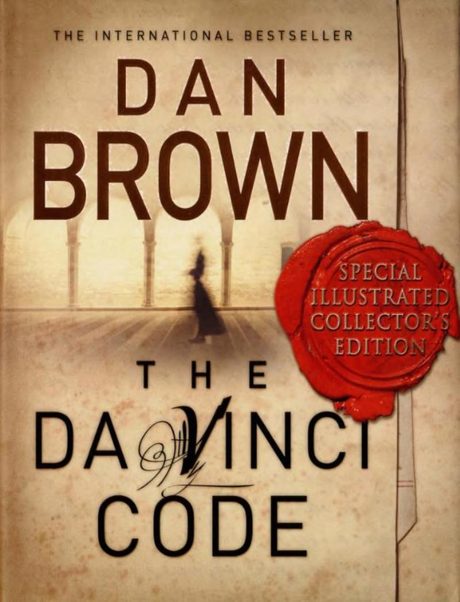
The Da Vinci Code
Dan Brown2003about 484 pages
A murder inside the Louvre starts a night long chase through codes, churches and a conspiracy about what Christianity edited out.
A curator is found dead in the Louvre, arranged in a pose that means something, and a symbologist and a cryptographer spend one night running from the police while solving puzzles that lead to a very old secret. Brown writes chapters of four or five pages and ends nearly all of them on a question or an opening door. The history is shaky, the sentences are functional at best, and characters explain things to each other that they would both already know. As a delivery system for the feeling of needing to know what happens next, it is still hard to beat.
Why it is at 10
Tenth, and this placement is one I will defend from both sides. The prose is poor and the characters are cardboard cutouts holding torches. The architecture is superb, because every chapter is a small unit that opens a loop and shuts it two chapters later, which keeps three questions live at all times. Study this one for how pulling works, not for how writing works.
Read it ifyou want a puzzle chase and can forgive flat prose
Skip it ifclumsy sentences ruin a whole book for you
breathless, silly, addictiveBest for: airport and holiday readingthrillerconspiracypuzzle
11
Engine: dread, then a reversal at the halfway mark
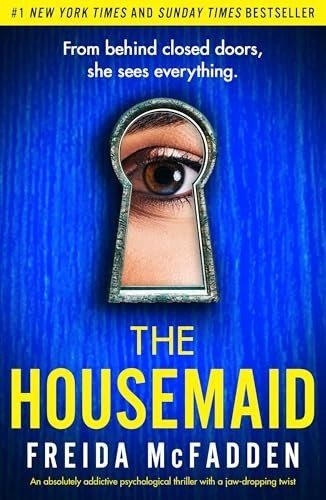
The Housemaid
Freida McFadden2022
A woman with a record takes a live in job in a rich couple's house, and her attic door locks from the outside.
Millie needs work and nobody will hire her, so she takes a housekeeping job with the Winchesters, who have money, a beautiful house and a marriage that is visibly wrong within a week. Her room in the attic has a door that only locks from the outside, which she notices and then keeps living with. McFadden writes in short bursts with a lot of white space, and the whole book is engineered around the moment you understand that you have been reading one situation when it was always another. Subtlety is not the aim anywhere in it.
Why it is at 11
Eleventh, and my pick for anyone who has not finished a book in two years. You can read it in an evening, the chapters run two pages, and the reversal arrives exactly when a rusty reader needs a reward. It sits here rather than higher because the plotting gets careless once the trick is spent, so the first half is much stronger than the second.
Read it ifyou want a fast domestic thriller you can finish tonight
Skip it ifyou want plausible plotting and careful sentences
trashy, tense, quickBest for: rebuilding a reading habitdomestic thrillerfast read
Heads up: domestic abuse, coercive control
12

Engine: four narrators, four secrets
One of Us Is Lying
Karen M. McManus2017about 343 pages
Five students walk into detention, one of them dies, and the four survivors all had a reason to want him quiet.
Simon runs the school gossip app and has posts scheduled that would ruin four classmates. He dies during detention with all four of them in the room, and the novel rotates between those four: the athlete, the brain, the popular girl and the one with a record, a debt to The Breakfast Club that McManus states out loud. Each narrator hides something from the reader as well as from the police, so every section leaves you a little more suspicious than the last. The teenage voices are better than they need to be and the mystery plays fair.
Why it is at 12
Twelfth because the four narrator structure is a pull engine all by itself. Every switch is a small cliff, and you keep going because you want the next voice as much as the next clue. It is a young adult novel and reads like one, so it sits under the adult thrillers above. As a gateway for a teenager who claims to hate reading, nothing here beats it.
Read it ifyou want a whodunit with four suspects doing the narrating
Skip it ifhigh school romance subplots put you off
gossipy, twisty, teenBest for: teenagers and fast readersyamysteryschool
13
Engine: dread, with the reader ahead of the mother
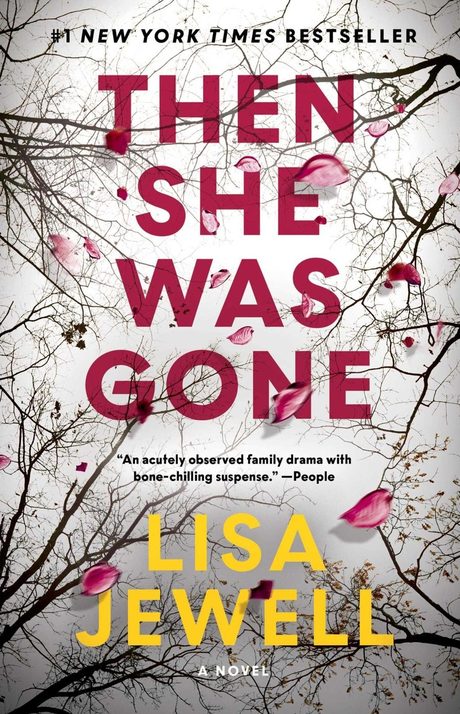
Then She Was Gone
Lisa Jewell2017about 384 pages
Ten years after her daughter vanished, a mother meets a charming man whose little girl looks exactly like the child she lost.
Laurel's fifteen year old daughter Ellie went out to study at the library and never came home. A decade later Laurel is half living, divorced and hollow, when she meets Floyd in a cafe and then meets his nine year old daughter, who could be Ellie's twin. Jewell handles that coincidence head on instead of hiding it, and the book moves between Laurel's present and other voices that fill in what actually happened. It is a missing child novel that spends most of its attention on the mother left behind, which is the part that hurts.
Why it is at 13
Thirteenth because the pull is dread rather than mystery. You work out roughly what is going on well before Laurel does, and Jewell knows you will, so the tension moves to how much damage lands before the truth reaches her. That is a harder trick than a twist. It sits here because the middle sags for about fifty pages before the last act recovers.
Read it ifyou want a missing child story told through the mother
Skip it ifgrief and harm to children are not what you need right now
sad, dreadful, tenderBest for: readers who like domestic suspensedomestic suspensegriefmissing person
Heads up: abduction, grief, abuse of a minor
14
Engine: survival clock plus a slow burn romance
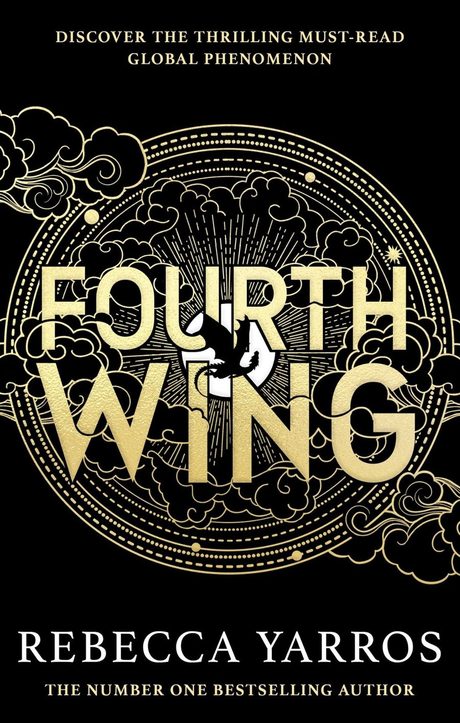
Fourth Wing
Rebecca Yarros2023about 639 pages
A physically fragile woman is forced into a war college where cadets bond with dragons and most of them do not graduate.
Violet Sorrengail was raised for the scribe quadrant, quiet work with books and archives, until her general mother orders her into the riders quadrant instead. The first test is crossing a parapet in high wind, and people fall off it. Dragons choose their own riders, most cadets are not chosen, and a fair number die trying. Yarros writes short scenes with a threat inside almost every one, folds in an enemies to lovers romance that takes its time, and closes on the kind of ending that had a million readers ordering the sequel that same night.
Why it is at 14
Fourteenth, and it earns the spot on momentum rather than craft. The writing is plain and the world borrows heavily from dragon fantasy you have already read. What it does better than nearly anyone is refuse to hand you a quiet chapter, and it runs two engines at once: will she survive this week, and when will these two stop pretending.
Read it ifyou want dragons, danger and a romance that takes its time
Skip it ifyou want original worldbuilding and careful prose
brutal, hot, bingeableBest for: romantasy newcomersromantasydragonsenemies to lovers
Heads up: graphic violence, explicit sex
15
Engine: a known ending, an unknown victim
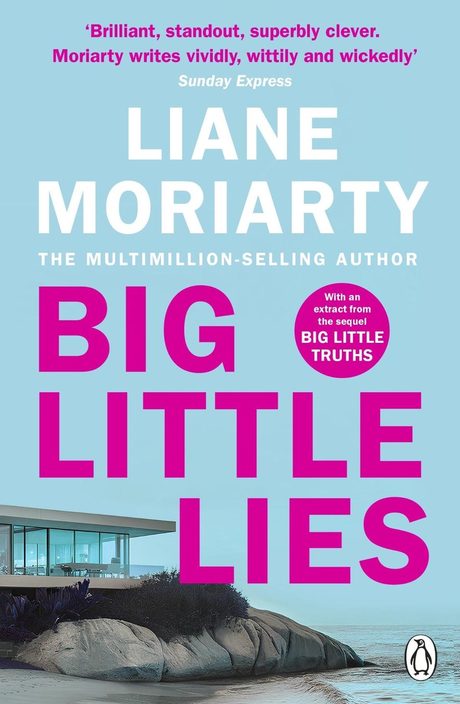
Big Little Lies
Liane Moriarty2014about 465 pages
Somebody dies at a school trivia night, and the book spends three hundred pages showing you how three mothers arrived there.
A parent is dead after a fundraising quiz at a primary school in a coastal Australian town. You are told that on page one. You are not told who died, who did it, or whether it was even deliberate, and the novel walks back six months to follow three mothers whose lives tangle in school gate politics. Between chapters Moriarty drops one line witness statements from other parents, which is very funny and also a slow drip of information. Under the comedy sits a serious book about domestic abuse and about who does not get believed.
Why it is at 15
Fifteenth, and the best example here of an engine I admire: tell the reader that an ending exists, then hide which ending it is. Every ordinary scene is charged, because any of these people could turn out to be the body. It ranks mid table because the playground comedy, sharp as it is, keeps stalling the clock. The last eighty pages are excellent.
Read it ifyou want social comedy with a real knife underneath it
Skip it ifdomestic abuse in fiction is not for you at the moment
funny, sharp, sinisterBest for: readers who like ensemblesdomestic suspenseaustraliaschool
Heads up: domestic violence, sexual assault
16
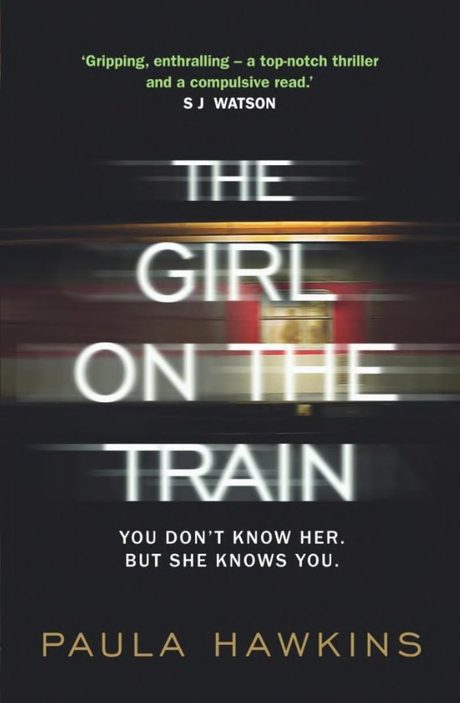
Engine: the answer is inside a blackout
The Girl on the Train
Paula Hawkins2015about 323 pages
A blackout drunk commuter watches a couple from the train every morning, then the woman disappears and she may have been there.
Rachel rides the same train past the same row of houses twice a day, partly because she has lost her job and has not told anyone at home. She has invented an entire life for a couple she can see from the window. When that woman goes missing, Rachel realises she was in the street on the night it happened and remembers nothing, because she drinks until the tape stops recording. Hawkins builds the whole novel on the gaps in Rachel's memory, and the discomfort comes from a narrator who cannot promise you anything, including her own innocence.
Why it is at 16
Sixteenth. The engine is memory, since the answer sits inside the narrator's own head where she cannot reach it, so each chapter becomes an attempt to recover one night. The device works, though the solution is guessable and the two supporting narrators are far less interesting than Rachel. Worth reading for the portrait of a functioning alcoholic, which is unusually honest.
Read it ifyou want an unreliable narrator handled properly
Skip it ifyou find drunk narrators exhausting to follow
grimy, sad, suspiciousBest for: commuters, obviouslypsychological thrillerunreliable narrator
Heads up: alcoholism, domestic abuse
17
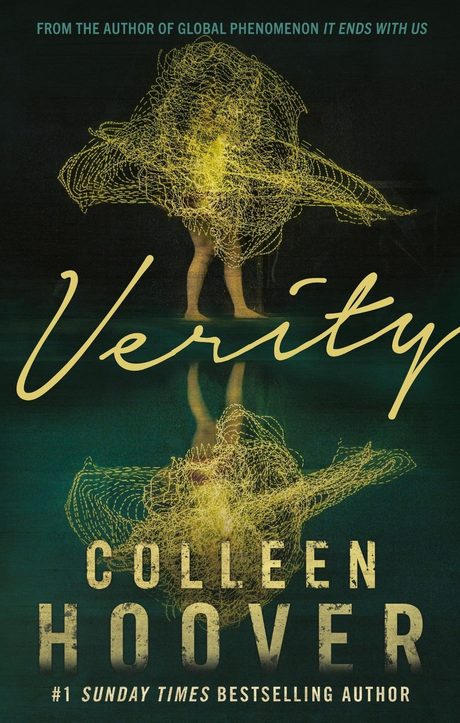
Engine: a manuscript you are not supposed to read
Verity
Colleen Hoover2018about 299 pages
A broke writer is hired to finish a famous author's series and finds an unpublished manuscript she was never meant to open.
Lowen Ashleigh takes a job ghostwriting the remaining books in a successful series because the author, Verity Crawford, is incapacitated after an accident. Working from the family house, Lowen finds a manuscript in the study that reads like an autobiography and is horrifying. From there the novel alternates between Lowen's present and pages from that manuscript, a structure that makes stopping physically difficult, since the manuscript chapters always break off at the worst possible line. Hoover wrote this as a thriller rather than a romance and it is far nastier than the rest of her work.
Why it is at 17
Seventeenth. The book inside a book is one of the strongest pull devices in fiction and Verity uses it shamelessly, which is why it reads faster than anything above it. It ranks low anyway because the frame story is thin and the ending asks you to swallow a great deal. Read it for the manuscript chapters and treat the rest as packaging.
Read it ifyou want a nasty, fast thriller with a second book inside it
Skip it ifexplicit content and harm to children will upset you
lurid, nasty, quickBest for: readers who want shockthrillerbook within a book
Heads up: explicit sex, harm to children
18

Engine: two timelines feeding each other
Where the Crawdads Sing
Delia Owens2018about 386 pages
A girl raised alone in the North Carolina marsh becomes the obvious suspect when the local golden boy is found dead.
Kya is abandoned by her family one member at a time and grows up in a shack in the marsh, learning to read the water long before she learns to read words. Decades of that life are cut against a courtroom timeline in which she stands trial for the death of Chase Andrews. Owens is a wildlife scientist and the nature writing is the real pleasure here, patient and exact about herons and tide and mud. The mystery is the thread that keeps you turning, although the trial is more sentimental than convincing and the ending splits readers hard.
Why it is at 18
Eighteenth, and the gentlest pull on the list. The two timelines pass information back and forth, which keeps you moving, but the actual engine is a child surviving alone and you read on because you are worried about her. Placed low because long stretches are deliberately quiet. If everything above feels too aggressive for your mood, start here instead.
Read it ifyou want nature writing wrapped around a murder trial
Skip it ifyou want a tight thriller with no lyrical detours
lonely, green, tenderBest for: slower thriller readersmysterynaturecoming of age
Heads up: child neglect, domestic violence
19
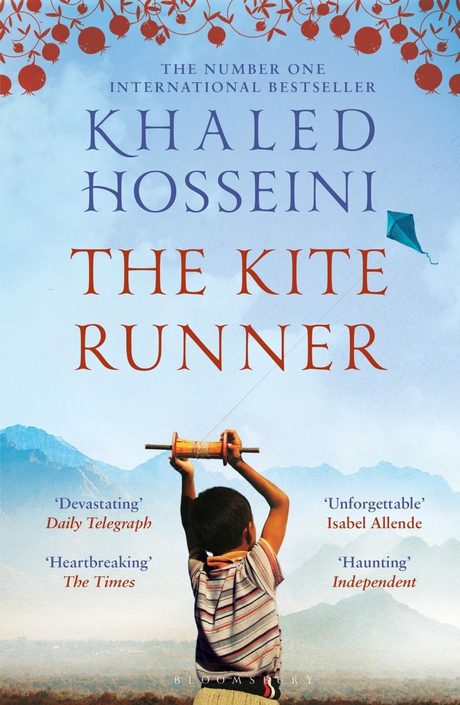
Engine: guilt, and a debt that has to be paid
The Kite Runner
Khaled Hosseini2003about 369 pages
One act of cowardice in Kabul in 1975 follows a man across continents until he is asked to go back and settle it.
Amir and Hassan grow up in the same Kabul household on opposite sides of class and ethnicity, one the son of a wealthy man and the other the son of his servant. On a winter afternoon after a kite tournament, Amir fails Hassan completely, and the rest of his life is shaped by that failure. Hosseini carries it through the Soviet invasion, exile in California, and a return to a country under the Taliban. It is a plain, direct book that many literary readers find manipulative, and it will still keep you up, because the debt sits unpaid from chapter seven onward.
Why it is at 19
Nineteenth, and the only book here whose engine is guilt rather than mystery. You know what has to happen. The tension is whether the narrator will do it and what it will cost him, which is a moral clock rather than a plot one. It ranks low because that pull is quieter, and because the coincidences in the final third are handled with a heavy hand.
Read it ifyou want friendship, betrayal and a long overdue repayment
Skip it ifyou find emotional plotting too neat and too heavy
guilty, warm, sadBest for: readers who want feelingliterary fictionafghanistanfriendship
Heads up: sexual assault of a child, war violence
20

Engine: a myth turned into a mystery
The Immortals of Meluha
Amish Tripathi2010about 362 pages
A Tibetan tribal chief arrives in a perfect empire and is told that his blue throat makes him the destroyer of their prophecy.
Shiva leads a small tribe near Mansarovar and accepts an offer of land in Meluha, a Sindhu valley empire that runs on rules, sanitation and a life extending drink called somras. When the drink turns his throat blue, the people there decide he is the saviour their scriptures promised, and he has to work out whether he believes any of it. Amish writes gods as men with logistics problems, and the appeal is that argument: what if the myths we grew up on were memories of real, fallible people making political choices.
Why it is at 20
Twentieth, and it is here for what it does rather than how it reads. The dialogue is clunky and the philosophy arrives in speeches that stop the story dead. Even so, this is the book that had a generation of Indian readers finishing a novel about their own mythology in two sittings, and the closing fifty pages set up the trilogy with real skill.
Read it ifyou want Indian mythology rebuilt as a plot driven adventure
Skip it ifclunky dialogue and speeches will put you off
mythic, brisk, earnestBest for: Indian mythology fansmythologyfantasyindian fiction
Worth knowing
The four engines, and why two are better than one
A withheld answer is the commonest engine: the book knows something you do not and pays you in fragments. A ticking clock is physical, a deadline or a threat that is closing in, and it keeps working even after you have guessed the ending. The chapter cliff is structural, ending each unit mid fall so that stopping takes actual effort. The voice engine is the strangest of the four, because nothing has to happen at all: you keep reading because you enjoy being spoken to by this person, which is how Sacred Games survives a thousand pages.
Books with one engine are fun. Books with two are dangerous, and every entry in my top five runs two. If some acclaimed novel has been sitting unfinished on your bedside table for a year, it usually has none of these and is running on interest alone. Interest is a lovely thing and it does not survive a phone in the same room.
Worth knowing
What I left off, and why
Shantaram and The Alchemist are missing because both are read for company rather than for pull, and both take most people a month. I left off the Colleen Hoover romances, which are everywhere right now but stop feeling urgent once you know the shape of them. Two horror novels came close and lost to Christie on structure. I also cut every book whose only pull is a cliffhanger on the final page, because a novel that works mainly as an advertisement for the sequel is not pulling you along, it is billing you.
People also ask
Questions, answered
What makes a book unputdownable?
Structure, mostly. A book holds you when it withholds an answer, runs a clock, ends chapters mid fall, or gives you a narrator whose company you want. Quality of writing matters less than people assume, which is why some clumsy thrillers are impossible to stop and some brilliant novels sit unfinished on the shelf. If you want to test a book before buying it, read the last line of three random chapters. When two of them open a question, the book has an engine.
Which unputdownable book should I read first?
Gone Girl if you want the full experience and can tolerate an unpleasant cast. Project Hail Mary if you want the same pull without cruelty, and it is the safest recommendation on this whole list for almost any reader. The Housemaid if you have one evening and want to finish something before you sleep. Dark Matter if your reading habit has collapsed and you need an opening fast enough to beat your phone.
Are unputdownable books actually good books?
Some are and some are not, and the two questions are worth separating. Gone Girl, Sacred Games and The Hunger Games would survive a serious argument about quality. The Da Vinci Code and The Housemaid would not, and they are still on the list because they do the one job this list measures. Reading a badly written book at speed is not a moral failure. It is often how somebody who stopped reading gets started again.
Are there any Indian books you cannot put down?
Yes, and two of them are here. Sacred Games by Vikram Chandra is the better one, a Mumbai crime epic that earns all thousand of its pages through Gaitonde's voice alone. The Immortals of Meluha by Amish Tripathi is much rougher on the sentence level, but it moves, and it hooked a generation of readers who had not finished a novel since school. Indian thriller writing has improved a lot since both.
What should I read if I have not finished a book in years?
Start with The Housemaid or Dark Matter. Both have short chapters, a fast opening and a reward inside the first hundred pages, which is what a rusty reader needs. Give yourself one rule: fifty pages before you decide. Most abandoned books die between page ten and page forty, not because the book is bad but because the habit has not warmed up yet. Keep the phone in another room for those fifty pages.
Before you go
What to read tonight
If it is eleven at night and you want to begin something now, take Dark Matter, because the first fifty pages will make the decision for you. If you are choosing between the two most famous names here, Gone Girl is the better novel and The Silent Patient is the faster night.
Once one of these has cost you a night, do the useful thing and notice how it managed it. Go back and read the last line of five chapters in a row. You will see the machine working, the small question planted at the bottom of each page, and knowing about it spoils nothing at all. It only means that the next time a book steals your Sunday, you will know you agreed to the theft.
Keep going
Lists that pair with this one
Mood & Life
18 Books for People Who Don't Like Reading (Short and Fast)
Sorted by how much of your evening they ask for, starting with books you can finish tonight.
Mood & Life
16 Best Books for Long Flights and Train Journeys, by Hours
Every book here is timed: roughly how many hours it fills, and how well it survives being put down for the meal trolley.
Indian Fiction
18 Best Thriller Novels by Indian Authors, Ranked
Crime, mystery and suspense from Calcutta in 1919 to Delhi right now, ranked best first, with the sub-genre and the commitment marked on every book.
Trending
BookTok Books Worth the Hype: 20 Ranked, 4 to Skip (2026)
Ranked on one axis only: the distance between what the clips promised you and what the book actually hands over.
Mood & Life
20 Best Short Novels Under 200 Pages, Ranked by Length
Every book here is under 200 pages in the edition we link, and the list runs shortest first, so you can pick by the hours you actually have left tonight.