My phone tells me that most of my reading last year happened in stretches of about nine minutes. That is roughly what life allows between chai, a message, a train stop and somebody who wants a favour. Rather than fight it, I started buying books built for it. Humour essays are the one shelf in the shop designed for a reader who keeps getting interrupted, because each piece is a full meal that finishes before your attention does.
There is a catch nobody mentions on these lists. Some collections are albums and some are playlists. Shuffle Calypso and you will get the jokes while missing the fact that Sedaris is writing about his sister's death across the whole book. Read Dave Barry in order and you will overdose somewhere around page forty. So every entry here carries a shuffle or album label, and where I am sure of the title, I name the exact piece to open on.
The ranking runs on laughs per page, with a small penalty for collections that sag or have aged badly. It is for the reader who wants to laugh on a bus and be able to stop mid book without guilt. Quick picks sit below if you have ten seconds, and further down there is a note on why the Indian humour essay shelf is so thin.
How I picked these
- Funny had to be the job, not a side effect. Books that are wise and occasionally amusing did not make it.
- Memoir in essays counts when the chapters stand alone. Straight cradle to fame memoirs went to my comedian memoirs list instead.
- Every book was pulled through Google Books and Open Library with a real cover and a real edition, so nothing on this page is a ghost.
- I named an opening essay only where I am certain of the title. Where I am not, I describe the piece rather than invent a name for it.
- Two Sedaris books, because he built the modern version of this form and the two do completely different jobs.
- One Indian pick, and I say plainly why there is only one.
The whole list at a glance
All 14 books, in order
| # | Book | Author | Year | Vibe | Best for |
|---|
| 1 | Me Talk Pretty One Day | David Sedaris | 2000 | dry, cruel, warm underneath | new readers, train commutes |
| 2 | I Feel Bad About My Neck | Nora Ephron | 2006 | elegant, honest, quietly savage | readers who want wisdom with jokes |
| 3 | Calypso | David Sedaris | 2018 | funny, bleak, controlled | readers who want grief with jokes |
| 4 | I Was Told There'd Be Cake | Sloane Crosley | 2008 | wry, urban, self deprecating | twentysomethings in a first job |
| 5 | We Are Never Meeting in Real Life | Samantha Irby | 2017 | loud, filthy, tender | readers tired of polite humour |
| 6 | Mrs Funnybones | Twinkle Khanna | 2015 | domestic, quick, sardonic | Indian readers, gifting to mothers |
| 7 | Fraud | David Rakoff | 2001 | erudite, anxious, sharp | readers who love showy prose |
| 8 | The Fran Lebowitz Reader | Fran Lebowitz | 1994 | flat, withering, precise | readers who love one liners |
| 9 | Let's Pretend This Never Happened | Jenny Lawson | 2012 | manic, warm, absurd | anxious readers, blog fans |
| 10 | Take the Cannoli | Sarah Vowell | 2000 | deadpan, nerdy, tender | history nerds and daughters |
| 11 | Notes from a Big Country | Bill Bryson | 1998 | gentle, chatty, safe | family gifting, first essays |
| 12 | Moranthology | Caitlin Moran | 2012 | fast, loud, opinionated | commuters and television fans |
| 13 | You Can't Touch My Hair | Phoebe Robinson | 2016 | chatty, modern, pointed | comedy fans, younger readers |
| 14 | Dave Barry Is Not Making This Up | Dave Barry | 1994 | silly, fast, dependable | waiting rooms and short journeys |
The list
The books, ranked
1
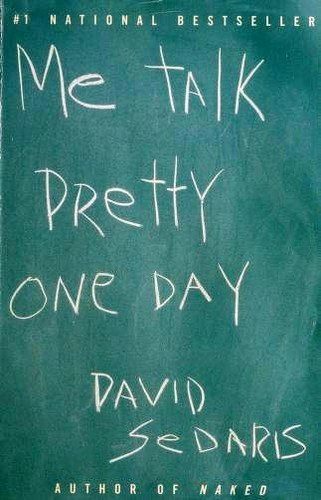
Shuffle, start with the title essay
Me Talk Pretty One Day
David Sedaris2000about 272 pages
A speech therapist, an art school drug phase, and a French teacher who insults her students into fluency.
Sedaris built this in two halves. The first covers his North Carolina childhood and his New York years, including the therapist assigned to fix his lisp and a stretch of art school that mostly involved chemicals. The second half follows him to France, where he tries to learn the language as an adult and fails in ways that are painful and very funny. The title essay is a French class run by a woman who mocks her students in a language they cannot yet argue back in. Every piece stands alone, which is why this is the door into the whole form.
Why it is at 1
First because it converts people. I have handed this to friends who had not finished a book since school, and they got through it in a week, one piece at a time. Calypso is deeper and Ephron is wiser, but nothing else here has this hit rate with a stranger.
Read it ifyou want short pieces that work as complete stories
Skip it ifyou dislike comedy built on family, class and personal humiliation
dry, cruel, warm underneathBest for: new readers, train commutesessaysfamilyfrance
Pairs with: Calypso, if you want the same writer twenty years older and sadder.
2

Shuffle, start with the title essay
I Feel Bad About My Neck
Nora Ephron2006about 226 pages
The writer of When Harry Met Sally on ageing, maintenance and the tyranny of the handbag, in about forty pages of sense.
Ephron wrote this in her sixties about what time does to a woman's body and life, and it is far funnier than that sentence suggests. She covers the maintenance economy of hair dye and manicures, her love affair with a rent controlled apartment, her handbag, her cookbooks, and what she wishes she had understood at twenty five. The last two pieces turn towards death and land hard without a single tear jerking line. She writes the way a very smart woman talks late at a dinner table, once she has stopped caring who is impressed.
Why it is at 2
Second because the sentences are the best here after Rakoff, and because the whole book takes three evenings. Indian readers in their twenties skip it thinking it is for aunties, which is a mistake, since the piece about what she knew at twenty five is aimed straight at them.
Read it ifyou like sharp observation with real weight behind it
Skip it ifyou want jokes on every line and no talk of ageing
elegant, honest, quietly savageBest for: readers who want wisdom with jokesessaysageingnew york
Heads up: the closing essays deal directly with illness and death
3
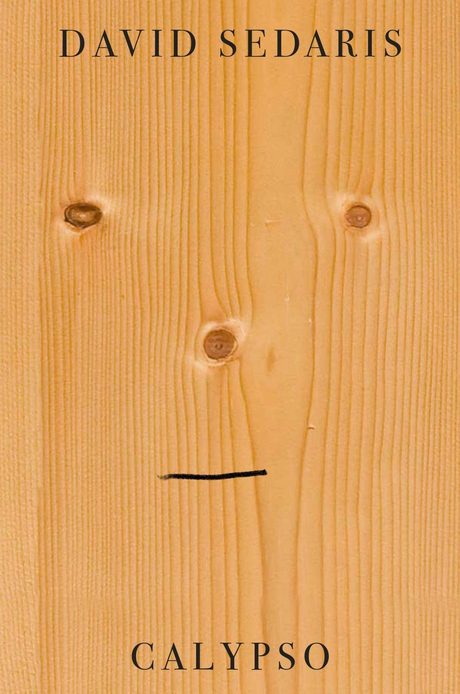
Album, read it in order
Calypso
David Sedaris2018about 146 pages
Sedaris buys a beach house, fills it with his adult siblings, and writes the funniest book anyone has written about a family missing a member.
The setup is domestic. He buys a house on the Carolina coast, gathers his siblings and his partner Hugh in it, and writes about the holidays that follow. Underneath, the book is about his sister Tiffany, who died by suicide, and about a mother whose drinking he can finally name out loud. He is also gripped by his Fitbit and walks himself into ridiculous distances. The jokes are as good as anything he has written and they sit next to grief without cancelling it. Read in order the book builds. Read shuffled it becomes a bag of funny anecdotes.
Why it is at 3
Third because it is his best book and his least friendly to beginners. If Me Talk Pretty One Day is the door, this is the room where the writing turns serious about what it is doing. It asks more of you than anything above it and pays you back for the trouble.
Read it ifyou already like Sedaris and want the grown up version
Skip it ifyou are not in the mood for drinking and death
funny, bleak, controlledBest for: readers who want grief with jokesessaysfamilygrief
Heads up: suicide, alcoholism and cancer are all discussed directly
Pairs with: Me Talk Pretty One Day, which is where you should start with him.
4
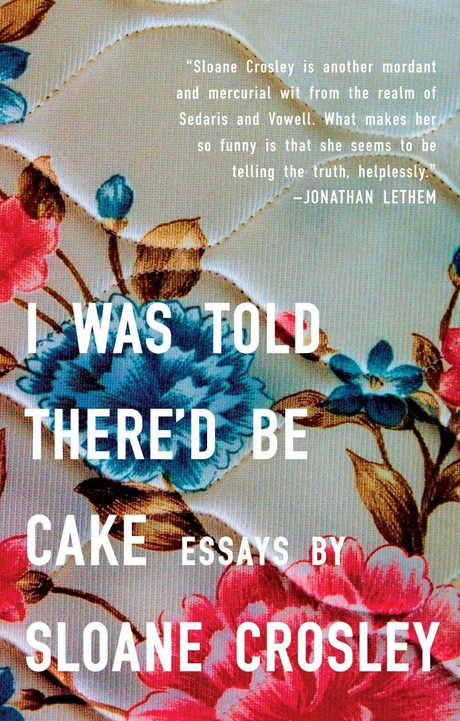
Shuffle, start with The Pony Problem
I Was Told There'd Be Cake
Sloane Crosley2008
A young woman in New York explains her secret drawer of toy ponies, her awful boss, and the bridesmaid duty that nearly finished her.
Crosley was in her twenties in New York when she wrote these, working in publishing, moving between apartments, agreeing to things she should have refused. The opening piece is about a drawer of plastic toy ponies she cannot explain to anyone who stays the night. Another is about being drafted as a bridesmaid by a school friend she is not sure she ever liked. The comedy comes from her noticing how much of adult life is performance, and from her willingness to be the fool in her own stories rather than the hero.
Why it is at 4
Fourth because it is the most re readable book here for anyone in their twenties who suspects they are doing adulthood wrong. It is lighter than Ephron and less strange than Sedaris, which describes both its charm and its ceiling. Nothing in it will stay with you for years, and it does not pretend otherwise.
Read it ifyou are in your twenties and mildly confused
Skip it ifyou want stakes higher than a bad wedding weekend
wry, urban, self deprecatingBest for: twentysomethings in a first jobessaysnew yorktwenties
5
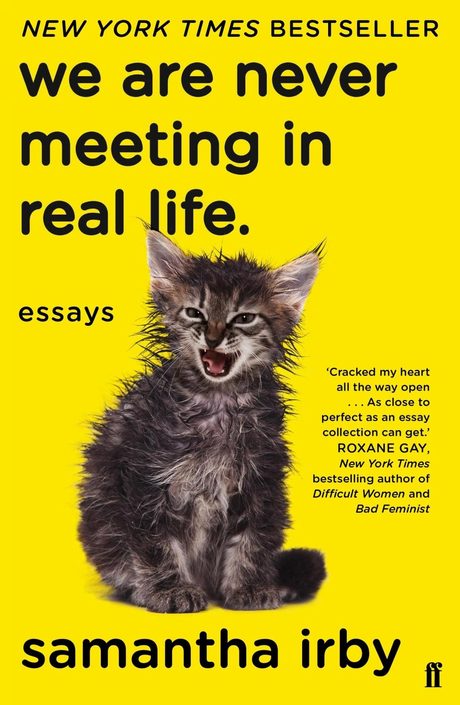
Shuffle, start with the opening Bachelorette application
We Are Never Meeting in Real Life
Samantha Irby2017about 294 pages
Irby on her body, her dead parents, her terrible cat and her move to small town Michigan, and she is never once polite about any of it.
Irby came up as a blogger and it shows in the best way, because she writes as though no editor is watching. She covers a childhood spent caring for sick parents, a body with Crohn's disease that refuses to cooperate, a cat named Helen Keller who hates everybody, and falling in love with a woman and moving to a quiet town in Michigan. She is filthy and precise about money, illness and desire, then drops one flat sentence about her mother that kills the laughing instantly.
Why it is at 5
Fifth because nobody else here writes about the body with this much honesty and this little self pity. Some readers will bounce off the crudeness, which is a fair reaction rather than a wrong one. If she works for you, her later collections are even better, so treat this as an entry point.
Read it ifyou want humour with no filter and real anger underneath
Skip it ifyou dislike explicit body talk and constant swearing
loud, filthy, tenderBest for: readers tired of polite humouressaysbodymemoir
Heads up: explicit sex and body humour, chronic illness, parental death
6
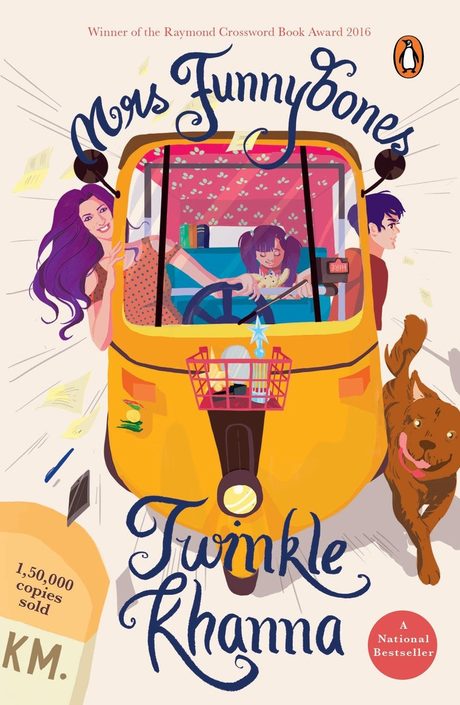
Shuffle, open anywhere
Mrs Funnybones
Twinkle Khanna2015about 139 pages
A Bombay household in three page bursts: a husband, two kids, a mother with opinions, and a narrator refusing to be sweet.
Khanna wrote a newspaper column for years and this is the book it turned into. The pieces are short, domestic and daily: school admissions, festivals, a husband she refers to by nickname rather than name, a mother with strong views on everything, a house that runs on women's labour nobody counts. She writes from inside the Indian wife and mother role instead of studying it from outside, which is why the jokes cut deeper than a visitor's would. The register is a friend complaining brilliantly on a bad Tuesday, not a comedian working a room.
Why it is at 6
Sixth, and the only Indian book here, which says more about our publishing than about our sense of humour. It is looser than the Americans above it, since column collections repeat themselves by nature. It is also the one book on this list where the kitchen, the driver, the school gate and the festival calendar are already yours.
Read it ifyou want humour set inside a house you recognise
Skip it ifyou want essays with one strong arc across the book
domestic, quick, sardonicBest for: Indian readers, gifting to mothersessaysindiadomestic
7
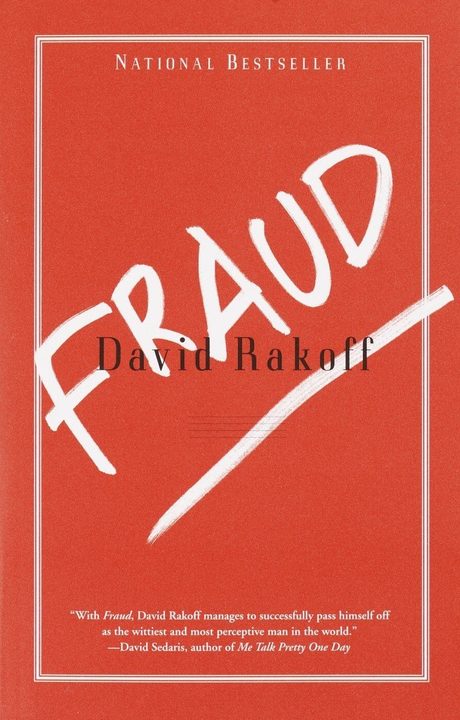
Shuffle, start with Christmas Freud
Fraud
David Rakoff2001
A Canadian in New York takes every ridiculous magazine assignment going, from playing Freud in a shop window to hunting elves in Iceland.
Rakoff took the jobs magazine editors invent to fill pages, then wrote them up with the vocabulary of a man who reads far too much. He sits in a department store window at Christmas dressed as Sigmund Freud, handing out analysis to shoppers. He goes looking for elves in Iceland. He climbs a mountain for an outdoor magazine while loathing every minute of it. Running under all of it is his suspicion that he is faking his way through life, which is where the title comes from, and it is sadder and funnier than that sounds.
Why it is at 7
Seventh because he writes the best sentences on this list and is still the least known name on it. He died in 2012 and never got the audience Sedaris got, though the two of them wrote for the same radio programme. Put him high if you like your comedy delivered in a large vocabulary.
Read it ifyou like essays that show off in a good way
Skip it ifyou want plain sentences and fast punchlines
erudite, anxious, sharpBest for: readers who love showy proseessaysreportagenew york
8
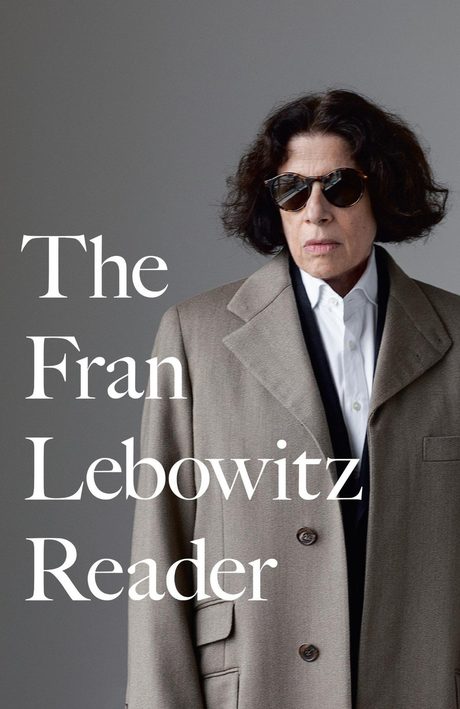
Shuffle, three pieces at a time and no more
The Fran Lebowitz Reader
Fran Lebowitz1994about 353 pages
Two slim 1970s New York books in one volume, by a woman with an opinion about everything and a joke ready for each one.
Lebowitz made her name writing short comic pieces for a New York magazine in the late seventies, and this volume gathers the two small books that came out of that run, Metropolitan Life and Social Studies. The pieces are brief, some barely two pages, and they work on flat declarative opinions about children, sleep, health food, art, money and other people. She is the closest thing English has to a comic aphorist, and her lines get quoted so often that you will recognise sentences you never knew were hers. Almost none of it is confessional, which on this list makes her the odd one out.
Why it is at 8
Eighth because she lands more jokes per page than anyone here and has no interest in taking you anywhere. There is no arc and no warmth, only judgement at speed. Read three pieces and stop, since in bulk the voice starts to feel like being lectured by the cleverest person at a party you were trying to leave.
Read it ifyou want jokes packed into single flat sentences
Skip it ifyou want warmth, a story, or references from this century
flat, withering, preciseBest for: readers who love one linersessaysnew yorkaphorisms
9
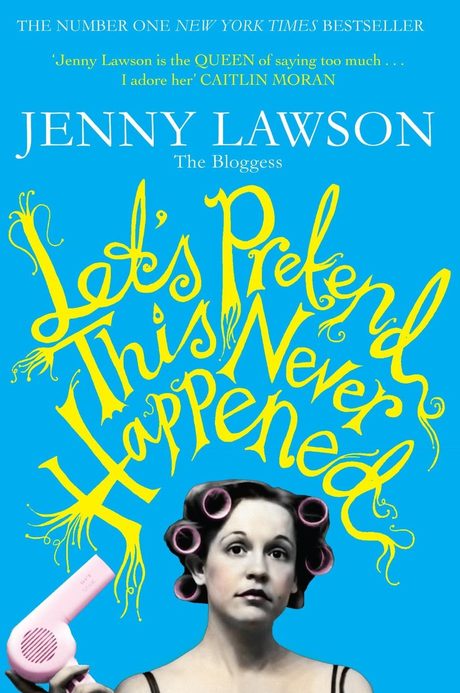
Album for the first half, shuffle after
Let's Pretend This Never Happened
Jenny Lawson2012about 323 pages
A childhood in rural Texas with a taxidermist father, told by a woman whose anxiety disorder is the other main character.
Lawson grew up poor in west Texas with a father who brought home live raccoons and dead everything else, and she tells those stories with the timing of someone who has been repeating them at parties for years. The book then moves into her adult life: an anxiety disorder that turns ordinary days into obstacle courses, a marriage held together by arguments that read like sketch comedy, and a large metal chicken bought purely out of spite. She writes about mental illness without asking anyone for sympathy, which is rarer than it should be.
Why it is at 9
Ninth because the first half is much stronger than the second, and the blog voice can tire you at book length. The anxiety chapters are why it stays on the list, since they manage to be funny and useful at once, which almost nobody pulls off.
Read it ifyou want mental health humour that never turns into a lecture
Skip it ifyou find blog voice and endless asides tiring
manic, warm, absurdBest for: anxious readers, blog fansmemoiranxietytexas
Heads up: anxiety, depression and pregnancy loss described in detail, and it is a funny book about mental illness rather than treatment for it
10
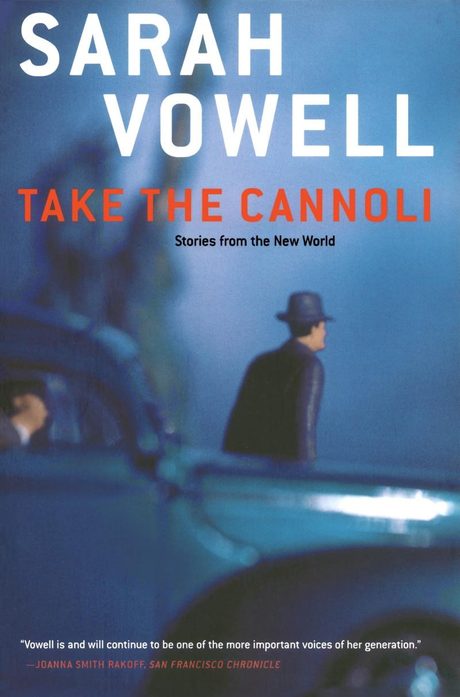
Shuffle, start with Shooting Dad
Take the Cannoli
Sarah Vowell2000about 226 pages
A goth teenager grows up in a house full of guns, then drives the Trail of Tears, and makes both stories funny without turning cruel.
Vowell writes history the way other people pass on gossip. The opening essay is about growing up as an anti gun liberal in a house where her father built cannons, and it is the best short thing I have read about loving people you disagree with. Elsewhere she drives the Trail of Tears with her family, thinks hard about Frank Sinatra, and remembers taking teenage goth extremely seriously. Her voice on the page is deadpan and slightly strangled, which sounds impossible to enjoy until you actually read her.
Why it is at 10
Tenth because half the book is American history and Indian readers will care unevenly about that half. When she writes about her family she is as good as anyone here. The essay about her father costs you twenty minutes and is worth the whole book.
Read it ifyou like history smuggled inside personal essays
Skip it ifAmerican political history bores you quickly
deadpan, nerdy, tenderBest for: history nerds and daughtersessayshistoryfamily
11
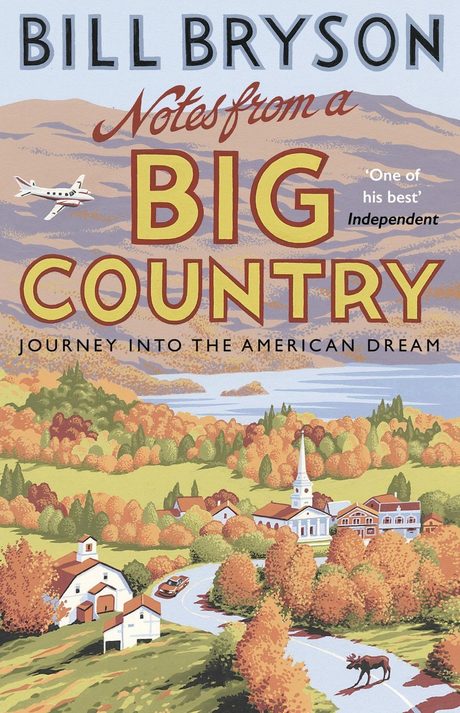
Shuffle, two columns per sitting
Notes from a Big Country
Bill Bryson1998about 386 pages
Bryson moves back to America after twenty years in England and files a weekly column about everything that changed while he was away.
These began as newspaper columns written after Bryson returned to the United States with an English family in tow. He covers drive through everything, tax forms, the death of walking as a form of transport, the strange generosity of American service staff, and gadgets nobody needs. It is the same joke every week and it works about seven times in ten: a reasonable man quietly astonished by his own country. It came out in America under the title I'm a Stranger Here Myself, so check before you buy the same book twice.
Why it is at 11
Eleventh because it is the most comfortable book on the list and comfort carries a price. Bryson never lands a joke that hurts anybody. If you are new to essays and want something that will offend nobody in your house, take this, and know that he is genuinely funny about aeroplane food and lawn machinery.
Read it ifyou want gentle humour with no cruelty in it
Skip it ifyou want an edge or a real argument
gentle, chatty, safeBest for: family gifting, first essayscolumnsamericatravel
12
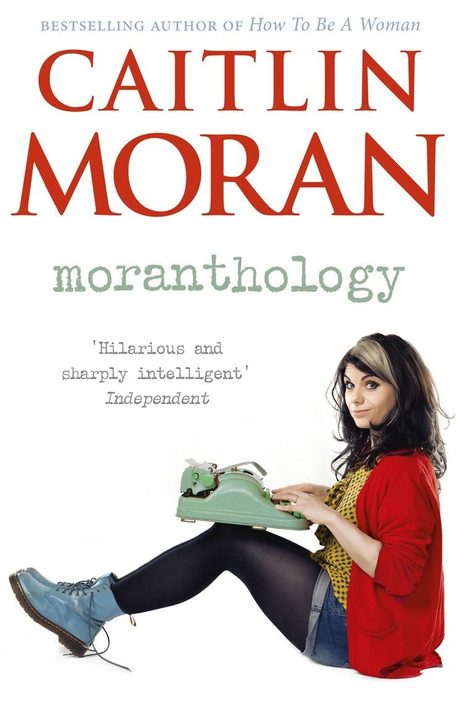
Shuffle, start with the celebrity interviews
Moranthology
Caitlin Moran2012about 372 pages
A British columnist on television, drugs, poverty, her father and Lady Gaga, filed at newspaper speed and landing more often than not.
Moran collected her newspaper columns here and the range is the point: television, class, drugs, her father, transport policy, and celebrity interviews that turn into something better than publicity. The Lady Gaga piece ends up in a Berlin nightclub and is the best thing in the book. The columns about growing up on benefits in Wolverhampton carry real anger under the jokes. Some pieces have dated, because a weekly deadline does not produce fifty immortal columns a year, but the hit rate is high and each one costs you four minutes.
Why it is at 12
Twelfth because column collections always sag and this one sags in the middle. When she writes about her own family and about class she beats most people on this list. When she writes about a television show from 2011 you will skip ahead, and you should.
Read it ifyou want quick British columns with class politics inside
Skip it ifBritish television and tabloid culture mean nothing to you
fast, loud, opinionatedBest for: commuters and television fanscolumnsbritainclass
13
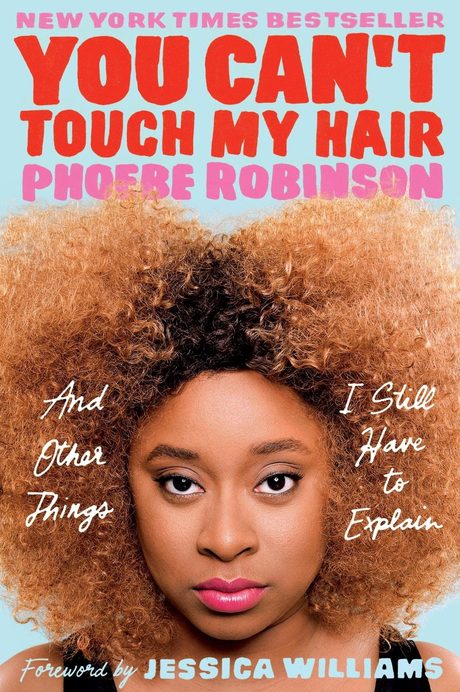
Shuffle, start with the hair essays
You Can't Touch My Hair
Phoebe Robinson2016about 322 pages
A stand up comedian on being a Black woman in comedy, in pop culture, and in rooms where somebody always wants to touch her hair.
Robinson came up through New York stand up and podcasts, and these essays work like a set: hair politics, being the only Black woman in a writers room, the exhausting job of representing everyone at once, and long affectionate riffs on pop culture. She is at her best when she is specific about small daily insults rather than building a general argument. American racial politics is the frame, so parts of it land differently in India, though the comedy of being underestimated travels perfectly well.
Why it is at 13
Thirteenth because it is the most uneven book here, with pieces that read like transcribed sets sitting next to genuinely good essays. It stays because the hair material is sharp, and because without it this list would skew old and white, which is a poor description of who writes funny essays now.
Read it ifyou want a contemporary American comedy voice on the page
Skip it ifyou dislike pop culture riffs and podcast style asides
chatty, modern, pointedBest for: comedy fans, younger readersessayscomedyrace
14
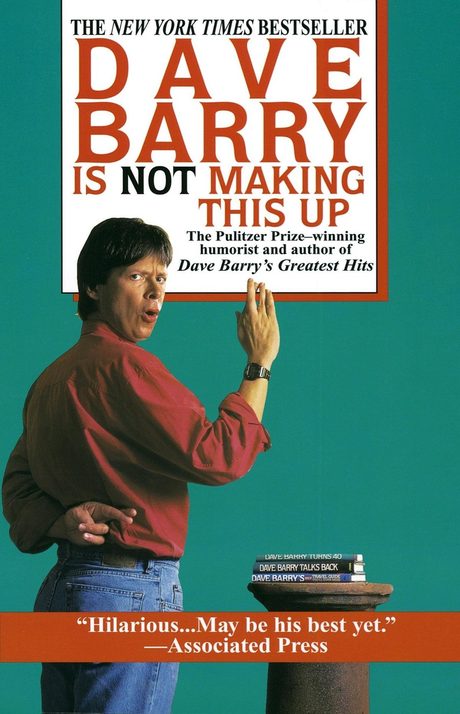
Shuffle, two pages per sitting
Dave Barry Is Not Making This Up
Dave Barry1994about 258 pages
Newspaper columns engineered so each one ends in a laugh, about exploding appliances, useless men, and news too strange to invent.
Barry wrote a humour column for a Miami newspaper for decades and this collection is that machine at full speed. Each piece runs two or three pages, sets up one small domestic absurdity, and finishes on a punchline. He is very funny about men who cannot see dirt, about home repair, about dogs, and about real news clippings sent in by readers that beat anything he could have made up. Nothing here will change your life. It was built to be picked up, laughed at, and put down again.
Why it is at 14
Last because it is the least ambitious book here and the most reliable. If your reading window is four minutes on the way to a lecture, nothing on this page serves you better. If you want a book still sitting in your head a week later, everything above serves you better.
Read it ifyou have four minutes and want a laugh
Skip it ifyou want essays that build into something larger
silly, fast, dependableBest for: waiting rooms and short journeyscolumnsamericasilly
Worth knowing
Shuffle or album, and why the difference matters
A humour collection is either a set of separate pieces or a book pretending to be one. Shuffle books, like the Bryson and the Barry, began as columns and lose nothing if you read the seventh piece before the second. Album books, like Calypso and the first half of Lawson, are arranged so that one story builds underneath the jokes, and reading them out of order turns a book into a bag of anecdotes.
The practical use of the label is simple. Shuffle books belong on your phone or in your bag, ready for ten idle minutes at a bus stop. Album books deserve two or three sittings where you can hold the thread. If ten minutes is all you ever get, buy from the shuffle group and stop feeling guilty about the ones you are not reading.
Worth knowing
Why the Indian humour essay shelf is so thin
There is exactly one Indian book on this list and it bothers me. India produces an enormous amount of funny writing, but it lives in newspaper columns, in threads, in stand up sets and in novels rather than in essay collections that publishers are willing to print. Humour essays sell badly here, so the writing that would fill this shelf either gets shaped into a novel or never leaves the paper it was printed on.
If you want more Indian funny on paper tonight, the honest advice is to read fiction instead of essays. Anuja Chauhan, the satire list on this site, and Twinkle Khanna's later novels will do more for you than hunting for a domestic Sedaris who has not been published yet.
People also ask
Questions, answered
What is the best humor essay collection for a beginner?
Me Talk Pretty One Day by David Sedaris. The pieces are short, the family stories need no background, and the French half is funny even if you have never left your own city. If you want something with more heart in it, take I Feel Bad About My Neck by Nora Ephron, which you can finish across three evenings. Both work perfectly well if you read a single piece a day and nothing more.
Are humour essays a good choice if I do not read much?
They are the best choice available. A novel asks for a long unbroken run of attention that most of us no longer have near a phone. An essay collection asks for eight minutes and hands back a complete thing with a setup, a story and an ending. You can stop after one piece without losing the plot, and picking it up a week later costs you nothing at all. Start with anything labelled shuffle on this list.
Which essay should I read first in each book?
Each entry above names one, and where I could not confirm an essay title I describe the piece instead of guessing at a name. As a general rule, do not automatically start with the first piece in a column collection, since the opener is usually chosen to impress a reviewer rather than to welcome a reader. Pick the one whose subject sounds closest to your own week and you will almost always be better off.
Is David Sedaris overrated?
No, though two Sedaris books on a fourteen book list should make you a little suspicious of me. He turned the comic personal essay into a mainstream form, and the shelf of imitators in any bookshop is the proof. The fair criticism is that his later work returns to the same family and the same houses, so reading four of his books in a row gives you diminishing returns. Read two, spaced a year apart.
Are there any Indian humour essay collections worth reading?
Mrs Funnybones by Twinkle Khanna is the one on this list, and it holds up because it is written from inside an Indian household rather than about one. Beyond it, most Indian humour writing sits in columns, satire novels and stand up rather than in essay collections, which is a publishing problem and not a talent problem. Anuja Chauhan's fiction is the closest thing to a funny Indian voice on paper right now.
Do humour essay collections work as audiobooks?
Most do, and two are better heard than read, since Sedaris narrates his own work with a performer's timing and Samantha Irby's delivery adds a layer the page cannot manage. Keep the Lebowitz in print, because her comedy lives in punctuation and in the way a sentence stops early, and a narrator tends to smooth that over. Bryson and Barry work equally well either way, so buy whichever is cheaper.
Before you go
What to read tonight
If it is late and you want to start something tonight, open Me Talk Pretty One Day at the title essay and read exactly one piece. That is the whole experiment: one essay, ten minutes, no guilt about the bookmark. If it works, the same trick works for every shuffle book above, and you can save the album books for a weekend when you have a longer run at them.
If you are stuck between the top two, choose by mood rather than by rank. Sedaris for a day when you want to laugh at somebody else's family, Ephron for a day when you want somebody older and smarter to tell you the truth about time. When you finish four of these and want the next thing, go to the comedian memoirs list, where the same jokes arrive with a whole life attached.
Keep going
Lists that pair with this one
Comedy
The 16 Best Comedian Memoirs, Ranked by How Funny the Page Is
Stage-funny does not always survive the printing press, so I scored every one of these on the page alone.
Comedy
18 Funny Books That Are Actually Funny, Ranked by Laugh Type
Three tiers, spit-your-tea, snort and chuckle, decided by what my face actually did while reading.
Comedy
The 14 Funniest British Novels, Ranked by How Well They Travel
Dry, rude and obsessed with class, with an honest note on how much British context each one needs before the joke lands.
Comedy
14 Funny Books by Indian Women Writers That Actually Land
Fourteen books that made me laugh out loud, ranked by how reliably the joke lands, with an honest reason to skip each one.
Mood & Life
16 Best Books for Long Flights and Train Journeys, by Hours
Every book here is timed: roughly how many hours it fills, and how well it survives being put down for the meal trolley.