For most of my twenties, my reading of Indian writing was really a reading of Indians who write in English. That is an odd thing for a Gujarati boy from Ahmedabad to admit, but there it is. I could argue about Rushdie and had not read one page of Premchand in any language, including the one my grandmother thought in.
What broke the habit was a thin Kannada novel about a family that gets rich and gets worse. A friend handed it over and said it would take an evening, and it did, and I have been reading translations ever since. India has twenty-two languages in the Eighth Schedule of the Constitution and most of us can read in two. Translation is not a side door into our own literature. For nearly all of us it is the only door there is.
So this list is ordered as a staircase, not as a canon. Number one is the book I would put in your hands first, and number twenty is the one I would make you earn. The two International Booker winners here sit at three and twenty, which tells you the prize is not a difficulty rating. Every entry names the translator, because a translation is a performance and somebody gave it a voice in English.
In a hurry
Quick picks
1Start here if you have never read a translation
Ghachar Ghochar
one evening, a hundred and twenty pages, and a last chapter that sits on your chest
3Best short stories
Heart Lamp
twelve stories about women who refuse to be anybody's lesson
11Best big book to disappear into
Chowringhee
a whole Calcutta hotel, gossip and all, and it never drags
14Funniest, in a bleak way
Raag Darbari
village India as a working machine of fraud, and nothing in it has aged
9Best for a monsoon weekend
Chemmeen
the sea, a fishing village, and a love story the community will not allow
20The summit, save it for last
Tomb of Sand
seven hundred pages of wordplay and grief, and worth every one
How I picked these
- Ten languages, no double counting for prestige: Kannada, Tamil, Malayalam, Marathi, Gujarati, Punjabi, Bengali, Hindi, Urdu and Odia all get at least one book.
- It has to exist in a proper English edition you can actually buy, so I checked every title on Google Books and Open Library and looked at every cover before it went on the list.
- Ordered by the way in, not by greatness. A hundred and twenty page novel that hooks a first-timer ranks above a masterwork that needs three attempts.
- The translator is named wherever I could confirm the name from the edition itself. Where two English versions exist, I say which one this entry is about.
- Cut on purpose: books that only exist in academic editions priced like textbooks, and translations that read like a viva answer. Samskara by U. R. Ananthamurthy is the one absence that hurts, and the reason is in the notes at the end.
The whole list at a glance
All 20 books, in order
| # | Book | Author | Year | Vibe | Best for |
|---|
| 1 | Ghachar Ghochar | Vivek Shanbhag | 2013 | cool, domestic, quietly menacing | your first Indian translation |
| 2 | One Part Woman | Perumal Murugan | 2010 | warm, tightening, sad | readers who like quiet domestic novels |
| 3 | Heart Lamp | Banu Mushtaq | 2025 | furious, funny, close | commuters and short attention spans |
| 4 | Cobalt Blue | Sachin Kundalkar | 2006 | intimate, aching, restrained | readers of quiet queer fiction |
| 5 | Goat Days | Benyamin | 2008 | dusty, desperate, gripping | readers who like true survival stories |
| 6 | The Shehnai Virtuoso and Other Stories | Dhumketu | 2020 | warm, old-fashioned, humane | Gujarati readers curious about their own canon |
| 7 | Fire Bird | Perumal Murugan | 2012 | slow, earthy, quietly bitter | patient readers of rural fiction |
| 8 | Moustache | S. Hareesh | 2018 | mythic, watery, unruly | readers who like magical folk narrative |
| 9 | Chemmeen | Thakazhi Sivasankara Pillai | 1956 | salty, doomed, romantic | monsoon reading |
| 10 | Pinjar | Amrita Pritam | 1950 | spare, cold, unbearable | readers who want Partition at human scale |
| 11 | Chowringhee | Sankar | 1962 | gossipy, nostalgic, moreish | long journeys |
| 12 | Delhi: A Soliloquy | M. Mukundan | 2011 | melancholy, patient, historical | readers who like slow city novels |
| 13 | Tamas | Bhisham Sahni | 1974 | cold, panoramic, procedural | readers of Partition history |
| 14 | Raag Darbari | Shrilal Shukla | 1968 | deadpan, cynical, funny | anyone who has visited a government office |
| 15 | Basti | Intizar Husain | 1979 | drifting, elegiac, allusive | patient literary readers |
| 16 | Pather Panchali: Song of the Road | Bibhutibhushan Bandyopadhyay | 1929 | tender, rural, cumulative | readers who love Ray's films |
| 17 | Umrao Jan Ada | Mirza Muhammad Hadi Ruswa | 1899 | wry, ornate, self-possessed | history readers and film fans |
| 18 | The Gift of a Cow | Premchand | 1936 | plain, relentless, foundational | readers going back to the source |
| 19 | Six Acres and a Third | Fakir Mohan Senapati | 1902 | sly, ironic, sharp | readers who like literary tricks |
| 20 | Tomb of Sand | Geetanjali Shree | 2018 | playful, sprawling, defiant | confident readers with a free month |
The list
The books, ranked
1
Kannada
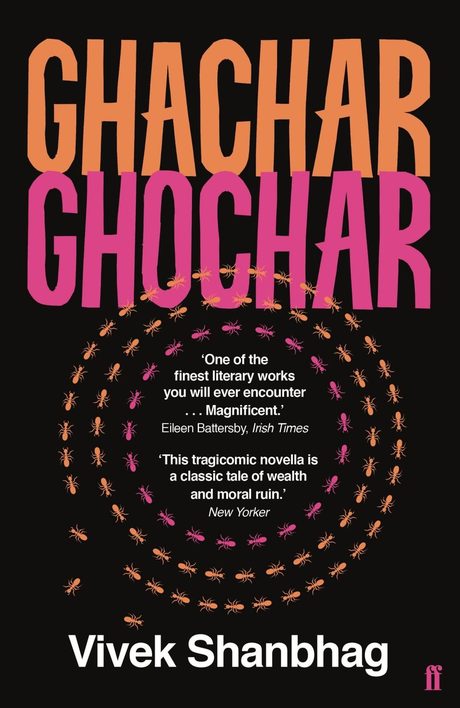
Ghachar Ghochar
Vivek Shanbhagtranslated by Srinath Perur2013about 103 pages
A poor Bangalore family gets rich on spices and rots quietly from the inside, in about a hundred and twenty pages.
A family lives packed into a small house in Bangalore, fighting ants in the kitchen and counting money that runs out before the month does. Then an uncle starts a spice business and the money arrives. The house gets bigger, the furniture gets softer, and something in the family goes bad in a way nobody will name. The narrator tells you all of this from a table at a coffee house while a waiter hovers with the patience of a priest. The title is a made-up family phrase meaning tangled beyond fixing, which is also an accurate description of the plot.
Why it is at 1
First because it is the perfect door. Short, modern, set in a city you can picture, and it never assumes you know a thing about Kannada literature. It also does what the longer books here do, showing how money rearranges the people in a house, except it does it in one sitting. If this one does not work on you, the problem may not be translations.
Read it ifyou want a short novel that reads like gossip and lands like a punch
Skip it ifyou need a tidy ending, because this one stops in mid-air on purpose
cool, domestic, quietly menacingBest for: your first Indian translationkannadashort novelfamilymoney
Pairs with: Cobalt Blue at number four, another small book about a household coming apart
2
Tamil, from Maadhorubhaagan
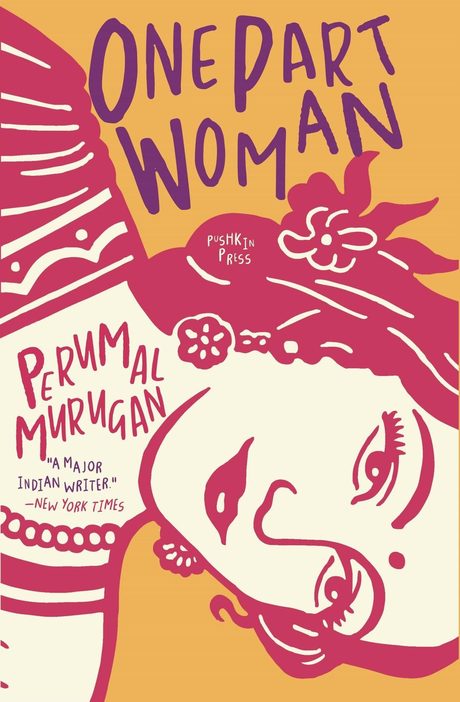
One Part Woman
Perumal Murugantranslated by Aniruddhan Vasudevan2010about 211 pages
Twelve years married, no child, and a whole village with opinions about it.
Kali and Ponna have been married twelve years and have no child, and in their part of Tamil Nadu that absence belongs to everybody. Relatives have theories about it and temples have remedies for it. The novel walks towards the chariot festival, one night in the year when the usual rules about who may sleep with whom are set aside, and the question of whether Ponna will go there sits in the middle of a marriage that is otherwise happy. That is the cruel part. Murugan writes two people who genuinely like each other, which makes the pressure from outside feel like weather closing in on a house.
Why it is at 2
Second because it is the most human book here and one of the least difficult. Plain prose, a situation any Indian reader recognises from one family lunch, and no showing off. Ghachar Ghochar is the sharper piece of writing, but this is the one that will make your jaw tighten. It also carries a real story behind it, since the protests over this novel pushed Murugan to announce that the writer in him was dead.
Read it ifyou want a village novel about a marriage under public pressure
Skip it ifconversations about fertility and children are a sore spot right now
warm, tightening, sadBest for: readers who like quiet domestic novelstamilmarriagevillagemodern classic
Heads up: sustained pressure around infertility
3

Kannada, stories
Heart Lamp
Banu Mushtaqtranslated by Deepa Bhasthi2025about 219 pages
Twelve stories about Muslim women in small-town Karnataka, written by a lawyer who spent thirty years in those rooms.
Banu Mushtaq is a lawyer and activist from Hassan who has spent her working life in the middle of exactly these households, and the stories show it. Husbands take second wives without much ceremony. Mothers-in-law run kitchens like small states. Committees of men meet to decide what one woman may do next. What lifts the book is that Mushtaq will not write these women as victims or as symbols, so they scheme, complain, laugh at each other and occasionally win outright. Deepa Bhasthi keeps Kannada and Urdu words in the English without a glossary, which stops being a problem after three pages and starts being the point. It won the International Booker Prize in 2025.
Why it is at 3
Third because short stories are the friendliest format for anyone getting used to translated Indian writing, and because these are furious and funny at once. Set it against One Part Woman above and you get two views of the same pressure, one from a Hindu village and one from a Muslim town. The stories vary in strength, which is honest for a collection drawn from three decades of work.
Read it ifyou want short, angry, funny fiction about women who answer back
Skip it ifyou want a single continuous story rather than twelve separate ones
furious, funny, closeBest for: commuters and short attention spanskannadashort storiesmuslim womenbooker
4

Marathi
Cobalt Blue
Sachin Kundalkartranslated by Jerry Pinto2006about 136 pages
A brother and a sister in Pune fall for the same paying guest, and neither can say a word about it.
A middle-class Marathi family takes in a lodger, a young man with no visible past who paints, cooks and charms everybody in the house. The son falls for him. So does the daughter. The novel comes in two halves, the brother first, speaking in a wounded second person to a man who has left, then the sister in a diary written after she ran away with him and came back. Neither of them says out loud what happened, because in that house you do not. Jerry Pinto's English keeps the odd rhythm of the Marathi rather than ironing it flat, and the result is a book that feels overheard.
Why it is at 4
Fourth because it is short, contemporary and emotionally direct, and because it is one of the very few Indian novels of its time to write same-sex desire as ordinary longing rather than as an issue. The two-voice structure means you get the same months twice from opposite sides, which is the sort of trick that usually feels clever and here just feels sad.
Read it ifyou like intimate, first-person novels about wanting someone unavailable
Skip it ifyou find diary-and-letter novels claustrophobic
intimate, aching, restrainedBest for: readers of quiet queer fictionmarathiqueerpuneshort novel
5

Malayalam, from Aadujeevitham
Goat Days
Benyamintranslated by Joseph Koyippally2008about 170 pages
A Malayali migrant lands in the Gulf and ends up enslaved on a desert goat farm for years.
Najeeb leaves Kerala for a job in the Gulf and ends up at a goat farm somewhere in the Saudi desert with no papers, no wages and no way to reach home. His employer keeps him the way you keep livestock, and the years stack up. He starts to smell like the animals, talks to them, gives them names, forgets what water on skin feels like. Benyamin built the book from the account of a real man, and the flatness of the telling is what gets you, because there is no melodrama in it, only one day and then the next day. The escape across the sand in the last third is as tense as any thriller.
Why it is at 5
Fifth because it is the most propulsive book on the list. Every Malayali family knows somebody in the Gulf, and this is the version of that story nobody puts in the WhatsApp group. It ranks below the four above it only because the middle stretch is deliberately monotonous, which is the point and is also hard on a reader in a hurry.
Read it ifyou want a survival story with a real migrant life inside it
Skip it ifdescriptions of hunger, filth and captivity are too much right now
dusty, desperate, grippingBest for: readers who like true survival storiesmalayalamgulf migrationsurvival
Heads up: forced labour, animal death, extended physical suffering
6
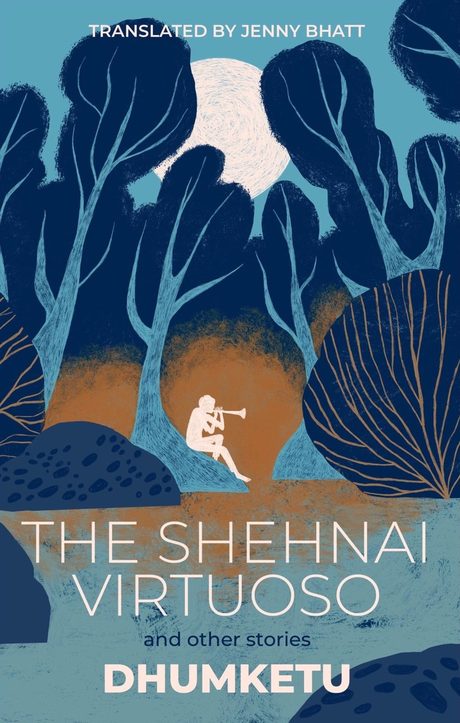
Gujarati, stories
The Shehnai Virtuoso and Other Stories
Dhumketutranslated by Jenny Bhatt2020about 310 pages
The first proper English selection from the writer who invented the modern Gujarati short story.
Dhumketu was the pen name of Gaurishankar Govardhanram Joshi, who wrote hundreds of short stories in Gujarati from the nineteen twenties onward and set the shape the form still has in that language. Until Jenny Bhatt sat down with him, almost none of it existed in English. The stories are old fashioned in build, with a turn near the end, and they are full of drummers, widows, clerks, postmasters and small towns any Gujarati reader will recognise on sight. Bhatt's introduction is worth the price by itself. One warning for Indian buyers: this is the same selection sold at home as Ratno Dholi: The Best Stories of Dhumketu, so do not buy both.
Why it is at 6
Sixth because it is the only Gujarati book on this list, and that fact is embarrassing rather than accidental. Gujarati has a hundred years of good short fiction and a thinner translation record than Odia. As stories they are gentler than Heart Lamp at number three and more sentimental, so read them as the family album of a language rather than as fireworks.
Read it ifyou want the classic Indian short story in its early, humane form
Skip it ifyou dislike stories that end on a moral turn
warm, old-fashioned, humaneBest for: Gujarati readers curious about their own canongujaratishort storiesclassic
Pairs with: the Gujarati novels list, where this collection shows up again for obvious reasons
7
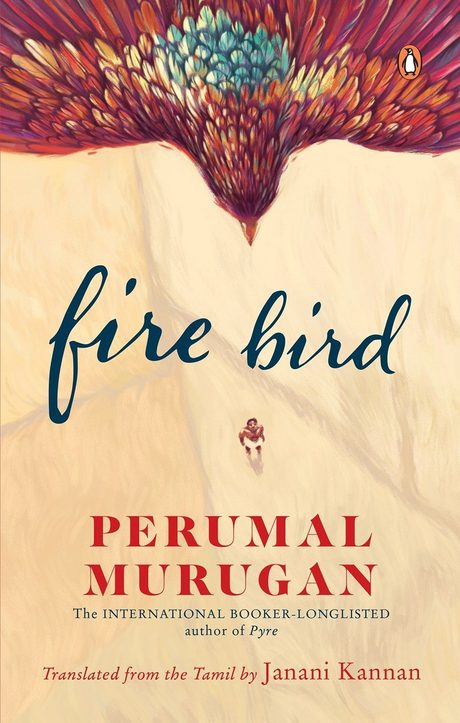
Tamil, from Aalandaapatchi
Fire Bird
Perumal Murugantranslated by Janani Kannan2012about 264 pages
After a family land split, a man goes looking for a field to buy, and the search takes a whole novel.
A property division leaves a younger son with land he cannot work, so he sets out with an agent to find a new field, and that search is most of the story. What makes it good is everything around the search: the brother who cheated him and still eats at his table, the wife who has stopped pretending it is all fine, the middlemen who price a man by his sandals. Murugan grew up in this world and writes soil the way other novelists write weather. It moves at the speed of a bullock cart, on purpose, and it repays a reader who is not in a hurry.
Why it is at 7
Seventh, one place behind its own author's more famous book, because it asks for more patience. One Part Woman has a countdown built into it. This one has a man walking around looking at fields, and the drama is in what a family owes each other after the paperwork is done. If you liked the marriage in One Part Woman, this is the same eye turned on brothers.
Read it ifyou liked One Part Woman and want the slower, wiser follow-up
Skip it ifyou need forward momentum in a plot
slow, earthy, quietly bitterBest for: patient readers of rural fictiontamillandfamilyrural
8
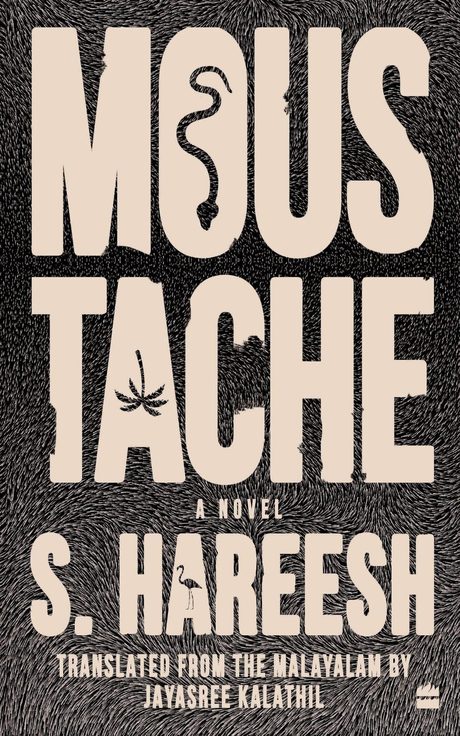
Malayalam, from Meesha
Moustache
S. Hareeshtranslated by Jayasree Kalathil2018about 353 pages
A low-caste man keeps the moustache from a village play, refuses to shave it, and turns into a legend.
Vavachan plays a policeman in a village performance in the backwaters of Kuttanad, keeps the moustache after the show, and will not take it off. In a place where facial hair like that is reserved for upper-caste men, the refusal turns him first into a rumour, then a threat, then a figure the size of the district itself. The book slides between social history and folk tale, and the waterways do as much work as the people, with boats, snakes, paddy and mud all given their say. Hareesh received threats while it was being serialised and pulled it for a while before it came out as a book.
Why it is at 8
Eighth because it is the most inventive novel on this list and the first one that asks something of you. The story does not run in a straight line, names repeat, and the myth swallows the man. Stay with it and you get something no realist novel about caste can do, which is the sensation of a whole region telling a story about itself and lying a little as it goes.
Read it ifyou want folk tale and caste politics braided together
Skip it ifyou want a straight plot with a reliable narrator
mythic, watery, unrulyBest for: readers who like magical folk narrativemalayalamcastefolk talekuttanad
9
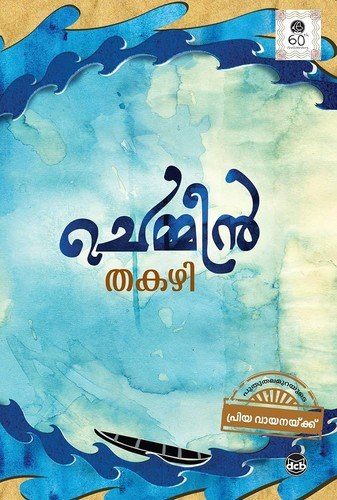
Malayalam
Chemmeen
Thakazhi Sivasankara Pillaitranslated by Anita Nair1956about 265 pages
A Hindu fisherwoman and a Muslim trader love each other, and the sea is said to be watching.
Karuthamma is the daughter of a fisherman on the Alappuzha coast. Pareekutti is a young Muslim fish trader who lends her father the money that starts everything. They want each other, and the oldest belief on that shore stands between them, because while a man is out at sea, his wife's purity is what is supposed to keep him alive. Thakazhi published it in 1956 and it became the Malayalam novel the rest of India heard about, helped later by a film whose songs people still play at weddings. The sea in this book is not scenery. It is a character with an opinion and a temper.
Why it is at 9
Ninth as the oldest book that still reads at full speed. The plot is close to melodrama and the fatalism will annoy a modern reader in places, which I would rather say than pretend. It stays this high because nobody has written the working life of a fishing village better, and because the last twenty pages are the reason people still argue about it seventy years later.
Read it ifyou want a coastal tragedy with real community detail
Skip it ifyou have no patience for a plot driven by superstition and fate
salty, doomed, romanticBest for: monsoon readingmalayalamkeralaromanceclassic
Pairs with: Pinjar at number ten, another woman punished for something done to her
10
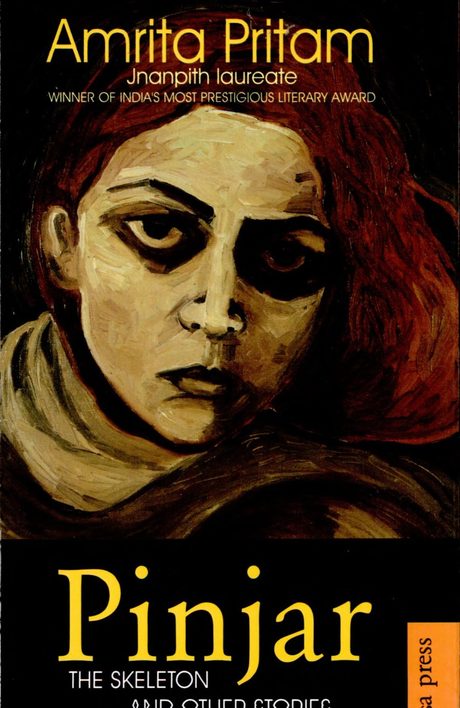
Punjabi
Pinjar
Amrita Pritamtranslated by Khushwant Singh1950about 254 pages
Weeks before her wedding, Puro is abducted in a family feud, and her own parents will not take her back.
Puro is taken by a Muslim man as revenge in a quarrel between two families. She escapes, walks home, and her parents shut the door, because a daughter who has been in another man's house is a stain the family cannot carry. So she returns to the man who took her and lives the rest of the novel inside that arrangement, while Partition arrives around them and does to thousands of women what was done to her. Amrita Pritam wrote it in 1950, three years after the border came down, and she does not raise her voice once in about a hundred and thirty pages.
Why it is at 10
Tenth because it is the shortest route into Partition writing and the least forgiving. Where Tamas at number thirteen shows you a town coming apart from above, this stays inside one woman's body and one bad choice made for her. Read together they are the whole event. Read alone, this is the one you will remember at 2 am.
Read it ifyou want Partition told through one woman rather than a whole town
Skip it ifabduction and forced marriage are not something you can read right now
spare, cold, unbearableBest for: readers who want Partition at human scalepunjabipartitionwomenshort novel
Heads up: abduction, forced marriage, communal violence
11
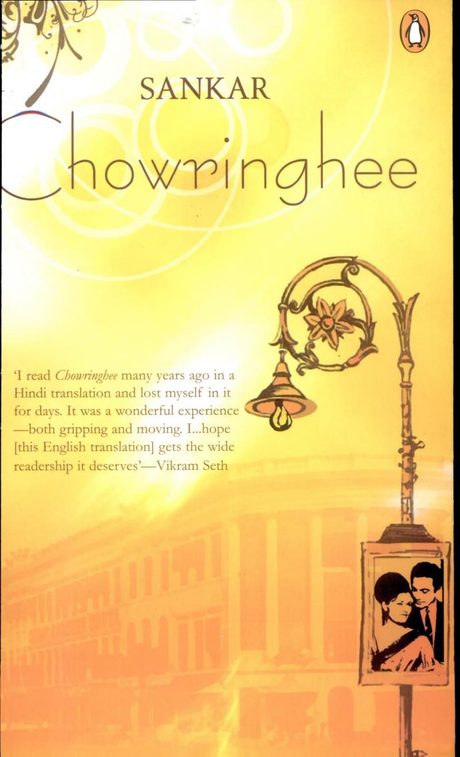
Bengali
Chowringhee
Sankartranslated by Arunava Sinha1962about 420 pages
Everything that happens inside a grand old Calcutta hotel, told by the man at the desk.
A young man drifts into a job at the Shahjahan, a fading grand hotel on Chowringhee, and the novel becomes the building: the receptionist who knows every guest's secret, the housekeeper, the bar dancer, the private detective who lives in the lounge, the visitors who check in mainly to disappear. Sankar worked in that world and it shows in the operational detail, including the question of what a hotel does when a guest dies at an awkward hour. It is gossipy, sentimental in places, and enormously easy to read, the kind of book you take on a long train journey and finish before the train does.
Why it is at 11
Eleventh and the best big book here for pure pleasure. It is not the finest writing on this list and the sentiment lays on thick towards the end, which Bengali readers will forgive faster than anyone else. Nothing else here gives you a whole city through one address, and Arunava Sinha's English moves so easily that you forget it is a translation, which is the highest compliment the job allows.
Read it ifyou want an addictive city novel with a large cast
Skip it ifyou dislike sentimentality and episodic structure
gossipy, nostalgic, moreishBest for: long journeysbengalicalcuttahotelbig read
12
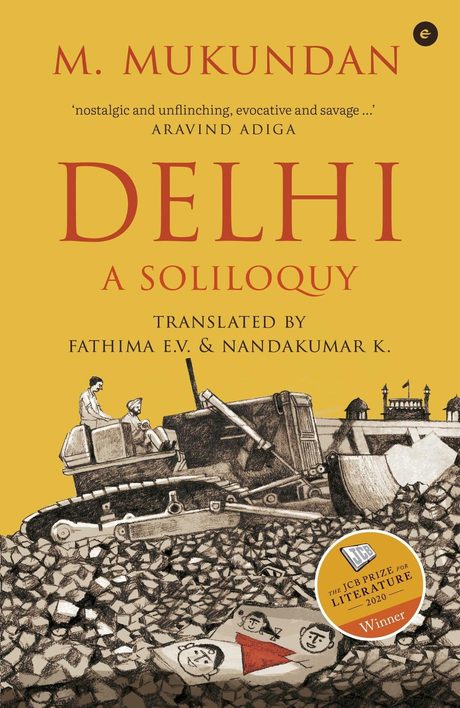
Malayalam, from Delhi Gathakal
Delhi: A Soliloquy
M. Mukundantranslated by Fathima E.V. and Nandakumar K.2011about 488 pages
Forty years of Delhi seen from a Malayali clerk's one-room barsati, where nobody makes it big.
Sahadevan comes to Delhi from Kerala in the nineteen sixties looking for work and stays four decades. Around him the city does what it does. The war with China empties the shops, the Emergency arrives, 1984 turns neighbours into a mob, and through all of it there are rents to pay, illnesses to hide and money to send home. This is the Delhi of Malayali clerks and rooftop rooms rather than the Delhi of wide avenues, and Mukundan lived that version, which is why the book is so unsentimental about migration. People survive. The ones who love each other mostly never manage to say it.
Why it is at 12
Twelfth because it is long, sad and worth the time, but it needs a reader who is willing to sit inside somebody else's disappointment for four hundred pages. Set against Goat Days at number five, it is the other migration story, the one where nobody is enslaved and nobody escapes either. The English reads a little formal in places, which suits a narrator who is formal by nature.
Read it ifyou want a migrant's Delhi across four decades of Indian history
Skip it ifyou want plot rather than accumulation
melancholy, patient, historicalBest for: readers who like slow city novelsmalayalamdelhimigrationhistory
13

Hindi
Tamas
Bhisham Sahnitranslated by Daisy Rockwell1974about 305 pages
A dead pig on the steps of a mosque, and five days later a whole town has taken itself apart.
A man is paid to kill a pig and is not told why. The carcass turns up on the steps of a mosque in a small town in what is now Pakistan, and over the next five days the place comes apart. Sahni follows everybody at once: the tanner with the knife, the British administrator doing the arithmetic of a riot, the Congress workers holding a meeting while the smoke rises, the families walking out of their lanes with whatever they can carry. He lived through 1947 in Rawalpindi and wrote this twenty-seven years later, which may be why it reads less like grief and more like a report that keeps breaking down mid-sentence.
Why it is at 13
Thirteenth because this is where the list stops being easy. The cast is wide and the names come fast, and for the first fifty pages you will be flipping back. Stay in and you get the clearest thing ever written about how ordinary neighbours become a mob, told without a single villain doing a villain speech. The Penguin Classics edition here uses Daisy Rockwell's translation.
Read it ifyou want to understand how a riot is actually organised
Skip it ifcommunal violence in close detail is not something you want in your head
cold, panoramic, proceduralBest for: readers of Partition historyhindipartitionriotclassic
Heads up: communal violence, mass killing
14
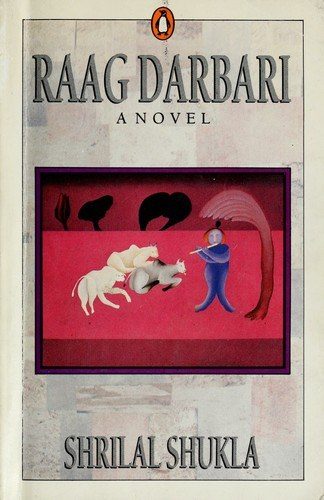
Hindi
Raag Darbari
Shrilal Shuklatranslated by Gillian Wright1968about 362 pages
A village where the cooperative, the college and the police are all rackets, and everybody talks about morality.
Ranganath, a research student, comes to his uncle's village to recover his health and finds a place running entirely on cunning. The uncle fixes the cooperative elections. The college principal fixes admissions and then fixes the man who fixed them. The police fix the paperwork afterwards. There is barely a plot in the usual sense, just a long tour of rural India as a working machine of fraud, narrated by a young man whose education turns out to be no help at all. It is the funniest book on this list and also the bleakest, because fifty-odd years later not one page of it has gone out of date.
Why it is at 14
Fourteenth because satire is hard work in translation and this one asks you to enjoy a joke about a cooperative bank. Give it fifty pages and the rhythm arrives. Gillian Wright carries the deadpan across, which for this kind of comedy is the entire job, and there is nothing else in Indian fiction that gets the smell of a small-town office quite this right.
Read it ifyou like slow-burn political satire with no heroes
Skip it ifyou need a story that goes somewhere
deadpan, cynical, funnyBest for: anyone who has visited a government officehindisatirevillagepolitics
15
Urdu
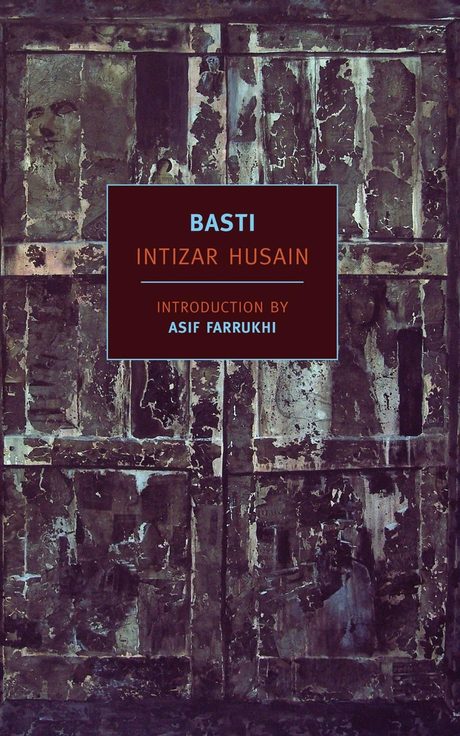
Basti
Intizar Husaintranslated by Frances W. Pritchett1979about 249 pages
A man made homeless by 1947 watches 1971 do it to his second country as well.
Zakir remembers a town in India where Hindus and Muslims lived close enough to borrow each other's festivals, and then he is in Lahore, older, watching 1971 split Pakistan in two. The book moves the way memory moves, sliding from a monkey on a roof before Partition to an argument in a tea house thirty years later without announcing the jump. There are letters that go unanswered, friends scattered across borders, and a running conversation with older stories, from the Mahabharata to Muslim folklore, that Husain treats as living things rather than references.
Why it is at 15
Fifteenth because it is the second hardest book here and the payoff is unusual. There is no plot to hold, only a mind, and if you fight that you will hate it. Where Tamas shows you the machinery of a riot, this shows you what is left in a man forty years afterwards. Frances Pritchett's translation is careful with the old-fashioned Urdu cadence rather than modernising it away.
Read it ifyou want memory, exile and 1971 rather than a plot
Skip it ifyou need chronology and clear scene breaks
drifting, elegiac, allusiveBest for: patient literary readersurdupakistanmemorypartition
16
Bengali
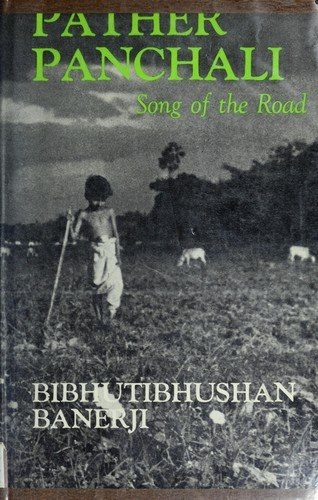
Pather Panchali: Song of the Road
Bibhutibhushan Bandyopadhyaytranslated by T. W. Clark and Tarapada Mukherji1929about 326 pages
Two children grow up poor in a Bengali village, and almost nothing happens, and it is devastating.
Apu and his sister Durga grow up in a village where the roof leaks and their father keeps leaving to find work that never quite arrives. By the standards of plot, very little occurs. A girl steals fruit from a neighbour's garden. An old aunt is turned out of the house. A train is seen for the first time from a field of white kaash flowers. The monsoon does what the monsoon does to a house nobody has repaired. Bibhutibhushan writes childhood the way it actually is, made of small hungers and enormous discoveries, and he does it without one sentence of adult pity.
Why it is at 16
Sixteenth because the pleasure is slow and cumulative rather than immediate, so a hurried reader will not see what the fuss is about. Satyajit Ray made his first film from part of it, and if that film is your only contact you have met about a third of the book. The English here reads a touch formal, the way translations of that generation tend to.
Read it ifyou want the greatest Indian childhood ever written down
Skip it ifyou need a story with a shape and a destination
tender, rural, cumulativeBest for: readers who love Ray's filmsbengalichildhoodvillageclassic
17
Urdu
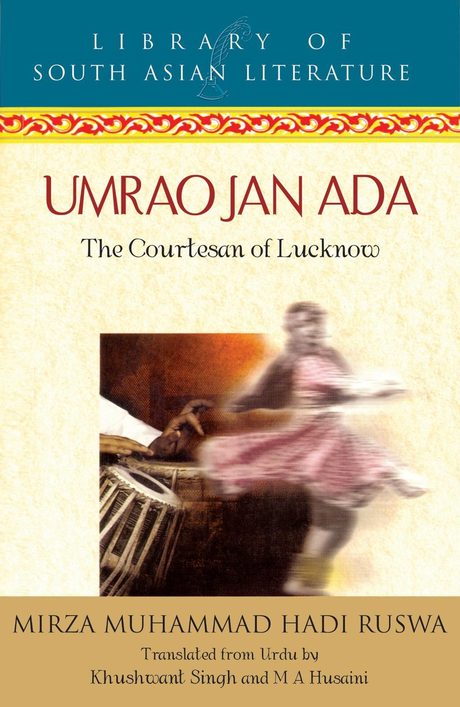
Umrao Jan Ada
Mirza Muhammad Hadi Ruswatranslated by Khushwant Singh and M. A. Husaini1899about 234 pages
A Lucknow courtesan tells her own life to a writer who keeps trying to make it tragic, and she keeps refusing.
Stolen as a girl, sold into a kotha, trained in poetry and music, Umrao becomes the most sought-after woman in nineteenth century Lucknow and watches the city burn in 1857. The frame is simple. She talks, a writer writes it down, and he insists throughout that he is only the pen. What surprises a modern reader is the tone, because Umrao is dry, self-aware and quite unmoved by her own legend, and she punctures the author every time he reaches for pathos. The verse she quotes is her own defence, which makes this an early Indian novel about a woman controlling her own story.
Why it is at 17
Seventeenth because it is over a century old and the shape shows, with digressions and asides that a modern editor would cut. It earns the place because it is far more entertaining than a book from 1899 has any right to be, and because it gets called one of the first Urdu novels, which makes it the ancestor of a lot on this list. The Khushwant Singh version is the one that reads best in English.
Read it ifyou want a witty nineteenth century voice and old Lucknow
Skip it ifperiod digressions and untranslated verse annoy you
wry, ornate, self-possessedBest for: history readers and film fansurdulucknowclassicwomen
18
Hindi, from Godaan
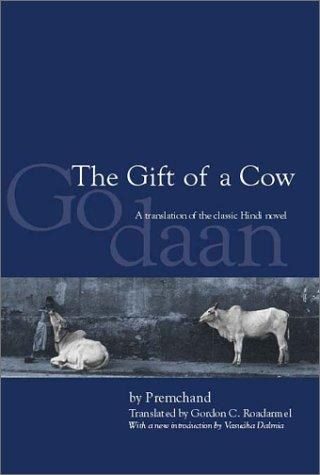
The Gift of a Cow
Premchandtranslated by Gordon C. Roadarmel1936about 462 pages
A farmer wants one cow of his own, and the novel is a ledger of what that small wish costs him.
Hori wants a cow. That is the whole of his ambition, and Premchand spends four hundred pages showing you the machinery that makes even that impossible: the moneylender, the caste panchayat, the landlord's polite clerk who takes everything while smiling, a son who runs off with a widow, and the arithmetic of a debt that grows while you sleep. There is a second thread in the city with lawyers, mill owners and a lot of talk, which I found the weaker half. Read it for Hori and for his wife Dhania, who argues with the entire village and is the best character in Hindi fiction.
Why it is at 18
Eighteenth because it is long, plain and from 1936, and because Roadarmel's English is faithful rather than lively. None of that touches the achievement. This is the book that decided what the Indian social novel would look like, and every rural novel further up this list is arguing with it. Come here after you have read three or four of the others.
Read it ifyou want the foundation stone of the Indian social novel
Skip it ifyou want a modern voice, because this one shows its age
plain, relentless, foundationalBest for: readers going back to the sourcehindipremchandruralclassic
19
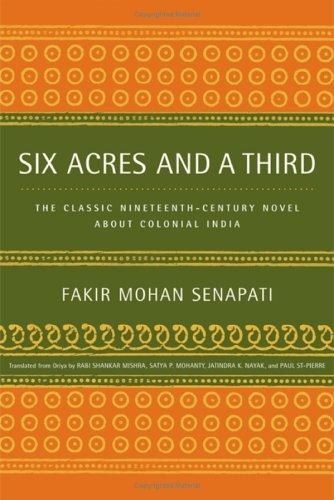
Odia, from Chha Mana Atha Guntha
Six Acres and a Third
Fakir Mohan Senapatitranslated by Rabi Shankar Mishra, Satya P. Mohanty, Jatindra K. Nayak and Paul St-Pierre1902about 236 pages
A landlord steals a weaver couple's plot, described by a narrator who praises everyone and means none of it.
Ramachandra Mangaraj takes a small piece of land from a weaver and his wife, and the story is told by a village voice that flatters everybody involved while quietly handing you the evidence. Written in Odia at the very end of the nineteenth century, it feels more modern than books published fifty years later, because the entire thing runs on a narrator you cannot trust for a single sentence. It is short, it is mean in the best way, and it explains colonial land law and moneylending better than a shelf of history. Four scholars translated it together and, remarkably, the jokes survived.
Why it is at 19
Nineteenth because the humour is dry and indirect, which means the reader has to do half the work, and because you need a little Indian rural history in your head for the satire to bite. Once you have that, this is the cleverest old book on the list. Read Raag Darbari at number fourteen first; this is where that tradition of straight-faced Indian satire begins.
Read it ifyou like unreliable narrators and colonial-era satire
Skip it ifyou want emotional involvement with characters
sly, ironic, sharpBest for: readers who like literary tricksodiasatirecolonialclassic
20

Hindi, from Ret Samadhi
Tomb of Sand
Geetanjali Shreetranslated by Daisy Rockwell2018about 546 pages
An eighty-year-old widow turns her face to the wall, then gets up and decides to go to Pakistan.
Ma is eighty, her husband has died, and she has turned to face the wall and stopped participating. Then she gets up, and the second half of her life starts. She moves in with her daughter, makes a friend the family cannot place, wears colours she is not supposed to, and eventually insists on crossing to Pakistan for reasons she is in no hurry to explain. Around all this, Shree lets crows, doors, roads and a few dead writers speak. It runs to about seven hundred pages of digression and wordplay, and Daisy Rockwell's English is an act of nerve, because she recreates the puns rather than apologising for them in footnotes. It won the International Booker Prize in 2022.
Why it is at 20
Last, and last on purpose. This is the most demanding book here and the most alive, and if you start with it you may decide translated fiction is not for you, which would be a shame caused entirely by reading order. Come to it after Tamas and Basti, when Partition and its afterlife are already in your head. Then the funniest border-crossing in Indian fiction will land the way it should.
Read it ifyou have time, patience and a taste for playful, difficult books
Skip it ifyou want a plot that behaves, because this one wanders for hundreds of pages
playful, sprawling, defiantBest for: confident readers with a free monthhindibookerbig readpartition
Worth knowing
The same list, grouped by language
Malayalam has four books here (Goat Days, Moustache, Chemmeen, Delhi: A Soliloquy) and Hindi has four (Tamas, Raag Darbari, The Gift of a Cow, Tomb of Sand). Kannada, Tamil, Bengali and Urdu have two each: Ghachar Ghochar and Heart Lamp; One Part Woman and Fire Bird; Chowringhee and Pather Panchali; Basti and Umrao Jan Ada. Marathi, Gujarati, Punjabi and Odia have one each, which is Cobalt Blue, The Shehnai Virtuoso and Other Stories, Pinjar and Six Acres and a Third.
That spread is not my taste, it is the market. Malayalam and Bengali have had committed translators and publishers for decades, so their shelves are deep. Gujarati, Odia, Assamese, Konkani and Kashmiri are thin in English, not because the writing is thin but because nobody has been paying anyone to carry it across. If you want to be useful to Indian literature and you read two languages, that is the job going spare.
Worth knowing
Which translation to buy
For five books here, more than one English version exists, and the one you pick changes the experience. Chemmeen has an older translation by Narayana Menon and the HarperCollins edition by Anita Nair, which is the one I have listed and the one most easily found in India. Tamas is available in more than one English text, and the Penguin Classics edition listed here carries Daisy Rockwell's translation. Umrao Jan Ada has several; the Khushwant Singh and M. A. Husaini version is the one that reads like a person talking.
For everything else on this list there is one English edition that matters, usually because one translator did the work and nobody has tried since. Srinath Perur is Vivek Shanbhag's English voice. Jerry Pinto is Sachin Kundalkar's. Jenny Bhatt is, at the moment, close to the only person carrying classic Gujarati fiction into English at all. Buy the edition with the translator's name on the cover. If a cheap paperback does not credit anybody, it is usually a reprint of a public domain translation from the nineteen fifties, and it will read like one.
People also ask
Questions, answered
Which Indian book in translation should I read first?
Ghachar Ghochar by Vivek Shanbhag, translated by Srinath Perur. It runs about a hundred and twenty pages, it is set in present-day Bangalore, and it needs no background knowledge at all. If short novels are not your thing, start with Heart Lamp, since twelve separate stories let you stop whenever you like. Leave Tomb of Sand and Basti until you have three or four of the others behind you, because both of them reward a reader who already trusts the form.
Which Indian books have won the International Booker Prize?
Two so far. Tomb of Sand by Geetanjali Shree, translated from Hindi by Daisy Rockwell, won in 2022, and Heart Lamp by Banu Mushtaq, translated from Kannada by Deepa Bhasthi, won in 2025. Both are on this list, at twenty and three. The prize money is split evenly between the writer and the translator, which is the part I like, because it treats the English text as something somebody made rather than something that happened to the book.
Is reading a translation as good as reading the original?
No, and that is fine. A translation is a performance of the book by a second artist, so what you get is the story plus that person's ear. Some of these are better in English than they have any right to be, and a few sentences in every one of them are gone for good. The alternative is not reading Malayalam or Odia fiction at all, which is a much bigger loss than a few missing puns.
Why are there so few Gujarati books in English translation?
Money and habit, not quality. Gujarati has a century of strong novels and short stories, but very few publishers have funded translations out of it, and until recently almost nobody was doing the work full time. Jenny Bhatt's Dhumketu selection changed the picture a little. If you want more, I have a separate list of the Gujarati books you can actually read in English, and it is shorter than it should be.
Do I need to know Indian history to read these books?
For most of them, no. Ghachar Ghochar, Cobalt Blue, One Part Woman, Goat Days and Fire Bird need nothing except attention. Four books here sit inside particular events: Pinjar and Tamas in Partition, Basti in 1947 and then 1971, and Delhi: A Soliloquy across forty years of Indian politics. A ten-minute read about Partition before you start those will roughly double what you get from them.
Are these books available as ebooks and audiobooks in India?
Most of them are on Kindle, including all the recent ones, and the Penguin and HarperCollins India titles are easy to find in paperback in any decent bookshop. Audio is patchier. The older translations, particularly The Gift of a Cow and Six Acres and a Third, are often easier to find through university or library editions than in a shop, so check a library app before you pay collector prices for a used copy.
Before you go
What to read tonight
If you want to start tonight, start with Ghachar Ghochar and finish it before you sleep. If you already read a lot and you want the one that will change how you think about Indian writing, go to Tamas and then to Basti, in that order, and give yourself a week between them.
One more thing worth saying. Once you have read four or five of these, the names of the translators start to matter to you the way directors do at the movies, and you begin to follow a person instead of a language. Daisy Rockwell, Arunava Sinha, Jayasree Kalathil, Jenny Bhatt, Srinath Perur, Deepa Bhasthi. Pick one, read two of their books back to back, and you will hear the thing they do with English that the writer never asked for and could not have done alone.
Keep going
Lists that pair with this one
Indian Fiction
11 Gujarati Novels and Story Collections You Can Read in English
I set out to find twelve and could only verify eleven with real English editions, which is the whole problem in one sentence.
Indian Fiction
16 Best Indian Short Story Collections (Where to Start in Each)
Sixteen collections worth your evening, ranked by how much patience each one asks for, with the exact story to read first in every book.
Indian Fiction
16 Best Books to Understand India, Ranked by What They Explain
Sixteen books, ten doors into the same country: history, caste, the mega city, the village, money, and where to start tonight.
Indian Fiction
18 Best Indian Mythology Fiction Books, Faithful to Wild
Ranked on one dial: how far each book strays from the epic it is built on, with an honest note on which are page-turners and which are literature.
Indian Fiction
13 Books From Northeast India, One State at a Time
Eight states, many languages, and a list that tells you which one each book actually comes from.