Durjoy Datta Books Ranked: The 15 That Matter, Best First
Fifteen novels ranked on the writing, not on how much you cried in class eleven, with the three very different Durjoys sorted out.
By Bhavik SarkhediUpdated August 2026Covers and data: Google Books, Open Library
Somewhere in every Indian bookshop there is a shelf near the billing counter with a Durjoy Datta paperback on it, and somewhere in every hostel there is a copy with a girl's name written inside the cover in ballpoint. He is the writer a whole generation read before it read anything else, which makes him hard to talk about honestly. People either defend him like family or dismiss him like a phase.
I have read the catalogue, and the useful thing I can tell you is that there is no single Durjoy Datta. There are three of them. The boy who wrote crude campus comedies for Srishti between 2008 and 2011. The writer who moved to Penguin and started putting people in hospitals. And the one who has been writing since 2016 about abuse, self harm and families that hurt on purpose, with the jokes rationed to about one a chapter.
So this ranking is one list, one to fifteen, but every book carries its era, because a reader who wants the first Durjoy will hate the third one and vice versa. Ranking is on the writing: control, characters, whether the ending is earned or arranged. Nostalgia got nobody a higher spot, which is why the book most of you started with sits at thirteen. Quick picks below if you are choosing something for tonight.
Fifteen full length novels, verified through Google Books and Open Library with real covers. The Penguin Petit editions that chop existing novels into numbered parts are not separate books and are not counted.
Judged on control, not on tears. Any writer can make you cry with a hospital. The question I asked each book is whether it earned the ending or arranged it.
Era over nostalgia: I marked each book campus, Penguin turn or dark, so you can pick the writer you actually want before you pick the title.
Co-authors named only where the edition data confirms them, so Nikita Singh and Maanvi Ahuja appear and the disputed early credits do not.
Left out: the short serialised Petit parts, and anything I could not verify as a first publication year. If a title you love is missing, that is why.
A boy who frightens himself with his own thoughts falls for a girl the world has already hurt, and neither of them is safe.
Raghu keeps a diary of the things he thinks about doing to people, which is not a sentence you expect in a Durjoy Datta novel. Then he meets Brahmi, and the book becomes something rarer than a romance: two damaged teenagers trying to keep each other alive through school, parents and the kind of adult help that arrives late. The writing is plainer than in the early books, fewer jokes, longer silences. It is the first half of a two part story and it stops on a roof, mid breath, which is either brave or unfair depending on your mood.
Why it is at 1
First because it is the biggest swing he has taken. Everything he learned writing campus comedies, the pace, the dialogue, the habit of ending a chapter one beat early, gets pointed at material that could easily have gone wrong. Till the Last Breath is more efficient. This one is braver, and it is the book I hand anyone who thinks they already know what his name means.
Read it ifyou want the darkest and most ambitious book he has written
Skip it ifyou came looking for funny campus Durjoy, because that man is absent here
dark, tender, unsettlingBest for: readers who want the serious Durjoydark romanceteenmental healthduology
Heads up: self harm, violent thoughts, abuse
Pairs with: The Boy with a Broken Heart, which is the other half and should be bought at the same time
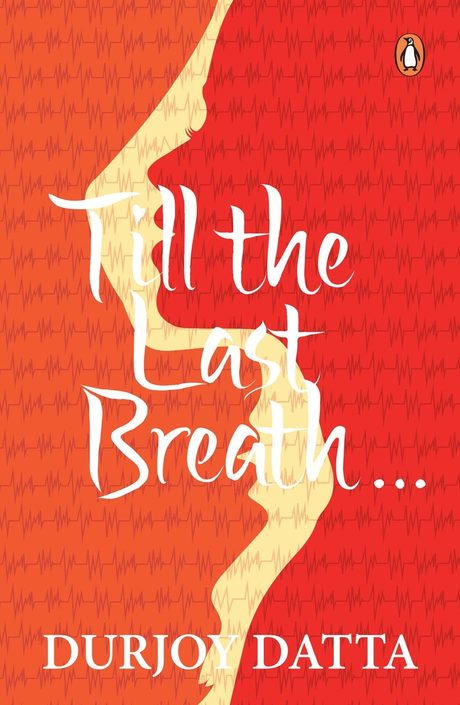
Two young patients share a hospital floor, one fighting to live and one who has stopped asking, and the doctors get caught between them.
This is the book where he stopped writing about college and started writing about mortality. Two patients share a floor in a Delhi hospital, one holding on with everything available and one who has already given up, and around them are doctors young enough to still take it personally. It moves fast, the sentences stay simple, and it does not pretend medicine is tidy. I read it on a train and had to look out of the window twice, which is the highest compliment I give any book with a hospital in it.
Why it is at 2
Second, and the gap is small. If the book above it is his most ambitious, this is his most efficient: nothing wasted, no subplot that fails to pay, an ending that earns the crying instead of demanding it. It is also the title people name first when they tell me a Durjoy novel was the first novel they ever finished.
Read it ifyou want to cry properly and be done in one sitting
Skip it ifhospitals and terminal illness are too close to home right now
urgent, sad, humaneBest for: a first time Durjoy readerhospitalillnesstearjerker
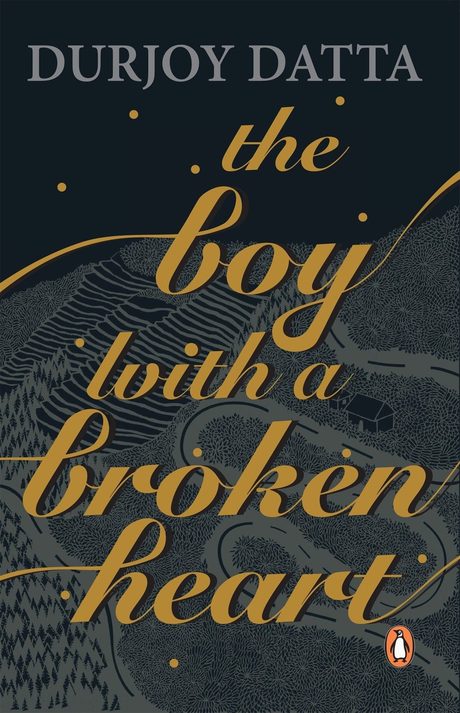
The second half of Raghu and Brahmi, picked up two years after the roof, once the damage has had time to settle.
The publisher copy tells you exactly where this one opens: two years after Raghu left Brahmi on the edge of a roof. What follows is a novel about what recovery actually looks like, which is slow, unheroic and full of relapses the story refuses to punish. It runs warmer than part one, it is funnier in places, and it allows a few people to be kind without a twist attached. Read it straight after The Boy Who Loved. On its own it feels like walking into a room where everybody has already been crying.
Why it is at 3
Third because it needs part one to work, and I cannot rank a second half above the book that built the characters. On its own terms it is the more generous novel and probably the better reread. If you only ever try one Durjoy duology, this is the pair, and you should treat them as a single long book.
Read it ifyou finished The Boy Who Loved and need the other half tonight
Skip it ifyou have not read part one, since this begins mid wound
bruised, hopeful, slowBest for: readers of part onesequelmental healthrecovery
Childhood enemies end up in the same engineering college, and neither of them has forgiven a single thing.
Dhruv and Aranya were children together and it went badly, in the way only children manage. Years later they are on the same engineering campus and the grudge is fully grown. This is his best enemies to lovers book, and it works because the cruelty is written honestly: Dhruv is not a misunderstood hero, he is frequently just mean, and the novel knows it. Aranya is the more interesting half, an ambitious girl who has been told since childhood that she is not pretty enough to be taken seriously. The romance is a fight the whole way through.
Why it is at 4
Fourth because it is the most enjoyable of his serious books and the most rereadable one. It loses to the top three on stakes rather than on sentences. If you want the Durjoy who can still land a joke but has learned how to build a character who behaves consistently, start here instead of with the campus trilogy.
Read it ifyou like enemies to lovers with genuine spite in it
Skip it ifyou need a hero who is kind from page one
spiky, funny, romanticBest for: enemies to lovers fansenemies to loverscampusromance
A girl believes in a musician more than he believes in himself, and the book counts what that costs both of them.
A musician on the way down meets a girl on the way up, and the novel is mostly about the distance between how a person sees himself and how one other person insists on seeing him. It is the sweetest of his mid period books and the least complicated. Nothing here will surprise a regular romance reader, but the pacing is confident, and there is a stretch in the middle about ambition and failure that is better than the plot surrounding it. Short chapters, low friction, the sort of book you finish across two evenings without noticing.
Why it is at 5
Fifth, at the top of what I would call the comfortable tier. Everything above it takes a real risk. This one does not, and it is still a good evening, which is why it beats the books below. Read it when you want the Durjoy feeling without the emotional bill that Till the Last Breath posts to you the next morning.
Read it ifyou want gentle Durjoy with low stakes
Skip it ifyou want a plot that surprises you at least once
soft, musical, easyBest for: a quiet weekendmusicsweetlow stakes
His most grown up book about heartbreak, less interested in the person who left than in the person left behind.
This is a novel about the after, not about the breakup. The question the publisher prints on the back is whether you can find yourself once you have lost the person who was holding your definition of you, and the book takes that seriously for its two hundred and forty pages. There is a lot of ordinary daily work in it, which is a strange and welcome thing in an Indian romance. The prose is the cleanest of his career. What it lacks is the pull of the darker books, so the middle third drifts.
Why it is at 6
Sixth, and the most underrated book on this list. It arrived after his dark run and nobody quite knew what to do with a Durjoy novel that is quiet. If you are reading this list a few months after your own breakup rather than a few days after, start here rather than at the top of the ranking.
Read it ifyou are past the crying stage and want company
Skip it ifyou want plot momentum more than interior life
quiet, adult, gentleBest for: readers healing from somethingbreakuphealingslow
A man survives a blast at Chandni Chowk, walks away holding a stranger's burnt diary, and goes looking for the love story inside it.
Deb comes out of the Chandni Chowk blasts alive and holding a diary that is not his. The rest is a road trip to find the people in it, told in two threads that keep handing the story back and forth. It is co written with Nikita Singh and you can feel two writers pulling, sometimes usefully. The premise is the best he has ever had, the kind of hook most Indian commercial fiction of that decade never attempted. The execution is patchy, especially in the last quarter, where a good mystery resolves into a neat one.
Why it is at 7
Seventh, and it is here on the strength of the idea rather than the finish. No other book of his opens this well. Docked for an ending that explains far too much and for a middle section that repeats its own discoveries. Worth your time anyway if premise matters more to you than polish.
Read it ifyou want a romance with a mystery engine under it
Skip it ifa tidy ending can ruin a whole book for you
restless, curious, unevenBest for: readers who love a hookroad tripmysteryco-written
A Deb, older, with a job and a set of doubts the size of a home loan about the life he spent four books asking for.
This one returns to a narrator called Deb and finds him deep in the part nobody writes about, the years after the girl says yes. Careers pull towards different cities. Families have opinions and share them. The romance is not in danger from a villain, it is in danger from logistics, which is the most honest thing in the book. At nearly four hundred pages it runs longer than the material wants, and the middle sags badly, but the last fifty pages contain the most adult writing in his catalogue.
Why it is at 8
Eighth because the ambition is real and the discipline is not. Cut a hundred pages and this competes with the top five. If you read Of Course I Love You as a teenager and you are now roughly the age Deb is here, the payoff lands harder than the ranking suggests, and that is worth knowing before you skip it.
Read it ifyou grew up on his early books and have since paid rent
Skip it ifyou want a short, tight romance
domestic, tired, honestBest for: readers in their late twentieslong term loveadultmarriage
Two narrators, one relationship everybody around them has firm opinions about, and a book that keeps daring you to judge it.
Told from both sides, this one puts a relationship in front of you that most of the people surrounding the characters would refuse to accept, then makes you sit with the two of them being ordinary and fond of each other. Durjoy is good at that trick, normalising the thing first and letting the outrage arrive later. Where it slips is length and repetition, the same argument circling back three times with new furniture. The two voices stay distinct enough that you always know who is speaking, which is not a given in dual narration.
Why it is at 9
Ninth. It is the most argued about of his mid period books and the most divisive, and I land in the middle: interesting idea, ordinary execution. It beats the campus books on craft by a distance and loses to everything above it on control. Read it if the premise interests you, not because of the noise around it.
Read it ifyou like dual narration and social friction
Skip it ifyou want a romance without discomfort in it
provocative, uneven, warmBest for: readers who enjoy an argumentdual narrationtaboo2010s
A mountain romance with a disaster inside it, and the closest he has come to writing a thriller.
The cover carries the line Enter the Valley of the Gods, and the setting does most of the heavy lifting: a Himalayan valley, weather with plans of its own, two people who did not want to be anywhere near each other. The publisher describes the trouble as a disaster and love as the only thing that can save them, which gives you the shape without spoiling the turns. It is his most cinematic book, three hundred and fifty odd pages that move like a screenplay. The characters are thinner than in his dark run, the pace is better.
Why it is at 10
Tenth because the setting outperforms the people standing in it. As a holiday read it beats half the books above it, and if you like your romance with weather and physical danger you will rank it higher than I do. Judged on writing alone, on how much of these two you remember a month later, it sits exactly here.
Read it ifyou want romance with mountains and real danger
Skip it ifyou need deep characters more than pace
cinematic, cold, fastBest for: a flight or a hill tripmountainssurvival2020s
First year of college, a new set of friends, and a senior whose temper is covering something older.
A girl starts college, finds a group, and the group turns out to be the actual love story. There is a romance, with a senior called Karthik whose anger is a lid on an older wound, but the parts that stayed with me are the friendship scenes: hostel rooms, cheap food, the very specific loneliness of your first month away from home. It is co written with Nikita Singh, and her hand shows in the narrator's voice, which is the most convincing female narration in his early work. Slight, warm, over quickly.
Why it is at 11
Eleventh, and the best of the light tier. It is thin, but it is honest about first year college in a way the Srishti books never manage, mostly because it is not trying to be funny every third line. Hand it to somebody who has just left home for a hostel and is pretending that is fine.
Read it ifyou want gentle college nostalgia with friendship at the centre
Skip it ifyou want a plot with real stakes
warm, small, nostalgicBest for: first year hostel readerscollegefriendshipco-written
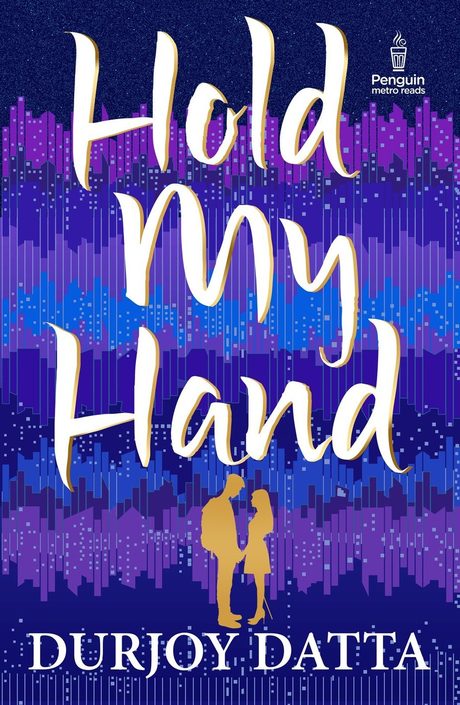
A short, sweet romance that wobbles the moment a good looking ex walks back into the picture.
Two hundred pages, one straightforward premise, a couple who are happy until her ex reappears and the book stops being simple. The publisher promises a surprise ending, there is one, and I will let you decide whether it works. This is Durjoy in efficiency mode: short chapters, clear stakes, no ambition beyond keeping you entertained between two metro stops. It is the least serious book of his Penguin years and it never pretends otherwise, which I respect more than I respect the books that pretend.
Why it is at 12
Twelfth. Competent and completely disposable, which puts it above the early campus books on writing and below everything else on ambition. There is no shame in a book like this existing. Read it on a day when you want a story that will not follow you home or ask you anything.
Read it ifyou want a two hour romance and nothing more
Skip it ifyou want something you will still remember next month
light, quick, sweetBest for: a commute or a waiting roomshortlightromance
The debut that built the fanbase: Delhi college, four friends, and one boy who cannot stop ruining a good thing.
This is where it started, in 2008, self consciously crude, written by a very young man about very young men, carrying the sentence rhythm of a hostel conversation at two in the morning. Deb narrates, he is in love with Avantika, and he sabotages it in ways meant to be funny that sometimes are. The prose is rough in a way that dates it, though the dialogue still moves. Read now it works best as a period piece about a specific Delhi moment, Orkut adjacent, before Indian commercial fiction learned any manners.
Why it is at 13
Thirteenth on writing and first on importance, which is an uncomfortable pair of facts. Almost every reader who came to him through the campus books came through this one, and the honest thing to say is that the affection people carry for it is partly affection for who they were while reading it. Historically essential, structurally a mess.
Read it ifyou want to see where the whole Durjoy phenomenon began
Skip it ifyou have low patience for 2008 humour about women
crude, energetic, datedBest for: completists and nostalgicsdebutcampusdelhi
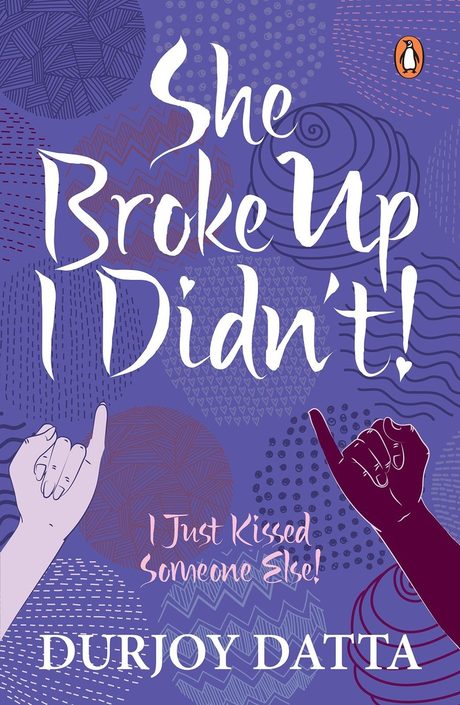
She Broke Up, I Didn't! I Just Kissed Someone Else!
Durjoy Datta2010about 236 pages
A long distance relationship, a kiss that should not have happened, and a narrator who refuses to take the hint.
The title is the entire plot and the entire personality. A boy in one city, a girl in another, one mistake, and then a couple of hundred pages of a young man arguing with himself about whether it counts. What saves it from being unbearable is that the book does not fully let him off, and there are three or four pages near the end sharper than anything else in his Srishti years. What sinks it is the rest: filler scenes, jokes that have aged into evidence, and a plot that repeats a beat because nothing stops it.
Why it is at 14
Fourteenth. It has the best title of his career and the least control of any book here, and it still beats the last entry because the question underneath it, whether one kiss ends a relationship, can carry two hundred pages. Read it only if you are going through the catalogue in order and refuse to skip.
Read it ifyou are reading the early books in sequence
Skip it ifyou dislike narrators who spend a book justifying themselves
messy, loud, youngBest for: completists onlylong distancecheatingearly work
Four friends leave college into salaries they were not ready for, and spend the book learning that money fixes nothing.
Four friends walk out of college at twenty one and into jobs paying more than their parents earn, and the book asks what that does to people who were close when they were all broke. There is a good novel hiding in that idea, about the first Indian generation to get paid early and heavily, and it surfaces maybe four times. Around it sits a lot of noise: crowded plotting, characters who behave like different people by chapter, jokes doing work that scenes should be doing. The premise remains the best thing about it.
Why it is at 15
Last, and I thought about it for a while. It is the least controlled book on this list and the one that reads most like a first draft published because the debut sold. It stays on the list because the idea underneath it, sudden money landing on an old friendship, is a subject he never returned to, and I wish he had.
Read it ifyou are curious about his weakest published novel
Skip it ifyou have anything else on this list still unread
The three Durjoys, and which one you actually want
Campus era, 2008 to 2011, published by Srishti. Delhi engineering colleges, four friends, a narrator who cheats and then narrates his way out of it. Fast, crude, funny in patches, written for readers who had never bought a novel with their own money. If somebody tells you Durjoy Datta writes badly, this is usually the era they read.
The Penguin turn, 2012 to 2015. He moves publishers and the stakes change. Hospitals, illness, long distance, enemies who become something else. The jokes survive but they stop being the point, and the endings start costing something. This is where most readers should begin, because the books are still easy but the writing has grown up.
The dark era, 2016 onwards. Abuse, self harm, mental illness, parents who are the danger. Sentences get plainer, chapters get quieter, and two or three of these books are genuinely difficult to read at the wrong time. If you want the writer at full stretch you want this era. If you want comfort you want the one above it.
Worth knowing
Reading order, and the Deb question
Only one pair has to be read in order: The Boy Who Loved and then The Boy with a Broken Heart, back to back, ideally in the same week. Everything else stands alone and you can jump in anywhere the covers appeal to you.
There is a loose thread for anyone who wants it. A character called Deb narrates the 2008 debut, a Deb turns up as an author and publisher in If It's Not Forever, and a Deb is the centre of The Perfect Us ten years later. Whether these are meant to be the same man is left comfortably vague, and reading them in publication order gives you an accidental novel about one Delhi boy from college to middle age.
One warning about counting his books. Penguin also released several novels sliced into short numbered parts under the Petit imprint, which is why online lists credit him with wildly different totals. Those are the same stories in smaller pieces, not new ones, and none of them are on this ranking.
People also ask
Questions, answered
Which Durjoy Datta book should I read first?
Till the Last Breath. It is short, it moves, and it shows you the writer at his most controlled without asking you to sit through anything genuinely dark. If you finish it and want more of that feeling, go to World's Best Boyfriend next. If you finish it and want him to go further, jump to The Boy Who Loved and clear an evening, because it does not let go politely.
What is the best Durjoy Datta book?
The Boy Who Loved, taken together with its second half, The Boy with a Broken Heart. It is the only place in his catalogue where the ambition matches the emotional pressure, and it treats teenage pain as something serious rather than something charming. Till the Last Breath is the better single sitting book, and plenty of readers will prefer it, but the duology is the harder thing to write.
Which Durjoy Datta books are co-written?
On this list, If It's Not Forever and Someone Like You are both co-written with Nikita Singh, and Now That You're Rich carries a co-author credit for Maanvi Ahuja. Several of the early Srishti titles have been described as co-written elsewhere, but the edition records I could check do not confirm those credits, so I have left them out rather than guess.
Are Durjoy Datta books sad?
Often, and increasingly so. The campus books end messily but lightly. From 2012 onwards the endings start to cost the characters something, and from 2016 onwards several of the books deal with self harm, abuse and grief without softening them. If you want a Durjoy novel that will not hurt, take Hold My Hand or When Only Love Remains and stay out of the dark era.
How many books has Durjoy Datta written?
More than the fifteen novels ranked here, and the exact number depends on what you count. Penguin republished several of his novels as short numbered Petit parts, which inflates listings on retail sites, and the early Srishti titles appear under slightly different names across editions. Fifteen full length novels is a fair account of the work most readers mean when they say his name.
Is Durjoy Datta good for someone who does not read much?
He is one of the best starting points in Indian fiction for exactly that reader. Short chapters, plain sentences, dialogue that sounds like people you know, and books you can finish in two evenings without feeling defeated. Start with Till the Last Breath, and if reading sticks, use it as a doorway to writers who ask a little more of you.
Before you go
What to read tonight
If you are picking one tonight and you have never read him, take Till the Last Breath, start it after dinner, and accept that you are not sleeping at a reasonable hour. If you read him in school and want to know whether he grew up, the answer is yes, and the proof is The Boy Who Loved. Read that one when you have somebody to text afterwards.
And if you loved the campus books and this ranking annoyed you, that is a fair reaction. Those books were the first thing many of us bought with our own money, and that matters in a way a ranking cannot hold. Go back to one of them. Notice how much you are reading and how much you are remembering, then read something from 2017 and see which writer you would rather spend an evening with now.