18 Books for People Who Don't Like Reading (Short and Fast)
Sorted by how much of your evening they ask for, starting with books you can finish tonight.
By Bhavik SarkhediUpdated August 2026Covers and data: Google Books, Open Library
Almost everyone who tells me they hate reading will then spend twenty minutes explaining the plot of a show to me, character by character, with timeline corrections. So the problem is not stories. The problem is books, and mostly it is the specific books that were pushed at them at fourteen, in a syllabus, with questions at the end and a teacher asking what the poet meant.
The other thing that goes wrong is the first thirty pages. Most novels spend those pages laying a table. A reader who already loves books will wait through it happily. A reader who is not sure yet decides somewhere around page nine that this was never going to be for them, and they are right about that book and wrong about every other one.
So this list is built around the opening. Eighteen books, sorted into five tiers by how much they ask of you, starting with things you can finish in one sitting and ending with two non-fiction titles for people whose problem was never stories, it was made-up ones. Each entry also carries my estimate of the page where the book takes over, which is a judgment call and not a measurement.
This is for you if you keep meaning to become a reader and keep failing at it, or if you are buying a gift for someone who says they do not read and you would like to be right about it for once.
Short first. Nothing in tier one runs long, and the whole page is ordered by how much of your evening a book wants.
Early hook over slow build. Something has to be happening before your tea goes cold. Great novels with patient openings, and there are hundreds, were left out on purpose.
Plain sentences. If a book needs you to reread paragraphs to follow who is speaking, it is off the list, however good it is.
No classroom feeling. Two titles here do appear on Indian school syllabi, and both had to earn the spot twice over.
Every book and cover checked through Google Books and Open Library, so nothing here is recommended on reputation alone.
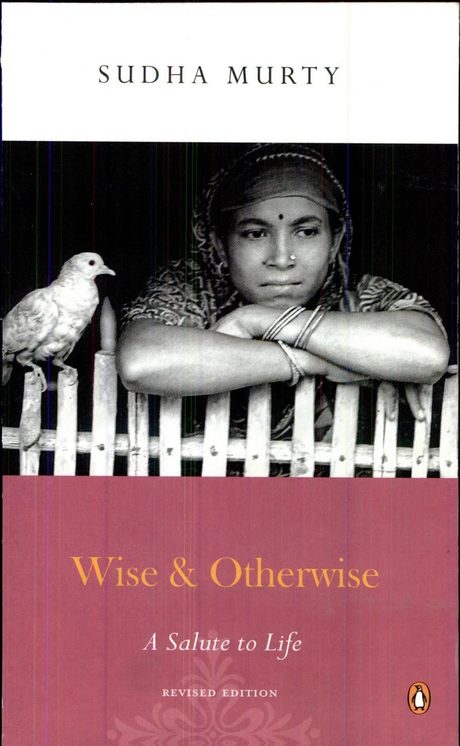
True short pieces about people Sudha Murty met while travelling India for her foundation work, none longer than a chai break.
Sudha Murty spent years travelling through some of the poorest districts in India for the Infosys Foundation, and this book collects what she found there. Each piece runs two or three pages: a man who lies about his mother, a village that surprises her, a wealthy family behaving badly, a poor one that does not. She writes in the plainest English of anyone on this page, with no ornament at all, and that is exactly why it works as a first book. You are never lost, and you are never asked to hold six characters in your head at once. You finish a story, you feel something, and you can stop or keep going.
Why it is at 1
First because it is the lowest barrier of anything I can think of. Two pages a story, no plot to carry, no chapter you must reach before it starts making sense. If somebody in your family has not read a book since college, this is the one to leave on their side table, and it helps that most Indian households already know who she is.
Read it ifyou want true stories you can finish in three minutes each
Skip it ifgentle writing with a moral at the end feels too simple for you
Small-town South Indian lives, in stories so calm and clear that you stop noticing you are reading English at all.
Malgudi is an invented town in South India, and Narayan wrote about it for most of his working life. These stories are tiny: a postman who will not deliver bad news, an astrologer with a past, a man who wins a road engine in a lottery and then cannot get rid of it. Nothing enormous happens in most of them, and that is the pleasure of the thing. Narayan writes with almost no decoration, so the sentences disappear and you are simply watching people. Plenty of Indians know all this from the old Doordarshan series and have never opened the book, which is a strange thing to be missing out on.
Why it is at 2
Second because the stories are as short as Sudha Murty's while asking a little more of you. It is also the gentlest possible way into a classic without any of the classic feeling: no symbolism to hunt, no historical background required. Read one at a bus stop and you have finished something complete.
Read it ifyou want classic Indian writing with no homework attached
Skip it ifyou need drama and stakes, because these stories stay deliberately small
calm, wry, small-townBest for: short attention spansshort storiesindiaclassic
Twelve cases, roughly twenty-five pages each, every one a complete meal with a problem at the front and an answer at the back.
This is the collection that made Holmes famous, and it is still the most efficient entertainment written in English. A client turns up at Baker Street with a situation that makes no sense, Holmes notices four things nobody else noticed, and twenty pages later you have your explanation. A Scandal in Bohemia, The Red-Headed League, The Speckled Band. The Victorian English takes a page or two to settle into and then stops being a barrier at all. The best part for a nervous reader is the shape of it: read one story tonight and the next one in a month, and you lose nothing in between.
Why it is at 3
Third because the length per story is small and the payoff is complete, which is a combination almost nothing else offers. It sits below Malgudi Days only because 1890s prose needs a short adjustment period, maybe ten minutes of your life. Once you are through that, it moves faster than most books published this year.
Read it ifyou like puzzles and want stories that finish properly
Skip it ifold-fashioned English puts you off before you can adjust to it
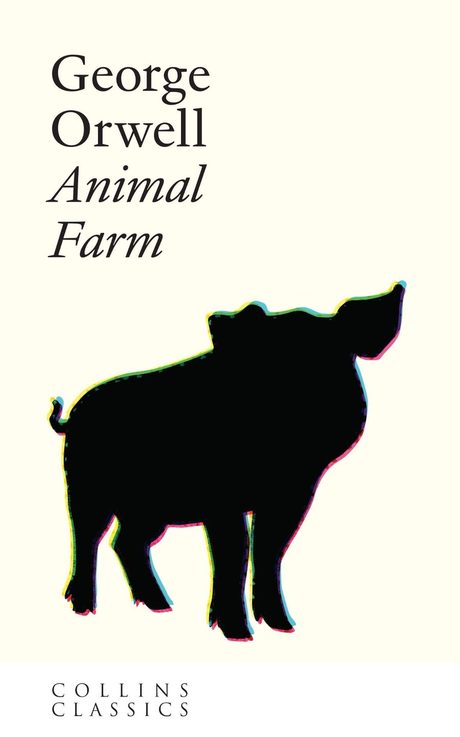
The animals throw the farmer out, run the place themselves, and it goes exactly the way you are afraid it will go.
It runs under a hundred and fifty pages in the simplest English Orwell could manage, because he wanted it read by people who did not read. The animals of Manor Farm drive out the farmer and take over on the principle that all animals are equal. Then the pigs quietly start keeping the milk for themselves. What follows is a political argument in the shape of a fable, and it is genuinely funny for a long while before it turns cold on you. You need to know nothing about Russian history to follow it. Knowing some makes it better, and that can wait for a second read.
Why it is at 4
Fourth because it is the shortest complete novel most people will ever finish, and finishing a whole novel is the thing that flips the switch in someone's head. It is also on half the school syllabi in India, which would normally disqualify a book from this page. It survives that because the classroom version, all symbols and essay questions, has very little to do with how fast and how nasty the actual book is.
Read it ifyou want to finish an entire novel in one evening
Skip it ifyou wrote exam answers on it at sixteen and cannot separate the two
short, funny, bleakBest for: your first finished novelclassicsatireshort
A shepherd boy walks from Spain to the Egyptian desert chasing a dream about treasure, and gets lectured about destiny along the way.
Santiago keeps having the same dream about treasure at the pyramids, so he sells his sheep and starts walking. On the road he meets a king, a crystal merchant, an Englishman studying alchemy, and a woman at an oasis, and every one of them tells him something about following what he actually wants. The story is simple by design, closer to a fable than a novel, and it moves quickly. Whether the philosophy lands depends almost entirely on your age and your mood. At nineteen it can feel like somebody handing you a map. At thirty-five it can feel like a poster in a dentist's waiting room.
Why it is at 5
Fifth, and it is here with a caveat attached. It is the book most often handed to non-readers, it is short, and the language is easy, all of which is true and genuinely useful. It is also thinner than its reputation, and if you go in expecting wisdom you may come out irritated. Go in expecting a fable that costs you three hours and you will have a good evening.
Read it ifyou want a quick fable and are in a receptive mood
Skip it ifself-help dressed as fiction makes you roll your eyes
simple, dreamy, briskBest for: readers in their late teensfablephilosophyshort
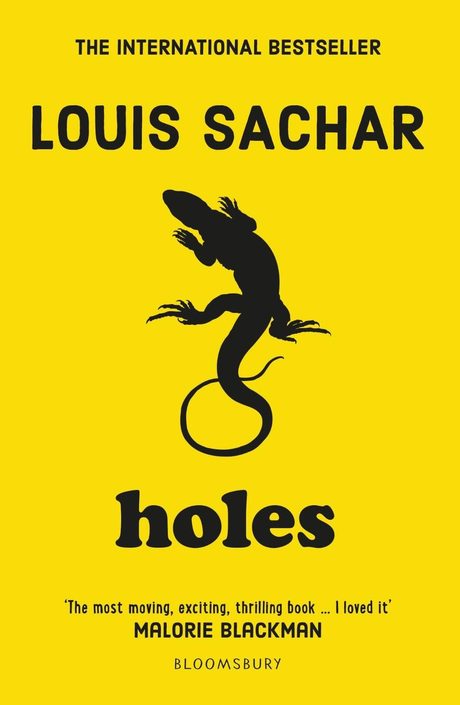
A boy is sent to a desert camp where the punishment is digging one hole a day, and nobody will say why.
Stanley Yelnats is convicted of a theft he did not commit and sent to Camp Green Lake, which has neither a lake nor anything green. Every boy there digs a hole five feet deep and five feet across, every day, in the sun. The warden says it builds character. It obviously does not, and the question of what they are really looking for pulls you straight through the book. Sachar runs three separate timelines and braids them so neatly that the ending clicks shut like a lock. It is sold as a children's book and it is better constructed than most novels sold to adults.
Why it is at 6
Sixth because this is where the page stops being short pieces and starts being novels with an engine in them. Holes is the safest bet in tier two: every element pays off, nothing is wasted, and it never once talks down to you. If you want proof that a book can be simple and clever at the same time, this is the shortest proof available.
Read it ifyou want a puzzle-plot novel that clicks shut at the end
Skip it ifyou cannot get past a book being shelved for children
dry, clever, desertBest for: readers who like tidy plotsmiddle grademysteryplot twist
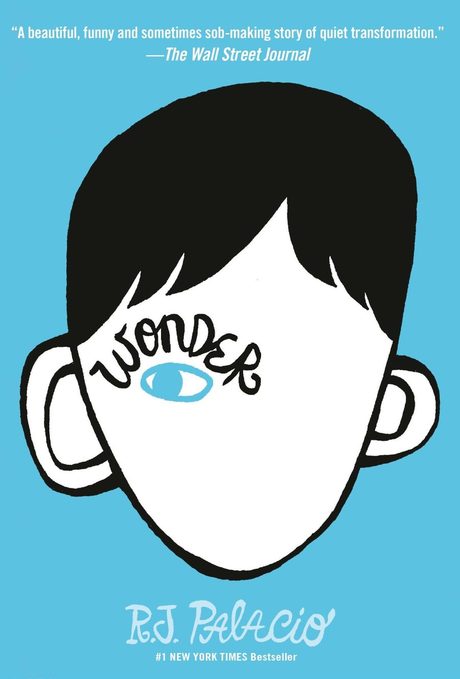
A ten-year-old with a facial difference starts at a normal school, told by him and by almost everyone around him.
August Pullman was born with a facial difference and has been schooled at home his whole life. At ten he starts fifth grade at a regular school, and the book follows what that costs him and what it costs the people near him. The structure is the trick. It keeps switching narrators, so you get his sister, his classmates, the friend who betrays him, each in a short section with a voice of its own. Chapters run two or three pages. It was written for children and it will still get you, which is a slightly embarrassing thing to discover on a crowded train.
Why it is at 7
Seventh because those very short chapters make stopping almost impossible, which is exactly the mechanism a reluctant reader needs. It sits below Holes because it is more emotionally direct and less clever, and some readers find it a touch sweet. It is also the best book here to read alongside a child, a chapter each at bedtime.
Read it ifyou want short chapters and characters you care about immediately
Skip it ifsentimental writing makes you suspicious of a book
kind, direct, quickBest for: parents and children togethermiddle gradeschoolmultiple narrators
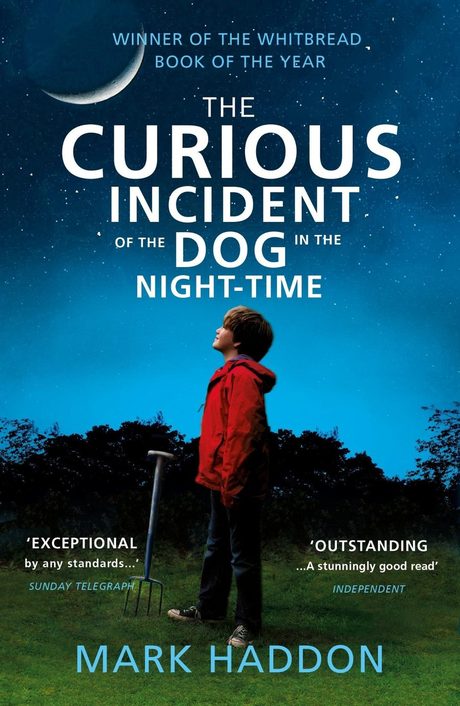
A fifteen-year-old who thinks in numbers finds the neighbour's dog killed with a garden fork and decides to investigate it himself.
Christopher Boone finds a dog dead on a lawn, decides to work out who did it, and writes the book you are holding as his investigation report. He notices everything and understands very little of what adults actually mean, so you keep assembling the real story a page or two ahead of him. The chapters are numbered in primes, there are diagrams and maps and lists all through it, and the whole thing reads like nothing else on your shelf. The dead dog turns out to be the smaller story. What is happening inside that house is much bigger, and it arrives very quietly.
Why it is at 8
Eighth on the page and first on my actual recommendation list, which is the clearest sign that this ordering is by commitment rather than quality. No book converts non-readers faster. The voice is odd enough that you keep going out of curiosity instead of duty, the pages carry a lot of white space, and it is genuinely funny. If you take one title away from here, take this one.
Read it ifyou want a narrator completely unlike any you have read before
Skip it ifyou want something warm and comforting, because this one is spiky
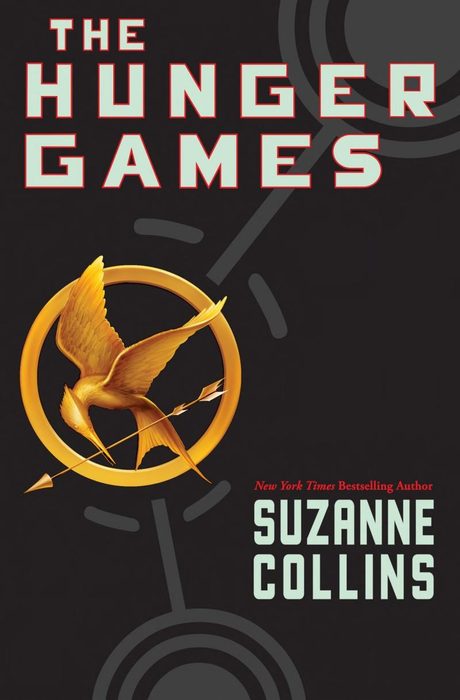
Twenty-four teenagers are put into an arena on live television and only one of them is meant to walk out.
In a future North America, every district sends two children a year to fight to the death on national television, and Katniss Everdeen volunteers so that her younger sister does not have to. The first section is the selection and the training, the second is the arena. Collins writes in first person, present tense, short chapters, and she ends almost every one of them mid-danger, which is manipulative and completely effective. There is a reason people who insist they cannot finish books finish this one in two days. The politics underneath it is also sharper than the films let on.
Why it is at 9
Ninth because it is the purest example on this page of a book that reads itself. You never decide to keep going, you simply notice that it is one in the morning. It sits here rather than higher because it is the longest book so far and because the love triangle irritates a fair number of adult readers. Ignore that part and enjoy the machinery.
Read it ifyou want a book that refuses to let you put it down
Skip it ifyoung adult narration and love triangles put you off
tense, fast, grimBest for: teenagers and binge watchersdystopiayoung adultsurvival
Heads up: children in sustained violent situations
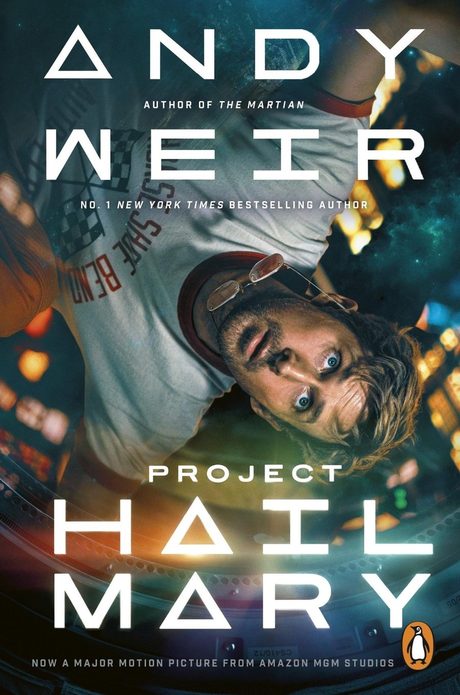
An astronaut is left behind on Mars with about a month of food and decides to science his way out of it.
Mark Watney gets stranded when his crew evacuates in a storm and assumes he is dead. He has a habitat, some potatoes, a great deal of duct tape and a log file, and the book is largely him working problems in order: water, air, food, power, distance. Weir writes those log entries as a stand-up routine, so a novel full of chemistry is also a novel full of jokes. If you have ever assumed that science and fun are separate categories, this fixes the assumption inside forty pages. The film is good and it left out most of the best material.
Why it is at 10
Tenth and the last of the plot-engine tier. It works on reluctant readers because the structure is a chain of small problems, each solved before the next one lands, so there is always a reason to read ten more minutes. It sits below The Hunger Games only because the technical detail does lose some people. If it does not lose you, it is the most fun on this page.
Read it ifyou like problem-solving and swearing in roughly equal measure
Skip it ifchemistry and orbital mechanics on the page make your eyes glaze
funny, technical, upbeatBest for: engineers and film fansscience fictionsurvivalfunny
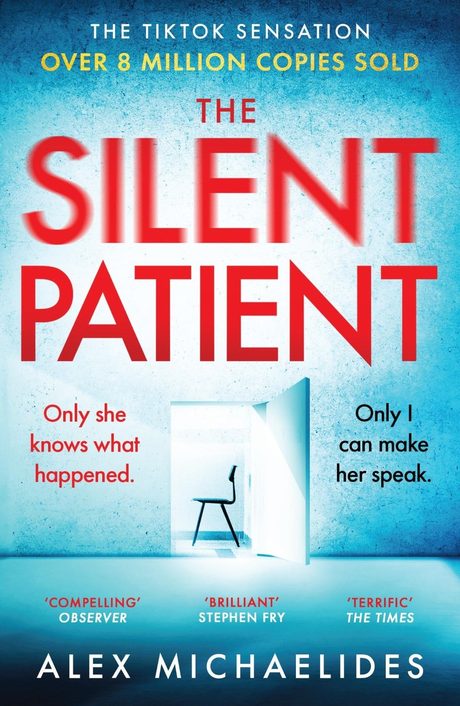
A woman shoots her husband and never speaks again, and the therapist who takes her case is determined to find out why.
Alicia Berenson is found beside her husband's body and says nothing, not at the arrest, not at the trial, not for six years inside a secure hospital. Theo Faber takes a job at that hospital specifically to get her talking. The chapters are short, the writing is plain, and the whole book is engineered around a single reveal that most readers do not see coming. It is not deep, and it is not trying to be. It is built like a trap, and as an experience of being pulled through three hundred pages by pure curiosity, it does the job perfectly.
Why it is at 11
Eleventh, and the start of the adult tier. This is here as a bridge. If the only stories you finish are thrillers on a screen, this is the book that behaves most like one. It is the least literary thing on this page and I am not pretending otherwise, but it is also the title most likely to make somebody say the sentence I want to hear, which is give me another one like that.
Read it ifyou want a thriller that behaves exactly like a thriller should
Skip it ifyou dislike twist-driven books where the twist is the entire point
cold, twisty, quickBest for: crime series watchersthrillertwistmodern
Heads up: murder, psychiatric hospital settings, references to self-harm
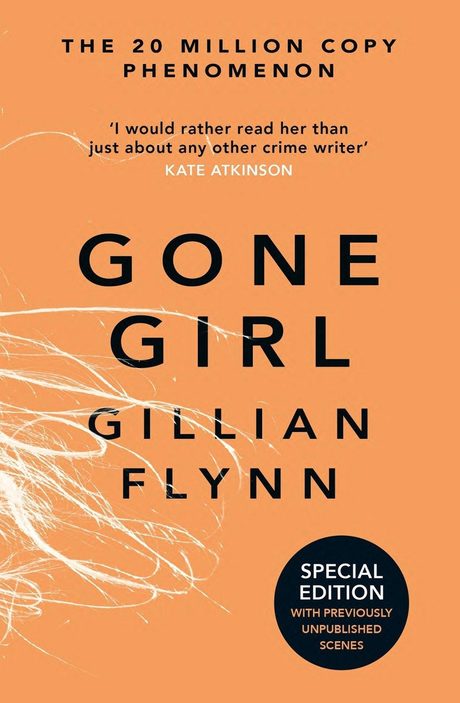
A wife disappears on the morning of her fifth wedding anniversary and her husband is extremely bad at looking innocent.
Amy Dunne vanishes from the house she shares with Nick in a dying Missouri town, and the police, the neighbours and eventually a television audience all begin arranging their faces at Nick. Flynn alternates his account with Amy's diary, and the two versions of the same marriage do not match anywhere. This is a nastier and far better written book than most thrillers, with a real argument inside it about the performances people put on for each other inside a relationship. It is longer than anything before it here, and the halfway mark is where it changes shape entirely.
Why it is at 12
Twelfth because it asks more of you than The Silent Patient does: more pages, more patience, better sentences to slow down for. That is the trade. Once you have finished one twisty thriller and enjoyed it, this is the natural step up, and it is the book that proves a page-turner can also be seriously well written.
Read it ifyou want a thriller with genuinely good sentences in it
Skip it ifyou need at least one person in a book to like
cold, clever, meanBest for: readers ready for longerthrillermarriageunreliable narrator
Heads up: an ugly marriage, violence, sustained manipulation
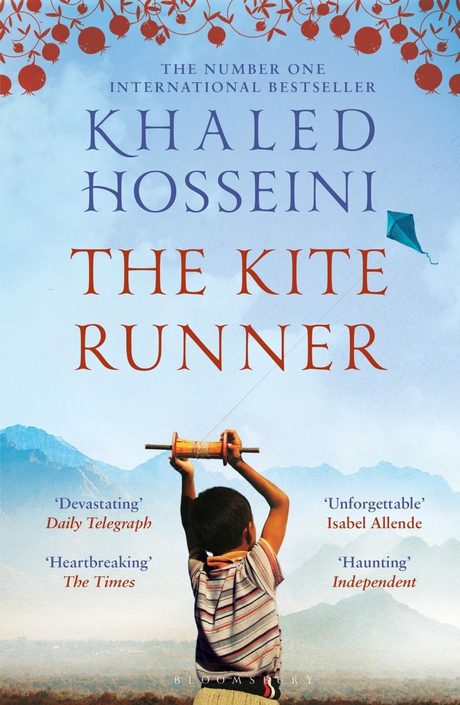
Two boys grow up together in Kabul before everything collapses, and one of them spends his life trying to undo a single afternoon.
Amir is the son of a wealthy man in 1970s Kabul. Hassan is the servant's son, and the two are inseparable until an afternoon at a kite-fighting tournament when Amir stands still while something terrible happens. The rest of the novel is what that costs, across the Soviet invasion, an escape to America and eventually a return. Hosseini writes in clean, unfussy sentences and builds the whole thing on guilt, which is an engine that never once stalls. It is the heaviest book on this page emotionally, and also the one people most often finish across a single weekend.
Why it is at 13
Thirteenth because it is the deep end of this list and I do not want to send a nervous reader there on day one. It belongs here anyway, because more people have restarted reading with this book than with almost anything else published this century. It is longer and much harder than The Silent Patient, and it is the one you will still be arguing with in a month.
Read it ifyou want a story that hurts and you are ready for that
Skip it ifyou want an easy evening, because this one takes something out of you
heavy, plain, unforgettableBest for: readers who want to feel somethingafghanistanfriendshipguilt
Heads up: sexual assault of a child, war, violence
Three friends discover in their first week at IIT that being the cleverest boy in school saves you from nothing.
Hari, Ryan and Alok arrive at IIT Delhi as the brightest students their schools ever produced and slide promptly to the bottom of the class. The book is about that slide: the GPA, the parents, the hostel nights, a professor's daughter, and a plan that goes very badly wrong. Bhagat writes in short chapters and flat, functional English, and for this particular reader that is the feature rather than the flaw. It arrived in 2004 and pulled a whole generation of Indian non-readers into bookshops, largely because it was the first novel many of them had seen that sounded like their own hostel corridor.
Why it is at 14
Fourteenth, and the start of the Indian tier. Whatever you make of Bhagat's later books and his opinions, this one did a job nobody else was doing: it made reading feel like an ordinary thing that ordinary people do. The prose is thin and the emotional beats are broad, and I would still hand it to a twenty-year-old engineering student who says books are not for him.
Read it ifyou want an Indian campus story in language that never slows you down
Skip it ifflat prose bothers you more than a familiar story pleases you
hostel, breezy, familiarBest for: Indian college studentscampusindiafriendship
Shiva is a tribal chief from the mountains who moves to a strange, over-organised kingdom and is told he might be a prophecy.
The premise is the hook. What if Shiva was a man first, a tribal leader from near Mansarovar, and the god came afterwards. Amish drops him into Meluha, a hyper-organised Indus Valley kingdom with a rule for everything, where the locals decide that his blue throat marks him as the Neelkanth they have been waiting for. The plot is a straightforward quest with a war and a romance inside it, and the writing is functional at best. What carries the book is the idea, plus the pleasure of meeting mythology you grew up with laid out as a political thriller.
Why it is at 15
Fifteenth because it is the single most effective gateway book for Indian readers who love mythology and have never finished a novel. The English is easy, the chapters are short, and the familiarity does half the work of pulling you along. It is here for what it does rather than how it is written, and there are two sequels waiting if it takes.
Read it ifyou grew up on these stories and want them served as a thriller
Skip it ifclunky sentences ruin a good idea for you
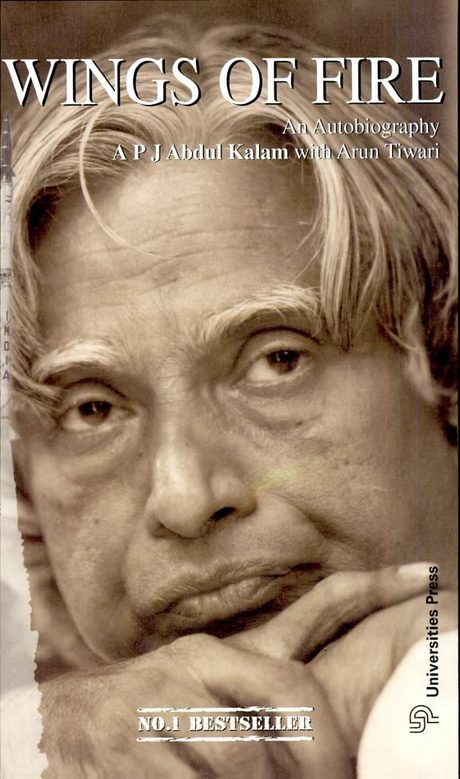
How a boy who sold newspapers in Rameswaram ended up running India's missile programme, told with no showing off at all.
Kalam wrote this with Arun Tiwari, and it runs from a small house in Rameswaram to the rocket and missile programmes at ISRO and DRDO. He is oddly humble about the whole thing. Failures get as much room as launches, and the teachers and colleagues who shaped him get considerably more room than he gives himself. The English is simple and a little old-fashioned, the chapters are short, and the book runs to about two hundred pages. If somebody in your house refuses fiction on principle, this is usually the one that gets past the door.
Why it is at 16
Sixteenth and the last of the Indian tier. It works on reluctant readers for a reason that has nothing to do with literary quality: they already respect the man, so they give the book a chance they would never give a novel. Once a person has finished one whole book voluntarily, the next is far easier. That is the entire job here.
Read it ifyou prefer true stories and already admire the man
Skip it ifyou want narrative drive, because this is a life told in order
humble, simple, IndianBest for: people who refuse fictionmemoirindiascience
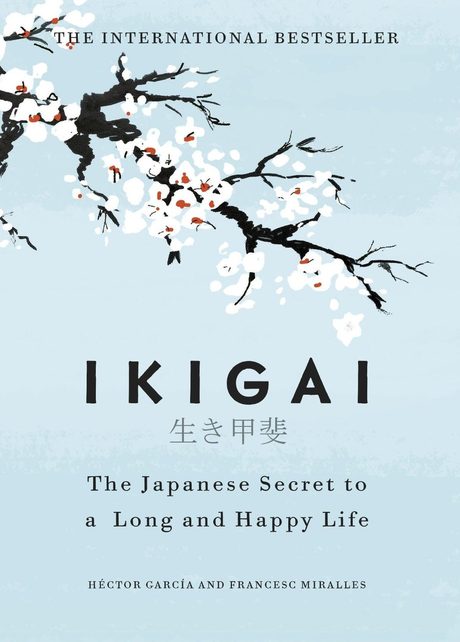
A small, calm book about having a reason to get up, built around conversations in a very long-lived Japanese village.
Héctor García and Francesc Miralles went to Ogimi in Okinawa, a village known for how long its people live, and asked them what keeps them going. The book braids those conversations with Japanese ideas about purpose, some diet, some movement, some notes on flow. It is small, the chapters are short, and there is a lot of white space on every page. Treat it as a pleasant conversation rather than a research paper, because the science in it is thin and the appeal is really the tone: unhurried, kind, and clear that a small reason to get up in the morning is enough.
Why it is at 17
Seventeenth because this is where the page turns to non-fiction, for readers whose real problem is made-up stories. Ikigai is the softest possible landing: no argument to track, no framework to memorise, just short chapters you can take one at a time. It gets criticised for being lightweight and that criticism is fair. As somebody's first non-fiction book in years, lightweight is the correct setting.
Read it ifyou want calm, short non-fiction with nothing to memorise
Skip it ifyou want evidence and rigour rather than a pleasant tone
calm, short, gentleBest for: first non-fiction in yearsnon-fictionjapanpurpose
The most useful how-to book of the last decade, arranged so you can read three pages and go and do something.
Clear's argument is that goals matter far less than the systems you fall back on when you are tired, and the book is a long, practical working out of that idea: make it obvious, make it attractive, make it easy, make it satisfying. Every chapter is short, every idea comes with an example and something to try, and each one ends with a summary. It is the least literary book on this page and by a distance the most immediately usable. You can read it in twenty-minute pieces on a commute and still come away with the whole thing.
Why it is at 18
Last, and the most likely of the eighteen to change something about your actual week. It sits at the bottom because it is the longest non-fiction here and because it asks you to do things rather than only read them. For somebody who has decided reading is a waste of time, this is the direct counter-argument: three hundred pages that pay for themselves inside a fortnight.
Read it ifyou want a book that hands you something to do tomorrow
Skip it ifself-improvement books make you feel lectured at
practical, plain, structuredBest for: people who hate wasting timenon-fictionhabitspractical
These eighteen are not ranked best to worst. They are sorted by how much they ask of you, in five tiers. Tier one is short pieces you can finish in a single sitting. Tier two is novels with an engine, where the plot pulls and you follow. Tier three is grown-up novels that still turn their own pages. Tier four is for Indian readers who were put off by school and want something that sounds like home. Tier five is for people whose problem was never books, it was made-up stories.
Every entry also carries my estimate of the hook page, meaning roughly how far in the book takes over. That is a judgment from my own reading rather than a measurement, and yours will land a few pages either side of mine. It is there for one practical reason. If you know a book grabs at page four, you can promise yourself four pages instead of a whole novel, and four pages is a promise you will actually keep.
Worth knowing
Why you probably do not hate reading
Three things create a person who says they do not read. The first is a bad first book, usually assigned, usually with a slow opening and a vocabulary chosen to be tested. The second is speed: school teaches reading as comprehension, so people read every word as though a question is coming, which turns a three-hundred-page novel into a three-hundred-page exam. The third is the phone, which has trained every one of us, me very much included, to expect a small reward every eight seconds.
None of those are permanent conditions. The fix for the first one is this page. The fix for the second is to let yourself skim and to stop sounding words out in your head. The fix for the third is a rule I use on myself: the phone goes into another room, not face down on the table, because face down still counts as present in the room.
Worth knowing
Permission to quit a book
Give a book thirty pages. If it has not taken hold by then, close it, start the next one, and feel nothing about it. Nobody hands out medals for finishing a novel you were not enjoying, and forcing yourself through a bad match is the most common single reason people stop reading altogether.
That is also why every entry here carries a skip line. Half the work of building a reading habit is learning which books are not for you, and learning it quickly, before a wrong choice costs you a whole month.
People also ask
Questions, answered
What is a good book for someone who doesn't like reading?
The Curious Incident of the Dog in the Night-Time, for most adults. The narrator is a fifteen-year-old who thinks in numbers, so the voice keeps you curious, the chapters are short, and a mystery runs underneath the whole thing. If you want something shorter still, Sudha Murty's Wise and Otherwise gives you complete true stories two pages at a time. If the only stories you finish are thrillers on a screen, start with The Silent Patient instead.
How do I start reading if I have never finished a book?
Pick something short, read at the same time every day, and give yourself permission to stop. Twenty minutes before sleep, the phone in another room, a book under two hundred pages, and a standing rule that thirty dull pages means you switch books rather than quit reading. The first finished book is the whole game. After one, your head stops filing reading under things other people do, and the second book costs you half the effort of the first.
What are the shortest books on this list?
Animal Farm runs under a hundred and fifty pages and is a complete novel. Wise and Otherwise, Malgudi Days and The Adventures of Sherlock Holmes are all short stories, so you can finish something in ten minutes without committing to anything larger. Holes and The Alchemist are short novels you can cover across two evenings. The long ones here, meaning Gone Girl and The Kite Runner, should wait until you have two or three shorter finishes behind you.
Do audiobooks count as reading?
Yes. If the point is getting stories and ideas into your head, listening does that job. Print has one real advantage, which is that your eye can slow down and go back over a sentence, and that matters far more for dense non-fiction than for a thriller. Plenty of people rebuild the habit on a commute by listening first and reading later. If audio is what gets you through your first book this year, it is your first book.
Which books should a non-reader avoid at the start?
Anything with a slow first fifty pages, however great it is. In practice that means most prize winners, most nineteenth-century novels, and any book somebody recommends with the words it takes a while to get going. Also avoid whatever you were made to study in school, at least for now. Come back to those in two years, once you read for pleasure, and they will feel like completely different books.
How long should I give a book before giving up on it?
Thirty pages, or one hour, whichever arrives first. If it has not taken over by then it is a bad match rather than a personal failure, and the right response is to start the next book immediately instead of stopping altogether. Every entry on this page carries a hook-page estimate for exactly that reason. A book that grabs on page four only needs you to promise it four pages.
Before you go
What to read tonight
If it is tonight and you want to actually finish something, take Wise and Otherwise or Malgudi Days and read three pieces before you sleep. Three complete stories in twenty minutes beats fifty pages of a novel you will abandon on Thursday. If you want a whole book done by Sunday, it is The Curious Incident of the Dog in the Night-Time, and if the only stories you ever finish are crime shows, it is The Silent Patient.
After the first one, do not jump straight to the classic you feel you ought to be reading. Take a second book from the same tier, then move up one. The habit is the thing you are building here, not the reading list, and a habit only survives if the next book is easy enough to keep it alive.