My wife and her mother can have a full-scale fight on a phone call about whether the daal had enough salt. Ten minutes, both of them furious, and neither one is talking about daal. I used to think this was a quirk of one family. Then I started reading for this list and found the same fight running through a hundred years of books, wearing a different outfit each time.
Almost every one of these books is told by the daughter. The mother arrives as weather: a mood in the next room, a voice on the phone, a set of rules that nobody wrote down and everybody follows. So I kept asking one question of each book. Does the mother get a hearing? Does she get to give her version, in her own voice, with her own reasons, or is she only ever the accused?
That question decided the order. Books that hand the mother a microphone sit near the top, even the difficult ones, because they do the thing a daughter cannot do alone. They turn her into a person who had a whole life before you showed up and opinions you never asked for. Books where she stays a force of nature sit lower, and several of those are terrific reads. Sixteen books, best first, with quick picks below for anyone standing in a bookshop at four percent battery.
How I picked these
- A real mother and daughter spine, not a mother in the background. That is why The Bell Jar and Pachinko are missing even though there is a mother in both.
- The hearing test set the order: the more of the mother a book is willing to show you, the higher it sits, everything else being equal.
- Fiction and memoir both count, plus one graphic memoir, because the shape of the page changes what a daughter is able to admit.
- Four Indian and Indian diaspora books stayed in. A few more got cut because they turned out to be about marriage rather than about mothers.
- Every title was checked through Google Books and Open Library with a real cover and a real edition, so nothing here is a ghost listing.
- The harsh ones stay, with content notes. Making this subject gentle would be a lie about the subject.
The whole list at a glance
All 16 books, in order
| # | Book | Author | Year | Vibe | Best for |
|---|
| 1 | Crying in H Mart | Michelle Zauner | 2021 | tender, sharp, hungry | readers new to memoir |
| 2 | The Joy Luck Club | Amy Tan | 1989 | generational, warm, structured | readers who like linked stories |
| 3 | Burnt Sugar | Avni Doshi | 2020 | cold, precise, unnerving | readers who like difficult narrators |
| 4 | Difficult Daughters | Manju Kapur | 1998 | patient, historical, quietly angry | readers of Indian family sagas |
| 5 | My Name Is Lucy Barton | Elizabeth Strout | 2016 | spare, restrained, aching | one evening, under 200 pages |
| 6 | The Woman Warrior | Maxine Hong Kingston | 1976 | mythic, combative, strange | readers who like formally odd memoir |
| 7 | The Far Field | Madhuri Vijay | 2019 | cool, guilty, unresolved | readers of literary fiction |
| 8 | Beloved | Toni Morrison | 1987 | haunted, dense, enormous | patient, experienced readers |
| 9 | Little Fires Everywhere | Celeste Ng | 2017 | suburban, tense, propulsive | book clubs and holidays |
| 10 | Tomb of Sand | Geetanjali Shree | 2018 | playful, digressive, huge | patient readers of translations |
| 11 | Are You My Mother? | Alison Bechdel | 2012 | cerebral, wry, unresolved | graphic memoir readers |
| 12 | Wild | Cheryl Strayed | 2012 | raw, physical, self-aware | readers who want movement |
| 13 | White Oleander | Janet Fitch | 1999 | sun-bleached, cruel, addictive | long dark coming of age |
| 14 | I Know Why the Caged Bird Sings | Maya Angelou | 1969 | warm, furious, formal | classic memoir readers |
| 15 | The Push | Ashley Audrain | 2021 | cold, anxious, propulsive | thriller readers |
| 16 | Sharp Objects | Gillian Flynn | 2006 | hot, nasty, claustrophobic | crime readers |
The list
The books, ranked
1
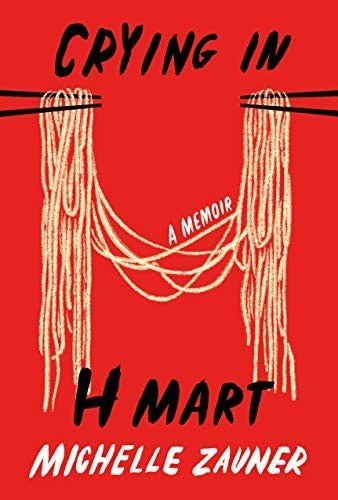
Her daughter's version, and she says so
Crying in H Mart
Michelle Zauner2021about 256 pages
A daughter loses her mother to cancer and tries to hold on to her through Korean food, one dish at a time.
Michelle Zauner grew up in Oregon with a Korean mother whose love arrived as criticism and as food, mostly food. When her mother is diagnosed with cancer, Zauner moves home, cooks for her, fails to save her, and afterwards keeps finding herself in the aisles of H Mart, the Korean supermarket chain, crying next to the banchan. The book moves between a difficult childhood, one brutal year of caregiving, and the odd comfort of learning to make jatjuk from a video because the person who knew the recipe is gone.
Why it is at 1
First because it is the most honest book here about the two things daughters rarely say in the same breath: I could not stand her, and I would give anything for one more afternoon. Zauner does not tidy her mother into a saint after the funeral, and she keeps every sharp edge in. It is also the easiest way into this list, and the food gives your hands somewhere to go.
Read it ifyou want a grief memoir that is also about food, family and being an immigrant's child
Skip it ifyou are in the first months of losing a parent, because this one goes straight at it
tender, sharp, hungryBest for: readers new to memoirmemoirgriefkorean americanfood
Heads up: cancer, caregiving and the death of a parent
Pairs with: Wild at rank 12, which is the same loss handled by walking instead of cooking
2

Both sides, chapter by chapter
The Joy Luck Club
Amy Tan1989about 290 pages
Four Chinese mothers, four American daughters, and a structure that lets each side explain herself without being interrupted.
Four women meet in San Francisco to play mahjong, eat and tell stories. Their daughters, born in America, hear the stories as nagging. Tan builds the book so the mothers narrate their own chapters, which means you get the childhood in wartime China, the first marriage, the babies left behind, all the things sitting behind a piece of advice about a boyfriend. Then the daughters narrate theirs, and you watch the same conversation from the other end of the table, where it sounds like a completely different conversation.
Why it is at 2
Second, and it would be first if it went down as easily as Zauner. The structure is the argument of this whole list turned into a book: give both women a chapter and the fight stops looking like a fight and starts looking like a translation problem. My one complaint is that a few of the eight voices blur together on a first read.
Read it ifyou have heard 'you will understand when you are older' and wanted the actual explanation
Skip it ifbooks with many narrators and no map at the front lose you
generational, warm, structuredBest for: readers who like linked storieschinese americanmotherslinked stories
3
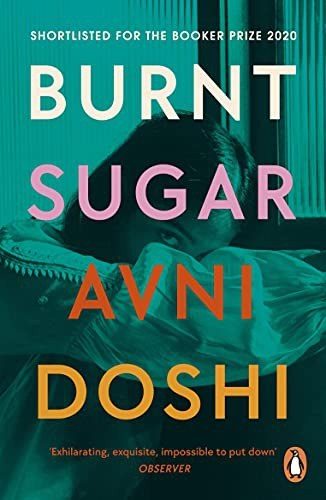
Her daughter's version, and the daughter is unreliable
Burnt Sugar
Avni Doshi2020
Antara's mother is losing her memory, which is inconvenient, because Antara has spent her life waiting to be remembered properly.
Tara left her husband, took her small daughter to an ashram, spent a stretch on the streets of Pune, and never once behaved like the other mothers in the neighbourhood. Now Tara has dementia, and Antara, grown up and married and painting the same face over and over, has to look after her. The problem is that Antara's evidence is disappearing. The woman who did all of it can no longer confirm any of it. Doshi writes in cold short sentences that keep pulling you closer than is comfortable. It came out in India first as Girl in White Cotton.
Why it is at 3
Third because it is the best Indian novel on this subject and the least forgiving book here. Zauner reaches for a mother after death. Antara wants an apology while hers is still alive and losing the ability to give one. Doshi was shortlisted for the Booker for it, and the ruthlessness that earned the nod is on every page.
Read it ifyou want the Indian mother-daughter novel with the sentiment stripped out
Skip it ifyou need a character to like, because Antara is not offering that
cold, precise, unnervingBest for: readers who like difficult narratorsindian fictiondementiaunreliable narrator
Heads up: dementia, caregiving and an unsparing account of childhood neglect
4
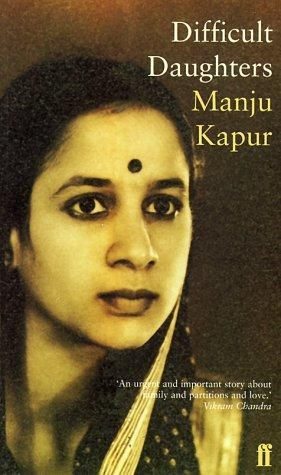
Both sides, one of them assembled after the funeral
Difficult Daughters
Manju Kapur1998about 227 pages
A daughter goes back to Amritsar to work out who her mother was before Partition, before the affair, before the disappointment.
Ida's mother Virmati has died, so Ida returns to Amritsar to piece her life together. What she finds is a young woman in the 1940s who wanted an education, fell in love with a married professor, and spent years being punished for both by a family with a different plan. Most of the novel sits inside Virmati's life rather than Ida's, so you meet the mother as a young woman making choices, not as the tired woman who later disapproved of everything. Partition arrives in the background and rearranges the lot of them.
Why it is at 4
Fourth because it takes the hearing test literally: the daughter opens the book, then steps aside and lets her mother's life run for three hundred pages. Read next to Burnt Sugar it is the mirror image, one daughter demanding an answer from a living mother, the other assembling one from a dead one. Kapur's prose is plain and unshowy, which some readers find flat.
Read it ifyou want a north Indian family novel where the mother is the main character
Skip it ifyou want fireworks in the sentences and not only in the situation
patient, historical, quietly angryBest for: readers of Indian family sagasindian fictionpartitionamritsar
5

Five days of talking, nothing said
My Name Is Lucy Barton
Elizabeth Strout2016about 156 pages
A mother sits at the foot of her adult daughter's hospital bed for five days and gossips about the neighbours, never about them.
Lucy is stuck in a New York hospital for nine weeks after a complication from surgery. Her mother, who she has not spoken to in years, arrives from Illinois and takes the chair at the end of the bed. For five days she talks about people from their small town, marriages that failed, who moved away. She does not mention the poverty they came from, or the truck, or what happened in that house. Strout writes it in short chapters and plain language, and the important conversation happens entirely in the gaps.
Why it is at 5
Fifth, and the one I would give anybody who says they have no time. It runs under two hundred pages and it does something the longer books cannot: it shows a mother and a daughter who love each other and still cannot say one true sentence out loud. That situation is far more common than estrangement and far less written about.
Read it ifyou like quiet books that keep the big scene offstage
Skip it ifyou want the confrontation to actually happen on the page
spare, restrained, achingBest for: one evening, under 200 pagesamerican fictionshort novelestrangement
Heads up: childhood poverty and abuse, referred to rather than shown
6

The mother's stories become the book
The Woman Warrior
Maxine Hong Kingston1976about 225 pages
A daughter builds her memoir out of her mother's talk stories, then argues with those stories on the page.
Kingston grew up in a California laundry listening to her mother Brave Orchid tell stories: an aunt back in China who was driven to a well, a woman warrior who trained in the mountains, ghosts who had to be fought. The book takes those stories, retells them, doubts them, and uses them to work out what a Chinese American girl in the 1960s is meant to do with a mother who is both terrifying and heroic. One chapter belongs to Brave Orchid's own years as a doctor in China, and it is the finest thing in the book.
Why it is at 6
Sixth because no other book here is so openly built out of the mother's voice while also fighting it. The ending passes a story back and forth between the two of them, which is the whole idea of this list in one gesture. It is fifty years old and it moves between memoir and myth without warning, so go in expecting a book that refuses to walk in a straight line.
Read it ifyou like memoir that bends into myth and does not explain itself
Skip it ifyou want a clear timeline and a narrator who tells you what is real
mythic, combative, strangeBest for: readers who like formally odd memoirmemoirchinese americanclassic
7
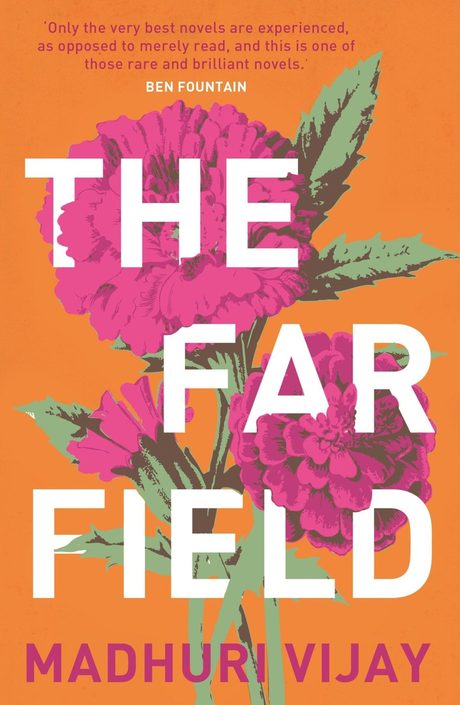
The mother is dead and still driving
The Far Field
Madhuri Vijay2019about 429 pages
After her mother dies, a rich and aimless Bangalore woman goes looking in Kashmir for the salesman who once made her mother laugh.
Shalini is thirty, her mother has died, and she has no idea what to do with herself. Her memory keeps returning to Bashir Ahmed, a Kashmiri clothes seller who used to visit their Bangalore flat and tell stories, and around whom her mother came alive. So Shalini heads north to find him, arrives in a village with no understanding of what she is walking into, and starts making decisions whose consequences she will never have to live with. Her mother is on almost every page without appearing in a single present-day scene.
Why it is at 7
Seventh because it is the sharpest book here on one specific kind of daughter, the one who cannot tell where her mother's unhappiness ended and her own began. Vijay also refuses to let her narrator off the hook, which is rarer than it should be. Fair warning that this is as much a Kashmir novel as a mother novel, and it will comfort you about neither.
Read it ifyou want the mother thread running inside a serious political novel
Skip it ifyou want the mother to be the only subject on the page
cool, guilty, unresolvedBest for: readers of literary fictionindian fictionkashmirgrief
Heads up: armed conflict in Kashmir, disappearances and violence against civilians
8
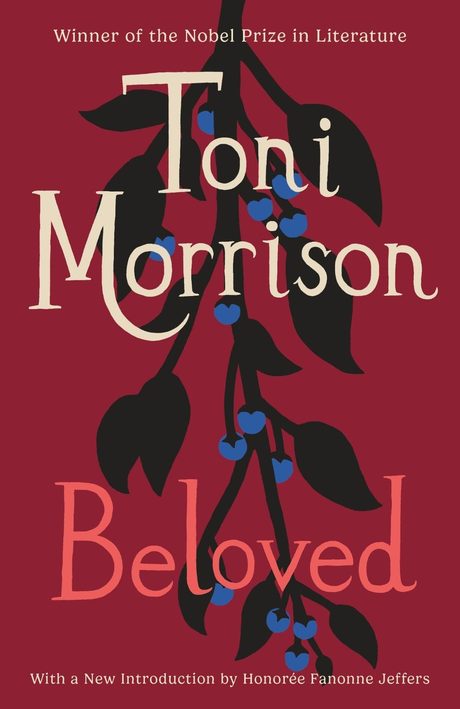
The mother explains herself, and it still will not settle
Beloved
Toni Morrison1987about 294 pages
An escaped enslaved woman is haunted by the daughter she killed rather than let her be taken back, and the house knows it.
Sethe lives outside Cincinnati after the Civil War with her surviving daughter Denver and a ghost. Years earlier, when the slave catchers came, she did the thing the whole novel circles: she tried to kill her children rather than let them be carried back, and one of them died. Then a young woman calling herself Beloved turns up, and the household starts bending around her. Morrison gives Sethe her own reasoning at length and in her own words, which is the hardest possible version of the hearing this list keeps asking for.
Why it is at 8
Eighth, and the most important book here even though it is not the one I would start you on. Every other mother on this list is judged by ordinary standards. Sethe is judged inside a system designed to make motherhood impossible, and Morrison makes you sit with a loving mother who did this. The prose asks for your full attention and the timeline moves in circles.
Read it ifyou are ready for the hardest and the greatest book on this list
Skip it ifyou want a straight story, or you cannot read about violence to children
haunted, dense, enormousBest for: patient, experienced readersamerican classicslaveryghost story
Heads up: slavery, sexual violence and the killing of a child
9
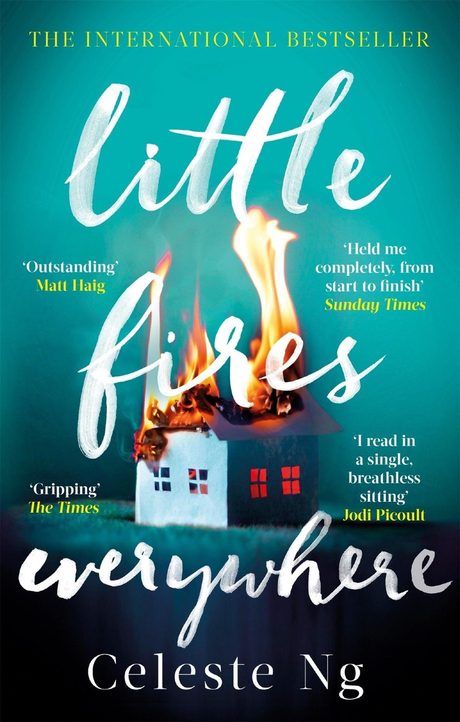
Four mothers, and one of them in court
Little Fires Everywhere
Celeste Ng2017about 360 pages
In a planned Ohio suburb, two families collide over a custody case, and every mother in town takes a side.
Elena Richardson runs her life and her four children on rules that have always worked. Mia Warren, an artist, rents her spare house and lives by no rules at all, with her teenage daughter Pearl in tow. When a local couple adopts an abandoned Chinese American baby and the birth mother comes back to claim her, the neighbourhood splits, and Elena starts digging into Mia's past. Ng writes short chapters and moves through everyone's head, so you get four different definitions of a good mother, each one convinced of itself.
Why it is at 9
Ninth because it is the most readable book here and it argues the hardest. Turning the question of who deserves a daughter into an actual custody hearing is a neat piece of engineering. It is also the most plot-driven entry, so it does not cut as deep as the top five, and Elena is written a shade too tidily as the one in the wrong.
Read it ifyou want this theme inside a novel you will finish over a long weekend
Skip it ifyou want ambiguity, because this book tells you who is right
suburban, tense, propulsiveBest for: book clubs and holidaysamerican fictionadoptionclass
10

The mother walks off with the novel
Tomb of Sand
Geetanjali Shreetranslated by Daisy Rockwell2018about 546 pages
An eighty-year-old widow turns her face to the wall, then gets up, borrows a cane, and sets off for Pakistan with her daughter behind her.
After her husband dies, Ma takes to her bed and stops facing the room, and everybody assumes this is the end. Instead she gets up as somebody else, moves in with her unmarried daughter Beti rather than her respectable son, makes a friend the family does not approve of, and eventually insists on crossing the border to a place she has not spoken about since 1947. Shree writes in a voice that wanders, jokes and lets crows and doors and roads have their say, and the translation carries all of it into English without flattening it.
Why it is at 10
Tenth because it is the only book here where the mother takes the whole novel and leaves the daughter looking like the boring one. Beti thinks of herself as the free modern woman until her eighty-year-old mother starts making choices that make her look conventional. It won the International Booker in 2022. It is also long and digressive, so treat it as a project rather than a weekend.
Read it ifyou want a big funny strange novel where the old woman is the hero
Skip it ifyou want a plot that moves in a straight line at a normal speed
playful, digressive, hugeBest for: patient readers of translationshindi translationpartitionold age
11

A daughter tries to interview her way in
Are You My Mother?
Alison Bechdel2012about 299 pages
The Fun Home cartoonist turns to her living mother and finds that the harder parent is the one who can answer back.
After writing a book about her father, Bechdel spent years on this one about her mother, and the making of it sits inside the book. She draws their phone calls, her own therapy sessions, her dreams, and long stretches of Donald Winnicott, the analyst who wrote about good enough mothers. Her mother, a sharp woman who acted in local theatre and read everything, reads the drafts, comments and withholds. The result is a graphic memoir that is honest about a daughter drawing an entire book and still not getting the sentence she wanted.
Why it is at 11
Eleventh because it is the most interesting failure on this list, and it fails on purpose. Every other book gets somewhere. Bechdel keeps reaching and keeps being handed a polite change of subject, which is what most of these relationships actually look like from the inside. The psychoanalytic theory is heavy, and if Winnicott bores you the book will drag.
Read it ifyou like comics that think, and you do not need a resolution at the end
Skip it ifyou have no patience for psychoanalysis, which fills a third of the pages
cerebral, wry, unresolvedBest for: graphic memoir readersgraphic memoirpsychoanalysistherapy
12
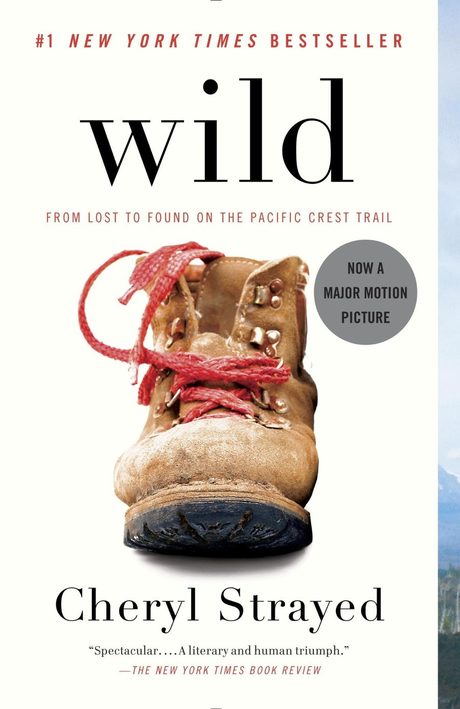
Grief with a rucksack
Wild
Cheryl Strayed2012about 337 pages
Her mother dies at forty five, her life comes apart, and she walks eleven hundred miles up a mountain trail to see what is left.
Strayed was twenty two when her mother was diagnosed with lung cancer and died within weeks. Four years later she had wrecked her marriage, was using heroin and had no plan, so she bought a rucksack she could barely lift and started walking the Pacific Crest Trail alone. The hiking chapters are funny about her own incompetence, the boots that destroy her feet, the food she cannot afford. The mother chapters are why the book exists: a young single mother who was cheerful in a way that embarrassed her daughter, and whose death removed the floor.
Why it is at 12
Twelfth because the mother is the engine of the book without being its subject, and this list rewards books that keep her in frame. What it does better than anything else here is the particular grief of losing a mother young, before you have had the arguments you were saving up. The trail sections can feel repetitive if outdoor writing does nothing for you.
Read it ifyou lost a parent early and want company rather than advice
Skip it ifyou dislike memoirs where the author is the hero of her own redemption
raw, physical, self-awareBest for: readers who want movementmemoirgriefhiking
Heads up: parental death, heroin use and infidelity
13

She speaks, but only in letters from prison
White Oleander
Janet Fitch1999about 400 pages
Her mother poisons a boyfriend and goes to prison, and twelve-year-old Astrid is passed from one Los Angeles care home to the next.
Ingrid Magnussen is a poet, beautiful, contemptuous of ordinary life and certain she is right about everything. When a man leaves her she kills him, and her daughter Astrid enters the Los Angeles care system at twelve. Each house offers Astrid a different model of what a woman can be, and each one gets tested against the letters arriving from prison, which are brilliant and cruel and built to make sure no other woman ever gets a grip on her daughter. Fitch writes Los Angeles heat and cheap apartments better than almost anyone.
Why it is at 13
Thirteenth because it is the purest study here of a mother who wants her daughter to have nobody else. Ingrid does speak, but only through letters, which is a smart way of showing how a mother can run a life from several hundred miles away. It is a long novel and the structure of one placement after another turns episodic through the middle third.
Read it ifyou want a big hot dramatic novel about escaping your mother's voice
Skip it ifnineties literary melodrama wears you out
sun-bleached, cruel, addictiveBest for: long dark coming of ageamerican fictionchildren in carecontrolling parent
Heads up: murder, abuse inside the care system and violence against a child
14

A mother who arrives late and arrives fully
I Know Why the Caged Bird Sings
Maya Angelou1969about 308 pages
Angelou's account of a childhood in Arkansas and St Louis, and of a glamorous mother who was mostly somewhere else.
Maya and her brother Bailey are put on a train as small children and sent to their grandmother in Stamps, Arkansas, while their parents get on with their lives in the cities. The book is about that town, that grandmother, the store, the church and the racism of the American South in the 1930s. It is also about Vivian Baxter, the mother who reappears in St Louis, glamorous and unreliable, and later in San Francisco as somebody who takes her daughter seriously at exactly the right moment. Angelou writes childhood without shrinking it.
Why it is at 14
Fourteenth because the mother thread shares this book with a grandmother, a brother and an entire town, so it cannot sit at the top of a list about mothers and daughters. It earns its place because Vivian is one of the few mothers in the genre allowed to be a bad parent early and a very good one later without the book calling it a redemption arc.
Read it ifyou want a classic memoir where the mother is one strong thread among several
Skip it ifyou want a book that is entirely about the mother
warm, furious, formalBest for: classic memoir readersmemoirclassicamerican south
Heads up: the rape of a child, and racist violence
15

Three generations, one narrator
The Push
Ashley Audrain2021
A new mother is certain something is wrong with her daughter, and everyone around her is certain the problem is the mother.
Blythe grew up with a mother who left and a grandmother who was worse, so when her own daughter Violet arrives she watches herself for the signs. Then she starts watching Violet. The book alternates between Blythe's account of a marriage coming apart and short chapters about her mother and her grandmother, which is where it gets interesting: three women in a line, each convinced she is the exception. Audrain writes it as a domestic thriller, addressed throughout to the husband who stopped believing her.
Why it is at 15
Fifteenth because it is doing something honest inside a commercial thriller shape. It asks whether the coldness a woman inherits simply gets handed down again, and it declines to answer. The short chapters about the grandmother are better than the main plot. Take it as a fast read with one real idea rather than as a literary novel.
Read it ifyou want the theme in a book you can finish on a flight
Skip it ifyou are a new parent, because this will get inside your head
cold, anxious, propulsiveBest for: thriller readersthrillermotherhoodinheritance
Heads up: the death of a child and severe distress after childbirth
16
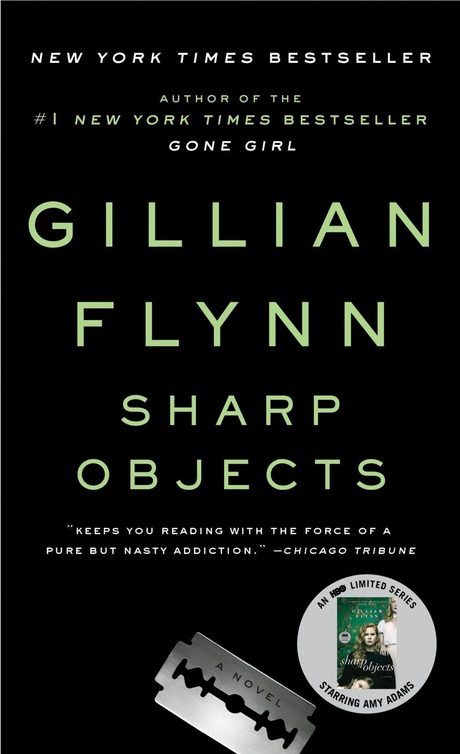
The mother never speaks for herself
Sharp Objects
Gillian Flynn2006about 254 pages
A reporter goes home to a Missouri town to cover two murders and has to sleep in her mother's house while she does it.
Camille Preaker cuts words into her own skin and drinks to keep them quiet. Her editor sends her back to Wind Gap, the town she escaped, to report on two dead girls, which means her childhood bedroom and the constant attention of Adora, her mother, who runs the grandest house in town and the most careful performance of concern in it. Flynn keeps the story tight and mean, and the crime plot mostly exists to keep Camille in that house long enough for you to work out what kind of mothering went on there.
Why it is at 16
Sixteenth and last because Adora never gets a page of her own. You only ever see her from inside her daughter, which is exactly what a thriller needs and the opposite of what the books at the top of this list do. Read it for the atmosphere and the nerve rather than for understanding. It is the quickest route into the theme for someone who normally reads crime.
Read it ifyou read thrillers and want one where the mother is the real case
Skip it ifself-harm on the page is not something you can read right now
hot, nasty, claustrophobicBest for: crime readersthrillerself-harmsmall town
Heads up: self-harm described in detail, harm to children, and heavy drinking
Worth knowing
The hearing test, and why it changed the order
Here is the test I ran on every book. Close it, and ask whether you could argue the mother's side out loud, using her reasons and something close to her words. If you can, the book gave her a hearing. If all you are holding is a list of what she did to the narrator, it did not, and that is a decision the writer made, sometimes a very good one.
Five books pass outright, and they are all near the top. Tan, Kapur, Kingston, Shree and Morrison put the mother's own life on the page at full length. The middle of the list is daughters who know they are giving one side and say so, which is its own kind of honesty. The bottom is not a punishment. Flynn and Fitch keep the mother sealed because the fear needs her sealed, and it works. Just do not go there hoping to understand your own mother better.
Worth knowing
If your mother is still alive
If you are reading this list to prepare for a conversation, take one thing from it. These books are far better at making you generous than at making you right. I read them as a son, from the next room, and the ones that stayed with me were the ones where the mother turned out to have had a whole life running while her daughter was busy being the main character of the house. Ask your mother about the year before you were born. It will do more for you than any argument.
One plain thing, because self-harm, grief and distress after childbirth all turn up on this list. A book is not treatment. If any of these opens something you cannot close on your own, stop reading and talk to a doctor or a counsellor you trust.
People also ask
Questions, answered
What is the best book about mothers and daughters?
Crying in H Mart by Michelle Zauner, for most readers. It is a memoir, so nothing is invented, and it holds resentment and love in the same paragraph without choosing between them. If you want fiction instead, The Joy Luck Club is the better made book, because Amy Tan gives the mothers their own chapters and lets them answer the daughters back. Burnt Sugar is the pick if you want the Indian version with no comfort in it at all.
Which Indian books about mothers and daughters should I read?
Three, and they do different jobs. Burnt Sugar by Avni Doshi is the cold contemporary one, about a daughter looking after a mother with dementia she never forgave. Difficult Daughters by Manju Kapur reconstructs a mother's youth around Partition and is the warmest of the three. Tomb of Sand by Geetanjali Shree, translated by Daisy Rockwell, is the funniest and the longest, and the mother in it is more alive at eighty than her daughter is at fifty.
Are any books about mothers and daughters actually happy?
Not many, and I would be lying if I dressed one up for you. Conflict is what makes the story, so publishers rarely buy the peaceful version. The closest here are Tomb of Sand, which is genuinely funny for long stretches, and The Joy Luck Club, which ends in something like understanding. Little Fires Everywhere is entertaining rather than heavy. If you want gentle, that is the order to try.
What should I read if my mother has just died?
Wait a few months if you can, then start with Crying in H Mart or Wild. Both are by daughters writing after the fact, both are honest about relief sitting next to grief, and neither one preaches. Avoid Beloved and The Far Field for now, since both put a dead mother inside a much larger horror. If reading anything at all feels impossible right now, that is normal, and no book is going to be the fix.
Is Sharp Objects really a book about mothers and daughters?
Yes, and the murder plot is close to a delivery mechanism for it. Everything that matters in the novel happens between Camille, her mother Adora and her half sister, inside one house. It sits last here only because the mother never gets to speak for herself, which is the axis this list is ranked on. As a novel it is superb, and it is the fastest read of the sixteen.
Where do I start if I do not read much literary fiction?
Start with Little Fires Everywhere, which moves quickly and gives you four mothers to argue about. Then read My Name Is Lucy Barton, which is short and plain on the surface and will surprise you with how much it holds. After those two, Crying in H Mart will land properly. Leave Beloved and The Woman Warrior until you have some reading momentum, because both ask for real attention.
Before you go
What to read tonight
If it is late and you want to start something tonight, start with Crying in H Mart, and keep food nearby, because it will make you hungry before it makes you cry. If you are choosing between the two Indian novels, the tiebreak is simple: Burnt Sugar when you want to be unsettled, Difficult Daughters when you want to understand a whole generation of women who were told no.
Once you have read three or four of these, do the part the books cannot do for you. Call her, or sit with her, and ask about something from before you existed. A job she liked, a friend she lost, the first flat she rented. Half of what makes these books hurt is that the daughter starts asking her questions only after the answers have stopped being available.
Keep going
Lists that pair with this one
Mood & Life
The 13 Best Books About Siblings, Ordered by What They Fight Over
Not ranked best to worst: ordered from the fights you have had with your own brother or sister to the ones you can only read about.
Mood & Life
14 Books About Fathers and Sons, Ranked by Distance
Novels, memoirs and one play, each tagged with how far apart the two men are, from sharing a room to standing at a grave.
Mood & Life
16 Books About Grief, Sorted by the Job You Need Them to Do
Most grief books fail because they arrive at the wrong moment, so I sorted these by what they actually do for you: sit with you, explain you, or tell you what to do.
Indian Fiction
20 Best Books by Indian Women Authors, From 1905 to 2025
Ranked by how hard I would push each one at a stranger, with a door on every book so you know how much patience it asks for.
Mood & Life
19 Best Coming of Age Novels, and the Right Age to Read Each
Every one of these has a window when it lands hardest, so I marked all nineteen and ranked them by how long that window stays open.