At every Indian wedding there is a moment when two brothers who have not spoken in years end up on the same sofa, because an aunt planned the seating and nobody argues with an aunt. Neither of them mentions the land, or the shop, or the sentence said in 2011. They ask after each other's children and pass the sweets and get up after eleven minutes.
Siblings are the longest relationship most of us get. You meet them before you can talk, and you will probably lose your parents together. Yet the family shelf is stacked with mothers, fathers and lovers, and brothers and sisters get the back seat. Going through these thirteen books, I kept noticing the same structure: a good sibling novel is an argument about one object. Not a feeling, an object. Attention, a house, a father's approval, a lover, a kidney, a country.
So that is the order this list runs in, and it is not best to worst. It opens with the fights you have probably had, over who was the favourite and who has to look after the parents, and it closes with the fights nobody wants, over an organ in a courtroom and a history that split two sisters across an ocean. Best overall is in the quick picks below, along with the short one and the Indian ones.
How I picked these
- The siblings had to be the spine, not the wallpaper. That cut a stack of famous family novels where the brother exists to have an opinion in chapter nine.
- One book per fight. Where two novels argued over the same object, I kept the one that hurt more.
- Cousins raised as siblings did not qualify, so no We Were Liars and no Sister of My Heart, both of which are good. If a book has to explain the relationship, it is not a sibling book.
- Four of the thirteen are Indian, and four more come from Korea, Nigeria, Ghana and Chinese America, because joint families and migrating families produce sibling fights that English and American fiction rarely gets near.
- Every title was checked through Google Books and Open Library with a real cover and a real edition, so nothing here is a listing that does not exist.
The whole list at a glance
All 13 books, in order
| # | Book | Author | Year | Vibe | Best for |
|---|
| 1 | Little Women | Louisa May Alcott | 1868 | warm, domestic, nostalgic | comfort reading |
| 2 | Clear Light of Day | Anita Desai | 1980 | still, hot, unresolved | quiet literary fiction |
| 3 | The Corrections | Jonathan Franzen | 2001 | acid, funny, sprawling | big American novels |
| 4 | Sense and Sensibility | Jane Austen | 1811 | dry, precise, sisterly | classic romance readers |
| 5 | Small Days and Nights | Tishani Doshi | 2019 | coastal, unsentimental, tender | readers of literary fiction |
| 6 | Everything I Never Told You | Celeste Ng | 2014 | sad, quiet, precise | fast literary reading |
| 7 | East of Eden | John Steinbeck | 1952 | biblical, expansive, moral | long summer reading |
| 8 | Cobalt Blue | Sachin Kundalkar | 2006 | hushed, aching, precise | readers of Indian translations |
| 9 | Half of a Yellow Sun | Chimamanda Ngozi Adichie | 2006 | grand, humane, devastating | historical fiction readers |
| 10 | The God of Small Things | Arundhati Roy | 1997 | lush, broken, unforgettable | readers who want a great novel |
| 11 | The Vegetarian | Han Kang | 2007 | cold, surreal, unsettling | one evening, under 200 pages |
| 12 | My Sister's Keeper | Jodi Picoult | 2004 | emotional, courtroom, manipulative | readers who want plot |
| 13 | Homegoing | Yaa Gyasi | 2016 | sweeping, generational, controlled | readers who like linked stories |
The list
The books, ranked
1
The fight: one afternoon of being taken seriously
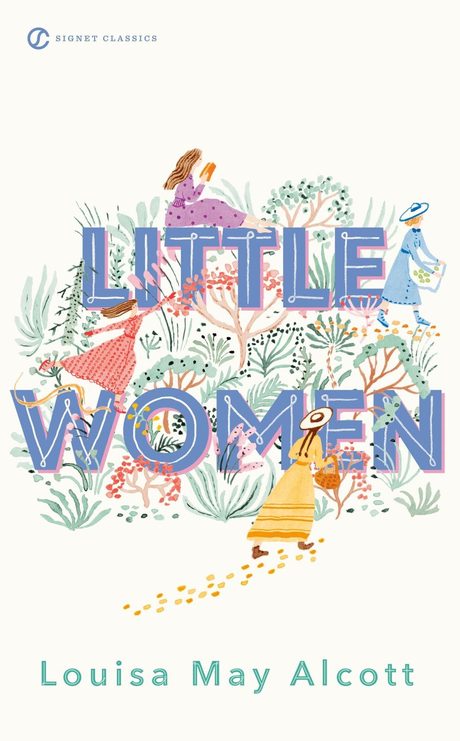
Little Women
Louisa May Alcott1868about 529 pages
Four sisters in a poor New England house during the Civil War, and the most famous act of sibling revenge in English fiction.
Meg, Jo, Beth and Amy March grow up with their father away at the war and their mother running the household on very little. The book follows them across several years through plays in the attic, a rich boy next door, illness, work and marriage. What keeps it alive is that Alcott wrote four sisters who are genuinely unlike each other and let them be unfair. Amy burns the only copy of Jo's manuscript because Jo would not take her to the theatre, and Jo does not forgive her quickly, which is the truest thing in it.
Why it is at 1
First because it is where most readers meet a sibling fight in print, and because the burnt manuscript is the perfect example of the everyday kind. The fight is not about the manuscript at all. It is about who counted that afternoon. This is also the gentlest book here, and the moralising passages have aged badly enough that you can skim them without losing a thing.
Read it ifyou want warmth first and only a little heartbreak
Skip it ifnineteenth century moral instruction makes you itch
warm, domestic, nostalgicBest for: comfort readingclassicsisterscoming of age
2

The fight: who left and who stayed
Clear Light of Day
Anita Desai1980about 190 pages
A sister comes back to Old Delhi from abroad and the house is exactly as she left it, including the sister who never got out.
Tara returns to the family house in Old Delhi with her diplomat husband. Bim, the elder sister, is still there, teaching history, looking after their brother Baba, in the same rooms where all four of them grew up through the summer of 1947. The novel moves backwards, from the polite adult visit to the year the family came apart, and it catches the thing every returning sibling knows: walk into that house and you are fifteen again, and so are they. Nothing dramatic happens and everything is at stake.
Why it is at 2
Second because this is the Indian sibling fight most families will recognise on sight, the unspoken ledger between the child who stayed to look after everybody and the child who moved away and calls on birthdays. Desai gives Bim's resentment its full weight without turning Tara into a villain. If you need a plot, be warned that the book is mostly heat, memory and one house.
Read it ifyou have been the one who left, or the one who did not
Skip it ifyou need forward motion in a story
still, hot, unresolvedBest for: quiet literary fictionindian fictiondelhisiblings
3
The fight: who has to deal with the parents
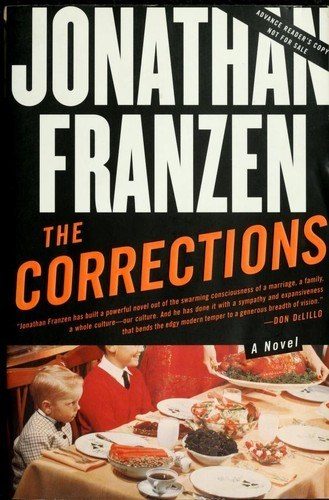
The Corrections
Jonathan Franzen2001
Three adult children are summoned home for one last Christmas while their father's mind goes, and each of them is quietly failing.
Enid Lambert wants her three grown children in the Midwest for Christmas. Gary is a banker managing a depression he refuses to name, Chip has lost his university job and is writing a screenplay nobody wants, Denise is a chef sleeping with the wrong people. Alfred, the father, is disappearing into Parkinson's. Franzen cuts between all of them at length and the comedy is exact and merciless. The sibling material lives in the phone calls and the negotiations about who visits, who pays, and who gets to keep having a life while somebody handles the parents.
Why it is at 3
Third because no other novel is this good on the adult version of the sibling fight, the one conducted entirely through logistics. Nobody says I resent you. They say I cannot get away this week. It is the funniest book on this list and also the longest, and Franzen's contempt for his own characters wears thin in places.
Read it ifyou want dark comedy about a family that cannot be helped
Skip it ifyou need characters to like, or a short book
acid, funny, sprawlingBest for: big American novelsamerican fictionadult siblingsfamily comedy
Heads up: depression, dementia and a lot of bleak comedy about both
4

The fight: none, which is the interesting part
Sense and Sensibility
Jane Austen1811about 264 pages
Two sisters lose their money and their house on the same afternoon and handle heartbreak in completely opposite ways.
When Mr Dashwood dies the estate goes to his son by a first marriage, and his widow and three daughters are moved to a cottage on a small income. Elinor keeps everything in, including her feelings for a man who turns out to be secretly engaged elsewhere. Marianne puts everything out, loudly, in public, at some cost. Austen sets the two methods against each other for the length of a novel and declines to declare an easy winner, though she has firm opinions about which one survives a bad winter. The money is discussed in exact figures.
Why it is at 4
Fourth because it is the odd one out here. The sisters are not in competition, they are two answers to the same question, and each of them is watching the other for evidence. That dynamic is real and fiction usually ignores it. Austen is also the best company on this list. If you have bounced off her before, this one has the least social choreography and the most feeling.
Read it ifyou want sisters who are allies and still full of opinions about each other
Skip it ifregency drawing rooms and entailed estates are a wall you cannot climb
dry, precise, sisterlyBest for: classic romance readersclassicsistersregency
5
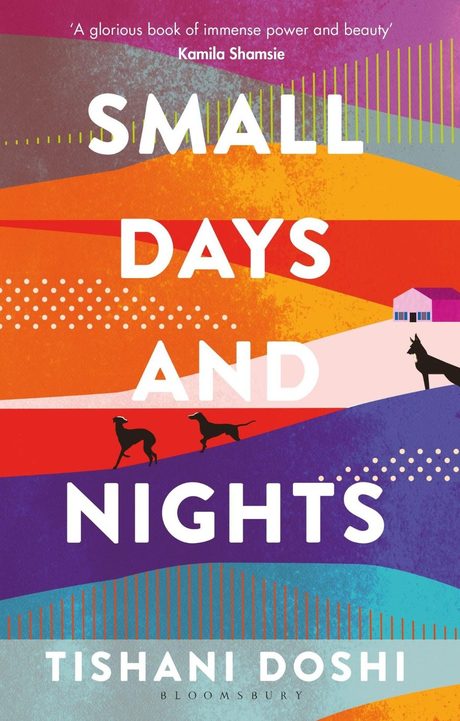
The fight: an inheritance nobody mentioned
Small Days and Nights
Tishani Doshi2019about 273 pages
A woman comes back to India for her mother's funeral and learns she has a sister with Down syndrome, living an hour from Chennai.
Grace leaves a failing marriage in America and returns to Tamil Nadu to deal with her mother's death. What she inherits is a beach house and a sister, Lucia, who has Down syndrome and has spent her life in an institution because her parents decided that was easier. Grace takes her in, and the novel becomes a careful account of the months that follow: the dogs, the neighbours, the money running down, the days that are fine and the days that are not, and the slow discovery that love and duty are not the same substance.
Why it is at 5
Fifth because it is the only book here where the sibling relationship starts in adulthood, from nothing, by force. Everything else on this list is the residue of a shared childhood. Grace has to build one in her forties with a sister who was hidden from her, and Doshi is honest about how much of that job is resentment. Short, hard and very good.
Read it ifyou want a quiet contemporary Indian novel about duty you never signed up for
Skip it ifyou want a warm ending tied off neatly
coastal, unsentimental, tenderBest for: readers of literary fictionindian fictiontamil nadudisability
Heads up: institutional neglect of a disabled adult, and a death in the family
6

The fight: which child the parents were looking at
Everything I Never Told You
Celeste Ng2014about 337 pages
A Chinese American family in 1970s Ohio loses their middle child, and her brother and sister already knew things the parents did not.
Lydia is dead and the police are treating it as a drowning. She was the favourite, pushed towards medicine by her mother and towards popularity by her father, and the weight of being everybody's plan is the real subject. Ng writes the siblings very well. Nath, the older brother, is the only person Lydia could talk to, and he is leaving for college. Hannah, the youngest, watches everything from under tables and is never once asked what she saw. The mystery is thin on purpose. The family is the case.
Why it is at 6
Sixth because Hannah is the best written invisible sibling in modern fiction, and because the book gets one thing exactly right. In a house with a favourite, the other children are not jealous of the love so much as the attention, and they can tell the difference. It reads fast. The parents are drawn a little too neatly for the point being made.
Read it ifyou were the sibling nobody worried about
Skip it ifyou want an actual mystery with clues and suspects
sad, quiet, preciseBest for: fast literary readingamerican fictionchinese americanfavouritism
Heads up: the death of a teenager, and racism in 1970s America
7

The fight: a father's blessing
East of Eden
John Steinbeck1952about 612 pages
Two generations of brothers in California act out Cain and Abel, and each round turns on which son the father actually looks at.
Steinbeck runs two pairs of brothers across fifty years in the Salinas Valley. Charles and Adam Trask fight over their father's approval and a birthday present, and the damage travels into the next generation, where Adam's sons Cal and Aron split into the good one and the one who is sure he is bad. Plenty else happens, including one of the coldest characters in American fiction, but the engine is that moment when a father praises one son in front of the other. The Hebrew word timshel does heavy lifting near the end.
Why it is at 7
Seventh because it is the oldest sibling story there is, told at full length by a writer who believed you can choose not to repeat it. Cal is the character every second child recognises, convinced the badness is inherited and hunting for proof. It is long, it wanders off into essays, and Steinbeck's women are mostly a problem he never solved.
Read it ifyou want the big American family novel about brothers and inheritance
Skip it ifyou have no patience for a sermon or two along the way
biblical, expansive, moralBest for: long summer readingamerican classicbrothersfathers and sons
8

The fight: the same person
Cobalt Blue
Sachin Kundalkartranslated by Jerry Pinto2006about 136 pages
A brother and a sister in a middle class Pune house fall in love with the same lodger, and neither of them knows about the other.
The Joshi family rents out an upstairs room to a young man with no surname and no plans. Tanay, the son, falls for him. Anuja, the daughter, falls for him too, and eventually leaves with him. Kundalkar splits the novel in half. Tanay's section is addressed to the man who left, in second person, and Anuja's is a diary kept after she comes home. The lodger never speaks for himself. What you get is two siblings describing the same person and producing two different men, in a house where none of it can be said out loud.
Why it is at 8
Eighth because it does something nothing else here attempts. It puts a brother and a sister on either side of the same wound and never once lets them compare notes. The Marathi original appeared in 2006, and Jerry Pinto's translation reads as though it was written in English. It is also the best book on this list about a queer child in a respectable Indian family, and it is quietly brutal about that.
Read it ifyou want a short Indian novel about desire, secrecy and a family that will not discuss either
Skip it ifyou need the two halves to meet and resolve
hushed, aching, preciseBest for: readers of Indian translationsmarathi translationqueerpune
Heads up: family rejection of a gay son
9
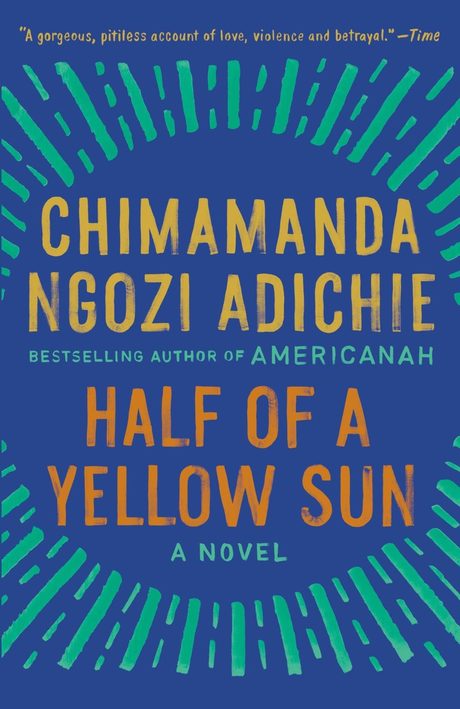
The fight: a man first, then a country
Half of a Yellow Sun
Chimamanda Ngozi Adichie2006about 433 pages
Twin sisters from a wealthy Lagos family are separated by a betrayal and then by the Biafran war.
Olanna and Kainene are twins, educated abroad, daughters of a Nigerian businessman. Olanna is the beautiful one who moves in with a radical university lecturer. Kainene is the sharp one who runs their father's business and takes an English writer as a lover. A betrayal splits them. Then Biafra secedes, the war starts, and everything the family owned, the houses, the staff, the certainty, is taken apart with the sisters on different sides of a moving front line. Adichie writes the domestic and the historical at the same scale, which is why the book holds.
Why it is at 9
Ninth because it is the clearest case here of a fight that gets interrupted by history, and because Kainene is the more interesting twin and Adichie plainly knows it. The reconciliation, when it comes, is not the shape you want. Be warned that the war chapters are relentless and the book does not spare you the famine.
Read it ifyou want sisters inside a great historical novel
Skip it ifyou cannot read about war, starvation and sexual violence
grand, humane, devastatingBest for: historical fiction readersnigeriatwinswar
Heads up: war, famine, massacre and sexual violence
10
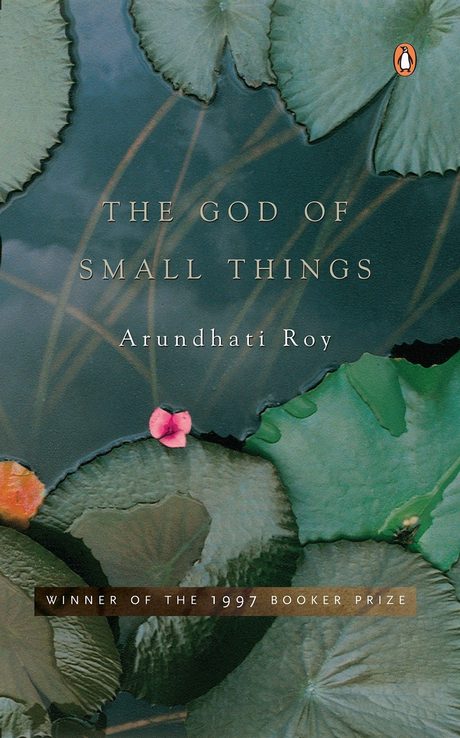
The fight: nothing, and the adults do it to them
The God of Small Things
Arundhati Roy1997about 343 pages
Two-egg twins in Kerala are pulled apart after a death in the family, and the novel circles the fortnight that did it.
Rahel and Estha are seven years old in 1969 in Ayemenem, Kerala, in a family with a pickle factory, a divorced mother and a great deal of anxiety about what people will say. Something happens across one fortnight, and the twins are separated and sent into different lives. They meet again at thirty one. Roy tells it out of order, in a language that invents its own rules, moving between what the children understood at the time and what the adults are left holding. The twins share one mind at seven, and the book is about what breaking that costs.
Why it is at 10
Tenth, and my pick for the best book here, because nobody has written twins better in Indian fiction. It also belongs at this point in the order. The twins never fight over anything at all. The fight is done to them by adults protecting caste, family and property. Roy's style divides people, and if the invented compound words annoy you in the first thirty pages they will annoy you for three hundred.
Read it ifyou want the finest Indian novel about siblings, in prose that takes real risks
Skip it ifnon-linear timelines and playful language put you off
lush, broken, unforgettableBest for: readers who want a great novelindian fictionkeralatwins
Heads up: child sexual abuse, caste violence and the death of a child
11

The fight: a body, and who has to keep it alive
The Vegetarian
Han Kangtranslated by Deborah Smith2007about 160 pages
A woman stops eating meat after a dream, her family treats it as a crisis, and in the end only her sister is left looking after her.
Yeong-hye decides she will not eat meat any more. In her Seoul family this is not a diet, it is a rebellion, and her husband, her father and her brother-in-law each react in ways that make everything worse. The novel comes in three parts with three narrators, none of them Yeong-hye. The last part belongs to In-hye, her older sister, who ends up managing the hospital, the money and the decisions, and who works out somewhere in there that she has spent her entire life being the one who behaved.
Why it is at 11
Eleventh because In-hye is the most exact portrait here of the sibling who copes. She is not saintly about it. She is worn out, half envious of her sister's refusal, and honest enough to admit it. The first two sections are narrated by men and are hard going. Go in knowing this is a short strange book about a body, not a novel about vegetarianism.
Read it ifyou want a short unsettling novel with one of the best final sections in translation
Skip it ifsexual violence and self-starvation are not something you can read now
cold, surreal, unsettlingBest for: one evening, under 200 pageskorean translationsistersshort novel
Heads up: sexual assault, self-harm and disordered eating, all shown directly
12
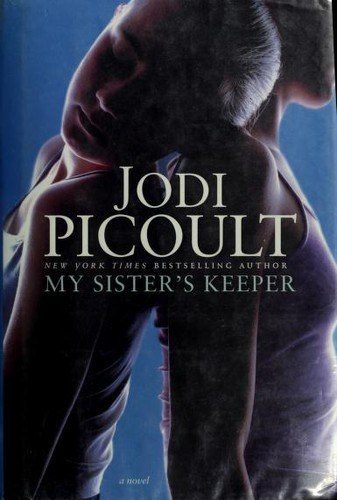
The fight: a kidney, in a courtroom
My Sister's Keeper
Jodi Picoult2004about 432 pages
Anna was conceived to be a donor for her sister's leukaemia, and at thirteen she hires a lawyer and refuses to continue.
Kate has leukaemia. Anna was born as a genetic match for her and has spent thirteen years supplying cord blood, marrow and platelets whenever they were needed. Now a kidney is required, and Anna files for medical emancipation from her parents. Picoult rotates the narration through everybody: the mother who cannot see past her sick child, the father, the brother left to burn down small things unnoticed, and the two sisters. It is a courtroom novel built around one question about whether a child can be an instrument.
Why it is at 12
Twelfth because it is the most literal fight on this list. The object is an organ and the venue is a court. It is also the most manipulative book here, and I say that as somebody who read it in one sitting. The prose is ordinary and the ending has a turn that a lot of readers consider a cheat. Read it for the argument rather than the writing.
Read it ifyou want the sibling ethics question inside a commercial novel that moves
Skip it ifchildhood cancer is not what you want in your evening
emotional, courtroom, manipulativeBest for: readers who want plotcommercial fictionillnesscourtroom
Heads up: childhood cancer, medical procedures on a child, and a bereavement
13
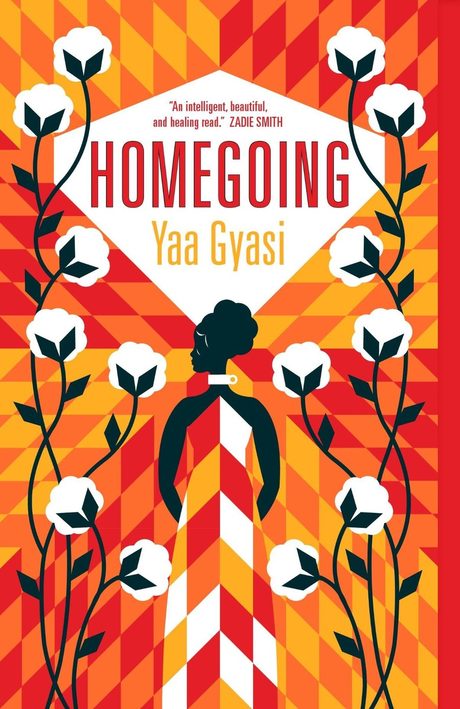
The fight: a history neither sister was told about
Homegoing
Yaa Gyasi2016about 311 pages
Two half sisters in Ghana never meet. One marries a British slaver, the other is sold, and the book follows both lines for three centuries.
Effia and Esi are half sisters born in different villages in what is now Ghana, and neither knows the other exists. Effia is married to the British governor of Cape Coast Castle. Esi is held in the dungeon underneath it and shipped to America. From there Gyasi writes fourteen chapters, one for each descendant, alternating between the two lines, from the Asante wars and the slave castles of the coast to Alabama, Harlem and a California university. Each chapter works almost as a short story, and each one hands you the next.
Why it is at 13
Thirteenth and last because it sits at the far end of the scale this list runs on. There is no argument to have here, no remote control, no property to divide. The two sisters are separated by an institution, and everything after that is consequence. It is the most ambitious book here structurally, and the price of fourteen chapters is that you keep letting go of people you have just started to care about.
Read it ifyou want the largest possible version of what a family split can mean
Skip it ifyou get frustrated when a book leaves a character after thirty pages
sweeping, generational, controlledBest for: readers who like linked storiesghanaslaverygenerational
Heads up: slavery, sexual violence and addiction
Worth knowing
The one object rule
Try it on any novel with a brother or a sister in it. Ask what the two of them are actually fighting over, and be strict about it, because it is almost never the thing they are shouting about. In Little Women the object is one afternoon of being taken seriously. In The Corrections it is a calendar. In My Sister's Keeper it is a kidney, and the object turning literal is exactly why that book sits where it does.
The order runs along that line, from ordinary to extreme, rather than from best to worst. My favourite book here is at number ten and the one I would hand a nervous reader is at number one. If you want a quality ranking instead, my top five are Roy, Desai, Kundalkar, Han and Gyasi, and I will defend that at any wedding you like.
Worth knowing
What is missing, and why
Three books I expected to include and did not. We Were Liars is about cousins, and cousins go home at the end of the summer, which changes the physics of the whole thing. Sister of My Heart by Chitra Banerjee Divakaruni is lovely on two girls raised as sisters, but they are cousins too and the book knows it. Ghachar Ghochar has a brother in it and a superb family, yet its real subject is money changing a household rather than the siblings themselves.
I also could not find one great Indian novel about two brothers and a property dispute, which is strange given how many families I have watched do precisely that. If you know one, that is the hole in this list.
One plain note, since war, sexual violence, cancer and self-harm all appear here. A book is not treatment. If any of these opens something you cannot close on your own, put it down and talk to a doctor or a counsellor you trust.
People also ask
Questions, answered
What is the best book about siblings?
The God of Small Things by Arundhati Roy, if you want one answer. Rahel and Estha are the best written twins in Indian fiction and the novel around them is extraordinary. If Roy's style is not for you, Clear Light of Day by Anita Desai is the quieter Indian choice, and East of Eden by John Steinbeck is the big American one about brothers. For pure readability, Everything I Never Told You will take you two days.
Which Indian books about siblings should I read?
Four here, and they cover different ground. The God of Small Things is twins in Kerala and the best of them. Clear Light of Day is Old Delhi and the sister who stayed behind. Cobalt Blue, translated from Marathi by Jerry Pinto, is a brother and sister in love with the same man. Small Days and Nights is a woman in Tamil Nadu who inherits a sister she never knew about. Start with whichever situation sounds most like your family.
Are there books about brothers rather than sisters?
Yes, though fewer, which is its own small mystery. East of Eden is the definitive one, two generations of brothers competing for a father's attention. The Corrections has two brothers and a sister as adults, negotiating who deals with their parents. Cobalt Blue splits a brother and a sister down the middle of the book. Homegoing follows male descendants through half of its fourteen chapters.
What should I read if I am estranged from my sibling?
Clear Light of Day, and then The Corrections if you can take the comedy. Desai is the better book on a silence that has lasted years and hardened into furniture, and she does not force a reconciliation to make you feel better. Franzen is useful for a different reason. He shows how much sibling resentment is transacted through practical arrangements rather than through anything anybody admits out loud.
Which of these books is shortest?
The Vegetarian by Han Kang, at under two hundred pages in Deborah Smith's translation, followed by Cobalt Blue and Small Days and Nights, both of which you can finish across two evenings. Little Women, East of Eden, The Corrections and Homegoing are the long ones. If you want the theme in a single sitting, take The Vegetarian and read the third section slowly.
Why is My Sister's Keeper ranked last?
Because this list is ordered by what the siblings fight over, from ordinary to extreme, not by quality. Picoult sits near the end because the object of her fight is an actual organ in an actual courtroom, which is about as far from a remote control as the theme goes. On writing alone it would sit lower than several books above it, and I say so in its entry.
Before you go
What to read tonight
If you want to start tonight, take Clear Light of Day when there is a sibling you have stopped calling, and Little Women when you would rather not think about that yet. Choosing between the two short translated ones is easy enough: Cobalt Blue for the sadness of things never said, The Vegetarian when you want to be genuinely unsettled.
Then do the part none of these books can do for you. Send your brother or your sister one specific thing from when you were both small. A nickname, a bicycle, the summer of the power cuts. Most sibling silences are not built on one enormous fight. They are built on years of neither person wanting to go first, and a message about a bicycle costs you nothing.
Keep going
Lists that pair with this one
Mood & Life
16 Best Books About Mothers and Daughters, and Who Gets the Last Word
Every one of these books is one side of an argument, so I checked which ones let the mother answer back.
Mood & Life
14 Books About Fathers and Sons, Ranked by Distance
Novels, memoirs and one play, each tagged with how far apart the two men are, from sharing a room to standing at a grave.
Mood & Life
15 Books About Friendship: Envy, Drift and the Ones That Last
Every friendship in fiction is under one particular strain, so I have named the strain on each book and ranked them by how true it feels.
Mood & Life
19 Best Coming of Age Novels, and the Right Age to Read Each
Every one of these has a window when it lands hardest, so I marked all nineteen and ranked them by how long that window stays open.
Indian Fiction
The 20 Best Indian Books in Translation, Ranked by Where to Start
Twenty books from ten Indian languages, ordered from the easiest way in to the one that will fight you, with the translator named every time.