A friend lost her mother last year and I did the thing readers do when they have no idea what to say. I sent books. Three of them, all famous, all on every grief list on the internet. She wrote back two weeks later and said she had read four pages in total and felt like a failure on top of everything else. That was the first useful thing anyone taught me about this subject: grief takes your concentration before it takes anything else, and a 300 page masterpiece handed to someone in week two is not a gift, it is homework.
So this list is not ranked by literary reputation. It is sorted by the job each book does. Company means the book sits next to you and says almost nothing useful, which is the point. Explanation means it tells you what is happening inside your head and your body. Instructions means it tells you what to do on Monday, what to say to your aunt, what to expect at the six month mark. Every entry names who died in that book, because matching the loss matters more than matching the prose. The most famous grief memoir in English sits at number four, and I say why.
One plain thing before the list, since this is that kind of topic. A book is not treatment. It cannot replace a doctor, a therapist or a person who will pick up the phone at 3 am, and if you are thinking about hurting yourself, please call someone tonight rather than reading anything. Numbers are in the closing. Every entry below carries a content note, because some of these books contain scenes that will ambush you if nobody warns you first.
How I picked these
- Sorted by job, not prestige: company, explanation, instructions. A book that fits your week beats a book that wins prizes.
- Every title verified through Google Books and Open Library with a real cover and a real edition, so nothing here is a ghost print-on-demand listing.
- I named the loss in each book (father, mother, husband, wife, child, sibling, your own life) because readers arrive here with one specific person in mind.
- Cut anything that sells a lesson. No silver linings, no seven steps to closure, no grief as a growth opportunity.
- Kept two books about dying rather than grieving, because a good share of people searching this are sitting in a hospital corridor with the loss still ahead of them.
- Left out books I could not defend on facts, and left out the ones that treat mourning as a scheduling problem.
The whole list at a glance
All 16 books, in order
| # | Book | Author | Year | Vibe | Best for |
|---|
| 1 | Notes on Grief | Chimamanda Ngozi Adichie | 2021 | raw, angry, unfinished | the first few weeks |
| 2 | It's OK That You're Not OK | Megan Devine | 2017 | practical, blunt, kind | the griever and their people |
| 3 | A Grief Observed | C. S. Lewis | 1961 | clipped, honest, doubting | one short reading session |
| 4 | The Year of Magical Thinking | Joan Didion | 2005 | cold, exact, relentless | a few months out |
| 5 | Crying in H Mart | Michelle Zauner | 2021 | tender, specific, hungry | daughters and difficult mothers |
| 6 | H Is for Hawk | Helen Macdonald | 2014 | wild, solitary, precise | people who go quiet |
| 7 | The Grieving Brain | Mary-Frances O'Connor | 2022 | clear, scientific, calm | readers who need reasons |
| 8 | Wave | Sonali Deraniyagala | 2013 | unsparing, furious, precise | readers who can take the worst |
| 9 | Grief Is the Thing with Feathers | Max Porter | 2015 | strange, playful, grieving | fathers with young children |
| 10 | Levels of Life | Julian Barnes | 2013 | elegant, bitter, controlled | readers who like an argument |
| 11 | The Long Goodbye | Meghan O'Rourke | 2011 | thoughtful, searching, sober | readers who ask why |
| 12 | Being Mortal | Atul Gawande | 2014 | humane, practical, unsentimental | families facing decisions |
| 13 | When Breath Becomes Air | Paul Kalanithi | 2016 | searching, literary, brave | patients and their partners |
| 14 | A Monster Calls | Patrick Ness | 2011 | dark, fable like, cathartic | teenagers and their parents |
| 15 | Family Life | Akhil Sharma | 2014 | dry, deadpan, devastating | carers and siblings |
| 16 | On Grief and Grieving | Elisabeth Kubler-Ross | 2005 | clinical, gentle, dated | practical questions |
The list
The books, ranked
1

Company, a father, eighty pages
Notes on Grief
Chimamanda Ngozi Adichie2021about 52 pages
Adichie's father dies during lockdown and she writes it while it is still happening, before any of the sentences have cooled.
In June 2020 Chimamanda Ngozi Adichie's father died in Nigeria while she was locked down in the United States, watching the funeral being arranged over video calls she could not fly home for. The book runs to about eighty pages and moves in short numbered fragments instead of chapters, which happens to be exactly how a mind works in the first weeks. She writes about the rage nobody warns you about, the well meant sentences from other people that land like insults, and the strange paperwork of death. None of it has been tidied up for your comfort.
Why it is at 1
First because it fits the most people at the hardest moment. Short enough to finish in one sitting, fragmented enough to read three pages at a time, and written by someone still inside the thing rather than looking back on it from a safe distance. Didion at number four is the more famous book, but Didion is controlled, and most readers who land on this page are not.
Read it ifyou want company from someone still bleeding
Skip it ifyou want structure or advice, because this book offers neither
raw, angry, unfinishedBest for: the first few weeksmemoirparent lossshort
Heads up: sudden death of a parent, funeral detail, anger at religious consolation
Pairs with: The Long Goodbye at eleven, for when you want reporting as well as feeling
2
Instructions, any loss
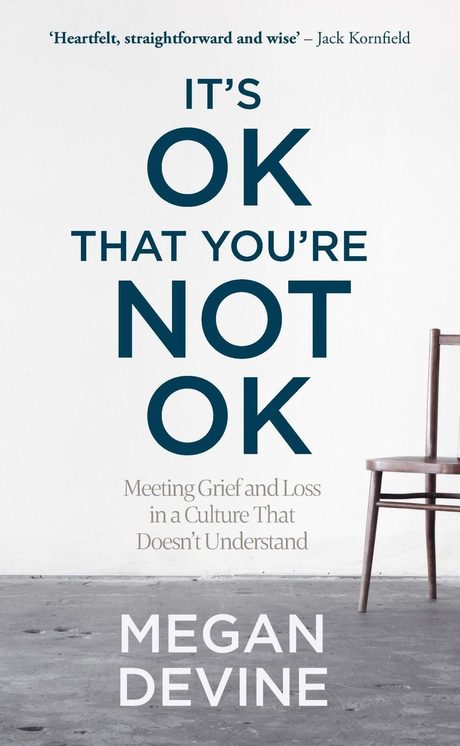
It's OK That You're Not OK
Megan Devine2017about 215 pages
The book that tells you nothing is wrong with you, and tells the people around you to stop trying to fix it.
Megan Devine was already a psychotherapist when her partner drowned in front of her, which put her on both sides of the desk at once. Her argument is that grief is not a disorder waiting for the right technique, it is a response to loss that has to be carried rather than cured, and that most of the pain around mourning is added by other people who cannot tolerate your sadness. Practical sections cover sleep, work, anniversaries and the friend who keeps sending articles about acceptance. One chapter is written to be handed to your family.
Why it is at 2
Second because it solves the problem readers actually write to me about, which is not the death, it is everyone else. I usually avoid this shelf, and this is the one self help book on grief I trust, because it refuses stages, refuses timelines and never promises closure. The register is American therapy talk, so if that puts your teeth on edge, take the chapter for your family and leave the rest.
Read it ifyou are tired of being told to move on
Skip it ifAmerican therapy language grates on you
practical, blunt, kindBest for: the griever and their peopleself helppracticalany loss
Heads up: the author's partner drowned, described plainly in the opening
3

Company, a wife, sixty pages
A Grief Observed
C. S. Lewis1961about 54 pages
A famous Christian apologist loses his wife and writes down, in real time, the collapse of everything he taught other people.
After his wife died of cancer, Lewis filled a few notebooks with whatever the day had done to him, and published the result under a pen name because it was too naked to sign. It is sixty odd pages of a mind arguing with itself: he notices that grief feels physically like fear, that his memory of her is already being replaced by his idea of her, that other people are embarrassed and cross the road. His faith takes a beating for most of the book. He does not arrive anywhere tidy, which is why it has outlived a hundred more organised books on the subject.
Why it is at 3
Third because no book here does more per page. If you can only manage one short reading session, this is the one that will make you feel recognised rather than lectured. It ranks below Adichie and Devine only because the Christian frame is load bearing, and a reader with no interest in that argument will find a third of it beside the point.
Read it ifyou want a very short book that thinks clearly while falling apart
Skip it ifwrestling with God is not your idea of company
clipped, honest, doubtingBest for: one short reading sessionmemoirspouse lossclassic
Heads up: cancer death of a spouse, sustained religious doubt
4

Company, a husband
The Year of Magical Thinking
Joan Didion2005about 23 pages
Didion's husband dies at the dinner table while their daughter lies in intensive care, and she spends a year quietly refusing to believe it.
In December 2003 John Gregory Dunne had a fatal heart attack at their dinner table, weeks after their daughter had been admitted to intensive care. The magical thinking of the title is Didion's inability to give away his shoes, because he would need shoes when he came back. She reports on herself the way she reported on everything else, reading medical literature and etiquette manuals, checking her own behaviour against the research, catching herself in the act of madness and writing it down anyway.
Why it is at 4
Fourth, and lower than its reputation, on purpose. This is the default recommendation for anyone in mourning and it is a difficult first read: cool, controlled, full of Manhattan restaurants and specialist doctors, and the reader who is three weeks out often finds it distant. It is unbeatable on one thing, the mechanics of denial, and it gets better the further you are from the event.
Read it ifyou want precision rather than warmth
Skip it ifyou need a book that touches your arm, because this one keeps its distance
cold, exact, relentlessBest for: a few months outmemoirspouse lossreportage
Heads up: sudden cardiac death, a child in intensive care, extensive hospital detail
Pairs with: Blue Nights, her later book about her daughter, if you can take a second round
5
Company, a mother
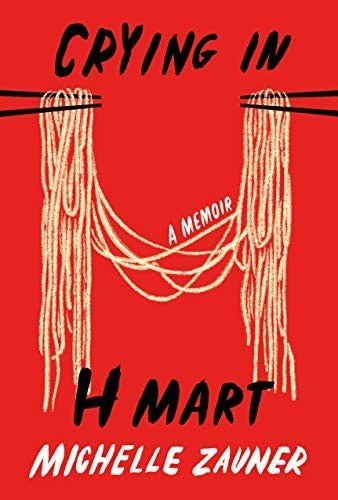
Crying in H Mart
Michelle Zauner2021about 256 pages
A daughter loses her Korean mother to cancer and finds that the relationship, the food and the language were all the same thing.
Michelle Zauner was in her mid twenties when her mother was diagnosed with terminal cancer. The book moves between a difficult childhood as the half Korean kid in Oregon, the years of fighting with a mother whose love arrived as criticism and peeled fruit, and the caregiving months where a daughter learns to cook the dishes she never bothered to learn while there was time. The supermarket of the title is where the crying happens now, somewhere between the banchan and the frozen dumplings, because food is the last channel still open.
Why it is at 5
Fifth, and first choice for anyone who lost a mother they also argued with, which is most of us. The reason it works is that Zauner refuses to promote her mother to sainthood after death. The grief here is tangled up with guilt about the relationship itself, and no other book on this list handles that mixture as well. The caregiving chapters are the most useful pages here for anyone nursing a parent right now.
Read it ifyour grief comes with guilt about the relationship
Skip it ifhospital and hospice detail is more than you can take today
tender, specific, hungryBest for: daughters and difficult mothersmemoirmother lossfood
Heads up: terminal cancer, caregiving, vomiting and hospice scenes
6
Company, a father
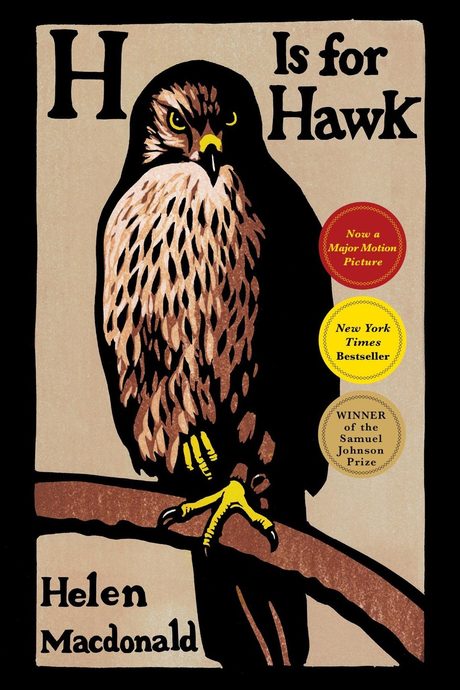
H Is for Hawk
Helen Macdonald2014about 231 pages
Her father dies suddenly, so she buys a goshawk and disappears into training it rather than into talking about him.
Helen Macdonald's father, a press photographer, died without warning, and instead of grieving in any recognisable way she bought a goshawk called Mabel and spent months alone teaching it to hunt. The book braids three threads: the hawk, her own slide into isolation, and the story of T. H. White, who wrote his own tortured falconry book in the 1930s. What makes it more than a nature memoir is her honesty about how good it felt to become something other than a person for a while, and how badly that ended.
Why it is at 6
Sixth, and the pick for people who cannot sit and talk about it and go sideways into an obsession instead. Nobody else here writes about that escape route so clearly. It ranks below the memoirs above because the White sections slow it down, and the falconry detail is thick enough that some readers put it down at the halfway mark and never come back.
Read it ifyou deal with feeling by throwing yourself into a project
Skip it ifyou have no patience for training technique and dead rabbits
wild, solitary, preciseBest for: people who go quietmemoirfather lossnature
Heads up: sudden death of a parent, hunting and animal death, isolation and depression
7
Explanation, any loss
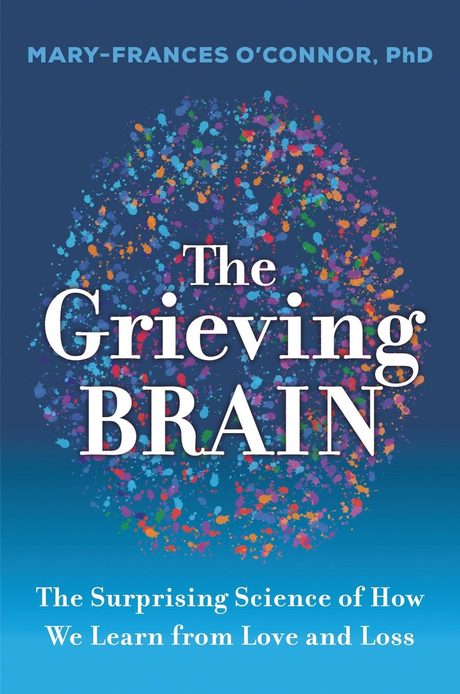
The Grieving Brain
Mary-Frances O'Connor2022about 244 pages
A neuroscientist explains why your brain keeps expecting them through the door, months after you watched the body leave.
Mary-Frances O'Connor studies grief in the laboratory, and her central idea is simple enough to change your week. Your brain has stored that person as a coordinate: here, now, close. Death does not delete the map, so the prediction machine keeps running, which is why you look up when the gate opens and why you dial a number that no longer works. She separates grief, the response, from grieving, the long process of updating that map, and she is careful about what the science does and does not know.
Why it is at 7
Seventh, and the first book in the explanation tier, because feeling insane is the complaint I hear most often. Knowing why you keep scanning a crowd for a face does not stop the scanning, but it stops the second layer of distress about the scanning. Read it after the first month, not during, since it is information rather than comfort and a few chapters read like a good lecture.
Read it ifunderstanding the mechanism calms you down
Skip it ifyou want to be held rather than informed
clear, scientific, calmBest for: readers who need reasonssciencepsychologyany loss
Heads up: clinical descriptions of death, brain imaging and bereavement research
8
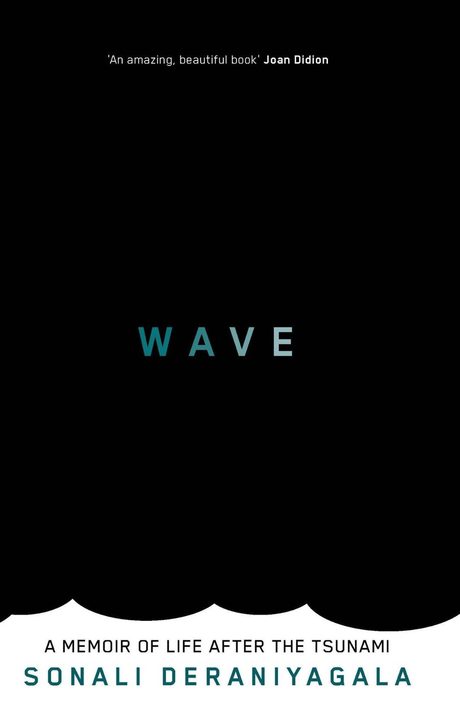
Company, a whole family
Wave
Sonali Deraniyagala2013about 153 pages
She lost her husband, both sons and both parents in the 2004 tsunami, and wrote the least consoling book on this list.
The family was on holiday in Yala, on the Sri Lankan coast, when the sea came in on Boxing Day 2004. In a few minutes Sonali Deraniyagala lost her two boys, her husband and both her parents, and survived. The book begins inside the water and then follows the years after, including behaviour she has no interest in making acceptable: drinking herself into blackouts, harassing the family who moved into her parents' house, arranging her life so she would not have to keep living it. There is no arc towards healing, only the slow return of the ability to remember them.
Why it is at 8
Eighth because it is the most extreme book here and the wrong first choice for almost everybody. What it does better than anything else on the list is refuse consolation, which is why readers who found every other grief book dishonest tend to trust this one. Do not hand it to someone in the first months, and read it yourself only when you can afford to be knocked over.
Read it ifevery hopeful grief book has felt like a lie
Skip it ifyour own loss is recent, raw or involves a child
unsparing, furious, preciseBest for: readers who can take the worstmemoirdisasterchild loss
Heads up: natural disaster, deaths of children, heavy drinking, suicidal thinking
9
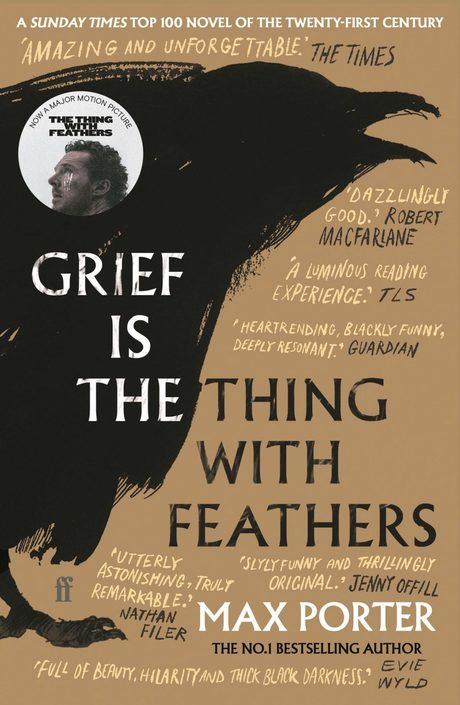
Company, a mother, a hundred pages
Grief Is the Thing with Feathers
Max Porter2015about 123 pages
A wife dies, two small boys are left with their father, and a foul mouthed crow moves into the flat as babysitter and therapist.
A Ted Hughes scholar loses his wife suddenly and is left alone with two young sons in a London flat. Then Crow arrives, a bird borrowed straight out of Hughes's poetry, rude and violent and oddly protective, and announces he will stay until he is not needed. The book is barely a hundred pages and switches between three voices, part prose, part poem, part fairy tale. It is also funny in places, in the way houses with small children in them stay funny even in the worst week of your life.
Why it is at 9
Ninth because it is the only formal experiment on this list that earns its strangeness. Grief wrecks language, so a book that wrecks its own form gets closer to the experience than another well behaved paragraph could. It sits below the straightforward memoirs because plenty of readers bounce off the poetry sections and feel stupid about it, which is a bad thing to feel in the middle of mourning.
Read it ifyou like fiction that behaves like poetry
Skip it ifyou want a plain story told plainly
strange, playful, grievingBest for: fathers with young childrenfictionspouse lossexperimental
Heads up: sudden death of a mother, children grieving, coarse language
10
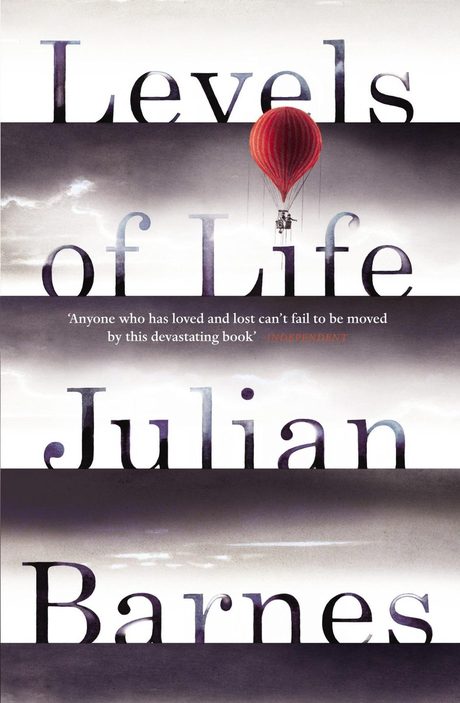
Company, a wife
Levels of Life
Julian Barnes2013about 132 pages
Two thirds of this book is about hot air balloons and photography, and then Barnes tells you why, once his wife has died.
The first two parts are essays about nineteenth century balloonists and early aerial photography, people who put two things together that had never been joined before. The third part is about the death of Barnes's wife a few weeks after her diagnosis, and about the widower left behind: the friends who avoid saying her name, the ones who cross the street, the opera he goes to alone, the nights he thinks about not continuing. The balloon material stops being decoration once you reach it, because the whole argument is about what happens when the height you gained is taken away.
Why it is at 10
Tenth, and the best book here on how other people behave around a griever. The long approach is the risk: some readers want the grief and resent the balloons. If that is you, start at part three and go back later. It ranks under the memoirs above because it is the most literary book on the list, and literary is not what most people need in month one.
Read it ifyou are the widow or widower nobody knows how to talk to
Skip it ifyou want the subject addressed directly from page one
elegant, bitter, controlledBest for: readers who like an argumentmemoirspouse lossessays
Heads up: spousal death, sustained passages about suicidal thinking
11
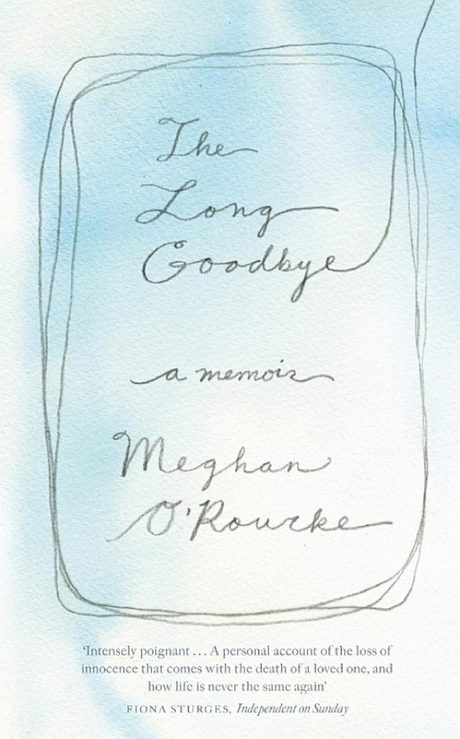
Explanation, a mother
The Long Goodbye
Meghan O'Rourke2011about 173 pages
A poet loses her mother to cancer in her early thirties and reports on a culture that has quietly abolished mourning.
Half of this is the story of a mother's illness and death and the year that followed it, including the parts O'Rourke does not flatter herself about. The other half is reporting: what anthropologists and psychiatrists know about mourning, why the old customs existed, what happened when Western societies dropped them and left the bereaved with three days of leave and a stack of casseroles. She is good on the specific loneliness of being back at work in week two while your interior life is still on the floor.
Why it is at 11
Eleventh because it answers a question the pure memoirs cannot: why does everyone expect me to be normal by now. For an Indian reader it lands in reverse. We still have the rituals she says the West lost, the thirteen days, the prayers, the house full of relatives, and our version of the problem starts on day fourteen when the crowd leaves and the silence arrives all at once.
Read it ifyou want research and memoir in the same book
Skip it ifyou find cultural analysis cold when you are the one grieving
thoughtful, searching, soberBest for: readers who ask whymemoirmother lossreportage
Heads up: cancer, hospice detail, self destructive behaviour after the death
12
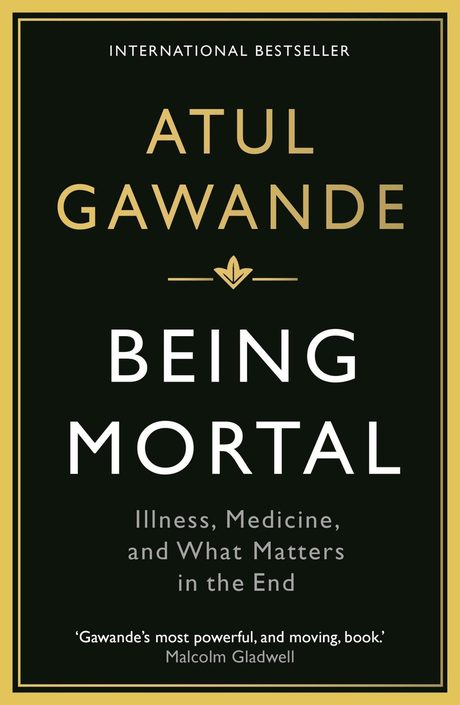
Instructions, before the death
Being Mortal
Atul Gawande2014about 283 pages
A surgeon argues that medicine is very good at adding days to a life and very bad at asking what the person wants those days for.
Gawande goes through nursing homes, assisted living, hospice care and his own operating theatre to make one case: modern medicine treats death as a technical failure, so it keeps offering one more intervention rather than asking what a dying person actually wants from the time left. The chapters on his father's illness and the family's decisions are the ones that stay with you, and the book ends with the family taking his ashes to Varanasi. He gives you the questions to ask a doctor and a parent, which is rare in a book this humane.
Why it is at 12
Twelfth because a large share of people searching for grief books are not bereaved yet, they are sitting outside an ICU with the decision still in front of them. This is the only book here that can change an outcome instead of describing one. It sits below the grief memoirs for the obvious reason: after the funeral, it arrives too late to help you.
Read it ifsomeone you love is seriously ill right now
Skip it ifthe loss already happened and hospital politics will only anger you
humane, practical, unsentimentalBest for: families facing decisionsmedicineend of lifenonfiction
Heads up: terminal illness, nursing homes, a parent's death and cremation
13
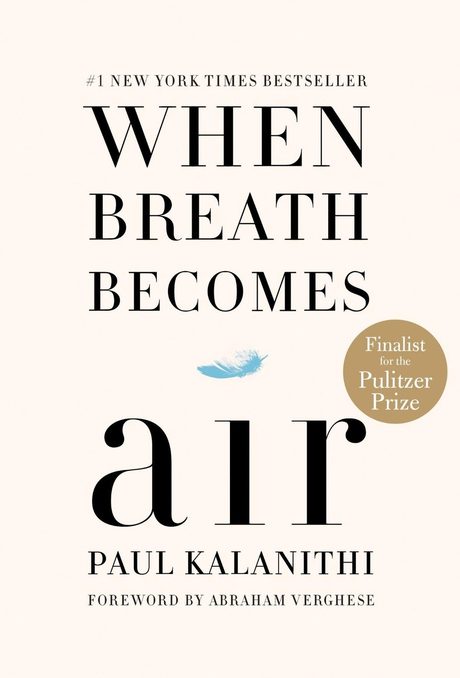
Company, your own ending
When Breath Becomes Air
Paul Kalanithi2016about 260 pages
A neurosurgeon at thirty six is diagnosed with lung cancer and turns from the doctor delivering the news into the patient receiving it.
Paul Kalanithi had almost finished a decade of neurosurgical training when the scans came back. The first half is a life spent asking what makes a life meaningful, through literature and then through brain surgery. The second half is that question arriving in person, with a wife, a new daughter, and a career he no longer has time to finish. He wrote it while dying and did not live to complete it, and his wife Lucy wrote the closing pages about the days at the end.
Why it is at 13
Thirteenth, and I will be honest about why it is not higher. This is a book about dying, not about grieving, and its popularity means it gets handed to the newly bereaved constantly, where it lands badly. The epilogue by his widow is the strongest writing in it and is genuinely a grief text. Read it if you are the one facing the diagnosis, or if you want to understand the person you are losing.
Read it ifyou want the view from inside the diagnosis
Skip it ifyou are freshly bereaved and cannot read another hospital
searching, literary, braveBest for: patients and their partnersmemoirmedicineterminal illness
Heads up: terminal cancer, death of a young parent, medical detail
14
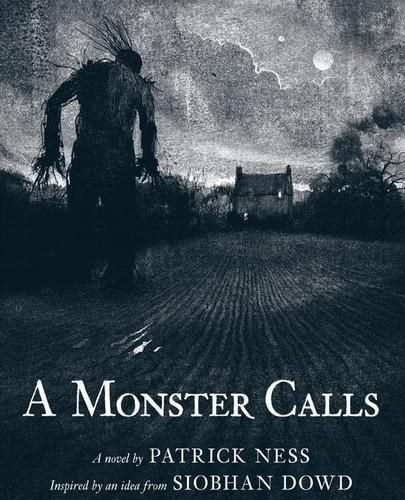
Company, for a teenager
A Monster Calls
Patrick Ness2011
Thirteen year old Conor is visited by a monster made of yew tree at seven minutes past midnight, and it wants the truth he will not say.
Conor's mother is in cancer treatment, his father lives abroad, his grandmother is unbearable, and school has decided to treat him as invisible. Then something ancient walks over from the churchyard and starts telling him three stories, none of which behave the way stories are supposed to, in exchange for a fourth story that Conor has to tell himself. The book came from an idea by Siobhan Dowd, who died of cancer before she could write it, and Ness took the premise and wrote his own version with Jim Kay's illustrations.
Why it is at 14
Fourteenth because it does one thing no other book on this list dares. It names the thought that visits people watching a long illness, the shameful wish for it to be over, and it tells the reader that having that thought does not make them a monster. Marketed to teenagers, honest enough for adults, and the shortest emotional route into this whole subject.
Read it ifyou are angry and cannot say what you are angry about
Skip it ifyou want an adult book with adult machinery
dark, fable like, catharticBest for: teenagers and their parentsfictionyoung adultanticipatory grief
Heads up: a parent dying of cancer, bullying, self blame, childhood grief
15
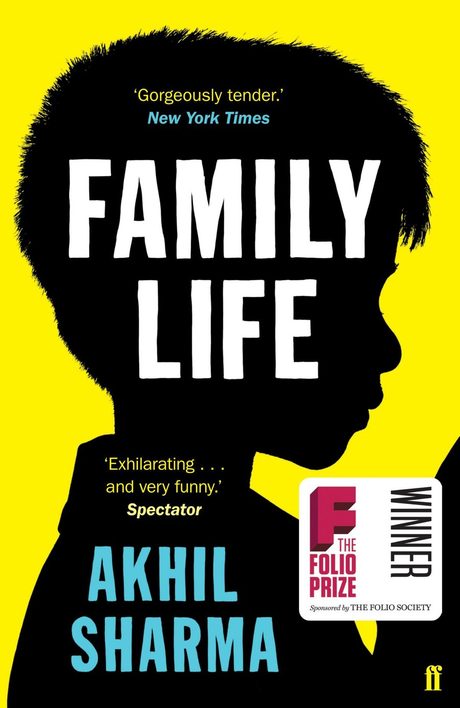
Company, a brother who lived
Family Life
Akhil Sharma2014about 172 pages
An Indian family moves to America, the golden elder son is left brain damaged in a swimming pool accident, and nobody dies for decades.
Ajay is eight when the family arrives in New York from Delhi, and his brilliant older brother Birju is the family's whole plan for the future. Then Birju hits his head in a swimming pool, and the household reorganises itself permanently around a boy who is alive, cared for at home, and never coming back in any way that counts. Sharma writes it flat and dry, with a child's cruel comedy running under it, and the ordinary domestic detail is what makes it hurt: the visiting relatives, the miracle cures, the father's drinking.
Why it is at 15
Fifteenth, and the sideways pick, because a lot of grief in Indian homes never gets a funeral. It is a parent with dementia, a sibling in a bed in the back room, a stroke that took the person but left the body. This is the only book here about that kind of loss, the one nobody brings food for, and it is honest about the resentment that grows in a house organised around someone who cannot leave it.
Read it ifyour loss is a person who is still technically here
Skip it ifyou need a death, a funeral and an ending
dry, deadpan, devastatingBest for: carers and siblingsfictionindianambiguous loss
Heads up: brain injury, long term caregiving, alcohol misuse in a family
16
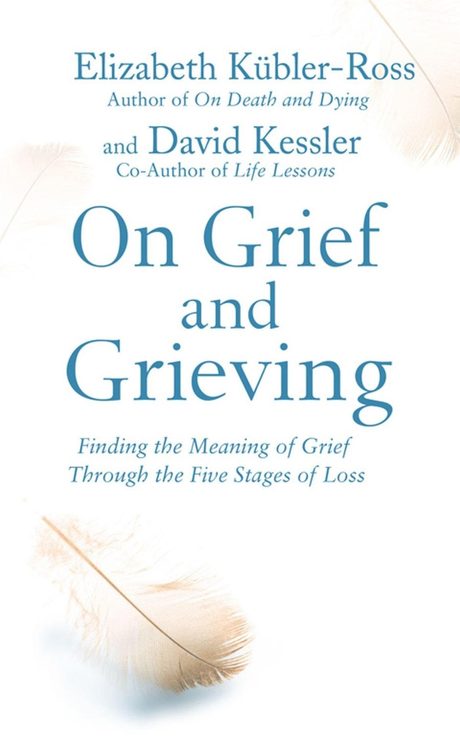
Instructions, with a caveat
On Grief and Grieving
Elisabeth Kubler-Ross2005about 317 pages
The book that gave the five stages to the bereaved, useful in its practical chapters and misleading in its famous one.
Elisabeth Kubler-Ross built the five stages from her work with dying patients in the 1960s. This later book, written with David Kessler and finished shortly before her death, applies that framework to the people left behind. Set aside the stages and there is a lot of quiet practical help in here: what to do about the belongings, how to handle the first anniversary, what to tell children, why the second year is often worse than the first, how to survive other people's advice at a funeral.
Why it is at 16
Last, and it stays on the list only because everybody half quotes it and deserves to know what it actually says. The practical chapters are worth your time. The stage model is the problem: read as a sequence with a finish line, it makes ordinary mourners think they are doing grief incorrectly, and even Kessler later added a sixth stage, meaning, in a 2019 book of his own.
Read it ifyou want practical guidance on funerals, anniversaries and children
Skip it ifyou are looking for proof that the stages are a schedule
clinical, gentle, datedBest for: practical questionsnonfictionclassicpractical
Heads up: clinical discussion of dying, funerals, anniversaries and children's grief
Worth knowing
The three jobs, and how to pick yours
Company books do not help in any measurable way. They sit beside you and describe the inside of your own head so accurately that you feel less alone in it, which turns out to be most of what people want at the start. Adichie, Lewis, Didion, Zauner, Macdonald, Deraniyagala, Porter, Barnes, Ness and Sharma are all doing that job in different registers.
Explanation books answer the question that scares people most, which is whether they are going mad. O'Connor explains it with brain science, O'Rourke with anthropology and reporting. Read either one after the first month and a lot of your own behaviour stops looking alarming.
Instructions books are for the practical mess: the relatives, the belongings, the return to work, the friend who says everything happens for a reason. Devine is the best of them, Kubler-Ross and Kessler are useful once you ignore the stages, and Gawande belongs to the version of this problem that has not happened yet.
Worth knowing
About the five stages
Almost everyone arrives at this subject already knowing denial, anger, bargaining, depression, acceptance. Very few people know that Kubler-Ross drew those stages from interviews with terminally ill patients facing their own deaths, not from the bereaved, and that the application to mourners came decades later in the book at number sixteen. That single move, from the dying to the grieving, is how a rough description of one experience became a schedule the rest of us are graded against.
The damage is real and I hear it constantly: it is eight months, I never got angry, I keep going back to bargaining, am I doing this wrong. You are not. Nobody in these sixteen books moves through anything in order, including the people who believed in the stages. If a framework helps you name a feeling, keep it. The moment it starts telling you that you are behind schedule, drop it.
Worth knowing
Reading when you cannot read
Concentration is usually the first thing grief takes, so the length of a book matters more than its quality in the early weeks. Four books here can be finished in a single sitting or read in three page pieces without losing the thread: Adichie at eighty pages, Lewis at around sixty, Porter at a hundred, and Ness, which is a fast read with illustrations. Audiobooks are a fair substitute, and rereading the same ten pages for a week counts as reading.
If nothing goes in at all, that is not a failure of the book or of you. Put the pile away, come back at the three month mark, and start with the shortest one on the shelf.
People also ask
Questions, answered
What is the best book to give someone who is grieving?
It's OK That You're Not OK by Megan Devine, if you want one safe choice. It asks nothing of the reader, has a chapter written for the family and friends around the griever, and never suggests a timeline. Notes on Grief by Adichie is the better gift if the death was very recent and the person cannot hold their attention on anything longer than a few pages. Avoid gifting anything about the meaning of suffering in the first month.
Do books about grief actually help?
They help with one specific thing: the fear that your reaction is abnormal. Reading someone describe the rage, the forgetting, the sudden crying in a supermarket aisle takes away the second layer of distress that sits on top of the loss. What they cannot do is treatment. If you are not sleeping, not eating, drinking to get through the evenings, or thinking about hurting yourself, a book is not the intervention you need and a doctor or counsellor is.
Are the five stages of grief real?
They were drawn from interviews with dying patients, not with mourners, and were only applied to the bereaved much later. Grief researchers today do not find that most people move through fixed stages in order. Feelings do come in waves and some of them look like denial or anger, so the words are useful as labels. Treated as a sequence you are supposed to complete, they make ordinary grieving people think they are failing at something.
What should I read if my mother or father just died?
For a father, start with Notes on Grief by Adichie, then H Is for Hawk if you deal with pain by disappearing into a project. For a mother, start with Crying in H Mart, especially if the relationship was complicated and the guilt is doing as much work as the sadness. The Long Goodbye by Meghan O'Rourke suits either loss once you want to understand why everyone around you expects you to be fine by now.
Which grief book is best for someone who does not read much?
A Grief Observed by C. S. Lewis, at around sixty pages, or A Monster Calls by Patrick Ness, which has illustrations and moves like a film. Both can be finished in one or two sittings. Notes on Grief is eighty pages and reads in fragments, so you can put it down mid page without losing your place. Length matters more than literary quality when concentration is the thing that has gone.
Is The Year of Magical Thinking overrated?
Not overrated, misprescribed. It is a brilliant account of how a rational mind manufactures denial, and it is also cool, precise and set among Manhattan doctors and restaurants, which can feel like watching grief through glass when your own loss is three weeks old. Give it six months, or start with Adichie or Lewis and come to Didion when you want the anatomy of what happened to you rather than company inside it.
Before you go
What to read tonight
If tonight is the night you actually open something, make it the shortest book you own from this list. Adichie if the death is recent, Lewis if you want a mind rather than a story, Devine if the problem is everyone else and their advice. If your person is still alive and the decisions are still ahead of you, read Gawande this week instead of any of the grief memoirs, because that is the only book here that can still change what happens.
One last plain thing. These books are company and information, not treatment, and there is no prize for getting through this alone. In India, Tele MANAS is free on 14416 and the government helpline KIRAN is on 1800 599 0019, both around the clock. If you are thinking about hurting yourself, call one of them tonight, or wake up someone who loves you, and read something else another day.
Keep going
Lists that pair with this one
Mood & Life
16 Best Books About Mothers and Daughters, and Who Gets the Last Word
Every one of these books is one side of an argument, so I checked which ones let the mother answer back.
Mood & Life
14 Books About Fathers and Sons, Ranked by Distance
Novels, memoirs and one play, each tagged with how far apart the two men are, from sharing a room to standing at a grave.
Mood & Life
16 Books About Mental Health That Do Not Talk Down to You
Ordered by how much each one asks of you, from the book you can read at three in the morning to the one that needs a steady month.
Mood & Life
16 Books About Existential Crisis, Gentlest to Heaviest
Ordered by how much weight each one puts on you at 2 a.m., starting with the ones that are safe to read tonight.
Nonfiction
The 16 Best Biographies and Memoirs That Read Like Novels
Ranked by how hard each book pulls you along, with a label on every one telling you how close the writer actually stood to the life inside it.