In January 2025 I paid one thousand four hundred rupees for a hardback because the internet told me to. It sat on my desk for four months, judging me, and then I read it in a weekend and thought: that was a four hundred rupee book. This list exists because of that hardback.
A best-of list written in December is a hype report. Written now, from the middle of 2026, it can be something more useful, because the noise has drained away and you can see what is actually left standing. Every book here was first published in 2025, and every one has been checked against a real edition with a real cover, so nothing on this page is a listing that does not exist.
So instead of only ranking one to twenty, I have priced them. Buy it new means pay whatever the hardback costs and stop thinking about it. Wait for the paperback means the book is good and your money is not. Borrow first means read it, enjoy it, do not own it. The ranking runs best to twentieth and the tier sits above each title.
Fiction, romance, non-fiction and three Indian entries are mixed together on purpose, because nobody reads inside one genre for a whole year.
How I picked these
- First published in 2025, no exceptions. A 2025 reprint of a 2019 book is not a 2025 book, and plenty of lists make that swap quietly.
- Every title checked through Google Books and Open Library for a real edition and a real cover, so nothing here is a phantom listing.
- I sorted by value at Indian prices, not by prize count. A book can be excellent and still be a library book, and I say which ones those are.
- I cut the American policy books. They were events inside a US news cycle and they will not repay your evening in Ahmedabad or Kochi.
- Three Indian entries made it and one of them sits at twenty. Nationality got nobody a free pass here.
- Premise only, no spoilers past the setup, on all twenty.
The whole list at a glance
All 20 books, in order
| # | Book | Author | Year | Vibe | Best for |
|---|
| 1 | Heart Lamp | Banu Mushtaq | 2025 | quiet, domestic, furious | readers new to Indian literary fiction |
| 2 | Flesh | David Szalay | 2025 | cold, spare, unsettling | readers who finish nothing |
| 3 | The Loneliness of Sonia and Sunny | Kiran Desai | 2025 | sprawling, wry, homesick | readers who loved A Suitable Boy |
| 4 | Everything Is Tuberculosis | John Green | 2025 | brisk, angry, humane | people who never finish non-fiction |
| 5 | Careless People | Sarah Wynn-Williams | 2025 | funny, appalled, gossipy | anyone who works in tech |
| 6 | Sunrise on the Reaping | Suzanne Collins | 2025 | fast, bleak, angry | lapsed young adult readers |
| 7 | The Emperor of Gladness | Ocean Vuong | 2025 | tender, ornate, uneven | readers who underline lines |
| 8 | Great Big Beautiful Life | Emily Henry | 2025 | sun-warmed, sad, clever | romance readers who want plot |
| 9 | Katabasis | R. F. Kuang | 2025 | clever, bitter, overstuffed | burnt-out graduate students |
| 10 | Atmosphere | Taylor Jenkins Reid | 2025 | warm, competent, nostalgic | Evelyn Hugo fans |
| 11 | Theft | Abdulrazak Gurnah | 2025 | calm, patient, quietly damning | readers who like slow novels |
| 12 | Wild Dark Shore | Charlotte McConaghy | 2025 | windswept, tense, sad | flights and holiday reading |
| 13 | Say You'll Remember Me | Abby Jimenez | 2025 | funny, tender, brutal | romance readers who cry |
| 14 | Onyx Storm | Rebecca Yarros | 2025 | propulsive, silly, addictive | romantasy readers mid-series |
| 15 | Deep End | Ali Hazelwood | 2025 | steamy, chatty, breezy | one rainy afternoon |
| 16 | Dream Count | Chimamanda Ngozi Adichie | 2025 | reflective, uneven, sharp | patient Adichie readers |
| 17 | Audition | Katie Kitamura | 2025 | cool, watchful, slippery | book clubs that argue |
| 18 | The Names | Florence Knapp | 2025 | tender, structural, sad | readers who like what-if stories |
| 19 | Source Code | Bill Gates | 2025 | measured, nostalgic, careful | readers who like founder origin stories |
| 20 | The Chola Tigers | Amish | 2025 | broad, patriotic, fast | Amish regulars and airport reading |
The list
The books, ranked
1

Buy it new
Heart Lamp
Banu Mushtaqtranslated by Deepa Bhasthi2025about 222 pages
Twelve stories about Muslim women in small-town Karnataka, written across three decades by a lawyer who heard most of these lives first-hand.
Banu Mushtaq has been writing in Kannada since the 1970s, mostly about women inside Muslim households in her part of Karnataka, and she has spent her working life as a lawyer and reporter in the same districts. Deepa Bhasthi selected twelve of those stories and put them into an English that leaves the Kannada and Urdu words standing instead of sanding them flat. The pieces are domestic and short. Nothing detonates. A husband takes a second wife, a mother quietly stops eating, a young woman works out how much of herself she is allowed to keep, and the pressure builds inside a kitchen until you notice your own jaw is clenched.
Why it is at 1
First because it is the 2025 book most likely to still be read in 2035, and because it costs less than almost everything else here and gives more. It won the International Booker Prize in 2025, which is why you recognise the cover, but that is not why it is first. It is first because twelve stories, none longer than a train ride, removes every excuse you have been making about reading something Indian and serious.
Read it ifyou want short fiction with real weight and can read twelve stories in any order
Skip it ifyou need plot momentum, because these stories end where a novel would still be warming up
quiet, domestic, furiousBest for: readers new to Indian literary fictionshort storieskannadatranslationwomen
Heads up: domestic violence, and one story that turns on self-harm
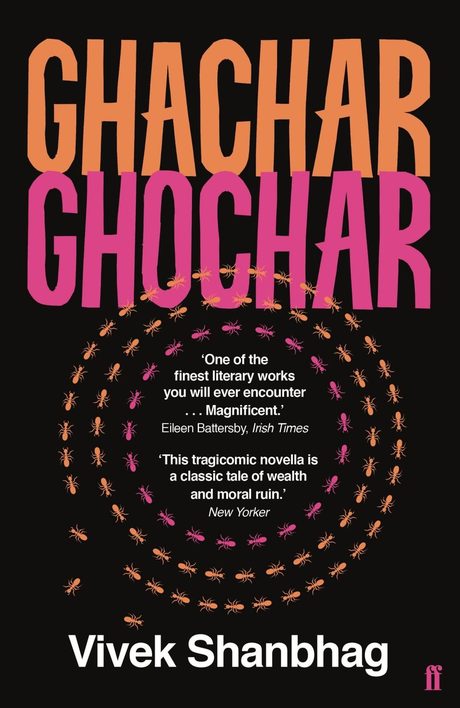
Pairs with: Ghachar Ghochar, if you want another short translated book about a family under pressure
2
Buy it new
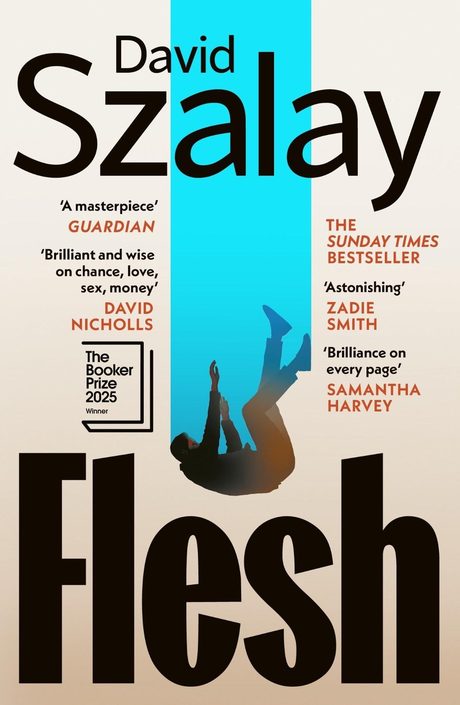
Flesh
David Szalay2025about 301 pages
A Hungarian boy grows into a rich man's security detail and then into the rich man, told in sentences that refuse to explain him.
Istvan is fifteen, living in a Hungarian housing block with his mother, when a neighbour takes an interest in him. What follows is roughly forty years of a life: violence, prison, the army, a driving and security job in London, then money he did not earn and cannot enjoy. Szalay writes it in short flat scenes with a lot of white space, and his main character answers most questions with a version of okay. That sounds unbearable and is somehow the opposite. Because you are never told what Istvan feels, you spend the whole book working it out, and the guesses you make say more about you than about him.
Why it is at 2
Second because it does the most with the least. It runs under four hundred pages, the chapters are short, and two sittings will finish it, yet it keeps working on you for weeks. It won the Booker Prize in 2025 and, unusually for a winner, it is not hard to read. Heart Lamp beats it only because Mushtaq carries more world in fewer pages.
Read it ifyou like cold spare prose and enjoy filling in what a narrator withholds
Skip it ifyou want a character who explains himself, because this one never will
cold, spare, unsettlingBest for: readers who finish nothingliterary fictionbookerhungary
Heads up: a sexual relationship between a teenager and an adult, and later violence
3
Buy it new
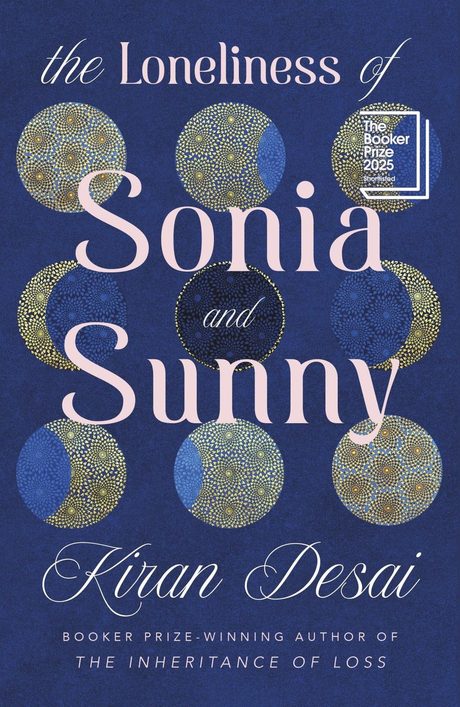
The Loneliness of Sonia and Sunny
Kiran Desai2025about 641 pages
Two Indians keep almost meeting across two continents, in the novel Kiran Desai took nineteen years to finish.
Sonia and Sunny are both Indian, both drifting between India and America, both writers of a sort, and the novel keeps arranging for them to nearly find each other and then pulling the table away. Around that near miss Desai builds families, servants, visa queues, literary parties, a grandmother's house, and the particular humiliation of being the Indian in the room whom everyone finds interesting for the wrong reasons. It is long, the kind of long that needs a bookmark and a plan, and it moves the way a Sunday family lunch moves: slowly, everyone talking at once, and then one sentence lands and reorganises the whole afternoon.
Why it is at 3
Third because it is the biggest swing any Indian novelist took in 2025 and it mostly connects. It was shortlisted for the Booker in 2025 and lost to Flesh, which I think is a fair result: there are stretches where Desai's eye for detail outruns her story. Buy it new anyway. This is a book you will end up arguing about, and you will want your own copy to point at.
Read it ifyou have time, patience and a taste for big family novels
Skip it ifyou want a tight plot, because this one wanders on purpose
sprawling, wry, homesickBest for: readers who loved A Suitable Boyindian fictionliterarydiaspora
4

Buy it new
Everything Is Tuberculosis
John Green2025about 209 pages
John Green met a boy named Henry in Sierra Leone and wrote the clearest book I know about why a curable disease still kills.
Green went to a hospital in Sierra Leone for a different reason, met a teenager called Henry who had drug-resistant tuberculosis, and could not leave the story alone. The book alternates between Henry's treatment and the history of TB: how the nineteenth century made it romantic, how the cure was found, and how that cure was then priced and patented out of reach of the people who needed it most. It runs about two hundred pages in the same conversational voice as his novels, and it is angry in a way his fiction has never been.
Why it is at 4
Fourth, and the highest non-fiction here, because it is short, it is furious, and it is about a disease India carries more of than any country on earth. Most global health books ask you to feel bad. This one hands you a mechanism instead: who decided, what it cost, what changed when people pushed back. Green also drops his usual charm at exactly the right moments, which is what makes it land.
Read it ifyou want non-fiction that is short, angry, and about India as much as anywhere
Skip it ifyou read to escape, because illness and death are on nearly every page
brisk, angry, humaneBest for: people who never finish non-fictionnon-fictionhealthindia
Heads up: sustained detail about illness, medical suffering and death
5
Buy it new
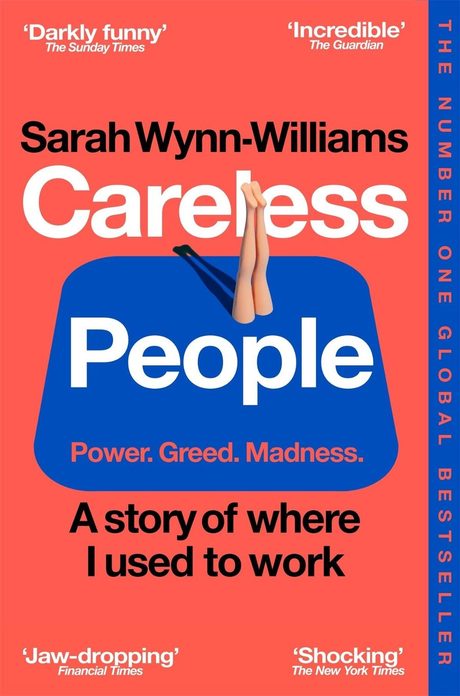
Careless People
Sarah Wynn-Williams2025about 378 pages
A Facebook policy director's memoir of seven years inside the company, published over the company's very loud objections.
Sarah Wynn-Williams was a New Zealand diplomat who talked her way into a job at Facebook and spent about seven years there, ending up in global policy. The book is her account of that stretch: chasing Mark Zuckerberg around Davos, watching a company work out that it had political power well before it worked out what to do with it, and the specific way an office can make clever people behave badly. It reads like a novel because she is genuinely funny, which is disorienting given the subject. Meta publicly contested her account after publication and moved to stop her promoting the book.
Why it is at 5
Fifth because it is the rare tech memoir that works as a story rather than a grievance list. It sits below the Green book because Green changes what you do and this one mostly changes what you think. Read it if you have ever wondered how a room full of smart people talks itself into something stupid. The Davos chapters on their own justify the price.
Read it ifyou want a tech insider story that reads like fiction
Skip it ifyou want a balanced corporate history, because this is one person's side
funny, appalled, gossipyBest for: anyone who works in techmemoirtechnon-fiction
6
Buy it new
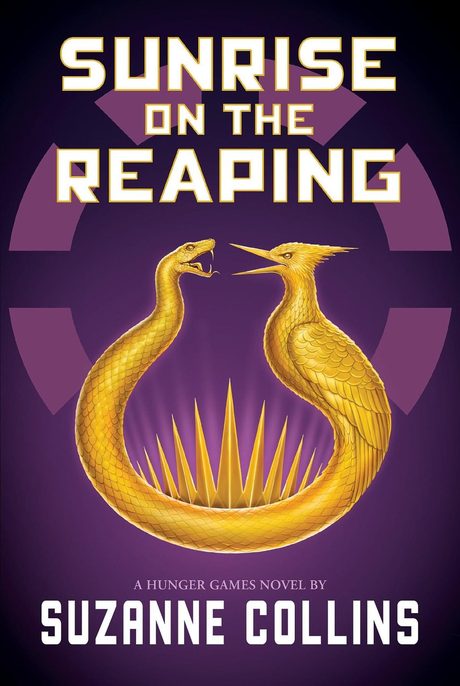
Sunrise on the Reaping
Suzanne Collins2025about 564 pages
Haymitch Abernathy's Hunger Games, decades before Katniss, and Collins is still the best in the business at this.
This is the fifth Hunger Games book and it covers the fiftieth Games, the one Haymitch won as a sixteen-year-old from District 12. Anyone who read the trilogy knows the outcome, and Collins is fine with that, because the book is about how the Capitol builds a story around a victor and how a boy slowly works out what has been taken from him. It is faster and meaner than the Snow prequel. Collins writes propaganda better than almost anyone working in adult fiction, and the passages about how a broadcast gets edited will follow you back to your own feed.
Why it is at 6
Sixth and the highest-ranked pure entertainment here, because Collins does not coast. If you were fourteen when Katniss happened, this is the book that will actually get you reading a novel this month, and unlike most nostalgia sequels it does more than replay the hits. It ranks here rather than higher only because you need the trilogy first for the ending to hit properly.
Read it ifyou read the trilogy and want that feeling back, sharper
Skip it ifyou have never read The Hunger Games, because the ending needs the context
fast, bleak, angryBest for: lapsed young adult readersyoung adultdystopiaseries
Heads up: sustained violence involving teenagers
7

Buy it new
The Emperor of Gladness
Ocean Vuong2025about 545 pages
A nineteen-year-old about to jump off a bridge is stopped by an old woman with dementia, and ends up moving in with her.
Hai is nineteen, an addict, lying to his mother about being in medical school, standing on a bridge in a dying Connecticut town when an elderly Lithuanian widow named Grazina shouts at him from her porch. He ends up living with her and working at a fast-food restaurant alongside people the American economy has finished with. Vuong writes sentences that stop you, sometimes because they are gorgeous and sometimes because you have to read them twice to work out what actually happened. This novel has more jokes than his first one and many more people in it.
Why it is at 7
Seventh, and this is the highest I can honestly put it. When Vuong is on, nobody in 2025 wrote better paragraphs. When he is not, the book stops to admire itself and you feel every page. It ranks above the romances because the good half is genuinely great, and below Collins because Collins never wastes your time.
Read it ifyou like sentences you have to slow down for
Skip it ifyou get impatient with lyrical writing, because there is a great deal of it
tender, ornate, unevenBest for: readers who underline linesliterary fictionaddictionamerica
Heads up: drug addiction, dementia and suicidal ideation
8
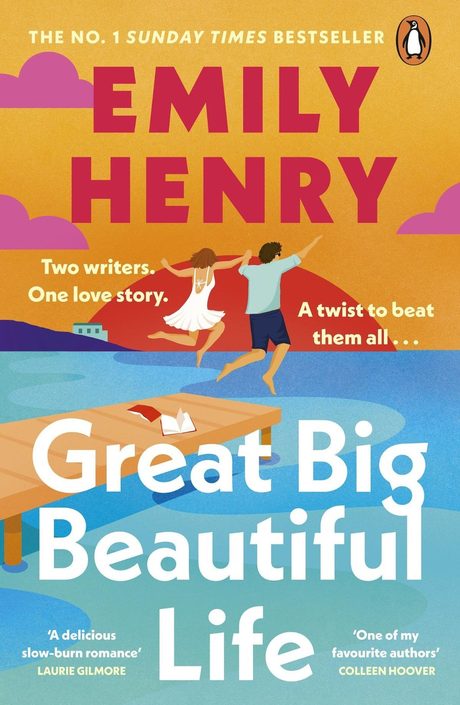
Wait for the paperback
Great Big Beautiful Life
Emily Henry2025about 369 pages
Two writers compete to ghostwrite an heiress's memoir on a small Georgia island, and the old woman is playing both of them.
Alice Scott and Hayden Anderson are both journalists, both summoned to a Georgia island by Margaret Ives, an elderly heiress from a family that used to be American tabloid royalty. She gives each of them a month to prove they should be the one to write her life, and she feeds the story out in pieces, to both, in a way that may or may not be true. So there are two books here: the present-day rivalry, which is the Emily Henry you came for, and the twentieth-century family saga, which is the part I did not expect to like more.
Why it is at 8
Eighth and the best romance of 2025, but the tier drops here for a reason. This is a hardback-priced book with a paperback-sized plot, and the historical strand is stronger than the love story wrapped around it. Henry is still the only writer in this lane who can make you care about the framing device more than the kiss, and I mean that as praise.
Read it ifyou want a romance with an actual second story inside it
Skip it ifyou only came for the banter, because the historical chapters take over
sun-warmed, sad, cleverBest for: romance readers who want plotromancedual timelinecontemporary
Pairs with: Atmosphere at rank ten, if you want another romance that is really about something else
9

Wait for the paperback
Katabasis
R. F. Kuang2025about 380 pages
Two rival Cambridge doctoral students go to hell to retrieve their dead supervisor, mostly because neither can graduate without him.
Alice Law and Peter Murdoch are magick students at Cambridge whose professor dies in a lab accident, taking their academic futures down with him. So they descend into an underworld built out of logic problems, paradoxes and philosophy, which is exactly the joke: Kuang's hell runs on the same currency as a graduate department. The two of them argue their way down through circles that punish specific kinds of intellectual sin. If you have ever been inside a system that told you suffering was the price of being taken seriously, the allegory will not be subtle and it will still land.
Why it is at 9
Ninth because the idea is better than the execution. The first hundred pages and the last fifty are excellent, and the middle is a lecture wearing a plot. Kuang is one of the few novelists taking real swings at what academia does to people, so I would rather read her misfire than most writers' hit. Wait for the paperback and go in ready to argue with it.
Read it ifyou liked Babel and want more academic rage with footnotes
Skip it ifyou want fantasy that moves, because the middle stalls badly
clever, bitter, overstuffedBest for: burnt-out graduate studentsfantasydark academiaallegory
10

Wait for the paperback
Atmosphere
Taylor Jenkins Reid2025about 353 pages
A woman joins the NASA astronaut programme in 1980, falls in love with another woman, and the book keeps cutting to a night in orbit.
Joan Goodwin teaches astronomy in Texas and applies to NASA in 1980, when the shuttle programme has just started taking women. The novel runs on two tracks: her training years with the other candidates, and a night in December 1984 when something goes wrong on a mission and the ground team can hear it happening live. In between there is a love story she cannot be open about in Reagan-era Houston, and a niece she is half-raising. Reid does what she always does, which is make you care about a group of professionals doing a job you know nothing about.
Why it is at 10
Tenth because it is Reid at her most reliable and least surprising. If you have read Evelyn Hugo and Daisy Jones you already know the shape: a strong-willed woman, a period researched down to the last rivet, a structure that withholds exactly one thing. It works. It also does nothing she has not done before, so borrow it or wait, unless you collect her.
Read it ifyou love Reid's period women and want the space version
Skip it ifyou find her structure predictable by now, because it is here too
warm, competent, nostalgicBest for: Evelyn Hugo fanshistorical fictionromancenasa
11
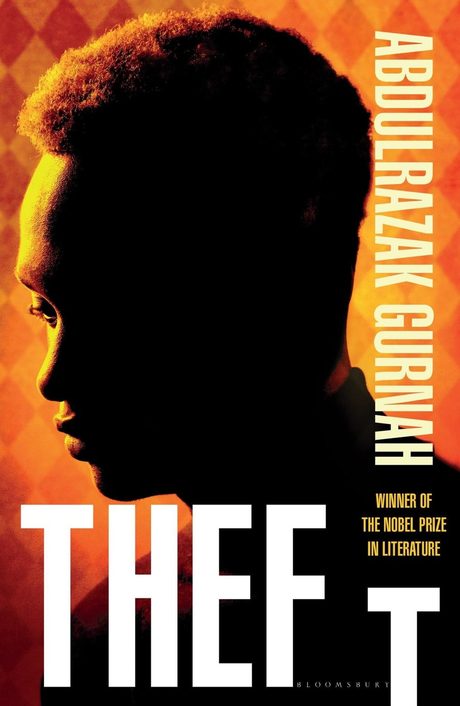
Wait for the paperback
Theft
Abdulrazak Gurnah2025about 257 pages
Three young Tanzanians grow up tangled in each other's lives while tourism and aid money quietly rebuild Zanzibar around them.
Karim, Fauzia and Badar are the three points here. Badar arrives in a household as a servant boy and is treated as something between family and furniture, Karim is the charming one who does well, Fauzia is the one with epilepsy who has been told her whole life what she cannot do. Gurnah lets them grow up across a couple of decades while Zanzibar fills with hotels, foreign money and visiting do-gooders. The theft of the title is not one event. It is a long list of small ones, each of which somebody was able to explain away at the time.
Why it is at 11
Eleventh because Gurnah writes calm, unhurried prose that rewards patience and punishes distraction, and most people reading this list are on a phone in a queue. The cover shouts about his Nobel, which is accurate and not the reason to read him. If you have never tried Gurnah this is a fair place to start, being his most recent and most contemporary, though Paradise is still the better novel.
Read it ifyou want an unhurried novel about power inside a household
Skip it ifyou need pace, because Gurnah has never hurried for anyone
calm, patient, quietly damningBest for: readers who like slow novelsliterary fictiontanzaniacoming of age
12
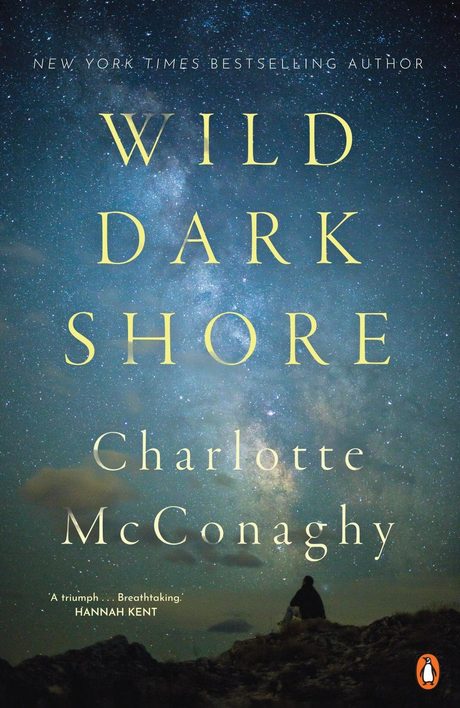
Wait for the paperback
Wild Dark Shore
Charlotte McConaghy2025about 322 pages
A family of four are the last people on a sub-Antarctic island seed vault when a half-drowned stranger washes up on the beach.
Dominic Salt and his three children run a research base on Shearwater, an island somewhere between Australia and Antarctica, where a global seed bank is being evacuated because the sea is taking the land. They have eight weeks left. Then a woman called Rowan is found on the shore, alive, with no good explanation for how she got there and clear reasons not to answer questions. It is a thriller in structure and an ecological novel in intent, and McConaghy is good enough at both that the join barely shows.
Why it is at 12
Twelfth because it is the most satisfying popular novel here: a real hook, a real setting, a mystery that pays off. It ranks under the literary books because the emotional beats are telegraphed and the ending ties up neater than the subject deserves. If you want one 2025 book to take on a flight, take this and expect to finish before you land.
Read it ifyou want a thriller with weather, isolation and a secret
Skip it ifyou dislike novels that change narrator every chapter
windswept, tense, sadBest for: flights and holiday readingthrillerclimateisland
Heads up: grief, drowning, and violence in the backstory
13
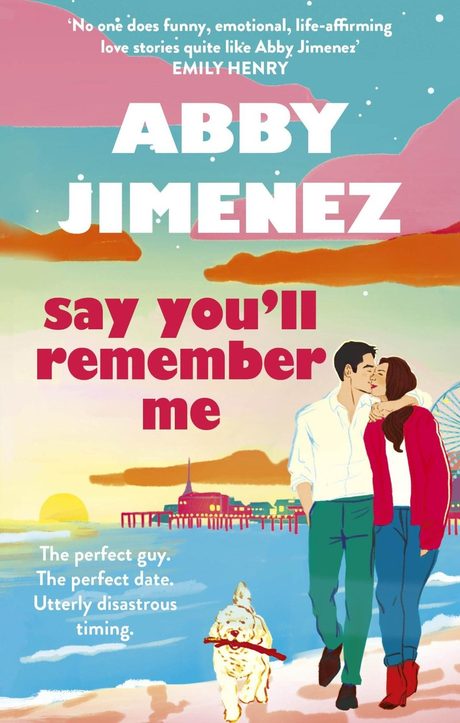
Wait for the paperback
Say You'll Remember Me
Abby Jimenez2025about 373 pages
Two people meet, want it, and cannot have it, because one of them is already the full-time carer for a parent with dementia.
Samantha and Xavier meet the way romance novels arrange these things, get on immediately, and then the book does something most of the genre will not: it makes the obstacle real, boring and unfixable. Her mother has early-onset Alzheimer's and Samantha is the one who handles it. Jimenez writes caregiving with the details that people who have done it recognise, the calendar of it, the guilt, the way a good day is worse than a bad one because you let yourself hope. It is still a funny book, and that is the whole trick.
Why it is at 13
Thirteenth because it is the most emotionally honest romance of the year and also the one most likely to wreck your evening. It sits below Emily Henry only because the plot is thinner, being a book about a situation rather than a story. If you have a parent who is getting older, be warned that Jimenez does not soften a single part of it.
Read it ifyou want romance that takes the obstacle seriously
Skip it ifyou are currently caring for a parent, because this will hurt
funny, tender, brutalBest for: romance readers who cryromancecaregivingcontemporary
Heads up: early-onset dementia and carer burnout throughout
14

Wait for the paperback
Onyx Storm
Rebecca Yarros2025about 670 pages
Book three of the dragon-rider series half your office is reading, and the one where the plot goes island-hopping.
Violet Sorrengail and the surviving cadets leave Navarre to look for allies and answers, which means this instalment is mostly travel, negotiation and new political factions, with the dragons and the romance roughly where you left them. Yarros writes propulsive chapters and cliffhangers that work on your brain like a slot machine. If you loved Fourth Wing you bought this months ago. If you did not, nothing here will convert you, because the prose has not changed and the world-building is still doing the bare minimum with a very large map.
Why it is at 14
Fourteenth, and I am ranking the phenomenon honestly. This was the loudest book launch of 2025 and it is a middle book: it shuffles pieces, ends on a cliff, and asks you to buy the next one. Fun, disposable, and priced as though it were neither. Wait for the paperback or borrow a friend's copy, because you are not going to reread it.
Read it ifyou are already three books deep and need to know what happens
Skip it ifyou have not read Fourth Wing, because it is start there or nowhere
propulsive, silly, addictiveBest for: romantasy readers mid-seriesromantasyfantasyseries
Heads up: explicit sex and battlefield violence
15
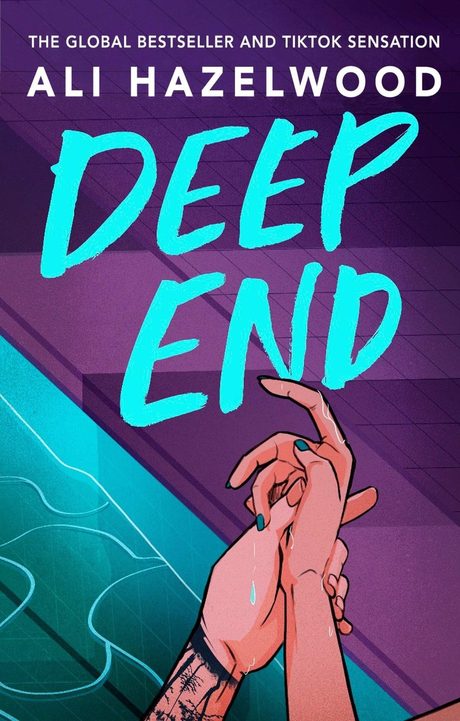
Borrow first
Deep End
Ali Hazelwood2025about 410 pages
A college diver recovering from a bad fall makes a very specific arrangement with a swimmer, and the book is about consent as much as heat.
Scarlett is a platform diver at Stanford whose confidence broke along with her body after a fall, and Lukas is a swimmer on the same athletics floor with a reputation and a rigid schedule. They arrange something transactional and it does not stay that way. Hazelwood, who has spent her career writing romances about scientists, has swapped the lab for a pool and turned the heat up considerably. More interesting than the heat is how much of this book is two people negotiating out loud, which is rarer in the genre than it ought to be.
Why it is at 15
Fifteenth and the first of the borrow-first tier. It is the best written of Hazelwood's recent run and still a book you will have forgotten inside a month. The sports setting is more convincing than her laboratory settings ever were, which is faint praise for a writer with a doctorate in neuroscience. Read it in a day and do not build a shelf for it.
Read it ifyou want a spicy sports romance with the negotiation on the page
Skip it ifyou want a closed door, because this one is wide open
steamy, chatty, breezyBest for: one rainy afternoonromancesportsexplicit
Heads up: explicit sex throughout, including kink negotiated on the page
16
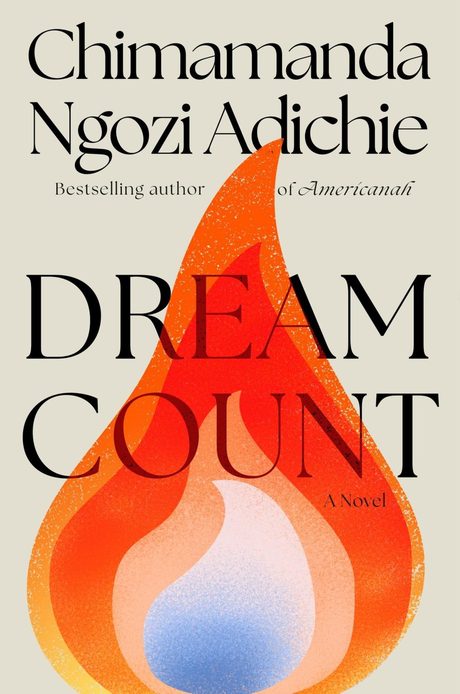
Borrow first
Dream Count
Chimamanda Ngozi Adichie2025about 417 pages
Four Nigerian women, four sections, one pandemic lockdown, and the first Adichie novel in over a decade.
Chiamaka is a travel writer stuck alone in America during the early pandemic, going back through the men she has loved and what each of them made of her. The novel then hands over to her friend Zikora, her cousin Omelogor, and finally to Kadiatou, her housekeeper, whose section draws on a real assault case that made international news in 2011. Adichie is writing about how women narrate their own lives and how little of that narration survives contact with other people's versions. Kadiatou's section is the best thing here by a distance, and it arrives very late.
Why it is at 16
Sixteenth, and this is the placement that hurt to make. Adichie publishing anything is an event, and the fourth section is as good as she has ever been, but the first two hundred pages circle without landing and the structure makes you earn the payoff. Borrow it, read Kadiatou twice, and feel no guilt about skimming the rest.
Read it ifyou loved Americanah and will forgive a slow start
Skip it ifyou want the tight storytelling of her early novels
reflective, uneven, sharpBest for: patient Adichie readersliterary fictionnigeriawomen
Heads up: a section dealing with sexual assault and its legal aftermath
17
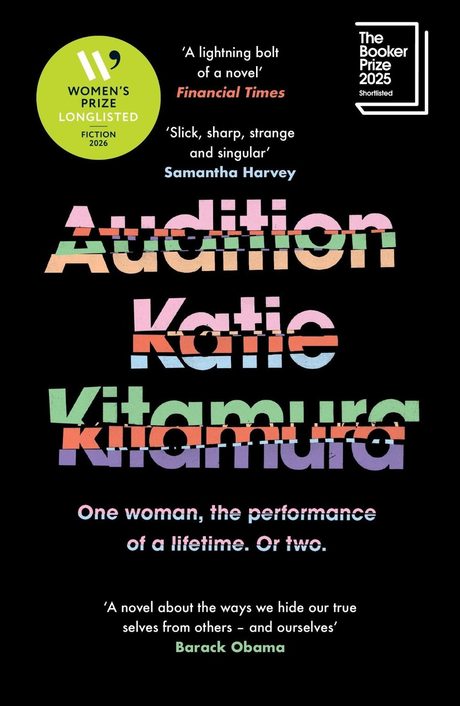
Borrow first
Audition
Katie Kitamura2025about 126 pages
An actress meets a young man who may be her son, and halfway through the novel the facts quietly change under you.
A New York stage actress in her forties has lunch with a much younger man. In the first half she is a woman being pursued, or perhaps manipulated, by a stranger who claims a connection to her. In the second half the same people are rearranged into a different set of facts, and the novel never tells you which version is the real one. Kitamura writes in a controlled, watchful style where nobody ever says the important thing. It runs under two hundred and fifty pages and is built to be argued about on the way home.
Why it is at 17
Seventeenth because it is a clever machine rather than a book you love. The formal trick is genuinely good and the writing is precise, but you finish it admiring the construction and feeling almost nothing. Borrow it, read it in one sitting, and have the argument. If it grabs you, her earlier novel Intimacies does something similar with more warmth in it.
Read it ifyou like formally strange novels that refuse to explain themselves
Skip it ifyou want an ending that resolves, because this one declines
cool, watchful, slipperyBest for: book clubs that argueliterary fictionunreliable narratorshort
18

Borrow first
The Names
Florence Knapp2025about 256 pages
A woman walks out to register her newborn son's name and the novel splits into the three lives that follow from her choice.
Cora sets out in a storm in 1987 to register her baby. Her husband, a doctor who is violent at home, expects the boy to be named after him. She has three options, and the novel takes all three: Gordon, Julian, Bear. Each version runs forward in seven-year jumps to the present, so you watch one family become three different families depending on a single word written in a register. Knapp keeps the three strands close enough together that the differences land, which is much harder to pull off than it sounds.
Why it is at 18
Eighteenth because the premise is the best thing about it. The structure is smart and the domestic violence is handled with care rather than for effect, but tripling the story gives each version a third of the depth, and by the last jump you can hear the machinery working. A strong debut that would have made a great novella. Borrow it.
Read it ifyou like structural gimmicks that carry real feeling
Skip it ifyou find split-timeline novels repetitive, because this is three at once
tender, structural, sadBest for: readers who like what-if storiesdebutfamilystructure
Heads up: domestic violence in all three timelines
19
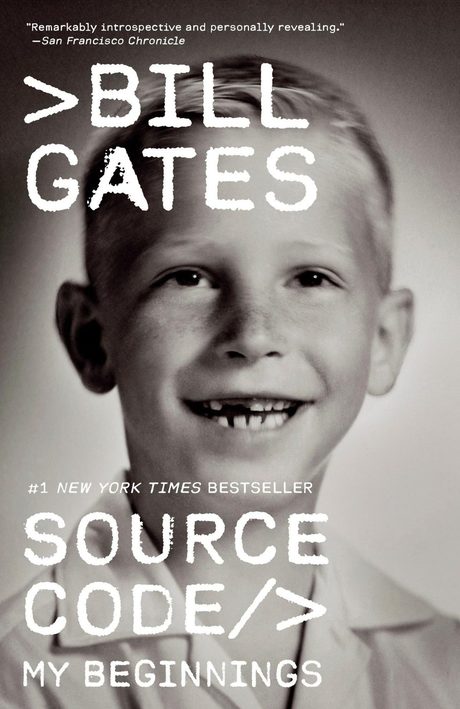
Borrow first
Source Code
Bill Gates2025about 353 pages
Bill Gates on being a difficult child in Seattle, and the memoir stops before Microsoft becomes Microsoft.
This covers the years up to the earliest Microsoft days: a stubborn, argumentative boy, parents who sent him to a therapist rather than trying to break him, a school that happened to own a computer terminal, and the friendship with Paul Allen that turned into a company. Gates is more open than I expected about being difficult to be around and about how much luck was involved. He is far less open about anything that came afterwards, which is a choice, and the book ends before the parts most readers actually want.
Why it is at 19
Nineteenth because it is a well-told childhood memoir attached to a name that promises a great deal more. If you want a book about how a certain kind of obsessive kid gets built, it is good on that and worth an evening. If you want the Microsoft story, or any accounting of the last thirty years, this is not that book and does not pretend to be.
Read it ifyou want an origin story about obsession and luck
Skip it ifyou want the business story, because it stops before that starts
measured, nostalgic, carefulBest for: readers who like founder origin storiesmemoirtechchildhood
20
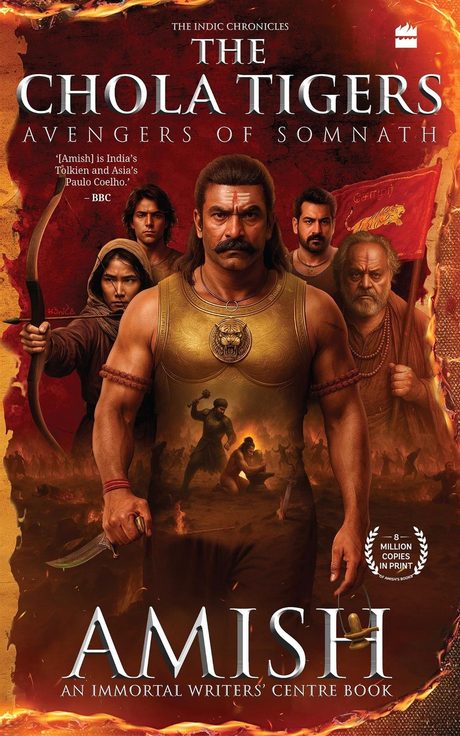
Borrow first
The Chola Tigers
Amish2025about 480 pages
Amish's second Indic Chronicles book: a revenge story set just after Mahmud of Ghazni's raid on Somnath in 1025 CE.
The setup is 1025 CE, days after the Somnath temple has been sacked, and a band of Indian warriors decide the reply will happen at a time and place of their own choosing. Amish writes historical fiction the way a Sunday afternoon film is directed: broad characters, speeches, a clear villain, action set pieces, and a great deal of exposition delivered as dialogue. If you grew up on the Shiva Trilogy this is the same machine with a new coat of paint. It stands alone, so the earlier Indic Chronicles book is not required reading.
Why it is at 20
Twentieth, and it is here because it was one of the most hyped Indian releases of 2025, not because it is the best writing on the page. Amish is a plot engine rather than a stylist, and the dialogue keeps stopping the story to explain the theme to you. If you already read him you will enjoy it. If you do not, start with The Immortals of Meluha.
Read it ifyou like fast Indian historical fiction with clear heroes
Skip it ifyou wince at expository dialogue and speech-making
broad, patriotic, fastBest for: Amish regulars and airport readingindian fictionhistoricaladventure
Worth knowing
How the three price tiers work
Every book carries one of three labels above its title, and they are about money, not quality. Buy it new means the book will still be on your shelf in five years and you will want that copy to be yours. Wait for the paperback means you will enjoy it once, and the hardback price is a tax on impatience. Borrow first means read it, absolutely, but from a library, a friend, or a subscription that is already eating your card every month.
The tiers happen to line up neatly with the ranking this year, which looks suspicious, so here is the honest version of how that happened. I ranked first and priced second, and when the two disagreed I moved the ranking rather than the price. Deep End is a better book than fifteenth position suggests, and it is still a borrow, because you will not open it twice.
Worth knowing
What did not make the twenty
A few 2025 books that were everywhere are missing. The big American policy books belonged to a US news cycle and will not repay an evening in Ahmedabad. Chetan Bhagat's 12 Years came out in October 2025 and I could not turn up a verified listing with a real cover through the sources I check, so it is left out rather than guessed at.
Ron Chernow's Mark Twain biography is excellent and runs past twelve hundred pages, which makes it a project rather than a book, and I am not sending you into that off the back of a listicle. Fever Beach, King of Ashes and a stack of good 2025 crime novels were cut for space, not for quality. If crime is your lane, start with Cosby.
People also ask
Questions, answered
What is the best book of 2025?
Heart Lamp by Banu Mushtaq, translated from Kannada by Deepa Bhasthi. Twelve short stories about women in Muslim households in Karnataka, written across roughly three decades and collected in English for the first time in 2025. It is the one book from that year I have gone back to, it costs less than most of the others here, and a single story fits into a commute. If you want a novel instead of stories, take Flesh by David Szalay.
Which 2025 books are worth buying rather than borrowing?
Seven of the twenty: Heart Lamp, Flesh, The Loneliness of Sonia and Sunny, Everything Is Tuberculosis, Careless People, Sunrise on the Reaping and The Emperor of Gladness. Those are the ones you will reread, lend out, or want visible on a shelf. The rest are good books with a shelf life of exactly one reading, and Indian hardback prices make that a costly distinction to get wrong.
What should I read if I have not finished a book in a year?
Start with Everything Is Tuberculosis by John Green. It runs about two hundred pages, it is written like someone talking to you across a table, and it is angry enough to keep you turning. If non-fiction is not your thing, Sunrise on the Reaping does the same job, especially if you read The Hunger Games as a teenager. Both finish in two or three sittings, and finishing one book is what breaks a reading drought.
Are there any Indian books on this list?
Three, counting translation. Heart Lamp is Kannada fiction in English and it is ranked first. Kiran Desai's The Loneliness of Sonia and Sunny sits at three and is her first novel in nineteen years. The Chola Tigers by Amish is at twenty, which is honest rather than unkind. John Green's tuberculosis book is not Indian but is substantially about India, and it is at four.
Is Onyx Storm worth reading if I have not read Fourth Wing?
No. It is the third book in a series and it assumes you know the school, the dragons, the politics and everybody's history. Begin with Fourth Wing, and only continue if that first book's voice works for you, because it does not change. Onyx Storm is also a middle book that moves the story sideways and ends on a cliff, so going in cold gives you the least satisfying entry point in the whole series.
Why write a best books of 2025 list in 2026?
Because December lists are written before anyone has finished the December books, and they mostly measure marketing spend. Twelve months later you can see which titles people still push on each other without being paid to, which ones went quiet, and which ones turned out to be one clever idea stretched across three hundred pages. Everything here has had a year to prove it was more than a good week on the internet.
Before you go
What to read tonight
If you want to start tonight, start with Heart Lamp and read two stories before you sleep, because it is the only book here that hands you a whole finished thing in twenty minutes. If you are choosing between the two Booker books, the tiebreak is time: Flesh if you have a weekend, Sonia and Sunny if you have a month and a chair you like.
One suggestion for the rest of 2026. Pick a book from the borrow-first tier and actually borrow it, from a library, a friend, or whatever subscription is already eating your card every month. Most of us buy books to signal an intention and then feel guilty about the pile. Reading one you did not pay for breaks that loop much faster than another purchase will.
Keep going
Lists that pair with this one
Trending
The 17 Best Books of 2026 So Far, Ranked and Verified
Seventeen releases I can actually vouch for as of August 2026, ranked with an Indian reader in mind, updated as the year goes.
Indian Fiction
The 20 Best Indian Books in Translation, Ranked by Where to Start
Twenty books from ten Indian languages, ordered from the easiest way in to the one that will fight you, with the translator named every time.
Trending
The 2026 Reading Challenge: 24 Prompts, 24 Real Book Picks
Two books a month, arranged around the Indian year, with a verified pick for every prompt so you never lose a week deciding.
Mood & Life
20 Best Books to Read in Your 20s, Grouped by the Problem
Four problems run this decade, work, love, money and meaning, so the list is sorted that way instead of pretending one book fixes all four.