The 2026 Reading Challenge: 24 Prompts, 24 Real Book Picks
Two books a month, arranged around the Indian year, with a verified pick for every prompt so you never lose a week deciding.
By Bhavik SarkhediUpdated August 2026Covers and data: Google Books, Open Library
Every reading challenge I have joined died in April. Not because the books were bad, but because January me signed up for fifty-two of them, and April me was on a work trip with a dying phone battery and no idea which book was supposed to be next.
So this one has twenty-four books, two a month, and the order is not random. It is arranged around the Indian year: short books in exam and appraisal season, a monsoon book for when the rain actually arrives, something frightening in October, and the two doorstops parked in December when you might finally have days off. Fighting the calendar is what kills these things. This one goes along with it.
Every prompt below comes with one real pick, checked against a real edition with a real cover, plus what the book is, why it sits in that month, and who should skip it. You are not obliged to read my pick. The prompt is the exercise and the pick is only there so you never lose a week choosing.
More than half of these are Indian or set in India, because most reading challenges you will find online were built for a reader in Ohio. If you finish twenty of the twenty-four you have had a very good year, and I will say more about that below.
Two a month, not four, because a challenge you can finish beats a challenge that makes you feel clever in January and guilty by March.
One pick per prompt, every one verified through Google Books and Open Library with a real cover, so you are not hunting an edition that does not exist.
The order follows the Indian year: short books in exam months, the monsoon book in June, the frightening one in October, both long books in December.
More than half the list is Indian or set in India, and the translated picks were published in India before anywhere else.
Only December asks for a long book, and it asks twice, which is deliberate rather than cruel.
I cut the usual challenge filler. No book with a number in the title, no book with a blue cover, none of the prompts that are really just shopping.
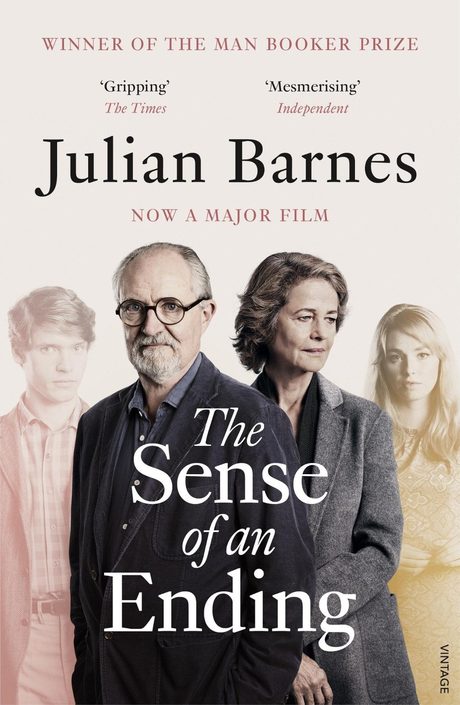
A retired man gets a letter about a friend who died decades ago, and his memory of it turns out to be a lie.
Tony Webster is comfortably retired, amicably divorced, on decent terms with everybody, and quietly proud of having caused no damage to anyone. Then a solicitor's letter arrives about a diary belonging to a school friend who killed himself in the 1960s, and Tony has to go back through what he actually did at twenty. Barnes tells it in about a hundred and fifty pages of very plain English, and the plainness is the trap. You believe Tony because he sounds so reasonable, and the last twenty pages send you back to reread everything you skimmed.
Why it is at 1
January opens with a book you can genuinely finish in one sitting, because momentum is the only thing that keeps a challenge alive past February. This one is short, the prose never slows you down, and it ends with a turn that makes you want to talk about it immediately. Starting the year with a finished book changes how the rest of the year goes.
Read it ifyou want a short novel that rearranges itself in the final chapter
Skip it ifyou dislike narrators who turn out to be lying to themselves
quiet, English, slyBest for: one uninterrupted eveningshort novelmemorybritish
Heads up: a suicide sits at the centre of the plot
Twenty short chapters arguing that how you behave with money matters far more than what you know about it.
Housel is a financial writer who noticed that people with finance degrees often handle money worse than people without one, and built a book of short chapters around why. Each is a story with a point: a janitor who dies with millions, an executive who goes broke, the gap between being rich and being wealthy, what compounding actually feels like when you live through it rather than model it. There is almost no arithmetic here. It is about ego, patience, envy, and how much of any outcome is luck that people spend years mislabelling as skill.
Why it is at 2
January is when everyone reorganises their finances and then quietly stops, so the short novel gets paired with the short money book. This is the only personal finance title I would hand to a twenty-four-year-old, because it never tells you what to buy. It tells you why you keep selling. The chapters run about four pages each, which makes it a commute book.
Read it ifyou want money advice about behaviour rather than products
Skip it ifyou want specific Indian investing instructions, because there are none here
calm, story-led, practicalBest for: anyone in their first jobmoneynon-fictionbehaviour
An advertising junior becomes the Indian cricket team's lucky charm and falls for the one player who thinks luck is nonsense.
Zoya Singh Solanki works in advertising, was born at the exact moment India lifted the 1983 World Cup, and gets adopted as a good-luck totem by the national team after a breakfast in Dhaka goes suspiciously well. The captain, Nikhil Khoda, refuses to play along, because he thinks the whole business insults the actual work. Chauhan spent years in advertising and it shows in every line of dialogue. This is the funniest Indian English writing about offices, families and cricket I have read, and the romance is comfortably the least interesting thing in a very good book.
Why it is at 3
February gets the romcom because that is the month the market decides you need one. The Zoya Factor is the Indian romcom that holds up as a novel: the family scenes are sharper than the love story, and Chauhan writes a Punjabi Delhi household better than almost anyone. It is long for the genre, so pair it with the shorter February book and do not panic when you see the page count.
Read it ifyou want an Indian romcom with real jokes and real families
Skip it ifyou find cricket plot mechanics tedious, because there is a great deal of cricket
loud, funny, DelhiBest for: readers who think romance is sillyromcomindian fictioncricket
Pairs with: That Long Silence, its February partner, which is the same country with the jokes taken out
A woman whose husband is under investigation moves back to an empty flat and finally hears how long she has been quiet.
Jaya is a middle-class Bombay wife and a writer who stopped writing anything true because it embarrassed her husband. When Mohan is caught up in a business inquiry, the two of them retreat to an old flat in Dadar, and across that shut-in fortnight Jaya goes back through seventeen years of a marriage in which she agreed to nearly everything. Deshpande published this in 1988 and it has not softened with age. The awful part is how ordinary it all is: nobody hits anybody, nobody storms out, and an entire life gets negotiated away in small polite instalments.
Why it is at 4
The romcom and the marriage novel share a month on purpose. February sells you one version of love and this is the other one, written by a woman who had been watching Indian marriages for decades before she wrote it. It runs about two hundred plain-spoken pages, and there is a fair chance you will recognise somebody from your own family in it. The recognition is the assignment.
Read it ifyou want an honest Indian novel about what a marriage costs a woman
Skip it ifyou want resolution, because Deshpande declines to hand out any
restrained, domestic, devastatingBest for: anyone about to get marriedindian fictionmarriagewomen
Heads up: emotional neglect, and a death that hangs over the second half
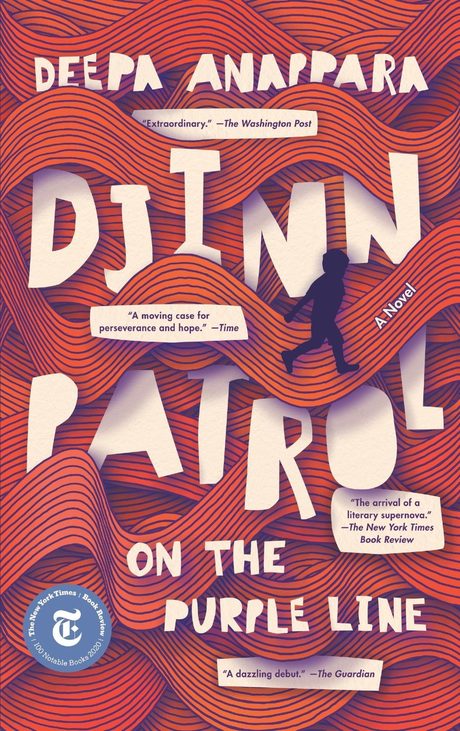
A nine-year-old in a Delhi basti starts a detective agency when classmates begin disappearing, because no adult is going to look.
Jai watches too much reality crime television and decides that qualifies him to investigate when a boy from his school vanishes. He recruits his friends Pari and Faiz, and they work the case with the seriousness of children and the resources of children, which is to say almost none. Anappara reported on exactly these disappearances before she wrote fiction, and the book carries that knowledge without once lecturing you. The trick of it is that Jai's voice is funny and boastful and nine years old, so you keep laughing while the ground quietly goes out from under you.
Why it is at 5
March gets the debut because a year needs at least one writer you have never read, and this is the strongest Indian first novel of the last decade. It is also the least sanctimonious book about poverty I know, because the narrator is a child who thinks his neighbourhood is normal, which to him it is. Fair warning: it does not end the way children's detective stories end.
Read it ifyou want a child narrator who is funny and never cute
Skip it ifyou cannot read about missing children, because that is the whole plot
funny, warm, guttingBest for: readers who want India nowdebutdelhicrime
Heads up: child disappearances, communal violence and police indifference
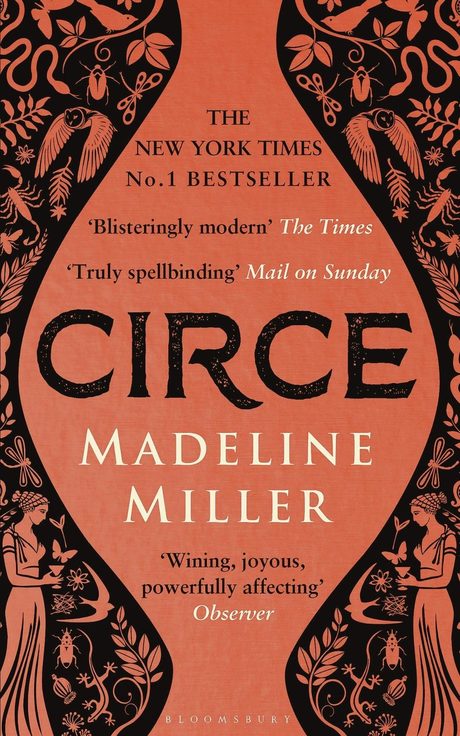
The witch who turns Odysseus's men into pigs gets the Odyssey retold from her island, and she is the only sane person in it.
Circe is a minor goddess who is neither beautiful enough nor powerful enough to matter to her family, discovers she can do witchcraft, and is exiled to an island for it. From there she spends centuries standing in the path of everyone else's story: the Minotaur, Daedalus, Odysseus, Telemachus. Miller writes plain direct sentences and lets the mythology stay strange without decorating it. What makes the book work is that Circe's real problem is not magic. It is being a woman who is useful to men for a season and then set aside, over and over, for a very long time.
Why it is at 6
March's second slot is deliberately easy, because the debut is heavy going. Circe is the most purely enjoyable book on this list, and if Greek mythology has always felt like homework to you, this is the one that fixes it. It also works as a test of whether you enjoy retellings before you commit to a whole shelf of them.
Read it ifyou want mythology that reads like a novel rather than a syllabus
Skip it ifyou dislike retellings, because this is one from first page to last
immortal, lonely, gorgeousBest for: readers who avoid mythologymythologyretellinggreek
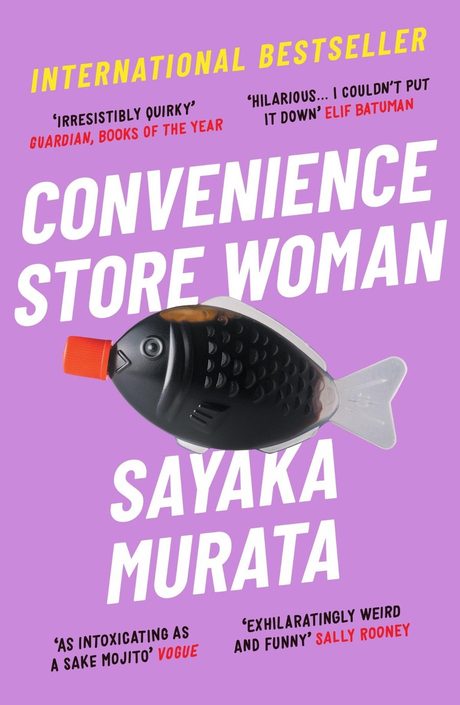
Sayaka Muratatranslated by Ginny Tapley Takemori2016about 110 pages
A woman has worked at the same Tokyo convenience store for eighteen years and cannot understand why everybody finds that alarming.
Keiko is thirty-six, has never had a relationship, has never wanted a career, and has worked part-time at the same convenience store since university, where the rules are clear and she knows exactly who to be. Everyone around her treats this as a problem in need of solving. The novel is short, deadpan and funny in a way that stops being funny about halfway through, once you notice how much pressure gets applied to Keiko in the name of concern. Murata worked in a convenience store herself while writing it, and the shop-floor scenes have a precision you cannot fake.
Why it is at 7
April is exam and appraisal season in most Indian households, so both books this month are short. Translation gets its own prompt because reading only in English is a self-imposed limit that most of us never examine, and this is the least intimidating door into it: under two hundred pages, no cultural homework required, and a discomfort that travels perfectly well to Ahmedabad.
Read it ifyou have ever been asked when you are getting married and had no answer
Skip it ifyou want a character who grows and changes, because Keiko does not
deadpan, strange, sharpBest for: anyone tired of being managedtranslationjapanshort novel
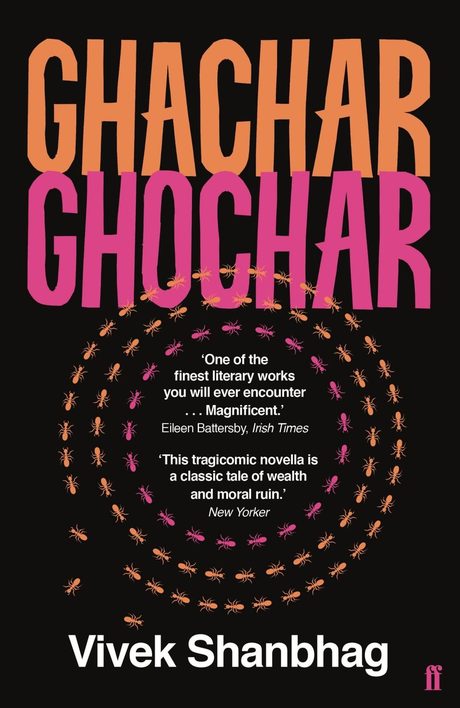
Vivek Shanbhagtranslated by Srinath Perur2013about 103 pages
A Bangalore family gets rich from a spice business and the money quietly rots every relationship in the house.
The narrator's family lived in a cramped Bangalore house on a shared income, arguing constantly about small amounts. Then an uncle starts a spice business, money arrives, and they move somewhere bigger where nobody has to work very hard. Shanbhag tells it in about a hundred and twenty pages, narrated by a man who sits in a coffee house to avoid his own home. The title is a nonsense phrase from the family's private vocabulary meaning tangled beyond fixing, and by the end you understand it was never a joke but a diagnosis.
Why it is at 8
The second April book is the shortest here, and the one people finish in a single afternoon and then sit very still with. Under 150 pages exists as a prompt to prove that short does not mean slight. This one holds a whole family, a class shift and a genuinely frightening ending in less space than most novels spend on their first act.
Read it ifyou want a short novel that leaves a mark out of all proportion to its size
Skip it ifyou need an explicit ending, because this one closes on a shadow
compact, cold, brilliantBest for: one afternoontranslationkannadafamily
Pairs with: Convenience Store Woman, its April partner, another short book about a person the family cannot place
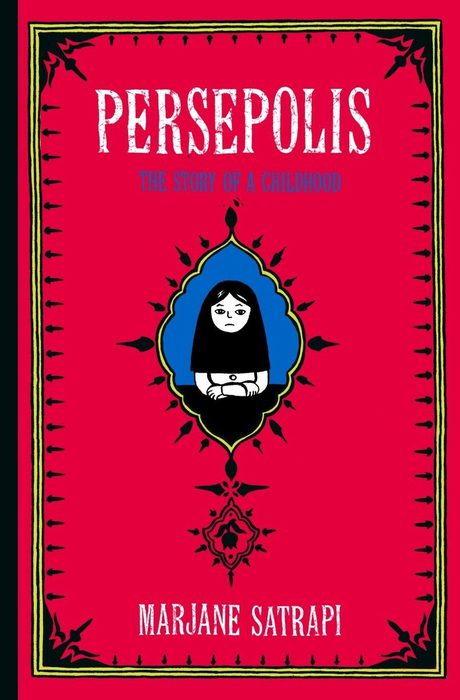
A girl grows up in Tehran through the revolution and the war, drawn in flat black and white by the woman who lived it.
Satrapi was ten when the Iranian revolution changed everything about her life, starting with what she was allowed to wear to school. She draws that childhood in flat black and white with no shading, which sounds like a limitation and turns out to be the reason it lands: a child's certainty rendered in a child's clear lines. Her parents are leftists, her grandmother is the best character in any memoir I have read, and the book moves between very funny scenes about smuggled cassettes and very short scenes about people who do not come back.
Why it is at 9
May gets the two shortest forms because the heat makes long paragraphs feel like labour. A graphic novel is on this list because most adults quietly assume comics are for children, then read one and change their mind inside twenty pages. This is the book to change it with, and it happens to be about growing up under rules made by other people, which travels well.
Read it ifyou have never read a graphic novel and want the best entry point
Skip it ifyou need colour and detailed art, because this is deliberately stark
A sceptic takes a bus to a temple town in Maharashtra and writes short poems about everything except faith.
Kolatkar wrote in both Marathi and English and worked in advertising in Bombay, which may be why nothing in this sequence is decorative. A man visits Jejuri, a pilgrimage town, and looks at it the way a tired traveller actually looks at a place: a broken door, a priest waiting for custom, a dog, a bus with a cracked windscreen, an old woman who wants fifty paise. The poems are short and mostly plain-spoken, and the divine keeps turning up where he is not looking for it, in a stone or an animal or the light.
Why it is at 10
The poetry prompt is where reading challenges usually collapse, so the pick has to be a book you can read like prose. Jejuri is exactly that: short, concrete, no vocabulary that sends you to a dictionary, and every poem is about a thing you could photograph. If you have decided poetry is not for you, this is the book that argues with that decision most efficiently.
Read it ifyou think poetry is not for you and are open to being wrong
Skip it ifyou want rhyme, form and grand feeling, because this offers none of them
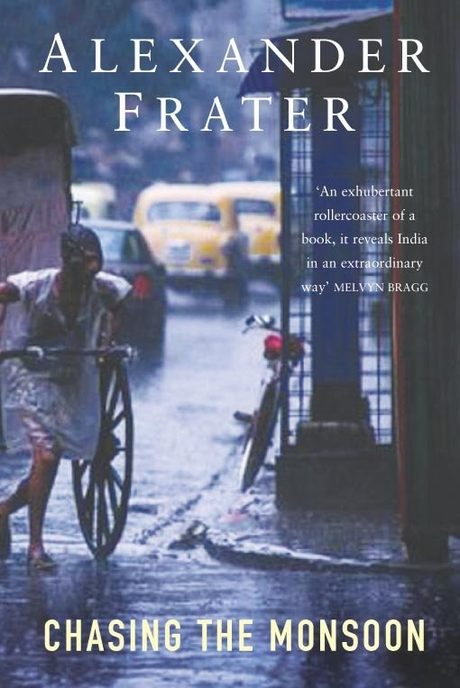
A journalist follows the monsoon from Kerala to Cherrapunji, chasing the rain up the country by train, plane and argument.
Frater grew up on a Pacific island and became obsessed with the Indian monsoon, so he arrived in Kerala for the burst and travelled north alongside it: Kovalam, Goa, Bombay, Delhi, Calcutta, and finally Cherrapunji, which he needed permits to reach at all. The book is part travelogue, part weather book, and part portrait of what an entire country does when the rain is late. He is funny about bureaucracy and genuinely moving about what the first shower means to people whose whole year depends on it arriving.
Why it is at 11
June is when the monsoon reaches most of India, and reading about rain while it is actually falling is one of the small pleasures this whole challenge is designed around. Frater is an outsider, which is a fair objection to raise, but he is a curious outsider rather than a superior one, and his Bombay chapter is the best writing about the first day of rain that I know.
Read it ifyou want travel writing about weather, trains and Indian bureaucracy
Skip it ifyou are tired of foreigners writing about India, which is fair enough
wet, wandering, warmBest for: the first week of raintravelmonsoonnon-fiction
A son grows up in a one-bedroom Bombay flat with a mother whose mind keeps leaving, and loves her anyway.
Em is the mother, funny and filthy-mouthed and brilliant, and she has bipolar disorder that takes her away for long stretches. The Big Hoom is the father, steady and quiet and doing the arithmetic. The narrator is their son, telling it from a small flat where everything happens within earshot of everything else. Pinto took decades over this and it reads like it: no self-pity, no lesson, no redemption arc. The mother is allowed to be a whole person rather than a diagnosis, and the son is allowed to be tired of her, which is the hardest thing in the book to say out loud.
Why it is at 12
The city prompt is the one you are meant to replace. Mine is Bombay because this is the finest novel ever written inside a small Indian flat, and if you live there it will be unbearable in the right way. If you live elsewhere, swap it: Delhi has Djinn Patrol, Bangalore has Ghachar Ghochar, Ahmedabad has The Stepchild. The point is seeing your own streets in print.
Read it ifyou want an honest Indian novel about mental illness inside a family
Skip it ifyou are close to someone living with bipolar disorder and not ready for it
cramped, funny, tenderBest for: readers in Indian citiesindian fictionmumbaimental health
Heads up: bipolar disorder, suicide attempts, and the effect of both on a family
A driver from Bihar writes letters to the Chinese premier explaining, cheerfully, how he murdered his employer and became a businessman.
Balram Halwai narrates his own story across seven nights, in letters addressed to Wen Jiabao, who is due to visit Bangalore. He grew up in a village he calls the Darkness, became a driver for a landlord's son in Delhi, and worked out that the only exit from servitude available to him was a criminal one. Adiga writes Balram as charming, self-justifying and entirely unbothered, which is what makes the book uncomfortable rather than merely bleak. It is a satire, so the caricature is deliberate, and whether that caricature is fair is the argument this novel has been having ever since.
Why it is at 13
The colour prompt looks like filler and this pick is not. July sits in the middle of the year, where challenges sag, so both books this month are fast and both became films. The White Tiger is short, first person and propulsive, and it will annoy you at least once, which is more than most beach-list novels manage.
Read it ifyou want a fast, nasty, funny novel about class in India
Skip it ifyou find the village-as-Darkness caricature grating, because many Indian readers do
nasty, funny, propulsiveBest for: readers who like unlikeable narratorsindian fictionsatireclass
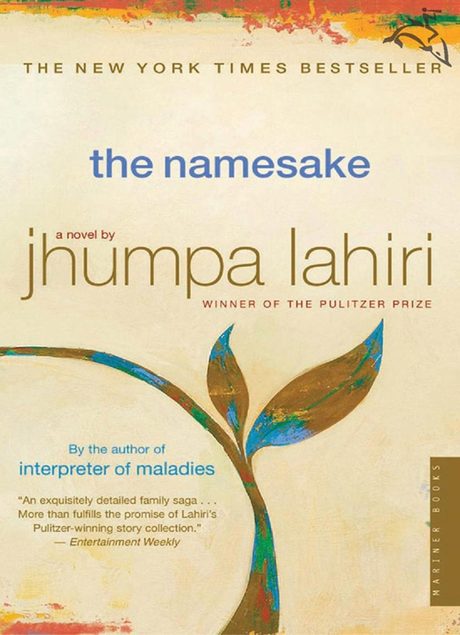
A Bengali boy in America is named after a Russian writer by accident and spends his life negotiating with that name.
Ashoke and Ashima Ganguli move from Calcutta to Massachusetts in the late 1960s, and their son gets registered as Gogol because the formal name has not arrived from India in time. The novel follows him from that hospital form to middle age: the embarrassment of the name, the girlfriends, the changed name, the father he never asks enough questions of. Lahiri writes slowly and precisely about undramatic things, meals and apartments and phone calls, and the accumulation is the whole point. Mira Nair filmed it in 2006 with Irrfan Khan and Tabu, and that film is genuinely good.
Why it is at 14
The film prompt works best when book and film are both worth your time, and this is one of the rare cases. Read it in July, watch the Mira Nair version the same week, and pay attention to what a film is forced to cut. Lahiri is also the gentlest writer on this list, which is what the middle of the year needs straight after Balram.
Read it ifyou have ever felt like a translation of yourself across two countries
Skip it ifyou need plot, because this novel is almost entirely accumulation
quiet, precise, homesickBest for: anyone who moved awaydiasporafamilyadaptation
August: a book by a Gujarati author in translation
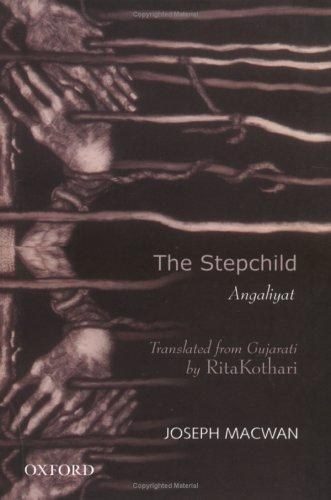
The Stepchild
Joseph Macwantranslated by Rita Kothari1986about 272 pages
A Dalit weaver community in central Gujarat, two generations, and the ordinary violence that decides who may walk on which road.
Macwan wrote Angaliyat in Gujarati about the Vankar weaver community of the Charotar region, drawing on the lives he grew up among. It follows Teeha and Valji, two young men whose friendship runs straight into upper-caste power, and then follows what that collision costs the generation after them. Rita Kothari's translation keeps the rhythm of village Gujarati speech without turning any of it into folklore. The English title is The Stepchild, which is precisely the position the book describes: inside the family of the nation and never treated as a child of it.
Why it is at 15
August is the month of speeches about independence, so both books here are about who that independence actually reached. Gujarati fiction is thin in English, not because the writing is thin but because almost nobody has been paid to carry it across, and on that small shelf this is the book most worth your time. It is also short.
Read it ifyou want Gujarati fiction in English and can take a hard rural story
Skip it ifyou want gentle regional nostalgia, because this is emphatically not that
rural, unsparing, angryBest for: readers who want caste from insidegujaratitranslationcaste
Heads up: caste violence, including an assault on a woman that drives the plot
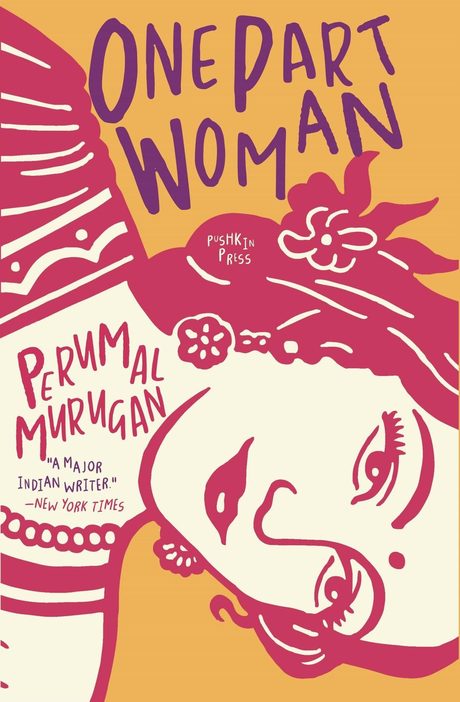
Perumal Murugantranslated by Aniruddhan Vasudevan2010about 211 pages
A childless couple in Tamil Nadu are pushed towards an old temple custom, and the novel about it nearly ended its author's career.
Kali and Ponna have been married twelve years without a child, and everyone around them, kindly and relentlessly, has a view about it. The pressure eventually points towards a chariot festival at which, by custom, the usual rules are suspended for one night. Murugan writes the marriage with real tenderness long before he writes the pressure, which is why the ending works at all. The Tamil original appeared in 2010, and after the English translation came out, protests and copy-burning led Murugan to withdraw the book and announce publicly that the writer in him was dead. A court later ruled in his favour and he returned to writing.
Why it is at 16
Strictly speaking this was never banned by the state, and that is exactly why it belongs under this prompt in India. Books here are rarely stopped by a notification. They get pulled by pressure, by a crowd outside a publisher's office, by one phone call. Read the novel first for what it is, a quiet story about a marriage, and only afterwards read what happened to it.
Read it ifyou want a tender Tamil novel about a marriage under social pressure
Skip it ifyou came for the scandal, because the book itself is quiet and domestic
tender, rural, tenseBest for: readers who want the real storytranslationtamilcensorship
September: a book you were assigned in school and never read
The Diary of a Young Girl
Anne Frank1947about 239 pages
A teenager hiding in an Amsterdam annexe writes about her mother, her crush and her ambitions, and it is nothing like the school version.
Anne Frank was thirteen when her family went into hiding above her father's business in Amsterdam, and fifteen when they were found. The diary covers those two years, and the thing school never mentions is how funny and irritable and ambitious she is. She fights with her mother, she is scathing about the adults sharing the hiding place, she is frank about her body and about wanting to be a writer. The horror sits outside the pages and is almost never the subject. What she is actually writing is a girl's ordinary furious inner life inside an impossible room.
Why it is at 17
September is back-to-school month, so this prompt is the book you were made to carry and never opened. Nearly everyone was assigned this and nearly nobody read past the famous lines. Reading it as an adult is a completely different book, because you notice she is a real teenager with opinions rather than a symbol, and the loss lands properly for the first time.
Read it ifyou want to actually read the book everybody quotes
Skip it ifyou cannot face what the final pages point towards
alive, funny, unbearableBest for: adults who faked it in schooldiaryhistoryclassic
Heads up: the Holocaust, and what happened after the diary stops
Paulo Coelhotranslated by Alan R. Clarke1988about 196 pages
A shepherd boy walks from Spain to Egypt looking for treasure, and the world has been arguing about this book for thirty years.
Santiago is an Andalusian shepherd who keeps having the same dream about treasure at the pyramids and decides to go and find it. Along the way there is a king, a crystal merchant, a desert crossing, an alchemist, and a great deal of talk about personal legends and the universe conspiring on your behalf. It is a fable rather than a novel, which is the source of most of the fighting about it. People who found it at the right moment in their lives defend it fiercely, and people who came to it late find it a fridge magnet stretched over a hundred and sixty pages.
Why it is at 18
Every challenge needs one book you already have opinions about without having read it, and this is the most reliable candidate on earth. It is short, it costs you an afternoon, and you will finish it either quietly moved or thoroughly irritated. Both outcomes are useful, because you will finally be arguing from the text instead of from the internet.
Read it ifyou want to settle your own opinion on the most argued-about paperback alive
Skip it ifyou have no patience for fables that speak in capital letters
simple, earnest, divisiveBest for: an afternoon and an argumentfabletranslationclassic
Four people spend a summer in a house that may be haunted, and the most frightening thing in it is one woman's loneliness.
A researcher invites three people to stay at Hill House and document whatever is there. Eleanor is the one the book truly belongs to: thirty-two years old, eleven of them spent nursing her mother, driving to the house in a car she has more or less stolen from her sister, desperate to belong somewhere. Jackson barely shows you anything. A door closes, cold arrives in one spot, something gets written on a wall, and most of the terror comes from not knowing whether it is the house doing it or Eleanor. The opening paragraph is famous and the last line is genuinely cruel.
Why it is at 19
October gets the frightening book because that is when the whole world is in the mood for one, and Hill House is the one that still works on adults who are hard to scare. It is short, it is decades older than most horror you have read, and it is quietly about a woman nobody has ever wanted, which is what makes it stay with you afterwards.
Read it ifyou want psychological horror rather than gore
Skip it ifyou need answers, because the book never confirms what was real
cold, lonely, dread-soakedBest for: one October nighthorrorclassicpsychological
Heads up: psychological deterioration and a death by suicide
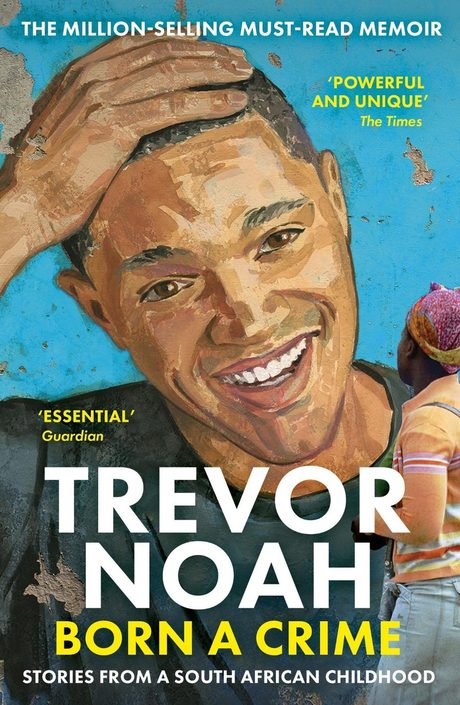
A childhood under apartheid told with a headliner's timing, because the boy's mixed parentage was literally against the law.
Trevor Noah was born in South Africa to a Black mother and a white father at a time when that relationship was a crime, so his existence is the offence in the title. The book is a set of stories from that childhood: church marathons, a tuck-shop hustle, a disastrous prom, a mother who out-argues everybody including God, and a stepfather who turns the last chapters cold. Every chapter is shaped like a stand-up bit with a setup and a payoff, except that the payoff sometimes lands in your chest instead of your funny bone.
Why it is at 20
The comedian memoir sits next to the horror novel because October needs a recovery book, and this is the funniest thing on the list that is also about something serious. Most comedian memoirs are stage material typed out and padded. This is a real story with real danger in it, and the jokes are load-bearing rather than decorative.
Read it ifyou want big laughs attached to a story with real stakes
Skip it ifyou want pure comedy, because the final third turns dark
warm, fast, devastatingBest for: readers who avoid memoirsmemoircomedysouth africa
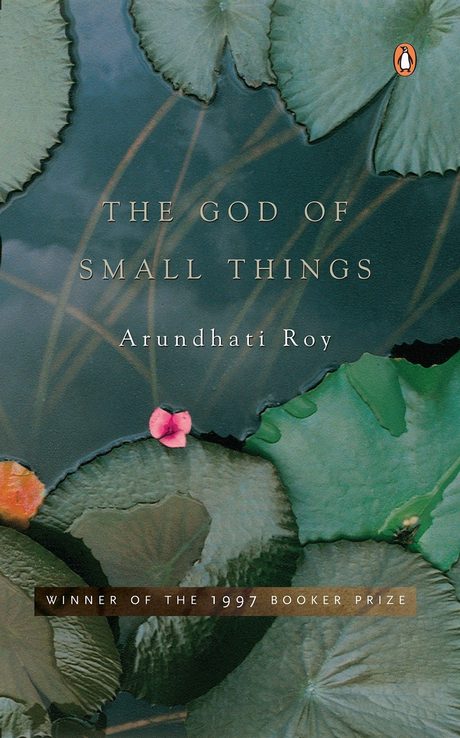
Twins in Kerala grow up around a family secret, and the novel tells you the ending early and destroys you with it anyway.
Rahel and Estha are twins in Ayemenem in Kerala, and the novel moves between their childhood in 1969 and their reunion as adults, circling one terrible fortnight. Roy writes English the way children invent it, inverted and repeated and capitalised where it should not be, so you end up reading inside the twins' heads rather than about them. Around that sit a pickle factory, a communist party, a divorced mother, an untouchable carpenter, and a set of rules about who may love whom and how much, which the family calls the love laws.
Why it is at 21
If you were born in the nineties this is your pick, and if you were born in another decade the rule still holds: find a book from your own birth year and see what the world was publishing when you turned up. November suits it because the year is winding down and the mood already leans backwards. Roy's novel also rewards a slow month rather than a busy one.
Read it ifyou want language that behaves differently from any other Indian novel
Skip it ifyou want a straight chronological story, because this one loops constantly
humid, broken, extraordinaryBest for: readers born in the ninetiesindian fictionkeralaclassic
Heads up: child sexual abuse, caste violence and a death by drowning
November: a book recommended by a friend, and I am that friend
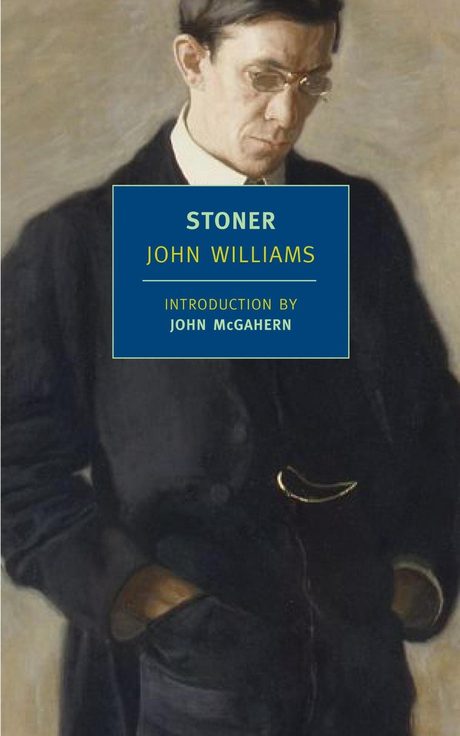
Stoner
John Williams1965about 305 pages
A farm boy becomes an English professor, has a bad marriage and a quiet career, and it is one of the great novels.
William Stoner leaves a Missouri farm to study agriculture, sits through a compulsory English class, and changes course without ever being able to explain why. The rest is a life: a marriage that goes wrong early and never recovers, a departmental feud that costs him decades, a daughter he loses slowly, one love affair, and a career nobody would call a success. Williams writes it in plain declarative sentences with no irony and no rescue anywhere. It ought to be unbearable and is instead strangely consoling, because it takes an ordinary disappointing life completely seriously.
Why it is at 22
This prompt exists because the best recommendations come from a person rather than an algorithm, so I am volunteering. Stoner is the book I have pushed on more people than any other, and roughly a third of them come back annoyed with me. It is quiet, it is sad, and nothing in the plot would survive a summary. Read the first ten pages before you decide.
Read it ifyou want a quiet novel that takes an unremarkable life seriously
Skip it ifyou want plot or hope, because there is very little of either
plain, sad, consolingBest for: readers in their thirtiesclassicacademiaquiet
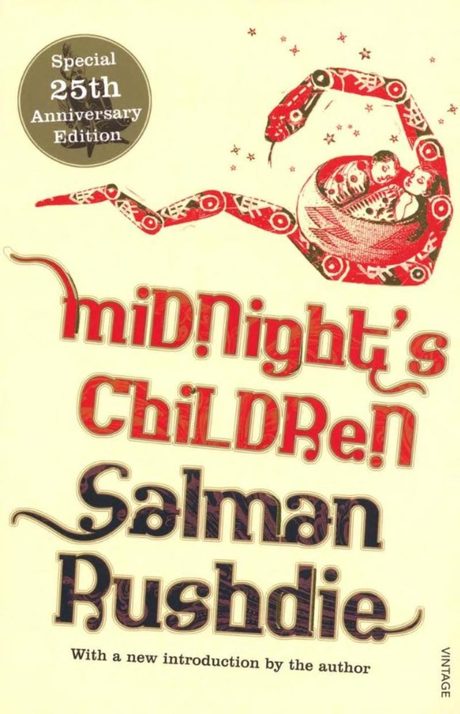
A boy born at the exact moment of Indian independence turns out to be telepathically linked to every child born in that hour.
Saleem Sinai is born at midnight on 15 August 1947 and spends six hundred-odd pages insisting that his life and his country's are the same event. He narrates in a hurry, from a pickle factory, to a listener who keeps interrupting him, and the story runs from Kashmir before independence through Bombay, Partition, the wars and the Emergency. Rushdie writes long digressive joke-stuffed sentences that take about fifty pages to get used to. Once you are used to them the book becomes very hard to put down, which is not what most people expect going in.
Why it is at 23
December is the only month where two long books are realistic, because most people get a few days off. Over 500 pages is the prompt that frightens people out of challenges, so the pick has to repay the length rather than merely occupy it. This does. If you have been telling yourself for years that you should read it, this is the month with the space in it.
Read it ifyou have a week off and want the big Indian novel finally read
Skip it ifyou dislike digressive narrators, because Saleem never gets to the point directly
loud, digressive, magicalBest for: a week of holidaysindian fictionmagical realismpartition
Geetanjali Shreetranslated by Daisy Rockwell2018about 395 pages
An eighty-year-old widow turns her face to the wall, refuses to get up, and then gets up and goes to Pakistan.
Ma is eighty, recently widowed, and has decided to lie down facing the wall. Her family manages around her until she rises, moves in with her daughter, acquires a new wardrobe and an unlikely new friend, and eventually announces a trip across a border she crossed once before as a girl, in the other direction. Shree wrote it in Hindi as Ret Samadhi, and Daisy Rockwell's English keeps the wordplay, the digressions and the crows who comment on the action. It is long, and for the first two hundred pages it deliberately refuses to behave like a novel.
Why it is at 24
The final prompt is the book you have been avoiding, and this is the one most Indian readers bought, admired and shelved. It is difficult on purpose for a while, and then it turns into something else entirely. December, with days off and no reason to rush, is the only honest time to attempt it. Finish this and the challenge is done, and you have had a genuinely good year.
Read it ifyou want a big playful Hindi novel and have patience for the opening stretch
Skip it ifyou want conventional structure, because the first half declines to give you one
playful, digressive, immenseBest for: a long December breaktranslationhindipartition
The rhythm is two books a month, and the rule that saves it is the carry-forward. If you miss a book, you do not add it to next month. You drop it and move on, because a growing pile of unread guilt is what kills every challenge by about week ten. Twenty out of twenty-four is a very good year and nobody is auditing you.
Track it wherever you already look every day: a note on your phone, the back page of a diary, the Goodreads or StoryGraph challenge if you already use one. Do not build a system. Anyone who spends a Sunday designing a reading tracker has substituted admin for reading, and I say that as a man who has done it twice.
Swap freely. The city prompt is meant to be replaced with your own city. The birth-year prompt only works if you use your own year. If a pick is unavailable or too expensive where you are, keep the prompt and change the book, because the prompt is the exercise and my pick is only a suggestion with a cover attached.
Worth knowing
A note on the heavier books
Several of these deal with mental illness, suicide, sexual violence, caste violence or the Holocaust, and every one of those entries carries a content note. Read the notes before you buy rather than after you start. If something here sits close to your own life right now, skip it and take a different prompt, because the year does not care about the order you go in.
One thing worth saying plainly, since two picks sit near depression and one lives inside a family managing bipolar disorder. A novel is not treatment. Fiction can make you feel accurately described, which is worth a great deal, but it does not do the work of a doctor or a therapist, and if you need one of those, the book can wait until afterwards.
People also ask
Questions, answered
How many books should a 2026 reading challenge have?
Twenty-four is the number I would defend: two a month, roughly one a fortnight, which most people can hold alongside a job. Fifty-two sounds impressive in January and quietly turns reading into a productivity task by March. If twenty-four still feels heavy, halve it and take one prompt a month, keeping the January, June, October and December picks, because those four are the ones tied to the calendar.
What if I cannot find the book for a prompt?
Change the book and keep the prompt. Every pick here was checked against a real edition with a real cover, but availability and price swing wildly across India, and a library shelf or a friend's cupboard will often decide for you anyway. The prompt is the exercise. If the graphic novel you can lay hands on is not Persepolis, read the one you can, because the point was to read outside your usual shape.
Which reading challenge prompt do most people quit on?
Poetry first, then the long book. Poetry gets abandoned because most of us were taught it as a comprehension exercise, which is exactly why the pick here is Jejuri, a sequence of short concrete poems about a man wandering a temple town with no interest in being spiritual. The long book gets abandoned when it is attempted in a busy month, which is why both long books sit in December.
Can I do this challenge with a friend or a book club?
It works better that way. Two prompts a month gives a club an easy structure: everybody reads the same prompt and picks their own book, then compares at the end of the month. The prompts that produce the best arguments are the banned book, the book everyone hated, and the book recommended by a friend, because all three are about taste and permission rather than plot. Fix a date and keep it.
Are all these books available in India?
Most are widely available in Indian editions, several are Penguin India or Aleph titles, and the translated picks were published here before anywhere else. A few are easier to find online than in a bookshop, and prices move a lot, so try a library first. Nothing on this list requires an imported hardback. If a pick is genuinely unavailable near you, swap the book and keep the prompt.
Should I read them in this order?
Yes if you can, because the order is the only original thing here. The books are matched to the Indian year: short ones through exam and appraisal season, the monsoon book when the rain arrives, the frightening one in October, and the two long ones in December when you may actually have days off. If you do jump around, at least keep June, October and December where they are.
Before you go
What to read tonight
If it is the first week of January, buy The Sense of an Ending today and read it this weekend, because one finished book in the opening fortnight decides whether this challenge survives at all. If you have found this in March, start at whichever month you are in and let January and February go without ceremony.
And if you finish only one prompt all year, make it the poetry one. It has the highest chance of changing what you think reading even is, and it costs you a single afternoon. Most of the other books here would have reached you eventually through a friend or an algorithm. Jejuri is the one that genuinely will not, unless a list like this puts it in your hands.