Every mid-year book list has the same problem. It is thrown together in a hurry, half the titles on it are not out yet, and nobody admits the writer has properly read four of them. So here is the deal I am making with you instead: every book below has a verified edition, a real cover, and a publication date I checked myself. Nothing on this page is a rumour.
This is a table at the innings break, not a trophy. It is dated 18 August 2026 and I will redo it in December, by which point a few of these will look overrated and two or three books published this month will have climbed.
One more thing about the order. I did not rank purely on quality, because a purely literary ranking is not much use to somebody buying books in rupees without the American publicity machine telling them what to care about. I ranked on quality and on how well the book travels here. A brilliant novel that assumes you grew up in Florida drops a few places. A nearly as good novel set inside a Delhi family compound climbs. Ranks one to five are worth buying now, six to eleven are worth waiting for in paperback, and twelve to seventeen are for one specific reader who I name in the entry.
How I picked these
- Every title verified through Google Books and Open Library with a real cover and a 2026 edition record. Four books I wanted here did not return that, so they are off the list. That is a gap in my data, not a verdict on those books.
- Published and on shelves by mid August 2026. Titles dated later this year are out, however good the early word is, because a list called so far ought to mean so far.
- Ranked on quality plus travel: how much the book gives a reader in Chennai or Chandigarh who is paying full price and has no context from American book chatter.
- Spread on purpose across literary fiction, crime, romance, satire and one work of nonfiction, because a year is not one genre.
- No sales figures, no ratings, no prize claims. Where a book carries a real credential I say exactly where I checked it.
The whole list at a glance
All 17 books, in order
| # | Book | Author | Year | Vibe | Best for |
|---|
| 1 | The Complex | Karan Mahajan | 2026 | sprawling, funny, ruthless | readers of big Indian sagas |
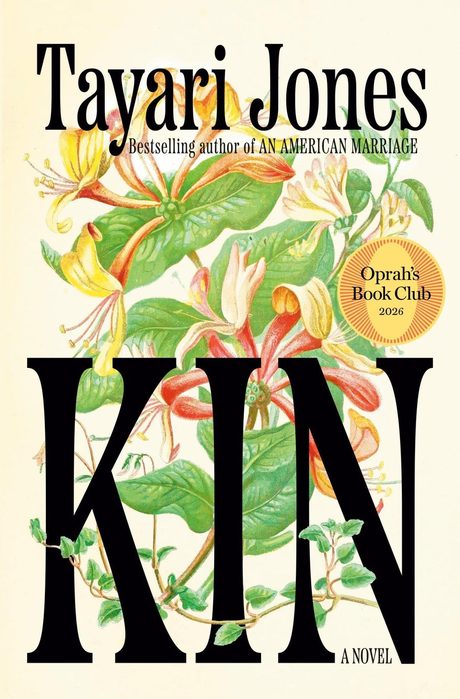
| 2 | Kin | Tayari Jones | 2026 | warm, propulsive, sad | book clubs and new literary readers |
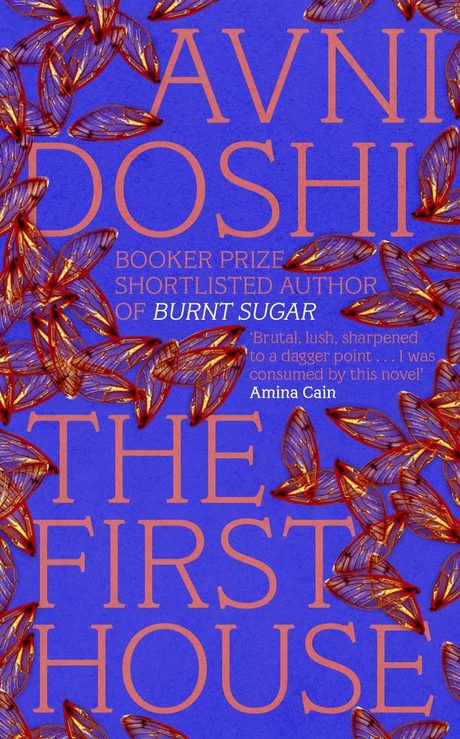
| 3 | The First House | Avni Doshi | 2026 | eerie, domestic, precise | one evening of unease |
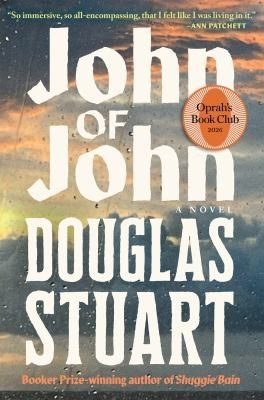
| 4 | John of John | Douglas Stuart | 2026 | bleak, tender, windswept | readers of literary fiction |
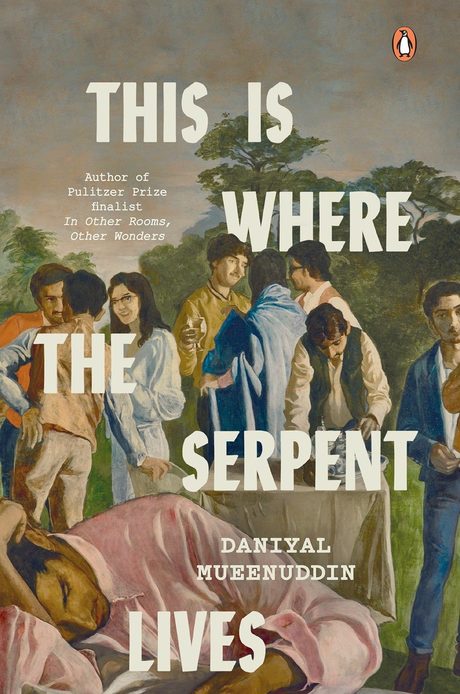
| 5 | This Is Where the Serpent Lives | Daniyal Mueenuddin | 2026 | cool, exact, unforgiving | readers of literary short fiction |
| 6 | Land | Maggie O'Farrell | 2026 | elegiac, careful, cold | readers who loved Hamnet |
| 7 | Railsong | Rahul Bhattacharya | 2025 | patient, granular, warm | long journeys |
| 8 | Some People | Parini Shroff | 2026 | funny, warm, sharp | a bad week |
| 9 | London Falling | Patrick Radden Keefe | 2026 | reported, cold, propulsive | readers of Say Nothing |
| 10 | The Keeper | Tana French | 2026 | slow, tense, atmospheric | existing Tana French readers |
| 11 | Brawler: Stories | Lauren Groff | 2026 | physical, hot, violent | readers of short fiction |
| 12 | Vigil | George Saunders | 2026 | comic, metaphysical, angry | existing Saunders readers |
| 13 | Villa Coco | Andrew Sean Greer | 2026 | sunny, wry, gentle | a holiday or a bad month |
| 14 | The Missed Connection | Tia Williams | 2026 | glossy, funny, hot | romance readers |
| 15 | The Simp | Roshan Sethi | 2026 | nasty, funny, modern | fans of literary satire |
| 16 | Cleopatra | Saara El-Arifi | 2026 | regal, revisionist, uneven | historical fiction readers |
| 17 | The Midnight Train | Matt Haig | 2026 | gentle, hopeful, simple | restarting a reading habit |
The list
The books, ranked
1
Buy it now
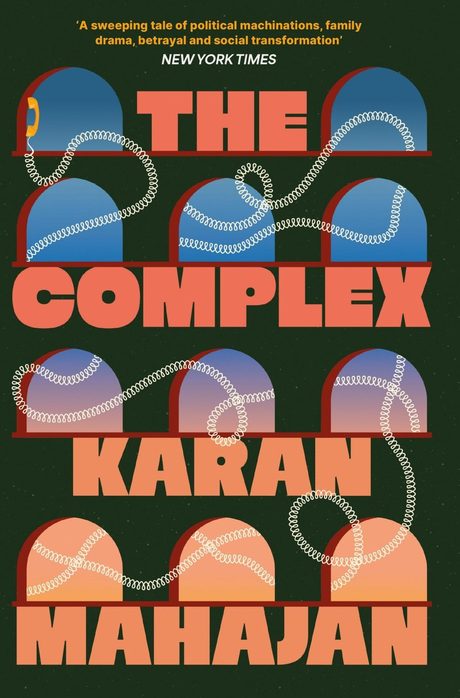
The Complex
Karan Mahajan2026about 417 pages
One powerful Delhi family, fifteen years of Indian politics, and the uncle nobody in the house will name out loud.
SP Chopra helped build the political machinery of independent India, and his children and grandchildren all live on in the same sprawling Delhi complex, competing over whatever is left of his name. Sachin leaves for America. His new wife Gita follows, and Delhi keeps hauling both of them back. Around them the years turn: the assassination of Indira Gandhi, the anti-Sikh killings of 1984, the rise of the BJP, the Mandal agitation. Mahajan, who wrote The Association of Small Bombs, is very good at the thing most Indian family novels tiptoe around, which is how a household quietly covers for a predator because the alternative is losing the house.
Why it is at 1
First because it does the most and never asks to be admired for it. Family saga, political history and a very sharp comedy about property, all of it readable across four hundred pages. It travels perfectly to a reader here, because you already know these people. The honest caveat: it is long, and the American chapters sag next to the Delhi ones.
Read it ifyou want a big Indian family novel with politics in its bones
Skip it ifyou want something short, because this is a four hundred page commitment
sprawling, funny, ruthlessBest for: readers of big Indian sagasliterary fictiondelhifamily saga
Heads up: sexual predation inside a family, and communal violence
Pairs with: A Suitable Boy, if you want another Indian family measured against a political decade.
2
Buy it now
Kin
Tayari Jones2026about 369 pages
Two motherless girls in a small Louisiana town grow up as sisters and then grow into completely different lives.
Vernice and Annie are neighbours and best friends in Honeysuckle, Louisiana, both of them without mothers, both of them shaped by that in opposite directions. Vernice is raised by an aunt determined to give her a floor to stand on, and she leaves at eighteen for Spelman College and the network of Black women she finds waiting there. Annie goes looking for the mother who left her, and that search takes her somewhere much rougher. Jones wrote An American Marriage, and she is doing the same thing again here: build a friendship you believe in completely, then apply pressure until you can see what it was made of.
Why it is at 2
Second because it is the most readable serious novel of the year so far. Jones writes clean, warm, fast prose and never makes you work for the wrong reasons. It sits below The Complex only because its world is further from most readers here. It is an Oprah's Book Club pick, so it will be everywhere this year, and for once the machine chose well.
Read it ifyou want a friendship story with real weight and real speed
Skip it ifyou are tired of small-town American settings, because this sits deep inside one
warm, propulsive, sadBest for: book clubs and new literary readersliterary fictionfriendshipbook club
3
Buy it now
The First House
Avni Doshi2026about 175 pages
A husband walks in one evening and asks for a divorce, and his wife's mind starts going somewhere the neighbours can see.
One evening a man walks into the bedroom and says he wants out of a marriage his wife believed was close to perfect. She is left in a hostile suburb with two small daughters and the slow work of rereading an entire shared life for the warnings she chose not to read the first time. Doshi lets the book turn strange as it goes: myths about headless women and vengeful goddesses drift through the domestic scenes, a statue appears in a neighbour's garden, cicadas gather. Her first novel, published in India as Girl in White Cotton and elsewhere as Burnt Sugar, did something similar with mothers. This one does it with marriage.
Why it is at 3
Third because it is the sharpest short novel of the year, and because divorce, in-laws and the suburban audience for a woman coming apart are not abstractions for readers here. Her Booker Prize shortlisted first novel was colder and harder to like. This one is more frightening precisely because the setting is so ordinary. Under two hundred pages, and it never slackens.
Read it ifyou want a short, unsettling novel about a marriage coming apart
Skip it ifyou are in the middle of a separation, because this will not be kind to you
eerie, domestic, preciseBest for: one evening of uneaseliterary fictionmarriageunsettling
Heads up: divorce, mental deterioration, and imagery of violence against women
4
Buy it now
John of John
Douglas Stuart2026
A queer art school dropout goes home to his Presbyterian father on a Scottish island where everyone already knows everything.
Cal comes back from art school in the city to his father's croft on the Isle of Harris, a place of wind, church and very long silences. His mother is gone. Some of his family would hurt him if they were certain about him, so he stays careful, and lonely, and quietly hopes to find another man who is also careful and lonely. Stuart wrote Shuggie Bain and Young Mungo, and he is attempting the same difficult thing here: writing tenderness inside a culture that treats tenderness as a defect. As Cal's relationships thicken, the island's own secrets begin leaking, and they turn out to be worse than his.
Why it is at 4
Fourth because it contains the best writing on this list. Stuart's sentences about weather, poverty and shame are in a different class from almost everything else published this year. It is not higher because it is heavy going for a reader with no feel for the Hebrides or Presbyterian guilt, and because he has now written three novels about broadly the same wound. Superb and repetitive, both true at once.
Read it ifyou want beautiful writing about repression, faith and family
Skip it ifyou want relief, because there is very little of it in here
bleak, tender, windsweptBest for: readers of literary fictionliterary fictionscotlandqueer
Heads up: homophobia, threatened violence, and family abuse
5
Buy it now
This Is Where the Serpent Lives
Daniyal Mueenuddin2026about 366 pages
Four linked novellas across fifty years of Pakistani feudal life, told mostly from the servants' side of the door.
Mueenuddin published In Other Rooms, Other Wonders in 2009 and then went quiet for a very long time. This is the return, built the same way: interlinked stories moving between a southern Punjab farm and the cities, following people who work for a landowning family and occasionally slip the leash. A chauffeur begins as an illiterate orphan and climbs. A gardener's son is handed a business, reaches too far, and finds the Punjab police waiting. Everything turns on the choice between doing the decent thing and doing the thing that lets you survive the system you were born inside.
Why it is at 5
Fifth because sentence for sentence this is the finest prose on the list, and because the world it describes, land and staff and patronage and the quiet violence of who is allowed to sit down, is closer to home for an Indian reader than anything else here. It is not higher only because four linked novellas ask more of a casual reader than one novel does.
Read it ifyou like short fiction about class, land and power
Skip it ifyou want one continuous story, because this is four of them
cool, exact, unforgivingBest for: readers of literary short fictionshort fictionpakistanclass
Heads up: police violence and coercion
6
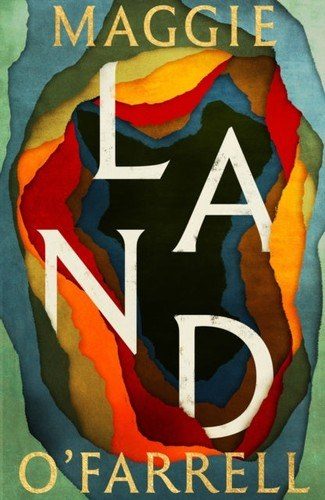
Worth the wait
Land
Maggie O'Farrell2026
1865, a windswept Irish coast, a father and son mapping a country that has just buried a million of its people.
Tomas and his young son Liam work for the Ordnance Survey on an Atlantic peninsula, measuring and naming ground in the years after the Great Hunger. O'Farrell, who wrote Hamnet, is drawn to the same thing here as she was there: an enormous historical event held at the distance of one family's kitchen. Mapping makes a lovely engine for a novel about colonisation, since these surveyors are recording places for a state that has just failed to feed them, and every name they write in English quietly buries the one people actually use. Family legend says one of her own ancestors did this work.
Why it is at 6
Sixth because it is the year's most accomplished historical novel and I have still put five books above it. O'Farrell is enormously skilled and slightly predictable now, and you can feel the emotional beats arriving in formation. If you loved Hamnet, this does everything you want it to. If Hamnet left you cold, nothing here will change your mind.
Read it ifyou want a historical novel about family, land and loss
Skip it ifyou found Hamnet slow, because this is slower still
elegiac, careful, coldBest for: readers who loved Hamnethistorical fictionirelandfamily
Heads up: famine and its aftermath
7
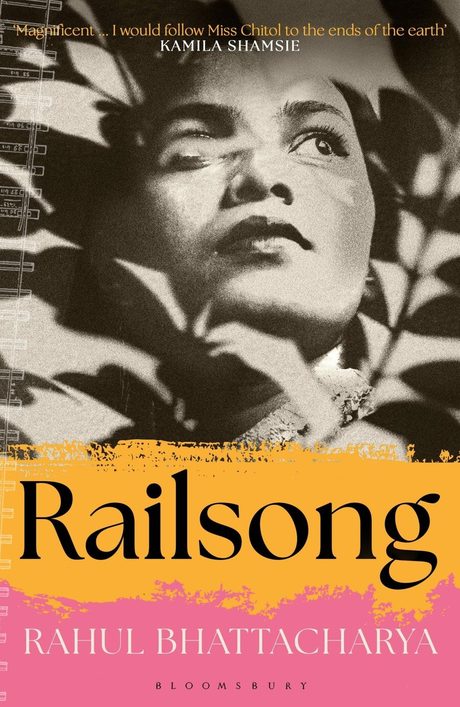
Worth the wait
Railsong
Rahul Bhattacharya2025about 417 pages
A girl who says she wants to count people grows up to run parts of the Indian Railways, with modern India going past her window.
Charulata Chitol announces as a child that she wants to count people, which sounds like a small thing until you notice the book is about a country that measures itself constantly and still cannot see anybody. Her father dies in 1981, she takes a job with the Northeast Frontier Railway, and the bookish girl becomes Miss Chitol, capable and quietly ambitious, rising through a system the British built and everybody since has inherited. Bhattacharya wrote a very good cricket tour book and one novel set in Guyana, then waited more than a decade to write this.
Why it is at 7
Seventh, and this is the one book here that appeared in Britain in November 2025 before reaching American and Indian shelves in 2026. I have kept it because on a list read in India, a four hundred page novel about a woman's working life on the railways earns its place over a stricter calendar. It sags in the middle third and is still worth it.
Read it ifyou want a patient Indian novel about work, trains and the decades after Independence
Skip it ifyou want pace, because this moves at the speed of a passenger train
patient, granular, warmBest for: long journeysliterary fictionindiarailways
8
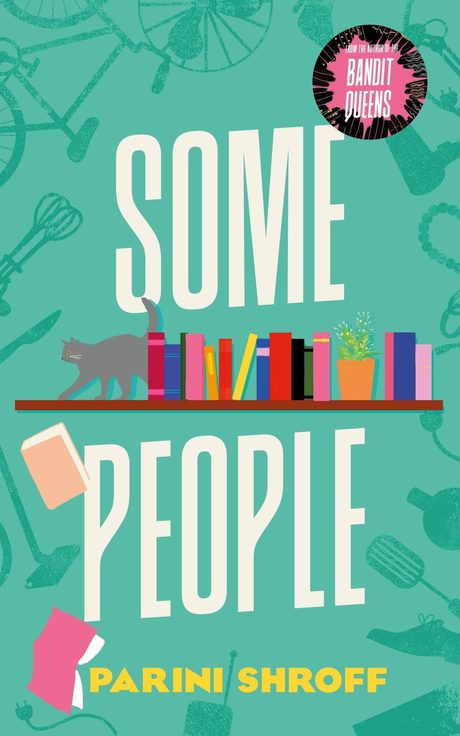
Worth the wait
Some People
Parini Shroff2026about 265 pages
A concussed Gujarati mother is stuck at home for a week with the son-in-law who is currently divorcing her daughter.
Malti Patel insists she is fine. She is bruised, concussed, and under doctor's orders to have somebody in the house for seven days, and her daughter Kavya is away in India for graduate school. So in walks Nathan Whitlock, the man divorcing Kavya, too decent to leave his soon to be ex mother-in-law rattling around alone. Seven days, one kitchen, and a pile of things nobody has ever said out loud about a marriage that failed for reasons reaching back into Kavya's childhood. Shroff wrote The Bandit Queens, and she has the same gift for making you laugh right before she hurts you.
Why it is at 8
Eighth because it is the most enjoyable book on this list, and enjoyment counts for something. The two hander setup is a sitcom premise handled by a real novelist, and the culture clash material is specific rather than cute. It stays out of the top five because the ending arrives exactly where you expect it. In a book this warm, that is not really a crime.
Read it ifyou want a funny, warm novel about family and divorce
Skip it ifyou find comic novels slight and would rather have something bleak
funny, warm, sharpBest for: a bad weekcomic novelfamilydivorce
9
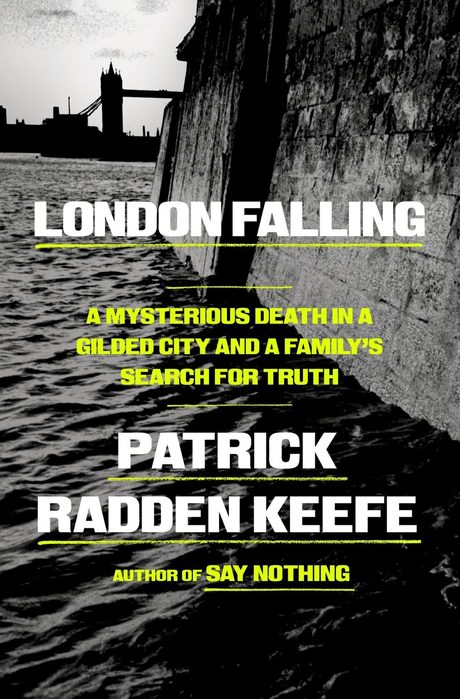
Worth the wait
London Falling
Patrick Radden Keefe2026about 385 pages
A nineteen year old is found dead by the Thames, and his parents discover he had been living as a Russian oligarch's son.
Zac Brettler died in 2019, nineteen years old, in circumstances nobody could explain, his body found by the Thames. His parents, trying to understand what happened, learned that their son had built an entire second identity, presenting himself as the son of a Russian oligarch and moving through a London of private clubs, offshore money and genuinely dangerous men. Keefe, who wrote Say Nothing and Empire of Pain, reports it the way he reports everything: patiently, from documents and interviews, until the story stops being about one boy and becomes about a city where a good enough story is treated as collateral.
Why it is at 9
Ninth because it is the best nonfiction of the year so far and the only nonfiction I kept on this list. Keefe is the most reliable narrative reporter working right now. It sits here rather than higher because the subject is narrower than his Sackler book, and because a dead teenager makes this a much harder read than the true crime label suggests.
Read it ifyou like reported true stories about money and self invention
Skip it ifyou avoid books built around the death of a young person
reported, cold, propulsiveBest for: readers of Say Nothingnonfictiontrue crimelondon
Heads up: the death of a teenager, and the investigation into it
10
Worth the wait
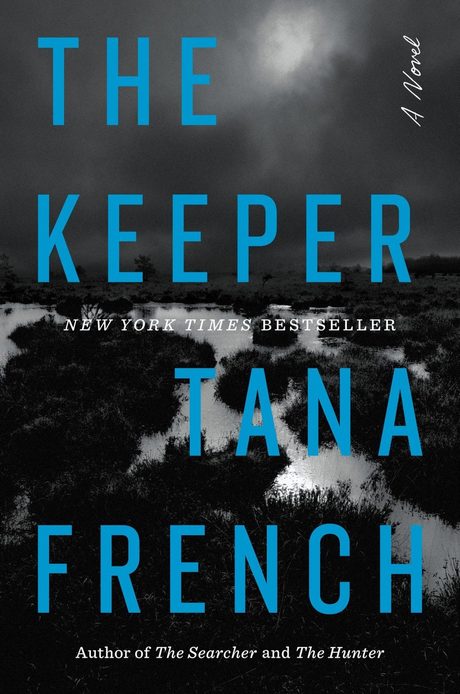
The Keeper
Tana French2026about 497 pages
A young woman is found dead in the river, and the village agrees a little too quickly that she did it herself.
This closes the trilogy that began with The Searcher and continued with The Hunter. Cal Hooper, the retired Chicago detective who moved to the west of Ireland for quiet, has finally got some: a house, Lena, and a fragile guardianship over Trey Reddy, the half feral local kid he has spent two books trying to keep out of trouble. Then Rachel Holohan turns up dead in the river, days from an engagement to the son of the local big man. The elders and the guards settle on suicide almost at once, and sixteen year old Trey does not believe a word of it.
Why it is at 10
Tenth because it is a very good crime novel that requires two other books first, and a ranked list has to account for the price of entry. If you have already read The Searcher and The Hunter, move this straight into your own top three. If you have not, treat this as a note to start the trilogy rather than a book to buy this week.
Read it ifyou have read the first two Cal Hooper books
Skip it ifyou want a standalone thriller, because this closes a trilogy
slow, tense, atmosphericBest for: existing Tana French readerscrimeirelandseries
Heads up: the death of a young woman, discussed in detail
11
Worth the wait
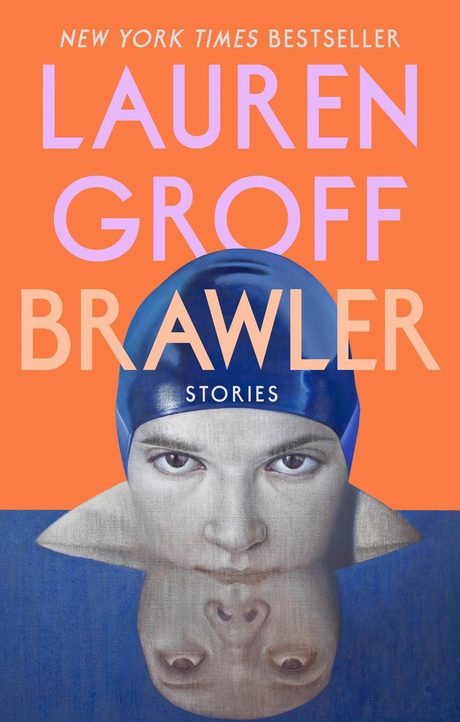
Brawler: Stories
Lauren Groff2026about 289 pages
Nine stories about the animal and the god fighting inside the same person, and the animal usually wins a few rounds.
Groff's third collection ranges from the 1950s to now, and from New England to Florida to California. A group of friends take turns telling each other the worst thing they have ever done. A mother tries to get her children out of a house with a violent man in it. A teenager finds that swimming is the only place the noise stops. The book keeps circling one idea, stated outright by a character, that every person has an animal and a god wrestling to the death inside them. Groff wrote Matrix and The Vaster Wilds, and this is her at her most physical.
Why it is at 11
Eleventh, and it would sit in the top five if short story collections were not such a hard sell to the readers this list is written for. Groff writes bodies better than almost anybody: heat, water, hunger, exhaustion. Two of the nine feel written to fill out the book. The other seven are excellent and one is the best thing she has published.
Read it ifyou read short stories and want writing with muscle in it
Skip it ifyou need one story to sink into for a week
physical, hot, violentBest for: readers of short fictionshort storiesamericaviolence
Heads up: domestic violence and abuse
12
For the right reader
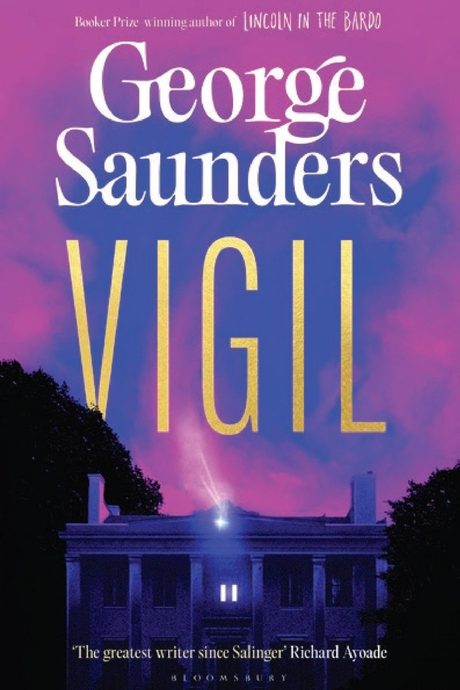
Vigil
George Saunders2026about 193 pages
A dead woman whose job is escorting the dying gets assigned an oil executive who does not think he needs forgiving.
Jill Blaine, called Doll, is not alive. Her work is meeting people at the end and taking them wherever they go next, and she has done it hundreds of times for people who wanted comforting. KJ Boone does not want comforting. He ran an oil company, he has a great deal to answer for, and he rejects the premise of the question. Around his last evening the visitors gather, living and dead, worldly and otherwise, all of them wanting a reckoning. Saunders wrote Lincoln in the Bardo, and this is recognisably the same writer: comic, metaphysical, and furious about what money does to a person.
Why it is at 12
Twelfth, and the placement is about fit rather than quality. Saunders at this level is a serious writer doing serious work, but the afterlife bureaucracy mode is an acquired taste and the argument about corporate greed lands with a heavy hand. If Lincoln in the Bardo worked on you, add three places. If it did not, this will not convert you.
Read it ifyou liked Lincoln in the Bardo and want more of that machinery
Skip it ifyou find afterlife conceits twee, because this one commits fully
comic, metaphysical, angryBest for: existing Saunders readersliterary fictionafterlifesatire
13
For the right reader
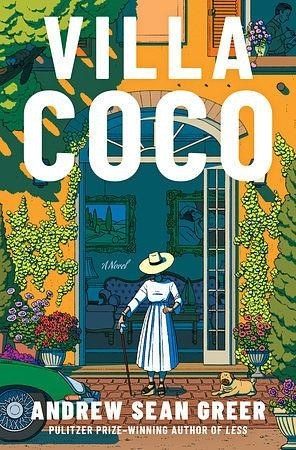
Villa Coco
Andrew Sean Greer2026
A broke young American becomes assistant to a ninety-two year old baronessa in Tuscany and mostly learns about focaccia.
An aspiring archivist with an undistinguished degree and no plan takes a job cataloguing the collection of Coco, a baronessa of ninety two who is defiantly unbothered by her age. Very little cataloguing happens. What happens instead is errands, guests, meals, and Coco's real project, which is to find the love of her life again while there is still time to do it. Greer wrote Less, and the tone here is the same: light on the surface, wry about ambition, quietly serious about what a person does with the years they have left. He has lived in Italy for a decade and it shows on every page.
Why it is at 13
Thirteenth because it is the year's best comfort read, and comfort reads sit low on a ranked list by design rather than as an insult. It is funny, it is kind, and it will not change your life. If you are burnt out and want a book that treats you gently while still being properly written, move it to number one on your own list and ignore mine.
Read it ifyou want a warm, funny novel set somewhere sunny
Skip it ifyou want stakes, because almost nothing here is genuinely at risk
sunny, wry, gentleBest for: a holiday or a bad monthcomic novelitalycomfort read
14
For the right reader
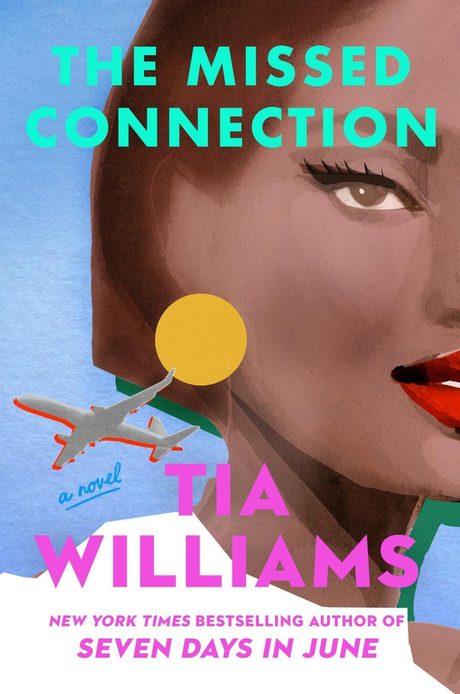
The Missed Connection
Tia Williams2026about 307 pages
A casting agent spends a flight to Paris falling for the man in seat F, then spends the book trying to find him again.
Sasha Cruz casts people for a living and cannot switch it off, sizing up strangers at happy hour and in supermarket queues. Relationships she does not do, for reasons the book takes its time revealing. Then a flight to Paris seats her beside exactly her type, the two of them spark, and neither swaps a number. Her attempt to track him down goes badly and very publicly wrong at work, and the search drags back a detective she has history with, which is where the triangle begins. Williams wrote Seven Days in June, and she is very good at putting real damage under a glossy premise.
Why it is at 14
Fourteenth because it is the most fun book here and the one most likely to be reread. Williams writes proper chemistry rather than the assembled kind. It sits at this rank because the plot leans hard on a coincidence you have to accept in the first thirty pages, and because the trauma thread is resolved faster than it deserves. Still the romance to read this year.
Read it ifyou want a romance with heat and a real emotional spine
Skip it ifcoincidence driven plots annoy you, because this one opens with a big one
glossy, funny, hotBest for: romance readersromancecontemporaryparis
Heads up: the heroine is recovering from being stalked, and it is discussed directly
15
For the right reader
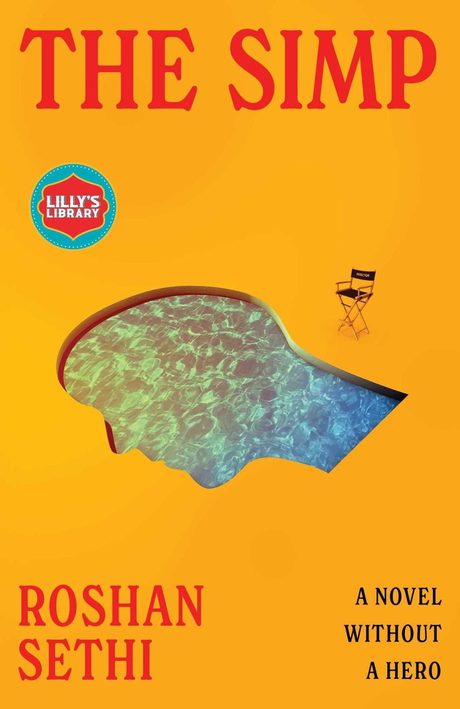
The Simp
Roshan Sethi2026about 239 pages
A gay Indian actor who cannot get cast becomes assistant to a Hollywood celebrity family, and he is nothing like what he seems.
Raj Ladlani is thirty one, from India, gay, and has spent years mailing headshots to agents from behind the counter of a frozen yogurt shop. He gives up on being cast and gets hired instead, as an assistant to a famous family, where the job is to be endlessly agreeable. The agreeableness is a performance. Underneath it sits a past he is not sharing and a plan that gets away from him. Sethi's first novel is openly modelled on Vanity Fair, which makes Raj a Becky Sharp for the age of parasocial fandom, public apology and the very well managed celebrity conscience.
Why it is at 15
Fifteenth because the satire is very funny and the book is uneven. The Hollywood material about race, virtue signalling and who gets forgiven is sharp and specific. The plotting in the final third gets away from him entirely. Read it for the voice, which belongs to the most entertaining narrator of the year, and forgive the machinery around it.
Read it ifyou like nasty, funny satire about ambition and race
Skip it ifyou want a likeable narrator, because he is not trying to be one
nasty, funny, modernBest for: fans of literary satiresatirehollywooddebut
16
For the right reader
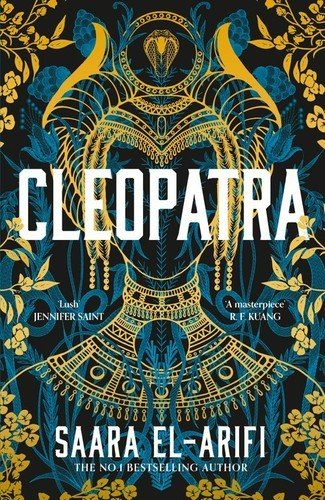
Cleopatra
Saara El-Arifi2026
Cleopatra tells her own story, and she would like a word about the version you have been handed.
El-Arifi, who wrote The Final Strife, leaves fantasy behind for a first person historical novel that opens with Cleopatra VII learning she is Pharaoh. It reads as a memoir: her girlhood at a court full of siblings who would happily kill her, her languages, her interest in medicine, and the actual daily work of running Egypt. Caesar and Antony arrive, and the book treats them as episodes in a long career rather than as the plot. The argument underneath is simple and overdue. She was a scholar and a ruler first, and a tragic lover only in other people's retellings.
Why it is at 16
Sixteenth because the intention outruns the execution in places. The voice is strong and the corrective is welcome, and there are stretches where you can see the historical furniture being moved around in front of you. If you came from her fantasy expecting that pace, adjust your expectations. If you want a Cleopatra who is allowed to be competent, this is the one.
Read it ifyou want historical fiction that argues with the myth
Skip it ifyou wanted her fantasy, because this is a completely different mode
regal, revisionist, unevenBest for: historical fiction readershistorical fictionegyptretelling
17
For the right reader
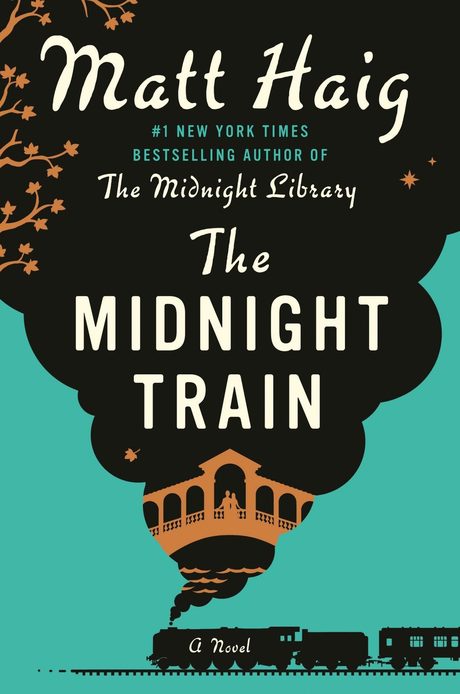
The Midnight Train
Matt Haig2026about 305 pages
An eighty-one year old bookshop owner near the end of his life boards a train that stops at his best moments.
Wilbur Budd is eighty one, running a bookshop, and close to the end. He boards a train that can carry him back into moments he has already lived, including his honeymoon in Venice with Maggie, the marriage he failed to protect. Nothing can be changed. The point of the journey is to see clearly what he did with the time and who he actually was while he was doing it. Haig calls it a companion to The Midnight Library, and it works the same way: one simple mechanism, one warm voice, and one idea repeated until it lands.
Why it is at 17
Seventeenth, which is a description rather than a dismissal. This is the least surprising book on the list. Haig has found something that works and is doing it again, competently and kindly. If The Midnight Library got you reading, take this next. If it struck you as a self help book wearing a novel's jacket, this will strike you exactly the same way.
Read it ifyou want a gentle, hopeful book about regret
Skip it ifyou found The Midnight Library simplistic, because this is the same recipe
gentle, hopeful, simpleBest for: restarting a reading habitfictionupliftingregret
Heads up: dying and end of life reflection
Worth knowing
How the three tiers work
Ranks one to five are books I would buy in hardback at Indian import prices, which is a real amount of money and therefore a real endorsement. Ranks six to eleven are books I would keep on a list and buy when the paperback lands, usually three to six months later. Ranks twelve to seventeen are good books with a narrower door: each entry names the reader it is for, and if that is not you, skip it without any guilt.
The tiers matter more than the exact numbers. The difference between rank four and rank six is an argument. The difference between rank four and rank fourteen is a recommendation.
Worth knowing
One book here is technically a 2025 release
Railsong came out from Bloomsbury in Britain in November 2025 and reached American and Indian shelves in early 2026, which is why it appears on a 2026 list. I would rather tell you that plainly than quietly fudge a date and hope nobody checks. If it bothers you, treat it as a bonus entry and read the other sixteen as the year's list.
Everything else here carries a 2026 edition record I verified, with a publication date between January and the middle of August 2026.
People also ask
Questions, answered
What is the best book of 2026 so far?
For me it is The Complex by Karan Mahajan, a novel about one powerful Delhi family across roughly fifteen years, from the assassination of Indira Gandhi through the violence of 1984 and the Mandal agitation. It is big, funny in places, and unsparing about the way a family and a country protect the same men. If you want something warmer and faster, Kin by Tayari Jones is the easier read and the better book club choice.
Are these 2026 books available in India?
Most of them, though timing varies. Titles with Penguin Random House India, Bloomsbury India, HarperCollins India and Simon and Schuster India editions usually arrive within weeks of the British or American release, sometimes on the same day. Imported hardbacks cost far more than the Indian paperback, so if a book is not urgent, waiting three to six months often halves what you pay. Kindle editions are normally there on day one.
Why is this list dated August 2026?
Because a best of the year list published in the middle of the year is a half time table, and pretending otherwise is dishonest. Books released after mid August are not here, however good the early word on them is. I will rewrite this page in December with the full year in view, and some of the current top five will slide down it. That is how a list like this should work.
Do I need to read Tana French's earlier books before The Keeper?
Yes. The Keeper closes a trilogy about the same retired Chicago detective in the same small Irish village, and most of its weight comes from three books of accumulated loyalty and grudge. If you have read none of them, start with The Searcher, which is a slow and satisfying book entirely on its own, then The Hunter, and save The Keeper for whenever you get there.
Which 2026 book should I start with if I barely read?
The Midnight Train by Matt Haig, at number seventeen. It is last because it is the least surprising book here, and least surprising is exactly what you want when you are restarting a reading habit that has stalled. It is short, kind, and built on the same idea that made The Midnight Library a permanent fixture in Indian bookshops. Finish it, then try Some People at number eight.
Is there Indian fiction on this 2026 list?
Six of the seventeen are by Indian or South Asian writers, which is not a quota, it is simply what the year looked like. Railsong runs along the Indian Railways, The Complex moves between a Delhi family compound and America, and Daniyal Mueenuddin's Pakistani novellas contain the finest prose here. Avni Doshi, Parini Shroff and Roshan Sethi are the other three, all writing about families under pressure.
Before you go
What to read tonight
If you take one thing from this page tonight, make it The Complex, and give it fifty pages before you decide anything. It opens as a family comedy and turns into something much harder to shake off.
If you are stuck between two of these, use the tiebreaker I use: pick the one set closer to a life you recognise, because a novel that already knows your streets does half the work for you. That is why Railsong and The First House will land harder for most readers here than the Irish and Floridian books ranked above them, whatever my numbers say.
Come back in December. I will have read more of these properly, several rankings will move, and I would rather say that now than pretend this page was carved in stone in August.
Keep going
Lists that pair with this one
Trending
The 20 Best Books of 2025 Still Worth Buying in 2026
A year later the hype has drained out, so I sorted all twenty into buy it new, wait for the paperback, or just borrow it.
Trending
The 2026 Reading Challenge: 24 Prompts, 24 Real Book Picks
Two books a month, arranged around the Indian year, with a verified pick for every prompt so you never lose a week deciding.
Trending
14 Booker Prize Winners Worth Reading (And 3 That Are Homework)
Ranked by what each book gives back for the hours it takes, with the cost of entry printed on every entry.
Indian Fiction
20 Best Books by Indian Women Authors, From 1905 to 2025
Ranked by how hard I would push each one at a stranger, with a door on every book so you know how much patience it asks for.
Indian Fiction
18 Best Thriller Novels by Indian Authors, Ranked
Crime, mystery and suspense from Calcutta in 1919 to Delhi right now, ranked best first, with the sub-genre and the commitment marked on every book.