20 Books to Gift Anyone, Sorted by Who You Are Buying For
One book per recipient, from the friend who says he never reads to the boss you barely know, with a note on which ones look expensive.
By Bhavik SarkhediUpdated August 2026Covers and data: Google Books, Open Library
I once gifted the same book to eleven different people over two years. Two of them loved it. The other nine put it on a shelf where it aged quietly, like a wedding invitation nobody threw away. The book was not the problem. The problem was that I picked something I loved and quietly hoped the recipient would turn into the sort of person who loved it too, which is a small insult wrapped in nice paper.
So this list is not sorted by genre. It is sorted by who you are buying for. Twenty situations that actually come up in a year: the cousin who says he does not read, the couple getting married in November, the colleague whose farewell card is doing the rounds of the office, the friend who just resigned from a good job with no plan and a lot of confidence.
The order runs from the gifting situation you will hit most often down to the rarest, so the first five are the ones worth remembering. Each entry says why that book lands with that person, and where an edition looks expensive on a table I have said so, because a gift is partly an object, and anyone who denies that has never watched somebody unwrap a thin paperback in front of a room.
One book per recipient, no repeats. Where two people on this list would enjoy the same book, one of them got something else, so you never see the same cover twice.
Nothing that reads like a diagnosis. No book about fixing your body, your discipline or your soul, because handing that over is a message rather than a present.
Easy to buy in India without a customs adventure, and every title checked through Google Books and Open Library so the cover you see is a real edition.
I cut the reflex gifts: The Alchemist, Ikigai, Atomic Habits. Decent books, all of them, and also what people buy when they have not thought about you for more than a minute.
Object quality counted. Where an illustrated or hardback edition is worth the extra few hundred rupees, I have said so in the entry.
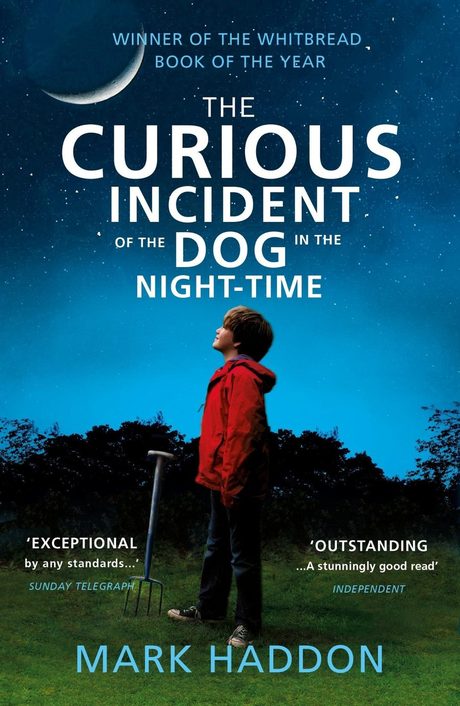
A fifteen year old detective who counts in primes, and the book most self-declared non-readers actually finish.
Christopher is fifteen, very good at maths, and he finds his neighbour's dog dead on the lawn with a garden fork through it. He decides to investigate, writes the investigation down as a book, and numbers his chapters in prime numbers because ordinary numbers bore him. What begins as a small mystery about a dog opens into a much larger one about his own family. The voice is the whole trick: flat, literal, accidentally funny, and it pulls you forward faster than you planned. The book never names a diagnosis for Christopher, and Haddon has said he did not set out to write about autism.
Why it is at 1
First because this is the gift emergency you will face most often. Somebody announces they do not read, and you need a book that does not feel like homework. Short chapters, a mystery engine, and a narrator unlike anyone they have met. I have watched three people who quit books at page thirty finish this one inside a week.
Read it ifyou want a short mystery with a narrator unlike anyone you know
Skip it ifthe person cannot handle a dead animal in the opening chapter
odd, warm, fastBest for: people who say they don't readnon-readersmysteryshort chapters
Heads up: the dog's death is described directly in the first chapter
The love story that begins where the wedding ends, and tells the couple the truth about the next thirty years.
Rabih and Kirsten meet in Edinburgh, fall in love, marry, and then the novel does the thing romance almost never does: it keeps going. Arguments about dishwashers, an affair, therapy, small children, the slow discovery that the person you married carries an entire interior life you were never consulted about. Every few pages de Botton stops the story to explain what just happened between them, which sounds unbearable on paper and turns out to be the best part of the book. It reads like a novel with subtitles running underneath.
Why it is at 2
Second because you will attend more weddings this year than birthdays, and the default wedding gift is a cheque or an appliance. This is the rare book that respects a couple enough not to lie to them. It works for people already ten years in, too. Newlyweds sometimes read it as a warning, which is fine, since a warning is a perfectly good wedding present.
Read it ifyou want a real picture of long love rather than a proposal scene
Skip it ifthe couple wants pure romance and would find the essay bits a lecture
clear-eyed, wise, unsentimentalBest for: weddings and long-married coupleswedding giftmarriageliterary
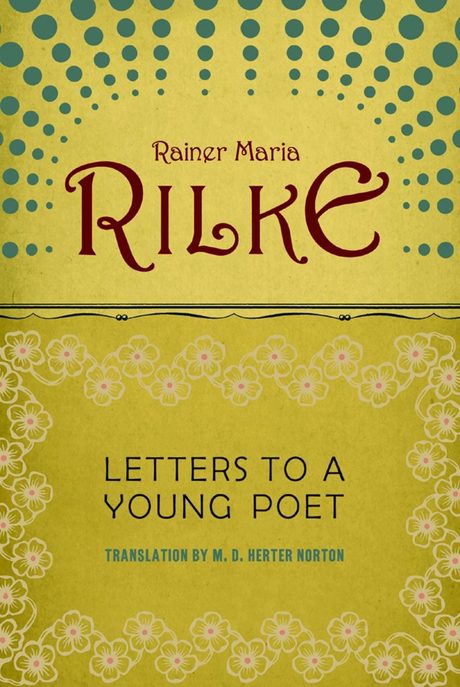
Ten letters to a young man who wanted his poems praised, and got something far more useful instead.
In 1903 a nineteen year old military cadet sent his poems to Rilke and asked whether they were any good. Rilke wrote back ten times across five years and never really answered the question. He told the young man to stop asking other people, to go into himself and find out whether he would die if he were forbidden to write, and to be patient with everything in his heart that had not been settled yet. The letters cover solitude, doubt, sex, work and waiting. The whole thing runs under a hundred pages.
Why it is at 3
Third because farewells happen constantly and a card is a weak object. This is short enough that a leaving colleague finishes it on the flight, cheap enough to buy in a hurry, and blank enough on the first page for the whole team to sign. It is also the one book here that gets better the more lost you are.
Read it ifyou are at the start of something and everyone has an opinion about it
Skip it ifyou want practical steps, because Rilke offers exactly none
quiet, patient, old-fashionedBest for: farewells and people starting outclassiclettersfarewell gift
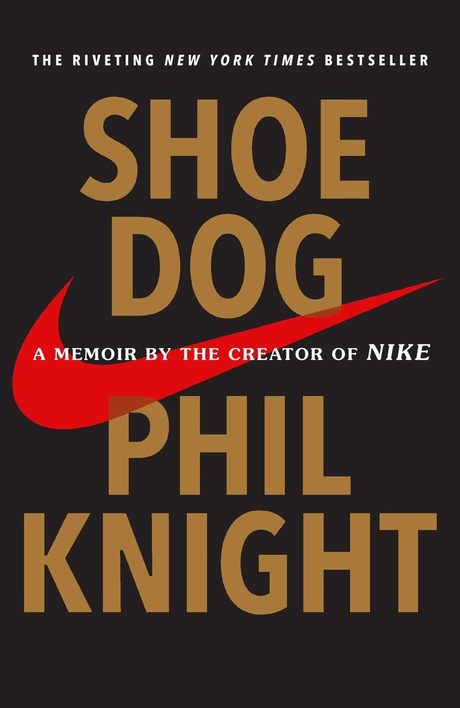
The founder of Nike spends four hundred pages almost going broke, and it reads like a thriller.
Phil Knight borrows money from his father, flies to Japan, talks his way into importing running shoes, and sells them from the boot of his car at track meets. The company that eventually becomes Nike spends most of this book nearly dying: no cash, a bank that keeps dropping them, a supplier turning hostile overnight. Knight writes it as a memoir about being frightened for two decades rather than as a set of business lessons, and he is unusually honest about how much came down to luck, timing and refusing to stop.
Why it is at 4
Fourth because Diwali gifting and the boss problem come round every year. You need something that says I thought about this, without implying anything about their marriage, their weight or their inner life. A founder memoir that moves like a thriller does that job cleanly. One caveat: any boss who has read three business books has probably read this one, so ask casually first.
Read it ifyou like founder stories with real fear in them
Skip it ifyou want management advice, because there is almost none here
restless, anxious, propulsiveBest for: bosses, clients, unclesmemoirbusinesssafe gift
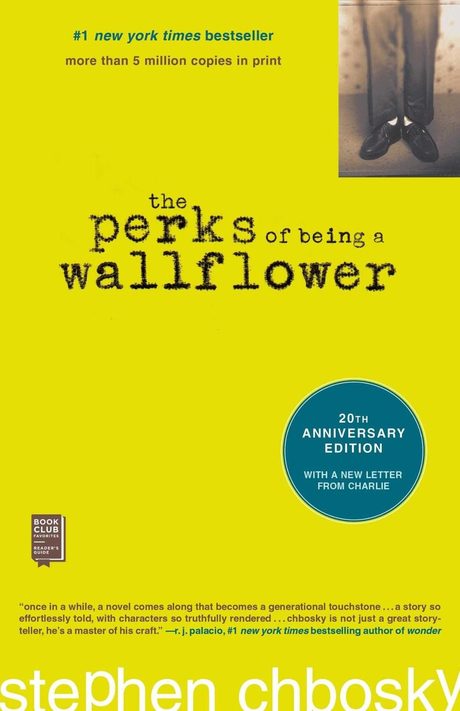
The book a quiet fifteen year old keeps on the shelf for the next ten years.
Charlie writes letters to a stranger through his first year of high school. He is fifteen, painfully observant, recently lost a friend, and gets adopted by two older kids who take him to parties and hand him books and mixtapes. Very little happens by the standards of plot, and then a great deal happens at once near the end. What teenagers respond to is that Charlie never performs being fine. Adult readers often find it slight. Fifteen year olds tend to hold on to it well into their twenties.
Why it is at 5
Fifth because teenage birthdays arrive every year and most teenage gifting is guesswork in a bookshop. This makes a quiet kid feel seen without any adult explaining anything to them. Know the teenager first, though. There is drug use, there is sex, and there is a revelation of abuse near the end that some parents will not want in the house. For a younger reader, buy the Dahl at six instead.
Read it ifyou were the one at the back of the class saying nothing
Skip it ifyou are buying for a young teen whose parents want something gentle
tender, awkward, sincereBest for: teenagers fifteen and oldercoming of ageteenepistolary
Heads up: drug use, underage sex, and a late revelation of child sexual abuse
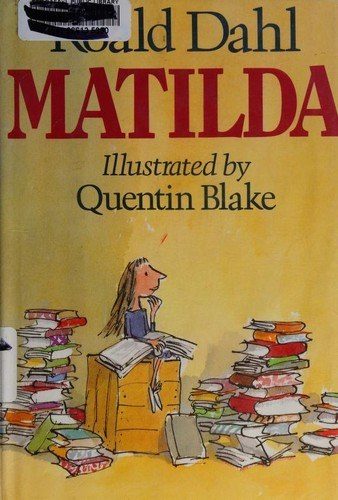
A girl reads her way out of a terrible family, with Quentin Blake drawing every awful adult around her.
Matilda teaches herself to read at four, walks to the library alone, and gets through the adult shelf while her parents shout at the television behind her. School turns out to be worse than home: the headmistress swings children by their pigtails and calls it discipline. So Matilda finds a way to fight back, using something she should not be able to do. Quentin Blake's drawings are half the pleasure, all scratchy lines and enormous grown-ups looming over small people, which is exactly why the hardback matters more here than usual.
Why it is at 6
Sixth because there is always a child whose birthday you remembered this morning. Matilda is the safest strong pick for eight to twelve: funny, cruel in the way children enjoy, and quietly about a kid who is smarter than every adult in the room. Note that recent editions were edited for language, which upset a lot of readers, so check the edition if that matters to you.
Read it ifyou want a child to feel powerful for two hundred pages
Skip it ifyou want a soothing bedtime book, because the adults here are monsters
funny, wicked, warmBest for: kids aged eight to twelvechildrenclassicillustrated
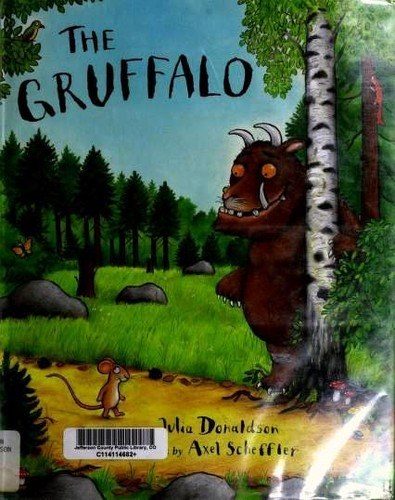
The read-aloud that survives four hundred repeats without either of you cracking.
A mouse walks through a wood where a fox, an owl and a snake all fancy him for lunch, so he invents a monster with terrible tusks and claws to frighten them off, and then walks straight into the monster he made up. It rhymes, it repeats, and the repetition is engineered so a two year old can finish your lines before you get to them. Axel Scheffler's pictures earn the hardback. Think of it as a picture book for the child and a piece of survival equipment for the parent.
Why it is at 7
Seventh because new parents drown in clothes the baby outgrows in a month. A read-aloud that holds up after four hundred readings is genuinely useful. Skip the parenting manuals entirely while you are at it: nobody with a newborn has the attention for three hundred pages on sleep training, and handing one over reads like a note on their performance so far.
Read it ifyou will be reading aloud to someone under six
Skip it ifthe family already owns a copy, which is quite likely
rhyming, sly, repeatableBest for: new parents and toddlerspicture bookread aloudnew parent
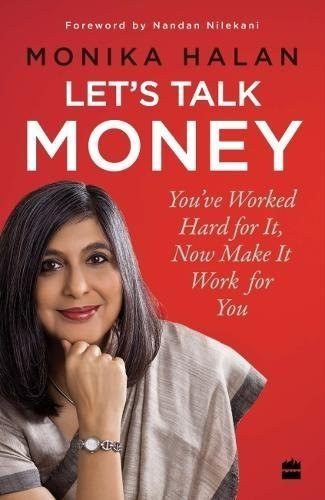
The Indian personal finance book you can hand a 23 year old without it sounding like a lecture.
Monika Halan writes for the Indian salary earner, which is rarer than it should be. The book builds one system rather than a pile of tips: separate accounts for spending, saving and investing, an emergency cushion before anything clever, term insurance kept well away from investment products, then mutual funds for the long haul. She is direct about the schemes sold to us by relatives and bank staff, and explains why a policy promising protection and returns together usually delivers neither. Calm, specific to Indian rules, and free of hustle talk.
Why it is at 8
Eighth because a first salary is a real occasion and most families mark it with sweets. A book that stops a 23 year old buying a bad insurance policy from a cousin pays for itself within a year. It ranks here rather than higher because money books are the easiest gift to get wrong. Give one to somebody who did not ask, and it reads as a comment on their spending.
Read it ifyou have started earning and nobody at home invests
Skip it ifyou already follow finance content and want advanced tax strategy
calm, practical, IndianBest for: first salary, new earnersmoneyindiapractical
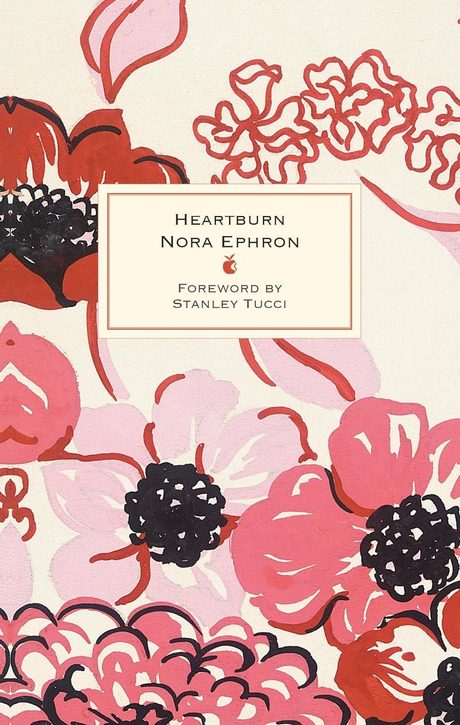
Divorce at seven months pregnant, told as a comedy, with recipes dropped into the middle of the chapters.
Rachel is seven months pregnant when she works out that her husband is in love with somebody else, and she tells the story as a comedy because the alternative is not available to her. Recipes appear inside the chapters, mashed potatoes and a key lime pie that eventually gets used for something other than eating. The book runs under two hundred pages and it moves. The jokes are load bearing: each one is doing the work of holding a woman together while her marriage collapses in front of an audience.
Why it is at 9
Ninth because break-ups are the most common private emergency among people in their twenties, and everyone reaches for sad songs first. Funny works better by week two. This beats the sincere break-up books because it never asks the reader to process anything. It simply proves that a wrecked person can still be the wittiest one in the room.
Read it ifyou want a break-up book that refuses to be sad in public
Skip it ifthe wound is three days old and every joke still feels like an insult
funny, furious, briskBest for: the recently dumpedbreakupfunnyshort
Pairs with: Tiny Beautiful Things by Cheryl Strayed, if your friend wants the tender version instead
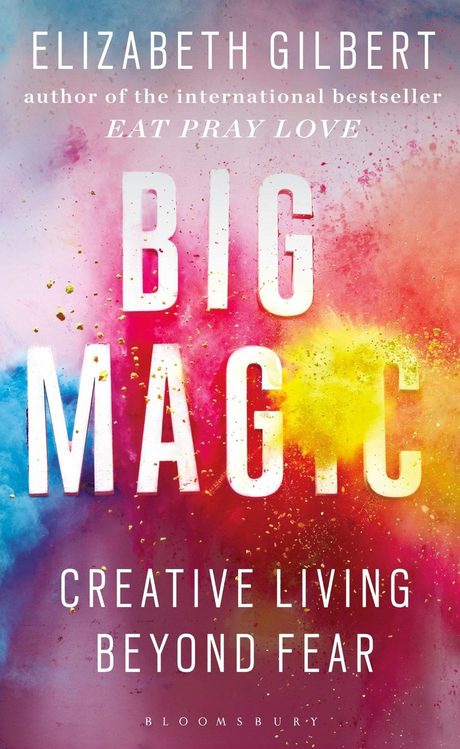
Permission to make things badly, and permission to keep a day job while you make them.
Elizabeth Gilbert's argument is that ideas drift around looking for a person willing to do the work, and if you keep refusing, they go and find somebody else. Around that she builds a case for making things without demanding that the making pay your rent, which is the most useful part of the book. She kept a day job long after she could have walked away from it. Some chapters are pep talk and you can feel it. Others are plain good sense about fear, permission, and actually finishing what you start.
Why it is at 10
Tenth because a friend who has just resigned does not need a strategy deck, they need one person saying the leap was not stupid. This is that voice in book form, and it arrives at the right volume. The honest caveat: if your friend is a cynic, the mystical passages about ideas having intentions will lose them by chapter three, and you should buy the Burkeman at eleven instead.
Read it ifyou have just done something brave and mildly foolish
Skip it ifyou flinch at anything mystical about where ideas come from
encouraging, breezy, generousBest for: career leaps and creative slumpscreativitycareerpep talk
You get about four thousand weeks, so stop trying to get on top of everything and choose what to drop.
Burkeman opens with arithmetic: a person who reaches eighty gets roughly four thousand weeks. His case is that every productivity system fails for the same reason, because each one promises that you will eventually be on top of everything, and you never will be, since the supply of worthwhile things is endless. So the real work is deciding what to neglect on purpose. It is a time management book that asks you to give up on time management, written with dry humour and not a single morning routine in it.
Why it is at 11
Eleventh because burnout gifting usually goes wrong. People hand over a productivity manual, which is roughly like giving a drowning man a heavier bucket. This does the opposite and gives permission to drop things. It sits below Big Magic only because it lands best on somebody already tired of hacks, rather than somebody still hopeful about the next one.
Read it ifyou have tried three planners and still feel behind on everything
Skip it ifyou want a system to install this weekend, since this dismantles systems
dry, freeing, philosophicalBest for: the burnt out and over-scheduledtimeburnoutnonfiction
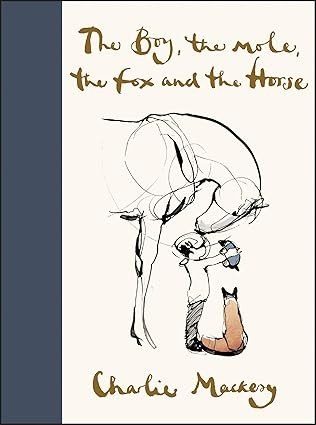
Four characters, ink and watercolour, and nothing at all asked of the reader.
A boy meets a mole who loves cake, a wary fox and a horse, and the four of them walk together while asking each other small questions that turn out to be very large ones. The whole book is handwritten in ink and watercolour, so it feels like a friend's notebook rather than a product from a publishing plan. There is no plot to speak of. You get through it in twenty minutes, leave it on a table, and then watch other people pick it up. One exchange about the bravest thing a person can say is the line everybody quotes.
Why it is at 12
Twelfth because grief makes gift buying impossible. Sympathy cards are thin, and self-help about loss can read like instructions for feeling correctly. This asks nothing. A grieving person can read one page, put it down, and not have failed at anything. It is also the best looking object on this list, so it does some of the talking for you when you have run out of words.
Read it ifyou want gentleness with no lesson attached to it
Skip it ifhand-lettered inspiration makes you itch, which is a fair position
gentle, quiet, kindBest for: grief, illness, hard weeksillustratedgriefgift object
Heads up: gentle throughout, though it touches on loneliness and despair
Short stories from one invented south Indian town, each of them finished in a single sitting.
Narayan built a small south Indian town called Malgudi and then spent a career filling it with people. A talkative astrologer who reads palms under a flickering lamp. A postman who cannot bring himself to deliver bad news to a family with a wedding coming. A blind beggar whose dog decides his fate. Each story runs a few pages, ends without a moral attached, and leaves you feeling you have met somebody. The prose is so plain it looks easy, which it is not, and nothing in it needs a footnote or a phone.
Why it is at 13
Thirteenth because grandparents are genuinely hard to buy for: eyesight, attention and patience for modern novels all vary. Short stories solve all three, since any one of them finishes in a sitting and none of them ask you to remember yesterday's chapter. Larger print Penguin editions exist and are worth hunting for. If your grandparent reads more comfortably in an Indian language, Narayan exists in translation and still works.
Read it ifyou want short stories that never raise their voice
Skip it ifyou need twists, pace and a contemporary setting
warm, unhurried, humanBest for: grandparents and short-story readersshort storiesclassicindia
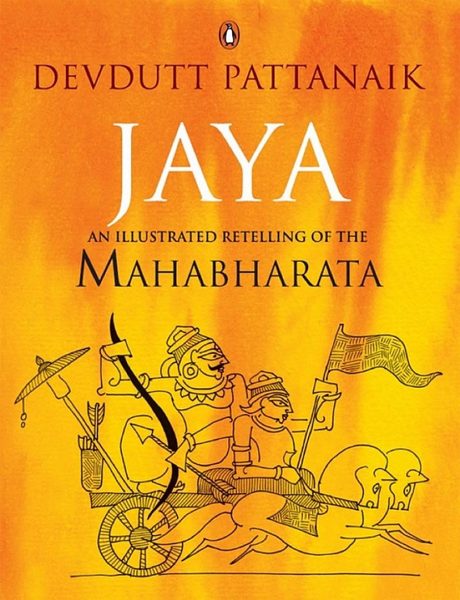
The Mahabharata in short chapters, with all the regional variations kept alive in the margins.
Pattanaik retells the Mahabharata in short chapters of a few pages each, with his own line drawings on almost every spread and boxed notes at the end of every section explaining how the story shifts across regions and centuries. Those boxes are the reason to buy it. The version your grandmother tells is not the version told in Tamil Nadu, or in Java, and he lays both out without ruling on which one is correct. For anyone who found a full translation impossible, this is the way in.
Why it is at 14
Fourteenth because parents are the hardest people here to surprise, and mythology is usually safe ground in an Indian house. This one is respectful without turning pious, which matters if your parents are devout, and it carries enough scholarship in the margins to keep a sceptical father occupied for a fortnight. If they already own it, his Sita is the obvious next one.
Read it ifyou know the epic roughly and want the variations laid side by side
Skip it ifyou want the poetry and scale of a full translation
clear, curious, illustratedBest for: parents and mythology readersmythologyindiaillustrated
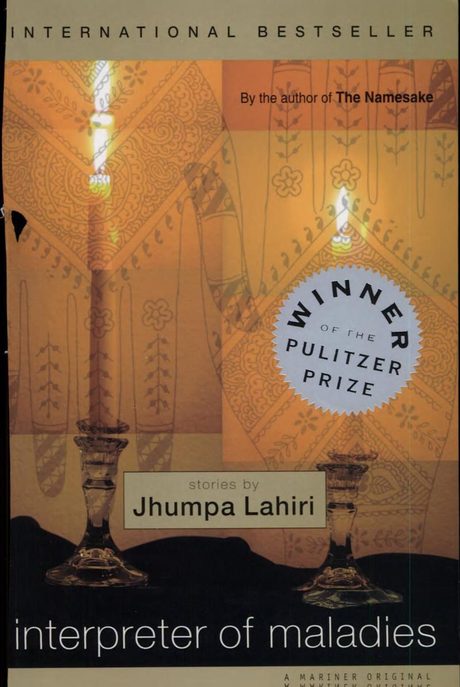
Nine stories about the distance that opens between people who love each other and live between two countries.
Nine stories about Indians in America and Americans in India, most of them really about the small distances inside a marriage. A couple who lost a baby agree to tell each other one true thing per night during a week of scheduled power cuts. A Bengali woman in Boston cannot drive and cannot find the fish she wants. A tour guide who also translates patients' symptoms for a doctor gets mistaken by a tourist for something far more interesting than he is. Lahiri writes plainly and leaves the ache in the gaps between sentences.
Why it is at 15
Fifteenth because the friend in Toronto or Berlin is homesick in a specific way that a food parcel does not fix. These stories sit exactly in that gap: the kitchen that is not quite right, the accent that has drifted, the parents on a bad connection. Each one fits into a quiet hour after a shift. Read it yourself before you post it, since you will want to.
Read it ifyou have lived between two countries, or love somebody who does
Skip it ifyou want plot, because these end mid-breath on purpose
precise, quiet, achingBest for: friends living abroadshort storiesdiasporaliterary
Indian cricket told as a history of caste, empire and religion, with a scorecard running underneath.
Guha writes the social history of Indian cricket, which turns out to be a history of caste, empire and religion with a scorecard attached to it. The strongest section follows Palwankar Baloo, a Dalit spin bowler in the early 1900s who was good enough to be picked for every side and never allowed to lead one, and whose life runs alongside Ambedkar's. Then come the communal tournaments in Bombay, where the teams were literally Hindus, Muslims, Parsis and Europeans. It is long, properly researched, and it changes how you watch a match.
Why it is at 16
Sixteenth because the cricket fan in your family already owns the autobiographies and the statistics books. This is the one they have not read, and the one that starts an argument at dinner. Six hundred pages, though, so give it to somebody who reads about cricket rather than somebody who only watches it. For the second kind, buy a player memoir instead.
Read it ifyou like sport as a door into history
Skip it ifyou want match reports and dressing room gossip
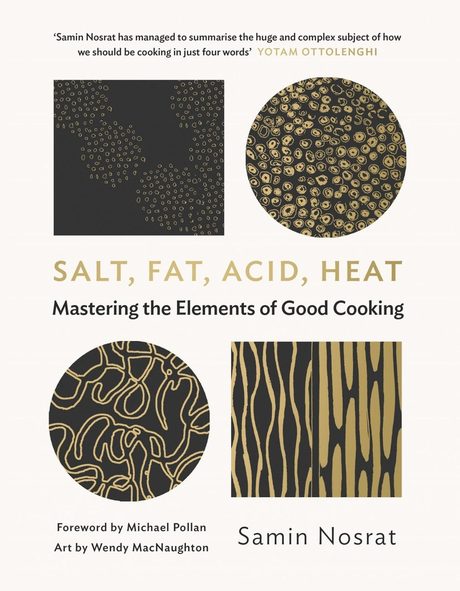
The book that teaches you to cook without a recipe, and happens to look expensive on a kitchen counter.
Nosrat's argument is that nearly all good cooking comes down to four things, and that recipes train obedience rather than judgment. So the first half explains what salt does to protein, why fat carries flavour, what acid corrects, and how heat actually behaves, and the second half hands you recipes to practise on. Wendy MacNaughton's drawings run through the whole thing and turn it into a book people leave out on the counter. Afterwards you start tasting and adjusting instead of measuring and hoping.
Why it is at 17
Seventeenth because the cook in your life owns twelve recipe books and opens two of them. This is not another recipe book, it is the lesson missing underneath all of them, which is why it works even for somebody who cooks Indian food daily and has never followed a Western recipe in their life. It is a heavy, good looking hardback, so it survives the unwrapping test.
Read it ifyou cook often and want to stop following instructions
Skip it ifyou want an Indian recipe collection, since the recipes lean Western
clear, teacherly, joyfulBest for: home cooks and food nerdsfoodillustratedhardback
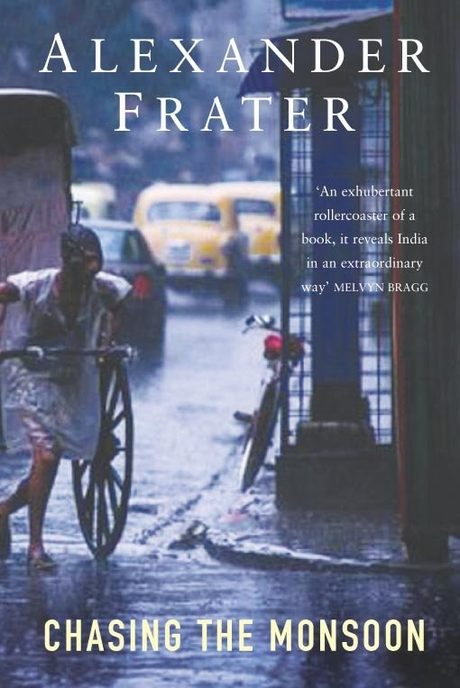
A man follows the monsoon from Kerala to Cherrapunji and writes down everyone he meets on the way.
Frater flies to Kerala in May to meet the monsoon on the day it makes landfall, then chases it north for weeks through Goa, Bombay, Delhi and Calcutta, before ending in the Meghalaya hills at Cherrapunji, where the rain is heaviest and the permission to visit is hardest to get. Along the way he collects bus drivers, weathermen, hoteliers and an entire country's worth of rain talk. He listens well and he is funny on the page, and the book carries the mood of the first hour of a downpour.
Why it is at 18
Eighteenth because travel gifting usually means a guidebook that expires within two years. This one does not date, because it is about weather and people rather than hotels. Give it to the friend who plans four trips a year and takes one, or to anybody who has stood on a balcony in June waiting for the first rain. Buy the paperback and expect it back slightly warped.
Read it ifyou love India in the rain and like travel writing with jokes in it
Skip it ifyou want current, practical travel information
wet, funny, wanderingBest for: travellers and monsoon romanticstravelindiamonsoon
Pairs with: Malgudi Days, if the traveller also likes small towns and slow afternoons
Italo Calvinotranslated by William Weaver1972about 179 pages
Fifty-five imaginary cities described to Kublai Khan, three pages at a time, best read at night.
Marco Polo sits with an ageing Kublai Khan and describes the cities of an empire the emperor will never finish seeing. Fifty-five of them, roughly a page each. A city built on stilts above a void. A city where the dead outnumber the living. A city that keeps repeating itself with tiny changes. There is no plot, and slowly you understand that Polo may be describing one city over and over from different angles. It is a book to read three pages at a time, and it fits in a coat pocket.
Why it is at 19
Nineteenth because the friend who has read everything is the hardest person to buy for, and the answer is never a newer book, it is a stranger one. Almost nobody has read this, and almost everybody who does keeps it. The risk is real, though: a reader who wants story will shut it by page twenty, so check whether they enjoy poetry before you wrap it.
Read it ifyou want a book you can open anywhere and walk straight into
Skip it ifyou need narrative and characters, because there are neither
dreamlike, spare, strangeBest for: readers who own everythingliteraryshorttranslated
For anyone, when you have one hour and no information
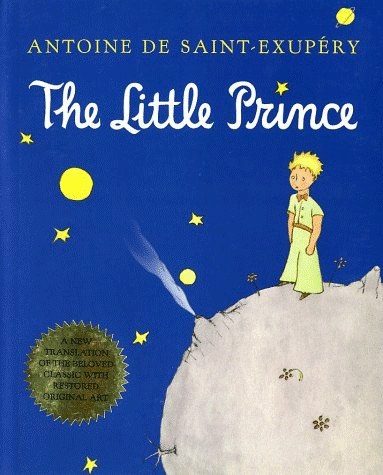
The Little Prince
Antoine de Saint-Exupery1943about 102 pages
The one hour book that works on a nine year old and a forty year old for completely different reasons.
A pilot crashes in the Sahara and meets a small boy who has arrived from an asteroid with three volcanoes and one very difficult rose. The boy describes the grown-ups he met on other planets on the way: a king with no subjects, a businessman counting stars he believes he owns, a lamplighter following an order nobody has updated in years. Then a fox explains what it costs to let yourself become attached to something. It takes an hour, and the author's own watercolours are printed inside.
Why it is at 20
Twentieth not because it is the weakest, but because it is the fallback. This is what you buy with one hour, no information about the person, and one decent shelf in front of you. Hardly anyone dislikes it, most people have never actually read it, and the illustrated hardbacks look like you planned the gift for a fortnight. Every list needs an escape hatch.
Read it ifyou want something short that works at any age
Skip it ifyou have read it twice already and want to be surprised
simple, sad, luminousBest for: last-minute gifts, any ageclassicillustratedall ages
The object test: which of these look like you spent more
A book is a gift and also a thing on a table, and the second part decides how the first part feels in the moment of unwrapping. Six of these punch above their price as objects. The Mackesy in hardback is the clear winner, since it is hand-lettered throughout and printed to be looked at. Salt, Fat, Acid, Heat is heavy and good looking enough to live on a kitchen counter for a decade. Jaya carries drawings on almost every spread. Matilda and The Gruffalo are worth buying in hardback specifically for the illustrations, and any illustrated edition of The Little Prince will outshine what you paid for it.
One more thing that costs nothing. Write the date and one line on the first page, something specific to the person rather than best wishes. Twenty years later that inscription is the reason the book has not been given away, and nobody has ever thrown out a book with their own name written inside it in somebody else's handwriting.
Worth knowing
Four books not to gift, whatever the occasion
Anything about weight, discipline, productivity or self-improvement aimed at a flaw the person has not mentioned to you. That is not a present, it is feedback with a bookmark in it.
Your own favourite novel, if the reason you are giving it is that you want them to become the kind of person who loves it. Give it after they ask what you are reading, not before.
A book you have not read. People can tell within one sentence of you explaining why you picked it, and the whole gesture collapses.
The one that was stacked by the till in a pyramid. If it took no thought to find, it will take no thought to shelve.
People also ask
Questions, answered
What is the safest book to gift someone you barely know?
The Little Prince at twenty, or Shoe Dog at four if the person is a colleague or a boss. Both work because they carry no message about the recipient. The Little Prince suits almost any age and any shelf, and Shoe Dog reads like a thriller while staying entirely professional. Avoid anything about self-improvement, relationships or health with someone you do not know well, since those choices always say something about how you see them.
Is a book a cheap gift?
A book costs less than most gifts and outlasts nearly all of them, which is a good trade rather than a cheap one. If you want the object to look substantial, buy the illustrated or hardback edition, wrap it properly, and write inside it. A signed inscription with a date turns a 500 rupee paperback into the only present from that year the person still owns.
What should I write inside a book I am gifting?
One line about the person, the date, and where you were. Not a summary of the book and not best wishes. Something like: for the flat you just moved into, October 2026, read the last story first. The rule is that the inscription should be impossible to write for anybody else on earth. That is what makes the book unsellable and unforgettable, in the good way.
What book do you gift someone who does not read?
Start with number one on this list, The Curious Incident of the Dog in the Night-Time. Short chapters, a mystery to solve, and a narrator strange enough to hold attention. The other reliable route is a book of short stories, like Malgudi Days at thirteen, because a non-reader can finish one piece in a chai break and feel like they got somewhere rather than starting a project.
What is a good book to gift at an Indian wedding?
The Course of Love at number two, given to the couple together rather than to one of them. It is about the years after the ceremony rather than the romance before it, which no wedding gift usually acknowledges. If the couple is more into mythology than modern fiction, Jaya at fourteen is a good alternative that will sit well in a family home and get read by everyone in it.
How much should I spend on a book as a gift?
Between 400 and 1200 rupees covers everything on this list, and the price gap is mostly about paper rather than content. Spend at the top of that range when the object is doing emotional work, so for grief, weddings and farewells. Spend at the bottom for a colleague or a casual birthday. Two well chosen paperbacks beat one expensive hardback nobody wanted.
Before you go
What to read tonight
Do not read this whole list before you buy. Find the one line that matches the person on your mind, buy that book today, and stop shopping. The most common gifting mistake is not the wrong book, it is the six weeks of deliberation that end with you buying nothing and sending a payment app transfer at midnight.
If you are torn between two, choose the shorter one. People finish short books and feel good about themselves, and the person who finishes your gift will remember who gave it to them. Then write the date on the first page before you wrap it. That takes twenty seconds and it is the only part of this that nobody else can do for you.