The last time I picked the wrong book at bedtime it was a thriller, and I remember thinking I would read one chapter. I finished it at four in the morning, went to work on three hours of sleep, and blamed the traffic. That book was excellent. It was also completely wrong for the hour.
A good bedtime book has almost nothing in common with a good book. What you want at 11 pm is a book that lets you leave: short chapters, or no chapters at all, and nothing at the end of a section that dares you to keep going. No dread, no countdown, no character left in danger while you switch off the lamp. Whether it is a masterpiece hardly matters, because you will be asleep for the best paragraph.
So I ranked these on one thing, which I have called the exit ramp: how often a book gives you a natural place to stop, and how little it punishes you for taking it. Best at that job sits first. The ones near the bottom still qualify, with conditions I have written down. Further along there is a section naming the books I think you should never open at eleven at night, including two that get recommended for exactly that hour.
How I picked these
- Exit ramps first. I looked at how often each book offers a real stopping point, and anything that only lets you off every forty pages went out.
- No hooked chapter endings. I went back and reread the last lines of several chapters in the two mysteries here, because a gentle book with a hook at every chapter break is still a trap.
- Nothing that raises the pulse: no violence happening in front of you, no ticking clock, no plot that punishes you for stopping.
- Rereads allowed, novelty not required. Comfort beats surprise at this hour, which is why four of these were written for children and are on the list without apology.
- Cut on purpose: H is for Hawk, because grief writing that good keeps you awake arguing with it, and every thriller I love, for reasons the section below explains.
- Every book verified through Google Books and Open Library with a real cover, so nothing here is a ghost edition.
The whole list at a glance
All 16 books, in order
| # | Book | Author | Year | Vibe | Best for |
|---|
| 1 | A Book of Simple Living | Ruskin Bond | 2015 | quiet, unhurried, kind | the last ten minutes awake |
| 2 | Winnie-the-Pooh | A. A. Milne | 1926 | warm, silly, safe | a bad week |
| 3 | 84, Charing Cross Road | Helene Hanff | 1970 | warm, dry, brief | five minutes before sleep |
| 4 | Malgudi Days | R. K. Narayan | 1943 | plain, wry, humane | one story a night |
| 5 | The Housekeeper and the Professor | Yoko Ogawa | 2003 | still, tender, precise | an overworked brain |
| 6 | The Wind in the Willows | Kenneth Grahame | 1908 | green, slow, English | reading aloud |
| 7 | Cranford | Elizabeth Gaskell | 1853 | comic, tender, small | one chapter a night |
| 8 | Diary of a Provincial Lady | E. M. Delafield | 1930 | dry, self-mocking, brief | two entries and lights out |
| 9 | A Year in Provence | Peter Mayle | 1989 | sunlit, greedy, easy | cold nights |
| 10 | The Enchanted April | Elizabeth von Arnim | 1922 | sunny, wry, restorative | the end of a long month |
| 11 | The No. 1 Ladies' Detective Agency | Alexander McCall Smith | 1998 | warm, shrewd, unhurried | mystery fans who need sleep |
| 12 | The Hidden Life of Trees | Peter Wohlleben | 2015 | curious, calm, green | city dwellers |
| 13 | Legends & Lattes | Travis Baldree | 2022 | cosy, warm, low-stakes | a rotten week |
| 14 | Before the Coffee Gets Cold | Toshikazu Kawaguchi | 2015 | wistful, warm, tearful | a good cry before sleep |
| 15 | The Guernsey Literary and Potato Peel Pie Society | Mary Ann Shaffer | 2008 | warm, chatty, wartime | letter lovers |
| 16 | A Gentleman in Moscow | Amor Towles | 2016 | elegant, funny, warm | a month of bedtimes |
The list
The books, ranked
1

Exit ramp: every paragraph
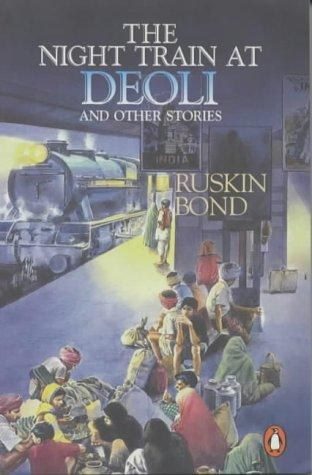
A Book of Simple Living
Ruskin Bond2015about 160 pages
Ruskin Bond's notes from his window in the hills, written in lines short enough to finish one and put the light out.
Bond kept notes at Landour for years, and this is a selection of them: a bird that comes back every March, the smell of rain on a hot road, a friend who visits and says nothing useful, a short complaint about being asked for advice. Some entries run half a page and some run a single line. Reading it feels like sitting with a man who stopped trying to be interesting and became interesting by accident. It is the only book on this list you can open at any page without losing anything at all.
Why it is at 1
First because it is the least demanding book I know that is still worth reading. There is no plot to hold in your head, no character to keep track of, no chapter you owe anything to. Winnie-the-Pooh at number two is warmer, but even Pooh has a story running through it. Bond has nothing running through it, and at midnight that is the whole point.
Read it ifyou want something you can open anywhere and close anywhere
Skip it ifyou need a story to hold on to, because there is none here
quiet, unhurried, kindBest for: the last ten minutes awakeessaysindianature
Pairs with: Malgudi Days, if you want the same unhurried India with characters in it
2

Exit ramp: every chapter, about ten pages
Winnie-the-Pooh
A. A. Milne1926about 164 pages
The gentlest book in English, and the only one here where the biggest crisis is a bear stuck in a doorway.
Ten stories about a bear who eats too much honey, a pig who is frightened of most things, a donkey who has decided life is disappointing, and a boy who is kind to all of them. If you last read this at seven you will find something else in it now, because Milne writes adults into it quietly: the anxiety, the false confidence, the friend who steers every conversation back to himself. Nothing bad ever happens. The worst outcome in any chapter is mild embarrassment, and someone always turns up with a snack.
Why it is at 2
Second because the chapters are self-contained and about ten pages long, which is one perfect bedtime portion. It loses to Bond only because a story, however small, is still a thread your brain wants to pull. Read it when the week has been unkind to you, and do not feel odd about it, since Milne wrote it to be read aloud by adults in the first place.
Read it ifyou want warmth with zero stakes and jokes that still land
Skip it ifchildhood whimsy makes you itch
warm, silly, safeBest for: a bad weekclassiccomfortchildren's
3
Exit ramp: every letter, some four lines long
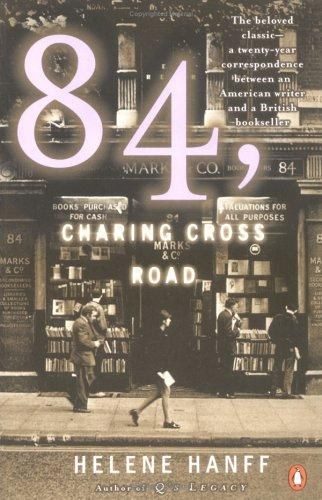
84, Charing Cross Road
Helene Hanff1970
Twenty years of letters between a broke New York writer and a London bookshop, and it is over before you notice.
In 1949 Helene Hanff writes to a secondhand bookshop in London asking for cheap editions of books she cannot find in New York. Frank Doel writes back. They keep writing for twenty years, about books, about rationing, about parcels of eggs sent across the Atlantic, and eventually about their lives, without ever meeting. The letters are short, a few of them only four lines, and every one ends properly, so you can shut the book anywhere and nothing is left hanging over you.
Why it is at 3
Third because it is the fastest exit on the list. Read one letter, put it down, sleep, lose nothing. It sits below Pooh only because the last stretch turns quietly sad, and sad at midnight is a risk I would rather name than hide from you. Read the first two thirds tonight and save the end for daylight.
Read it ifyou love books about loving books
Skip it ifyou want a plot rather than a friendship in fragments
warm, dry, briefBest for: five minutes before sleeplettersnonfictionbooks about books
Heads up: grief in the closing pages
4

Exit ramp: every story, five to eight pages
Malgudi Days
R. K. Narayan1943about 260 pages
Short stories from a small South Indian town where nothing is ever fully solved and everybody keeps going anyway.
Narayan built a fictional town called Malgudi and filled it with people who could live on your street: an astrologer frightened of a customer, a man who talks his way into a job he cannot do, a schoolboy, a snake charmer, a postman who holds back bad news. Each story runs five to eight pages and ends without a moral, which is the trick of the whole book. Narayan never raises his voice, and the effect at night is like listening to somebody tell you about the neighbours until you drift off.
Why it is at 4
Fourth, and it would sit higher if the stories were gentler. A few of them sting: a man loses everything, a child is treated badly, and Narayan reports it without softening the blow. The exits are close to perfect though, one every six pages, and the prose asks nothing of you. If you grew up in India, this is also the most familiar world on the list by a distance.
Read it ifyou want Indian small-town life in short doses
Skip it ifyou need endings that resolve
plain, wry, humaneBest for: one story a nightshort storiesindiaclassic
5
Exit ramp: every few pages
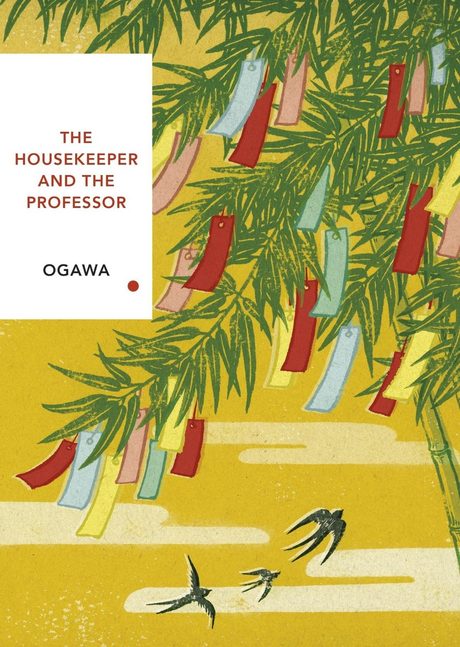
The Housekeeper and the Professor
Yoko Ogawatranslated by Stephen Snyder2003about 172 pages
A mathematician whose memory lasts eighty minutes, his housekeeper, and her son, in a novel where the drama is arithmetic.
An accident left the professor with a memory that resets every eighty minutes, so each morning his housekeeper is a stranger he has to meet again, and each morning he greets her by asking her shoe size and finding something interesting hidden in the number. He is kind to her son, whom he calls Root, because the boy's flat head reminds him of a square root sign. The book moves at the pace of a household: cooking, baseball scores, a proof written on a scrap of paper. Ogawa holds the temperature level from first page to last.
Why it is at 5
Fifth because it is the best book here for a brain that is still at work. Numbers, small rooms, repeated routines, nothing you are asked to solve. It is a novel rather than a collection, so the exits take slightly more finding than in Hanff or Narayan, but no chapter ends on a hook and nobody is ever in danger.
Read it ifyou want calm with a little strangeness in it
Skip it ifyou want events, because this book is mostly weather
still, tender, preciseBest for: an overworked brainjapanese fictiontranslatedquiet
6
Exit ramp: every chapter, each a complete episode
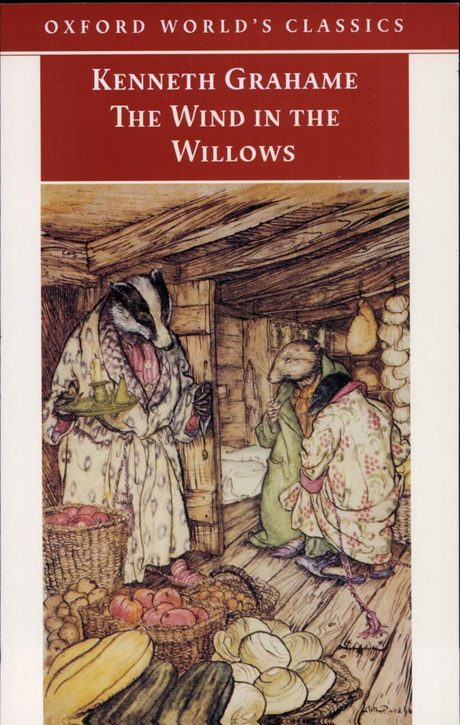
The Wind in the Willows
Kenneth Grahame1908about 196 pages
A mole, a rat, a badger and a rich idiot toad, in the most restful English countryside ever written down.
Mole abandons his spring cleaning, meets Rat by the river, and spends a year messing about in boats, which is most of the book. The rest belongs to Toad, who discovers motor cars and becomes a public menace, giving the story its only real plot and its funniest chapters. Grahame wrote it for his son and the sentences show it: long, unhurried, thick with picnics and weather. The famous chapter about the piper is strange and dreamlike, and half of all readers skip it, which I think is a mistake.
Why it is at 6
Sixth because the river chapters are ideal and the Toad chapters are not. Toad has momentum, and momentum is the thing you are avoiding tonight. Read it out of order if you like: the boating and the winter woods first, then save Toad for a Sunday afternoon when staying awake is the plan anyway.
Read it ifyou want countryside, food, and no consequences
Skip it iflong Edwardian sentences irritate rather than settle you
green, slow, EnglishBest for: reading aloudclassicchildren'snature
7
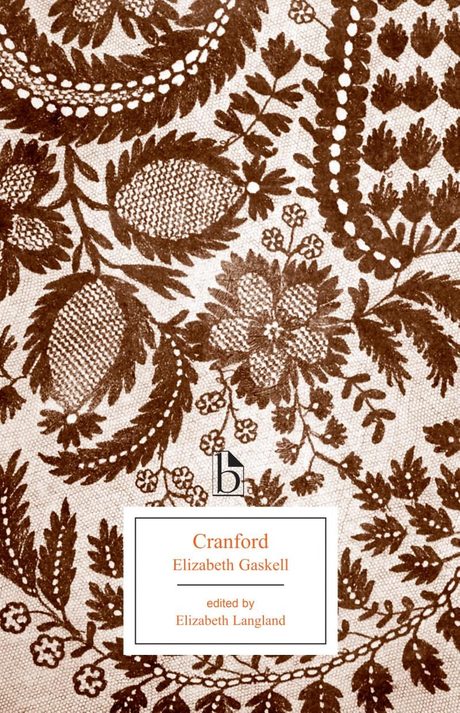
Exit ramp: every chapter, written as a magazine instalment
Cranford
Elizabeth Gaskell1853about 300 pages
A village run by genteel women with no money and firm opinions, told in episodes with almost no plot.
Cranford is a small English town where the men have mostly gone and the women who remain keep up appearances on tiny incomes. A lace collar is ruined by a cat. A cow is dressed in flannel. A retired captain reads Dickens aloud and the town argues about him for weeks. Gaskell published the chapters in instalments, so each was built to be read on its own and then set aside for a fortnight, which makes this the best-engineered bedtime book of the nineteenth century, entirely by accident.
Why it is at 7
Seventh because the structure is right and the register is gentle, but one chapter carries a death and another a financial ruin, and both land harder than you expect from a comedy about a village. That is why it sits under The Wind in the Willows. It sits above the two diaries below it because Gaskell is far funnier than her reputation suggests.
Read it ifyou like comedy of manners with real affection under it
Skip it ifyou want a story that goes somewhere
comic, tender, smallBest for: one chapter a nightclassicvictoriancomedy
Heads up: a bereavement and a sudden loss of money
8
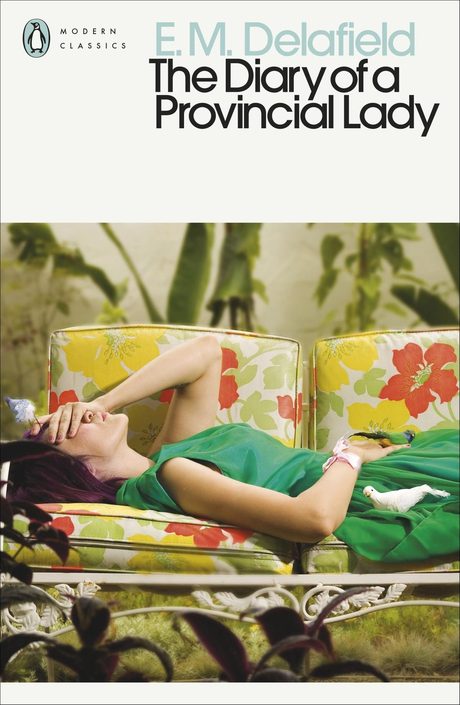
Exit ramp: every diary entry
Diary of a Provincial Lady
E. M. Delafield1930about 649 pages
The diary of an English wife who is broke, over-committed, and losing a long war with her own flower bulbs.
The narrator, who is never named, records her days: bulbs that refuse to grow, a cook threatening to leave, a neighbour who mentions her son at Oxford in every single conversation, a husband who falls asleep behind the newspaper at nine. Delafield wrote it for a magazine, so the entries are dated and tiny, sometimes two lines long. It is a comedy about the gap between what a woman says at dinner and what she writes down that night, and almost a century later the gap has not narrowed.
Why it is at 8
Eighth for the entry structure, which is second only to the letters at number three for putting a book down in mid-thought. It ranks here rather than higher because the comedy runs on English social codes from 1930 and some of the jokes need a second to arrive. When they arrive, they are very good indeed.
Read it ifyou enjoy dry domestic comedy and mild social suffering
Skip it ifyou need context supplied, because none of it is
dry, self-mocking, briefBest for: two entries and lights outdiarycomedyclassic
9
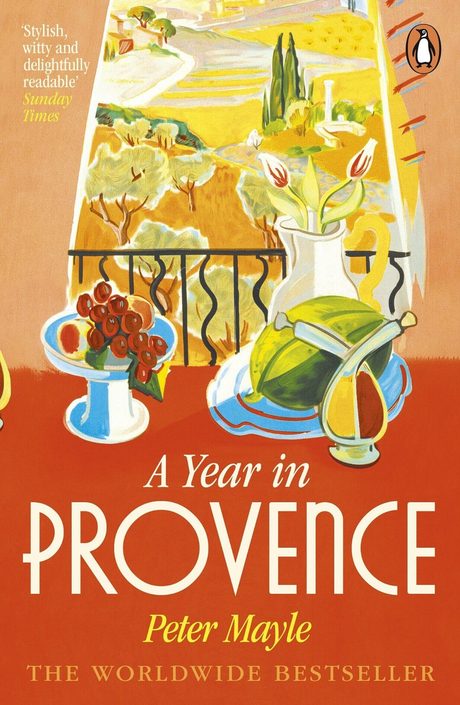
Exit ramp: every month
A Year in Provence
Peter Mayle1989about 247 pages
An Englishman moves to a French village and spends a year eating, waiting for builders, and describing lunch.
Mayle and his wife buy an old farmhouse in the Luberon, and the book runs month by month through their first year there: the mistral in January, truffle hunters who explain nothing, builders who promise to come after Easter and turn up in August, and a startling number of meals described in full. There is no conflict beyond a blocked chimney and a neighbour with opinions. It works at bedtime because your brain gets sunshine, food and slow company, and is asked to hold on to none of it.
Why it is at 9
Ninth because a chapter is a whole month and no thread runs from one to the next, so you can stop absolutely anywhere. It sits below the fiction above it because the charm thins in places and a couple of chapters read like a man being pleased with himself. The food writing buys back the goodwill every time.
Read it ifyou want warmth, food and zero tension
Skip it ifsmug expat charm annoys you, and sometimes it should
sunlit, greedy, easyBest for: cold nightstravelfoodmemoir
10
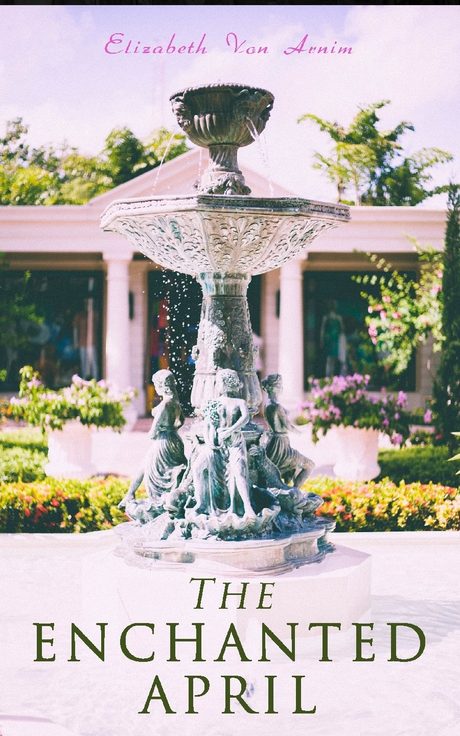
Exit ramp: every chapter, about eight pages
The Enchanted April
Elizabeth von Arnim1922about 208 pages
Four unhappy Englishwomen rent an Italian castle for a month and slowly, awkwardly, stop being unhappy.
A small advertisement offers a medieval castle in Italy to those who appreciate wisteria and sunshine. Two women who barely know each other answer it, then recruit two strangers to split the cost: a beautiful one who is exhausted by being looked at, and an elderly one who disapproves of everybody. What follows is a month of flowers, food and thawing. Von Arnim wrote comedy about interior weather, so the changes are small and private, and the largest event in the book is a husband arriving unannounced.
Why it is at 10
Tenth because it does at bedtime roughly what a warm bath does, and the chapters run a sensible eight pages. It slips under the diaries because the first fifty pages are deliberately cramped and grey, which is precisely the wrong mood for tonight. If you need to, start at the chapter where they reach Italy and read the grey opening later.
Read it ifyou want a book in which people get better
Skip it ifyou have no patience for the manners of 1920s marriages
sunny, wry, restorativeBest for: the end of a long monthclassicitalycomfort
11

Exit ramp: every case
The No. 1 Ladies' Detective Agency
Alexander McCall Smith1998about 213 pages
Botswana's first female detective solves small cases with tea, patience and a very good memory for people.
Precious Ramotswe sells her late father's cattle, buys a small house and a tiny office, and opens a detective agency in Gaborone. The cases are domestic: a missing husband, a dentist who may not be a dentist, a daughter who is probably lying. McCall Smith is not interested in suspense so much as in Mma Ramotswe's judgement, so the chapters give as much room to tea and to the correct way of speaking to an elder as to the mystery itself. One thread involving a missing child is genuinely dark, and it is resolved.
Why it is at 11
Eleventh, and this is as high as a mystery can honestly go on a bedtime list. I went back through the chapter endings and they mostly settle rather than hook. The reason it is not higher is that one storyline about a child is upsetting, and if that finds you at midnight you will be awake with it. Everything else here is tea.
Read it ifyou want a mystery with no menace running under it
Skip it ifgentle pacing reads as slow to you
warm, shrewd, unhurriedBest for: mystery fans who need sleepmysterybotswanacosy
Heads up: a subplot involves a child in danger
12
Exit ramp: every chapter, three to five pages
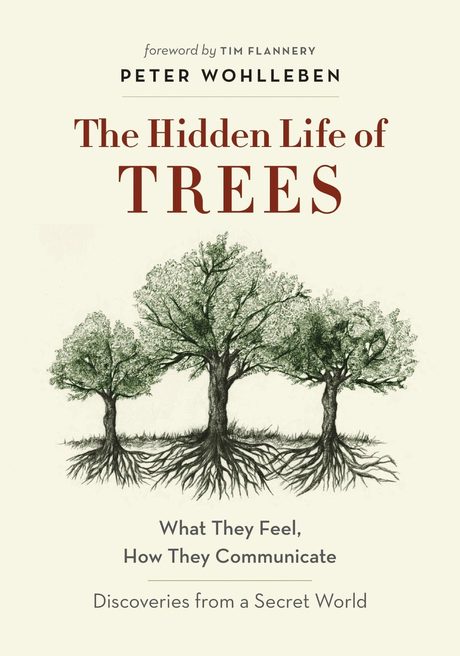
The Hidden Life of Trees
Peter Wohllebentranslated by Jane Billinghurst2015about 289 pages
A German forester explains how trees feed each other, warn each other, and take decades to do anything at all.
Wohlleben managed a forest for years and writes about what he watched there: root systems that pass sugar to a stump which should have died long ago, beeches that grow slowly on purpose, the fungal network under the soil that shifts nutrients between neighbours. Chapters run three to five pages and each holds one idea. He states some of it more confidently than the research does, which other scientists have argued about in public, so I read it as a forester's account of his own woods rather than as a paper.
Why it is at 12
Twelfth because the chapter length is ideal and the subject moves at the speed of a tree, which is the speed you want. The one risk is that it makes you want to look something up, and the phone is how bedtime reading dies. Leave the phone in another room and this becomes one of the best books on the list.
Read it ifyou want to end the day thinking about something slow and alive
Skip it ifyou want hard science, because this is a forester talking
curious, calm, greenBest for: city dwellersnaturenonfictiontranslated
13
Exit ramp: every chapter, about ten pages
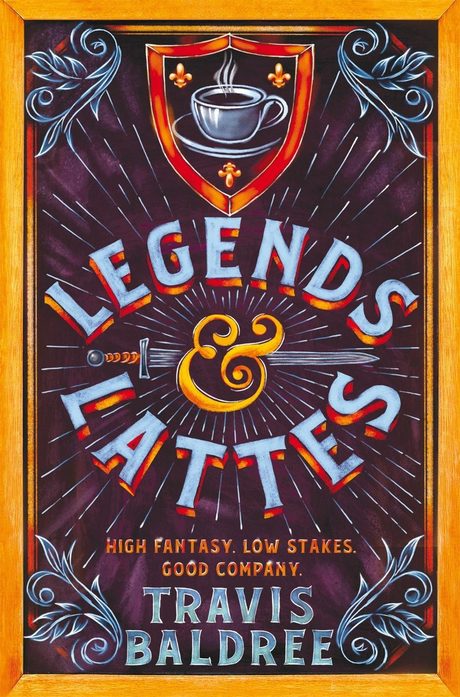
Legends & Lattes
Travis Baldree2022about 309 pages
An orc retires from adventuring, opens a coffee shop, and the central question is whether the espresso machine works.
Viv has spent her life killing things for money and she is done with it. She sells her sword, moves to a city that has never heard of coffee, rents an old stable and turns it into a cafe. The book is about hiring people, fixing a roof, inventing a cinnamon roll and worrying whether anybody will walk in. A threat from her old life does show up eventually and is dealt with in a few pages. Baldree described it as a novel of low stakes, and he was not being modest.
Why it is at 13
Thirteenth because the tension, though small, is real: a business could fail, a person could get hurt. Everything above it has less at risk than that. Even so, if your week has been brutal, jump the queue and start here, because nothing else on this list is as good at making a bad day feel survivable.
Read it ifyou want fantasy with no war anywhere in it
Skip it ifyou need conflict to stay interested
cosy, warm, low-stakesBest for: a rotten weekfantasycosycomfort
14
Exit ramp: every one of the four stories
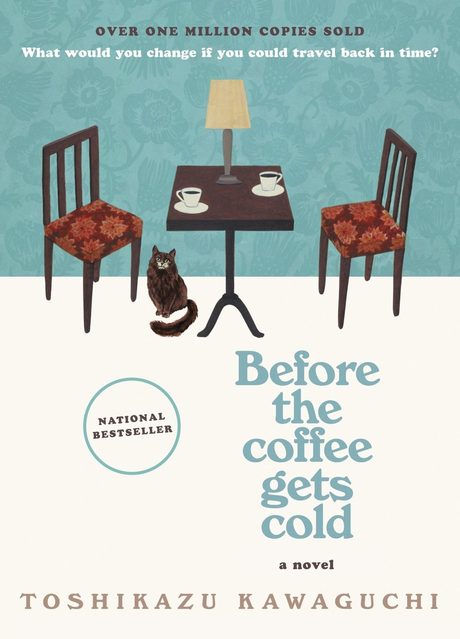
Before the Coffee Gets Cold
Toshikazu Kawaguchitranslated by Geoffrey Trousselot2015about 278 pages
A Tokyo cafe sends you back in time, on the condition that nothing you do there will change anything.
In a basement cafe in Tokyo there is a seat that sends whoever sits in it into the past. The rules are strict: you cannot leave the chair, you cannot change what already happened, and you must return before your coffee gets cold. Four people take the seat for four different reasons, and each story runs about seventy pages. It began life as a stage play and it shows, in a good way, since almost everything happens in one room and is carried by conversation.
Why it is at 14
Fourteenth because it is four clean stories with four clean endings, which is excellent bedtime structure, and because it will probably make you cry. That is the caveat, and it is a real one. Crying at midnight is a relief for some people and a disaster for others, so know which you are before you start the third story.
Read it ifyou want gentle sentiment inside a neat structure
Skip it ifsentimental writing makes you wince, because this leans hard on it
wistful, warm, tearfulBest for: a good cry before sleepjapanese fictiontranslatedlinked stories
Heads up: bereavement, terminal illness and dementia in three of the four stories
15
Exit ramp: every letter
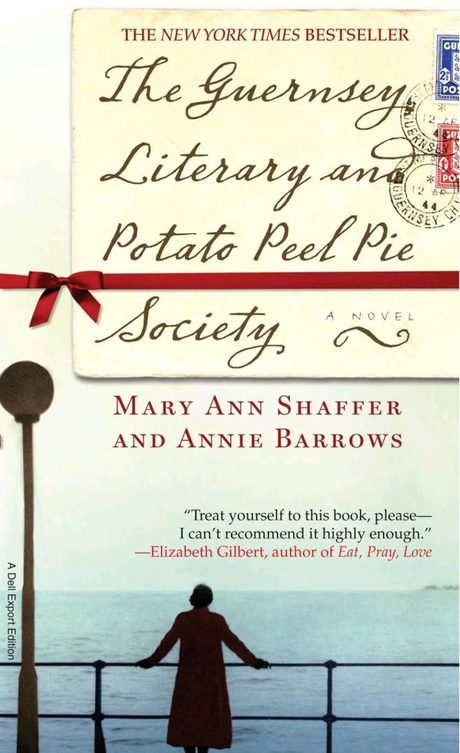
The Guernsey Literary and Potato Peel Pie Society
Mary Ann Shaffer2008about 322 pages
A London writer in 1946 starts writing to a book club on Guernsey that was invented under German occupation.
Juliet Ashton gets a letter from a farmer on Guernsey who has ended up with a secondhand book that once belonged to her, and the exchange grows into a correspondence with most of an island. The society in the title was made up on the spot as an excuse when its members were caught out after curfew during the occupation, and then it turned into a real one. The novel is written entirely in letters, so it moves quickly, and the war arrives sideways, through what people happen to mention.
Why it is at 15
Fifteenth because the letters make it easy to stop but the subject does not. The occupation stories get heavier as the book goes on, and one strand involving a camp is grim, which is how a book this warm ends up this low. The first half is fine at bedtime. Read the rest when you are awake.
Read it ifyou like novels in letters and wartime history handled lightly
Skip it ifyou want no war anywhere near your pillow
warm, chatty, wartimeBest for: letter loverslettershistoricalwwii
Heads up: the German occupation of Guernsey, and a concentration camp in the later letters
Pairs with: 84, Charing Cross Road, which does the letters-between-strangers trick in a quarter of the pages
16

Exit ramp: every chapter, and they are long
A Gentleman in Moscow
Amor Towles2016about 545 pages
A Russian count is sentenced to house arrest in a grand hotel and spends thirty years there, politely.
In 1922 Count Rostov is tried by a Bolshevik tribunal and confined to the Metropol hotel in Moscow for the rest of his life. He moves into an attic room and builds an existence out of what is left to him: a barber, a chef, a wine cellar, and a friendship with a nine-year-old girl who knows the building's hidden corridors. Decades of Soviet history happen outside while the count arranges dinners inside. Towles writes long, formal, funny sentences, and the book is perfectly happy to sit still for fifty pages.
Why it is at 16
Last because the chapters are long, which breaks my own rule, and because a few late sections carry real tension. What earns it a place is the temperature: the count is never afraid, so you are never afraid. Pick this if you want a book to live inside for a month rather than something to finish.
Read it ifyou want a long, elegant book to return to every night
Skip it ifyou want short chapters, since these run thirty pages
elegant, funny, warmBest for: a month of bedtimeshistoricalrussiacomfort
Worth knowing
The books to never open at 11 pm
This is not a judgement on the books, only on the hour. Thrillers are the obvious category, because the modern thriller is engineered at the chapter break: the last line is a hook, the next chapter is four pages long, and the whole machine exists to stop you from stopping. Gone Girl and The Silent Patient do this superbly. Read them on a Sunday, with nothing in the diary for Monday.
The second category is anything that sends you to your phone. Big idea nonfiction is the worst offender. You read one claim about early humans, you reach over to check it, and forty minutes later you are watching a documentary about Roman concrete. The Hidden Life of Trees sits at number twelve only because I am trusting you to leave the phone in another room.
The third is any book about the thing you are living through right now. Grief memoirs during grief, breakup books during a breakup, illness memoirs while somebody at home is ill. H is for Hawk is a superb book about a father's death and a goshawk, and it is entirely wrong for midnight, because it refuses to let you keep a comfortable distance. The same goes for horror, and for anything where a child is in danger, since that nerve does not switch off just because you closed the book.
Worth knowing
Does reading before bed actually work
For a lot of people it does, and the reason is dull: it is a wind-down routine on paper instead of a screen, and doing it at the same time every night teaches your brain what is coming. Print or a matte e-reader, a dim lamp, the phone somewhere else, and a book you are able to put down. That last condition is the one most reading lists forget to mention.
One plain line, because it matters. If you have been lying awake for weeks, or waking at three every morning, or dreading the bed itself, a book is not treatment. That is a question for a doctor and it is worth asking properly. These sixteen are for winding down an ordinary day, and pretending they can do more than that would be a lie dressed up as book recommendations.
People also ask
Questions, answered
What is the best book to read before bed?
A Book of Simple Living by Ruskin Bond, because you can open it at any page, read for two minutes and stop without losing anything. If you want a story rather than notes, take Winnie-the-Pooh or Malgudi Days, both of which arrive in self-contained pieces of five to ten pages. The general rule matters more than the title: pick a book that lets you leave, not one that makes you promise it another chapter.
Is it bad to read a thriller before bed?
For most people yes, and the reason is structural rather than moral. Thrillers are built to stop you stopping. Chapters end on a hook, the next one is short, and your brain treats an unfinished threat as a problem to solve rather than something to sleep on. If you already read thrillers at night and sleep fine, carry on. If you regularly look up at 2 am wondering where the evening went, that is the book doing exactly its job.
How long should I read before sleeping?
Twenty to thirty minutes suits most people, and where you stop matters more than how long you read. Finish at a natural break rather than in the middle of a scene, because an unfinished scene keeps running after the lamp goes off. That is the whole reason every book here was picked for its stopping points. If you catch yourself saying one more chapter twice in a night, put a bookmark in and move that book to daytime.
Should I read on my phone before bed?
Print or an e-reader with a matte screen is better, and not only because of the light. A phone is a doorway. A notification arrives, you answer one message, and the wind-down is finished. If the phone is your only reader, put it in aeroplane mode and drop the brightness as low as you can stand. The bigger win is keeping it out of arm's reach, because reading is a habit and checking is a habit, and they compete for the same ten minutes.
Which books should I never read before bed?
Thrillers and horror come first. Then big idea nonfiction, which sends you to your phone to check a fact and keeps you there. Then anything close to what you are living through at the moment: grief memoirs during grief, breakup books during a breakup. H is for Hawk is a superb piece of writing and a terrible choice for eleven at night. Books in which a child is in danger deserve the same warning, whatever genre they belong to.
Do short story collections work better than novels at bedtime?
Usually, because a story ends and a chapter often does not. Malgudi Days, Before the Coffee Gets Cold and Winnie-the-Pooh all hand you a complete unit in ten pages or fewer, so you close the book finished rather than interrupted. Novels work when the chapters are short and the temperature is level, which is why The Housekeeper and the Professor and Cranford are here. What you want to avoid is a novel whose chapters end on a question.
Before you go
What to read tonight
If you want to start tonight and cannot decide, take the Ruskin Bond, read three pages and see how long you last. If the week has been genuinely bad, skip ahead to Legends and Lattes and let a retired orc make you a coffee. If you are torn between the two Japanese books, the professor's arithmetic will settle you and the cafe stories will make you cry, so choose according to what you need out of your system.
One habit is worth more than any title on this list. Decide before you begin how long you are reading, leave the phone in another room, and stop at the next natural break even when you want one more. Every book here was chosen to make that easy. Do it for a week and bedtime reading stops being something you meant to get around to and becomes the thing that ends your day.
Keep going
Lists that pair with this one
Mood & Life
20 Best Short Novels Under 200 Pages, Ranked by Length
Every book here is under 200 pages in the edition we link, and the list runs shortest first, so you can pick by the hours you actually have left tonight.
Mood & Life
16 Best Books for Long Flights and Train Journeys, by Hours
Every book here is timed: roughly how many hours it fills, and how well it survives being put down for the meal trolley.
Mood & Life
18 Books for People Who Don't Like Reading (Short and Fast)
Sorted by how much of your evening they ask for, starting with books you can finish tonight.
Mood & Life
15 Best Books to Read in Monsoon, Matched to Your Rain Day
Ordered the way the season actually moves, from the dry wait before the first burst to the rain that outlasts everybody, with the exact kind of wet day each book suits.
Indian Fiction
16 Best Indian Short Story Collections (Where to Start in Each)
Sixteen collections worth your evening, ranked by how much patience each one asks for, with the exact story to read first in every book.