15 Best Books to Read in Monsoon, Matched to Your Rain Day
Ordered the way the season actually moves, from the dry wait before the first burst to the rain that outlasts everybody, with the exact kind of wet day each book suits.
By Bhavik SarkhediUpdated August 2026Covers and data: Google Books, Open Library
The first rain in Ahmedabad arrives like a rumour. The sky goes the colour of an old steel tiffin, everybody in the office walks to the window at roughly the same minute, and then it comes down so hard that the road stops existing. Twenty minutes later it stops, the city smells of wet mud and frying besan, and no useful work happens for the rest of that day.
That day is what this list is for. Not the abstract idea of rain, but the actual four months of it: the burst, the flooded scooter, the power cut, the grey stretch in August when it drizzles for six days without ever properly raining. Every book here is matched to one of those days, and the order follows the season, from the dry waiting in June to the rain that will not stop in September.
So this is not ranked best to worst. It is ranked by rain. Inside each entry I say plainly whether the book is great or merely good, and the quick picks carry the verdict if that is all you came for.
Nine of the fifteen are by Indian writers, which was never a rule. It just turns out that nobody writes rain like people who spend a third of the year inside it.
The rain has to be in the book, not on the cover. Every pick either happens during the wet months, is soaked in weather from end to end, or is long enough to fill a whole season.
One book per kind of rain day, so nothing repeats. Two Kerala downpour novels would have been very easy to do and completely useless to you.
Every book checked through Google Books and Open Library with a real cover from a real edition. Translators are named only where the edition itself names them.
I cut Kafka on the Shore, which turns up on most monsoon lists, because its weather is symbolic rather than wet, and I wanted books you can feel on your skin.
Length is part of the match. A ten-minute shower gets a short story collection, a six-day drizzle gets a five-hundred-page novel, and the season gets the thousand-pager.
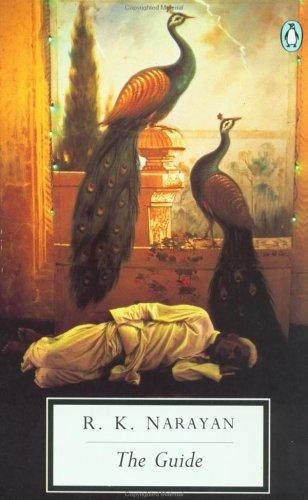
A charming tourist guide is mistaken for a holy man and ends up fasting for rain he has no power at all to bring.
Raju is a railway station guide in Malgudi with a gift for telling people exactly what they want to hear. That gift carries him through a dancer named Rosie, a stretch of real success, and then jail. When he comes out he shelters in a village temple and the villagers decide he must be a swami. A drought arrives, the villagers decide the swami will fast until it rains, and Raju never quite finds the moment to tell them the truth. Narayan keeps it light right up to the point where it stops being light at all.
Why it is at 1
First because the monsoon begins with waiting. Nobody in this book has any rain yet and everybody is watching the sky, which is late May in most of this country. It is also the funniest thing on this list for two hundred pages and the saddest for the last twenty, a switch Narayan pulls better than anybody else writing in English here.
Read it ifyou want a comic Indian classic that turns serious without warning you
Skip it ifyou need a hero to root for, because Raju is a fraud almost to the end
wry, sunlit, slowly seriousBest for: the week before the rainindianclassicmalgudi
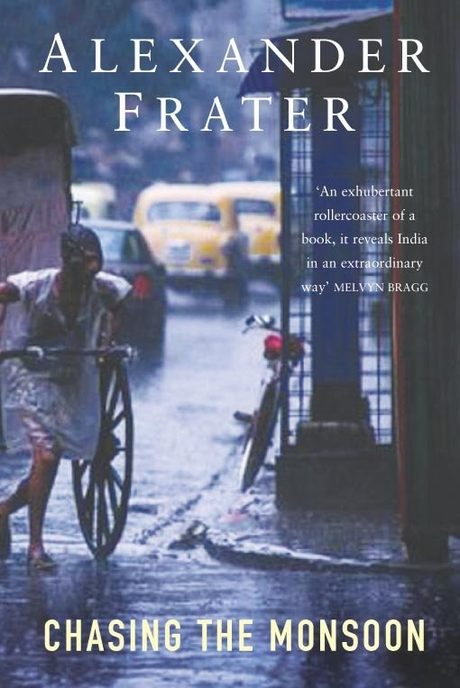
A travel writer waits on the Kerala coast for the monsoon to make landfall, then follows it north across India for three months.
Frater grew up in the New Hebrides with a print of an Indian monsoon on his bedroom wall, and decades later he came here to follow the real one from its arrival on the Kerala coast up to Cherrapunji in the north east. He stands at Kovalam with meteorologists and fishermen waiting for the burst, then chases the weather up the country through Goa, Bombay, Delhi and Calcutta, mostly by train, mostly soaked. His reporting on the Meteorological Department alone is worth the price. He is also very funny about how an entire country loses its head on the same afternoon.
Why it is at 2
The only book here that is about the monsoon rather than merely set inside it, so it gets the day of the burst. Written by a foreigner, which cuts both ways: he notices what Indians stopped seeing years ago, and he occasionally turns it into spectacle. Read it in the first week of June and it plays like a live broadcast.
Read it ifyou want the definitive non-fiction book about the Indian monsoon
Skip it ifyou have no patience for outsider travel writing about India
curious, rain-soaked, warmBest for: the first week of Junetravelnon-fictionmonsoon
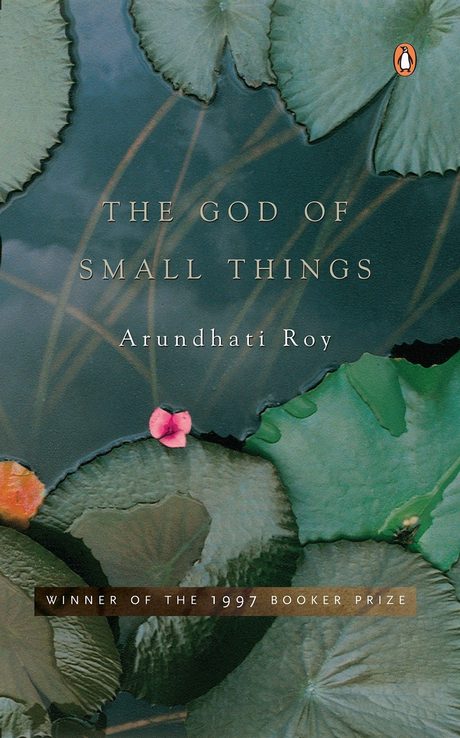
Twins in a Kerala town lose everything across a few days in 1969, and the book circles the wreckage for the next twenty years.
Rahel and Estha are seven-year-old twins in Ayemenem, a Kerala town where the river swells and the family pickle factory smells of vinegar. Their English cousin visits, something happens at the river, and a household that was already cracked comes apart along caste lines. Roy tells it out of order, opening with the aftermath and walking backwards into it, so the dread keeps building even though you already know the shape of the ending. The rain is in everything: the green, the damp, the mould, the river that is a playground in the morning and a threat by evening.
Why it is at 3
Third because this is what the Kerala downpour reads like, and because it has the best sentences on the list by a clear distance. It is also the hardest to read quickly, since Roy wants you slowed down to her speed. If you have read exactly one Booker winner from India, it is probably this one, and it holds up to a second reading.
Read it ifyou want the best writing here and can take a slow, sad book
Skip it ifyou want a straight timeline or a gentle read, because it is neither of those
green, humid, devastatingBest for: a long wet weekendindianliterarykerala
Heads up: child sexual abuse, caste violence, the death of a child
Thakazhi Sivasankara Pillaitranslated by Anita Nair1956about 190 pages
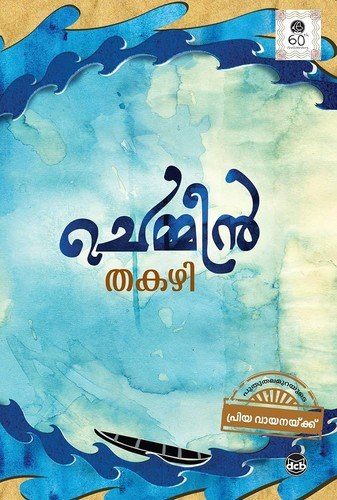
A fishing village believes a wife's faithfulness is what keeps her husband alive at sea, and then the belief gets tested.
Karuthamma is the daughter of a Hindu fisherman on the Kerala coast, and Pareekutti is a young Muslim trader who loves her, which everybody in the village already knows. The place runs on an old belief: while a fisherman is out on the water, his wife's chastity is the thing holding the sea back. Thakazhi wrote it in Malayalam in 1956 and it became the story every Malayali grows up knowing. What earns your time is not the tragedy, which you can see arriving, but the texture: the beach economy, the loans, the drying fish, the daily arithmetic of who may marry whom.
Why it is at 4
Fourth because once the coast has had its downpour, the sea turns. This is the storm book. It sits above The Hungry Tide by being shorter, older and considerably angrier, and because the Anita Nair translation reads far more naturally in English than most mid-century Malayalam fiction manages to.
Read it ifyou want the Malayalam classic and a village where weather decides everything
Skip it ifyou have no patience for a plot built on a superstition
salt, superstition, doomBest for: a stormy nightmalayalamtranslatedclassic
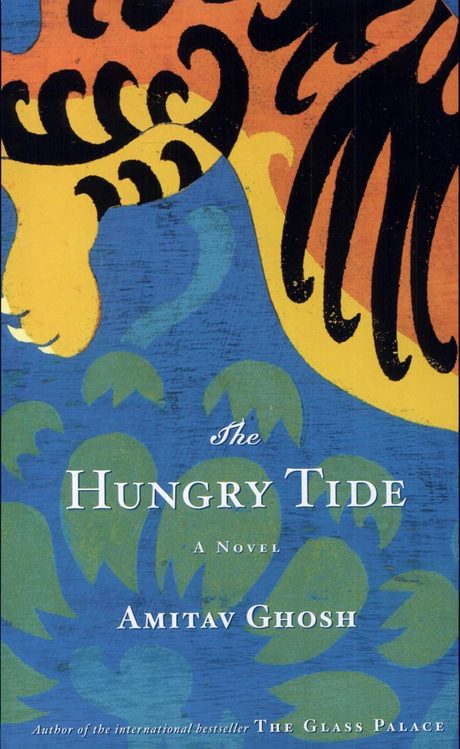
In the Sundarbans, a marine biologist, a Delhi translator and an illiterate fisherman go looking for river dolphins and find weather.
Piya is an American scientist studying Irrawaddy dolphins in the Sundarbans. Kanai is a Delhi businessman visiting his aunt and carrying his dead uncle's notebook. Fokir is a fisherman who cannot read and knows the water better than either of them will ever know anything. Ghosh braids their present with Morichjhapi, a real refugee settlement that the state cleared by force in 1979, and then lets the tide country do the rest. Islands here appear and vanish twice a day, which makes the ground itself feel temporary, and the final hundred pages are a cyclone.
Why it is at 5
Fifth for the storm that comes with a name and a warning on the radio. It is the most informative book here: you finish it knowing about tides, dolphins and a piece of Bengal history that was never in anybody's textbook. Ghosh does load his dialogue with research at times, which is the one thing keeping it below Roy and Thakazhi.
Read it ifyou want a novel about water, weather and who gets sacrificed to both
Skip it ifyou dislike novels where characters explain things to one another
tidal, researched, tenseBest for: a stormy weekindianbengalliterary
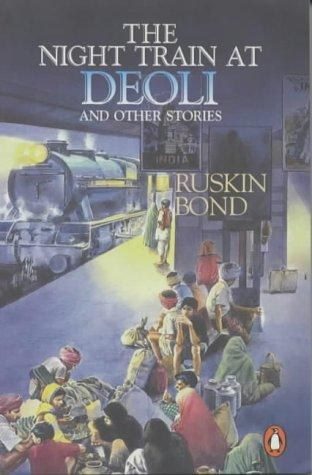
Short stories from one imaginary South Indian town, each about the length of a proper afternoon downpour.
An astrologer who cannot read anybody's future, a boy walking a stolen dog, a postman who holds back a telegram out of kindness, a talkative man on a bench. Narayan built Malgudi across decades and filled it with clerks, vendors, teachers, uncles and small-time frauds, and each story runs six to twelve pages. Nothing enormous happens in most of them. Somebody's small plan meets the world, and the world wins politely. The Penguin edition most people own is the expanded one from 1982, which folds in stories from an earlier collection.
Why it is at 6
Sixth because the monsoon is mostly short bursts rather than epics, and this is the only book here where you can finish a whole unit inside one of them. It is also the friendliest entry point on the list for a nervous reader. Honest caveat: read four in a row and the gentleness starts to blur, so ration them.
Read it ifyou want small, exact stories you can finish between two cups of chai
Skip it ifyou want high stakes, because Narayan keeps them domestic on purpose
gentle, ironic, everydayBest for: a shower-length breakindianshort storiesmalgudi
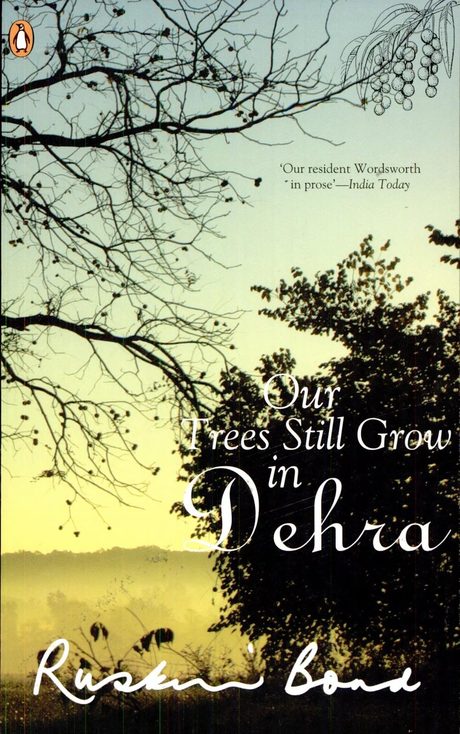
Bond's notebooks from Mussoorie, where the rain settles in for days and the writing never once tries to impress you.
This is a mix of essays, diary entries, poems and short pieces from Bond's years in the hills above Dehradun. He writes about the monsoon arriving in Landour, about leaking roofs and leeches and the particular boredom of a fortnight inside a cloud, about the walk to the bazaar and the people who live along his road. There is no argument here and no arc. It is a writer noticing things for a couple of hundred pages, and in the right mood it is the most comforting book on this list.
Why it is at 7
Seventh because somebody has to hold the hill-station drizzle, and Bond has owned that weather in Indian writing for fifty years. It is not his best book, and if you want his fiction you should go elsewhere first. As monsoon company, though, nothing else here works as well beside a window with tea going cold.
Read it ifyou want unhurried company rather than a plot
Skip it ifyou need narrative drive, because this book has none by design
misty, unhurried, kindBest for: a window seat and chaiindianessaysruskin bond
A Bombay family of four in a one-bedroom flat, a mother with bipolar disorder, and a son writing his way towards understanding her.
Em is the mother: funny, filthy-mouthed, adored, and ill in a way that hollows the family out. The Big Hoom is the father, steady to the point of being unreadable. The narrator is their son, moving between the flat in Mahim and the hospital ward, trying to work out who his mother was before the illness and whether that person is still somewhere inside. Pinto refuses to make any of it uplifting or hopeless. It is a novel about living beside mental illness rather than a guide to it, and it is far funnier than that sentence makes it sound.
Why it is at 8
Eighth for the day the road floods and nobody can leave the building, because this is a book about a family shut in with something they cannot fix. It is the most emotionally direct thing on this list, and the shortest route to crying on a wet afternoon. Read it when you have somewhere quiet to sit afterwards.
Read it ifyou want Bombay, family, and a book that refuses to lie about illness
Skip it ifsomebody close to you is in crisis right now
funny, raw, BombayBest for: a day stuck indoorsindianbombayliterary
Heads up: bipolar disorder, suicide attempts, psychiatric hospitalisation. It is a novel about one family, not medical guidance, and no book here is a substitute for treatment.
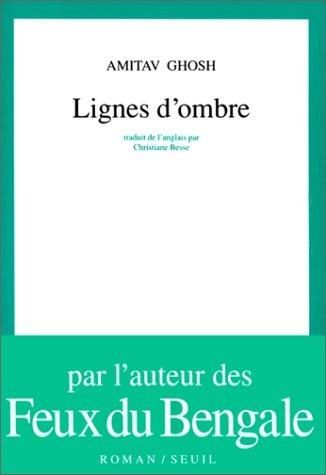
A narrator reassembles his family across Calcutta, Dhaka and London and finds that the lines on the map explain nothing at all.
The unnamed narrator grows up in Calcutta on the stories of his older cousin Tridib, who teaches him to imagine places precisely enough to own them. The book moves between 1960s Calcutta, wartime London and Dhaka, circling one event it takes the narrator the whole novel to be able to say out loud: the communal riots of 1964, which happened on both sides of a border at once and were reported as though they were separate weather systems. Ghosh is arguing about how nations decide what to remember, and he does it entirely through one family's furniture and quarrels.
Why it is at 9
Ninth because rain does something to memory, and this is the book here that behaves most like remembering: circling, skipping years, refusing to go in order. It is Ghosh's best novel, tighter than The Hungry Tide by some distance, and it sits lower on this particular list only because its weather is internal.
Read it ifyou like memory, borders and a novel that trusts you to keep up
Skip it ifyou want a clear chronology, because the timeline moves constantly
elegiac, restless, preciseBest for: a reflective eveningindianliterarymemory
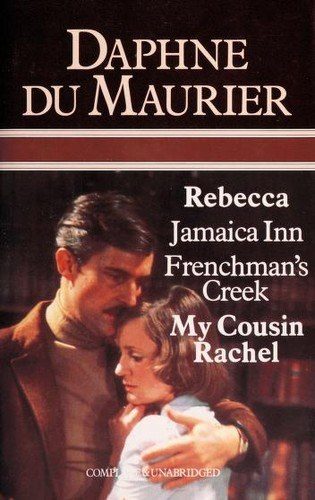
A shy young bride reaches her husband's Cornish estate and finds his dead first wife still running the household.
A paid companion to a rich American woman meets a widower in Monte Carlo, marries him inside a few weeks, and comes home to Manderley, a great house on the Cornish coast. She is never given a name. Everyone there, above all the housekeeper Mrs Danvers, still lives by the standards of the first Mrs de Winter, and the new wife spends the book shrinking to fit a dead woman's outline. Du Maurier builds it out of weather, corridors and small social humiliations until the sea gives up what it has been holding, and then the last third moves very fast.
Why it is at 10
Tenth because this is the perfect power-cut book: candles, an old house, a storm outside and no wifi to break the spell. It is the most purely enjoyable thing on the list, the one you can read straight through without treating it as literature. It ranks below the Indian novels above only because they are attempting more.
Read it ifyou want atmosphere, dread and a house that behaves like a character
Skip it ifa passive narrator frustrates you, because she is passive for two hundred pages
gothic, coastal, obsessiveBest for: a candlelit power cutgothicclassicsuspense
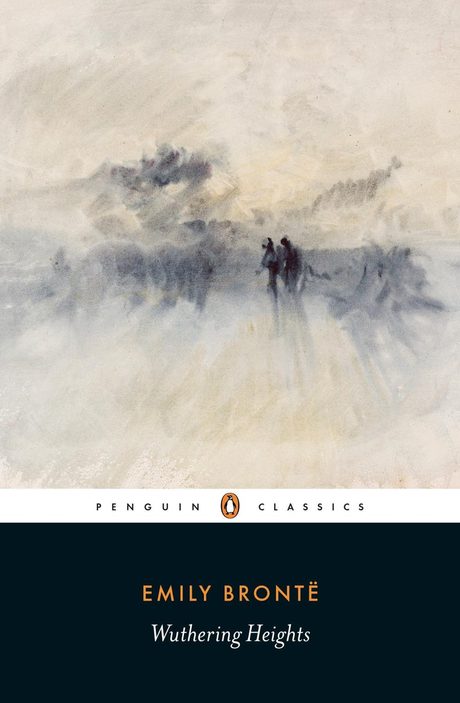
Two houses on the Yorkshire moors, two families, and a love that everybody involved would honestly call a curse.
Heathcliff is brought back from Liverpool as a boy and raised at Wuthering Heights alongside Catherine Earnshaw. What grows between them is not romance in any usable sense of the word: it is possession, and it wrecks two households across two generations. Bronte tells the whole thing through servants and tenants, which puts a wall of gossip between you and the people it happened to. The weather here is not decoration. The wind, the moor and the ice are the reason people cannot leave, cannot arrive and cannot be found when they walk out at night.
Why it is at 11
Eleventh for the night when the rain comes sideways and the roof sounds like it is under attack. Read it as a horror novel about obsession rather than as a romance and it improves enormously. If you were made to study it at school and hated it, this is the book on the list most worth a second attempt as an adult.
Read it ifyou want weather, cruelty and a love story with nothing tender in it
Skip it ifyou want an actual romance, because everyone here treats everyone appallingly
windswept, violent, feverishBest for: a sideways-rain nightclassicgothicenglish
Heads up: domestic abuse, cruelty to children and animals
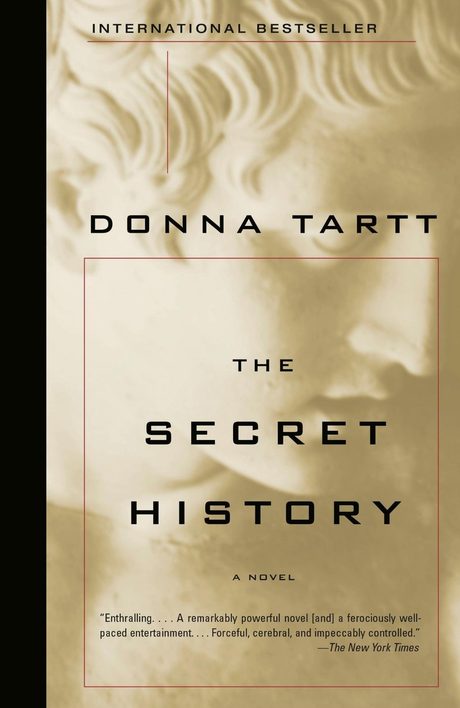
Six students of ancient Greek at a small Vermont college kill one of their own, and the book tells you so on page one.
Richard, a Californian on scholarship, talks his way into a tiny Greek class taught by a professor who picks his students personally. The group is rich, strange and closed, and Richard wants in badly enough to lie about where he comes from. Tartt gives away the murder in the opening pages, so the tension is never who or whether, it is how a set of clever young people talked themselves into it and what it does to them afterwards. The Vermont winter carries a lot of the weight: cold, dark, and apparently endless.
Why it is at 12
Twelfth for the grey stretch in August when it drizzles for six days and you stop leaving the house. This is the longest immersive read here after A Suitable Boy and the one most likely to swallow a week whole. It sits below Rebecca on pure pleasure, because Tartt needs a hundred pages to get moving and Du Maurier needs twenty.
Read it ifyou want to disappear into a long, cold, very clever novel
Skip it ifyou need likeable characters or a fast opening act
cold, elitist, hypnoticBest for: a grey week indoorsliterarycampussuspense
Haruki Murakamitranslated by Jay Rubin1987about 340 pages
A Tokyo student in the late sixties loves two women, and one of them is not going to get better.
Toru Watanabe hears a Beatles song on a plane and is thrown back to 1969: his best friend's death, his slow entanglement with that friend's girlfriend Naoko, and Midori, who is alive in a way Naoko can no longer manage. There is nothing supernatural in it, which surprises people who know Murakami from his stranger books. It is a plain, sad novel about being twenty and discovering that loving somebody is not a treatment for what is wrong with them. The quiet is the whole point, and rain suits it exactly.
Why it is at 13
Thirteenth for the soft drizzle that goes on all afternoon with headphones in and nothing urgent to do. It is the most atmospheric book here and also the one I am least confident recommending: some readers find it the truest thing they read at twenty-two, others find the women thinly drawn and the narrator limp. Both readings are defensible.
Read it ifyou want a quiet, sad novel about your early twenties
Skip it ifyou want the surreal Murakami, or passive narrators annoy you
melancholy, hushed, sixtiesBest for: headphones and drizzlejapanesetranslatedcoming of age
Heads up: suicide, mental illness, explicit sexual content
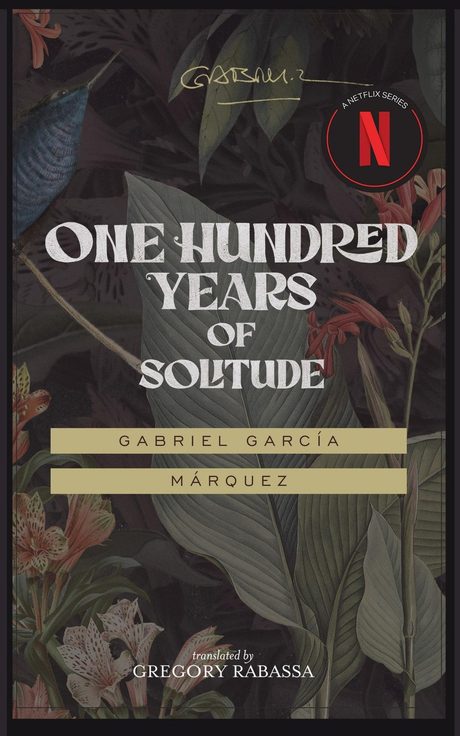
Gabriel Garcia Marqueztranslated by Gregory Rabassa1967about 448 pages
Seven generations of one family in a town where it once rained for four years, eleven months and two days.
Jose Arcadio Buendia founds Macondo in a swamp, and Marquez follows his descendants through civil wars, a banana company, a massacre the government erases from the record, and a rain that arrives and simply refuses to leave. Everybody is named after somebody else, which is deliberately disorienting, and the family tree printed in most editions exists for a reason. What holds it together is the tone: the impossible and the domestic get reported in exactly the same voice, so a woman rising into the sky carries the same weight as a bad harvest.
Why it is at 14
Fourteenth because of the rain itself. Macondo's downpour of four years, eleven months and two days is the most famous rain in fiction and the reason this book has to appear on a monsoon list at all. It is also the hardest reading here after Roy. If you are going to bounce off anything on this list, it will be this or the one below it.
Read it ifyou want the great Latin American novel and have patience for repeated names
Skip it ifyou need to keep track of who is who, because the book resists that on purpose
mythic, humid, sprawlingBest for: a slow Septembertranslatedlatin americanclassic
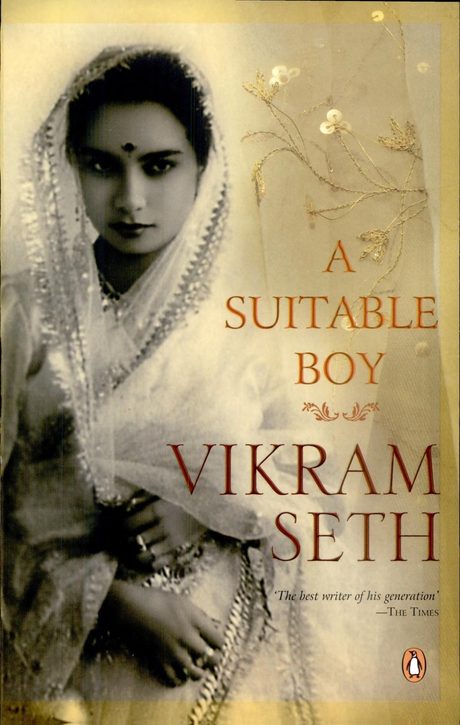
Nineteen fifties India, four families, one mother determined to find her daughter a husband, and about 1,300 pages to do it in.
Mrs Rupa Mehra wants Lata married to a suitable boy. Lata has her own ideas, three suitors, and a country changing around her: the first general election, land reform, a communal riot, plus students, poets, shoemakers and politicians who all get chapters of their own. Seth writes plainly and moves quickly, so the length is much less frightening in your hands than it looks on a shelf. It is the closest thing Indian writing in English has to a nineteenth century social novel, and it is genuinely funny about mothers.
Why it is at 15
Last because it is the season rather than a day. At 1,372 pages in this edition it is the one book here you can start with the first rain and finish when the weather turns, at roughly forty pages an evening. Nothing else on this list can do that. It is not the best written book here and it does not need to be, because it is the most companionable.
Read it ifyou want one enormous, warm, funny novel to live inside for months
Skip it ifyou know you will not finish it, because an abandoned thousand-pager is worse than no book
sprawling, warm, sociableBest for: the whole monsoonindianepic1950s
The list runs along the season instead of along a quality scale, and each entry carries the kind of day it belongs to. It starts with the dry waiting in late May, when the sky is heavy and nothing has fallen yet, and that is The Guide. Then the burst, which is Frater. Then the first real downpour on the coast, Roy, followed by the sea turning nasty in Thakazhi and the named cyclone in Ghosh.
The middle is domestic weather, the sort you live in rather than watch: ten-minute city showers with Narayan, hill drizzle with Bond, the flooded road with Pinto, and old rain remembered with Ghosh again. Then the indoor stretch, where the weather stops being scenery and becomes an excuse: a power cut with Du Maurier, a storm on the roof with Bronte, six grey days with Tartt, a soft all-afternoon drizzle with Murakami.
It closes with the rain that outstays everyone, which is Marquez, and then the season itself, which is Seth. If you want to read the list as a calendar, one book a fortnight from the first week of June gets you almost exactly to the end of September.
Worth knowing
A note on the translations
Three books here were not written in English. Chemmeen was written in Malayalam and the edition on this page is the Anita Nair translation, which is named on the cover. Norwegian Wood is Jay Rubin's English version, and One Hundred Years of Solitude is Gregory Rabassa's. I have named a translator only where I could confirm which one you are getting, because buying the wrong edition of a translated novel is how people end up thinking they dislike a writer.
Everything else on the list, including The God of Small Things, The Guide, Malgudi Days, The Shadow Lines and Em and the Big Hoom, was written in English by writers from here. That is worth saying plainly, because Indian writing in English gets treated as a small side room when it is where a good half of this list lives.
People also ask
Questions, answered
What are the best books to read in the monsoon?
The God of Small Things if you want the best writing, Chasing the Monsoon if you want the rain itself as the subject, and Malgudi Days if you only have short bursts of time. For a wet evening indoors with no power, Rebecca is hard to beat. Match the book to the kind of rain outside your window and the reading goes much better than picking by reputation alone.
Which Indian book is actually about the monsoon?
Chasing the Monsoon by Alexander Frater, which follows the rain from its landfall on the Kerala coast to Cherrapunji in the north east, is the only book on this list where the monsoon is the subject rather than the setting. It is non-fiction, it is from 1990, and it is written by a Scot who grew up looking at a picture of an Indian monsoon. For fiction where the rain runs through everything, take The God of Small Things.
What should I read during a power cut?
Rebecca by Daphne du Maurier. It works by candlelight because it was built for exactly that mood: a big house, a coastline, a storm, and a narrator who is slowly being replaced by a dead woman's memory. It also needs no concentration to follow, which matters when you are reading by a phone torch. Wuthering Heights is the harsher alternative if you want the weather turned up.
Can I finish A Suitable Boy in one monsoon?
Yes, at about forty pages an evening from the first week of June to the end of September, which is roughly four months for 1,372 pages. That is a realistic pace for most readers on a weeknight. The trick is not to treat it as homework. Seth writes short scenes with plenty of dialogue, so it moves faster than the brick on your shelf suggests it will.
What is a good short book for a rainy afternoon?
Malgudi Days, because each story is six to twelve pages and you can finish two or three inside one downpour without committing to anything. Rain in the Mountains works the same way, in pieces rather than chapters. If you would rather have one complete story, Em and the Big Hoom is around 225 pages and most people read it in two sittings, though it is not a light one.
Which Ruskin Bond book is best for the rain?
Rain in the Mountains, his collection of notes and essays from Mussoorie, is the obvious pick because half of it is literally about the monsoon in the hills. It is not his strongest work as a writer, and his short fiction is better, but no other Indian book on this list sits as comfortably beside a window with a cup of tea while the cloud comes down over the road.
Before you go
What to read tonight
If it is already raining and you want something tonight, open Malgudi Days and read three stories, because that fits inside a single shower and asks nothing of you. If the power is out, Rebecca. If you have a wet Saturday and you want to be wrecked by a book, The God of Small Things will do it in about six hours.
And if you have been saying for years that you will read A Suitable Boy one day, this is the season for it. Forty pages an evening, starting with the first rain, and you will be closing it around the time the air turns dry again. That is the one genuinely good thing about a four-month monsoon: it is long enough to finish something you have been putting off since college.