I finished Normal People on a Sunday afternoon and then sat on my floor doing nothing for about twenty minutes, which is not a thing I usually do after a book. Then I went looking for the next one, and every list I found handed me twelve novels described as sweeping love stories. None of them were it.
So I worked out what Rooney is actually doing, because saying a book is like Normal People is uselessly vague. Four wires run under that novel. Class, which decides who gets to be careless with other people. Silence, where the entire plot is made of the sentence nobody says out loud. The prose, cool and unquoted, so you feel the heat through a closed door. And the long clock, years going by while two people keep failing to arrive at the same time. Most books manage one wire. A very few manage two.
Every book below is tagged with the wire it carries, ranked from closest to Rooney at the top to furthest at the bottom, with the last three sitting outside the system entirely because I could not bring myself to leave them off. Read the label before you read the pitch. If you loved the book for the silence, the class picks will bore you, and the other way round.
How I picked these
- One wire minimum. Every book here does at least one of the four Rooney things properly, instead of just featuring sad young people in a European city.
- I cut the tribute acts: a few recent debuts have the flat unquoted prose and nothing underneath it, and reading them feels like drinking a photo of coffee.
- Every title verified through Google Books and Open Library with a real cover, and first-publication years checked by hand rather than taken from the edition date.
- Her other three novels stay on the list, because pretending otherwise would be a strange kind of politeness, but they are ranked honestly and one of them is not for everyone.
- One Indian pick, not five. The class wire is universal; the specific way Rooney maps small-town Irish money is not, and only one book I know does the Indian version at that level.
The whole list at a glance
All 15 books, in order
| # | Book | Author | Year | Vibe | Best for |
|---|
| 1 | Conversations with Friends | Sally Rooney | 2017 | cool, funny, quietly savage | readers who liked Marianne most |
| 2 | Talking at Night | Claire Daverley | 2023 | tender, bruising, patient | readers who cried at the show |
| 3 | Exciting Times | Naoise Dolan | 2020 | dry, precise, unsentimental | readers who like being outsmarted |
| 4 | Open Water | Caleb Azumah Nelson | 2021 | intimate, musical, aching | one sitting on a rainy evening |
| 5 | One Day | David Nicholls | 2009 | funny, then devastating | readers who want plot as well |
| 6 | Beautiful World, Where Are You | Sally Rooney | 2021 | cool, essayistic, argumentative | readers who liked the emails |
| 7 | Cleopatra and Frankenstein | Coco Mellors | 2022 | glossy, sad, sharp | readers who like ensemble casts |
| 8 | Writers & Lovers | Lily King | 2020 | anxious, warm, precise | writers in their late twenties |
| 9 | A Bad Character | Deepti Kapoor | 2014 | hot, harsh, hypnotic | readers who want Delhi, not Dublin |
| 10 | Intermezzo | Sally Rooney | 2024 | grief-soaked, formally restless | readers who finished all Rooney |
| 11 | Sorrow and Bliss | Meg Mason | 2020 | funny, wounded, brilliant | readers in their thirties |
| 12 | The Paper Palace | Miranda Cowley Heller | 2021 | humid, nostalgic, uneasy | readers who like a family saga |
| 13 | Really Good, Actually | Monica Heisey | 2023 | funny, messy, self-aware | the year after a breakup |
| 14 | Tomorrow, and Tomorrow, and Tomorrow | Gabrielle Zevin | 2022 | ambitious, sad, inventive | readers who like work stories |
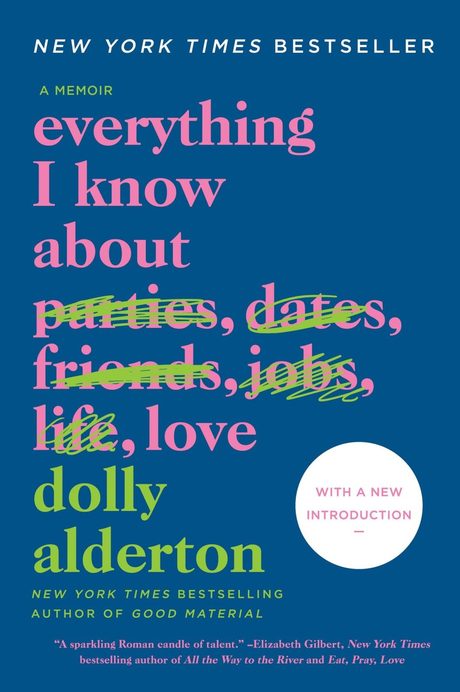
| 15 | Everything I Know About Love | Dolly Alderton | 2018 | warm, funny, London | your twenties, or just after |
The list
The books, ranked
1
All four wires
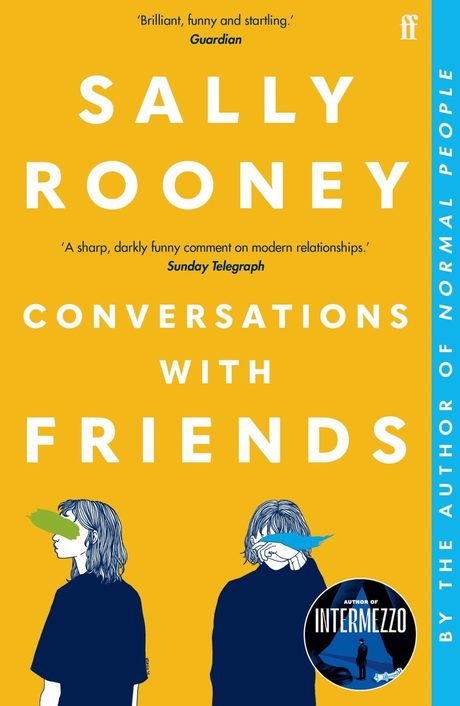
Conversations with Friends
Sally Rooney2017about 305 pages
Two Dublin students, a married couple, and the emails that make everything worse. Her first novel and, to my mind, her sharpest.
Frances is twenty-one, a student in Dublin, a poet who performs with her ex-girlfriend Bobbi. They meet Melissa, a writer in her thirties, and her actor husband Nick, and Frances begins an affair with him that she narrates like a case study she is running on herself. Money sits under everything: whose parents own a holiday house, who can afford to be relaxed about rent, who has to keep smiling through it. It is funnier than Normal People and colder, and the emails between Frances and Bobbi are some of the best writing Rooney has done.
Why it is at 1
Number one because it carries all four wires at once, which nothing else on this list manages. Same author, same age of life, same intelligence, and a narrator more heavily armoured than Marianne, so the moments where the armour slips land harder. If you want the Normal People feeling and you have not read this yet, stop reading my list and go.
Read it ifyou loved the emails and the class detail most
Skip it ifyou need a narrator you can root for without arguing
cool, funny, quietly savageBest for: readers who liked Marianne mostirelandaffairclass
Pairs with: Exciting Times, which reads like its colder Hong Kong cousin
2
The long clock
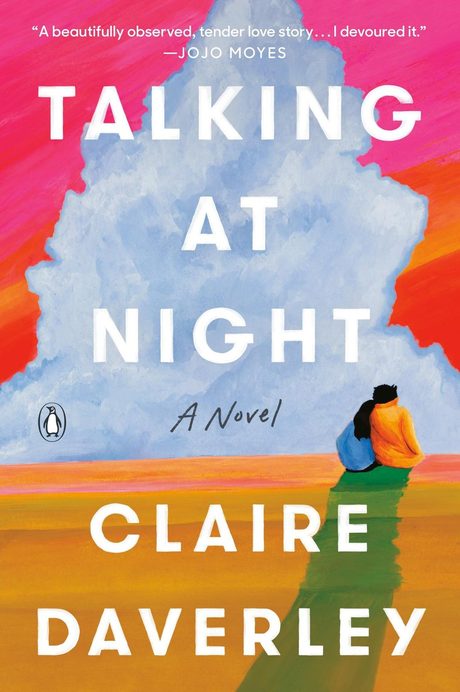
Talking at Night
Claire Daverley2023about 401 pages
Rosie and Will meet as teenagers and then spend two decades almost getting it right. This is the one that will wreck you.
They meet as teenagers in a small English town. She is the studious one, he is the one everyone has already written off, and within a few chapters something happens that neither family recovers from. The book then follows them in chunks across nearly twenty years: other partners, other cities, phone calls at the wrong hour, the specific cruelty of texting someone you have agreed not to text. Daverley writes near misses better than almost anyone working now, and she is patient enough to let three years pass inside a page break.
Why it is at 2
Second because it takes the long clock, the most painful thing about Normal People, and stretches it further. Rooney gives you four years. Daverley gives you closer to twenty, and the accumulated weight is why readers keep calling this the closest match. It loses to Conversations with Friends on prose and on class, neither of which Daverley is really trying to do.
Read it ifyou want the on and off ache stretched over decades
Skip it ifgrief in the opening act is too much right now
tender, bruising, patientBest for: readers who cried at the showenglandslow burngrief
Heads up: a death early on and the grief that follows it through the whole book
3
The class wire
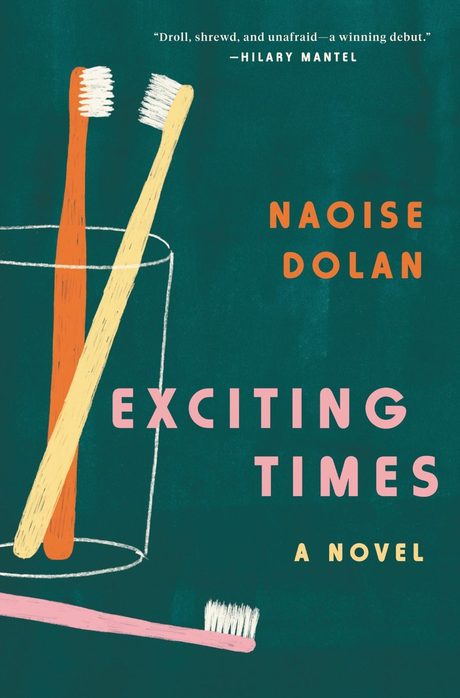
Exciting Times
Naoise Dolan2020about 275 pages
An Irish girl in Hong Kong, a rich English banker, and a lawyer named Edith who is far better company than he is.
Ava is twenty-two, teaching English to wealthy children in Hong Kong, correcting their vowels while she is broke in the most expensive city she has ever seen. She moves into Julian's spare room, then into rather more than that, on terms neither of them will state out loud. Then she meets Edith, who is kind in a way Ava has no idea how to receive. Dolan writes about money the way other novelists write about weather: constant, impossible to ignore, quietly deciding everything. Every sentence is doing two jobs and one of them is a joke.
Why it is at 3
Third, for the class wire done sharper than Rooney does it. Where the money gap between Marianne and Connell is felt, Ava counts it out loud, in rent and flight prices and who reaches for the bill. It is a colder book and a funnier one. The reason it is not higher is that the ache is deliberately muted, because Dolan will not let you cry.
Read it ifyou want Rooney's class politics with more jokes
Skip it ifyou need warmth from the person telling you the story
dry, precise, unsentimentalBest for: readers who like being outsmartedhong kongmoneylove triangle
4

The prose wire
Open Water
Caleb Azumah Nelson2021about 149 pages
Two young Black artists fall in love in south London while the city keeps reminding them that they are being watched.
A photographer and a dancer meet in a pub in south east London through a mutual friend, and the whole novel is the shape of what happens next, told in the second person, so the person falling is you. Nelson writes about music, touch, and the specific fear of walking home while Black in London, and he lets all of that live in one sentence without stopping to explain the connection. It runs to about 145 pages. It reads like a long poem that has decided not to make a fuss about being one.
Why it is at 4
Fourth, for the prose wire. If what caught you in Normal People was the closeness, that sense of being inside two bodies at once, this is the purest version of it here. It carries none of the long clock and only a little of the class thread, which is what keeps it out of the top three, though sentence for sentence it is the best written book on this list. It won the Costa First Novel Award for 2021.
Read it ifyou want to start and finish something tonight
Skip it ifsecond person narration makes you itch
intimate, musical, achingBest for: one sitting on a rainy eveninglondondebutmusic
5

The long clock
One Day
David Nicholls2009about 450 pages
Same two people, same date, twenty years. The book people were handed before Normal People existed.
Emma and Dexter spend one night together in Edinburgh in 1988, and the novel then checks in on them every fifteenth of July for two decades. She is clever and stuck, he is charming and coasting, and Nicholls uses the annual snapshot to do something quietly cruel: you watch the gap between them open and close without ever seeing the year that did it. Some chapters are two pages of pure comedy. One of them, and you will know it the moment you reach it, is why people are still arguing about this book seventeen years later.
Why it is at 5
Fifth, and the ranking has more to do with age than quality. This is the long clock in its original form, and Rooney readers who have only met it through the Netflix adaptation are usually surprised by how funny the prose is. It sits below the newer books because the class writing is broader and the 1990s references have quietly turned into period detail.
Read it ifyou want years of near misses with real jokes between them
Skip it ifsomeone already told you the twist and you cannot unknow it
funny, then devastatingBest for: readers who want plot as wellbritaintwo decadesfriendship
6
The class wire
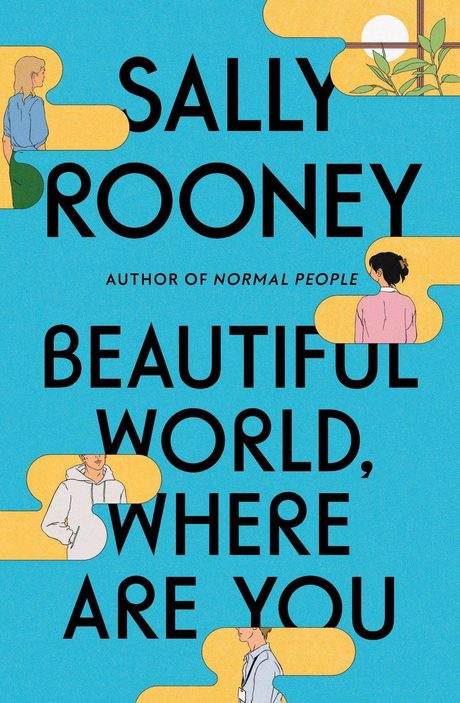
Beautiful World, Where Are You
Sally Rooney2021
Two friends in their late twenties email each other about whether the world is ending, and sleep with two men in between.
Alice is a famous novelist recovering from a breakdown in a rented house by the sea. Eileen is her oldest friend, underpaid at a Dublin literary magazine and circling a man she has known since childhood. Their chapters alternate with long emails about beauty, collapse, the Bronze Age, and whether it is obscene to care about your own love life while the planet burns. Rooney films the sex and the dinners from a camera's distance here, which some readers found cold and others, me included, took to be the entire point.
Why it is at 6
Sixth. The class writing is the strongest in her work, with Felix the warehouse worker flatly refusing to be improved by anybody, and the essay-emails are genuinely good arguments rather than decoration. It ranks below Conversations with Friends because it argues more than it aches, and the deliberate flatness of the narration keeps you outside both couples rather than inside them.
Read it ifyou want Rooney thinking out loud about the world
Skip it ifyou want the closeness of Marianne and Connell back
cool, essayistic, argumentativeBest for: readers who liked the emailsirelandfriendshiplate twenties
7

The silence wire
Cleopatra and Frankenstein
Coco Mellors2022about 442 pages
A twenty-four year old artist marries a forty-four year old ad man six months in, and the fallout takes the whole novel.
Cleo is a British art student in New York with a student visa about to run out. Frank owns an ad agency, has money and charm and a drinking problem he treats as a personality trait. They marry fast, and Mellors then hands chapters to everyone standing around that marriage: his business partner, her best friend, his half sister, the assistant. It is the New York novel as ensemble, and the pleasure of it is watching a decision that looked romantic in January get audited by nine people by December.
Why it is at 7
Seventh, for the silence wire. Nobody in this book can say the true thing at the moment it would help, and Mellors is very good on the loneliness of a marriage in which both people are performing being fine for an audience. It sits mid-list because the ensemble structure dilutes exactly the two-person intensity that Rooney readers come looking for.
Read it ifyou want a marriage falling apart in good company
Skip it ifaddiction on the page is hard for you right now
glossy, sad, sharpBest for: readers who like ensemble castsnew yorkmarriageaddiction
Heads up: alcoholism, depression, a mental health crisis
8
The class wire
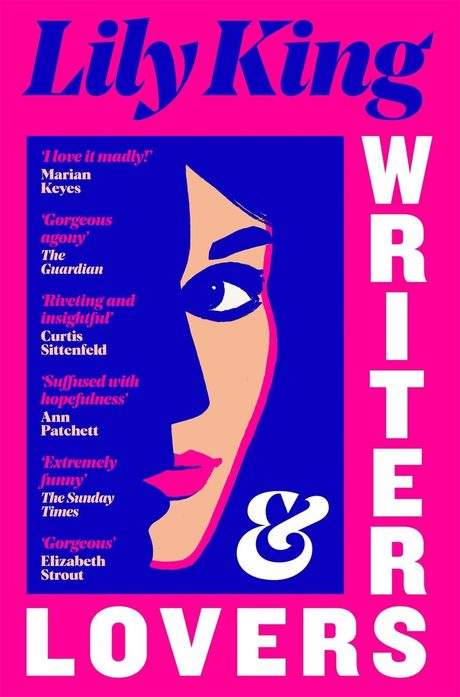
Writers & Lovers
Lily King2020about 251 pages
A thirty-one year old waitress is six years into a novel nobody asked for, and her mother has just died.
Casey waits tables in Cambridge, Massachusetts, sleeps in a converted potting shed, owes money she cannot look at without panic, and works on a book she cannot finish. Her mother died suddenly a few months ago and the grief keeps arriving as physical symptoms she takes to a doctor she cannot afford. Two men turn up at the same time, one steady with two children, one glamorous and unavailable, and the novel treats that choice as less urgent than whether she still gets to call herself a writer. King writes ambition and shame in the same breath.
Why it is at 8
Eighth, for the class wire in its American form: debt, health insurance, and the daily arithmetic of being broke in a room where nobody else is. If you loved Connell's scholarship anxiety and the way money silently ranked everybody at Trinity, this is the version of that ten years later. It ranks below Dolan only because the romance is the least interesting thing in the book.
Read it ifyou have ever tried to write anything while broke
Skip it ifyou want the love story to be the main event
anxious, warm, preciseBest for: writers in their late twentiesgriefambitionamerica
9
The prose wire
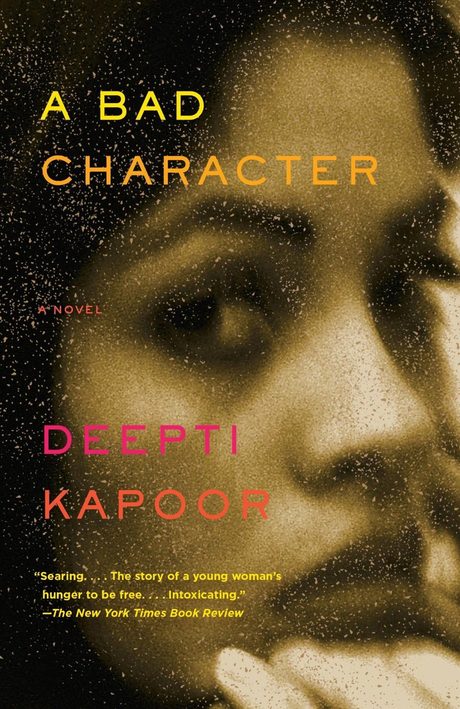
A Bad Character
Deepti Kapoor2014about 256 pages
Delhi in the 2000s: a twenty year old, a man her family would never accept, and a city that punishes women for being visible.
The narrator is twenty, her mother is dead, her father lives in Singapore, and her aunt is quietly running the rishta process on her behalf. Then she meets a man who is older, unhandsome, and unsuitable by every measure her family owns, and the affair takes over her life and the book. Kapoor writes Delhi as heat, traffic, staring, the low constant threat of being a woman out after dark. The prose comes in short unpunctuated rushes, told looking back, and the looking back has a wound in it that never closes.
Why it is at 9
Ninth, and the reason this list is not entirely white and Western. The marriage-market pressure that squeezes Marianne and Connell turns up here under different rules and much higher stakes, because the cost of the wrong choice for an Indian woman in 2005 is not social awkwardness at a party. Formally it is the boldest book here. It is also the harshest, so mood matters.
Read it ifyou want Rooney's transgression set in an Indian city
Skip it ifyou want tenderness, because this book withholds it
hot, harsh, hypnoticBest for: readers who want Delhi, not Dublindelhiaffairdebut
Heads up: drug use, explicit sex, and everyday violence against women
Pairs with: Open Water, the other book here written more like music than plot
10
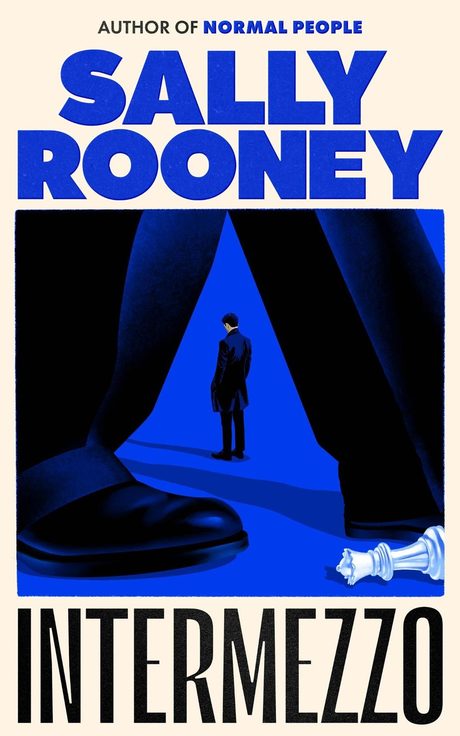
The silence wire
Intermezzo
Sally Rooney2024about 449 pages
Two brothers, a dead father, and the women who see each of them more clearly than they see each other.
Peter is a thirty-two year old Dublin lawyer holding himself together with pills and performance. Ivan is twenty-two, a competitive chess player, socially exact in a way the world reads as strange. Their father has just died and neither can produce a plain sentence in the other's direction. Peter is caught between a former girlfriend he still loves and a much younger woman he is not honest with, while Ivan falls for a woman in her thirties and the whole town has an opinion. Rooney's prose changes shape here, especially in Peter's chapters, which skid.
Why it is at 10
Tenth because it is the least like Normal People of her four, and I mean that as a compliment. The central love is brotherly, the grief is the main event, and the writing takes real risks with form. Rooney readers who wanted the old ache have been split on it, loudly. Read it after the other three rather than instead of them.
Read it ifyou want Rooney trying something new with sentences
Skip it ifyou want a straightforward two person love story
grief-soaked, formally restlessBest for: readers who finished all Rooneyirelandbrothersgrief
11
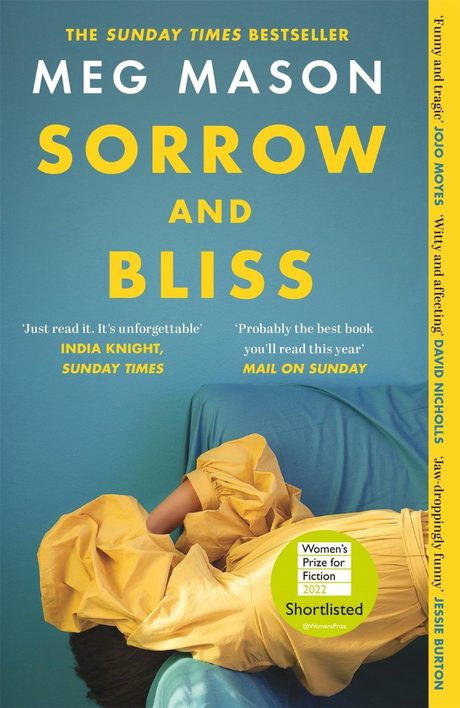
The silence wire
Sorrow and Bliss
Meg Mason2020about 282 pages
A marriage ends, a woman turns forty, and somehow this is the funniest book about mental illness I have read.
Martha is forty, her husband Patrick has just left, and she tells her life backwards through an illness that went unnamed and untreated for two decades. Mason leaves the diagnosis blank on the page on purpose, which annoyed a lot of readers and struck me as the only honest choice available to her. The family around Martha is a comic ensemble worth the cover price by itself: a failed sculptor father, a poet mother with a drinking habit, a sister who says the true thing at speed. The jokes are constant and they never once soften the damage.
Why it is at 11
Eleventh, for the silence wire at its cruellest: two people who love each other and cannot get the sentence out. If you finished Normal People wanting to shake Marianne and Connell until one of them spoke, Martha and Patrick will do the same thing to you, with much better jokes. It ranks here because the romance shares the stage with illness and family rather than owning it.
Read it ifyou want to laugh and hurt in the same paragraph
Skip it ifan unnamed illness as a device will frustrate you
funny, wounded, brilliantBest for: readers in their thirtiesmarriagemental healthfamily
Heads up: severe mental illness and its effect on a marriage
12
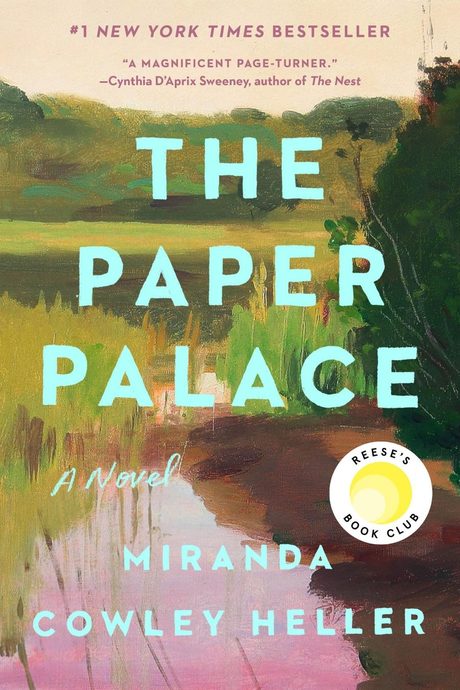
The long clock
The Paper Palace
Miranda Cowley Heller2021about 400 pages
One morning at a Cape Cod summer house, a woman has to choose between her husband and the boy she has loved since childhood.
Elle is fifty, at the family camp on a pond in Cape Cod, and the book opens the morning after she finally slept with Jonas, who she has known since they were children. The present tense covers a single day. The past chapters run back three generations to explain how she arrived at this morning, and one of those chapters carries the thing that shaped everything else. Heller writes the physical world, pond water, pine, wet towels, mosquitoes at dusk, better than she writes dialogue, and the atmosphere is thick enough to count as a character.
Why it is at 12
Twelfth, and the placement is honest rather than enthusiastic. The long clock is here in an unusual shape, one day laid over forty years, and the two-people-who-should-have-been thread is pure Normal People. But the prose is more conventional than anything above it, the ending irritated a great many readers, and the childhood trauma is handled with a lighter hand than the subject deserves.
Read it ifyou want a summer setting with real darkness underneath
Skip it ifchild sexual abuse on the page is a no for you
humid, nostalgic, uneasyBest for: readers who like a family sagacape codone dayfamily secrets
Heads up: child sexual abuse, described directly
13
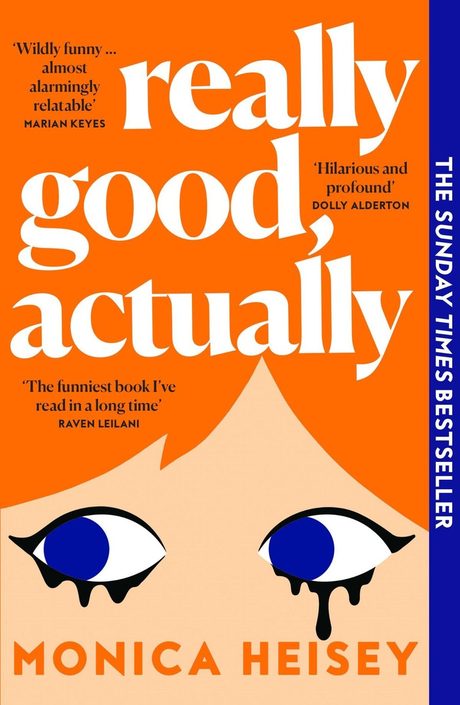
Adjacent pick
Really Good, Actually
Monica Heisey2023about 271 pages
Divorced at twenty-nine after 608 days of marriage, and absolutely determined to tell you she is doing great.
Maggie's marriage ends before she turns thirty, and the book covers the year after, in Toronto, in the undignified detail most breakup novels tidy away: the group chat, the apps, the four in the morning searches, the friends who stay patient with her well past the point she has earned it. Heisey came out of comedy writing and the shape of her sentences shows it. The book is very funny for a long stretch and then it stops being funny for about thirty pages, and those thirty pages are the reason it is on this list.
Why it is at 13
Thirteenth, and the first of three adjacent picks that share the feeling rather than the mechanism. It has none of Rooney's coolness and all of her interest in a person who cannot ask for help. If Normal People left you wanting somebody to make you laugh without pretending the thing was small, this is that book, and it works best within a year of your own bad ending.
Read it ifyou want a breakup told with jokes and no dignity
Skip it ifa self-sabotaging narrator will make you close the book
funny, messy, self-awareBest for: the year after a breakupdivorcetorontocomedy
14

Adjacent pick
Tomorrow, and Tomorrow, and Tomorrow
Gabrielle Zevin2022about 416 pages
Two friends build video games together for thirty years and never once manage to say the obvious thing.
Sam and Sadie meet as children in a hospital games room, lose touch, run into each other in a train station as students, and start making video games. The book covers three decades of that partnership: the first hit, the money, the fight over whose name goes first, the betrayals that come out of work rather than romance. Zevin is writing about collaboration as a form of love, and about how people who make things together can hurt each other in ways lovers never get the chance to. You do not need to care about games.
Why it is at 14
Fourteenth. It carries the silence wire and the long clock and almost none of the class thread or the prose style, and the central love is not romantic, which is why it sits out here rather than in the top ten. Read it if what you actually loved about Normal People was two people choosing each other badly, again and again, for years.
Read it ifyou want a decades long love that is not romance
Skip it ifyou need a couple to end up together
ambitious, sad, inventiveBest for: readers who like work storiesfriendshipvideo gamesthirty years
15
Adjacent pick
Everything I Know About Love
Dolly Alderton2018about 313 pages
The memoir where the great love story turns out to be a friendship, told by someone who worked that out slowly.
Alderton writes her twenties in London: the parties, the bad flats, the men who were projects rather than people, the hangovers she describes with more precision than most novelists manage for anything. Between chapters she drops in invented emails, party invitations, and recipes for the hangover food of each era, which sounds like a gimmick and turns out to be the funniest part of the book. Underneath the comedy sits one relationship, with her best friend Farly, and the slow horror of watching that friend get married while your twenties quietly end.
Why it is at 15
Fifteenth and last, the adjacent memoir. No plot, no couple, and yet it does the one thing Normal People does that almost nobody mentions: it takes the feelings of people in their early twenties completely seriously, without laughing at them from the safety of hindsight. Read it when what you want is company rather than a story.
Read it ifyou want company more than you want plot
Skip it ifyou want fiction and a proper ending
warm, funny, LondonBest for: your twenties, or just aftermemoirfriendshiplondon
Worth knowing
The four wires, and which one you actually loved
Class is the one readers notice last. Connell's mother cleans Marianne's house, and that single fact decides who is confident in which room for the next four years. If that is what got you, go to Exciting Times, Writers and Lovers, and Beautiful World, Where Are You. You want money on the page as a physical force, not as a theme somebody mentions in chapter nine.
Silence is the engine. Neither of them can say the true thing at the moment it would change everything, and the entire novel is the cost of that. If you spent the book shouting at two fictional people to just speak, read Sorrow and Bliss, Cleopatra and Frankenstein, and Intermezzo. The prose wire is about closeness, the sense of sitting inside two bodies, and Open Water and A Bad Character do it hardest. The long clock is the years, the on and off, and that is Talking at Night, One Day, and The Paper Palace. Match the wire and you will pick right roughly nine times out of ten.
Worth knowing
If you watched the show first
Plenty of people arrived here through the series rather than the novel, and that changes what you should read next. The show gave you the faces, the silences, the sense of watching something private. What it could not give you is the interior, which is the whole point of Rooney's prose. If the show is what you loved, start with Talking at Night or One Day, because both are built out of scenes and time jumps in a way that will feel familiar. Save Beautiful World, Where Are You for later, since it is largely two women thinking on the page and would make a terrible television series.
People also ask
Questions, answered
What book is most like Normal People?
Conversations with Friends, because it is the same writer doing the same four things one novel earlier, and doing them with more control. If you have already read all of Rooney, the answer is Talking at Night by Claire Daverley, which takes the on and off structure and runs it across twenty years instead of four. Between those two you have covered about ninety percent of what people mean when they ask this question.
Should I read Conversations with Friends or Beautiful World, Where Are You next?
Conversations with Friends, without much hesitation. It is closer to Normal People in temperature, it has the same claustrophobic two-person pull, and it is funnier than people expect. Beautiful World, Where Are You is the better argued book and the weaker romance, and it works much better once you already trust Rooney enough to sit through forty pages of email about the Bronze Age. Read it third.
Is there anything like Normal People by an Indian author?
A Bad Character by Deepti Kapoor is the closest I have found, and it is more brutal than Rooney ever gets. A twenty year old in Delhi, an affair with a man her family would never approve of, the marriage market humming in the background, and prose that runs in hot unpunctuated bursts. It came out in 2014, before the Rooney comparison existed, so it is doing its own thing rather than following anybody.
Why do some readers find Sally Rooney annoying?
Three reasons, and all of them are fair. The characters are clever in a way that can read as pleased with itself. The absence of quotation marks feels like a barrier for the first thirty pages. And the plots turn on people refusing to say a sentence that would fix everything, which reads as profound to some readers and as childish to others. If the third one is your objection, the books ranked eight and above on this list will suit you better than the Rooney titles will.
What should I read if I liked the show more than the book?
Go for Talking at Night or One Day. Both are built from scenes and time jumps rather than interiority, which is what the series gave you, and both hit the same nerve. Avoid Beautiful World, Where Are You and Open Water for now, since almost all of their power lives inside the narration and would evaporate on screen. Come back to those once you want the prose itself.
Before you go
What to read tonight
If it is late and you want to start something tonight, make it Open Water. It runs to about 145 pages, the second person narration drops you straight into the weather Rooney puts you in, and you will be finished before you have talked yourself out of it. If you have a free weekend and you want the four-year ache extended to twenty, it is Talking at Night, and clear your Sunday.
One warning worth having. Read four or five of these in a row and you start seeing the machinery: the withheld sentence, the class detail placed early, the time jump doing the emotional work. That is not a loss. Once you can see how the trick is done, the books that still get you are the ones that were never only a trick, and Normal People is one of those.
Keep going
Lists that pair with this one
Books Like
15 Books Like Emily Henry, Matched to the One You Loved Most
Her six novels are not the same book, so this list sorts by which one you would reread on a bad day.
Mood & Life
19 Best Coming of Age Novels, and the Right Age to Read Each
Every one of these has a window when it lands hardest, so I marked all nineteen and ranked them by how long that window stays open.
Mood & Life
16 Books to Read After a Breakup, in the Order You Can Handle Them
Ordered by stage rather than by quality, because handing somebody Wild in week one is like handing a person with fever a plate of biryani.
Mood & Life
20 Best Books to Read in Your 20s, Grouped by the Problem
Four problems run this decade, work, love, money and meaning, so the list is sorted that way instead of pretending one book fixes all four.
Romance
Sad Romance Books That Make You Cry: 16, Tissue Rated
Every book gets a tissue count out of five and a hurt type, because grief, bad timing and a terminal diagnosis do not damage you the same way.