16 Books to Read After a Breakup, in the Order You Can Handle Them
Ordered by stage rather than by quality, because handing somebody Wild in week one is like handing a person with fever a plate of biryani.
By Bhavik SarkhediUpdated August 2026Covers and data: Google Books, Open Library
The week mine ended I bought three books and read none of them. They sat on the table next to the bed for eleven days while I reread old chats instead, and then I gave two of them away because the sight of them felt like homework I had failed. Nothing was wrong with the books. The problem was that somebody had recommended a four hundred page memoir about walking across America to a person who could not yet manage a shower before noon.
That is the flaw in every breakup reading list I have seen. They rank books by how good they are, and heartbreak does not work like that. It moves in stages, and each stage can hold a different weight. In week one you can read two pages at a time and nothing with a plot. By week three you are angry and you want somebody to explain what happened. By month two you have energy again and nowhere to put it. By month four you can think about love without your stomach dropping.
So this list is ordered by when, not by best. Sixteen books across four stages, from the ones you can read at 3 am to the ones you should save until you are steady. Read them in order and skip anything that arrives too early for you. Quick picks below if you need something in the next ten minutes.
Ordered by stage, not by quality. The number next to a book is when to read it, so book fifteen is not worse than book two, it is later.
Nothing that tells you it happened for a reason, that everything is a lesson, or that the right person is on the way. That register is unbearable when you are actually in it.
A mix of fiction and non fiction in every stage, because some days you can take an explanation and other days you can only take a story.
One famous recommendation is ranked last on purpose, with the specific third of it that is worth reading and the two thirds that need a budget most of us do not have.
Every book real, checked through Google Books and Open Library, with the page counts that decide whether you can finish it this week.
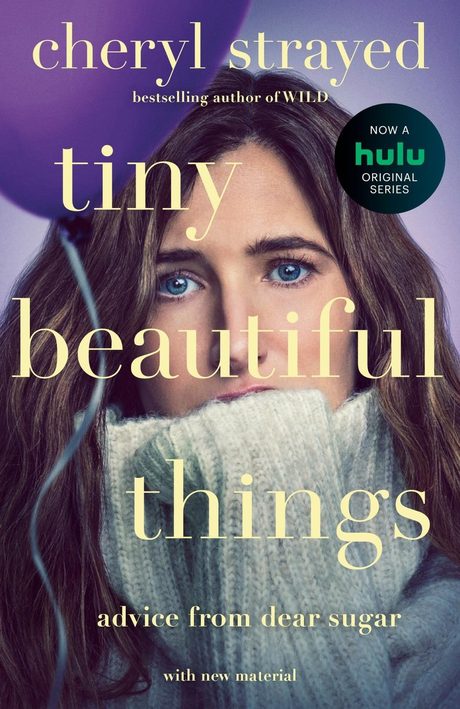
Advice column letters answered by somebody who refuses to be brisk with you, and in week one it is the only thing that goes in.
For a couple of years Strayed wrote an anonymous advice column called Dear Sugar, answering strangers who were at the worst part of something. This collects the letters and her replies. The format is what makes it a week one book: two or three pages a piece, so you can read one while the kettle boils and stop without losing anything. She never tells anybody to be strong. She tells them the truth, at length, and then stays in the room with them instead of ending on a neat line.
Why it is at 1
First because in week one you cannot hold a plot. A novel will sit unread on the table while you scroll through old messages, and then you will feel worse for failing at a book. This you can open anywhere, at any hour, and get one honest paragraph from somebody who has been through worse. Everything else here needs you slightly more assembled than you are today.
Read it ifyou cannot concentrate for more than two pages at a time
Skip it ifadvice columns feel like being told what to do
tender, blunt, forgivingBest for: the first sleepless weekessaysadviceshort pieces
Heads up: letters cover grief, abuse and addiction
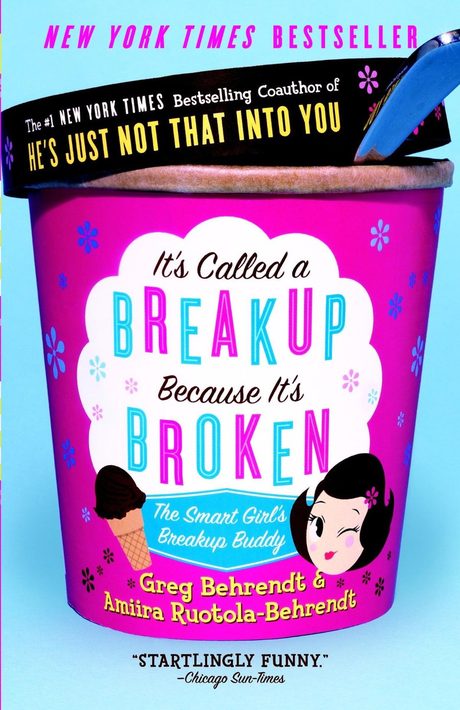
The book that exists to stop you texting at 1 am, in a voice that will not let you feel sorry for yourself for very long.
Behrendt wrote this with Amiira Ruotola-Behrendt as a survival manual for the first sixty days, and it is aimed squarely at the part of you that keeps drafting messages you will regret. It is bossy, jokey, and occasionally very 2005 in what it assumes about men and women. It is also useful in a way the gentler books are not, because it hands you rules to follow at a time when your own judgment is demonstrably not working. Treat it as a friend who takes your phone, not as literature.
Why it is at 2
Second because week one has two needs, comfort and containment, and this is the containment half. Strayed makes you feel understood. This one stops you doing the thing you will have to explain to your friends on Saturday. It has dated in places, particularly around gender, so keep the discipline and leave the dating advice where you found it.
Read it ifyou keep almost texting them and you know it
Skip it ifyou want warmth rather than somebody being bossy
loud, practical, funnyBest for: the no contact fortnightself helppracticalno contact
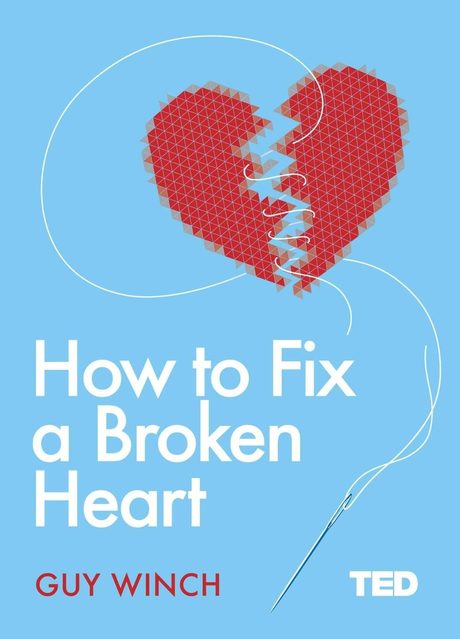
A psychologist explains why heartbreak behaves like a withdrawal, in 124 pages you can finish between dinner and sleep.
Winch makes one argument and makes it well: we file heartbreak under emotional and then feel mad when it behaves like something physical. He writes about the loops, the idealising of a person you were unhappy with a month ago, the hunt for a reason that will settle everything, and why the standard advice to stay busy misses what is happening. It is a TED book, 124 pages, no padding anywhere. You can read it on a bad Tuesday and wake up with a slightly better map of yourself.
Why it is at 3
Third and the last of the week one books. Strayed sits with you, Behrendt restrains you, Winch explains you, and between the three of them you get through the part where nothing sticks. If you can only buy one book off this entire list, buy this one, because understanding the mechanics is what makes the next month survivable.
Read it ifyou want an explanation more than you want sympathy
Skip it ifpsychology language feels cold to you right now
clear, short, kindBest for: one evening, one sittingpsychologyshortscience
A science writer's long marriage ends, so she starts measuring her own body to find out whether a broken heart is a metaphor.
Williams is a science journalist, so when her marriage ended she did the thing she knew how to do and turned herself into the subject. The book follows her through tests, odd experiments and conversations with researchers who study what separation does to a nervous system, with the personal story running underneath all of it. She tries several of the standard prescriptions for grief and reports honestly on the ones that did nothing for her. It is memoir and reporting at once, and it never once tells you that time heals.
Why it is at 4
Fourth, and the first book for when the shock lifts and the questions start. Somewhere around week two most people stop crying constantly and start googling instead, and this is a much better use of that impulse than a third pass through old photos. It also gives you permission to take the physical symptoms seriously, which nobody around you will do.
Read it ifyou want evidence rather than comfort
Skip it ifyou cannot yet read about somebody else's divorce
curious, honest, absorbingBest for: the googling phasesciencememoirdivorce
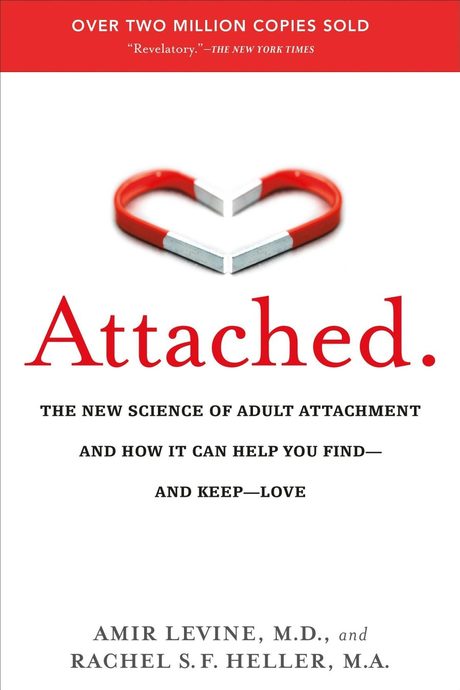
The attachment styles book everybody half quotes on Instagram, read properly, and it explains your last relationship better than your friends can.
Levine and Rachel Heller take attachment research and turn it into something usable: broad patterns in how people behave when they get close to somebody, anxious, avoidant and secure, and what happens when those patterns collide. The value is not in collecting a label for yourself. It is in seeing a dynamic you thought was unique to the two of you described flatly in research that predates your relationship by decades. There is a questionnaire, and it is not a magazine quiz. The examples repeat, deliberately.
Why it is at 5
Fifth because this is where obsessing turns into understanding. Read it in week one and it becomes ammunition, a way to diagnose your ex from a distance and feel briefly superior. Read it at week three, when you can bear to see your own half of the pattern, and it is the most useful book here for the relationship that comes after this one.
Read it ifyou keep asking why the same pattern found you again
Skip it ifyou will use it to label your ex and stop there
clinical, practical, clarifyingBest for: understanding the patternpsychologyattachmentrelationships
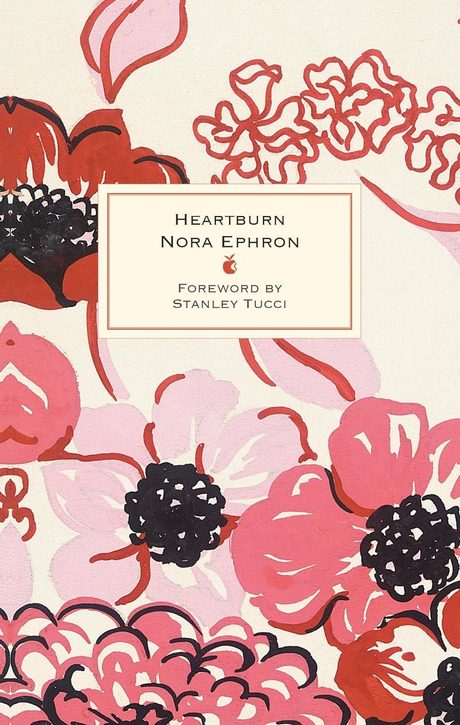
Seven months pregnant, a woman learns her husband is in love with somebody else, and turns the wreck into the funniest revenge in print.
Ephron wrote this out of the end of her own marriage, and it is the best case I know for the idea that comedy is what heartbreak becomes once you can stand up again. Rachel narrates her own collapse with jokes so good you keep forgetting how bad the situation is. There are recipes in it, actual recipes, because Rachel writes about food and cooking is what she has instead of composure. It runs 137 pages in the edition I checked and it wastes none of them.
Why it is at 6
Sixth, and the book I hand people most often. Somewhere in week three you get tired of being sad and you are nowhere near fine, and that gap is exactly Heartburn shaped. It gives you permission to be funny about your own disaster, which in almost everybody I know is the first real sign that the worst part is over.
Read it ifyou are ready to laugh at it before you have forgiven it
Skip it ifinfidelity is too close to what just happened to you
funny, furious, elegantBest for: the anger stagenoveldivorcefunny
A record shop owner ranks his top five breakups looking for proof he was wronged, and slowly notices he is the common factor.
Rob is in his mid thirties, runs a failing record shop in London, makes lists about everything, and has just been left. He goes back through his worst breakups hunting for evidence that none of it was his fault, and the novel lets him hunt while letting you see what he cannot. It is very funny about music snobbery and unusually precise about the ways men avoid saying the true thing out loud. If you are a man reading this list, this is the uncomfortable one, and it works best while it still stings.
Why it is at 7
Seventh because it is the only book here that puts you in the wrong. Everything above it treats you as the person who got hurt, which you are. Hornby lets you be hurt and unimpressive at the same time, which is closer to the truth for most of us. Read it after Heartburn, once the laughing has already started.
Read it ifyou can take a novel that is quietly about your own behaviour
Skip it ifyou need to be the injured party for a few more weeks
funny, self aware, maleBest for: men who make listsnovelmusicfunny
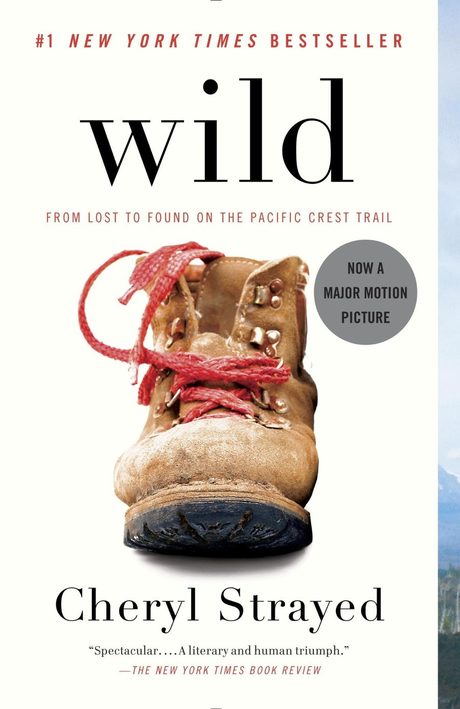
A woman with no hiking experience walks over a thousand miles alone, mostly to become somebody who can survive her own life.
Strayed was in her twenties, her mother had died, her marriage had ended and she was doing damage to herself in several directions at once, so she bought a rucksack she could barely lift and set off along the Pacific Crest Trail on her own. The book moves between the walk, which is brutal and frequently absurd, and the years that sent her there. What lifts it above the genre is that she does not arrive anywhere improved in a way you could put on a poster. She keeps walking until something settles.
Why it is at 8
Eighth, and the first book of the rebuild. Do not read it in week one, when the only message you will take from it is that you are supposed to be doing something enormous and are not. Read it at week six or later, when you are ready for the idea that the way out is boring, physical and long, and that it counts anyway.
Read it ifyou need proof that people rebuild after worse
Skip it ifbig transformation stories make you feel behind
gritty, physical, honestBest for: the restless stagememoirgriefoutdoors
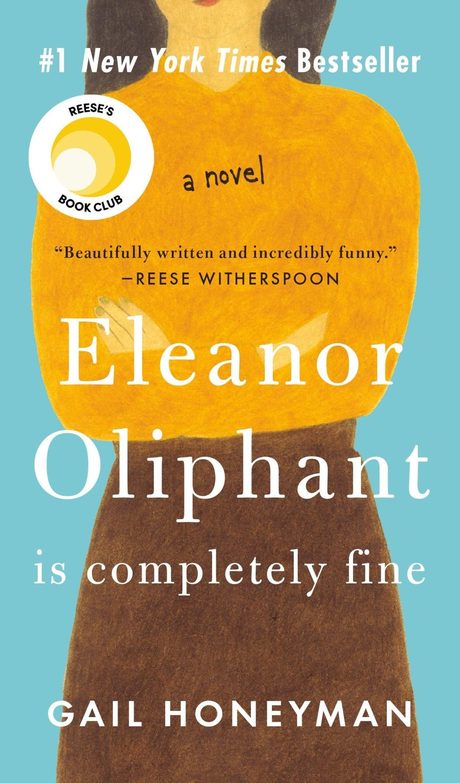
A woman whose whole life is work, weekend vodka and telling everyone she is fine, until one ordinary kindness cracks the routine.
Eleanor has a job, a flat, a weekend routine involving a great deal of vodka, and a way of speaking that makes strangers move away from her at parties. She is also, by her own account, completely fine. The novel is very funny for a long stretch and then quietly stops being funny, and the turn is handled well enough that you do not see it coming. It sits here because it is a book about loneliness that ends with human beings being useful to each other, which is the specific thing week six needs.
Why it is at 9
Ninth because it does what self help cannot: it shows you an isolated person being pulled back by nothing more dramatic than a colleague who keeps turning up. If you have gone quiet on your friends since the breakup, this is the novel that will make you reply to somebody. It is lighter than Wild and much easier to actually finish.
Read it ifyou have gone quiet on everyone and you know it
Skip it ifyou want a comfort read with no dark turn in it
funny, lonely, warmBest for: readers who stopped replyingnovellonelinessfriendship
Heads up: childhood trauma, alcohol, a suicide attempt
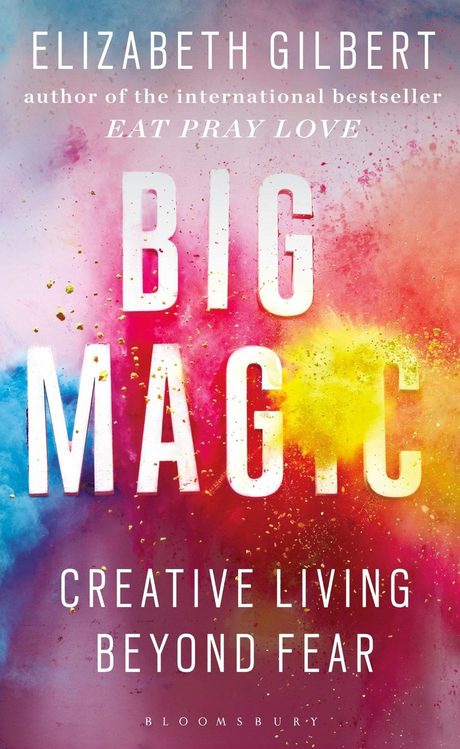
A book about making things, on this list for the exact week when the energy comes back and has nowhere to go.
This is not a breakup book at all, which is precisely why it works. Gilbert writes about creative work: doing it without demanding that it justify itself, keeping it separate from your need to be praised, and why the fear that you have started too late is nearly always wrong. It is chatty and goes a bit mystical in places, and if that irritates you, skip those chapters and keep the practical spine, which is about making things badly and often until they get better.
Why it is at 10
Tenth because month two has one particular problem. The crying stops and is replaced by a restless energy that will go somewhere, and it usually goes into either a relationship you are not ready for or something you make. This book points it at the second option. Skip it if the public version of Gilbert puts you off, since the voice here is the same.
Read it ifyou have energy back and want to build something with it
Skip it ifmystical talk about where ideas come from annoys you
chatty, encouraging, looseBest for: the restless energy phasecreativitynon fictionpep talk
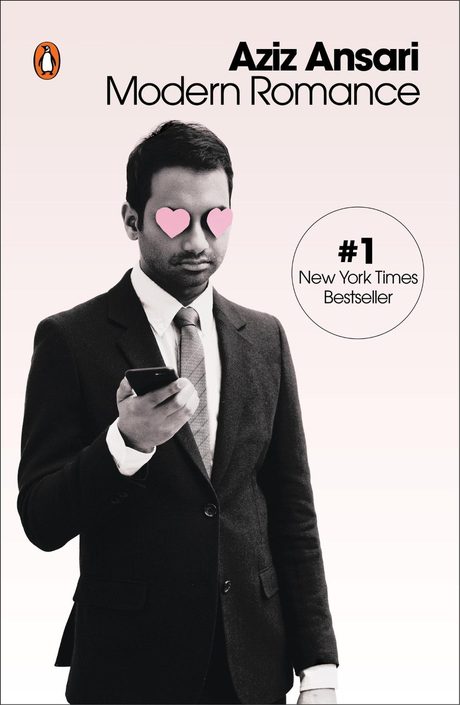
A comedian and a sociologist study how dating actually works now, and it is funnier and more useful than that description suggests.
Ansari worked on this with the sociologist Eric Klinenberg, and the result is a researched book with jokes rather than a joke book with a research chapter. There is a section on the psychology of waiting for a reply that will describe your last fortnight with unpleasant accuracy. There is a longer look at how our grandparents chose partners, mostly from a very small pool very close to home, which puts the anxieties of the apps in useful perspective. The app examples are from 2015 and dated. The behaviour underneath them is not.
Why it is at 11
Eleventh, and the first book here that faces forward instead of back. Read it when you have started thinking about dating again and are already dreading it. It will not make the apps pleasant, but it will make the behaviour on them legible, and legible is a great deal less humiliating than mysterious.
Read it ifyou are thinking about dating again and dreading it
Skip it ifyou want nothing to do with dating for now
funny, researched, datedBest for: before you reinstall the appsdatingresearchfunny
A genetics professor designs a questionnaire to find a wife, and life sends him the one candidate who fails almost every question.
Don Tillman is precise, literal, and baffled by other people, so he approaches finding a partner as a screening problem and builds a questionnaire long enough to frighten a statistician. Rosie fails nearly all of it, and the book is what happens next. It is a romantic comedy that runs on structure rather than sentiment, so it never turns gooey, and it is one of the few genuinely funny novels where the joke is never cruel to its own narrator. Quick, light, and it will not remind you of anything.
Why it is at 12
Twelfth because at some point in the rebuild you need a book that asks nothing of you at all. This is the palate cleanser: a romcom with no cheating, no dead parents and no lesson about self worth waiting at the end. Read it on a Sunday when you have done enough emotional work for one month.
Read it ifyou want a comedy that will not ambush you
Skip it ifquirky narrators tire you out
light, comic, warmBest for: a Sunday off from feelingsromcomlightfunny
A novel about a marriage, interrupted every few pages by a short essay explaining what the couple are actually doing to each other.
Rabih and Kirsten meet in Edinburgh, fall in love, marry, and then the book does the thing romance almost never does, which is stay. Arguments about the dishwasher. Resentment about who booked the holiday. An affair, and long ordinary stretches of boredom. Every few pages de Botton breaks in with an essay explaining the psychology under the scene, and the effect is like watching a film with a very clever friend who keeps pausing it. Whether that reads as helpful or intrusive will decide how you feel about the whole book.
Why it is at 13
Thirteenth, and the point where the list turns from recovery to preparation. This is the book that reframes what happened: you were not failing at something everybody else finds easy. It is also cool enough in tone that it will not make you cry, which by this stage is exactly what you want from a book about love.
Read it ifyou want to understand what went wrong structurally
Skip it ifyou want a story without a lecture inside it
cool, clever, unromanticBest for: the analytical stagenovelessaysmarriage
Pairs with: Conversations on Love at rank 14, which makes a similar case with far more warmth
Interviews with writers and researchers about finding love, keeping it and surviving its loss, held together by the author's own uncertainty.
Lunn spent years asking people who think seriously about love the questions she could not answer herself, and the book is built in three parts: how we find it, how we sustain it, how we survive losing it. The interviews sit next to her own story, which includes long stretches of not having the thing she wanted while writing about people who did. It is a gentle book without being a soft one, and the final third contains the best writing about loss anywhere on this list.
Why it is at 14
Fourteenth because it answers the question that turns up around month four, which is whether you were simply wrong about what love is supposed to feel like. A row of people considerably wiser than your group chat take turns on it. This is the most hopeful book here, and it earns the hope, which the one at rank sixteen does not always manage.
Read it ifyou are ready to think about the next one
Skip it ifbooks built from interviews feel disjointed to you
warm, wise, searchingBest for: month four and laterinterviewslovenon fiction
The saddest book on this list, saved for late because it does not offer you a way out of anything.
Toru is a student in Tokyo at the end of the sixties, in love with Naoko, who is carrying a loss the two of them cannot talk about properly, and pulled at the same time towards Midori, who is alive in a way Naoko cannot manage. Murakami keeps it realist here, no talking cats, no parallel worlds, and what remains is a novel about grief moving through young people who have no vocabulary for it. It is beautiful and heavy, and the ending refuses to console you.
Why it is at 15
Fifteenth, and placed late on purpose. Read in week one it simply confirms everything your worst hour is telling you. Read at month four, when you are steady, it does something better, making the sadness feel large and shared rather than personal and shameful. This is the one book here I would take off the list entirely if you told me you were not sleeping.
Read it ifyou are steady enough to sit inside sadness on purpose
Skip it ifyou are anywhere near the bottom right now
quiet, sad, beautifulBest for: month four, never week oneliterarygriefjapan
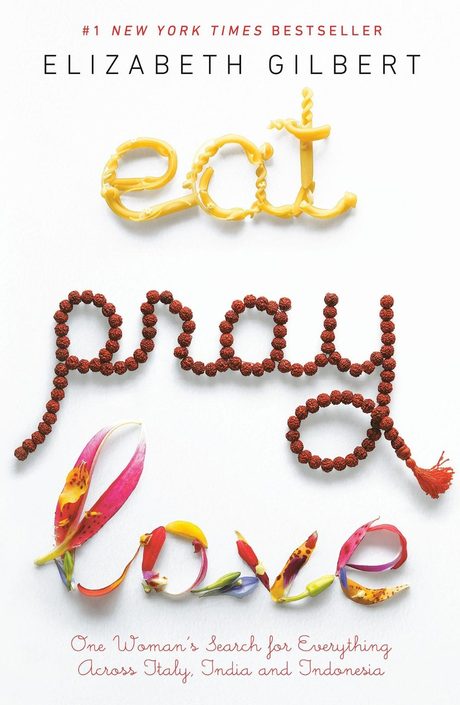
The most handed out breakup book of the century, ranked last here, with the one third of it that is worth your evening.
After a divorce that flattened her, Gilbert spent a year across Italy, India and Indonesia, eating, praying and eventually falling in love again. The Italy section is genuinely good, funny and specific about pleasure as a discipline rather than a reward. The India section, set in an ashram, is the one Indian readers will find strangest, for reasons Gilbert did not intend. The Indonesia section is where a lot of readers quietly stop. The writing stays warm throughout, and the shape of the whole thing rests on a book advance most of us will never see.
Why it is at 16
Last, and it is here because leaving it off would be a dodge. A great many people have been handed this after a breakup, and a fair number felt worse, because the prescription needs a year off and three countries. Read the Italy chapters for the argument that pleasure is allowed. Treat the rest as one woman's particular luck and not as a plan you have failed to follow.
Read it ifyou want the Italy chapters and can happily skim the rest
Skip it ifyou are broke, stuck at work, and cannot hear about Bali
warm, indulgent, unevenBest for: readers who want permissionmemoirtraveldivorce
Week one is the stage where reading is basically impossible. Your attention lasts about ninety seconds and anything with a plot will feel like a demand. Books one to three are short, interruptible and written to be opened at random, which is the only format that survives this week.
Weeks two to six are the analytical stage. The crying gets less constant and the questions get louder, usually at two in the morning: what happened, whose fault, why this keeps happening to you. Books four to seven answer those questions in different registers, one with research, one with attachment theory, one with jokes, one by showing you a man exactly as unreasonable as you currently are.
Month two onward is the rebuild, when the energy comes back before the plan does. That energy is genuinely dangerous, because it will go somewhere, and books eight to twelve are about pointing it at a walk, a friendship, a project or a Sunday off rather than at a rebound.
Month four and later is the stage nobody talks about, when you can think about love without your stomach dropping and you start wondering what you actually believe about it now. Books thirteen to sixteen belong to that stage, and they are wasted if you read them early. These timings are a rough shape, not a rule. Some people run this in six weeks, some take two years, and neither is a verdict on you.
Worth knowing
If you were the one who ended it
Guilt is a different emotion from grief and most breakup books ignore it completely. You get the ache without the story that makes it acceptable to talk about, because everybody assumes the person who left is fine, and your friends are being loyal to you in a way that quietly makes it worse.
The stage order still works, with two changes. Skip the no contact book at rank two, since restraint is not your problem and you have probably been managing the other person's feelings for weeks. Start instead at rank three for the mechanics, then go straight to High Fidelity at seven, which is the only book here that lets you be the one at fault, and then to The Course of Love at thirteen. Those two together do more for guilt than any dedicated book on the subject I have read.
People also ask
Questions, answered
What is the best book to read after a breakup?
It depends on which week you are in, which is why this list is ordered by stage. For the first days, Tiny Beautiful Things, because you can read two pages and stop. If you are buying only one book for the whole thing, buy How to Fix a Broken Heart by Guy Winch. It is 124 pages, it explains why the pain behaves the way it does, and understanding the mechanics makes everything that follows easier to sit through.
Do books actually help after a breakup?
They help with two things and not with a third. They give you containment, a set of rules and a voice in the room at 3 am when you would otherwise be typing something regrettable. They give you company, which is the sense that this specific humiliation has happened to other people who then went on with their lives. What they do not do is shorten it. No book on this list will make month one shorter, and any book that promises to is selling something.
Should I read romance novels after a breakup?
Yes, but not in the first fortnight, when a happy ending mostly reads as an accusation. Wait until the anger stage has passed and then pick comedy over passion. The Rosie Project at rank twelve is the safest choice here because the comedy runs on plot mechanics rather than longing, so it entertains you without putting you back in the room you just left. Save the sad romances for month four.
What should I read if I was the one who ended the relationship?
Skip the no contact manual at rank two, since restraint is not your problem. Start with How to Fix a Broken Heart for the mechanics, then read High Fidelity, which is the only novel here that lets you be both hurt and clearly in the wrong, and finish with The Course of Love. Guilt needs a different order from grief, and those three in that sequence handle it better than any book written specifically about leaving somebody.
Is Eat Pray Love worth reading after a breakup?
The Italy third is worth it. Gilbert writing about food, language lessons and pleasure as something you are allowed is genuinely good, and it is the part that survives rereading. The rest depends on a year away and three countries, which is why so many readers finish it feeling further behind than when they started. Read the first section, skim the second, and decide for yourself about the third.
How long before I should start dating again?
No book on this list gives a number, and the ones that do are guessing. What Attached and Modern Romance both suggest, in different ways, is that the timing matters less than whether you can describe what went wrong without the story turning into a verdict on the other person. If you can do that out loud to a friend without your voice changing, you are in reasonable shape.
Before you go
What to read tonight
Tonight, if it happened this week, read four pages of Tiny Beautiful Things and put it down. That is a full evening's work and it counts. If it happened two months ago and you are stuck, the honest move is not another breakup book at all, it is Big Magic or a long walk, because you are past the stage where explanations do anything for you.
The thing nobody says about this list is that you will not finish most of it. You will read three of these properly, abandon two halfway, and one will arrive at exactly the right week and stay with you for years. That is a normal hit rate for reading and a normal hit rate for recovery. Keep the receipt in your head, not the pressure.