Shantaram is nine hundred pages of a fugitive Australian running a free clinic in a Bombay slum, and it has one quality most literary fiction cannot buy: you smell the place. Half the people I know who read it read nothing else that year. The other half put it down around page two hundred, because the narrator keeps pausing to tell you how wise he has become.
One thing to settle before the list starts. Shantaram is published as a novel and it should be read as one. The documented part is thin: Gregory David Roberts was an Australian convict who escaped prison and spent years living in Bombay before he was caught in Europe and sent back to finish his sentence. The clinic, the mafia council and the war chapters belong to the fiction, and plenty of readers repeat them as biography.
So this list runs in three groups. First the novels that get a city under your fingernails. Then the reportage, because the real Bombay underworld turned out to be stranger than the invented one. Last, a short shelf of books whose truth claims are as shaky as Shantaram's, including its own sequel. Inside each group the order is my honest ranking, and the quick picks are up top if you are standing in a bookshop right now with a train to catch.
How I picked these
- The test was the city, not the plot. A book qualified only if the place has a temperature, a smell and its own set of rules that the characters have to learn.
- I split fiction from reportage deliberately, because Shantaram blurs the two and that blur is exactly what confuses people about it.
- Every title and cover verified through Google Books and Open Library, so nothing here is a ghost edition or a print-on-demand cover.
- The Alchemist got cut. It gets recommended next to Shantaram constantly and shares nothing with it beyond a paperback spine and a fondness for aphorisms.
- Drawing-room Bombay got cut too. What a Shantaram reader wants is the underside of the city, so the list stays down there even when the better-known novel is somewhere else.
- The sequel is on the list and it is not a recommendation. It is here because you were going to ask about it.
The whole list at a glance
All 14 books, in order
| # | Book | Author | Year | Vibe | Best for |
|---|
| 1 | Sacred Games | Vikram Chandra | 2006 | huge, dark, propulsive | a long holiday |
| 2 | Narcopolis | Jeet Thayil | 2012 | hallucinatory, dark, poetic | readers who like difficult |
| 3 | A Fine Balance | Rohinton Mistry | 1995 | tender, devastating, humane | readers who want the truth |
| 4 | Midnight's Children | Salman Rushdie | 1981 | loud, funny, enormous | patient, ambitious readers |
| 5 | The Beach | Alex Garland | 1996 | sunlit, tense, nasty | a long flight |
| 6 | Q & A | Vikas Swarup | 2005 | fast, clever, uneven | readers who want momentum |
| 7 | Maximum City | Suketu Mehta | 2004 | immersive, unsparing, alive | anybody who loved Shantaram |
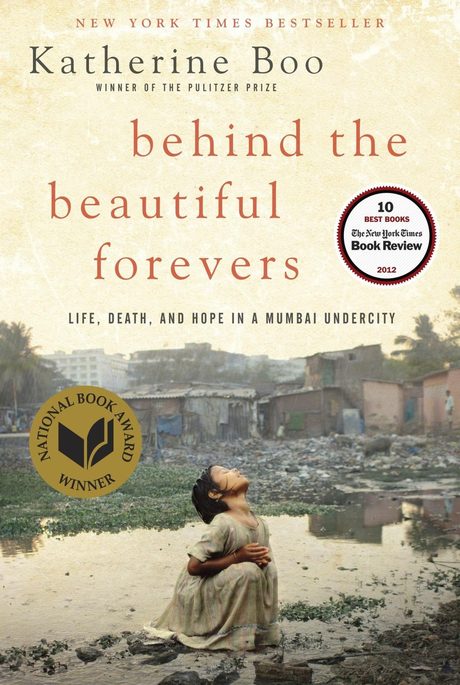
| 8 | Behind the Beautiful Forevers | Katherine Boo | 2012 | precise, patient, furious | readers who distrust memoirs |
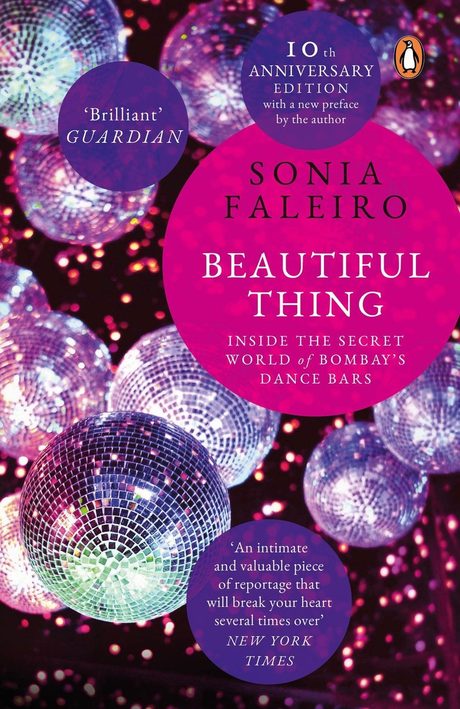
| 9 | Beautiful Thing | Sonia Faleiro | 2010 | intimate, unsentimental, sharp | readers who want depth |
| 10 | Gomorrah | Roberto Saviano | 2006 | angry, forensic, claustrophobic | readers who liked the mafia parts |
| 11 | City of Djinns | William Dalrymple | 1993 | curious, funny, historical | travel readers |
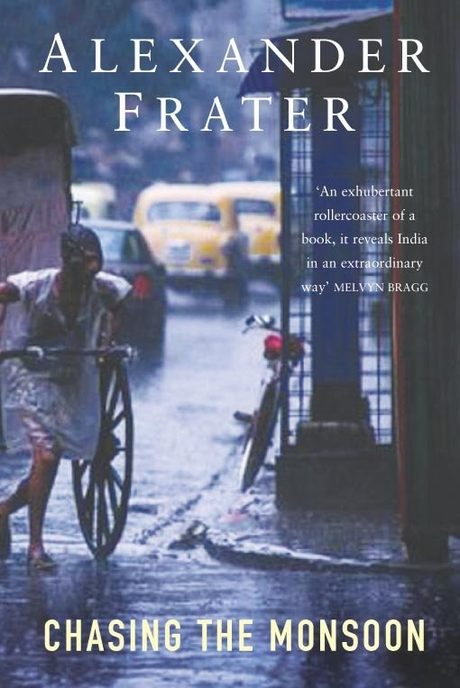
| 12 | Chasing the Monsoon | Alexander Frater | 1990 | wry, wandering, wet | monsoon reading |
| 13 | Papillon | Henri Charriere | 1969 | relentless, brutal, thrilling | readers who want escape |
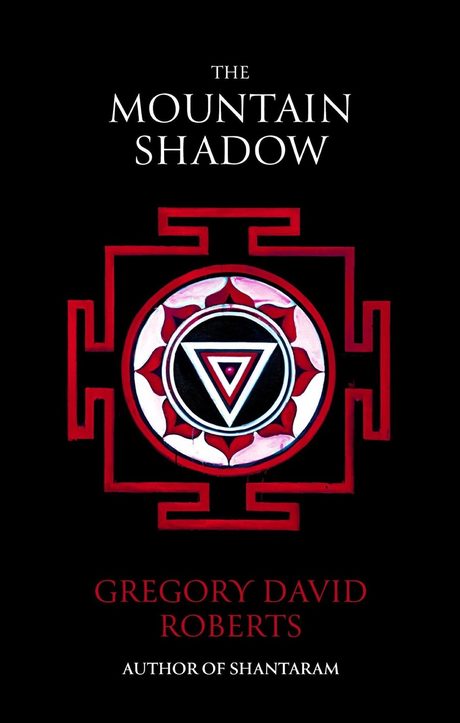
| 14 | The Mountain Shadow | Gregory David Roberts | 2015 | long, talkative, indulgent | committed Shantaram fans only |
The list
The books, ranked
1
Fiction
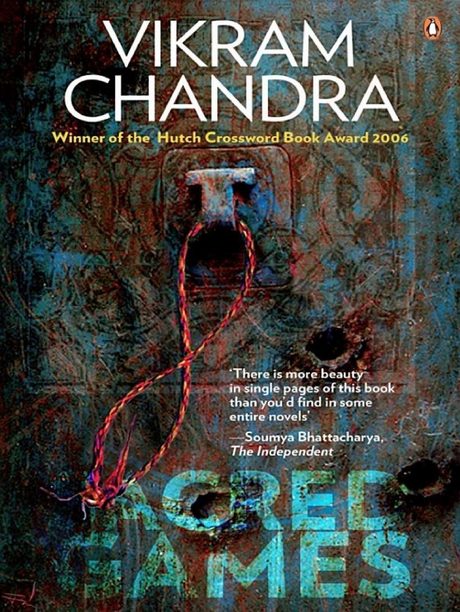
Sacred Games
Vikram Chandra2006about 1351 pages
A Sikh police inspector and a Hindu gangster talk to each other through a concrete wall, and nine hundred pages of Bombay pour out of the gap.
Inspector Sartaj Singh takes a phone tip, drives to a strange white bunker in the suburbs, and finds Ganesh Gaitonde, the city's most wanted man, sealed inside and willing to talk. The novel splits from there: Sartaj working the case through police stations, informers and municipal paperwork, and Gaitonde narrating his own climb from nothing. Chandra writes the whole city into it, from film financiers to bomb plots to what a constable eats for lunch, and he does it without ever slowing down. It is long the way a television season is long, not the way homework is long.
Why it is at 1
First among the novels because it does what Shantaram promises and actually delivers: the underworld, the police, the money, the film industry and the street, all held together by a plot that pays off. Chandra is a much better writer than Roberts, which shows most in the dialogue. Be warned about the size, and know that the Netflix adaptation covers maybe a third of the book.
Read it ifyou want the biggest Bombay novel there is and have the weeks for it
Skip it ifyou want something fast, because this is a two-month commitment
huge, dark, propulsiveBest for: a long holidaymumbaicrimeepic
Heads up: graphic violence, torture, communal riots
Pairs with: Maximum City at rank seven, which reads like the reporting Chandra did not have to do
2
Fiction
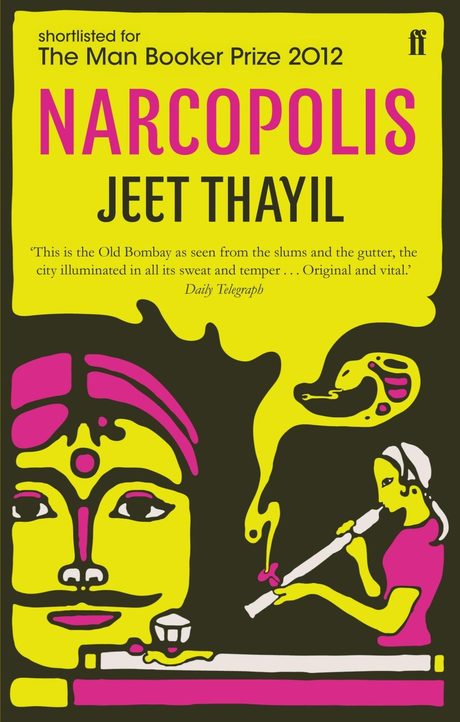
Narcopolis
Jeet Thayil2012about 274 pages
Bombay's opium rooms in the seventies and eighties, told in a voice that drifts exactly the way the drug does.
The book opens on Shuklaji Street, in a room where a pipe is being prepared, and the first sentence goes on for pages. From there it moves between the regulars of one opium den: the man who runs the pipes, a hijra named Dimple who becomes the heart of the whole thing, a Chinese exile, a painter, a killer. Then heroin arrives, the gentleness of opium is replaced by something meaner, and the city turns with it. Thayil is a poet and it shows in the sentences and in the shape, which loops instead of progressing. Very little plot, an enormous amount of atmosphere.
Why it is at 2
Second because it covers the exact territory Shantaram made famous, the opium rooms and the night city, and then refuses to make any of it romantic. Where Roberts's narrator is a hero moving among the poor, Thayil's people are simply users, and the book stays honest about the cost. It is the harder read of the two, deliberately disorienting, and it will not hold your hand at any point.
Read it ifyou want the Bombay underside written without the heroics
Skip it ifyou need a plot to hold on to, because this one keeps dissolving
hallucinatory, dark, poeticBest for: readers who like difficultmumbaiaddictionliterary
Heads up: sustained drug use, violence, sexual violence
3
Fiction
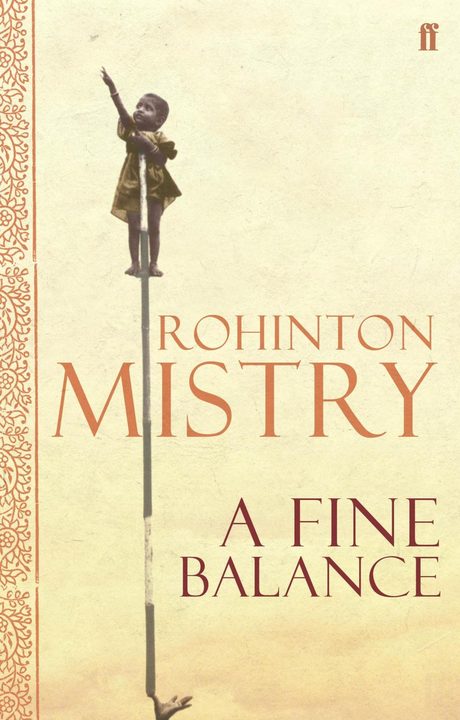
A Fine Balance
Rohinton Mistry1995about 816 pages
Four strangers share a small flat during the Emergency, and the city and the state take turns dismantling them.
A widow trying to keep a tailoring business alive takes in two tailors from a village and a student boarder. The year is 1975, the Emergency has just been declared, and the machinery of the state begins arriving in their lives: slum clearance, forced sterilisation, the police, the beggar-master. Mistry writes the four of them so well that you catch yourself planning their futures for them. Then the book does what it was always going to do. This is the most upsetting novel I have finished, and I would still put it into anybody's hands, because the friendship at the centre is written with more tenderness than the cruelty around it.
Why it is at 3
Third among the novels and the best written book on this entire list. It earns its place by being the anti-Shantaram: the same city in the same decade of chaos, with no foreigner, no redemption arc and no wisdom being handed out. If Shantaram is Bombay as adventure, this is Bombay as weather, falling on people who cannot leave. Read them together and one of the two starts to look very silly.
Read it ifyou want the finest writing here and can take real cruelty
Skip it ifyou are in a fragile month, because this book has no mercy in it at all
tender, devastating, humaneBest for: readers who want the truthemergencyliteraryindia
Heads up: caste violence, forced sterilisation, mutilation, suicide
4
Fiction
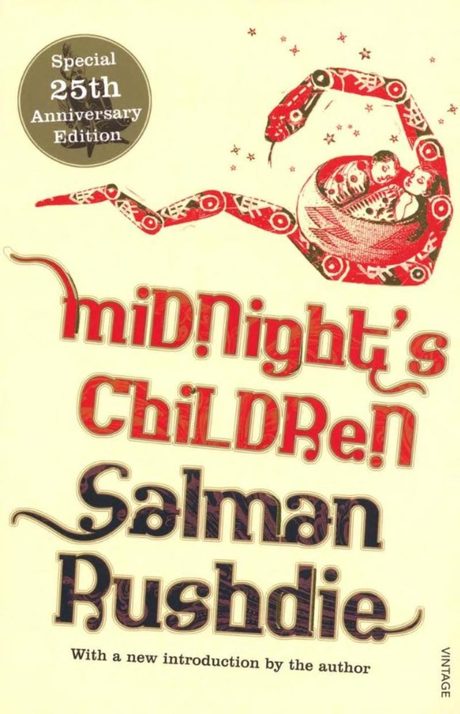
Midnight's Children
Salman Rushdie1981
A boy born at the exact moment of Indian independence finds his life handcuffed to the country's, and neither of them goes well.
Saleem Sinai is born at midnight on 15 August 1947, one of a thousand and one children born in that first hour, every one of them with a strange gift. His is telepathy, which lets him convene the others inside his head. Around that fantasy Rushdie writes India from the last years of the Raj through to the Emergency, moving between Bombay, Kashmir, Karachi and Dhaka in a voice that never once stops talking. It is funny, boastful, exhausting and enormous. You either surrender to the sentences in the first thirty pages or you will fight the book for six hundred.
Why it is at 4
Fourth because the Bombay chapters are among the best ever written about the city, and because Shantaram readers generally want scale, which this has more of than anything else here. It is also the hardest sell on the list: the style is a firehose, the plot wanders on purpose, and there is no thriller engine pulling you along. Come for the city, stay for the noise, or put it down without guilt.
Read it ifyou want the biggest swing anyone has taken in Indian fiction
Skip it ifyou want plain prose, because Rushdie never met a sentence he could not extend
loud, funny, enormousBest for: patient, ambitious readersmagic realismindiaclassic
5
Fiction
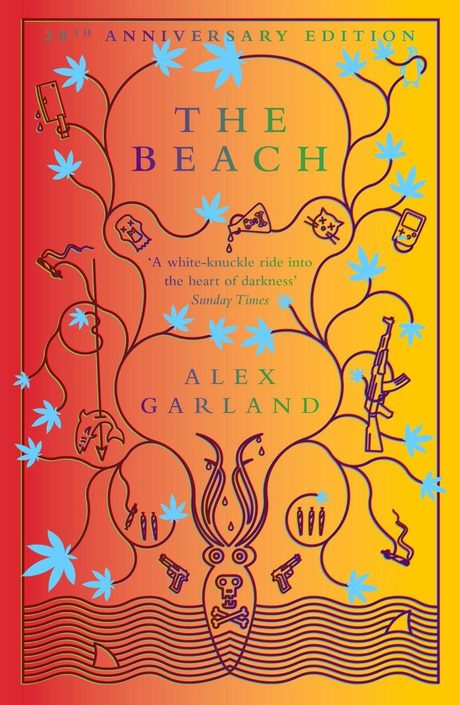
The Beach
Alex Garland1996about 389 pages
A young backpacker in Bangkok is handed a map to a secret island commune, and learns what paradise does to the people who find it.
Richard is in a Khao San Road guest house when the stranger in the next room gives him a hand-drawn map and then kills himself. The map leads to a hidden lagoon inside a Thai marine park where a few dozen travellers have built a community out of fish, dope and no outside world. The first half is the fantasy working beautifully. The second half is the fantasy going wrong the way these things always go wrong, slowly and then very fast indeed. Garland was in his twenties when he wrote it, and it moves like a thriller while quietly taking apart the backpacker hunt for somewhere real.
Why it is at 5
Fifth because it is the Shantaram reader's other book: a young Westerner loose in Asia, convinced he has found something authentic that the tourists have missed. The difference is that Garland knows his narrator is a tourist and Roberts does not know it about his. It is also the fastest read here by a distance, which is why I have handed it to more people than anything else on this list.
Read it ifyou want the foreigner-in-Asia story with a knife hidden in it
Skip it ifyou are looking for India, because this is Thailand and it is unkind about travellers
sunlit, tense, nastyBest for: a long flightthailandbackpackersthriller
Heads up: suicide, drug use, graphic injury
6
Fiction
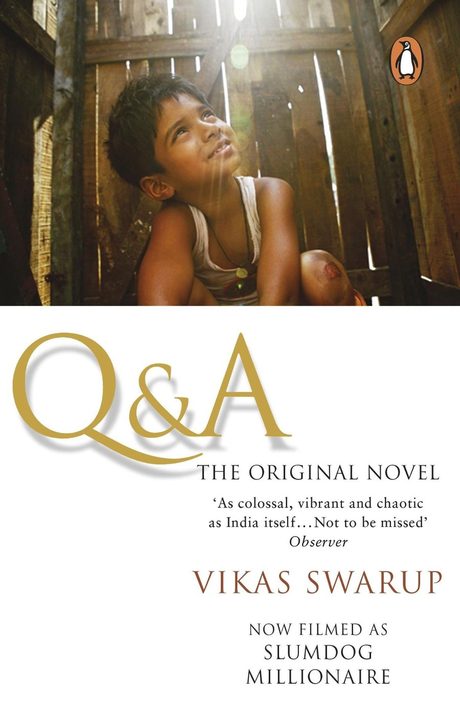
Q & A
Vikas Swarup2005about 388 pages
A Mumbai waiter wins a billion rupees on a quiz show, gets arrested for cheating, and explains every answer with a story from his own life.
Ram Mohammad Thomas has no education and no money, and he has just answered twelve questions correctly on national television, so the police assume fraud. The structure is the entire trick: one chapter per question, each one a piece of his life that happened to teach him that particular answer. A church orphanage, a film star's flat, a Delhi brothel, a train, a gun. The chapters work as short stories and the frame gives them momentum. This became the film Slumdog Millionaire, and the novel underneath is looser, angrier and considerably less romantic.
Why it is at 6
Sixth because it hits the Shantaram pleasure centre, a city full of hustle where every stranger turns out to have a story, without asking two months of your life for it. It is the lightest fiction here and the least serious about poverty, which is a fair criticism people make of it. Read it as a picaresque rather than as a document and it holds up well.
Read it ifyou want Bombay street stories inside a fast frame
Skip it ifyou want realism about poverty, because this one is engineered for delight
fast, clever, unevenBest for: readers who want momentummumbaipicaresqueadapted
Heads up: child abuse, sexual violence, torture
7
Reportage
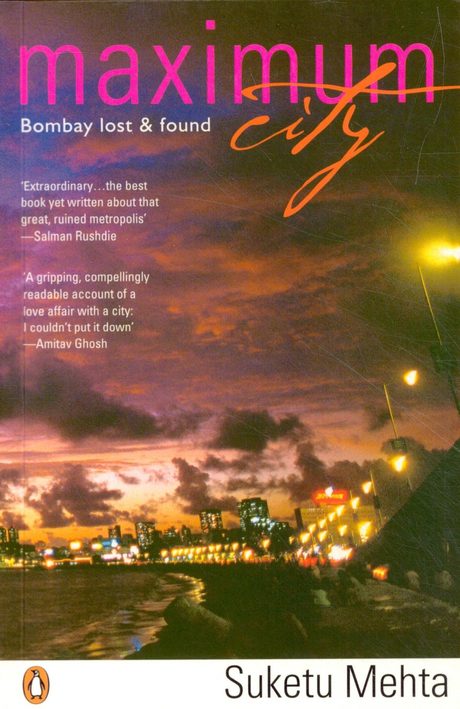
Maximum City
Suketu Mehta2004about 600 pages
A writer moves his family back to Bombay after twenty one years away and spends two years with the people the city actually runs on.
Mehta returns to the city he left as a teenager and reports it from inside: a Shiv Sena rioter who will describe exactly how he burned people, a hitman who talks about the work the way anybody talks about a job, a bar dancer whose economics are more brutal than any novel would risk, a policeman known for encounters, and the film industry, where Mehta ends up writing a script himself. He never stands outside any of it. The result is strange, sad and angry, reading sometimes like a thriller and sometimes like a confession.
Why it is at 7
The best book on this entire list and my pick for what to read after Shantaram, without hesitation. Everything Roberts made up, Mehta went out and found, and the real version is stranger. The two books cover the same city in the same years, and putting them side by side is the clearest demonstration I know of what reporting can do that invention cannot.
Read it ifyou want the real city that Shantaram fictionalised
Skip it ifyou want a narrative arc, because this is reporting and it sprawls
immersive, unsparing, aliveBest for: anybody who loved Shantarammumbaireportagenonfiction
Heads up: riot violence, murder, sexual exploitation
8
Reportage
Behind the Beautiful Forevers
Katherine Boo2012about 290 pages
Three years inside Annawadi, a slum beside Mumbai airport, reported so closely that it reads like a novel and is not one.
Boo spent years in a settlement of a few hundred huts on airport land, following a family whose teenage son makes a living sorting recyclable rubbish, a woman running local politics out of her hut, a girl studying for a degree nobody in her family has ever held. Then a neighbour's death brings the police and the courts down on all of them. Every scene comes from interviews, public records and video, and there is a note at the back explaining exactly how each one was assembled. It reads like fiction, and that is the achievement, because none of it is.
Why it is at 8
Eighth, and the counterweight to every foreigner-writes-Bombay book including Shantaram. Boo is a foreigner too, and she solves the problem by removing herself from the page entirely, which is the precise opposite of Roberts's method. If Shantaram's slum chapters moved you, read this and see what those same lives look like without a Western hero standing in the middle of the frame.
Read it ifyou want the slum reported rather than narrated at you
Skip it ifyou need hope in your nonfiction, because the ending here is honest
precise, patient, furiousBest for: readers who distrust memoirsmumbaireportagepoverty
Heads up: self-immolation, custodial violence, child death
9
Reportage
Beautiful Thing
Sonia Faleiro2010about 247 pages
Years following a nineteen year old dancer through Bombay's bar-dance economy, before the state banned the bars and made everything worse.
Faleiro met Leela in a Mira Road dance bar and kept showing up for years, through the 2005 ban that closed the bars and pushed thousands of women into work with far less protection. The book stays inside Leela's own account of her life: the money, the customers, the police, the mother, and the strict internal hierarchy of what counts as respectable inside a world that nobody outside considers respectable at all. It is short, it is built like a novel, and Faleiro never pretends to be an insider. What she does is keep listening until the performance drops.
Why it is at 9
Ninth because it goes exactly where Shantaram's Bombay chapters gesture, and then stays there. Roberts gives you a slum clinic, a mafia and a great deal of philosophy. Faleiro gives you one woman's ledger. This is the least famous book on the list and one of the two or three best, and it is under three hundred pages, so there is no excuse.
Read it ifyou want one life reported in complete detail
Skip it ifyou want scope, because this narrows to a single person on purpose
intimate, unsentimental, sharpBest for: readers who want depthmumbaireportagewomen
Heads up: sex work, sexual violence, child abuse
10

Reportage
Gomorrah
Roberto Savianotranslated by Virginia Jewiss2006about 327 pages
Naples and the Camorra reported from inside the ports, the sweatshops and the concrete estates, as an economy rather than a crime story.
Saviano grew up in the province of Naples and writes the Camorra as a business: container ships arriving at the port, textile workshops making designer clothes through the night, waste companies burying toxic drums under farmland, a housing estate so well suited to dealing that it might as well have been designed for it. The style keeps switching between reporting, memoir and something closer to a rant, and he puts himself into scenes on a scooter watching bodies get collected. It is a book written in anger and it is better for the anger.
Why it is at 10
Tenth and the only book here set outside India, because it is the closest thing anywhere to Shantaram's underworld with the fantasy taken out. Roberts's mafia is glamorous and philosophical. Saviano's is a supply chain that kills people over margin. If the criminal machinery was what you liked in Shantaram, and you want to know what it looks like in daylight, this is the book.
Read it ifyou want organised crime as economics rather than adventure
Skip it ifyou want a clean narrative, because this jumps constantly between registers
angry, forensic, claustrophobicBest for: readers who liked the mafia partsnaplesorganised crimereportage
Heads up: murder, industrial poisoning, child labour
11

Reportage
City of Djinns
William Dalrymple1993about 480 pages
A year in Delhi, dug backwards through Partition, the Mutiny, the Sultanate and the ruins sitting under the golf course.
Dalrymple and his wife rent a flat in Delhi in the late eighties and spend a year there with a landlady, a taxi driver and an inexhaustible supply of curiosity. Each chapter reaches further back: the refugees of 1947, the British destruction after 1857, the Sufis, the Mughals, the seven cities buried under the current one. The present-day comedy is genuinely funny, and the history is carried by people he goes out and meets, from families who remember the walled city before the trains to men who claim descent from the old court.
Why it is at 11
Eleventh because Shantaram readers often want the specific feeling of a foreigner falling for an Indian city, and this is the best-mannered version of that, with real research behind it. Delhi instead of Bombay, curiosity instead of danger. It is much lighter than everything above it, so if the reportage tier is getting heavy, this is where you go to breathe for a while.
Read it ifyou want history delivered as good company
Skip it ifyou want grit, because nobody in this book is ever in danger
curious, funny, historicalBest for: travel readersdelhitravelhistory
12
Reportage
Chasing the Monsoon
Alexander Frater1990about 292 pages
A travel writer meets the monsoon on the day it lands in Kerala and follows it north for three months, up the whole length of the country.
Frater grew up in the New Hebrides watching his father wait for rain, and decided to follow the Indian monsoon from its arrival on the Kerala coast to Cherrapunji in the north east. What he gets is a portrait of a country organised around water: meteorologists making the most consequential forecast in the world, farmers reading the sky, Bombay crowds walking into the first shower on purpose, and officials who will not give him the permit he needs. It is old-fashioned travel writing, which means trains, strangers, long conversations, and jokes at his own expense.
Why it is at 12
Twelfth and the lightest thing here, included because Shantaram is partly about the pleasure of moving through India as an outsider, and this is that pleasure with none of the crime attached. It is more than thirty years old, so the India in it is the country before liberalisation and reads as history now. That dates it, and it also makes it more interesting than it was when it came out.
Read it ifyou want India through weather, trains and strangers
Skip it ifyou want a current picture, because this is the country before 1991
wry, wandering, wetBest for: monsoon readingtravelmonsoonindia
13

The slippery shelf
Papillon
Henri Charriere1969about 564 pages
A French convict sentenced to life in the penal colonies of Guiana escapes, is recaptured, escapes again, and finally floats out on a sack of coconuts.
Charriere was convicted of a murder he always denied and shipped to French Guiana in the nineteen thirties. The book is his account of the next thirteen years: the transport ship, the islands, two years in a solitary cell that he survived by walking it out step by step, a spell living with an indigenous community, a leper colony, and finally a jump off a cliff on Devil's Island. It moves like an adventure novel and reads like one, which is both the whole problem and the reason nobody can put it down.
Why it is at 13
Thirteenth and here for a specific reason: it is the original entry in Shantaram's exact genre, the charismatic convict narrating his own legend at length. Whether all of it happened to Charriere himself is a question that has trailed the book since 1969, and the honest answer for a reader is that you cannot tell from the page. Read it for the escapes, which are superb, and hold the truth of it loosely.
Read it ifyou want the purest escape story ever put on paper
Skip it ifunreliable memoir annoys you, because this is the founding case of it
relentless, brutal, thrillingBest for: readers who want escapeprisonescapememoir
Heads up: extreme violence, prison brutality, sexual assault
14
The slippery shelf
The Mountain Shadow
Gregory David Roberts2015about 1029 pages
The nine hundred page sequel to Shantaram, in which very little happens and everybody stops to deliver a lecture about it.
Set two years after Shantaram ends, with the same narrator back in Bombay, still working for the same criminal council, still surrounded by people who speak entirely in aphorisms. There is a plot involving forged passports, a rival gang and a guru on a mountain, but it takes hundreds of pages to move an inch, and the philosophy that was a spice in the first book has become the main course. The Bombay writing is still good in places and the fights still work. Everything in between has doubled in length and lost its urgency.
Why it is at 14
Last, and this entry is a warning rather than a recommendation. It is on the list because every Shantaram reader eventually asks about the sequel, and the honest answer is that it is the same book with the story taken out. If you loved Shantaram enough to read a phone directory set in Colaba, you will find something in it. Everybody else should pick one of the thirteen books above instead.
Read it ifyou loved Shantaram unconditionally and want more of that voice
Skip it ifyou found Roberts's philosophy heavy going, because it triples here
long, talkative, indulgentBest for: committed Shantaram fans onlysequelmumbaicompletists
Worth knowing
About the truth problem, and why the list is split
Shantaram is sold as fiction and the copyright page agrees. The documented part of Gregory David Roberts's life is that he was an Australian armed robber who escaped from prison, lived as a fugitive for years including a long stretch in Bombay, was caught in Europe and served out his sentence. Everything after that, the slum clinic, the mafia council, the Afghan chapters, belongs to the novel, and the safest way to read the book is as a novel with a real address.
This matters because so much of Shantaram's power comes from readers half believing it. Take it as fiction and the wisdom-dispensing narrator reads differently, and the reporting on this list starts to look like the better deal. That is the reason for the second tier. Mehta, Boo and Faleiro all went and found people who exist, and none of them needed a hero in the middle of the story to make it worth your time.
Worth knowing
A reading order, if you want to do this properly
Start with Maximum City. It gives you the real city and it will calibrate everything else you ever read about Bombay, including Shantaram itself in memory. Then go to Sacred Games, because the novel lands harder once you know the reporting behind it is not exaggerated.
After those two, pick by appetite. Narcopolis if you want the night. A Fine Balance if you are willing to be broken. Behind the Beautiful Forevers and Beautiful Thing if you would rather stay with real people who have names and addresses. City of Djinns or Chasing the Monsoon if the previous three ruined your week and you need India to be pleasant company again for a few hundred pages.
People also ask
Questions, answered
Is Shantaram a true story?
It is published as a novel and that is how to read it. What is documented is that Gregory David Roberts was an Australian prison escapee who spent years living in Bombay before being caught in Europe and returned to finish his sentence. The slum clinic, the mafia council and the Afghanistan chapters are the novel's invention or at minimum its heavy embellishment, and treating them as reporting is what starts most of the arguments about this book. If you want the documented Bombay of the same period, read Maximum City.
What should I read after Shantaram?
Maximum City by Suketu Mehta, without hesitation. It covers the same city in the same years, it is reported rather than imagined, and the real hitmen and bar dancers and rioters turn out to be more interesting than the invented ones. If you would rather have another big novel than nonfiction, Sacred Games by Vikram Chandra is the answer: the same underworld, nine hundred pages of it, and a considerably better writer at the wheel.
Is The Mountain Shadow worth reading?
Only if you loved Shantaram enough to forgive it anything. The sequel keeps the voice and loses the story: same narrator, same Bombay, hundreds of pages of philosophy, and a plot that barely moves an inch. Some of the city writing is still good and the fights still work. The rest is a long conversation the book is having with itself. If you want more Bombay, put those hours into Sacred Games or Narcopolis instead and thank me later.
Which books like Shantaram are set in Mumbai?
Seven of the fourteen. Sacred Games, Narcopolis, Q and A, Maximum City, Behind the Beautiful Forevers and Beautiful Thing are all Bombay or Mumbai depending on which decade you are in, and A Fine Balance is set in an unnamed city that is Bombay in every respect except the name. The rest travel: Delhi, Thailand, Naples, French Guiana, and the entire monsoon route up the length of the country.
Do I have to read nine hundred page books to enjoy this list?
No. The Beach, Chasing the Monsoon, Beautiful Thing and Q and A are all normal-sized and each one finishes inside a week. The giants are Shantaram itself, Sacred Games, Midnight's Children, A Fine Balance and The Mountain Shadow. If length is the only thing stopping you, begin with The Beach for pace or Beautiful Thing for depth, then work your way up to the big ones once the habit is back.
Which is the single best book on this list?
Maximum City if you count nonfiction, and A Fine Balance if you want the finest novel. Sacred Games wins on pure reading pleasure across a long stretch of time. My honest split would put Mistry first as a piece of writing, Mehta first as an experience of a city, and Chandra first if you are choosing one book for a holiday and want to disappear into it completely for two weeks.
Before you go
What to read tonight
If you are picking one tonight, pick Maximum City. It opens in the traffic and it does not let go, and it will change what you think Shantaram was doing all along. If you would rather have a novel, The Beach is the fastest thing here and Sacred Games is the biggest, and both of them know exactly what they are.
One last thing about this whole genre. The pleasure of Shantaram is the pleasure of a stranger deciding that a foreign city belongs to him. That is a real feeling and it makes for very good reading, but it is one point of view out of twenty million, and the city was always full of people who could not leave it. Read two from the top tier and two from the reportage, and you end up with a Bombay that neither shelf could hand you on its own.
Keep going
Lists that pair with this one
Indian Fiction
16 Best Novels Set in Mumbai, Mapped Neighbourhood by Neighbourhood
Sixteen Bombay novels ranked by how much of the city you carry out with you, from a Worli chawl to a tower in Vakola.
Indian Fiction
16 Best Books to Understand India, Ranked by What They Explain
Sixteen books, ten doors into the same country: history, caste, the mega city, the village, money, and where to start tonight.
Mood & Life
16 Best Books for Long Flights and Train Journeys, by Hours
Every book here is timed: roughly how many hours it fills, and how well it survives being put down for the meal trolley.
Indian Fiction
The 20 Best Indian Books in Translation, Ranked by Where to Start
Twenty books from ten Indian languages, ordered from the easiest way in to the one that will fight you, with the translator named every time.
Indian Fiction
14 Best Partition Novels and Books, Ranked by Where to Start
Fiction and first-hand testimony from both sides of the 1947 line, ordered so you begin with the one you can actually finish.