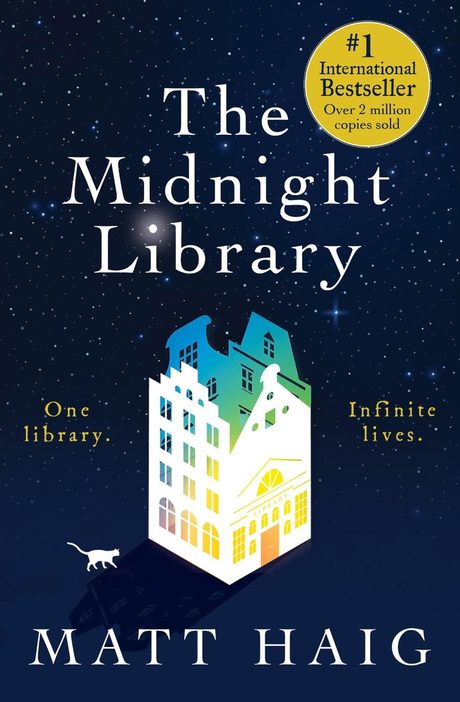
The Midnight Library sold a great many copies on the strength of one very good idea: a room between life and death where every book on the shelf is a life you did not live. I read it in a single sitting on a delayed train and I still think the idea is better than the novel. Nora's regrets get resolved a little too neatly, and the prose does its job and goes home. But the idea sits in your head for months afterwards, and that is rarer than good sentences.
So the real question is not which book copies Matt Haig. It is which half of that book you want more of. Some readers want the machinery: alternate lives, second chances, time behaving badly. Others want the argument underneath, which is that an ordinary life you did not choose can still be worth staying for. Almost nothing gives you both in equal measure, so pick your half.
This list runs down a magic dial rather than a quality ranking. Number one has a bargain with a dark god in it. Number thirteen has a woman restocking rice balls in a Tokyo convenience store and nothing impossible happens at all. Every book carries a magic score out of 10 in its label, and I say plainly whether it is cosy or whether it is going to sit on your chest for a week. Quick picks are right below if you are choosing something before bed.
How I picked these
- One question decided every place on this list: does the book give a Midnight Library reader more of the device, or more of the argument. Books that gave neither got cut, including two I personally love.
- Every title and cover verified through Google Books and Open Library, so there are no phantom editions and no print-on-demand blanks here.
- I dropped the filler that gets copy-pasted onto these lists. The Time Traveler's Wife is a romance with time travel bolted on. Tuesdays with Morrie is a memoir about dying, not a story about second chances. Neither belongs.
- Three books about reliving a life is the ceiling. Addie LaRue, Life After Life and Replay cover that ground properly, so the rest of the do-over shelf sat this one out.
- Honest cosy labels. Two books here get sold as gentle comfort reads and are nothing of the sort, and I say which.
The whole list at a glance
All 13 books, in order
| # | Book | Author | Year | Vibe | Best for |
|---|
| 1 | The Invisible Life of Addie LaRue | V. E. Schwab | 2020 | romantic, sad, centuries wide | readers who want full fantasy |
| 2 | Life After Life | Kate Atkinson | 2013 | cold, brilliant, quietly brutal | readers who like a puzzle |
| 3 | Replay | Ken Grimwood | 1986 | obsessive, sad, addictive | readers chasing the original |
| 4 | Before the Coffee Gets Cold | Toshikazu Kawaguchi | 2015 | gentle, tearful, small | one evening, one cry |
| 5 | The House in the Cerulean Sea | TJ Klune | 2020 | warm, funny, safe | a bad week |
| 6 | How to Stop Time | Matt Haig | 2017 | melancholy, historical, roaming | more Haig, bigger canvas |
| 7 | The Humans | Matt Haig | 2013 | funny, tender, odd | the exact Midnight Library reader |
| 8 | Klara and the Sun | Kazuo Ishiguro | 2021 | quiet, eerie, sad | readers who like restraint |
| 9 | The Measure | Nikki Erlick | 2022 | high concept, mainstream, emotional | book club arguments |
| 10 | Remarkably Bright Creatures | Shelby Van Pelt | 2022 | warm, sad, satisfying | grief with a happy ending |
| 11 | What You Are Looking For Is in the Library | Michiko Aoyama | 2020 | gentle, hopeful, tidy | readers stuck in a rut |
| 12 | A Man Called Ove | Fredrik Backman | 2012 | grumpy, funny, weepy | readers who hate fantasy |
| 13 | Convenience Store Woman | Sayaka Murata | 2016 | deadpan, unsettling, precise | readers tired of uplift |
The list
The books, ranked
1
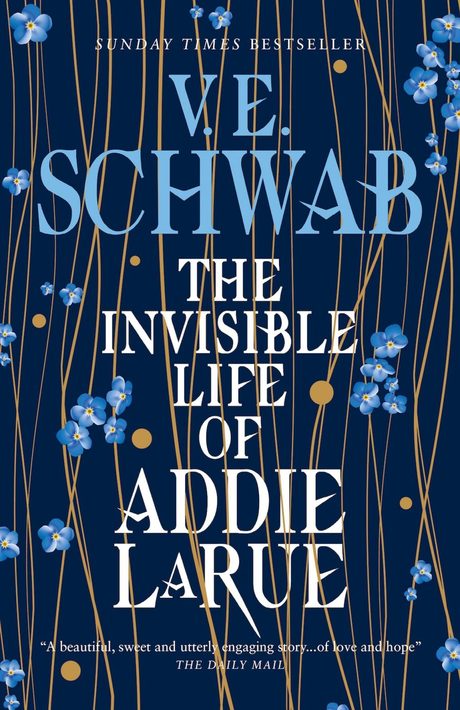
Magic 10/10, full fantasy
The Invisible Life of Addie LaRue
V. E. Schwab2020about 583 pages
A young woman trades her soul for immortality and gets cursed so that every person she meets forgets her the moment she leaves the room.
France, 1714. Addie does not want the marriage waiting for her, so she prays after dark to whatever answers, and something does. She gets three hundred years. The price is that nobody can remember her: not lovers, not friends, not the woman who sold her bread an hour ago. The book follows her across centuries of being a ghost with a pulse, until she walks into a New York bookshop and the boy behind the counter says he remembers her. It moves slowly on purpose, and the middle stretch teaches the same lesson more than once.
Why it is at 1
Top of the dial because the magic is not a device parked at the edge of the story, it is the physics of her whole life. If the Library made you want alternate versions of yourself, this hands you one woman living every version in sequence. Fair warning that it runs to nearly six hundred pages and about a hundred of them repeat.
Read it ifyou want the fantasy turned all the way up and you have patience for length
Skip it ifyou found The Midnight Library slow, because this is three times longer and far less plotted
romantic, sad, centuries wideBest for: readers who want full fantasyfantasyimmortalityslow burn
Pairs with: How to Stop Time at rank six, the same bargain with the romance turned down and the history turned up
2

Magic 9/10, hard reset
Life After Life
Kate Atkinson2013about 317 pages
Ursula Todd is born in an English snowstorm in 1910, dies, and is born again into the same snowstorm, over and over.
Every time Ursula dies, and she dies often, the book restarts her at birth carrying only a faint dread of whatever went wrong. A drowning at the beach, the 1918 flu, a bad marriage, the Blitz. She learns without ever consciously knowing, and steers a little differently each round. Atkinson uses the device to write twentieth century England from the inside, and the London bombing chapters are among the best I have read anywhere. This is not a comfort read. It is a novel that keeps killing a girl you like, and it means it.
Why it is at 2
The best book on this list, full stop, and it sits at number two only because the magic dial rules the order. Same engine as The Midnight Library, immeasurably better driving. Where Nora visits lives, Ursula lives them, and the repetitions accumulate instead of resetting. The catch is that Atkinson makes you work: no chapter tells you where you are, and you assemble the pattern yourself.
Read it ifyou want the do-over idea handled by a novelist at the top of her game
Skip it ifyou want to be held, because nothing here is explained to you kindly
cold, brilliant, quietly brutalBest for: readers who like a puzzlehistoricaltime loopliterary
Heads up: child death, wartime violence, domestic abuse
3

Magic 9/10, the original
Replay
Ken Grimwood1986about 311 pages
A man dies at his desk at forty three and opens his eyes in his college dorm room in 1963, with every memory intact.
This is the book that invented the shelf. A radio executive with a dead marriage has a heart attack in 1988 and wakes up in his university room in 1963, twenty five years younger and knowing exactly what is coming. So he does the obvious things: bets on the horses, gets rich, marries better. Then he dies again at the same hour of the same day, and starts over. Grimwood keeps running the loop and keeps asking a harder question each round, until money and control run out of answers and the man has to work out what a life is even for.
Why it is at 3
Third because the loop is total and the consequences are real, and because everything on this shelf borrows from it, knowingly or not. If The Midnight Library felt like a thought experiment that ended too politely, Replay is the same experiment run for four hundred pages without flinching. The eighties furniture shows and one subplot has aged badly, but the final fifty pages are the best argument against regret I know.
Read it ifyou want the purest version of the second-chance idea
Skip it ifyou need contemporary prose, because this reads like 1986 and does not apologise
obsessive, sad, addictiveBest for: readers chasing the originaltime loopclassicscience fiction
Pairs with: Life After Life at rank two, the same engine with a literary gearbox
4
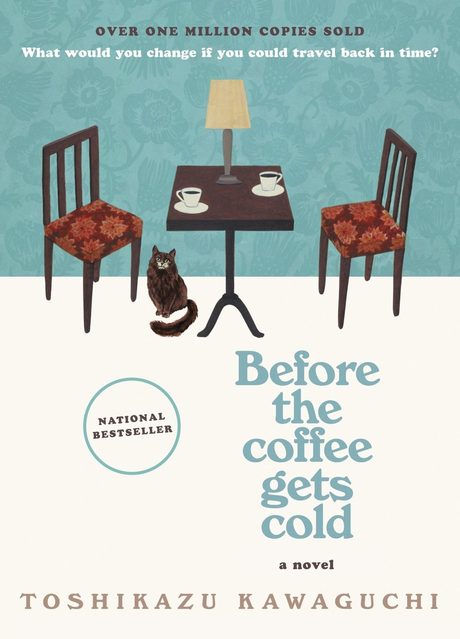
Magic 8/10, one chair only
Before the Coffee Gets Cold
Toshikazu Kawaguchitranslated by Geoffrey Trousselot2015about 278 pages
A Tokyo basement cafe lets you visit any moment you like, on the condition that you sit in one chair and return before your coffee cools.
The rules are strict and slightly absurd. You cannot leave the seat, you cannot change the present, and if the coffee goes cold before you come back you stay a ghost in that chair forever. Four people use it anyway: a woman whose boyfriend left for America, a man whose wife is losing her memory, two sisters, a mother. Because the past cannot be altered, every trip is really about saying the thing that went unsaid. Kawaguchi wrote it as a play first and you can feel that, since the whole book happens in one small room with people entering and leaving.
Why it is at 4
Fourth because it delivers the exact emotional payload of The Midnight Library in a third of the time, and because the you-cannot-change-anything rule makes it sadder and smarter than it first looks. The writing is thin, partly the translation and partly the stage origin, so read it for the situations rather than the sentences. It is the shortest evening on this list.
Read it ifyou want a proper cry in one sitting and rules you can hold in your head
Skip it ifyou want prose with texture, because this is plain to the point of flat
gentle, tearful, smallBest for: one evening, one cryjapanese fictiontime travelshort
5

Magic 8/10, safest book here
The House in the Cerulean Sea
TJ Klune2020about 351 pages
A rule-following government inspector is sent to assess an orphanage of dangerous magical children and finds a family instead.
Linus Baker spends his days in a grey office writing reports on magical orphanages for a department that does not much like magic. Then he is posted for a month to an island house holding six children, one of whom is the literal Antichrist, plus the man who raises them. Nothing especially terrible happens on that island. That is the entire point of the book. It is a story about a bureaucrat learning that the correct response to difference is not paperwork, and it is sweet in a way that will either be exactly what you need or slightly too much sugar.
Why it is at 5
Fifth, and the coziest thing here by a distance. If what you liked about The Midnight Library was the reassurance rather than the philosophy, this is the upgrade: warmer, funnier, with actual jokes in it. I will be honest that it is very sweet. There were long stretches where I wanted somebody in that house to be genuinely unpleasant, and nobody obliged me.
Read it ifyou want to feel safe for four hundred pages
Skip it ifyou find relentless kindness cloying, because there is no edge here at all
warm, funny, safeBest for: a bad weekcosy fantasyfound familyqueer romance
6
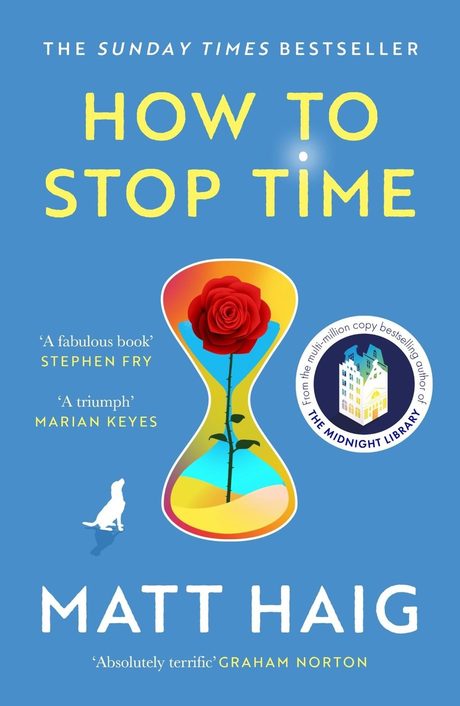
Magic 6/10, one slow clock
How to Stop Time
Matt Haig2017about 327 pages
A London history teacher looks forty one and was born in 1581. The hard part is not the centuries, it is the rule against falling in love.
Tom Hazard has a condition that slows ageing to a crawl, which means he has watched Elizabethan theatre from the pit, crossed oceans on a wooden ship, and buried the woman he married four hundred years ago. A society of others like him protects the secret and enforces a single law: no attachments. Now he teaches history to teenagers who have no idea he was there for it. Haig alternates present-day school corridors with the past, and the past is where the book comes alive. The love story is thinner than the loneliness, which is a pity, because the loneliness is very well done.
Why it is at 6
Sixth, and the most direct next step if you simply want more Matt Haig attached to a bigger idea. It handles the same subject as The Midnight Library, which is what makes a life worth continuing, with more room and better scenery. It is also the more uneven book: excellent in the past, ordinary in the present, and the ending arrives in a rush.
Read it ifyou liked Haig's voice and want a longer sweep of time
Skip it ifyou want the tidy structure of the Library, because this one wanders
melancholy, historical, roamingBest for: more Haig, bigger canvasmatt haigimmortalityhistorical
7
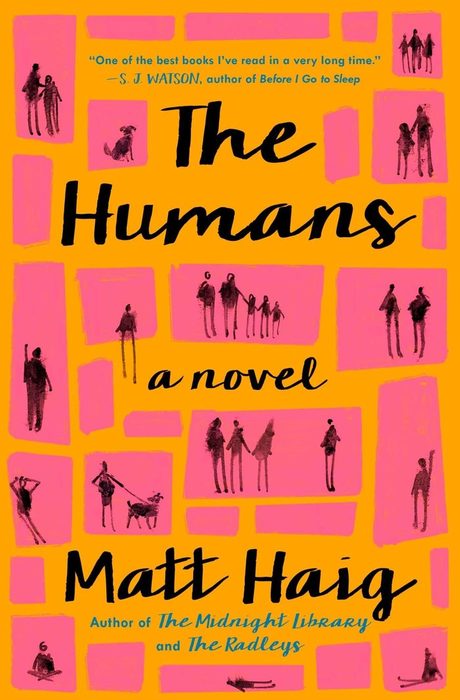
Magic 6/10, alien in a cardigan
The Humans
Matt Haig2013about 320 pages
An alien takes over the body of a Cambridge mathematician to delete a discovery, and gets slowly talked out of the mission by peanut butter and a dog.
The narrator is not human. He is sent to Earth wearing the body of Professor Andrew Martin, with orders to erase a mathematical proof and everybody who knows about it. He arrives disgusted: clothes are ridiculous, faces are ugly, the species is violent and doomed. Then he meets wine, peanut butter, the poems of Emily Dickinson, the family dog, and a teenage son who is quietly falling apart. The comedy of an outsider describing our habits carries the first half, and the second half turns warm without ever going sticky, which is a harder trick than it looks.
Why it is at 7
My pick for the single best next read after The Midnight Library, sitting at seven only because the magic dial rules the order here. Same argument, that being alive is worth the trouble, but delivered sideways through comedy instead of announced by a librarian. It is funnier, shorter and much less pleased with itself. If the Library moved you and you were slightly embarrassed about it, read this one.
Read it ifyou want the Library's message without the self-help register
Skip it ifyou dislike whimsy, because it opens with a naked alien on an English road
funny, tender, oddBest for: the exact Midnight Library readermatt haigscience fictioncomedy
8
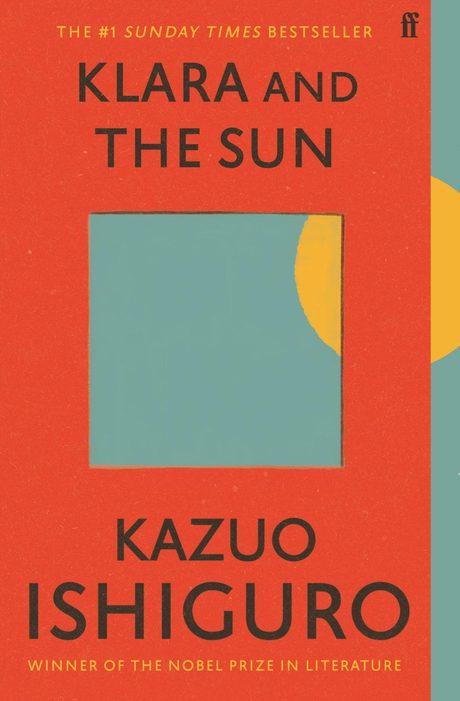
Magic 5/10, no magic, wrong future
Klara and the Sun
Kazuo Ishiguro2021about 319 pages
A solar-powered artificial friend waits in a shop window to be chosen, and then does everything in her limited power to save the girl who chose her.
Klara is an AF, an artificial friend built to keep a lonely child company, and she narrates the entire book in a voice that is polite, watchful and slightly off. She worships the sun, because the sun feeds her, and she builds a private theology around it that the reader can see through and she cannot. The world outside is sketched rather than explained: children are lifted or not lifted, families are strained, work has vanished for a lot of adults. Ishiguro withholds nearly everything and lets you assemble the horror yourself. Very little happens loudly and it wrecks you anyway.
Why it is at 8
Eighth because the strangeness here is technological rather than magical, but it belongs on any list about what a life is worth. Where The Midnight Library answers the question out loud, Ishiguro refuses to answer and lets a machine keep asking for four hundred pages. This is the most demanding book on the list and the one most likely to sit in you for a month. It is also slow, and the middle tests you.
Read it ifyou want the same question asked with far more restraint
Skip it ifyou need plot, because this is a very quiet book about being overlooked
quiet, eerie, sadBest for: readers who like restraintliterary science fictionlonelinessai
9
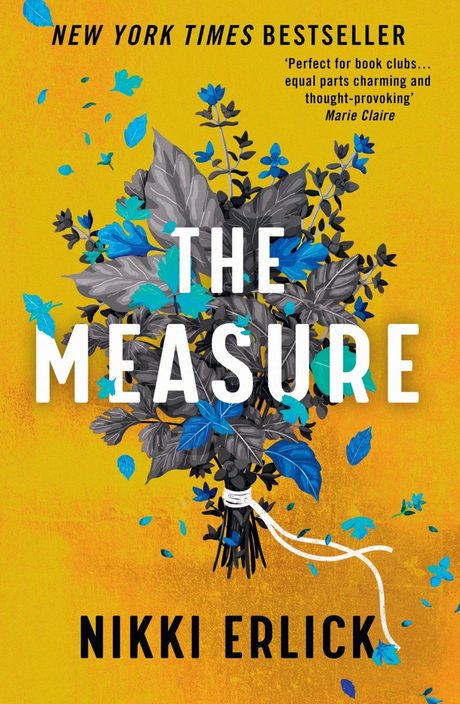
Magic 4/10, one impossible morning
The Measure
Nikki Erlick2022about 398 pages
Every adult on Earth wakes to a small box outside the door containing a string, and the length of the string is the length of their life.
One morning the boxes arrive, one for every adult on the planet, each holding a string that measures the years you have left. Nobody knows who sent them and the book is not interested in finding out. It is interested in what happens next: dating apps that ask for your string length, employers who want to check, a political campaign built on the split between long-stringers and short-stringers. Erlick follows a handful of connected characters through the first year of it. The premise is stronger than the writing, which is smooth and a bit soft, but the questions will follow you to dinner.
Why it is at 9
Ninth because exactly one impossible thing happens and the rest is our world reacting to it, which makes it the closest structural cousin to The Midnight Library on this list. Same commercial register too: readable, emotional, keen to be sure you got the point. If you loved the Library without reservations you will love this. If its tidiness annoyed you, this will annoy you more.
Read it ifyou want a big what-if and pages that turn easily
Skip it ifyou want prose that surprises you, because this one plays everything safe
high concept, mainstream, emotionalBest for: book club argumentsspeculativebook clubmortality
Heads up: suicide, terminal illness, grief
10
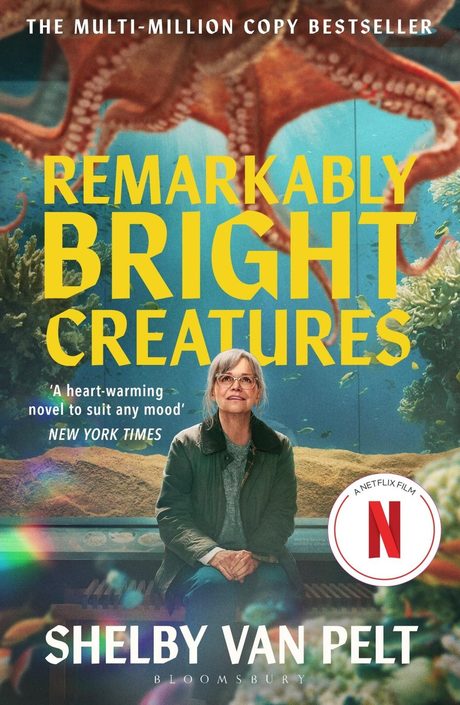
Magic 3/10, one talking octopus
Remarkably Bright Creatures
Shelby Van Pelt2022about 388 pages
A widowed night cleaner at a small aquarium befriends a giant Pacific octopus who has worked out the truth about her missing son.
Tova Sullivan is seventy, cleans the aquarium after closing, and lost her son to the water thirty years ago with no explanation ever offered. Marcellus is a giant Pacific octopus nearing the end of his lifespan: brilliant, contemptuous of humans, and able to escape his tank whenever he feels like it. Some chapters are his. He works out what happened to Tova's boy long before she does, and then has the problem of being an octopus with no way to tell her. It sounds unbearable and it is not, because the octopus is funny and the grief is real.
Why it is at 10
Tenth because the only impossible element is a narrator with eight arms, and everything else is a grounded book about old age, a small coastal town, and a woman who never got an answer. It is warmer than Ove and less clever than Atkinson. If the Library's second-chance idea appealed to you but the fantasy did not, start right here and work upward.
Read it ifyou want warmth with a real mystery underneath it
Skip it ifyou cannot take an animal narrator seriously for four hundred pages
warm, sad, satisfyingBest for: grief with a happy endingcontemporarygriefanimal narrator
11
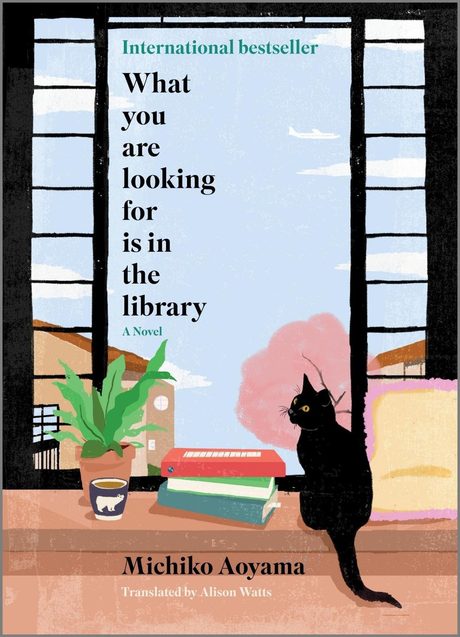
Magic 2/10, all in your head
What You Are Looking For Is in the Library
Michiko Aoyamatranslated by Alison Watts2020about 261 pages
Five stuck people visit a neighbourhood library in Tokyo, and the enormous librarian behind the desk gives each of them one book they did not ask for.
The structure is simple and it works. Five chapters, five people at a dead end: a shop assistant who wants a different career, an accountant who dreams of an antiques shop, a new mother who has lost her job, a retired man with nothing to fill the day. Each of them wanders into the community library, and Sayuri Komachi, who is very large, very still and always busy needle-felting small toys, prints out a reading list with one strange title on it and hands over a felt charm. Nothing supernatural happens. People simply pay attention to their own lives for the first time in years.
Why it is at 11
Eleventh because the magic here happens entirely inside the reader's head, which is a fair description of what libraries actually do. This is the gentlest book on the list and the most patient: no crisis, no villain, five people making one small change each. It shares the Library's belief that a different life is available, and argues you can reach it from where you are already standing.
Read it ifyou want quiet encouragement with no fantasy at all
Skip it ifyou need tension, because there is genuinely none in this book
gentle, hopeful, tidyBest for: readers stuck in a rutjapanese fictionlinked storiescosy
12

Magic 0/10, pure realism
A Man Called Ove
Fredrik Backmantranslated by Henning Koch2012about 368 pages
A furious Swedish widower keeps trying to kill himself and keeps getting interrupted by the idiots who live on his street.
Ove is fifty nine, recently widowed, recently made redundant, and has decided to go and join his wife. Every attempt gets ruined by his neighbours: a pregnant Iranian woman who will not stop feeding him, a cat that will not leave, a teenager who needs a lift, a man who cannot reverse a trailer. Backman cuts between the present-day comedy and the past, and the past is where he gets you: how Ove met Sonja, what happened to them, and why a man like this ended up with rules where his words should be.
Why it is at 12
Twelfth and a zero on the dial: no magic, no second life, no device of any kind. Just a man being handed reasons to stay alive by people he did not choose. Strip The Midnight Library down to its actual argument and this is that argument done as comedy, with a better claim on its ending. The emotional engineering is visible from a distance. It works anyway.
Read it ifyou want to laugh for eighty pages and then get ambushed
Skip it ifyou resist obvious sentiment, because Backman shows all his working
grumpy, funny, weepyBest for: readers who hate fantasyswedish fictiongriefcomedy
Heads up: repeated suicide attempts, bereavement
13
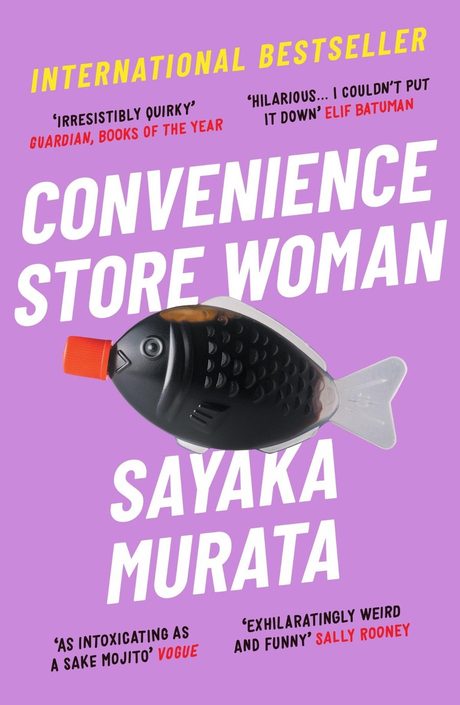
Magic 0/10, the argument against
Convenience Store Woman
Sayaka Muratatranslated by Ginny Tapley Takemori2016about 110 pages
A woman has worked the same Tokyo convenience store for eighteen years, is perfectly content, and everyone around her treats that as an emergency.
Keiko has never understood how to be a person. As a child she ended a playground fight by hitting one of the boys with a spade, because that was the efficient solution, and she learned from the reaction that she would have to copy other people to pass as normal. The convenience store saved her: it has a manual, a uniform, a script, and a correct way to greet a customer. Eighteen years in, she is calm and useful and entirely herself. Her family and friends keep asking when she will get a proper job or a husband. The novel is short, cold, funny and quietly furious.
Why it is at 13
Last on the dial and the sharpest correction to everything above it. Every other book here agrees that a small life needs rescuing. Murata asks who exactly decided that, and then refuses to let her narrator be fixed. Read it straight after the Library and the two books will argue in your head for a week. It is the shortest thing on this list and the one I would defend hardest.
Read it ifyou want the opposite argument delivered cold
Skip it ifyou want comfort, because no warm ending is waiting for you here
deadpan, unsettling, preciseBest for: readers tired of upliftjapanese fictionsatireshort
Worth knowing
How the magic dial works
Every book carries a magic score out of 10 in its label, and it measures exactly one thing: how far the book departs from the rules of our world. A 10 means gods, bargains and curses. A 5 means one piece of biology or technology that does not exist yet. A 0 means nothing impossible happens at all and the strangeness is entirely human. The list runs from 10 down to 0, so the further you scroll, the more grounded the shelf becomes.
The score is not a quality score, and the two run almost independently here. My favourite book sits at rank two and my pick for the best next read sits at rank seven, while the most commercially successful title on the list sits at nine. If you only want the good ones, read the quick picks and ignore the order entirely.
Worth knowing
If you liked one specific thing about The Midnight Library
If it was the alternate lives, go to Replay or Life After Life. Both run the do-over properly, with weight and consequence, and both will make the Library feel like a sketch for something bigger.
If it was the cardigan-and-cafe comfort, go to The House in the Cerulean Sea or What You Are Looking For Is in the Library. Neither of them will hurt you, and both know precisely what they are for.
If it was the argument, that an unremarkable life is enough, go to The Humans or A Man Called Ove. And if you would rather hear that argument challenged than confirmed, go straight to Convenience Store Woman and let Murata take the whole idea apart in a hundred and sixty pages.
People also ask
Questions, answered
What should I read after The Midnight Library?
The Humans by Matt Haig, if you want the same writer and the same argument done better. It is shorter, funnier, and far less keen to explain its own message to you. If you would rather stay with the alternate-lives idea than with the author, read Life After Life by Kate Atkinson instead, which is the finest novel on this list. And if you have one evening free and want a cry, Before the Coffee Gets Cold takes about three hours.
Is The Midnight Library actually worth reading?
Yes, once, and quickly. The premise is genuinely good and the book finishes in a sitting, which is a large part of why it travelled so far. The common complaints are fair too: the philosophy is delivered rather than dramatised, and the sentences do their job without ever surprising you. Treat it as the door into this shelf rather than the best room in the house, and you will not be disappointed by it.
Which of these books are cosy and which ones are sad?
Cosy, meaning you finish warmer than you started: The House in the Cerulean Sea, What You Are Looking For Is in the Library, and Remarkably Bright Creatures. Sad but survivable: A Man Called Ove, Before the Coffee Gets Cold, How to Stop Time. Genuinely heavy: Life After Life, Klara and the Sun, Convenience Store Woman. Those last three are also the three worth reading twice, which tells you something about comfort.
Do I need to read the Matt Haig books in a particular order?
No. The Humans, How to Stop Time and The Midnight Library are separate novels with no shared characters and no shared world. What they share is a preoccupation, which is whether being alive is worth the effort, and each one comes at it differently. Read them in whatever order you find them. If you are starting fresh with Haig, begin with The Humans, because it is the one that balances the joke and the ache best.
Which book on this list is the shortest?
Convenience Store Woman, followed closely by Before the Coffee Gets Cold. Both finish in an evening and both stay with you longer than books three times their size. At the other end, The Invisible Life of Addie LaRue and Life After Life are properly large, and Klara and the Sun feels longer than it is because Ishiguro gives you nothing to hurry towards. Start small if you are getting back into reading.
Are there Indian books with a similar feeling?
Nothing in Indian writing in English maps onto The Midnight Library neatly, which is why this list runs mostly translated and Western. The closest feeling comes from books about second chances inside an ordinary life rather than a magical one. Ruskin Bond's short fiction and Sudha Murty's story collections do that same gentle work without any fantasy machinery, and both are easy to find in any station bookshop.
Before you go
What to read tonight
If it is late and you want to start something tonight, make it The Humans. It is under three hundred pages, it opens with a joke, and it lands the same punch as the Library without the lecture attached. If you would rather be a slightly better reader by Sunday, start Life After Life instead and give it fifty pages before you judge the structure, because the structure is the whole point and it does not announce itself.
Then, when you have finished two or three of these, run the experiment properly. Read Convenience Store Woman last, on purpose, after every book that told you a small quiet life needs saving. Murata's narrator is happy stacking rice balls and nobody around her will allow it. It is the only book here that suspects the entire genre, and saving it for the end changes what all the others were saying.
Keep going
Lists that pair with this one
Books Like
14 Books Like The Alchemist, Ranked by How Much They Preach
Every book here carries a sermon ratio, so you can see how much lecturing you are buying before you buy it.
Mood & Life
16 Books About Existential Crisis, Gentlest to Heaviest
Ordered by how much weight each one puts on you at 2 a.m., starting with the ones that are safe to read tonight.
Trending
14 Cozy Fantasy Books, Ranked by How Much World They Let In
Cozy is a promise about safety, not a lack of stakes, so I have sorted these by how far each book leaves the door open.
Mood & Life
20 Best Books to Read in Your 20s, Grouped by the Problem
Four problems run this decade, work, love, money and meaning, so the list is sorted that way instead of pretending one book fixes all four.
Indian Fiction
The 20 Best Indian Books in Translation, Ranked by Where to Start
Twenty books from ten Indian languages, ordered from the easiest way in to the one that will fight you, with the translator named every time.