I read The Alchemist at nineteen in a hostel room in Ahmedabad, borrowed from a boy on the floor above who swore it had changed his life. I underlined about half of it. I read it again at thirty one, on a flight that sat on the runway for two hours, and this time I kept arguing with it, because the book keeps stopping the story to explain the story. Both readings were honest. The nineteen year old needed the explaining. The thirty one year old wanted to be trusted.
That split runs through everyone who searches for books like The Alchemist. Some of you want the same warm hand on the shoulder. Some of you want the walk without a lecture at the end of every chapter. So I have not pretended these fourteen books are interchangeable. Each one carries a sermon ratio, my own mark out of ten for how often the author stops to tell you what you just read.
The ranking itself runs on something simpler: whether the book earns an evening of your life. Those two measures disagree in two places and I say where. One to six are books I would defend in an argument. Seven to eleven are good company with caveats. Twelve to fourteen are the ones stacked near the airport till, and I am specific about what you actually get.
Quick picks are below if you have ten seconds before your chai goes cold. Every entry has a skip line, because half the use of a list like this is being told in advance what will bore you.
How I picked these
- Ranked by whether the book earns an evening, not by how many copies it sold or how often it turns up in an Instagram caption.
- The sermon ratio is scored separately from the rank, so a book can preach constantly and still be worth reading, and I show you where that happens.
- Three nonfiction books are on the list because readers who ask this question ask for them by name, and pretending they do not count would help nobody.
- Every book was checked through Google Books and Open Library with a real cover, and I only used a first publication year I could stand behind.
- The Celestine Prophecy got cut: it is a conspiracy thriller wearing robes, and it has aged worse than anything that made the list.
- Two Coelho books are here and the rest of his shelf is not, because after these two he mostly rewrites himself with new scenery.
The whole list at a glance
All 14 books, in order
| # | Book | Author | Year | Vibe | Best for |
|---|
| 1 | Siddhartha | Hermann Hesse | 1922 | spare, patient, quietly radical | readers who dislike being taught |
| 2 | The Little Prince | Antoine de Saint-Exupery | 1943 | tender, strange, sneakily sad | one sitting on a bad day |
| 3 | The Old Man and the Sea | Ernest Hemingway | 1952 | salt, sunburn, stubbornness | readers tired of being preached at |
| 4 | Man's Search for Meaning | Viktor E. Frankl | 1946 | clear, unsparing, steady | a hard month |
| 5 | Zorba the Greek | Nikos Kazantzakis | 1946 | loud, earthy, tragic | readers who overthink everything |
| 6 | Life of Pi | Yann Martel | 2001 | bright, brutal, playful | readers who want plot |
| 7 | The Prophet | Kahlil Gibran | 1923 | solemn, musical, ageless | reading aloud at a wedding |
| 8 | Veronika Decides to Die | Paulo Coelho | 1998 | cold, angry, humane | readers who found the fable too soft |
| 9 | The Midnight Library | Matt Haig | 2020 | warm, brisk, consoling | a low week |
| 10 | Jonathan Livingston Seagull | Richard Bach | 1970 | airy, earnest, dated | forty minutes and some nostalgia |
| 11 | The Pilgrimage | Paulo Coelho | 1987 | dusty, credulous, honest | anyone planning a long walk |
| 12 | Tuesdays with Morrie | Mitch Albom | 1997 | kind, tearful, tidy | a gift for a parent |
| 13 | Ikigai: The Japanese Secret to a Long and Happy Life | Hector Garcia | 2016 | pleasant, thin, tidy | a flight and a notebook |
| 14 | The Monk Who Sold His Ferrari | Robin Sharma | 1997 | brisk, instructive, airless | someone who never reads |
The list
The books, ranked
1
Sermon ratio 2/10
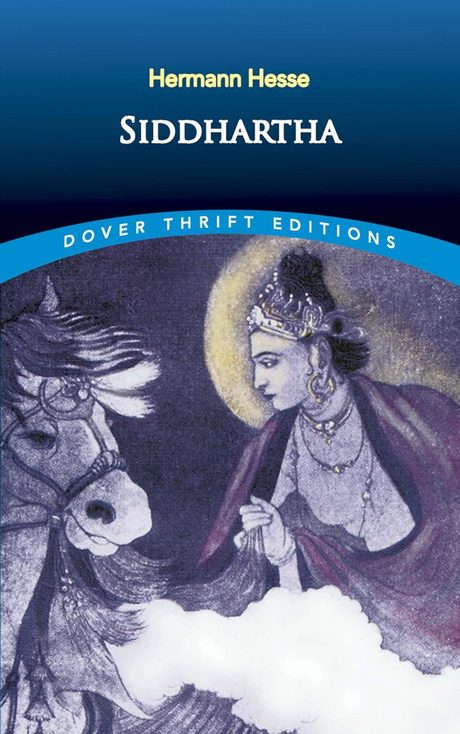
Siddhartha
Hermann Hesse1922about 114 pages
A young Brahmin walks out on everything holy to find out what he actually believes, and nobody in the book explains the moral to him.
Siddhartha is born into the priestly class in ancient India, is good at everything expected of him, and leaves anyway. He tries starving himself with the ascetics, meets the Buddha and politely declines to follow him, then goes the other way completely into money, a lover, rich food, boredom and self disgust. The last third is a ferryman and a river. Hesse wrote it in the early 1920s after his own collapse, and you can feel a man working something out rather than a teacher setting homework. It is short, the sentences are plain, and the wisdom stays inside the story where you have to go and fetch it yourself.
Why it is at 1
First because it does what The Alchemist promises and does it without making the promise. Same shape, a young man leaving home for something he cannot name, except Hesse never once tells you the lesson. If The Alchemist felt like a truth you were handed, this feels like a truth you found. Read it and you may not need the other thirteen.
Read it ifyou want the search without a narrator standing behind you explaining it
Skip it ifyou need plot, because almost nothing happens for pages at a time
spare, patient, quietly radicalBest for: readers who dislike being taughtclassicspiritual fictionshort novel
Pairs with: The Old Man and the Sea, if you want two books in a row that refuse to explain themselves
2
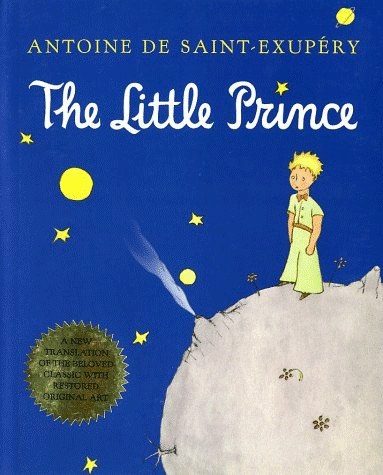
Sermon ratio 3/10
The Little Prince
Antoine de Saint-Exupery1943about 100 pages
A pilot crashes in the Sahara and meets a small boy from an asteroid who asks better questions than any adult you know.
A pilot goes down in the desert with a broken engine and eight days of water, and a child appears out of nowhere asking him to draw a sheep. What follows is the boy's account of the tiny planets he stopped at on the way here, each one run by a grown up locked inside a single habit, including a king with nobody to rule and a businessman counting stars he claims to own. Then comes the fox, and the rose, and a goodbye that hits harder than a book with pictures in it has any right to. Saint-Exupery flew mail planes over the Sahara before he wrote this, and the desert in it is a real desert.
Why it is at 2
Second because it is the shortest route to the feeling The Alchemist is chasing, and it gets there without a single guru speech. Yes, the fox does say the famous line out loud, which costs it the top spot. But the book spends sixty pages earning that line first, and earning it is the whole difference between a lesson and a slogan.
Read it ifyou want to be moved in ninety minutes flat
Skip it ifwhimsy irritates you or you need adult stakes to stay interested
tender, strange, sneakily sadBest for: one sitting on a bad dayfableclassicillustrated
3
Sermon ratio 0/10
The Old Man and the Sea
Ernest Hemingway1952about 68 pages
An old fisherman who has caught nothing for eighty four days hooks the biggest marlin of his life and then has to get it home.
Santiago has gone eighty four days without a fish and the village has quietly written him off. He rows out further than anyone sensible would, hooks a marlin longer than his boat, and the two of them hold on to each other for days while the line opens his hands. That is the entire plot. What makes it strange is how holy the thing feels while staying completely physical: salt, cramp, raw tuna eaten for strength, a boy waiting on the shore. Hemingway says nothing anywhere in it about what any of this means, which is exactly why people have been finding meaning in it for seventy years.
Why it is at 3
Third, and it is here as the antidote. If the preaching in The Alchemist made you itch, this is the same story about persistence and fate with the sermon surgically removed. It is also the hardest of the top three to love on a first read, because it hands you nothing to underline. Come back to it at a different age and it opens.
Read it ifyou want the meaning to stay under the surface where you found it
Skip it ifyou want somebody in the book to say the theme out loud
salt, sunburn, stubbornnessBest for: readers tired of being preached atclassicnovellafate
4

Sermon ratio 5/10
Man's Search for Meaning
Viktor E. Frankl1946about 168 pages
A psychiatrist survives the camps and writes down the one thing he saw keeping people alive, then explains the therapy he built out of it.
Frankl was a Viennese psychiatrist who spent the war inside concentration camps, Auschwitz among them, and lost almost his entire family. The first half is what he observed there: who broke, who did not, and why men who could still find a reason to get up outlasted stronger men who could not. The second half is a plain account of logotherapy, the practice he built around meaning rather than pleasure or power. It appeared in German in 1946 and in English more than a decade later. The prose is flat and completely unsentimental, which is what makes the first half impossible to put down.
Why it is at 4
Fourth, and the only book here where the sermon is fully paid for. Frankl does stop and lecture you, at length, for half the book. He is also the one author on this list who earned the right to. If the idea of a personal legend appealed to you in The Alchemist but felt weightless, this is that same argument with the floor taken out from under it.
Read it ifyou want the serious version of the find your purpose idea
Skip it ifyou cannot read about the Holocaust in your current state
clear, unsparing, steadyBest for: a hard monthmemoirpsychologymeaning
Heads up: concentration camps, mass death, suicide
5
Sermon ratio 3/10
Zorba the Greek
Nikos Kazantzakis1946about 336 pages
A bookish narrator hires a loud old workman to run a mine, and gets a running argument about how to be alive instead.
A young writer inherits a lignite mine on Crete and hires Alexis Zorba, an old labourer who plays the santuri, cooks, seduces, brawls and refuses to plan anything at all. The mine is a disaster from about the second week. The book is really the argument between the two of them: the man who reads about life set against the man who keeps walking straight into it. Kazantzakis writes Zorba as a weather system rather than a character, and the narrator as the version of ourselves we are embarrassed by. It is funnier than its reputation suggests and much harder at the end than you expect.
Why it is at 5
Fifth because it is the grown up cousin of the mentor scenes in The Alchemist. Melchizedek hands Santiago a lesson and disappears. Zorba stays, gets things wrong, drinks too much, and is still right. The book also refuses to let the wise man be tidy, and that refusal is the honesty most books in this genre skip over.
Read it ifyou want a mentor who is also visibly a mess
Skip it ifyou want a gentle read, since the attitudes to women date badly
loud, earthy, tragicBest for: readers who overthink everythingclassicgreecementor
Heads up: period attitudes to women, and a violent late sequence
6
Sermon ratio 2/10
Life of Pi
Yann Martel2001about 465 pages
A zookeeper's son survives a shipwreck in a lifeboat with a Bengal tiger, then asks you which version of the story you prefer.
Piscine Patel grows up in Pondicherry among his father's animals and, being a thorough boy, practises Hinduism, Christianity and Islam at the same time without seeing a problem. The family sells the zoo and sails for Canada. The ship goes down. Most of the book after that is a lifeboat, a tiger called Richard Parker, and survival worked out in such practical detail that you stop noticing how impossible it all is. Then the last twenty pages arrive and quietly turn the whole thing over. Martel is not selling belief here. He is showing you what it costs and what it does for you.
Why it is at 6
Sixth because it is the most enjoyable book on this list and the cleverest about faith. It sits under Hesse and Hemingway only because the philosophy is bolted on to an adventure novel rather than dissolved into one. As a first step out of The Alchemist for a reader who wants an actual story to hold, nothing else here beats it.
Read it ifyou want a proper story doing the carrying
Skip it ifanimal suffering on the page or an unreliable ending will annoy you
bright, brutal, playfulBest for: readers who want plotnovelfaithsurvival
Heads up: graphic animal death, cannibalism implied
7

Sermon ratio 10/10
The Prophet
Kahlil Gibran1923about 115 pages
Short sermons on love, work, children and death, from a man leaving a city that will not let him go quietly.
A prophet named Almustafa has lived twelve years in a foreign city and his ship has finally come for him. Before he boards, the people gather and ask him to speak, and he answers on marriage, children, giving, work, joy and sorrow, and around twenty other subjects. That is the whole structure. Gibran was a Lebanese American writer and painter, and the book reads like scripture written by somebody who loved scripture but wanted no religion attached to it. There is no plot and no argument in it, only cadence. You either fall into that rhythm by page three or you never do.
Why it is at 7
Seventh, and the only book here scoring a ten for preaching that I still place above six others. It is pure sermon, but it never once pretends to be a story, so you cannot accuse it of smuggling a lecture inside a fable. On children and on marriage it says things nobody has managed to say better in a hundred years.
Read it ifyou want language rather than plot to do the carrying
Skip it ifabstract wisdom writing makes you impatient within two pages
solemn, musical, agelessBest for: reading aloud at a weddingpoetrywisdomclassic
8
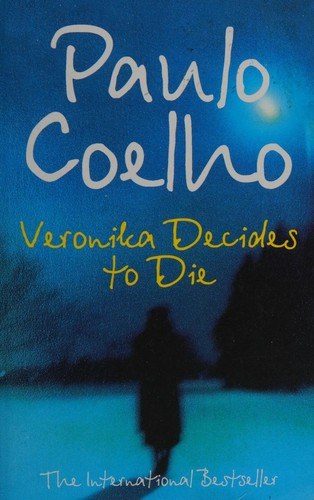
Sermon ratio 5/10
Veronika Decides to Die
Paulo Coelho1998
A young woman in Slovenia swallows the pills, wakes up in a mental hospital, and is told she has a week left.
Veronika has a decent job, a decent flat and no particular reason to continue, so she takes an overdose. She survives, and comes round in Villete, a psychiatric hospital, where a doctor informs her the attempt wrecked her heart and she has days to live. The rest is what she does with that week among people the outside world has filed away as mad. Coelho was committed to psychiatric institutions by his parents as a young man, and the anger in this book about who gets called crazy is clearly first hand. It is his sharpest novel and by some distance his least comfortable.
Why it is at 8
Eighth, and the highest placed Coelho on a list about a Coelho book, which tells you something. It has a real setting, real cruelty and characters who exist for reasons other than teaching the lead a lesson. The message still arrives right on schedule near the end, and that is what keeps it out of the top five.
Read it ifyou want Coelho with actual teeth in it
Skip it ifsuicide and psychiatric wards are not safe reading for you right now
cold, angry, humaneBest for: readers who found the fable too softnovelmental healthcoelho
Heads up: suicide attempt, psychiatric institutions, self harm
9
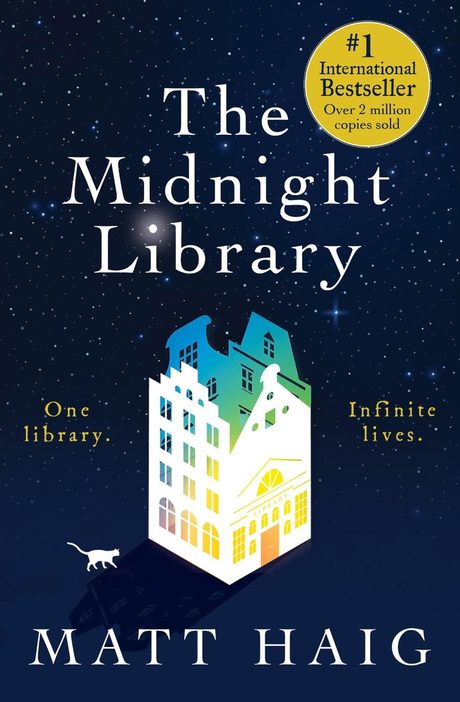
Sermon ratio 6/10
The Midnight Library
Matt Haig2020
Between life and death there is a library, and every book on its shelves is a life you could have lived instead of this one.
Nora Seed's life has narrowed down to almost nothing: cat gone, job gone, brother not speaking to her. She decides to end it and wakes in a library that sits between life and death, where a librarian starts handing her the lives she did not choose. She tries an Olympic swimming career, a rock star version, a stretch as a glaciologist, and discovers each one is a whole real life with its own bad Tuesdays rather than a fantasy. Haig writes clean fast modern sentences and has been open about his own depression, which shows in how carefully he handles Nora on her worst day.
Why it is at 9
Ninth because it is the best written of the modern comfort books and the most immediately useful to a reader who is genuinely low right now. It does state its moral plainly in the closing chapters, which reads to me as a choice rather than a failure. If you loved The Alchemist and want the 2020s version with a working plot, start right here.
Read it ifyou want warmth with a story attached to it
Skip it ifyou can spot a moral coming and then resent being told it anyway
warm, brisk, consolingBest for: a low weekcontemporarymental healthwhat if
Heads up: suicide, depression
10

Sermon ratio 7/10
Jonathan Livingston Seagull
Richard Bach1970about 112 pages
A seagull decides he would rather fly beautifully than fight over scraps, and his flock throws him out for it.
Jonathan is a gull bored by scavenging who becomes obsessed with flight itself: speed, dives, control right at the edge of what a bird can survive. The flock calls this irresponsible and casts him out. He keeps practising alone, meets gulls who have gone much further, and the book climbs from a story about mastery into something closer to a religious parable about souls and teachers. It is very short, printed with black and white photographs of gulls in most editions, and it was absolutely everywhere in the seventies. The first half is a great deal better than the second.
Why it is at 10
Tenth because it is the purest ancestor of The Alchemist, with the same flaws arriving forty years earlier. The opening section on practice and mastery is genuinely good and still quotable. The later part, where Jonathan becomes a teacher of teachers, is where most readers quietly put it down. Read the first half and stop there if you like.
Read it ifyou want the original version of the follow your calling story
Skip it iftalking animal parables about enlightenment make you wince
airy, earnest, datedBest for: forty minutes and some nostalgiafableclassicseventies
11
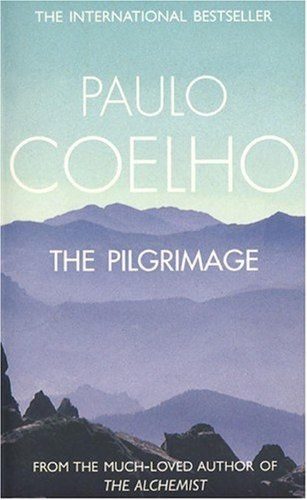
Sermon ratio 6/10
The Pilgrimage
Paulo Coelho1987about 276 pages
Coelho walks the Camino de Santiago with a guide, a sword he is not allowed to pick up, and a set of daily exercises.
This is the book Coelho wrote just before The Alchemist, and it is far closer to a memoir than a fable. He walks the old pilgrim road across northern Spain with a guide named Petrus, fails a ritual at the very start, and spends the whole route doing practices he is instructed to do, including a breathing exercise, a cruelty exercise and a speed exercise performed at half pace. Some of it is straight occult nonsense and he does not apologise for any of it. What makes it worth the time is the walking itself, the blisters and villages and long boredom, all of it reported honestly.
Why it is at 11
Eleventh because it is the only book here that shows you the machinery behind The Alchemist. Same author, same stretch of his life, except the seeker is Coelho himself and he is frequently tired, petty and wrong. The writing is rougher than the fable and the company is better. Skip it if what you liked about him was the polish.
Read it ifyou liked The Alchemist and want the true story version
Skip it ifmystical rituals and magic swords are one step too far for you
dusty, credulous, honestBest for: anyone planning a long walktravelmemoircoelho
Pairs with: Zorba the Greek, for the same argument told by someone with better jokes
12
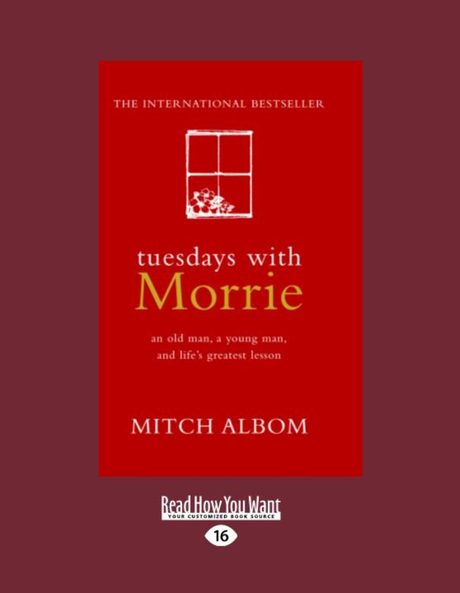
Sermon ratio 8/10
Tuesdays with Morrie
Mitch Albom1997about 198 pages
A sportswriter finds his old professor dying of motor neurone disease and drives out to see him every Tuesday until the end.
Mitch Albom lost touch with Morrie Schwartz, his college sociology teacher, and found him again on television, dying of ALS. He started flying in every Tuesday with a tape recorder running, and the book is those conversations sorted by subject: family, money, regret, forgiveness, death. A real man, a real illness, a real last class, and Morrie turns out to be very good company on the page. It is also engineered to make you cry and the engineering works on nearly everyone. Albom is a professional at this, and how much that bothers you will decide how you feel about the book.
Why it is at 12
Twelfth because the wisdom in it is other people's wisdom, collected and lightly buffed, and the book more or less admits that. It is warmer and more useful than the two below it. It sits this low because there is no resistance anywhere in it: every chapter arrives at exactly the answer you predicted when the chapter began.
Read it ifyou want a gentle book about dying well
Skip it ifyou distrust books that are built to make you cry
kind, tearful, tidyBest for: a gift for a parentmemoirgriefaphorisms
Heads up: terminal illness and death
13
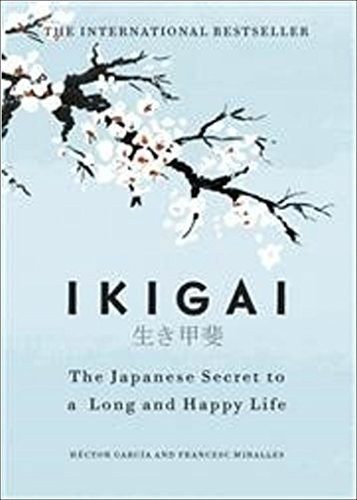
Sermon ratio 9/10
Ikigai: The Japanese Secret to a Long and Happy Life
Hector Garcia2016about 208 pages
Two Spanish writers go to Okinawa, ask very old people why they get out of bed, and turn the answers into a short handbook.
Hector Garcia and Francesc Miralles travelled to Ogimi in Okinawa, a village known for how long its residents live, and interviewed people in their nineties and beyond about food, routine, friendship and work. Around those interviews they assembled chapters on Japanese ideas of purpose, plus flow, plus some light gerontology and a set of exercises. It came out in Spanish in 2016 and reached English readers the year after, and it has been on airport tables ever since. The Ogimi reporting is the good part. Everything built around it is a competent summary of other people's research.
Why it is at 13
Thirteenth because it is the most useful of the greeting card books and still barely a book. The reporting from Ogimi is real and worth an hour of anyone's time. The flow chapter, the diagrams and the exercises you have already read under other covers. Buy it for the interviews with the old farmers, not for the concept on the jacket.
Read it ifyou want a one hour nudge plus some real reporting
Skip it ifyou have read anything else at all about habits or longevity
pleasant, thin, tidyBest for: a flight and a notebooknonfictionjapanpurpose
14

Sermon ratio 10/10
The Monk Who Sold His Ferrari
Robin Sharma1997about 240 pages
A burnt out lawyer sells everything, walks into the Himalayas, comes back with a system, and explains all of it over one long night.
Julian Mantle is a courtroom star who collapses in front of a jury, sells the Ferrari and the mansion, and goes to India looking for sages. He comes back to tell a former colleague what he learned, and the rest of the book is that telling: a fable about a garden, a lighthouse, a sumo wrestler and a rose, where every object stands in for a habit you are meant to adopt. Sharma is a Canadian former lawyer, the book first appeared in the late nineties, and it has been on Indian railway bookstalls ever since. It is a seminar in narrative form.
Why it is at 14
Fourteenth, last, and I want to be fair about the reason. As a delivery system for basic habits it works, and plenty of people in India started reading books at all because of this one. As a book it is a memory aid with a plot glued on, and every character exists only to hand Julian another metaphor. If The Alchemist explained too much for you, this explains without pausing.
Read it ifyou want the habits and genuinely do not mind the packaging
Skip it ifyou want a novel, because this is a seminar wearing one
brisk, instructive, airlessBest for: someone who never readsself helpfablehabits
Worth knowing
How the sermon ratio works
The ratio is my own mark out of ten and it measures one thing: how often the author stops the story to tell you what the story means. A zero means nobody in the book ever says the theme out loud. A ten means the book is entirely somebody explaining, with or without a plot arranged around it. It is not a quality score, which is why The Prophet scores a ten and still lands at seven.
That gap is the useful part. A high ratio only becomes a problem when the book is pretending to be a story. The Prophet and Ikigai are upfront about being instruction, so nobody is being tricked. The Monk Who Sold His Ferrari is a seminar with a sports car on the cover, and that distance between what it looks like and what it is bothers me more than the preaching ever could.
For calibration, The Alchemist itself sits at about a seven on this scale. Almost everyone searching for books like it is trying to move in one direction or the other, and now you can see which way each of these fourteen will take you.
Worth knowing
A note on translations
Seven of these fourteen were written in another language, across German, French, Greek, Portuguese and Spanish, and the edition you pick matters more than most people assume. The Little Prince has two well known English versions, the wartime one and a much later retranslation, and they sit differently in the mouth. Read the first page of both if a shop lets you.
The same goes for Siddhartha and Zorba the Greek, where the older English editions are wordier and the newer ones run cleaner. Neither approach is wrong. If you are buying blind online in India, the mainstream Penguin, Vintage and Fingerprint editions are easy to find and all fine, and any of them beats an unnamed print on demand copy with a stock photo pasted on the front.
People also ask
Questions, answered
What book is most similar to The Alchemist?
Siddhartha by Hermann Hesse, and there is not much competition. Both follow a young man who walks out of a comfortable, respected life to look for something he cannot name, both are short, and both are told in a calm fable voice. The difference is that Hesse never steps forward to explain what the journey means, so you finish carrying the question instead of the answer. If you want that same shape with more warmth and fewer pages, read The Little Prince instead.
Is The Alchemist actually a good book?
It is a very good book for the right moment and a thin one outside it. The story is clean, the voice is calm, and for a reader in their teens or early twenties who has never been told that their life belongs to them, it can land like a slap. Reread it at thirty five and you will notice how often it stops to explain itself. Neither reaction is the correct one. It is a book that depends almost entirely on when you meet it.
What should I read after The Alchemist if I did not like it?
Start with The Old Man and the Sea, then go to Life of Pi. Both deal in fate, endurance and belief without a single character stepping out to summarise the theme for you. If it was the mysticism rather than the preaching that put you off, try Man's Search for Meaning, which makes the same argument about purpose but comes from a man who tested it in the worst conditions a person can be put in.
Which of these books is the shortest?
The Little Prince and The Old Man and the Sea are the two you can finish in one evening, and both run well under two hundred pages in most editions. Jonathan Livingston Seagull is shorter still and can be done in under an hour, photographs included. Siddhartha runs a little longer but reads fast because the sentences are so plain. The heaviest time commitments on this list are Zorba the Greek and Life of Pi.
Are there Indian books like The Alchemist?
The honest answer is awkward: the closest match, Siddhartha, is set in ancient India and was written by a German. The Indian shelf in this space runs mostly to direct self help rather than fable, with Robin Sharma the obvious example. If you want Indian storytelling that carries philosophy without lecturing you, look at the mythology retellings by writers like Devdutt Pattanaik, which do a similar job through the Sanskrit epics instead of a shepherd boy.
Is The Alchemist a religious book?
No, although it borrows constantly. Coelho pulls from Catholic imagery, Sufi and Islamic sources, European alchemy and a general belief in omens, then blends all of it into something that belongs to no single tradition. That is a large part of why it travels so well across countries. Nothing on this list demands a faith either, with the partial exception of The Prophet, which sounds like scripture on purpose while carefully avoiding any actual doctrine.
Before you go
What to read tonight
If you want to start something tonight, take Siddhartha and read the first thirty pages before you sleep. It is the only book here that can replace The Alchemist rather than sit politely beside it. If you are torn between the top two, let mood decide: Hesse when you want to think, Saint-Exupery when you want to feel something and then go to bed.
And if you get through three or four of these and notice the fables starting to blur into each other, that blur is telling you something true. There are only so many ways to say that the life you want sits on the other side of a decision you keep postponing. At some point the reading stops being research and turns into avoidance. Close the book and go make the call.
Keep going
Lists that pair with this one
Books Like
13 Books Like The Midnight Library, Sorted by How Much Magic
Every book here gets a magic score out of 10, so you know before you start whether you are getting a cosy fantasy or a plain hard look at one ordinary life.
Mood & Life
16 Books About Existential Crisis, Gentlest to Heaviest
Ordered by how much weight each one puts on you at 2 a.m., starting with the ones that are safe to read tonight.
Mood & Life
20 Best Short Novels Under 200 Pages, Ranked by Length
Every book here is under 200 pages in the edition we link, and the list runs shortest first, so you can pick by the hours you actually have left tonight.
Mood & Life
Classic Books for Beginners: 21 Ranked Easiest to Hardest
Twenty one classics arranged on a four rung ladder, easiest first, so you finish the first one instead of abandoning it at page thirty.
Mood & Life
16 Self-Help Books That Actually Work (And 4 That Do Not)
I judged every one of these by a single test: six months after you finish, does anything change on an ordinary Tuesday?