16 Books to Read When You Are Single (None About Fixing You)
Sorted by what you actually need tonight: company, a story, or an argument. Nothing here treats being single as a condition.
By Bhavik SarkhediUpdated August 2026Covers and data: Google Books, Open Library
There is a specific hour, somewhere around eleven on a Sunday night, when being single stops being a fact about your life and starts being an opinion about you. It usually arrives after a wedding, a family lunch, or twenty minutes of scrolling. I wrote a novel about a man who can make four hundred strangers laugh and cannot say one honest sentence to the woman he likes, so I have spent a lot of time inside that hour.
This site used to run four thin lists on this topic and all four had the same thing humming underneath them: here is how to hold on until somebody picks you. I cut that. Every book here had to clear one test, which is that it does not treat being single as a problem waiting for a solution. That knocked out most of the dating-advice shelf and a few famous titles people will expect to see.
The other thing I have learned is that being alone and being lonely are separate problems that want different books, so this is a sort rather than a ranking. One to six are company, the books that sit in the room with you. Seven to eleven are stories, where somebody's single life is just the weather and the plot is the point. Twelve to sixteen are arguments that will change how you think about love and solitude. If you read one thing off this page, make it number twelve.
One rule above all the others: no book that treats being single as a defect. That removed the rules-based dating shelf and every title that reads a woman's thirties as a countdown clock.
Three shelves, because what people mean by this question is really three questions. I want company tonight. I want to think about something else. I want to understand what I am doing.
I kept the balance between Indian writers and everyone else roughly even, because rishta season is a specific kind of pressure and Bridget Jones does not cover it.
Every title was verified through Google Books and Open Library with a real cover and a real edition, and I have read all sixteen.
Books that go near depression, abuse or grief carry a content note. None of them is treatment, and I say that once in full below rather than pretending a novel can do a therapist's job.
How to Not Die Alone by Logan Ury nearly made it and lost on space rather than quality. If this list leaves you wanting one more practical book, that is the one.
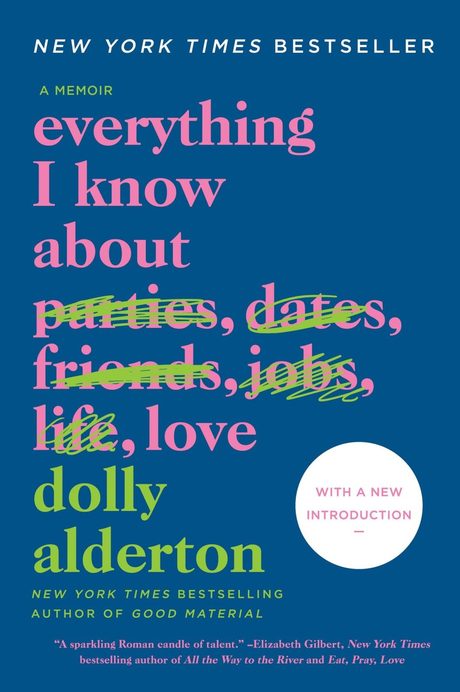
A memoir of your twenties in which the great love story turns out to be the friendships, not the men.
Alderton writes about her twenties in London: bad parties, worse boyfriends, a decade of instant messenger and morning-after taxis, and the friend she has loved longest, Farly. It is very funny for two hundred pages and then it stops being funny, because addiction, panic attacks and a best friend getting married are all in here too. The recipes and fake party invitations scattered through the book sound like a gimmick and are not. What lands hardest is her argument that the relationship she spent ten years underrating was the one holding her whole life upright.
Why it is at 1
First on the company shelf because it works fastest. Ten pages in you stop feeling like a case study and start feeling like somebody is sitting at the other end of the sofa. It is also honest about the ugly parts of being single in your twenties, the jealousy and the three in the morning searching, which is what separates it from the relentlessly cheerful ones.
Read it ifyou want a friend's voice more than an answer
Skip it ifyou have no patience for privileged London twenties, because there is plenty of it
warm, funny, then seriousBest for: a bad Sunday nightmemoirfriendshiptwenties
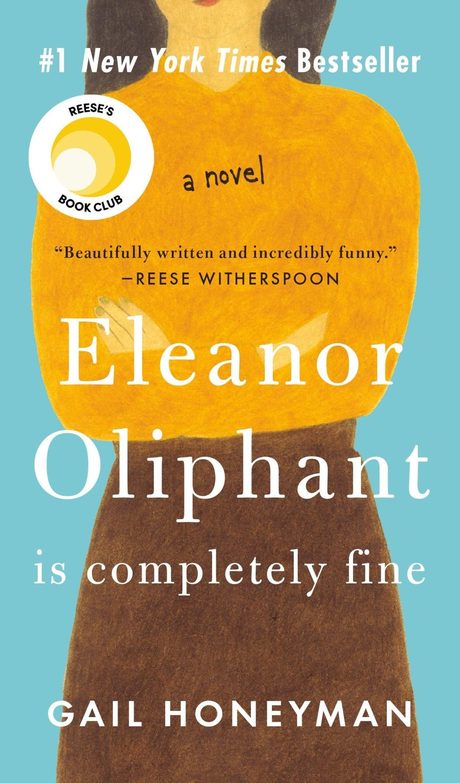
A woman with a sealed weekly routine decides she is in love with a singer she has never met, and then a colleague is kind to her.
Eleanor works in accounts, eats the same lunch every day, and drinks two bottles of vodka each weekend so that Monday arrives faster. She speaks to nobody except her mother on the phone, which is the worst conversation in the book. Then she fixes on a musician she has never met as her future, and separately, the IT guy at work starts including her in things. Honeyman writes Eleanor's narration so precisely that you laugh at her for fifty pages before you work out what you have been laughing at.
Why it is at 2
Second because it is the most accurate book here on the difference between choosing solitude and being sealed inside it. It sits below Alderton only because it is fiction, so the comfort takes longer to arrive. Fair warning that the internet sold this as a quirky feel-good novel, which is a lie. The middle is hard and the reveal reframes everything you found funny.
Read it ifyou have gone a whole weekend without speaking to anybody and recognised it
Skip it ifyou want light and quirky, because that is only the first act
funny, then devastatingBest for: loneliness you have not namedfictionlonelinesstrauma
Heads up: childhood abuse, a suicide attempt, alcohol dependence
Aisha is twenty-nine, runs guest relations at a Delhi five-star hotel, and her mother has begun forwarding profiles with frightening efficiency.
Aisha Bhatia lives with a flatmate, drinks too much on weeknights, and is under quiet constant siege from a mother who treats twenty-nine as a deadline. There is a man, an NRI who checks into the hotel, and the plot goes roughly where you think it will. The reason to read it is everything around the plot: the aunties, the matrimonial meetings, the office politics, the very specific Indian humiliation of a stranger at a wedding buffet asking about your marital status before your name.
Why it is at 3
Third, and the book I hand to Indian readers first, because the pressure it describes simply does not exist in Bridget Jones. Alderton's twenties are about choice. Aisha's are about a deadline other people set for her. It loses points for an ending that gives in to the exact thing the book spends three hundred pages mocking, and I am not going to pretend that is not annoying.
Read it ifyour relatives have opinions about your timeline
Skip it ifyou want the ending to hold the line the book takes
chatty, Delhi, funnyBest for: rishta season survivalindian fictiondelhicomedy
The book that built the modern single-woman voice, and it is much funnier on the page than the film managed.
Bridget counts calories, cigarettes and alcohol units at the top of every diary entry, works in publishing, fancies her boss, and dreads the dinner parties where a smug married couple always asks how her love life is coming along. The book is built from short entries, so it fits neatly into the ten minutes before sleep. Underneath the comedy there is a real portrait of a woman being appraised constantly by everybody in the room, which is why it outlived the decade it was making fun of.
Why it is at 4
Fourth because it is nearly thirty years old and still the sharpest thing written about the tone people use when they ask why you are alone. It sits under the three above on emotional weight, which it never wanted, and above everything else on pure company: short entries, big laughs, nothing demanded of you at all.
Read it ifyou want to laugh at the questions people keep asking you
Skip it ifweight and calorie talk on every page will get under your skin
silly, sharp, comfortingBest for: ten minutes before sleepcomedyclassicdiary
Heads up: relentless calorie counting and 1990s attitudes to body image
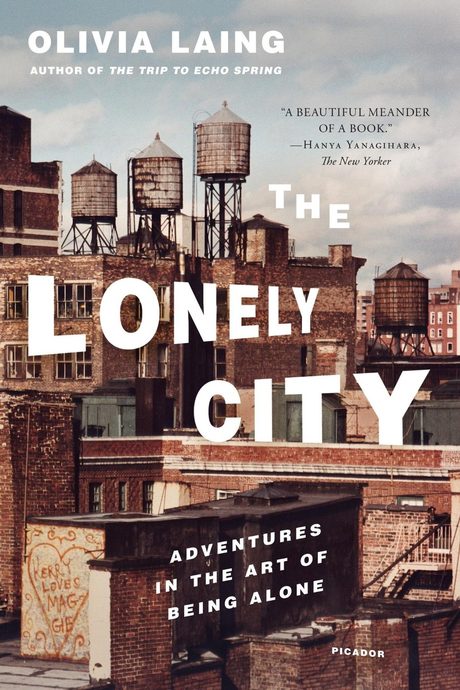
Laing moves to New York after a breakup, gets properly lonely, and goes looking for the feeling in the work of Hopper, Warhol and others.
This is part memoir and part art criticism, and it works because Laing is honest about her own state before she is clever about anyone else's. She arrives in New York alone, finds herself unable to speak to another person for days at a stretch, then studies artists who lived inside the same condition: Edward Hopper's windows, Andy Warhol's tape recorder, David Wojnarowicz on the piers, Henry Darger in his rented room. Her real argument is that loneliness is a common human experience which shame turns into a private secret.
Why it is at 5
Fifth, and the book that will stop you apologising for the feeling. It sits here rather than higher because it asks more of you than the four above it. This is a book for your full attention, not for a bus. If you have ever felt lonelier in a crowded city than you ever did at home, start here and take your time.
Read it ifyou want your loneliness taken seriously rather than solved
Skip it ifyou want warmth, because Laing walks towards the difficulty and not away
cool, intelligent, sadBest for: loneliness in a big citynonfictionartloneliness
Heads up: the AIDS crisis, institutional confinement, gun violence
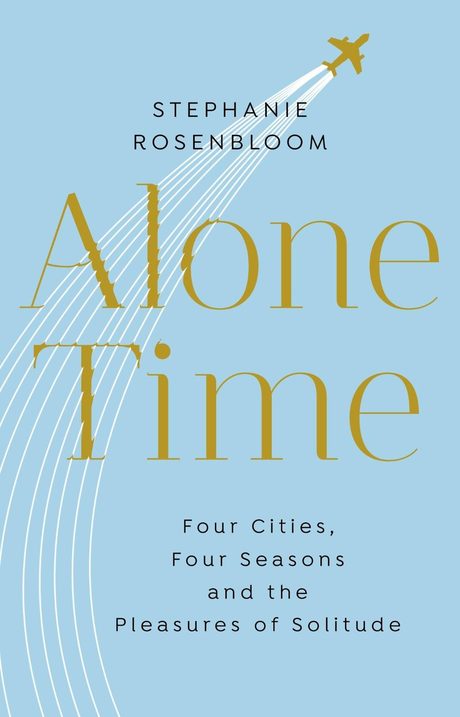
Four seasons in four cities, travelled alone on purpose, by a writer who treats solitude as a skill you can get better at.
Rosenbloom, a travel writer, takes Paris in spring, Istanbul in summer, Florence in autumn and New York in winter, alone by choice, and pays attention to what actually happens on those trips: the table for one, the museum at your own speed, the way food tastes when nobody is talking across it. She brings in research on attention and savouring, but the useful parts are practical. How to eat alone without using your phone as a shield. Where solitude tips over into something harder, and what to do at that point.
Why it is at 6
Sixth and last on the company shelf, because it treats being alone as a practice rather than a phase you are passing through. If you are already fine and only tired of being asked about it at family functions, start here. The travel is a frame, so do not expect a guidebook, and the research chapters are the weakest part of an otherwise practical book.
Read it ifyou like your own company and want to get better at it
Skip it ifyou want emotional depth, because this stays on the surface by design
calm, curious, practicalBest for: learning to travel alonetravelsolitudenonfiction
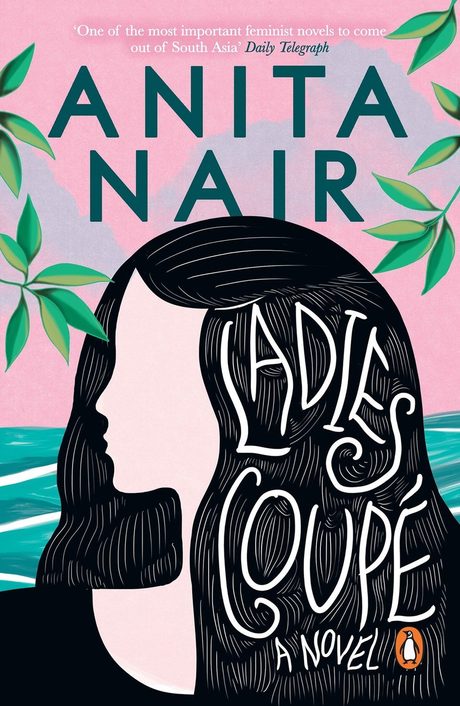
Akhila, forty-five and unmarried, buys a one-way ticket to Kanyakumari and asks five women in her compartment whether a woman can live alone.
Akhilandeswari has spent her life as the daughter, the sister, the aunt and the earner since her father died, and one evening she boards a train south without asking anybody's permission. In the ladies coupe she puts a single question to the five women sharing it, and each answers with her own life: a woman married since her teens, a chemistry teacher whose husband needs to win every exchange, a schoolgirl, a woman whose life has been much harder than the rest. Some answers support Akhila. Several do not, which is the point.
Why it is at 7
Seventh and the top of the story shelf, because it is the only novel here that asks the question outright and then refuses to settle on one answer. The frame is a touch neat and two of the inner stories outclass the others, but the last fifty pages had my full attention. If you are an Indian woman past thirty and tired of the conversation, read this one.
Read it ifyou want the question asked in an Indian setting with no tidy answer
Skip it ifyou dislike stories nested inside a frame narrative
questioning, warm, southernBest for: a long train rideindian fictionwomentrain
Heads up: child marriage, sexual abuse, marital rape
A genetics professor designs a sixteen-page questionnaire to find a wife, then meets a woman who fails every single question.
Don Tillman schedules his life to the minute, teaches genetics, and decides the efficient route to a partner is a very long screening questionnaire. Rosie smokes, arrives late, drinks, and is busy trying to identify her biological father, so she fails the screening immediately and gets a completely different project instead. The comedy comes from Don's narration, which reports social disasters with total seriousness and no idea they were disasters. It is a romcom built with an engineer's structure, and it is properly funny rather than merely pleasant.
Why it is at 8
Eighth because when you want to stop thinking about your own situation for four hours, this is the most reliable book on the page. Lighter than Ladies Coupe and better plotted than anything else on this shelf. Worth knowing that the book never names a diagnosis for Don and readers disagree about how well it treats him, so go in with your eyes open.
Read it ifyou want a romcom that is genuinely funny and moves quickly
Skip it ifcomedy built on a character's social difficulties makes you uncomfortable
bright, clever, briskBest for: a two-day mood liftromcomcomedyaustralia
A junior advertising executive is declared lucky for the Indian cricket team, and the captain who refuses to believe it is the problem.
Zoya Singh Solanki was born at the exact moment India lifted the 1983 World Cup, which turns into a national story when the current team keeps winning after breakfast with her. She becomes a mascot, a brand and a headline, while the captain, Nikhil Khoda, will not believe in luck and is extremely irritating about it. Chauhan writes the funniest dialogue in Indian commercial fiction, with a Delhi Punjabi family talking over each other on every second page, and the cricket is accurate enough to satisfy people who actually watch it.
Why it is at 9
Ninth and the pure entertainment slot. Zoya is single, has a family loudly invested in changing that, and the book has no interest in fixing her, which is how it clears my one rule. It sits below the two above because the middle runs longer than it needs to, though the family scenes are worth the extra hundred pages on their own.
Read it ifyou want a big, funny Indian romcom with real cricket in it
Skip it ifyou want something short, because this runs past four hundred pages
loud, funny, DelhiBest for: a long weekendromcomcricketindian fiction
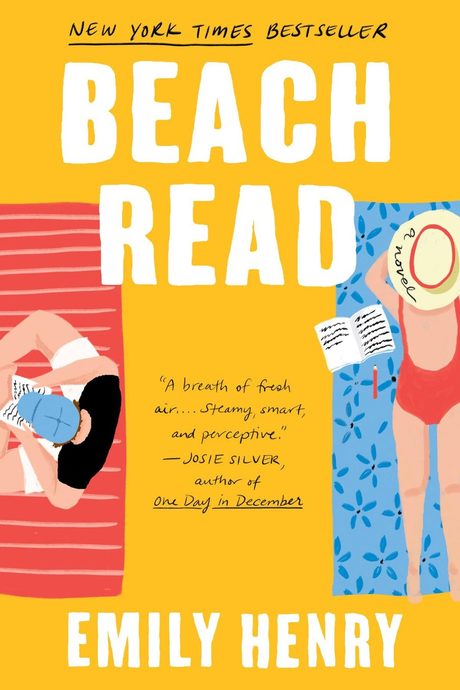
Two writers with opposite careers end up in neighbouring beach houses and dare each other to swap genres for the summer.
January writes happy love stories and has stopped believing in them since her father died and left a secret behind. Gus writes bleak literary fiction and thinks happy endings are dishonest. They were rivals in college, they are now neighbours in a small Michigan town, and they make a bet: she writes the depressing book, he writes the romance, and each takes the other on research trips. Henry is far sharper about grief and about writing itself than the cover leads you to expect, and the banter holds up on a second read.
Why it is at 10
Tenth because it is the most modern comfort read here and the one most likely to be in every feed you have already scrolled. It earns the place with the grief plot, which is real and not decoration. Ranked under Zoya only because the setup is a shade too neat, and because that cover has convinced a lot of people the book is lighter than it is.
Read it ifyou want romance with an actual argument running inside it
Skip it ifyou are avoiding books about losing a parent
sunny, sad, flirtyBest for: two nights of comfortromancegriefbooktok
Heads up: parental death, grief, an affair in the backstory
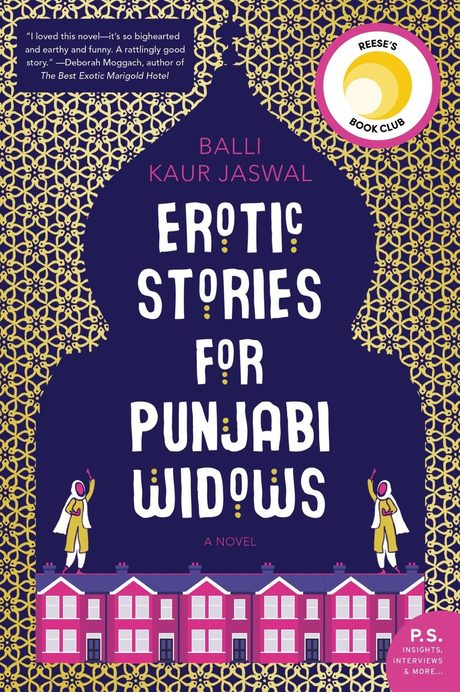
A young British Punjabi woman takes a teaching job in Southall and discovers her elderly students want to write about desire.
Nikki has dropped out of law, works behind a pub bar, and takes a creative writing job at the Sikh community centre in Southall mostly to keep the peace at home. She expects a basic English class. The widows who turn up want to tell each other stories about sex and longing, in Punjabi, and Nikki becomes the scribe for a project that scandalises the neighbourhood. Under the comedy sits a serious plot about a young woman's death and the men who appoint themselves guardians of everyone else's behaviour.
Why it is at 11
Eleventh and the last story on the shelf, and the one that surprised me most. It is funny, it is about widows and unmarried daughters who have been written off, and it takes a woman's desire seriously at every age. It runs longer than it needs to and the mystery subplot strains, but I would still hand it over first at a family function and enjoy the silence.
Read it ifyou want humour and heat plus real teeth about community control
Skip it ifexplicit sexual content in a book you might read on a train is a problem
funny, warm, defiantBest for: a book club argumentdiasporacomedydesire
Heads up: explicit sexual content, an honour killing, coercive control
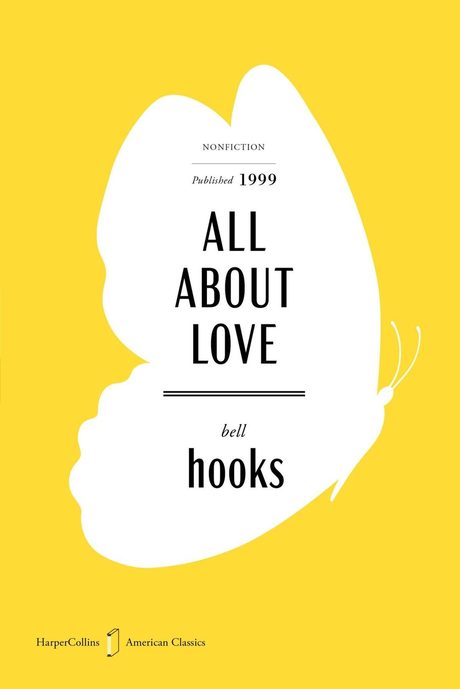
hooks argues that love is a set of actions rather than a feeling, and that most of us were taught a version that cannot work.
hooks begins from a definition she borrows from M. Scott Peck, that love is the will to extend yourself for another person's growth, and then applies it everywhere: to parents, to friendship, to romance, to the way boys are raised out of the ability to name what they feel. She is direct, occasionally repetitive, and unusually willing to write about her own failures at this. The chapters on honesty, and on how children learn that love arrives attached to punishment, are the ones people are still quoting years later.
Why it is at 12
Twelfth, at the top of the argument shelf, and the one book I would keep if the page were burning. It is useful while you are single precisely because it moves the focus off finding somebody and onto what you would actually be doing if you did. Yes it repeats itself and the prose is plain, and none of that matters next to what it fixes in your head.
Read it ifyou want to rethink what you are even looking for
Skip it ifyou want research and citations rather than argument and lived experience
direct, moral, clarifyingBest for: rethinking the whole thingnonfictionlovephilosophy
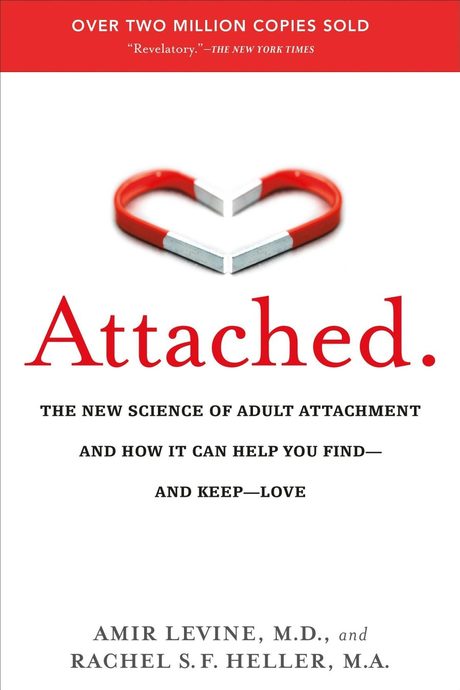
The book behind every attachment style post you have scrolled past, and it is far more careful than the posts are.
Levine, a psychiatrist, and his co-author Rachel Heller lay out adult attachment theory in three styles: anxious, avoidant and secure. The central claim is that your need for closeness is not a weakness to be trained out of you, and that a great deal of dating misery comes from anxious and avoidant people finding each other again and again. There are quizzes, scripts for hard conversations, and a pile of case studies. It has the shape of a self-help book, so expect repetition, but the framework is genuinely useful for reading your own history.
Why it is at 13
Thirteenth because it is the most practical book here and also the most misused. Social media has flattened attachment theory into star signs for relationships, and going back to the source stops you doing that. It sits under hooks because its goal is a good relationship rather than a better understanding of love, and because the research is more contested than its confident tone admits.
Read it ifyou keep repeating one pattern and want a name for it
Skip it ifyou dislike self-help structure, quizzes and case studies
practical, clinical, usefulBest for: before your next relationshippsychologyattachmentself-help
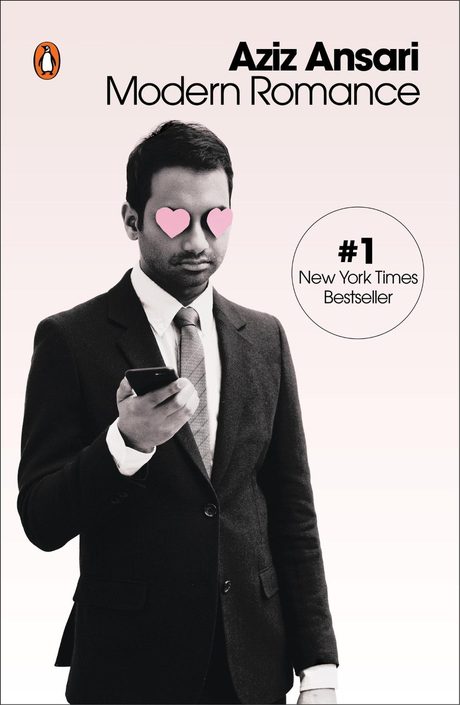
A comedian works with a sociologist to find out why meeting someone got harder exactly when it should have got easier.
Ansari teamed up with the sociologist Eric Klinenberg, ran focus groups, and looked at how people date in New York, Tokyo, Buenos Aires and Doha. The finding that stayed with me is generational: an older generation often married somebody from their own building or street, while we search a whole country's worth of options and end up less certain than they were. There are chapters on texting, on having too much choice, and on the gap between what people say they want and who they actually message.
Why it is at 14
Fourteenth because it explains the machinery you are standing inside without telling you what to do about it, which is a relief after two prescriptive books. The data is a decade old now and the apps have got worse since, so read it as a map of how we arrived here. There is no India chapter, which is a real gap for readers on this site.
Read it ifyou want an explanation for why the apps feel so tiring
Skip it ifyou want current data, because this is a snapshot of 2015
funny, curious, datedBest for: one afternoonnonfictiondatingsociology
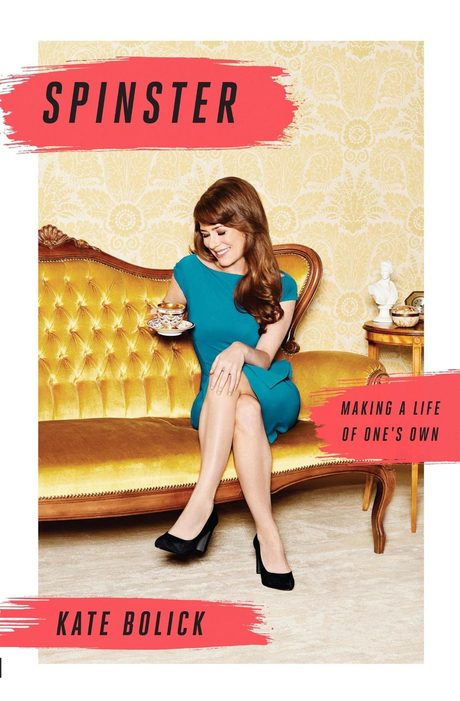
A memoir that keeps company with five dead writers who built lives without husbands, and asks what they understood.
Bolick spent her thirties in New York unmarried, and instead of a straight memoir she braids her own life with five women she calls her awakeners: Maeve Brennan, Neith Boyce, Edna St. Vincent Millay, Edith Wharton and Charlotte Perkins Gilman. The pull is the double vision. You get her real relationships and doubts alongside women who faced the same question a century earlier with far fewer options and answered it anyway. The word spinster gets picked up and examined here rather than simply thrown away.
Why it is at 15
Fifteenth, and the most literary book on this shelf. It ranks here rather than higher because Bolick's own life is comfortable enough that her stakes can feel low, and because the historical chapters are stronger than the personal ones. Even so, no other book on the list connects your current situation to a hundred years of women asking exactly the same thing.
Read it ifyou like history and biography folded into a memoir
Skip it ifyou want practical advice, because there is none of it here
literary, wandering, historicalBest for: a slow weekend readmemoirhistorywomen
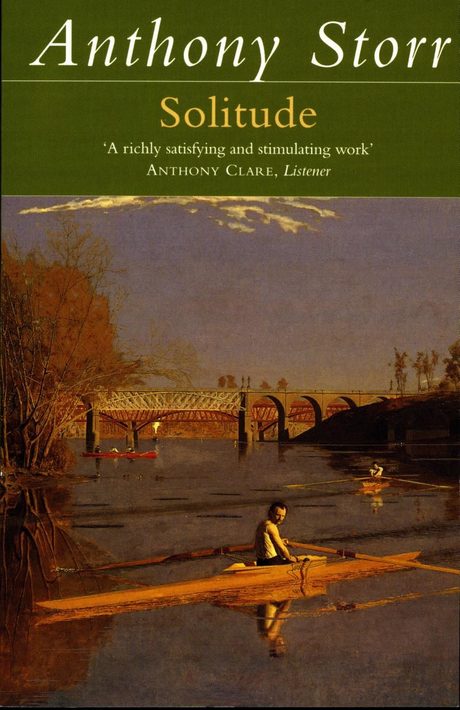
A psychiatrist argues that the capacity to be alone is a sign of health rather than a symptom, and brings the evidence with him.
Storr wrote this against a therapeutic culture that had made intimate relationships the only accepted measure of a good life. He works through people who did their best thinking alone, through what enforced isolation actually does to us, through mourning, imagination, and the way a child develops the ability to be by themselves without anxiety. It is a book from 1988 and reads like one: measured, slightly formal, heavy on writers and composers. The central claim has aged better than most psychology of that decade.
Why it is at 16
Sixteenth and the oldest book here, kept for last on purpose. It is the least comforting and the most convincing thing on the page. If you are tired of being told that a complete life requires a partner, this is a psychiatrist patiently explaining that the evidence does not support the claim. The examples lean heavily on famous male artists, which is the book's clearest limitation.
Read it ifyou want a serious case that a life alone is a whole life
Skip it ifyou want a modern voice, because this is careful 1980s prose
measured, learned, bracingBest for: settling the question yourselfpsychologysolitudeclassic
Most lists like this one carry a hidden promise: read these and become the person somebody finally chooses. I cut every book that carried it. Out went the rules-based dating shelf, the titles that read a woman's thirties as a countdown, and the ones selling contentment as a stage you pass through on the way to a wedding. What is left treats a single reader as a whole person who happens to be single.
Two books look like they break the rule and do not. Attached at thirteen and Modern Romance at fourteen are both about relationships, and neither one suggests something is wrong with you. One explains a pattern, the other explains a market. That distinction is the entire test.
Worth knowing
Alone and lonely are not the same problem
You can be lonely in a full house and perfectly content in an empty flat. The two feel similar at two in the morning and they want completely different books. If the ache is about missing a particular person or feeling unseen, shelf one is yours, and Olivia Laing at five is the sharpest thing I have read on it. If you like your own company and only feel strange about it when other people bring it up, go straight to shelf three, where Storr and hooks will hand you better arguments than your relatives have.
One thing I would rather say plainly than bury in a footnote: none of these books is treatment. Eleanor Oliphant, The Lonely City and All About Love all go near depression, abuse and long loneliness, and they can make you feel less alone inside it. They cannot do what a therapist does. If you are in the deep end, use both, and start with the therapist.
Worth knowing
A reading order, if you want one
If you are freshly single and it hurts, read one, then seven, then twelve. Company first to get through the week, a story next to get your nights back, an argument last when you have the energy to be challenged.
If you have been single for years and are mostly happy, invert it. Start at sixteen, then six, then eleven. You are not shopping for comfort, you are looking for language for a position you already hold, and Storr gives you that in about four hours.
People also ask
Questions, answered
What should I read when I am single and lonely?
Start with Everything I Know About Love by Dolly Alderton for immediate company, then The Lonely City by Olivia Laing if you want the feeling taken seriously rather than cheered away. Alderton works fast, the way a friend talking to you works. Laing works slowly and is the better book for loneliness that has been sitting with you for months rather than days. Read the first at night and the second in daylight.
Are there good books about being single that are not self-help?
Most of this list is not self-help at all. Six of the sixteen are novels, three are memoirs, and the nonfiction here argues rather than instructs. If you want zero advice of any kind, read Ladies Coupe by Anita Nair, The Rosie Project by Graeme Simsion, or Erotic Stories for Punjabi Widows by Balli Kaur Jaswal. All three have single characters at the centre and none of them is a lesson wearing a novel's clothes.
Which book about being single should an Indian reader start with?
Almost Single by Advaita Kala, because it is the only book here written from inside the exact pressure of an Indian family with an opinion about your marital status. After that, Ladies Coupe by Anita Nair, which asks whether a woman can live alone in India and answers it six different ways from six women in one train compartment. Both are quick reads and both will be recognised instantly by anybody who has sat through a rishta meeting.
What is the best book about love to read when you are not in a relationship?
All About Love by bell hooks, and being single is honestly the best time to read it. Her argument is that love is something you do rather than something that happens to you, which is far easier to absorb when you are not busy defending a particular relationship to yourself. Most people finish it with a shorter list of things they will put up with and a longer list of what they want to offer.
Do romance novels make being single feel worse?
Not the good ones. A romance where the single character is a full person before anybody shows up tends to leave you feeling better. The ones that sting are the ones where love arrives as a reward for finally deserving it, since that is the story most single people are already telling themselves at two in the morning. Beach Read and The Zoya Factor are here because their heroines have jobs, opinions and lives that never pause.
Before you go
What to read tonight
If you take one thing off this page tonight, take the shelf rather than the book. Ask which of the three you actually need at this hour: somebody in the room, somewhere else to be, or a better argument than the one your family keeps making at lunch. Pick from that shelf and stop scrolling.
And if you have been single long enough that the question has stopped being interesting, read Storr at sixteen and then say nothing about it to anybody. Some positions do not need defending, they need better footing. The next family lunch will happen anyway. You will simply be less available for that particular conversation.