There is a particular frustration in loving music and having nothing to say about it. You put on a song you have heard four hundred times, something happens in your chest at the same second every single time, and the best sentence you can produce afterwards is that it hits.
Books fix that, but only if you pick the right one. A book on the neuroscience of pitch will not tell you what it feels like to be nineteen and in a band with your only friend. A rock memoir will not tell you why your brain replays the same eight bars at two in the morning. Most lists on this subject just pile them together and let you find out the hard way.
So this one is grouped by the question you actually walked in with. Why does a song get stuck in me, how is one built, what does it cost the person who makes it, and where did this sound come from. Three of the thirteen are Indian, two are fiction and marked as fiction, and every entry tells you whether to read it with the playlist on or off, because one of these books is nearly useless in silence and two of them are ruined by sound.
The order runs one to thirteen by reach, meaning how many people the book will genuinely work for, not by how much I admire it. The book I admire most is at ten.
How I picked these
- One question per book. Where two books answered the same question, the more readable one stayed and the other went into the closing notes.
- Books about listening and making, not just about being famous. Half the music memoirs in any shop are tour diaries with a ghostwriter attached, and none of those are here.
- Three Indian books, because the film song and the raga are the two systems most of my readers grew up inside, and lists written in English usually pretend neither exists.
- Cut with regret: Bob Dylan's Chronicles Volume One, a lovely book that quietly assumes you already live inside Dylan's world, and David Mitchell's Utopia Avenue, a fun band novel wearing a very long coat.
- Everything verified through Google Books and Open Library, with real editions and real covers, and no invented sales or chart claims anywhere on this page.
The whole list at a glance
All 13 books, in order
| # | Book | Author | Year | Vibe | Best for |
|---|
| 1 | This Is Your Brain on Music | Daniel J. Levitin | 2006 | curious, patient, clear | curious general readers |
| 2 | Musicophilia | Oliver Sacks | 2007 | gentle, strange, humane | dip in and out reading |
| 3 | How Music Works | David Byrne | 2012 | brainy, playful, digressive | musicians and makers |
| 4 | Just Kids | Patti Smith | 2010 | tender, formal, romantic | anyone starting out at anything |
| 5 | Life | Keith Richards | 2010 | funny, gruff, unrepentant | guitar players |
| 6 | Set the Boy Free | Johnny Marr | 2016 | warm, practical, unspiteful | guitarists and songwriters |
| 7 | The Music Room | Namita Devidayal | 2007 | intimate, wistful, Bombay | Indian classical curiosity |
| 8 | R.D. Burman: The Man, The Music | Anirudha Bhattacharjee | 2011 | detailed, affectionate, technical | Hindi film music obsessives |
| 9 | Bollywood Melodies | Ganesh Anantharaman | 2008 | orderly, fond, useful | film song beginners |
| 10 | The Rest Is Noise | Alex Ross | 2007 | erudite, vivid, long | readers with a month |
| 11 | Meet Me in the Bathroom | Lizzy Goodman | 2017 | loud, messy, addictive | indie rock nostalgia |
| 12 | High Fidelity | Nick Hornby | 1995 | funny, sharp, male | one weekend |
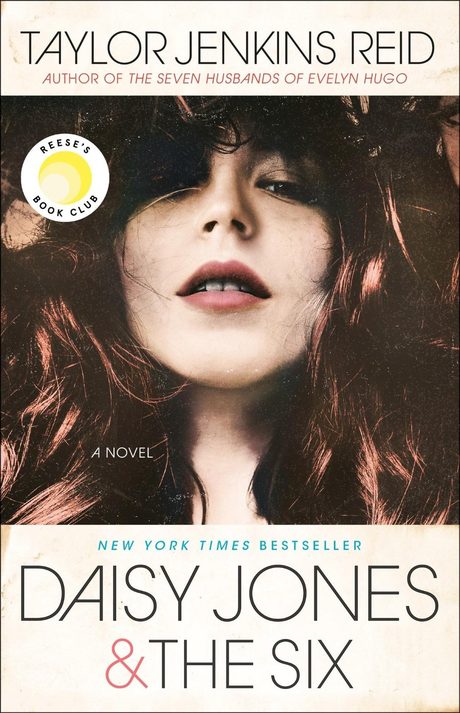
| 13 | Daisy Jones and the Six | Taylor Jenkins Reid | 2019 | fast, glossy, warm | readers who want easy |
The list
The books, ranked
1
Why a song sticks, listen along
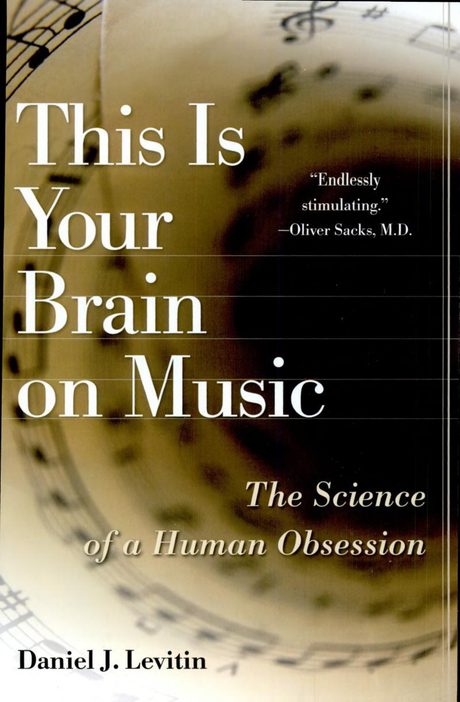
This Is Your Brain on Music
Daniel J. Levitin2006about 330 pages
A record producer who retrained as a neuroscientist explains what your brain is doing while a song plays.
Levitin worked as a producer and engineer before he trained as a cognitive psychologist, so the book moves between studio and lab without either voice sounding borrowed. He starts with the raw materials, pitch, timbre, rhythm and metre, then builds up to the trick that runs the whole system: music sets a pattern in your head and then plays games with your prediction of it. There are chapters on why we like what we like, why the music of your teens gets welded to you for life, and what musical expertise actually consists of. He uses real songs as examples throughout, so keep a queue running.
Why it is at 1
First because it changes ordinary listening more than anything else here, and it does it in language you can follow on a crowded train. The examples lean on western pop of a certain vintage, so a few will fly past younger readers. What he explains still applies to whatever is playing on your phone right now.
Read it ifyou want to understand your own listening
Skip it ifyou want stories about musicians rather than science
curious, patient, clearBest for: curious general readersneurosciencelisteningscience
2

Why a song sticks, read in silence
Musicophilia
Oliver Sacks2007about 474 pages
Case studies from a neurologist who met people struck by lightning into music, and people whose brains play songs without stopping.
Sacks collected the strange edges of the musical brain. A surgeon hit by lightning who suddenly needed to play the piano. People living with music hallucinated at full volume. A musician whose memory lasts seconds and who can still conduct a choir from beginning to end. Patients with Parkinson's who cannot start walking until the right rhythm arrives. Each chapter is a short case handled with a doctor's care and no laboratory jargon, and together they make an argument he never has to state: music is wired into more parts of us than anyone expected, including parts that keep working after memory has gone.
Why it is at 2
Second because it is the human companion to Levitin's mechanics. He tells you how the machine works, Sacks shows you what happens when the wiring shifts. Read this one in silence, since the cases want your attention and a track in your ears will compete for it. Several chapters repeat their shape, so dipping in and out is a perfectly good way to read it.
Read it ifyou like medical stories and human oddity
Skip it ifyou want practical listening advice
gentle, strange, humaneBest for: dip in and out readingneurologycase studiesscience
Heads up: illness, dementia, hallucination
3
How a song is built, listen after
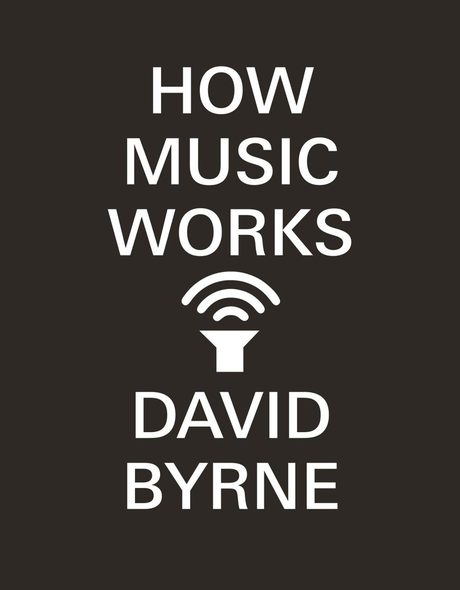
How Music Works
David Byrne2012about 455 pages
The Talking Heads frontman argues that music is shaped by the room it was made for, and mostly proves it.
Byrne opens with the claim that music does not descend from genius, it fits its container. African music built for open air and many voices, Bach for a stone church with a long decay, CBGB songs for a loud narrow bar, dance records for a club system with a subwoofer. From there he covers his own career, how recording rewired what a song even is, what a record deal actually pays out, and how scenes assemble themselves. It wanders, and the business chapters read like notes from a very sharp consultant, which some readers enjoy more than the theory.
Why it is at 3
Third because it hands you an argument you can apply to every song you hear afterwards, rather than an appreciation you can only nod at. It is also the most useful book here for anyone who makes anything at all. The structure meanders and the last third is more industry than music, which is why it sits below the two science books.
Read it ifyou make things and want a theory of context
Skip it ifyou want a Talking Heads memoir, because this is not one
brainy, playful, digressiveBest for: musicians and makerscraftindustryessays
4
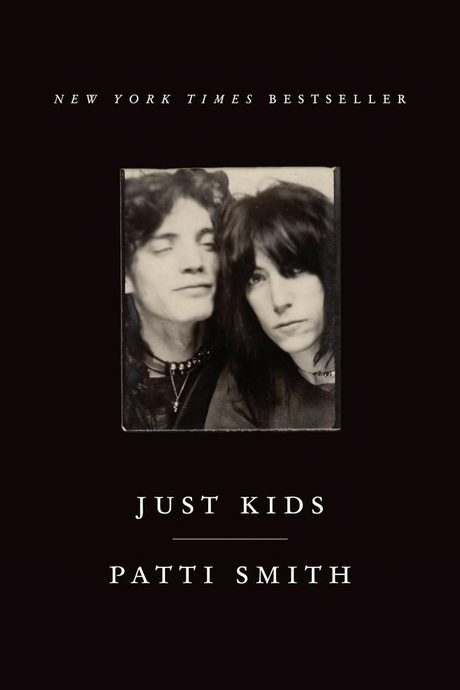
What it costs to make it, read in silence
Just Kids
Patti Smith2010about 310 pages
Patti Smith and Robert Mapplethorpe, broke in New York, deciding to be artists long before either of them knew how.
Smith arrives in New York in 1967 with nothing, meets Mapplethorpe almost by accident, and the two of them live on stolen bread and a shared coat while working out what they are going to be. The Chelsea Hotel, Max's Kansas City, the slow drift from poetry into a band with a guitar behind it. She wrote the book because she promised him she would, while he was dying, and that promise sits under every page. Her prose is formal and old fashioned, closer to a nineteenth century memoir than to rock writing, and it contains the most careful sentences on this list.
Why it is at 4
Fourth because it answers something no science book can reach: what the years before anything happens actually feel like, when you are twenty two and broke and completely certain. Music arrives late in the story, and that delay is the point of the book. If you came for stage anecdotes you will be restless for the first hundred pages.
Read it ifyou want the making of an artist rather than a career
Skip it ifyou want tour stories and studio gossip
tender, formal, romanticBest for: anyone starting out at anythingmemoirnew yorkart
Heads up: terminal illness and the death of a close friend
5
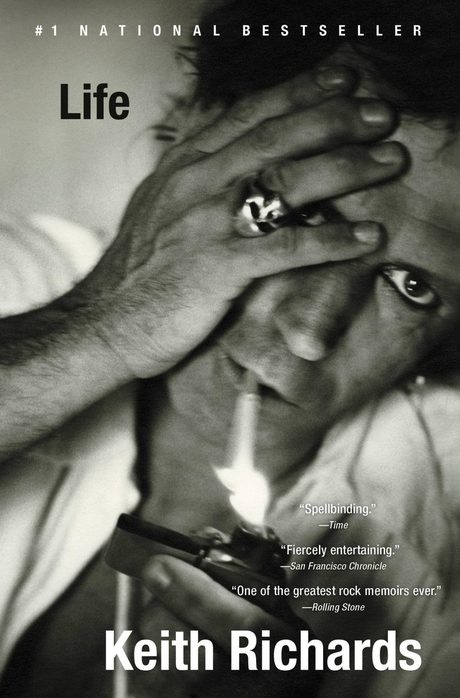
What it costs to make it, listen along
Life
Keith Richards2010about 379 pages
The Rolling Stones guitarist on riffs, drugs, arrests and the exact tuning that produced his sound.
Richards talks for five hundred pages, with James Fox shaping the result, and the surprise is how technical he gets. The best stretches are about the music itself: the five string open G tuning behind Honky Tonk Women and Start Me Up, the blues records he learned by ear in a cold flat, the way he and Charlie Watts locked together and stayed locked for forty years. Around that sits the life you already half know, the heroin years, the arrests, the long feud with Mick Jagger, told with very little apology. He is funny, unbothered and sometimes unfair.
Why it is at 5
Fifth because it is the most entertaining book here and the guitar chapters are the real thing, an old craftsman explaining his tools to anyone who will sit still. It is also long, repetitive in the middle, and entirely his version of other people rather than the record. Read the music sections twice and skim the seventies.
Read it ifyou want a great talker and some genuine guitar detail
Skip it ifdrug memoirs bore you, or you want fairness to everyone involved
funny, gruff, unrepentantBest for: guitar playersmemoirrockguitar
Heads up: heavy drug use, addiction
6
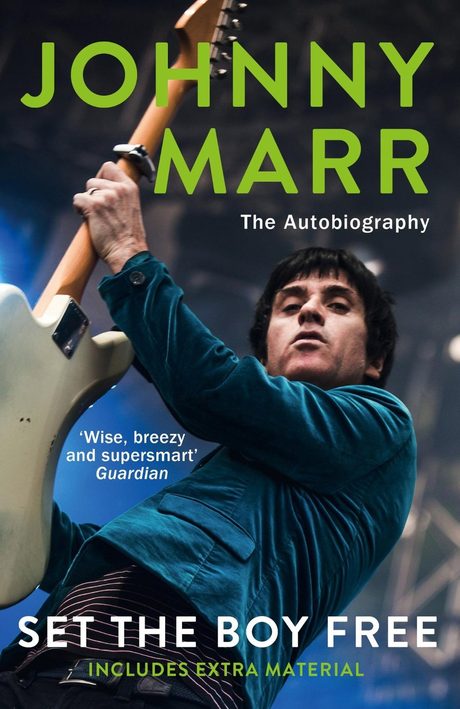
How a song is built, listen along
Set the Boy Free
Johnny Marr2016about 460 pages
The Smiths guitarist writes the clearest account I have read of where a guitar part actually comes from.
Marr grew up in a Manchester council house with Irish parents and a record player that never got a rest, formed The Smiths at nineteen by knocking on Morrissey's door, and wrote the music for one of the most argued over catalogues in British pop. The band chapters are specific in a way this genre rarely manages: the tuning, the capo position, the morning a riff turned up, the arguments in the studio about what to keep. After the split he keeps working, with Electronic, The The and Modest Mouse, and he stays generous about almost everyone, which is close to unheard of here.
Why it is at 6
Sixth because nothing else on this list shows you the craft at this range. He can tell you what he was thinking bar by bar and he never mystifies it. He is careful about the Morrissey years, so anyone hoping for a settling of scores will leave hungry. If you play an instrument, move this up two places and start here.
Read it ifyou play something and want to see inside the writing
Skip it ifyou have never heard a Smiths song and have no plans to
warm, practical, unspitefulBest for: guitarists and songwritersmemoircraftmanchester
7
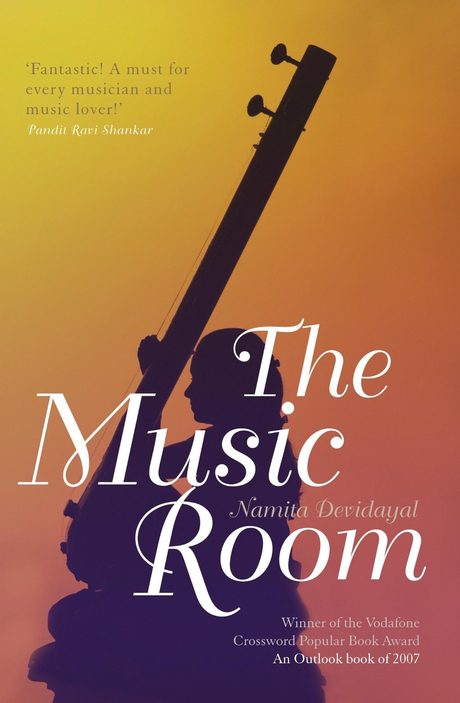
What it costs to make it, listen after
The Music Room
Namita Devidayal2007about 254 pages
A Bombay girl is sent for singing lessons at ten and finds a teacher willing to hand her an entire tradition.
Devidayal is taken to a small flat near Kennedy Bridge to learn from Dhondutai Kulkarni of the Jaipur gharana, and the lessons carry on for decades. The book braids three lives together: the teacher's, the teacher's own legendary guru's, and the author's drift between riyaaz and an ordinary Bombay life of school, college, America and a job. It is honest about what Hindustani classical training demands, hours a day for years with no visible progress, and honest about the guilt of a student who cannot give it that. It is the best account of the guru and shishya bond I have read in English.
Why it is at 7
Seventh because it is the Indian book here that any reader can walk into with no theory at all, and because it treats classical music as a life being lived rather than a heritage exhibit in a glass case. Listen after each chapter rather than during. A khayal wants your whole attention and will not sit politely behind a page of prose.
Read it ifyou grew up hearing this music and never learned it
Skip it ifyou want a technical guide to ragas and talas
intimate, wistful, BombayBest for: Indian classical curiosityindiahindustanimemoir
8
How a song is built, listen along
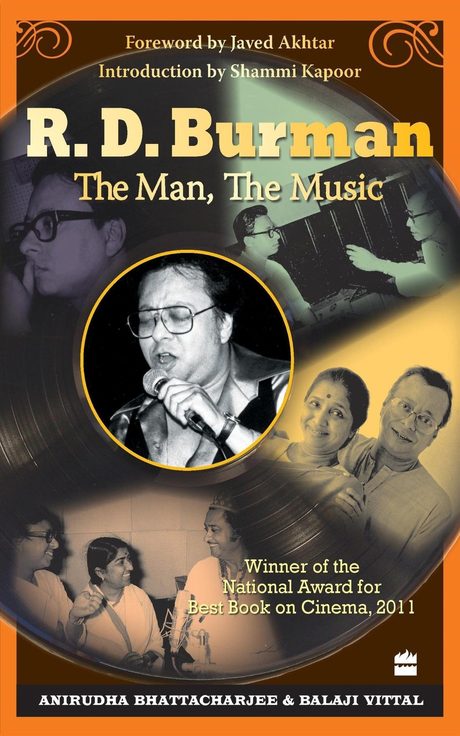
R.D. Burman: The Man, The Music
Anirudha Bhattacharjee2011about 379 pages
The closest thing we have to a technical manual for Pancham's sound, built from interviews with the people who played on the records.
Anirudha Bhattacharjee and Balaji Vittal go through R.D. Burman's career song by song, from the years assisting his father to the seventies peak to the long cold stretch before 1942: A Love Story. What makes it unusual is the detail. Which musicians were in the room, which instrument made that sound, how a rhythm was got out of a beer bottle or a comb, why an arrangement lifts a semitone exactly where it does. The session players and arrangers are interviewed at length, many of them for the first time, and you finish the book hearing familiar songs in layers.
Why it is at 8
Eighth because it is the only book here that takes Hindi film music seriously as music, arrangement by arrangement, instead of as nostalgia with photographs. It carries the National Award for Best Book on Cinema, which the current edition prints on its own cover. Be warned that it assumes you know the songs, so keep a playlist going or half the pleasure evaporates.
Read it ifyou know the songs and want to know how they were made
Skip it ifyou cannot hum a single Pancham tune
detailed, affectionate, technicalBest for: Hindi film music obsessivesindiafilm musicbiography
9
Where the sound came from, listen along
Bollywood Melodies
Ganesh Anantharaman2008about 240 pages
A history of the Hindi film song from the 1930s to the present, decade by decade, singer by singer.
Anantharaman treats the film song as the popular music of this country, which it plainly is, and walks it forward from the theatre trained voices of the thirties through the Naushad and S.D. Burman years, the long peak of Lata Mangeshkar and Mohammed Rafi, the disco eighties, and the remix era that followed. There are chapters on lyricists, which most Indian music writing skips entirely, and short profiles that give you a door into any period you care about. It is a survey rather than a deep study, so specialists will find it thin in a few places.
Why it is at 9
Ninth because it is the reference book for a music almost everyone here grew up inside and almost nobody can describe in order. Read it beside the R.D. Burman book and you get the wide map and the close study together. On its own it can feel like a very well organised list, which is exactly why it sits below its neighbour.
Read it ifyou want the whole history of the Hindi film song in order
Skip it ifyou want deep analysis of individual songs
orderly, fond, usefulBest for: film song beginnersindiafilm musichistory
10
Where the sound came from, listen along
The Rest Is Noise
Alex Ross2007about 706 pages
The twentieth century told through its classical music, from Mahler's Vienna to the minimalists, by a critic who can put sound into words.
Ross opens in 1906 with Mahler and Strauss in the same town and moves forward through Schoenberg and the end of comfortable harmony, Shostakovich composing with Stalin listening, exiles writing film scores in Hollywood, the postwar avant garde, and the American minimalists who made repetition beautiful again. The politics is not decoration. The book is really about what happens to artists when a state takes an interest in them. He also does the near impossible thing, describing music on the page so clearly that you can hear it before you have heard it.
Why it is at 10
Tenth by reach and first in my admiration, which is the tension this whole ranking is built on. It is seven hundred pages about music most readers have never chosen to put on, and it remains the most rewarding thing here if you give it a month. If modern classical music has always sounded hostile to you, this explains why, without asking you to pretend you enjoy all of it.
Read it ifyou want a serious history and have the patience for it
Skip it ifyou want short chapters and quick payoffs
erudite, vivid, longBest for: readers with a monthclassicalhistorycriticism
11
Where the sound came from, listen along
Meet Me in the Bathroom
Lizzy Goodman2017about 525 pages
New York rock from 2001 to 2011, told entirely in the voices of the people who were there, contradicting each other constantly.
Goodman interviewed hundreds of musicians, managers, journalists and hangers on, then cut their quotes into an oral history of the Strokes, Interpol, LCD Soundsystem, the Yeah Yeah Yeahs and the scene that grew around them, with September 2001 sitting in the middle of it. Nobody narrates. You get four versions of the same night and you work out for yourself who is lying and who has simply forgotten. It is gossipy, and it is also a study of what happens when a scene gets discovered, sold and burnt out inside a single decade.
Why it is at 11
Eleventh because the oral history form is addictive and this is one of the best examples of it, though you do need some affection for these bands or it turns into a long list of strangers behaving badly at parties. Know three songs from that decade and it will keep you up past midnight. It pairs neatly with the last book on this list, which is the invented version of the same shape.
Read it ifyou love scenes, gossip and unreliable witnesses
Skip it ifyou have never knowingly heard a Strokes song
loud, messy, addictiveBest for: indie rock nostalgiaoral historynew yorkindie
Heads up: drug use, addiction
12

Why we listen the way we do, read in silence
High Fidelity
Nick Hornby1995about 353 pages
A record shop owner ranks his five worst breakups the way he ranks side one track one, and slowly grows up.
Rob runs a failing record shop in London, makes a list out of everything, and has just been left by Laura. He decides to phone his top five heartbreaks in order to work out what is wrong with him, which is funny and also the least healthy research project in fiction. The shop scenes with Barry and Dick are why people still quote this book thirty years later, and the music talk is accurate about a certain kind of man who uses taste as a substitute for a personality. Hornby is kinder to Rob than Rob has earned, and that is the joke.
Why it is at 12
Twelfth because it is fiction on a list that leans heavily nonfiction, not because it is slight. Nobody has written better about the way we use songs to avoid saying things out loud. Read it in silence, since the novel is already playing music at you on every page, and note that both screen versions soften Rob in ways the book flatly refuses to.
Read it ifyou want funny, and you have used a playlist to send a message
Skip it ifyou have no patience for a self absorbed narrator
funny, sharp, maleBest for: one weekendfictioncomedylondon
13
Why we listen the way we do, read in silence
Daisy Jones and the Six
Taylor Jenkins Reid2019about 240 pages
A seventies band explains its own breakup in interview form, and the songs at the centre of it do not exist.
The novel is written as an oral history with no narration at all, just band members, managers and hangers on being interviewed decades later about a fictional group that got enormous and then walked off stage for good. Daisy is the singer who arrives and changes the chemistry, Billy is the frontman staying sober one day at a time, and the songs they write together say more than either of them will admit out loud. Reid gets the form exactly right, including the moments where two people describe one night in ways that cannot both be true.
Why it is at 13
Thirteenth because it is the lightest thing here and the easiest to hand to someone who does not read much, which is a genuine use. It also does something the nonfiction cannot: the lyrics printed at the back belong to a band you will never hear, so the songs stay perfect forever. Do not play the television soundtrack while you read, it collapses the trick.
Read it ifyou want the feeling of a band without the homework
Skip it ifyou want real music history rather than an invented one
fast, glossy, warmBest for: readers who want easyfictionoral historyrock
Heads up: addiction, drug use
Worth knowing
The listen along rule
Every entry carries one of three instructions. Listen along means the book is annotating real recordings and you lose half of it without them, which is true of the R.D. Burman book above all others. Listen after means play the music at the end of a chapter rather than under it, because the music in question wants your whole head. Read in silence means a song in your ears will fight the prose and win.
People assume a book about music always pairs with music. Two of these prove otherwise. Sacks needs concentration you cannot spare while a track is running, and the songs in the last book on this list are imaginary, so playing real ones breaks the spell it spends four hundred pages building.
Worth knowing
The two gaps I could not close
There is no jazz book here and no hip hop book here, and that is a real hole rather than an oversight. Both traditions have libraries of their own, and putting one token title in each slot would have been padding by another name. I would rather say so than pretend a thirteen item list covers all recorded music.
The same goes for Carnatic music, which gets nothing here while Hindustani gets The Music Room. If you know a book in English on Karnatik music that is as personal and as readable as Devidayal's, that is the recommendation I want most.
People also ask
Questions, answered
What is the best book about music for someone who does not play an instrument?
This Is Your Brain on Music. Levitin assumes no theory, explains pitch, rhythm and expectation in ordinary language, and every chapter changes something about how you hear your own playlist. If science is not your thing, The Music Room by Namita Devidayal needs even less background, since it is a memoir about learning to sing rather than a book about how music works underneath.
Should I listen to music while reading books about music?
It depends on the book, which is why every entry here says so. The R.D. Burman book, Bollywood Melodies, Life and Meet Me in the Bathroom are annotating actual recordings, so a playlist doubles their value. Musicophilia, High Fidelity and Daisy Jones and the Six want silence, because they are asking for concentration or building an imaginary soundtrack that real songs will interrupt.
Which book explains why a song gets stuck in your head?
Both science books cover it from different directions. Levitin explains the prediction machinery that makes a hook satisfying enough for your brain to rehearse. Sacks devotes a chapter to the extreme end of the same thing, people who cannot switch the music off at all, including hallucinated music that plays at full volume for years. Read Levitin for the mechanism and Sacks for what happens when the mechanism goes wrong.
Are there good books in English about Indian music?
Yes, and three of them are here. The Music Room is the personal way into Hindustani classical music, Bollywood Melodies is the historical map of the Hindi film song, and the R.D. Burman biography by Anirudha Bhattacharjee and Balaji Vittal is the technical deep study of one composer. Between them you get the tradition, the industry and the studio floor. Carnatic music remains badly served in English, which is a gap worth complaining about.
Is Daisy Jones and the Six based on a real band?
The band is invented. Readers reach for Fleetwood Mac as the comparison because of the two singers writing about each other while everything falls apart, and Reid has talked about that era as an influence, but Daisy, Billy and the album at the centre of the novel are fiction. That is the reason the book works. You can imagine the record perfectly and nobody can ever play it to you and disappoint you.
Which one should I read first?
Start with the question you actually have. If you want to understand your own listening, begin at number one. If you want to know what a musical life costs, start with Just Kids or The Music Room. If you want to enjoy yourself on a long weekend, take High Fidelity or Keith Richards. The heavier history books reward you more once one of the lighter ones has warmed you up.
Before you go
What to read tonight
If you only have tonight, put on headphones, open This Is Your Brain on Music, and read the chapter on expectation while a song you know too well is playing. That combination does more than any recommendation I can make in a paragraph.
If you would rather feel something than learn something, The Music Room and Just Kids are the two that stay with people longest, and they are quietly about the same subject: what you give up to get good at one thing. After that, pick by lane. The R.D. Burman book if you want the studio floor, Alex Ross if you want a century, Keith Richards if you want company. And if a book here sends you back to an album you had stopped hearing properly, it has done the job.
Keep going
Lists that pair with this one