The friend I spoke to every single day for four years is now a birthday message and two blue ticks. Nothing happened. No fight, no betrayal, nobody moved cities in anger. She got a job in Pune, I got busy, and the calls became messages, and the messages became emojis, and here we are, ten years later, both of us fond of a person who no longer exists.
That is the thing fiction about friendship gets right when it is good. Romance has a shape everyone recognises, a beginning, a middle, a wedding or a breakup. Friendship has no ceremonies, no anniversaries, and no procedure for ending, which is why an ending can take a decade and never get announced.
So instead of ranking these by warmth, I have put a strain on each one: envy, distance, money, secrets, guilt, an unequal debt, the third person who keeps rearranging who is closest. The order runs from the books that tell you the most about a friendship you are actually in right now, down to the ones that are wonderful but further from your Tuesday.
Some of these are about friendships that survive and some are about the ones that come apart, because a shelf with only the warm kind would be a lie. Several books here carry a content note, and four of them are heavy enough that I have put a short section near the end about how to read them without getting flattened.
How I picked these
- The friendship has to be the engine, not the background. Plenty of good novels have a loyal best friend in chapter three; those got cut.
- Every book had to be honest about at least one strain: envy, distance, money, a secret, an unequal debt, or one person changing shape while the other stands still.
- Endings included. A list where friendship survives everything would be comforting and false, so several of these come apart, and two of them end in a death.
- Two nonfiction picks, because the most useful writing about adult friendship maintenance is not fiction and pretending otherwise would waste your time.
- Verified through Google Books and Open Library with a real cover and a first-publication year. Where I list a translator, I have checked the name.
- Heavy books carry a content note in the entry, and I have not softened what is in them to make a nicer list.
The whole list at a glance
All 15 books, in order
| # | Book | Author | Year | Vibe | Best for |
|---|
| 1 | Tomorrow, and Tomorrow, and Tomorrow | Gabrielle Zevin | 2022 | ambitious, tender, argumentative | friends who built something together |
| 2 | My Brilliant Friend | Elena Ferrante | 2011 | dense, sharp, unsparing | friendships with a scoreboard |
| 3 | Sula | Toni Morrison | 1973 | compressed, brutal, exact | one evening, full attention |
| 4 | The Kite Runner | Khaled Hosseini | 2003 | heavy, propulsive, sad | readers who want a story that moves |
| 5 | A Little Life | Hanya Yanagihara | 2015 | immersive, relentless, devastating | readers who want to be wrecked |
| 6 | The Secret History | Donna Tartt | 1992 | cold, glamorous, claustrophobic | long winter reading |
| 7 | Never Let Me Go | Kazuo Ishiguro | 2005 | quiet, eerie, aching | slow readers, rainy weekends |
| 8 | Swami and Friends | R. K. Narayan | 1935 | gentle, funny, exact | an afternoon of nostalgia |
| 9 | Five Point Someone | Chetan Bhagat | 2004 | breezy, nostalgic, sad underneath | engineering hostel nostalgia |
| 10 | Everything I Know About Love | Dolly Alderton | 2018 | funny, messy, honest | late twenties recalibration |
| 11 | Big Friendship | Aminatou Sow | 2020 | practical, warm, American | a friendship you want to repair |
| 12 | The Interestings | Meg Wolitzer | 2013 | expansive, wry, melancholy | thirties friendship gaps |
| 13 | Conversations with Friends | Sally Rooney | 2017 | cool, cerebral, modern | people who over-analyse texts |
| 14 | Bridge to Terabithia | Katherine Paterson | 1977 | warm, plain, devastating | one hour, one good cry |
| 15 | Beartown | Fredrik Backman | 2016 | sweeping, cold, angry | sports fans and small towns |
The list
The books, ranked
1

Strain: love that is not romance
Tomorrow, and Tomorrow, and Tomorrow
Gabrielle Zevin2022about 416 pages
Two friends make video games together for thirty years, and the book is honest about how close that gets without ever turning into romance.
Sam and Sadie meet as children in a hospital games room, lose touch, then find each other again as students and start building games together. What follows is three decades of collaboration: the studio, the success, the credit that gets shared unevenly, the silences that last for years at a stretch. Zevin writes the work as convincingly as the feelings, which is rarer than it sounds, and the games become the language these two use when they cannot manage plain speech. If you have ever built something with a friend and watched the building change the friendship, this reads like being caught.
Why it is at 1
First because nothing else here is as complete about the friendship that runs your whole life without ever becoming a romance, and because Zevin holds both people responsible instead of picking a victim. She also refuses the tidy ending. You do not need to have played a video game in your life, since the games are the vocabulary rather than the subject.
Read it ifyou have a friend who is also a collaborator
Skip it ifyou want the friendship resolved and forgiven by the last page
ambitious, tender, argumentativeBest for: friends who built something togethercreative workmodernfriendship
Heads up: a sudden violent death, and a character living with chronic pain
2

Strain: envy
My Brilliant Friend
Elena Ferrantetranslated by Ann Goldstein2011about 320 pages
Two girls in a poor Naples neighbourhood, one allowed to keep studying and one not, and a friendship built around that unfairness.
Elena and Lila grow up in a cramped, violent Naples neighbourhood in the 1950s, both clever, both ambitious, and only one of them is allowed to stay in school while the other is pulled out to work in her father's shop. Everything that follows grows out of that split. Ferrante writes envy with a precision I have not found anywhere else, not the cartoon kind but the sort that lives alongside real love, where you want your friend to do well and cannot quite bear it when she does. This is the first of four novels, and the quartet is worth committing to.
Why it is at 2
Second because no other book here is as accurate about competition inside love. If your closest friendship has ever run a scoreboard that neither of you admits to, this novel will find you out. It sits below Zevin only because the first eighty pages are slow and the neighbourhood cast takes a while to hold in your head, so keep the family index at the front open.
Read it ifyou can sit with slow, dense, unflattering truth
Skip it ifyou need likeable characters, because both of these women are difficult
dense, sharp, unsparingBest for: friendships with a scoreboardnaplesenvyliterary
3

Strain: betrayal
Sula
Toni Morrison1973about 173 pages
Under two hundred pages about two Black girls in an Ohio hill town, and what one of them eventually does to the other.
Nel and Sula grow up together in a hill town called the Bottom. One settles into marriage and respectability, the other leaves and comes back as something the town treats as a scandal, and Morrison writes their childhood so well that the adult betrayal, when it lands, feels like it is happening to you rather than to a character in a book. The sentences are doing more work per line than any other prose on this list. Underneath the friendship there is a second story about what a community needs an outcast for.
Why it is at 3
Third because it is the sharpest thing here about a friendship that defines two people and then breaks, and because Morrison refuses to hand you a villain. It is also the shortest serious book on the list, which is why it is my pick if you have exactly one evening. Fair warning: it wants slow reading and it repays a second pass more than anything else here.
Read it ifyou want the deepest book here in the fewest pages
Skip it ifyou read fast, because Morrison punishes skimming
compressed, brutal, exactBest for: one evening, full attentionclassicbetrayalamerican
Heads up: racial violence, a child's accidental death, and a death by fire
4
Strain: an unequal debt
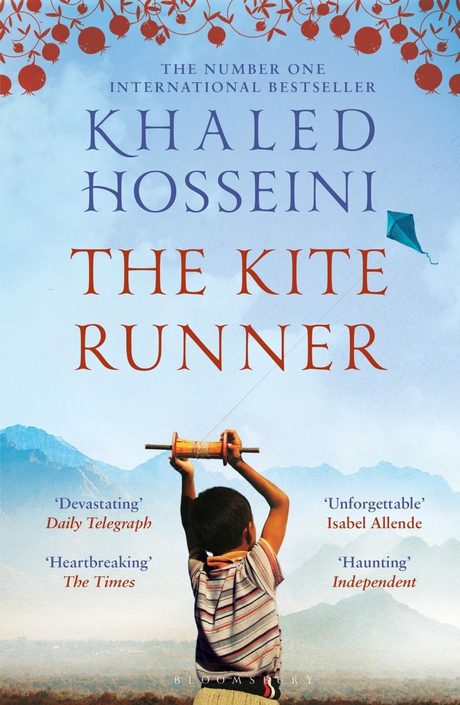
The Kite Runner
Khaled Hosseini2003about 369 pages
The friendship between a rich man's son and his servant's son in Kabul, and the cowardice that follows one of them for thirty years.
Amir and Hassan grow up in the same house in 1970s Kabul, one the son of a wealthy man and the other the son of his servant, and the class line runs through everything they do together, including the kite flying they both love. Something happens in an alley that Amir sees and does not stop, and the rest of the novel is the long bill for that silence, running through the Soviet invasion, exile in California and a return to a country under the Taliban. It is a heavy read and a fast one, which is an unusual combination.
Why it is at 4
Fourth because it is the clearest book here about friendship across an unequal power line, where one person can afford to be loyal and the other cannot afford anything else. Several of the later plot turns are far too convenient, which is the standard criticism and a fair one. The Kabul half is why it stays this high on the list.
Read it ifyou want a friendship story that is really about guilt
Skip it ifyou cannot read a scene of child sexual assault, because it is the hinge of the plot
heavy, propulsive, sadBest for: readers who want a story that movesafghanistanguiltclass
Heads up: the rape of a child, and later violence under the Taliban
5
Strain: caretaking
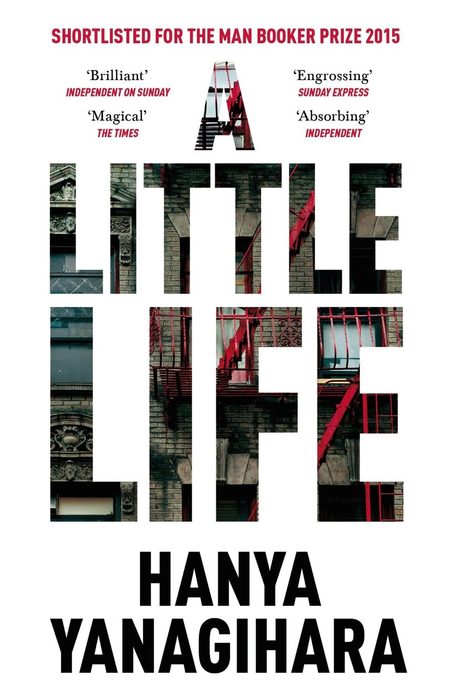
A Little Life
Hanya Yanagihara2015about 737 pages
Four friends in New York across decades, and one of them carrying something the other three spend their lives trying to hold.
Jude, Willem, JB and Malcolm meet at college and stay together into middle age, and although all four get chapters, the book belongs to Jude, whose past is revealed slowly and is worse than you are braced for. What Yanagihara does better than almost anyone is the texture of long friendship: the shared flats, the ritual dinners, the friend who becomes family because the family did not show up. What she also does is put the reader through an enormous amount of suffering, at length, with very little relief offered along the way.
Why it is at 5
Fifth, and it is the most divisive book on this list. If it works on you it will be the thing you remember from the year, and if it does not you will feel worked on by page four hundred. It stays because nothing else here is as honest about the limits of what friends can fix, however much they love you. Read the content note first, seriously.
Read it ifyou want the extreme version of chosen family
Skip it ifabuse or self-harm content is unsafe for you right now, which is a real reason
immersive, relentless, devastatingBest for: readers who want to be wreckednew yorkchosen familyheavy
Heads up: sustained child sexual abuse, self-harm and suicide, described in detail and at length
6
Strain: a shared secret
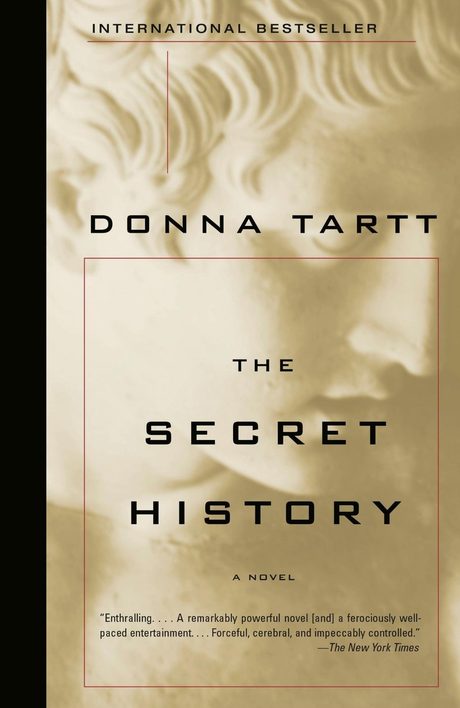
The Secret History
Donna Tartt1992
A tiny Greek class at a New England college does something terrible, and the friendship becomes the cage they all live in afterwards.
Richard arrives at a Vermont college, talks his way into a Greek class of five students, and is slowly absorbed into a group that treats itself as an aristocracy of the mind. You are told in the first pages that they killed one of their own, so this is not a mystery about who did it. It is a slow account of how a closed friendship buries something and what the burying costs each of them afterwards. Tartt is very good on the intoxication of being chosen by a group, which is the real subject of the novel.
Why it is at 6
Sixth because it is the best book here on friendship as an atmosphere you cannot walk out of, and on the particular vanity of being let inside a closed circle. It is long, the middle sags, and the characters are insufferable by design, which some readers never forgive. Save it for a holiday rather than a commute, because it needs long sittings.
Read it ifyou want a group friendship that curdles
Skip it ifyou need somebody in the book to root for
cold, glamorous, claustrophobicBest for: long winter readingdark academiasecretscampus
Heads up: murder, heavy drinking and drug use
7

Strain: the third person
Never Let Me Go
Kazuo Ishiguro2005about 274 pages
Kathy, Ruth and Tommy grow up at a strange English boarding school, and the friendship's small cruelties matter far more than the science fiction.
Kathy narrates her childhood at Hailsham, a boarding school where the pupils are looked after, watched, and told they are special, and slowly you work out what the school is for. I will not go past what the first fifty pages give you. The friendship is what the novel is actually about: Ruth's manipulations, Kathy's patience, the way three people arrange themselves so that two are close and one is being managed. It is quiet and restrained and it hurts more the further away from it you get.
Why it is at 7
Seventh because it captures something no other book here touches, the friendship where a third person keeps rearranging who is closest, and the years that get lost to that game. It ranks here rather than higher because the mood is muted by design, so a reader who wants warmth will find it cold. Line for line it is the best written book on the list.
Read it ifyou like restraint and damage that arrives late
Skip it ifyou want emotion on the surface, because everything here sits under glass
quiet, eerie, achingBest for: slow readers, rainy weekendsdystopiaboarding schoolliterary
8
Strain: growing up
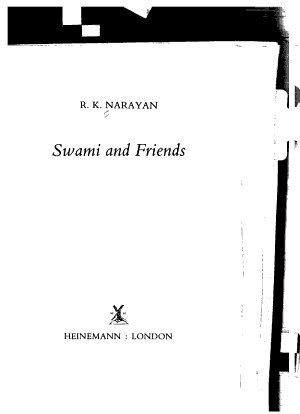
Swami and Friends
R. K. Narayan1935about 200 pages
Malgudi in the 1930s, a ten-year-old boy, and school friendships that feel enormous precisely because they are small.
Swaminathan is a schoolboy in the invented South Indian town of Malgudi: cricket matches organised with grand ambition, a new friend from a richer family, a teacher who terrifies him, a nationalist protest he half understands and joins anyway. Narayan writes children without making them cute, so Swami is petty, loyal, cowardly and generous inside the same afternoon. Not much happens by the standards of modern fiction, and it is still the most accurate thing on this list about how friendship feels at ten, when losing one friend is the end of the world.
Why it is at 8
Eighth because it is the earliest and most Indian friendship here, and because Narayan understood that a child's friendship is a political system of alliances, betrayals and sudden peace treaties. Do not come to it for plot. Come for the last stretch, where a cricket team, a missed match and a departing train do more damage than most adult tragedies manage.
Read it ifyou want childhood without the nostalgia varnish
Skip it ifyou need a plot with real stakes
gentle, funny, exactBest for: an afternoon of nostalgiamalgudichildhoodindian classic
9

Strain: pressure
Five Point Someone
Chetan Bhagat2004about 270 pages
Three friends at IIT decide the system cannot be beaten and go down together, which makes a better friendship novel than its reputation suggests.
Hari, Ryan and Alok share a room at IIT Delhi, all of them near the bottom of the class, and the book is about what a brutal grading system does to three ordinary boys and to the friendship holding them upright. Bhagat gets hostel life right: the pooled money, the borrowed notes, the terrible plan that sounds reasonable at 2 am, the friend whose family expectations are heavier than yours and who cannot say so. The prose is plain, the humour is broad, and the last third takes academic pressure seriously.
Why it is at 9
Ninth because for a lot of Indian readers this simply is the friendship novel, and because the hostel texture is exact in a way literary fiction rarely bothers to be. It ranks here and not higher because the writing is thin next to the books above it, and the one significant female character mostly exists to move the plot along. As a portrait of three boys under pressure it holds up.
Read it ifyou want hostel life and shared panic
Skip it ifyou want sentences worth underlining
breezy, nostalgic, sad underneathBest for: engineering hostel nostalgiaiithostelindian
Heads up: a suicide attempt
10
Strain: one of you pairs off
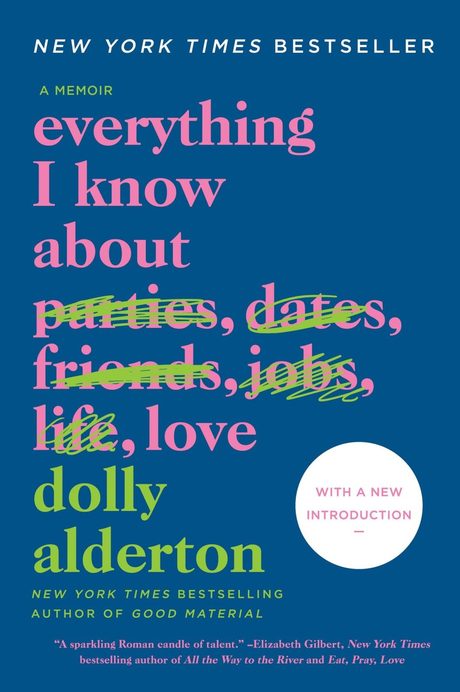
Everything I Know About Love
Dolly Alderton2018about 313 pages
A memoir of London twenties that says the thing nobody says: your best friend getting married can hurt like a breakup.
Alderton writes her twenties as a run of terrible flats, worse dates, spectacular hangovers and one constant, her friendship with Farly. The dating stories are funny and forgettable. The friendship material is why the book lasted, because she is very good on the specific grief of a friend pairing off, on the recalibration nobody prepares you for, and on what happens when the person who was your default plan acquires a different default. Between chapters there are recipes and spoof emails that are hit and miss, and the honesty, when it arrives, is the real thing.
Why it is at 10
Tenth because it names something almost nothing else on this list does, that a friendship can end without a fight, purely because one life reorganised itself around somebody new. It sits here because it is a very London, very particular memoir and the party chapters run long. The friendship chapters are the ones people photograph and send each other, and they earn that.
Read it ifyou are watching your friends pair off one by one
Skip it ifyou have no patience for privileged London chaos
funny, messy, honestBest for: late twenties recalibrationmemoirlondonfemale friendship
Heads up: heavy drinking and drug use
11
Strain: maintenance
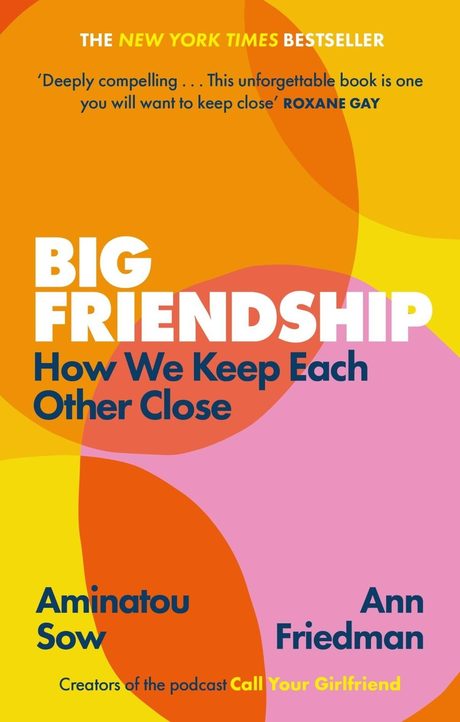
Big Friendship
Aminatou Sow2020about 149 pages
Two friends who nearly lost each other went to therapy together, then wrote the book about how adult friendship is actually maintained.
Aminatou Sow and Ann Friedman make a podcast together and were, by their own account, everybody's model friendship until the whole thing quietly cracked. The book alternates their story with research and interviews, and the useful part is the vocabulary it gives you: the stretch a friendship goes through over distance and time, Shine Theory, which is their term for boosting your friends instead of competing with them, and the plain fact that nobody teaches us to maintain a friendship the way couples get taught to maintain a marriage. They also write about race and class inside the friendship, which most books like this avoid.
Why it is at 11
Eleventh, and it is the only book here you can act on this week. The novels above it are better books by a distance. This one is more useful, because it hands you words for what is going wrong and permission to say them out loud to a friend, which is the conversation most of us will do anything to dodge.
Read it ifa friendship of yours is fading and you want to fix it
Skip it ifyou want a story rather than a framework
practical, warm, AmericanBest for: a friendship you want to repairnonfictionmaintenanceadult friendship
Pairs with: The Interestings at twelve, which is the novel version of the same slow drift
12

Strain: money and talent
The Interestings
Meg Wolitzer2013about 484 pages
Six teenagers meet at a summer arts camp in 1974, and the novel follows what happens when the talent turns out to be unevenly shared.
They name themselves the Interestings at fifteen, promising each other a life of art, and Wolitzer then follows them for forty years while one couple becomes very rich and the others do not. The engine of the book is envy that never gets said out loud, and the slow work of staying friends with somebody whose life has become much easier than yours. She is excellent on how money changes the small mechanics of a friendship: who pays, who travels to whom, whose apartment everyone gathers in, and which jokes quietly stop being funny.
Why it is at 12
Twelfth because it covers the longest span of any novel here and is the most accurate about the class gap that opens between friends in their thirties. It is not as sharp line by line as Ferrante or Morrison, and the middle decades sag. If you are the one in your group who took the less lucrative road, parts of it read like a documentary about your own life.
Read it ifyour friends' incomes have diverged and nobody mentions it
Skip it ifyou want a tight plot, because this is forty years of drift
expansive, wry, melancholyBest for: thirties friendship gapslong spanenvyclass
13
Strain: what nobody says
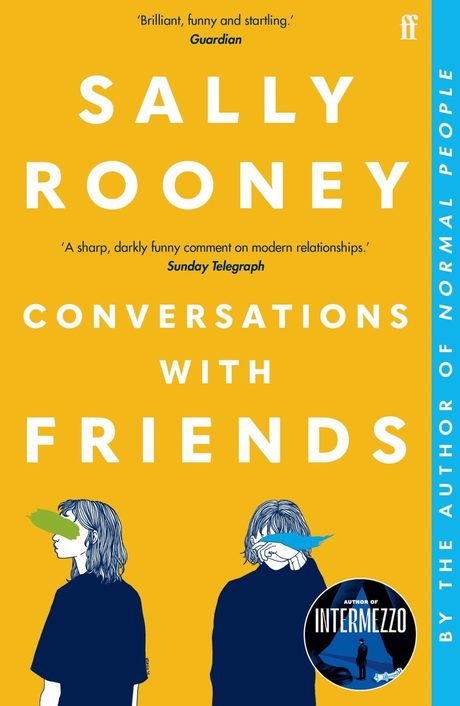
Conversations with Friends
Sally Rooney2017about 305 pages
Two college friends and ex-girlfriends get tangled up with an older married couple, and the friendship takes more damage than the affair does.
Frances and Bobbi perform poetry together in Dublin, used to date, and now live in that unlabelled space between best friend and ex. When they meet an older couple, Frances starts an affair with the husband, and the novel is usually described as being about that affair. It is not. The actual subject is everything Frances cannot say to Bobbi, and the way two clever people use irony to avoid one honest sentence for months at a time. Rooney writes dialogue that sounds like a group chat and lands like an X-ray.
Why it is at 13
Thirteenth because it is the best book here on friendship maintained through avoidance, which is how a great many of us do it now. The affair is the least interesting thing in it. It ranks here because the flat affect reads as cold if you are not already tuned to it, and because Frances is hard company for three hundred pages.
Read it ifyour closest friendships run on text and irony
Skip it ifyou want warmth, because everyone here withholds on principle
cool, cerebral, modernBest for: people who over-analyse textsdublinmodernmessy
Heads up: self-harm and infidelity
14
Strain: grief
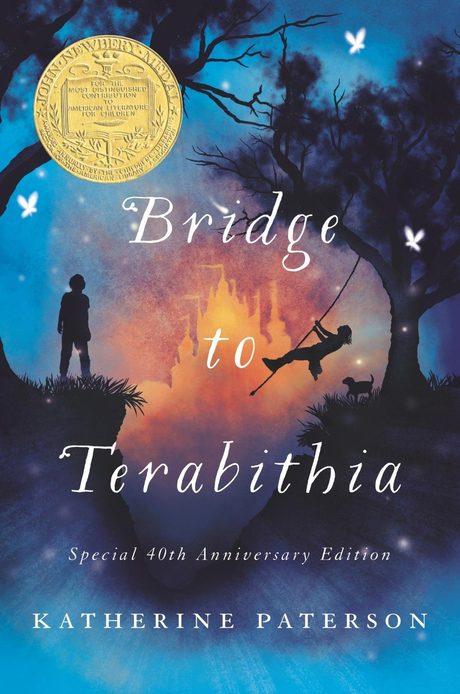
Bridge to Terabithia
Katherine Paterson1977about 212 pages
A boy and a girl in rural Virginia invent a kingdom in the woods, and the book tells a child the truth about what happens next.
Jess is a farm kid who wants to be the fastest runner in fifth grade, and Leslie is the new girl whose parents are writers and who beats him without meaning anything by it. They build an imaginary kingdom across a creek and rule it together, and for a while the book is simply about the relief of finding the one person your age who is not boring. Then it becomes something else entirely. Paterson wrote it after a real loss, and she never once talks down to a child about death.
Why it is at 14
Fourteenth by the rules of this list, because it is a children's book and you are unlikely to be ten. Judged purely as writing it would sit far higher. Read it in an hour as an adult and it will take the top off you, mostly because it catches the friendship that arrives when you are lonely, which very few writers manage at any age.
Read it ifyou want to feel ten years old again for an hour
Skip it ifthe death of a child is not something you can read right now
warm, plain, devastatingBest for: one hour, one good crychildhoodgriefclassic
Heads up: the sudden death of a child
15
Strain: loyalty against truth
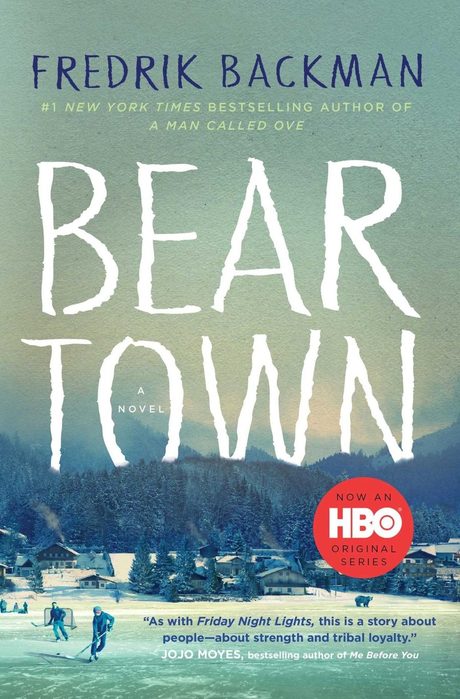
Beartown
Fredrik Backmantranslated by Neil Smith2016about 448 pages
A dying hockey town, a teenage star, an assault, and every friendship in the book forced to pick a side.
Beartown is a failing town in the Swedish forest with one asset left, a junior ice hockey team that might reach a national semi-final. Backman spends half the novel building the bonds that hold the place together, between teammates, fathers, daughters and the two girls at the centre of it, and then a violent event splits every one of those bonds along the same line: what your friend is owed against what you know to be true. It reads fast, occasionally too fast, and the small town politics are exact.
Why it is at 15
Fifteenth because it is the least book-about-friendship on this list and the best on one specific moment, when loyalty and truth stop pointing in the same direction. Backman writes in short declarative sentences that some readers love and others cannot stand, so try a page first. The friendship between the two boys at the centre is the part that stays.
Read it ifyou want friendship tested by something genuinely ugly
Skip it ifsexual assault storylines are off limits for you
sweeping, cold, angryBest for: sports fans and small townsswedenloyaltysmall town
Heads up: a rape and its aftermath, described directly, and the town's response to it
Worth knowing
The four ways a friendship ends
The fight is the rarest one and the only one that gets talked about. Somebody says the unforgivable thing, or does it, and both people know the date it happened. Sula and Beartown live here, and so does The Kite Runner, where the wound is delivered by silence rather than by shouting.
The drift is the common one. Nobody does anything wrong, the calls thin out, and one day you realise you are updating each other rather than talking. The Interestings, Everything I Know About Love and Big Friendship are all about the drift, and Big Friendship is the only one that treats it as a fixable problem instead of weather.
The imbalance is the cruel one, where one of you changes shape and the friendship no longer fits. Money does it, marriage does it, an unexpected success does it, and Ferrante wrote four novels about the version where the change is who got to stay in school. Tomorrow, and Tomorrow, and Tomorrow is the imbalance of credit, which is the same wound wearing a work lanyard.
The fourth is the shared thing that cannot be discussed. The Secret History and Never Let Me Go and A Little Life all run on it: two or three people holding something between them, unable to name it, staying close because leaving would mean carrying it alone. That is the strain almost no romance novel understands and almost every long friendship contains a little of.
Worth knowing
A note on the Indian shelf
The two Indian books here are Swami and Friends and Five Point Someone, published seventy years apart, and both are about boys in an institution. That gap says something. Our fiction is rich on family and steadily good on romance, and adult friendship, especially between women, is thin on the ground in English.
There is plenty in regional literature that has never been translated, and Bombay and Kolkata novels often have a friendship running underneath a plot about something else. What I could not find was the Indian equivalent of Big Friendship or The Interestings: the book about two adults in a city, a decade in, working out whether they still have anything except history. If somebody is writing it, that is the gap on this shelf.
Worth knowing
How to handle the heavy four
A Little Life, The Kite Runner, Beartown and Bridge to Terabithia all contain material that can knock a reader sideways, and the content notes on each entry are written plainly for that reason. None of these books is treatment. Reading a novel about abuse or grief is not the same as processing your own, and it can be the opposite, so if something in your life is close to what is on the page, pick a different book on this list and come back another year.
If you are reading them anyway, read one at a time and not late at night, and keep something light going in parallel. That is not squeamishness, it is just how you finish a hard book without it finishing you.
People also ask
Questions, answered
What is the best book about friendship?
Tomorrow, and Tomorrow, and Tomorrow by Gabrielle Zevin, if you want one book that covers a whole adult friendship, including the parts nobody writes about, like credit and money and the years of silence. If you want the deepest version in the fewest pages, read Sula by Toni Morrison instead. And if your interest is practical rather than literary, because a friendship of yours is going wrong right now, Big Friendship is the one to buy.
Which book about friendship should I read first?
Start with number one if you want a modern novel that moves, or number nine if you want something familiar and easy in an Indian setting. Do not start with A Little Life. It is the heaviest book on the list and it works far better once you already trust the genre. Sula is the best entry for a reader who wants literary weight without committing a fortnight to it, since you can finish it in an evening.
Are there good Indian novels about friendship?
Fewer than you would expect. Swami and Friends from 1935 is still the best on childhood friendship, and Five Point Someone from 2004 is the hostel one nearly everyone in this country has read. Between them the shelf is thin in English, particularly for adult friendship between women, though regional literature has more than the translated catalogue suggests. This is the clearest gap I found while building the list, and I would rather say so than pad it.
Is A Little Life worth reading?
It depends on what you can carry. It is extraordinary on friendship as chosen family and it also puts you through sustained descriptions of child sexual abuse, self-harm and suicide across seven hundred pages, with very little relief. Readers tend to split into two camps: the ones who call it the most important novel they have read, and the ones who feel worked on by the end. If the content note worries you, that instinct is worth trusting.
What should I read when a friendship has ended?
Sula, if the ending involved a betrayal and you want it taken seriously rather than smoothed over. Big Friendship, if the ending is recent and part of you still wants to repair it, since it is the only book here with an actual method. Everything I Know About Love, if the friendship faded because your friend's life reorganised around a partner. Avoid The Interestings for a few months, because forty years of quiet resentment is not what you need this week.
Are there nonfiction books about adult friendship?
Yes, and they are the ones that change behaviour. Big Friendship by Aminatou Sow and Ann Friedman is the practical pick on this list, because it is written by two people who nearly lost each other and went to therapy about it. Everything I Know About Love by Dolly Alderton is memoir rather than a manual, and it is the better book on how it feels when a friendship changes without ending. Read the first for method and the second for company.
Before you go
What to read tonight
If you only do one thing after this list, make it the small one: read Big Friendship, then text the person you have been meaning to text for a year. The book gives you the words, and the words are the difficult part, because there is no cultural script for telling a friend that you miss them and that this matters to you.
If you would rather read than repair anything, start with Zevin tonight and keep Sula for the evening you have three uninterrupted hours. Then decide which strain your own closest friendship is actually under, envy or drift or an imbalance nobody named, and notice that the book which unsettled you most was probably the one holding a mirror rather than a window.
Keep going
Lists that pair with this one
Mood & Life
19 Best Coming of Age Novels, and the Right Age to Read Each
Every one of these has a window when it lands hardest, so I marked all nineteen and ranked them by how long that window stays open.
Mood & Life
20 Best Books to Read in Your 20s, Grouped by the Problem
Four problems run this decade, work, love, money and meaning, so the list is sorted that way instead of pretending one book fixes all four.
Mood & Life
16 Books to Read After a Breakup, in the Order You Can Handle Them
Ordered by stage rather than by quality, because handing somebody Wild in week one is like handing a person with fever a plate of biryani.
Mood & Life
16 Best Books on Love and Relationships (Science, Not Sermons)
Sorted by the stage you are actually in, single, dating, long-term or repair, with an honest note on which ones have research behind them and which ones only sound like they do.
Mood & Life
16 Books About Mental Health That Do Not Talk Down to You
Ordered by how much each one asks of you, from the book you can read at three in the morning to the one that needs a steady month.