The most useful thing anyone gave us in the first month was not a book. It was a cousin who came over, took the baby, and said go and sleep, we will manage. Every parenting book on earth is trying to be that cousin and most of them fail, because they assume you have two free hands, forty quiet minutes, and the emotional bandwidth of a person who slept last night.
So this list is built around a test I made up while holding a sleeping baby in the dark: can you read this book one handed, in four minute pieces, on a phone screen at low brightness, and still follow it tomorrow. Some of the best books here fail that test and I say so, because a brilliant book you cannot open until month nine is not helping you in week two.
Half of these are not about babies at all, which is the point. Six are manuals, five are about what having a child does to the adult holding it, and three exist so you can spend twenty minutes being a person rather than a food source. Ranked by help per hour spent, most useful first. Where a book is written for American parents and assumes American paediatric norms, the entry says so, and there is a section further down on what actually changes in India.
How I picked these
- The one handed test decided the order more than literary quality did. A book that needs forty unbroken minutes is a month four book, not a week two book.
- I cut the sleep training books that treat the other side as monsters, in both directions. You do not need a war in the house at four in the morning.
- Half the list had to be about the parent rather than the baby, because the thing nobody tells you is that the baby is often the simpler problem.
- Every title verified through Google Books and Open Library with a real cover, and first publication years checked by hand rather than lifted from a reprint.
- I flagged the American assumptions instead of pretending they travel. Some of the best researched books here are answering questions about American daycare and American paediatric schedules.
- Nothing here shames you for formula, an epidural, a maid, a nanny, or handing the baby to your mother in law and going for a walk.
The whole list at a glance
All 14 books, in order
| # | Book | Author | Year | Vibe | Best for |
|---|
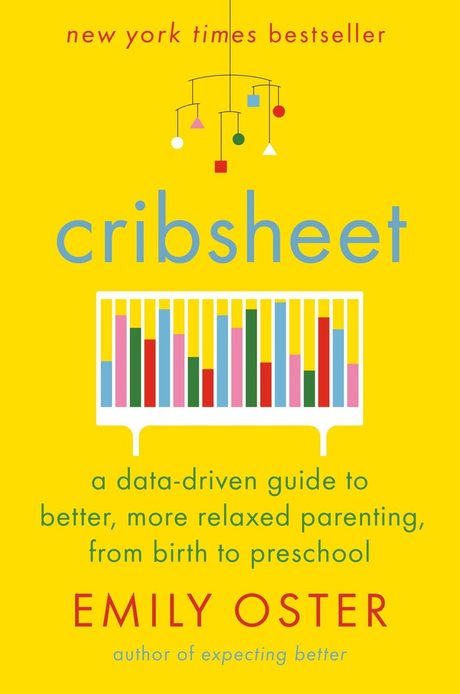
| 1 | Cribsheet | Emily Oster | 2019 | calm, evidence led, freeing | arguing couples and anxious planners |
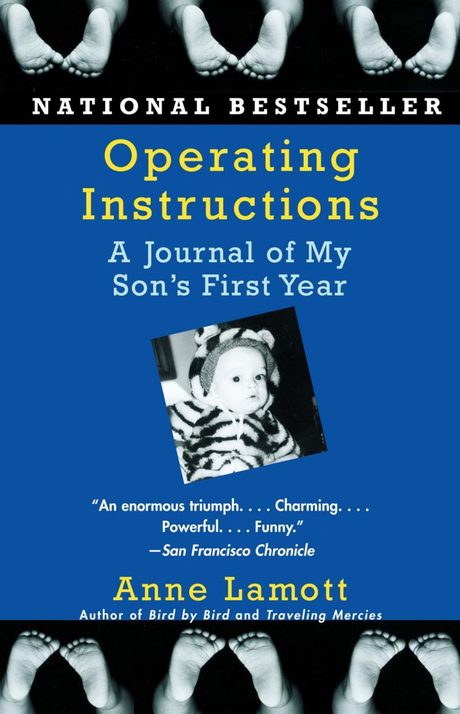
| 2 | Operating Instructions | Anne Lamott | 1993 | funny, raw, unfiltered | week three, at your lowest |
| 3 | The Happiest Baby on the Block | Harvey Karp | 2002 | practical, repetitive, useful | the first twelve weeks |
| 4 | And Now We Have Everything | Meaghan O'Connell | 2018 | raw, precise, modern | first time mothers |
| 5 | Like a Mother | Angela Garbes | 2018 | curious, warm, angry | readers who want the science |
| 6 | What to Expect the First Year | Heidi Murkoff | 1989 | thorough, plain, reassuring | midnight symptom checks |
| 7 | Home Game | Michael Lewis | 2009 | funny, honest, brisk | new fathers who avoid reading |
| 8 | Little Labors | Rivka Galchen | 2016 | wry, brief, original | readers who miss reading |
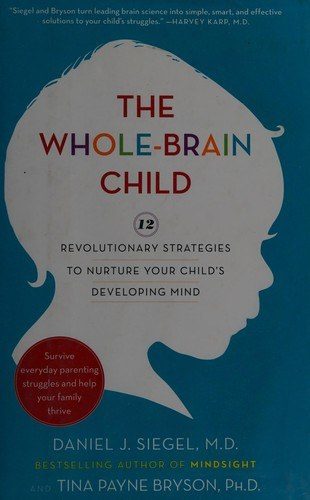
| 9 | The Whole-Brain Child | Daniel J. Siegel | 2011 | practical, warm, repetitive | month ten onwards |
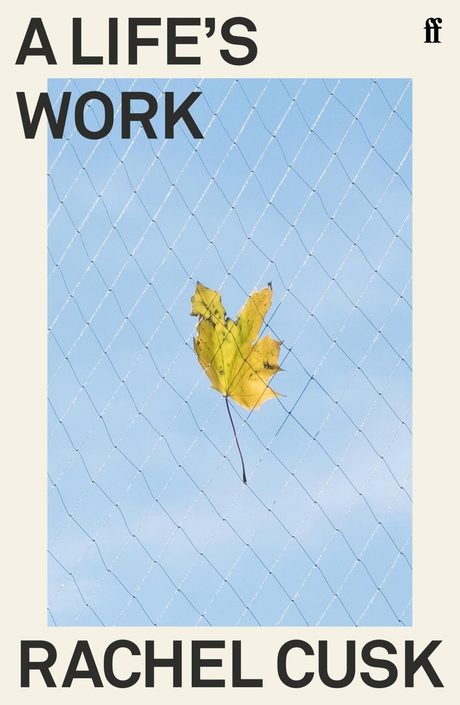
| 10 | A Life's Work | Rachel Cusk | 2001 | cold, exact, honest | month four, if you are steady |
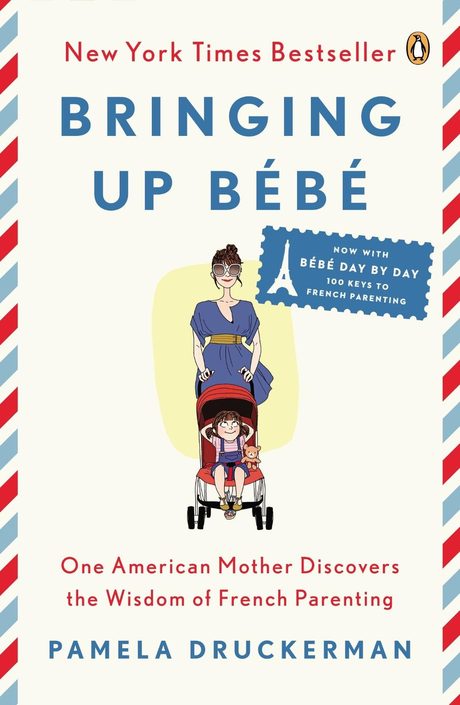
| 11 | Bringing Up Bébé | Pamela Druckerman | 2012 | chatty, curious, arguable | parents feeling erased |
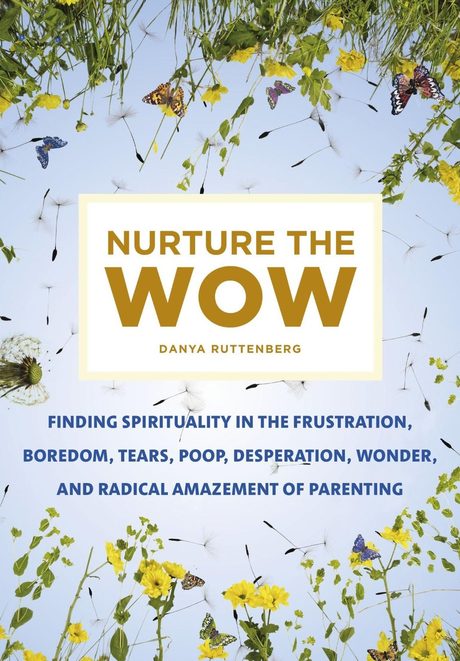
| 12 | Nurture the Wow | Danya Ruttenberg | 2016 | thoughtful, searching, warm | the ninth nappy of the day |
| 13 | The Code of the Woosters | P. G. Wodehouse | 1938 | silly, elegant, weightless | the night feed |
| 14 | Devotions | Mary Oliver | 2017 | quiet, clear, steadying | one poem per feed |
The list
The books, ranked
1
Manual shelf, one handed: yes
Cribsheet
Emily Oster2019about 353 pages
An economist goes through the first year's arguments, tells you what the evidence actually supports, and admits when it supports very little.
Oster teaches economics and got tired of parenting advice delivered as commandments. So she went through the studies behind breastfeeding claims, sleep training, co-sleeping, daycare, screen time and potty training, and reported what holds up, what is weak, and where the honest answer is that nobody knows. The tone is the selling point. She is not telling you what to do, she is showing you the size of the effect so that you can decide and stop apologising. Chapters end with a short summary, which means you can read one decision at a time.
Why it is at 1
First because it buys back the most hours per page. Half of new parent exhaustion is arguing, with your partner, your mother, or the internet, about things that turn out to have small or unproven effects. This settles those arguments quickly and lowers the stakes on most of them. The research base is heavily American, so read it for the reasoning and confirm specifics locally.
Read it ifyou want data instead of commandments
Skip it ifyou find statistics cold when you are already anxious
calm, evidence led, freeingBest for: arguing couples and anxious plannersparentingevidencefirst year
Pairs with: Like a Mother, for the parts Oster leaves to science journalism
2
Nobody warned me shelf, one handed: yes
Operating Instructions
Anne Lamott1993about 273 pages
A single mother keeps a diary through her son's first year and does not clean it up for company.
Lamott wrote this as it happened, in dated entries, while raising her son alone, broke, newly sober, and with her closest friend seriously ill. She records the parts most parenting books edit out: the resentment, the boredom, the moments of animal love, the two in the morning conviction that she has ruined her life. It is very funny, occasionally shocking, and never asks you to admire her. Because it is a diary, you can read one day and put it down, which is exactly what the first months allow.
Why it is at 2
Second, and the one I would actually press into someone's hands in week three. Manuals tell you what to do with the baby. This tells you that what you are feeling about the baby is survivable and shared. Thirty years old now and none of it has dated, because the feelings did not change even though the equipment did.
Read it ifyou want honesty rather than encouragement
Skip it ifyou need a book that stays cheerful the whole way
funny, raw, unfilteredBest for: week three, at your lowestmemoirdiaryfirst year
Heads up: a close friend's terminal illness, addiction and recovery, dark thoughts about parenting
3

Manual shelf, one handed: yes
The Happiest Baby on the Block
Harvey Karp2002about 267 pages
One paediatrician's argument that newborns need three more months in the womb, plus the five moves that fake it.
Karp's idea is that human babies are born early relative to other mammals, so the first three months are a fourth trimester in which the baby wants womb conditions. From that he builds five techniques, swaddling, side or stomach holding while soothing, shushing, swinging and sucking, which you layer until the crying stops. The book is repetitive, and you will know the whole method by chapter four. That is fine. This is not literature, it is a manual you learn in one evening and use at midnight while someone else holds the baby.
Why it is at 3
Third because it is the only book here that can change your night within sixty seconds of trying it. It does not work for every baby and it stops mattering after about four months, so the value is concentrated and brief. Note that soothing holds are for soothing only, and babies still sleep on their backs.
Read it ifyour newborn cries in the evenings and nothing works
Skip it ifyour baby is past four months, since the method targets newborns
practical, repetitive, usefulBest for: the first twelve weeksparentingnewbornmanual
4

Nobody warned me shelf, one handed: no
And Now We Have Everything
Meaghan O'Connell2018about 171 pages
A first pregnancy and birth reported without any of the softening, by a writer who was not remotely ready.
O'Connell got pregnant sooner than planned and wrote the account she wanted and could not find: what the body does, what the hospital is like, what happens to a marriage in the first weeks, and the strange grief of losing the person you were. The birth chapter is graphic in a way that some readers will not want and others will find enormously steadying, because it matches what actually happened to them. She is very good on the loneliness of being at home all day with a creature who cannot talk to you.
Why it is at 4
Fourth, and the best single book on the psychological hit of a first baby. It ranks below Lamott only because it needs longer stretches of attention. Give it to someone in late pregnancy who says everyone keeps telling her it will be magical, or read it after the birth as confirmation that you did not imagine any of it.
Read it ifyou want the unedited version of a first birth
Skip it ifyou are pregnant and birth stories frighten you
raw, precise, modernBest for: first time mothersmemoirbirthpostpartum
Heads up: graphic birth, postnatal depression, intrusive thoughts
5
Nobody warned me shelf, one handed: no
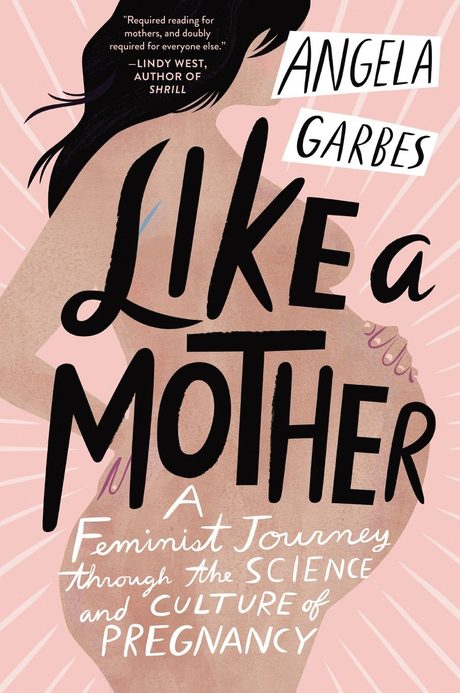
Like a Mother
Angela Garbes2018about 185 pages
Science journalism about pregnancy and the postpartum body, from a writer who kept asking why nobody had told her any of it.
Garbes went looking for what research actually says about placentas, breast milk, miscarriage and the postpartum body, and found both fascinating science and enormous gaps where nobody has bothered to study women properly. She interviews researchers and lactation consultants, and she writes about her own miscarriage and her own births without turning either into a lesson. It reads like a good long magazine piece rather than a manual, which means it works better in month three than in week one.
Why it is at 5
Fifth, and the best pick if your reaction to the first year is anger at how little you were told. It pairs neatly with Cribsheet: Oster gives you decision by decision odds, Garbes tells you what is happening inside your body and why the research is so thin. Both refuse to moralise about feeding, which is why they are here and several bestsellers are not.
Read it ifyou want the biology explained without judgement attached
Skip it ifyou are looking for step by step instructions
curious, warm, angryBest for: readers who want the sciencesciencepostpartumessays
Heads up: miscarriage, detailed medical description of birth and recovery
6
Manual shelf, one handed: yes
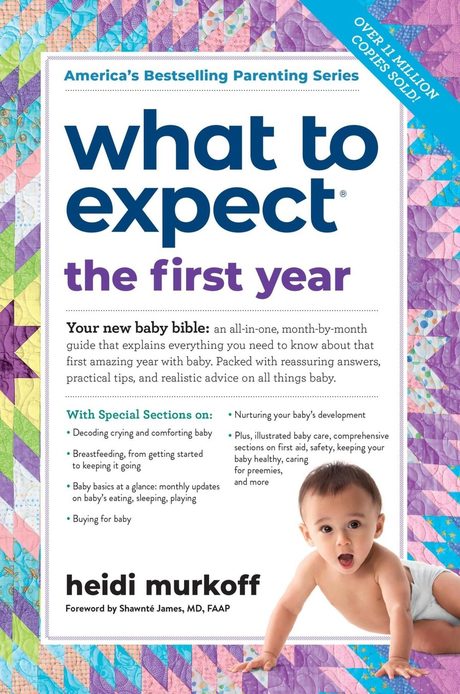
What to Expect the First Year
Heidi Murkoff1989about 924 pages
The encyclopaedia your parents used, still the fastest way to answer is this normal at two in the morning.
Organised month by month, with a long questions and answers section in each chapter, this is a lookup tool rather than a book you read. Rash, cough, refusing a bottle, not rolling over yet, strange sleep, strange poo: you find the month, you find the question, you get a sane paragraph. It has been revised many times since the first edition and is written for American parents, so the vaccination schedule and some product advice will not match your paediatrician's. Skim it once, then keep it where you can grab it.
Why it is at 6
Sixth. It is nobody's favourite book and it earns its place by being open on the table at midnight instead of googling a symptom and finding the worst possible answer. Use it to lower panic and to work out what is worth a call. It loses points for the American medical specifics and for a slightly nervous tone in places.
Read it ifyou want one reference book in the house
Skip it iflong lists of possible symptoms make you more anxious
thorough, plain, reassuringBest for: midnight symptom checksreferencemanualfirst year
7
Nobody warned me shelf, one handed: yes
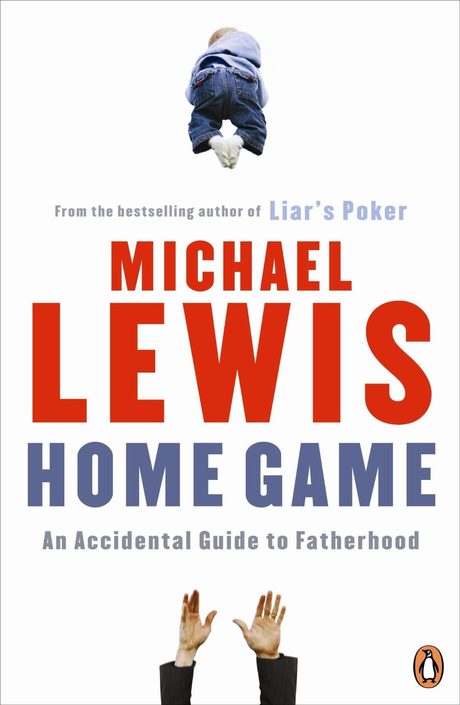
Home Game
Michael Lewis2009about 145 pages
A father admits he did not feel the rush of love on day one, then reports back honestly from three children.
Lewis wrote these dispatches while it was happening, across three children, and the honesty is the reason it survives. He is bad at the early weeks and says so. He notices that modern fathers are expected to behave like full partners while receiving roughly none of the biological or social scaffolding their own fathers were handed, and he is funny about the gap without using it as an excuse. Short pieces, each self contained, which is exactly right for a man doing the night shift on a sofa.
Why it is at 7
Seventh, and the only book here written from inside the second parent's confusion. Most new parent writing is addressed to mothers for good reasons, which leaves a lot of fathers reading nothing at all. This one is short, funny and honest enough to break that. Give it to a new father who says he does not read books.
Read it ifyou are the parent who did not give birth and feels surplus to requirements
Skip it ifyou want practical instructions rather than confessions
funny, honest, briskBest for: new fathers who avoid readingmemoirfatherhoodessays
Pairs with: Operating Instructions, the same year from the other side
8
Nobody warned me shelf, one handed: yes
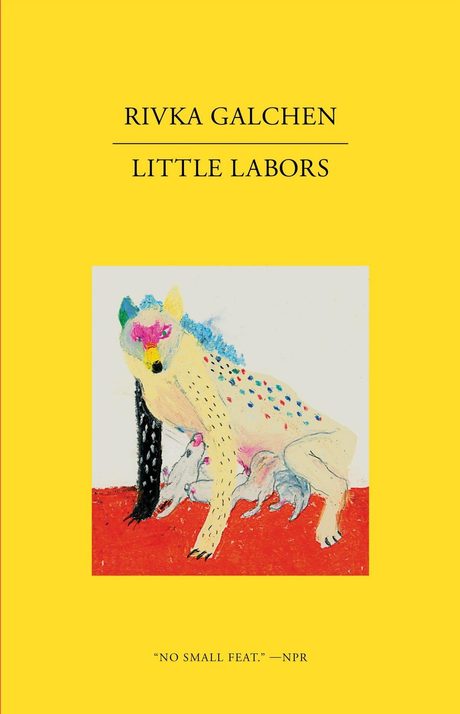
Little Labors
Rivka Galchen2016about 101 pages
A hundred and fifty pages of tiny numbered observations about a baby, and about how strangely literature treats babies.
Galchen wrote short pieces, some a paragraph long, some a few pages, about the year after her daughter was born. She notices that babies are almost absent from the novels she loves, she thinks about orange as the colour of babyhood, she records the odd behaviour of strangers on the street. There is no argument and no advice. It is a writer's notebook that happens to be about the most disorienting year of her life, and it is the rare book you can read in fragments without losing anything.
Why it is at 8
Eighth, and the best written thing on the list. It does not tell you what to do and does not want to. What it does is make the strangeness feel interesting rather than only exhausting, which some nights is the more valuable service. Perfect one handed reading, since each piece ends before your arm goes numb.
Read it ifyou want a book that treats the year as strange rather than solvable
Skip it ifyou want practical help, since there is none here
wry, brief, originalBest for: readers who miss readingessaysfragmentsliterary
9
Manual shelf, one handed: no
The Whole-Brain Child
Daniel J. Siegel2011
Twelve strategies built on how a child's brain is actually wired, useful from the day the tantrums start.
Siegel and Tina Payne Bryson explain child development in pictures a tired adult can hold: the upstairs brain that reasons and the downstairs brain that reacts, and the idea that you connect first and correct afterwards. The advice is concrete, with cartoon strips and scripts for what to say. Almost none of it applies to a newborn, which is why it is here rather than higher, but it changes how you handle month eighteen, and the earlier you read it the less you have to unlearn later.
Why it is at 9
Ninth, and the forward looking pick. Buy it now, read it around month ten when your brain returns, and use it for the next decade. It ranks below the newborn books purely on timing. The framework is genuinely useful and the writing is repetitive, so it is fine to read the summaries at the end of each chapter and move on.
Read it ifyou want tools for the toddler years before they arrive
Skip it ifyour baby is under six months and you need help today
practical, warm, repetitiveBest for: month ten onwardsparentingpsychologytoddler
10
Nobody warned me shelf, one handed: no
A Life's Work
Rachel Cusk2001about 192 pages
The most honest book about early motherhood in English, and the one that got its author attacked for writing it.
Cusk describes the first year with her daughter as a loss of self, and refuses to compensate the reader with warmth. She writes about the boredom, the resentment, the collapse of a working identity, and the sensation of being colonised by a small person. It is beautifully controlled prose and it caused a great deal of anger on publication, because a lot of people did not want this said out loud. Twenty years later it reads as plain description rather than provocation.
Why it is at 10
Tenth on this list and first if what you need is company in the dark. I have ranked it here only because it demands continuous attention and gives you no practical help at all. Read it in month four or later, and only if honesty makes you feel less alone rather than more frightened.
Read it ifyou want the truth stated coldly and precisely
Skip it ifyou are already low, because this book will not lift you
cold, exact, honestBest for: month four, if you are steadymemoirmotherhoodliterary
Heads up: maternal ambivalence, postnatal depression, loss of identity
11
Manual shelf, one handed: no
Bringing Up Bébé
Pamela Druckerman2012about 345 pages
An American in Paris notices French babies sleep through the night and French toddlers eat fish, then asks how.
Druckerman raised children in France and worked out that French parents do a few things differently: they pause before responding to a night time cry, they expect children to eat what adults eat at fixed times with no snacking, and they treat the adult's life as still mattering. It is journalism rather than a manual, told through her own household, and it is honest that class and free public creches do a lot of the work she admires. The pause and the food chapters are the parts people actually use.
Why it is at 11
Eleventh because the useful material is maybe forty pages and the rest is a memoir about Paris, charming but not urgent at two in the morning. Read it if you feel your household has become a service organisation for a very small person. Ignore any suggestion that one country has parenting solved, which the author herself keeps undercutting.
Read it ifyou want a different cultural template to argue with
Skip it ifcomparisons between countries irritate you
chatty, curious, arguableBest for: parents feeling erasedparentingculturejournalism
12
Nobody warned me shelf, one handed: no
Nurture the Wow
Danya Ruttenberg2016about 233 pages
A rabbi argues that the boredom, rage and tenderness of raising a small child are a spiritual practice, not an interruption of one.
Ruttenberg had three children and found that every book about contemplative life assumed silence and free time, which parents do not have. So she rebuilt the idea: the repetition of feeding and cleaning as practice, anger as information, the small child as a teacher of attention. She draws on Jewish text and thought and also on Buddhist and Christian writers, and she is funny about the gap between the theory and a toddler at your ankles. Religious in framing and not preachy in tone.
Why it is at 12
Twelfth, and the most likely to be skipped by exactly the person who would love it. If you find yourself asking what the point of the ninth nappy of the day is, this reframes the question rather than answering it. Ranked here because the framing is explicitly religious, which will suit some readers and not others, and I would rather say that than have you find out at page thirty.
Read it ifyou want meaning rather than method
Skip it ifreligious framing puts you off, since it runs through the whole book
thoughtful, searching, warmBest for: the ninth nappy of the dayspiritualityparentingessays
13
Three in the morning shelf, one handed: yes
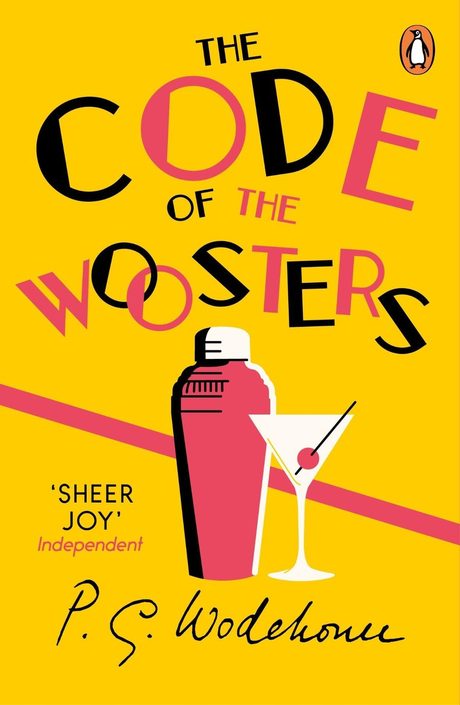
The Code of the Woosters
P. G. Wodehouse1938
Bertie Wooster must steal a cow shaped cream jug, and there is not one baby in the entire book.
Bertie is dispatched to a country house to sneer at a silver cow creamer, gets entangled with an engagement he does not want, a would be dictator in black shorts, a notebook full of insults, and a dog. Jeeves sorts it out. Nothing in this book matters, the sentences are the funniest in English comic writing, and the plot resets completely by the last page. Wodehouse chapters are short and self contained, which matters more than usual right now.
Why it is at 13
Thirteenth because it does nothing for your parenting and everything for your mind at three in the morning. New parenthood shrinks your world to feeds, sleep and worry, and the fastest way out for twenty minutes is a book with no relevance whatsoever to your life. This is the best of those. If Wodehouse is not your taste, any comfort series you already love will do the same job.
Read it ifyou need twenty minutes of not being someone's parent
Skip it ifyou find the upper class English silliness tiring
silly, elegant, weightlessBest for: the night feedcomedyclassicescape
Pairs with: Devotions, for the nights when funny is too much effort
14
Three in the morning shelf, one handed: yes
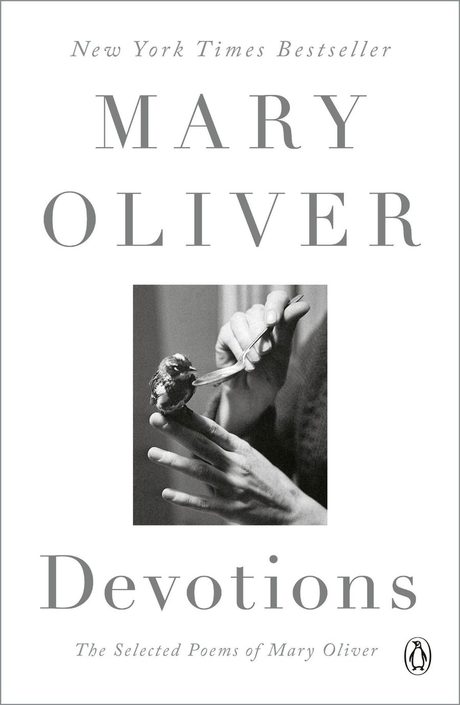
Devotions
Mary Oliver2017about 481 pages
Poems short enough to finish during one feed, about geese, ponds, mortality and paying attention.
Oliver selected these herself from more than fifty years of work, and the subjects are consistent: animals, water, walking, death, and the discipline of noticing things. The poems are short and unpretentious, and almost none of them require you to have studied poetry. One poem takes ninety seconds. That is the whole argument for having this book next to the feeding chair, since it is the only genre that fits into the gaps of a day this broken up.
Why it is at 14
Fourteenth on help per hour and first on a specific kind of night. When you are too tired for plot, too wired to sleep, and slightly panicked at how small your world has become, one page of Oliver does more than a chapter of anything else here. Nothing about parenting appears in it, and that is the service being offered.
Read it ifyou want something to read in ninety second gaps
Skip it ifnature poetry makes you impatient
quiet, clear, steadyingBest for: one poem per feedpoetryescapecalm
Worth knowing
The one handed test
A book passes if you can hold it, or your phone, in one hand while the other arm has a baby on it, read for four minutes, get interrupted, and pick it up again without rewinding. Reference books pass because you look things up. Diaries and essay collections pass because they end every few pages. Poetry passes best of all. Arguments that build over three hundred pages fail, however good they are, which is why two of my favourite books here sit at rank ten and eleven rather than near the top.
The tag on each entry tells you which kind you are getting. If you are in the first eight weeks, stay with the yes books. The no books are excellent and they will still be there in month five, when you get your brain back in usable condition.
Worth knowing
What changes in India
Four of these are written for American readers and it shows in specific places. Cribsheet weighs up American daycare research and American paediatric advice. What to Expect works to the US vaccination schedule, while Indian paediatricians follow the Indian Academy of Pediatrics schedule, which differs from the American one in real ways, starting with BCG at birth. Bringing Up Bebe is a book about Paris. Read them for the reasoning and check the specifics with your own paediatrician.
Then there is the loneliness problem. Most western parenting books assume two exhausted adults alone in a flat with nobody to hand the baby to. Plenty of Indian parents have the opposite situation, a house full of relatives with strong opinions about oil massage, gripe water, feeding schedules and whether the child is being spoiled. The isolation chapters will read as science fiction, and the chapters on holding your own line will be the most useful pages in the book.
One practical difference worth knowing: India provides twenty six weeks of paid maternity leave on paper for employees of covered establishments, following the 2017 amendment to the Maternity Benefit Act, while the United States has no federal paid parental leave at all. That gap explains why American new parent writing sounds so frantic about the six week mark. Your calendar may look nothing like theirs.
Worth knowing
If you feel worse than tired
Several books here touch postnatal depression, birth trauma, intrusive thoughts and the kind of anger that frightens you. Reading them can make you feel less alone and can help you name what is happening, and that is worth a great deal. It is also worth saying plainly: a book is not treatment. If you are not sleeping even when the baby sleeps, if the low mood lasts weeks, if you are having thoughts that scare you, tell a doctor and tell one person in the house. Postnatal depression is common and treatable, and it is not a character flaw or a parenting verdict.
People also ask
Questions, answered
What books should new parents actually read?
Two, if you only manage two. Cribsheet by Emily Oster for the decisions, because it settles arguments quickly and lowers the stakes on most of them, and Operating Instructions by Anne Lamott for company, because it says the ugly parts out loud. Add The Happiest Baby on the Block if your newborn cries through the evenings. Everything else on this list is worth reading later, when you have both hands and a working brain.
Are American parenting books useful in India?
Useful for reasoning, unreliable on specifics. The research and the arguments travel well. The vaccination schedule, product advice and daycare assumptions do not, since Indian paediatricians follow the Indian Academy of Pediatrics schedule. The bigger mismatch is social. These books assume two adults alone in a flat, while many Indian parents are managing a full house of relatives with firm opinions. The chapters on holding your own line will be more useful than the chapters on loneliness.
What is a good gift for new parents?
Not another baby manual, they have three. Give Operating Instructions or Little Labors, both of which treat the parent as a person rather than a caregiver in training, or Devotions for the nights. If you want to be genuinely helpful, attach food or an offer to hold the baby for two hours to the book. A book with no help attached is a lovely object that will sit unopened until month six.
Is What to Expect the First Year still worth buying?
Yes, as a lookup tool rather than a book you read through. Its value is that at two in the morning you can find the month, find the symptom, and get a sane paragraph instead of searching online and finding the worst case. It is American, so check the vaccination schedule and any medication advice with your own doctor. If long symptom lists make you more anxious rather than less, skip it.
I have no time to read. What do I do?
Change the format rather than the intention. Poetry, diaries and essay collections survive interruption because they end every couple of pages, which is why Devotions, Little Labors and Operating Instructions rank where they do here. Keep one on your phone for feeds and one physical book by the bed. Long continuous arguments, however good, are month five reading. Nobody finishes a three hundred page thesis in the newborn weeks and nothing is wrong with you for that.
Which book helps most with sleep?
The Happiest Baby on the Block for a crying newborn under four months, since the technique either works within a minute or does not, and Cribsheet for deciding what to do after that. Cribsheet lays out what the sleep training evidence supports and how large the effects actually are, without treating either camp as villains. Sleep is also the area where individual babies vary most, so treat any book promising a guaranteed method with suspicion.
Before you go
What to read tonight
If the baby is here already, start with the one that matches tonight rather than the one at the top. Crying that will not stop means Karp. A feeling that you are failing at something everyone else finds natural means Lamott, this week, tonight. An argument in the house about feeding or sleep means Oster, and read the summary at the end of the chapter first.
If the baby has not arrived, buy three: Cribsheet, Operating Instructions, and one book with no babies in it whatsoever. That third one is not a joke. Some night around week five you will be awake at three in the morning holding a person who has finally stopped crying, and you will not want advice, you will want twenty minutes of being yourself again. Have something waiting on your phone for that, because the shops are shut and your brain is not.
Keep going
Lists that pair with this one