The first book on writing I ever bought, I bought instead of writing. I was standing in a bookshop in Ahmedabad holding a fat paperback about story structure, feeling productive in a way that required no actual sentences from me. That book sat on my shelf for two years. Twenty one published books later I still own it, and I still think buying writing books is the most respectable form of procrastination available to a writer.
Which is why this list is ordered the way it is. Most lists rank by fame, so Stephen King goes first and everyone nods along. This one ranks by triage. The books that fix the problem almost every beginner actually has come first, and the books that only help once you are already decent come last. Each entry carries a label saying what it treats, because a book about sentence rhythm is useless to someone who cannot open the document, and a book about resistance is useless to someone whose real problem is that their paragraphs read like wet cement.
Sixteen books, one to sixteen. The one at the bottom is a famous book I think is oversold, and I say exactly why rather than leaving it off and pretending I forgot. If you only have money for two or three, the quick picks will get you out of here in ten seconds.
How I picked these
- Ordered by triage rather than by reputation: the first few fix problems that stop people writing at all, the last few are for writers who already finish things.
- Every book had to pass one test, which is whether it changed something I actually do at the desk. Books I admired and never used got cut.
- One book per problem where I could manage it. John Truby's The Anatomy of Story went out because Robert McKee already holds the structure slot, and two doorstops on the same subject is cruelty.
- No writing books that are really business books in a hoodie. If the promise was six figures on Amazon, it did not make the cut.
- All sixteen verified through Google Books and Open Library with real editions and real covers, so nothing here is a ghost paperback from a print-on-demand farm.
- The famous book I think is oversold is still on the list, at sixteen, with reasons rather than a sneer.
The whole list at a glance
All 16 books, in order
| # | Book | Author | Year | Vibe | Best for |
|---|
| 1 | On Writing: A Memoir of the Craft | Stephen King | 2000 | blunt, warm, fast | your first book about writing |
| 2 | Bird by Bird | Anne Lamott | 1994 | warm, funny, forgiving | anyone stuck on page four |
| 3 | On Writing Well | William Zinsser | 1976 | dry, exact, kind | second-language English writers |
| 4 | The War of Art | Steven Pressfield | 2002 | short, harsh, motivating | chronic procrastinators |
| 5 | Several Short Sentences About Writing | Verlyn Klinkenborg | 2012 | odd, slow, sharpening | one evening of sentence repair |
| 6 | Steering the Craft | Ursula K. Le Guin | 1998 | practical, brisk, demanding | fiction writers who want drills |
| 7 | Save the Cat Writes a Novel | Jessica Brody | 2018 | practical, prescriptive, clear | novelists who keep stalling |
| 8 | Draft No. 4 | John McPhee | 2017 | precise, dry, absorbing | longform nonfiction writers |
| 9 | Reading Like a Writer | Francine Prose | 2006 | attentive, literary, patient | heavy readers who write |
| 10 | Writing Down the Bones | Natalie Goldberg | 1986 | gentle, meditative, loose | building a daily writing habit |
| 11 | Story | Robert McKee | 1997 | dense, theoretical, authoritative | screenwriters and structure nerds |
| 12 | The Sense of Style | Steven Pinker | 2014 | clever, technical, opinionated | academic and professional writers |
| 13 | Zen in the Art of Writing | Ray Bradbury | 1990 | exuberant, romantic, loud | refilling an empty tank |
| 14 | Big Magic | Elizabeth Gilbert | 2015 | encouraging, breezy, spiritual | writers who feel unqualified |
| 15 | Consider This | Chuck Palahniuk | 2020 | scattered, blunt, useful | voice-driven fiction writers |
| 16 | The Elements of Style | William Strunk Jr. | 1918 | terse, dated, quotable | a forty minute refresher |
The list
The books, ranked
1
Treats: not knowing what the job is
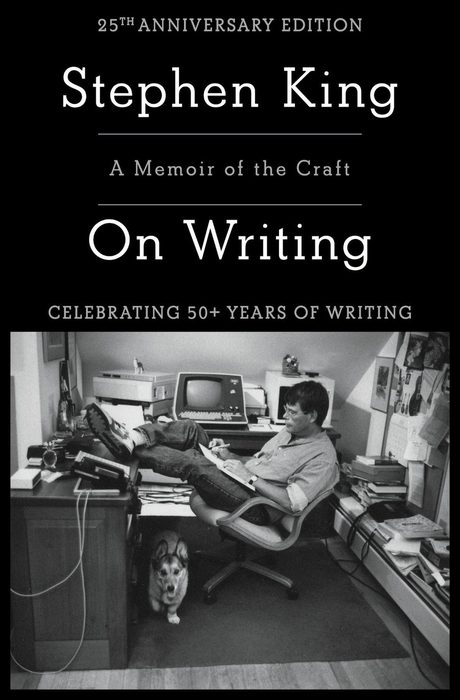
On Writing: A Memoir of the Craft
Stephen King2000about 320 pages
Half memoir, half toolbox, and the only writing book I have given to more than ten people without once regretting it.
King splits it in two. The first half is his own life, from a childhood of ear infections and rejection slips stuck on a nail in the wall, through the years he wrote at a desk squeezed into a laundry room, to the van that nearly killed him in 1999 while this book was half finished. The second half is the toolbox: adverbs, dialogue, the rule that a second draft is the first draft minus ten percent, what a story actually is underneath the plot. It moves fast because King cannot write a dull paragraph even when the subject is grammar.
Why it is at 1
First because it casts the widest net. Whatever your problem is, this book touches it: fear, discipline, adverbs, plot, and the fact that reading a lot is not optional. Lamott is warmer and Zinsser is more useful line by line, but nobody else covers this much ground while staying this readable. If you buy exactly one book from this list, and most people should, buy this one.
Read it ifyou want one book that covers fear, habit and craft together
Skip it ifyou have no patience for memoir, because half of it is his life
blunt, warm, fastBest for: your first book about writingcraftmemoirbeginner
2
Treats: the perfect first draft you cannot write
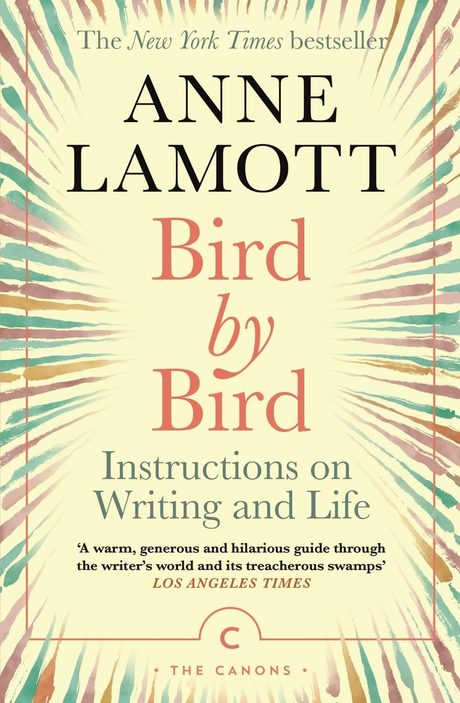
Bird by Bird
Anne Lamott1994about 192 pages
The book that gives you permission to write badly on purpose, which turns out to be the entire trick.
The title comes from her brother, aged ten, paralysed the night before a school report on birds was due, and their father telling him to take it bird by bird. That is the whole method: short chapters about doing the next small piece instead of the whole terrifying thing. Her chapter on rough first drafts, which she names with a word I will let her keep, is the most quoted piece of writing advice of the last thirty years for good reason. She is also honest about jealousy of other writers, which nothing else on this list dares to touch.
Why it is at 2
Second because it fixes the most common failure of all: people quit at page four because page four is bad. Lamott makes the bad pages part of the plan rather than an emergency. King ranks above her only because his book also teaches craft. If your problem is shame rather than technique, swap these two around and start here.
Read it ifyour drafts die early because they are not good enough yet
Skip it ifa quiet religious streak in a craft book bothers you
warm, funny, forgivingBest for: anyone stuck on page fourcraftencouragementessays
3
Treats: sentences doing four things at once
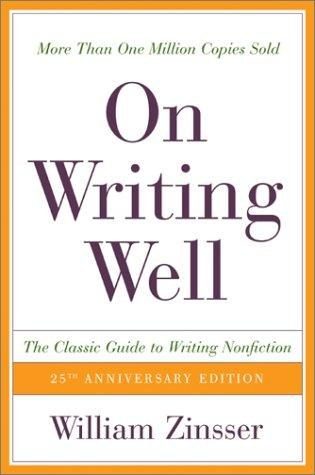
On Writing Well
William Zinsser1976
The clearest teacher of clear English I have read, and the single best book here for anyone writing in a second language.
Zinsser taught nonfiction at Yale and the book grew out of that course. His argument is one idea repeated until it sticks: clutter is the enemy, and most of what you write can go without losing anything except your ego. He reproduces his own manuscript pages with the crossings out left visible, which teaches more in two pages than a chapter of theory would. There are later sections on interviews, travel, science, memoir and business writing, so it keeps earning its place on the shelf long after you stop writing essays.
Why it is at 3
Third because it is the most practical book here per page. King and Lamott change how you feel about writing. Zinsser changes what your next paragraph looks like, tonight. I rank it this high partly for Indian readers, since so much of the English we were taught at school rewards decoration and length, and this is the antidote to both.
Read it ifyou write nonfiction, essays, emails or anything meant to be understood
Skip it ifyou write only fiction, since nearly every example here is nonfiction
dry, exact, kindBest for: second-language English writersnonfictionclaritystyle
4
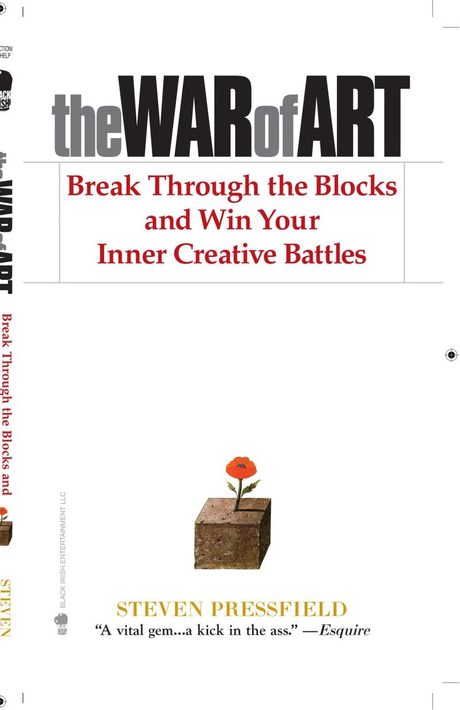
Treats: knowing what to do and not doing it
The War of Art
Steven Pressfield2002about 195 pages
A short, aggressive book about why you did not write today, by a man who clearly has no patience for excuses including his own.
Pressfield's move is to give procrastination a proper name, Resistance, and then treat it as a force with observable behaviour. It lies, it flatters, it gets stronger the closer you come to the work that matters most. The book is built from very short chapters, some half a page long, so you can read it in the ten minutes you were about to waste anyway. The final third turns mystical, all muses and angels, and you can take that or leave it. The first two thirds are a boot on the back.
Why it is at 4
Fourth because it treats a real problem and treats it quickly, but understand what it is not. Nothing in it will improve a sentence. Read it when you already know what to write and are somehow not writing it. If your actual problem is that the work itself is weak, this book will just make you feel guilty about producing more weak work.
Read it ifyou keep planning to write tomorrow and tomorrow keeps moving
Skip it ifyou want craft advice, because there is almost none here
short, harsh, motivatingBest for: chronic procrastinatorsdisciplinecreativityshort read
5
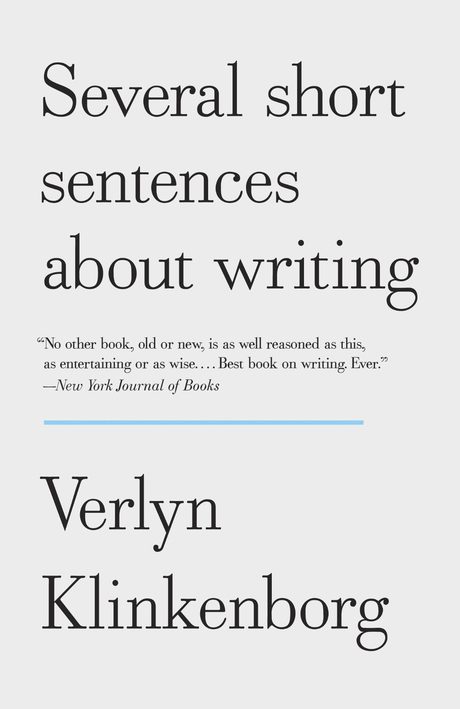
Treats: prose that reads like wet cement
Several Short Sentences About Writing
Verlyn Klinkenborg2012about 226 pages
A strange book laid out like poetry that taught me more about the sentence than every grammar class I ever sat through.
Klinkenborg writes the first and longest section in short lines with a great deal of white space, which looks like verse and reads like someone thinking slowly on purpose. His central claim is that most advice about flow and transitions is wrong, and that a good paragraph is built from sentences that can each stand on their own legs. He also argues you should hold a sentence in your head and rework it there before writing it down, which sounded ridiculous to me until I tried it for a month and my drafting changed permanently.
Why it is at 5
Fifth, and the biggest jump in quality per hour on this list. It is short enough to finish in one evening and awkward enough that you will argue with it, which is the point. Zinsser tells you what to cut. Klinkenborg makes you notice what you are cutting and why the remaining words sit better. The format is either a delight or a wall, so read a sample first.
Read it ifyour paragraphs feel heavy and you cannot work out why
Skip it ifyou want rules, exercises and a normal book layout
odd, slow, sharpeningBest for: one evening of sentence repairsentencesstyleshort read
6
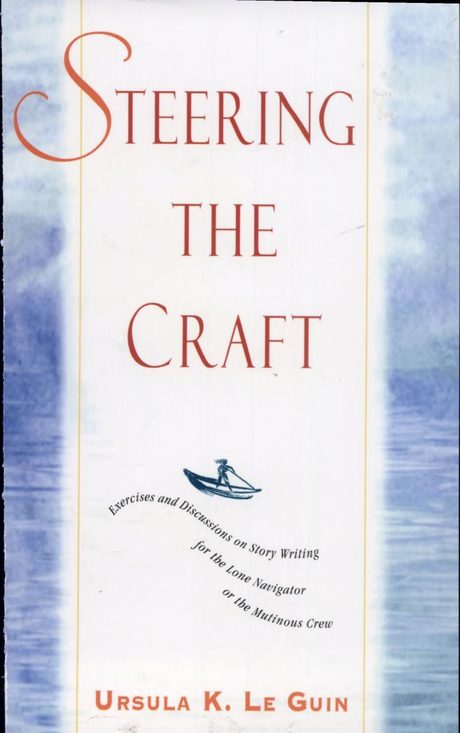
Treats: losing control of the story on the page
Steering the Craft
Ursula K. Le Guin1998about 178 pages
Le Guin on rhythm, point of view and the sound of prose, with exercises that genuinely work if you actually do them.
This began as a workshop and it still behaves like one. Each short chapter takes a single tool, sentence length, punctuation, repetition, tense, point of view, and ends with an exercise you are meant to write. Her chapter on point of view is the clearest explanation I have found anywhere, and she is merciless about writers who slide between heads without noticing they have done it. She insists you read your sentences aloud, which sounds precious right up until you hear your own draft in your own voice and wince.
Why it is at 6
Sixth because it is the best hands-on fiction craft book here, and because it demands work in return. Read it in bed while skipping the exercises and you will get about a fifth of the value. Klinkenborg above it is better for pure sentence sense. Le Guin is better if you write stories and keep losing track of who is telling them.
Read it ifyou write fiction and will actually do the exercises
Skip it ifyou want something you can read passively on a commute
practical, brisk, demandingBest for: fiction writers who want drillsfictionexercisescraft
7
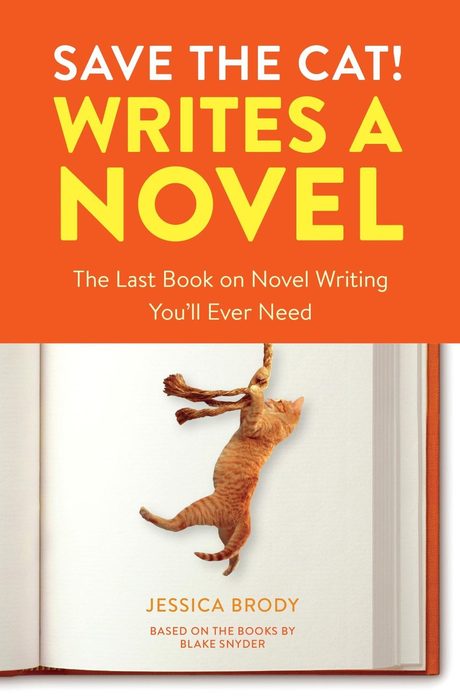
Treats: the draft that dies in the middle
Save the Cat Writes a Novel
Jessica Brody2018about 322 pages
A fifteen beat story skeleton, borrowed from screenwriting, that tells you what should be happening around page one hundred and forty.
Brody took Blake Snyder's screenwriting beat sheet and rebuilt it for novels, with beats like the break into act two, the midpoint and the dark night of the soul, each pegged to a rough position in the book. She then walks through ten story types and points out the beats inside published novels so you can see the skeleton under the skin. Used badly this produces exactly the formulaic stuff people complain about. Used well it is a diagnostic tool: when a draft stalls, you can usually find the beat you skipped over.
Why it is at 7
Seventh because it solves a specific and very common death, the draft that runs out of road halfway. It sits below the craft books because it will not improve a single sentence, and because leaning on it too early can flatten a novel into a template. Treat it as a map you check when lost rather than a route you follow from the first page.
Read it ifyou have abandoned drafts and want a structural reason why
Skip it ifyou write on instinct and formulas make you go cold
practical, prescriptive, clearBest for: novelists who keep stallingstructureplotnovel
8
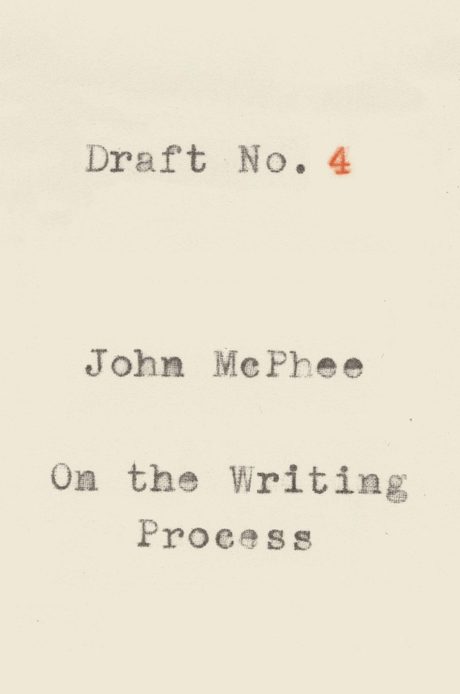
Treats: thinking professionals do not suffer
Draft No. 4
John McPhee2017about 209 pages
A master of long nonfiction on how a piece actually gets built, including the part where he cannot start it for weeks.
McPhee spent decades writing long pieces for The New Yorker, and this is his account of how they get made: how he finds a structure before he writes, how he codes and sorts his notes, how a piece about oranges or about geology gets shaped into something you cannot put down. The title comes from his conviction that the fourth pass is where the fear finally comes out of the prose. What stays with you is his honesty about the first draft, which he describes as an ordeal even after a working lifetime of practice.
Why it is at 8
Eighth because it is the best book here on process and the worst here for a beginner. McPhee assumes you already write and already care about structure. Read it after you have finished something and want to see how a professional survives the same misery you just survived. It also contains the most enjoyable prose on this list by a comfortable margin.
Read it ifyou have finished a draft and want to watch a professional work
Skip it ifyou have not written much yet, because it assumes plenty
precise, dry, absorbingBest for: longform nonfiction writersnonfictionprocessstructure
9
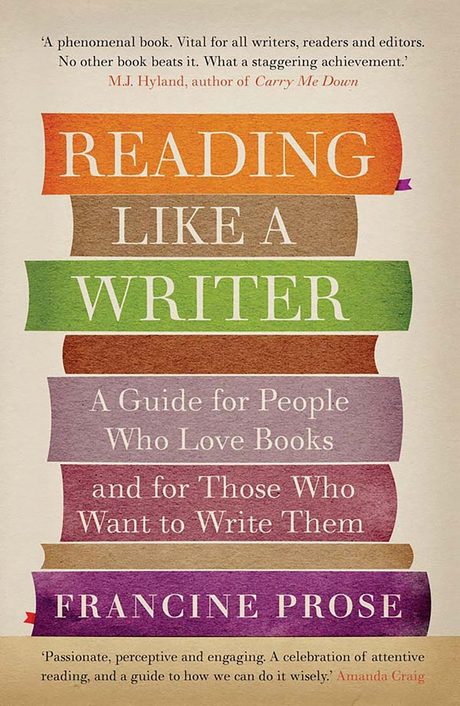
Treats: reading a lot and learning nothing
Reading Like a Writer
Francine Prose2006about 265 pages
Prose takes single paragraphs from great novels and slows them right down until you can see the machinery underneath.
The argument is that writers learn most from close reading, so the book works upward from words to sentences to paragraphs to narration, dialogue and gesture, using long quoted passages as the teaching material. She will spend pages on one Chekhov paragraph or a single line of dialogue, pointing out choices you had walked past a hundred times without registering. There is a long reading list at the end that will keep you busy for a year. It is a book about attention more than about technique.
Why it is at 9
Ninth because it teaches a habit rather than a skill, and habits pay slowly. If you already read a lot of fiction it converts that reading into training and is worth far more than its rank suggests. If you finish two books a year it will feel like a literature seminar you did not sign up for and did not need.
Read it ifyou read fiction constantly and want it to make you better
Skip it ifclose reading of long quoted passages bores you
attentive, literary, patientBest for: heavy readers who writereadingfictioncraft
10
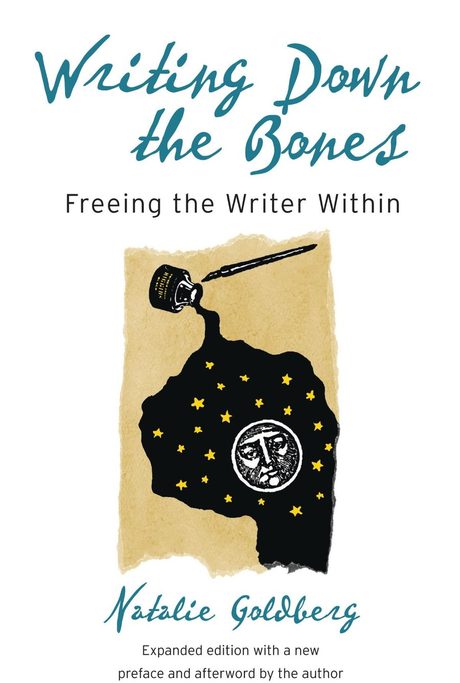
Treats: a blank page and no habit
Writing Down the Bones
Natalie Goldberg1986about 218 pages
Short chapters on writing practice, treated the way a Zen teacher treats sitting: you do it daily, badly, without grading it.
Goldberg's method is timed writing. Set ten minutes, keep the hand moving, do not cross anything out, ignore grammar, and go straight at whatever scares you. The chapters run two or three pages each, so the book models its own practice. It reads closer to meditation instruction than craft teaching, and it built the daily-pages habit that half the internet now recycles without credit. Read it as a way to get moving rather than as a way to get good, and it will do exactly what it says.
Why it is at 10
Tenth because the method works and the ceiling is low. Timed practice will have you writing daily inside a week, which is most of the battle won. It will not teach you to shape anything. Pair it with Le Guin or Zinsser so the words you produce every morning eventually turn into something a reader can follow to the end.
Read it ifyou need a daily habit more than you need technique
Skip it ifyou already write daily and want structure or craft
gentle, meditative, looseBest for: building a daily writing habithabitpracticezen
11
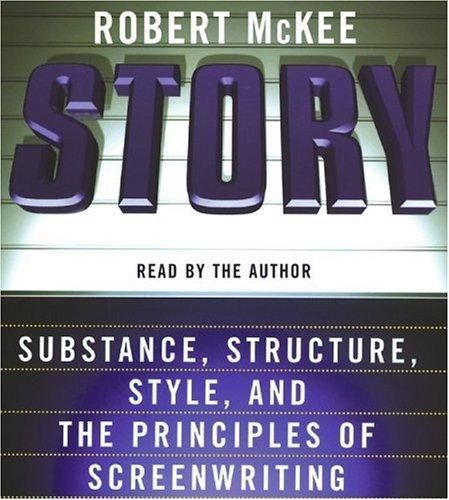
Treats: scenes where nothing changes
Story
Robert McKee1997about 466 pages
The screenwriting bible, useful to novelists too, and heavy enough to hurt if you drop it on your foot.
McKee's subject is the architecture of dramatic story: the value shift inside every scene, the gap between what a character expects and what actually happens, the design of acts, the difference between classical structure and the quieter shapes that sit beside it. His most useful idea, and the one you will keep, is that a scene which changes nothing should be cut. That is brutal and it is also the fastest edit you will ever make. The tone is professorial and very sure of itself, and he can be dismissive of anything outside the classical mould.
Why it is at 11
Eleventh because the ideas are real and the delivery is a slog. Four hundred dense pages is a long runway before takeoff, and most novelists get eighty percent of the same benefit from Brody at rank seven in a quarter of the time. Read McKee once structure has become genuinely interesting to you rather than a chore you are avoiding.
Read it ifyou want deep theory of dramatic structure and have the patience
Skip it ifyou want quick practical fixes for a stalled manuscript
dense, theoretical, authoritativeBest for: screenwriters and structure nerdsstructurescreenwritingtheory
12
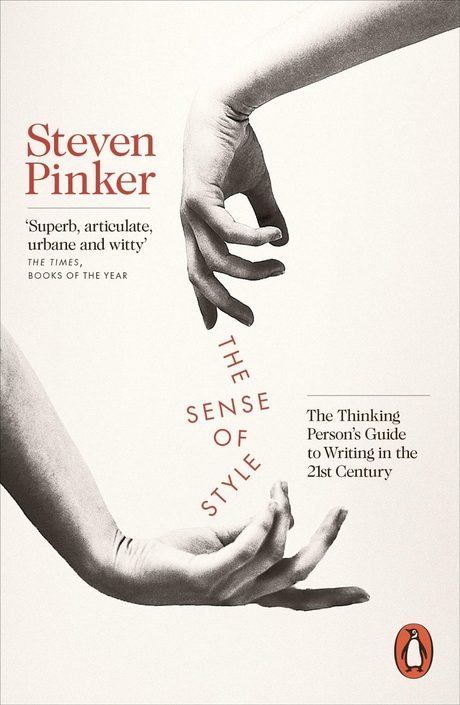
Treats: prose that sounds like a government form
The Sense of Style
Steven Pinker2014about 244 pages
A linguist explains why bad writing happens, then rebuilds the usage rules from evidence instead of from what your teacher believed.
Pinker's diagnosis is the curse of knowledge, the near impossibility of imagining what it is like not to already know the thing you are explaining. From there he lays out the plain, window-pane style he recommends, then spends the back half on grammar and usage, defending split infinitives and sentence-ending prepositions with actual evidence rather than folklore. The examples lean academic and journalistic, and the tone is a clever professor enjoying himself in public. It gets dense, but the diagnosis chapter alone justifies the purchase.
Why it is at 12
Twelfth because it is excellent and narrow. If you write academic papers, reports or anything technical, move it up five places for your own purposes. For a first novel it is largely beside the point, and Zinsser gets you to the same clarity with half the linguistics and a third of the pages.
Read it ifyou write academic, technical or professional prose
Skip it ifgrammar arguments bore you and you write only fiction
clever, technical, opinionatedBest for: academic and professional writersstylegrammarnonfiction
13
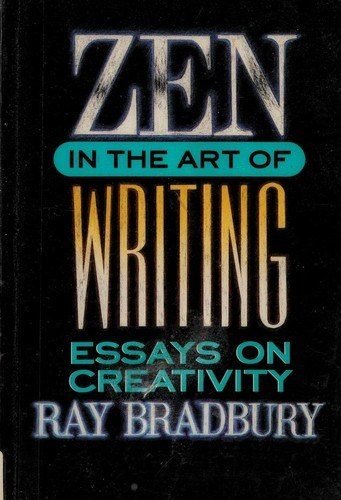
Treats: losing the reason you started
Zen in the Art of Writing
Ray Bradbury1990about 148 pages
Bradbury on joy, speed and writing a thousand words a day because you want to, not because a schedule told you to.
A set of essays written across several decades about his own working life: how Fahrenheit 451 came out of a rented typewriter in a library basement, how he wrote lists of nouns to shake stories loose, why he believed a writer should work fast and get out of the way of their own subconscious. It is enthusiastic to the point of being tiring, and there is no method here you could hand to another person. What it does have is appetite, which is contagious and badly undervalued once you have been at this a few years.
Why it is at 13
Thirteenth because it is fuel rather than instruction. Nothing in it will fix a chapter. But when the whole thing has turned into an obligation and you have started resenting your own manuscript, this is the shortest route back to remembering that nobody made you do this. Read it in one sitting when the tank is empty and then go and write something silly.
Read it ifwriting has turned into a joyless obligation
Skip it ifyou want technique, because none is on offer here
exuberant, romantic, loudBest for: refilling an empty tankcreativityessaysmotivation
14
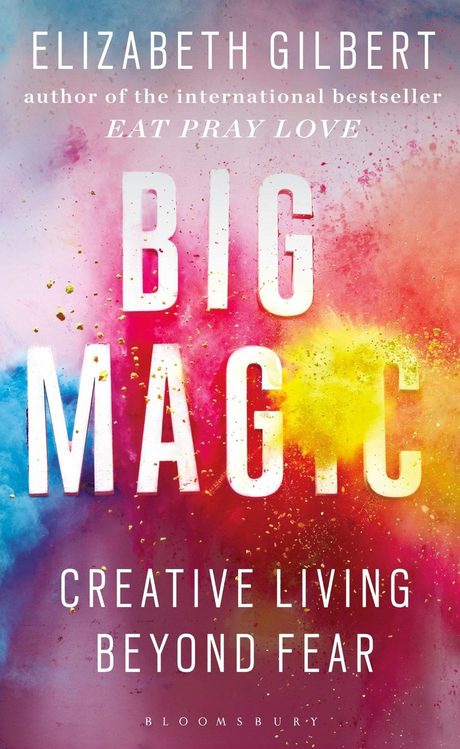
Treats: waiting for permission
Big Magic
Elizabeth Gilbert2015about 203 pages
Gilbert argues you do not need to suffer, quit your job or be a genius in order to make things, and she mostly convinces me.
The most discussed idea in it is that ideas behave like independent entities looking for a collaborator, and that if you stall too long they leave and find someone else. Take that literally or as a working metaphor. Underneath it sits a practical argument: keep the day job, stop demanding that creativity pay rent, drop the tortured artist story you inherited from films, and make things because making things is a decent way to spend a life. She is firm about entitlement in the good sense, that you are allowed to write without qualifying first.
Why it is at 14
Fourteenth because it is a book about permission rather than about writing, and its audience is specific. If you were raised to treat art as a hobby you should have outgrown by now, which describes a great many of us, it does real work. If you already write without guilt, you will find it a little airy and slightly repetitive.
Read it ifguilt or family expectation is the thing stopping you
Skip it ifthe idea of ideas as living beings makes you roll your eyes
encouraging, breezy, spiritualBest for: writers who feel unqualifiedcreativityfearpermission
15
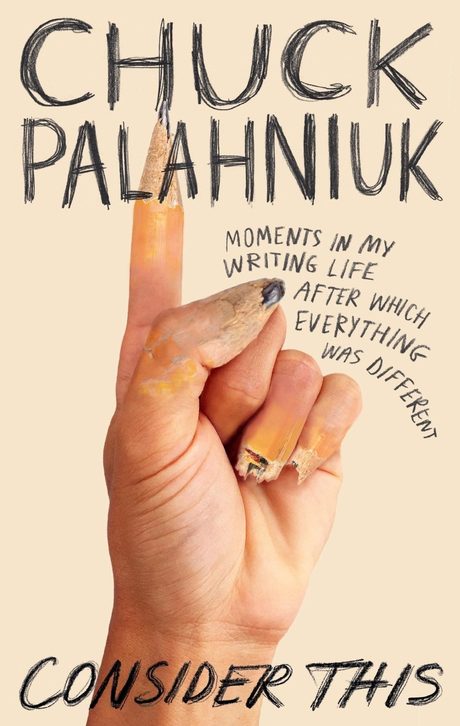
Treats: flat prose that keeps the reader outside
Consider This
Chuck Palahniuk2020about 183 pages
Workshop notes from a strange teacher, full of oddly specific tricks that work: burnt tongue, unpacking, submerging the I.
Palahniuk writes this as though you are sitting in his workshop, mixing technique with stories about Tom Spanbauer's classes and his own years selling books at live readings. The techniques are unusually concrete: replace abstract emotion words with physical description, plant a recurring line that gathers weight each time it returns, use a slightly wrong sentence so a voice sounds like an actual person. It is scattered, occasionally smug, and stuffed with the kind of practical trick most craft books are too polite to hand over.
Why it is at 15
Fifteenth because it is a specialist's book wearing a general title. The advice leans hard towards voice-driven, transgressive fiction, and applied to a gentle family novel the results will be strange. Taken as a bag of tools to raid rather than a philosophy to adopt, it is the most immediately usable thing on this list.
Read it ifyou write voice-driven fiction and want concrete, unusual tricks
Skip it ifyou want a calm, orderly, well-organised craft book
scattered, blunt, usefulBest for: voice-driven fiction writersvoicefictionworkshop
Heads up: brief references to violent and disturbing material from his own novels
16
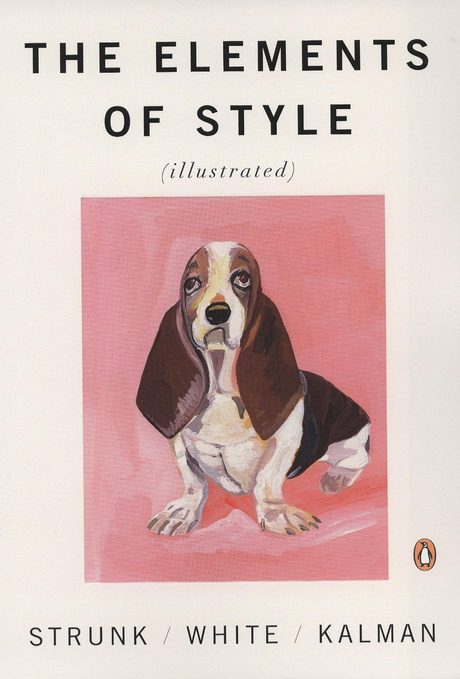
Treats: mild sloppiness, in forty minutes
The Elements of Style
William Strunk Jr.1918about 180 pages
The most quoted style guide in English, still worth an hour of your time, and nowhere near the scripture the internet claims.
Strunk was a Cornell professor who printed a little rulebook for his students in 1918, and his former student E. B. White revised and expanded it in 1959, which is the version almost everyone means when they name it. It is very short. About a third of it is genuinely good, in particular omit needless words, prefer the active voice, and use definite concrete language. Another third is fussy usage law from a century ago. The last third is one man's taste presented as grammar, and linguists have been picking holes in it for decades with good cause.
Why it is at 16
Last, and last is not the same as bad. The good rules in it already live inside better books on this list, delivered with reasons attached rather than as commandments. Zinsser teaches the same discipline and explains himself. Buy it for forty minutes of sharpening if you like. Do not treat it as holy writ, and do not let anyone tell you your sentence is wrong because a 1918 pamphlet disapproved.
Read it ifyou want a very short refresher on tightening prose
Skip it ifyou want explanations rather than commandments
terse, dated, quotableBest for: a forty minute refresherstylegrammarreference
Worth knowing
The five problems, and which book treats which
Nearly every writing problem I have had, and I have had all of them at least twice, falls into one of five buckets. One, you cannot start, which is fear wearing a calendar. Two, you start and then stop, which is a habit problem. Three, you finish drafts and they collapse somewhere in the middle, which is structure. Four, your sentences are correct and lifeless, which is craft. Five, you are already good and want to be better, which is the nicest problem on the list to have.
The ranking follows roughly that order, because that is the order in which people meet the problems. King, Lamott, Pressfield, Goldberg and Gilbert live in buckets one and two. Brody and McKee handle bucket three. Zinsser, Klinkenborg, Le Guin, Pinker, Palahniuk and Strunk handle four. McPhee and Prose belong to bucket five, which is exactly why two very good books sit at eight and nine instead of near the top. Bradbury sits outside the system entirely, because there is a sixth problem, losing interest, and he is the cure for it.
Worth knowing
If you can only buy three
For the widest coverage per rupee, take King, Zinsser and Klinkenborg. That gives you the overview, the clarity discipline and the sentence surgery, and between them they cover fiction and nonfiction without much overlap. Add Brody as a fourth only if you are actually attempting a novel this year.
Read them in that order too. King first because it makes you want to write. Zinsser second because it makes what you write readable by somebody else. Klinkenborg third because by then you will have enough drafts behind you to see what he means. Reading Klinkenborg first is like being handed a scalpel before you have ever seen a patient.
People also ask
Questions, answered
What is the best book on writing for beginners?
On Writing by Stephen King, for most people. It covers fear, habit and craft inside one book, it is honest about how ordinary the working life of a writer really is, and it never talks down to you. If your specific problem is that you cannot make yourself write anything at all, start with Bird by Bird instead. If you mostly write nonfiction or professional English, start with On Writing Well.
Do books on writing actually make you a better writer?
Some of them, and only if you write between chapters. A good craft book gives you a diagnosis, telling you why your middle sags or why your prose feels heavy, which is genuinely hard to see on your own. What it cannot give you is reps. I have watched people, myself included, read six craft books in a year and produce nothing, and it feels like progress the entire time. One book, then twenty thousand words, then the next book.
Which book should I read if I want to write a novel?
Save the Cat Writes a Novel for structure, Steering the Craft for sentences and point of view, and On Writing for everything around them. That trio covers the three ways first novels usually die: no shape, no control over who is narrating, and no finishing habit. Leave Robert McKee's Story until your second attempt, since the theory reads much better once you have personally made the mistakes he describes.
Is The Elements of Style still worth reading?
For forty minutes, yes. The core advice about cutting needless words and preferring the active voice is sound and has never stopped being useful to anybody. The problem is its reputation. Large parts of it are one man's taste from a century ago written as law, and linguists have spent decades pointing out rules in it that excellent writers break constantly. Read it as a sharp opinion rather than a rulebook, and read Zinsser for the same discipline with reasons attached.
How many books on writing should I own?
Three or four that you genuinely reread beats twenty you skimmed once. My own working set is On Writing, On Writing Well, Several Short Sentences About Writing and Draft No. 4, and I go back to those every year or two. Everything else on this list I have read once and taken something specific from. If you own more books about writing than finished drafts, the books are not your bottleneck.
What is a good book on writing for blogs and nonfiction?
On Writing Well is the standard and deserves the position, since Zinsser wrote it for exactly this: essays, memoir, travel, science and business writing. Follow it with Draft No. 4 if you write anything long, because McPhee is the best there is on giving a large pile of research a shape. The Sense of Style is the third one, useful mainly if your writing has picked up academic habits you cannot shake.
Before you go
What to read tonight
If it is late and you want to start one tonight, make it Bird by Bird. It is short, it is funny, and it removes the exact excuse that is probably keeping the document closed. King is the better all-round book but it is longer, and tonight you do not need a course, you need permission.
After that, do the annoying part. Pick one book from this list, take one rule from it, and apply that single rule to something you have already written rather than to the beautiful thing you plan to write next year. Cut a page by ten percent. Rewrite three paragraphs in the active voice. Find the scene where nothing changes and delete it. Writing books only convert into skill at the moment they cost you something, and that moment is always an edit you did not want to make.
Keep going
Lists that pair with this one
Comedy
12 Best Books on Comedy Writing, Ranked by What You Can Use
Ranked by how much usable technique survives the read, with a start here pick for jokes, sketch, sitcom and funny prose.
Mood & Life
16 Self-Help Books That Actually Work (And 4 That Do Not)
I judged every one of these by a single test: six months after you finish, does anything change on an ordinary Tuesday?
Mood & Life
20 Best Books to Read in Your 20s, Grouped by the Problem
Four problems run this decade, work, love, money and meaning, so the list is sorted that way instead of pretending one book fixes all four.
Comedy
The 14 Best Humor Essay Collections, and Which Essay to Read First
Fourteen funny collections built for ten minutes at a time, each with the exact piece to open on.
Mood & Life
14 Books for New Parents (Half Are Not About Babies)
Ranked by how much of the first year each one makes survivable, and tagged for whether you can read it one handed at three in the morning.