I own a lot of self-help books and most of them did nothing for me, which was not entirely their fault. Reading a self-help book feels like doing the thing the book is about. You finish a chapter on discipline at midnight, feel briefly like a better person, sleep well, and nothing has changed except your mood, and by Thursday even that is gone.
So I judged these by one test, which I will call the Tuesday test. Six months after you finish it, on an ordinary tired Tuesday when nobody is watching, does anything you actually do look different? Not what you believe about yourself, not the line you can quote at a party, but what your hands and your calendar do.
Sixteen books passed. They fall into three types: systems that hand you a machine to run, frames that change how you see a problem, and repairs that help when something specific hurts. Knowing which type you are holding is most of the battle, because plenty of people buy a frame when they needed a system, get nothing out of it, and decide the whole genre is nonsense.
The ranking runs one to sixteen by how much of the book survives into that Tuesday, which is why the cleverest book here sits at fifteen. After the list I have put four famous books that fail the test, with reasons I can defend in an argument. Three books here deal with depression, trauma and anxiety, and none of them is treatment: they sit next to a therapist, not in place of one.
How I picked these
- The Tuesday test decided the order: six months later, does the book change what you do on a boring weekday, or only what you think about while you are reading it.
- One mechanism beats forty principles. A book that hands you a single move you can run tonight ranked above a book with a chapter for every situation.
- Where the science behind a famous book is shaky, I kept the book and said so in its entry, instead of quietly dropping it or pretending the criticism does not exist.
- I cut books whose advice only works if you are already senior, already rich, or already your own boss, because most readers here are none of those yet.
- Every title was checked through Google Books and Open Library with a real cover and a first-publication year, so nothing here is a ghost edition or a rebranded PDF.
- None of the mental health books here are treatment, and the ones that are heavy to read alone carry a note.
The whole list at a glance
All 16 books, in order
| # | Book | Author | Year | Vibe | Best for |
|---|
| 1 | Atomic Habits | James Clear | 2018 | practical, plain, repetitive | anyone starting from zero |
| 2 | Feeling Good | David D. Burns | 1980 | clinical, dated, effective | anxious overthinkers who like homework |
| 3 | Nonviolent Communication | Marshall B. Rosenberg | 1999 | awkward, gentle, effective | recurring fights at home |
| 4 | Deep Work | Cal Newport | 2016 | stern, clear, slightly smug | knowledge workers losing focus |
| 5 | Man's Search for Meaning | Viktor E. Frankl | 1946 | spare, serious, steadying | a flat, pointless week |
| 6 | Four Thousand Weeks | Oliver Burkeman | 2021 | dry, philosophical, freeing | burnt-out planners |
| 7 | Self-Compassion | Kristin Neff | 2011 | warm, researched, gentle | high achievers who bully themselves |
| 8 | Tiny Habits | BJ Fogg | 2019 | cheerful, rigorous, American | repeat habit failures |
| 9 | Essentialism | Greg McKeown | 2014 | corporate, firm, repetitive | chronic yes-sayers |
| 10 | So Good They Can't Ignore You | Cal Newport | 2012 | unsentimental, clear, contrarian | early-career drift |
| 11 | Mindset | Carol S. Dweck | 2006 | clear, useful, oversold | parents, teachers, perfectionists |
| 12 | Getting Things Done | David Allen | 2001 | systematic, dated, sturdy | people juggling many small tasks |
| 13 | The Body Keeps the Score | Bessel van der Kolk | 2014 | heavy, clinical, absorbing | understanding, not treating |
| 14 | Meditations | Marcus Aurelius | 1559 | austere, calm, repetitive | short daily reading |
| 15 | Thinking, Fast and Slow | Daniel Kahneman | 2011 | dense, brilliant, slow | readers who like being argued with |
| 16 | Why We Sleep | Matthew Walker | 2017 | urgent, scientific, overstated | chronic late sleepers |
The list
The books, ranked
1

System
Atomic Habits
James Clear2018about 288 pages
The clearest instruction manual I have read for changing what you do, and the trick is making the first version embarrassingly small.
James Clear argues that goals are decoration and the system underneath them decides your day, so the book spends its length on mechanics rather than motivation. Stack a new habit onto something you already do without thinking. Make the thing you want easier to start and the thing you want to stop harder to reach. Keep the first version under two minutes so your tired self can still manage it. Read straight through, it feels repetitive, and that is because it is a manual rather than an argument. You are meant to run one chapter for a month, not admire the whole book in a weekend.
Why it is at 1
First because it is the book I still catch myself using without meaning to, which is the entire test. The two-minute version and the habit stacking survive a bad week, a fever and a wedding season, and almost nothing else here does. Tiny Habits at eight is the more careful book about the same science, but Clear is the one you remember at 11 pm.
Read it ifyou want one small change you can start tomorrow morning
Skip it ifyou have already read two habit books, because the overlap is nearly total
practical, plain, repetitiveBest for: anyone starting from zerohabitssystemsbehaviour change
2
Repair
Feeling Good
David D. Burns1980about 738 pages
A 1980 psychiatry classic that teaches you to catch a thought before it becomes a mood, with worksheets you are supposed to fill in.
David Burns wrote the popular manual for cognitive behavioural therapy, the approach with the strongest evidence behind it for depression and anxiety. The method is unglamorous. You write down the thought that arrived with the bad feeling, name the distortion it is running on (all or nothing thinking, mind reading, catastrophising), and write a reply you can actually believe. Doing this on paper feels stupid for about a week and then stops feeling stupid. The examples are dated and the tone can be smug, and it is still the book I hand to friends who tell me their brain will not shut up at night.
Why it is at 2
Second because it asks for work and pays for it. This is the only book here where you can measure the change within a month, since your own mood log is sitting there in your handwriting. The caveat matters: it is written for the mild to moderate range, so if you are in a hole, treat it as support material alongside treatment.
Read it ifyour problem is your own thinking and you will do homework
Skip it ifyou want to be inspired rather than made to fill in a table
clinical, dated, effectiveBest for: anxious overthinkers who like homeworkcbtanxietydepression
Heads up: depression and suicidal thinking are discussed clinically throughout
3
Repair
Nonviolent Communication
Marshall B. Rosenberg1999about 233 pages
Four steps for saying the hard thing without starting the same fight for the ninth time.
Marshall Rosenberg spent his career mediating conflicts, and his method reduces to four moves: say what happened without a verdict attached, say what you feel, say what you need, then make a request the other person can genuinely say yes or no to. Written out it sounds like a corporate role play, and the sample dialogues in the book read exactly that way. Try it once in a real argument at home and the effect is strange. The sentence you were about to fire lands as information instead of an attack, and the temperature drops before anybody has decided who is right.
Why it is at 3
Third because it works on the thing you do most, which is talk to the same five people. It sits here rather than higher because the phrasing is genuinely awkward and most readers abandon it by the second week, and because used badly it becomes a polite way to steer someone, which is the opposite of what Rosenberg wanted.
Read it ifyou have one conversation you keep losing at home or at work
Skip it iftherapy speak makes your skin crawl, because a lot of it started here
awkward, gentle, effectiveBest for: recurring fights at homecommunicationconflictrelationships
4
System
Deep Work
Cal Newport2016about 190 pages
The argument that sitting with one hard thing for three uninterrupted hours has become rare, and is therefore worth money.
Cal Newport splits work into deep (cognitively hard, hard to copy, done without distraction) and shallow (email, coordination, the appearance of being busy), then argues that the first kind is getting scarcer while demand for it grows. The second half is method: schedule the block, ritualise the start, defend it out loud, and accept being slightly unreachable for two hours. His examples come from professors and novelists, so a junior analyst in an open office whose manager pings at 11 pm will have to translate. The translation is worth doing, because the diagnosis is right even when the prescription is written for somebody else's job.
Why it is at 4
Fourth because the single idea, protect one long block instead of many small ones, survives even in a job where you control very little. Newport can be smug about the life he has built, and the book treats focus as a willpower problem when for most employees it is a permission problem. Read it for the block, skip the sermon.
Read it ifyour work needs thinking and your day is chopped into confetti
Skip it ifyour job is mostly coordination, because the advice fights your actual role
stern, clear, slightly smugBest for: knowledge workers losing focusfocusworkattention
5

Frame
Man's Search for Meaning
Viktor E. Frankl1946about 168 pages
A psychiatrist survives the camps and comes out with a theory of why some people keep going: the shortest serious book on meaning.
Viktor Frankl was a Viennese psychiatrist deported to Nazi concentration camps, and the first half of this book is his account of those years, written flat and without decoration. He watches who keeps going and who gives up, and concludes that the ones who hold on usually have something outside themselves waiting: a person, an unfinished piece of work, a task only they can do. The second half sets out logotherapy, the clinical method he built on that observation, and it is much drier reading. You can finish the whole thing on one train journey and then think about it for years.
Why it is at 5
Fifth because it reframes the question instead of handing you a technique, and the reframe holds up on the days when techniques stop working. This is the book for the week when nothing is wrong on paper and you still cannot see the point of any of it. The second half is a slog, and nobody will judge you for stopping at the halfway mark.
Read it ifyou want meaning argued by someone who earned the right to argue it
Skip it ifyou cannot read about the camps right now, which is a fair reason
spare, serious, steadyingBest for: a flat, pointless weekmeaningmemoirpsychology
Heads up: the Holocaust, starvation and death, described plainly
6

Frame
Four Thousand Weeks
Oliver Burkeman2021about 224 pages
A time management book that opens by telling you time management cannot save you, and gets useful from there.
Oliver Burkeman starts from the arithmetic: an eighty year life is roughly four thousand weeks, and every productivity system you have tried was an attempt to escape that number. His case is that efficiency creates more demand, that clearing the list is structurally impossible, and that the real skill is choosing what to fail at on purpose. It is a philosophy book wearing the jacket of a productivity book, and it is funny in a dry English way. You will not get a method out of it. You will get permission to stop treating your own life as a queue to be processed.
Why it is at 6
Sixth because it removes something instead of adding something, and the removal lasts. After this book, the guilt that used to arrive with every unfinished list mostly stopped arriving for me. It pairs badly with a bad mood, though. Read as a permission slip it sets you free, read as a shrug it can tip you into giving up entirely.
Read it ifyou are efficient and still behind and cannot work out why
Skip it ifyou want a system, because this book refuses on principle to give you one
dry, philosophical, freeingBest for: burnt-out plannerstimephilosophyproductivity
Pairs with: Essentialism at nine, which gives you the method Burkeman withholds
7
Repair
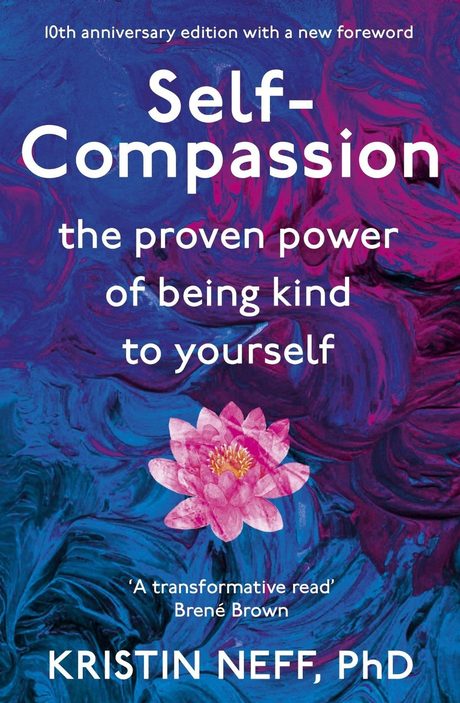
Self-Compassion
Kristin Neff2011about 248 pages
For people whose entire motivation strategy is being vicious to themselves and calling it discipline.
Kristin Neff researches self-compassion for a living, and her claim is that the harshness most of us use to drive ourselves is not what produces the results, it is what produces the paralysis. She splits the alternative into three parts: talking to yourself the way you would talk to a friend in the same mess, remembering that failing is a shared human event rather than proof of your personal defect, and noticing pain without drowning in it. The book alternates research summaries with exercises. The exercises feel embarrassing, and that embarrassment is itself information about how you have been treating yourself.
Why it is at 7
Seventh because it fixes a specific and very common bug, and it works fast for readers who recognise themselves in the first chapter. If the voice in your head is already reasonably kind, this will read as a long lecture about a problem you solved in childhood. Put it next to Feeling Good at two: one changes the thought, this one changes the tone.
Read it ifyou are your own worst manager and it has stopped working
Skip it ifyou already speak to yourself decently, because you will find it repetitive
warm, researched, gentleBest for: high achievers who bully themselvesself-compassionpsychologyexercises
8

System
Tiny Habits
BJ Fogg2019about 317 pages
Behaviour needs motivation, ability and a prompt, and this is the researcher who built that model showing you how to rig all three.
BJ Fogg ran a behaviour lab at Stanford and his model fits in one line: a behaviour happens when motivation, ability and a prompt land at the same moment. Since motivation swings wildly, he shrinks the behaviour until it needs almost none, ties it to something you already do, and then asks you to celebrate immediately, out loud if necessary. The celebration is the part everyone rolls their eyes at, and it is doing the real work, because it tells your brain to file the action as worth repeating. The writing is chirpy in an American workshop way, and the method under it is sound.
Why it is at 8
Eighth because it is the more careful book about the same territory as Atomic Habits, and the format works against it, since the recipes and worksheets sprawl across chapters. If you have tried habit stacking and failed, come here anyway. Fogg is better than Clear at explaining why you failed, and the answer is almost always that your version was still too big.
Read it ifyou have tried and failed to build a habit at least twice
Skip it ifAmerican self-help cheerfulness makes you itch
cheerful, rigorous, AmericanBest for: repeat habit failureshabitsbehaviour scienceroutines
9

System
Essentialism
Greg McKeown2014about 274 pages
One idea stretched over 250 pages, and the idea is strong enough to survive the stretching: almost everything is noise.
Greg McKeown's book is a long argument for saying no. Treat your yes as a scarce resource, run every request through a hard filter, and accept that a decent option is a no whenever a great one exists. The examples are corporate, the anecdotes repeat, and the mental move underneath is real and portable: if it is not a clear yes, it is a no. For anyone raised to treat every request from a boss, a parent or a cousin as an obligation, that one sentence does a surprising amount of work, though acting on it costs you more socially here than it does in the book's world.
Why it is at 9
Ninth because the one move it teaches is genuinely useful and the other 240 pages are packaging. It sits below Four Thousand Weeks because Burkeman explains why you cannot do everything, while McKeown assumes you have the standing to refuse, which plenty of readers do not, at least not at work and rarely at home.
Read it ifyou say yes automatically and resent it for the next three weeks
Skip it ifyou have no authority to refuse anything yet, because it will just frustrate you
corporate, firm, repetitiveBest for: chronic yes-sayersprioritiessaying nowork
10

Frame
So Good They Can't Ignore You
Cal Newport2012about 304 pages
The best argument against follow your passion, and the most useful career book for your first five years of work.
Cal Newport's case is that passion is usually the result of getting good at something rather than a precondition for starting, and that career advice built on finding your calling leaves people paralysed at twenty three. Instead he suggests building rare and valuable skills, then spending them on the things that make work bearable: control over your hours, autonomy, a mission you chose. He calls the currency career capital, and he follows both people who built it and people who leapt without it and crashed. The tone is unsentimental in a way that will annoy you mid-crisis and look correct two years later.
Why it is at 10
Tenth because it kills a bad idea that costs Indian readers whole years, the belief that there is a hidden right job out there waiting to be discovered by feel. It ranks here because it is a frame, not a method. Nothing in it changes your Tuesday directly, though it can change what you decide to spend the next two years getting good at.
Read it ifyou are twenty five and convinced you picked the wrong career
Skip it ifyou are senior and already know exactly what you are good at
unsentimental, clear, contrarianBest for: early-career driftcareerskillswork
11
Frame
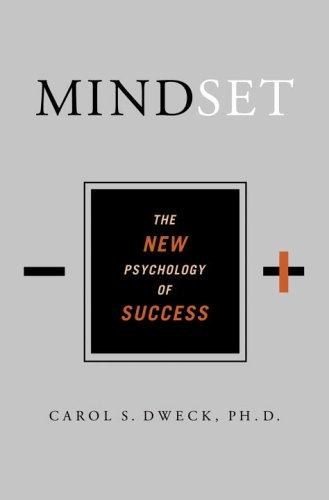
Mindset
Carol S. Dweck2006about 277 pages
The book that gave the world growth mindset: still useful as a frame, shakier as science than its fame suggests.
Carol Dweck's distinction is simple. Some people treat ability as fixed, so effort feels like proof you never had the talent, and some treat it as trainable, so effort is just the price of admission. Read as a description of two attitudes it is sharp, and you will recognise both in yourself and in the way you praise children. Read as a science claim it is weaker than the book suggests: large replication studies of school programmes built on the idea have found much smaller effects than the early research promised, and Dweck herself has written about how superficially the idea gets applied.
Why it is at 11
Eleventh because the idea is useful and the packaging oversold it. I kept it because the frame changes how you speak to a child or a junior colleague, and that change sticks. I ranked it here because the promise of a life turned around by one belief is not supported by the evidence. Take the frame, leave the miracle.
Read it ifyou avoid anything you might turn out to be bad at
Skip it ifyou only want research that has fully held up under replication
clear, useful, oversoldBest for: parents, teachers, perfectionistsmindsetpsychologylearning
12
System
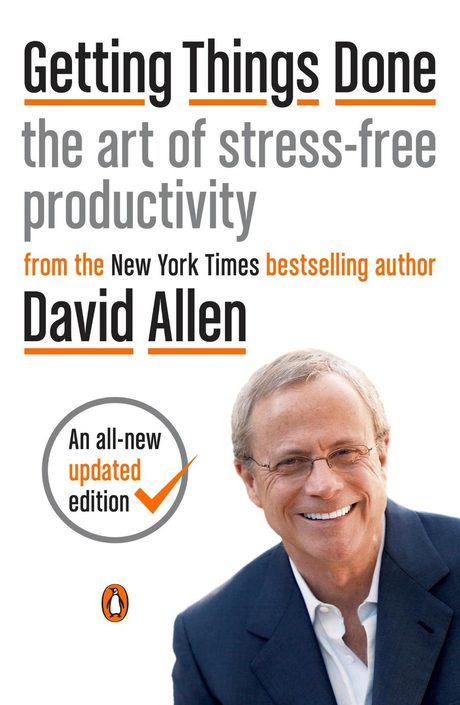
Getting Things Done
David Allen2001about 354 pages
The original productivity system, older than your smartphone, and the one habit inside it outlives every app you will ever download.
David Allen's system is a loop. Capture everything that has your attention into a place outside your head, decide the next physical action for each item, sort those actions by where you can do them, review the whole thing weekly, then work from the list instead of from memory. The book is a period piece full of filing cabinets and label makers, and the language of contexts feels like an office that no longer exists. Underneath the dated furniture sits the insight that most daily anxiety is unfiled commitments circling, and that writing them somewhere you trust is what stops the circling.
Why it is at 12
Twelfth because the full system collapses for most people inside a month, while one piece of it, capture everything the moment it appears, survives for good. That trade is worth the reading time, as long as you know you are borrowing a habit rather than joining a religion. I would rather say that than pretend anybody still does the weekly review.
Read it ifyour head is full of small commitments you keep dropping
Skip it ifyou want something you can set up in a single evening
systematic, dated, sturdyBest for: people juggling many small tasksproductivitysystemsorganisation
13

Repair
The Body Keeps the Score
Bessel van der Kolk2014
Why trauma lives in the body and not only in the story you tell about it, from a psychiatrist who spent decades on the question.
Bessel van der Kolk gathers case studies and research to make one argument: trauma is not filed away as a memory you can talk yourself out of, it settles into the nervous system and returns as bodily states long after the event is over. The clinical stories are the strongest part of the book and they are hard to sit with. The later chapters survey treatments, from talk therapy and EMDR to yoga, theatre and neurofeedback, with an enthusiasm that runs ahead of the evidence for several of them, and that is the fair criticism of this book rather than a cheap shot at it.
Why it is at 13
Thirteenth because it explains far more than it fixes, and because plenty of readers use it to diagnose themselves at 2 am, which helps nobody. Keep it if you want to understand why a body reacts before the mind catches up, in yourself or in someone you love. Do not use it as a treatment plan, and read it in daylight.
Read it ifyou want to understand trauma, yours or somebody else's
Skip it ifyou are in the middle of it, because this book can pull you under
heavy, clinical, absorbingBest for: understanding, not treatingtraumapsychologybody
Heads up: child abuse, sexual violence and war trauma in the case studies
14

Frame
Meditations
Marcus Aurelius1559about 258 pages
A Roman emperor's private notebook, written to himself and never meant for us, and still the best short book on getting a grip.
Marcus Aurelius wrote these notes for himself while running an empire and fighting a war on the frontier, and it shows. The entries repeat, contradict each other slightly, and circle the same handful of instructions. Remember that you will die. Separate what you control from what you do not. Do the work in front of you without theatre about it. Because it was never meant for readers, nothing is being sold, which is why it still reads as honest. Translation matters more than usual: the Gregory Hays version is plain modern English, while older ones sound like a Victorian sermon. Written around 170 CE, first printed in 1559.
Why it is at 14
Fourteenth because it works on a very Tuesday problem, the small humiliations and delays that eat a whole day, and because you can open it anywhere for two minutes and get something. It sits below the modern books because it hands you no method at all, just a voice that has been through worse than your inbox and is not impressed.
Read it ifyou want steadiness in two-minute doses
Skip it ifrepetition annoys you, because the same lesson returns fifty times
austere, calm, repetitiveBest for: short daily readingstoicismclassicsphilosophy
15
Frame
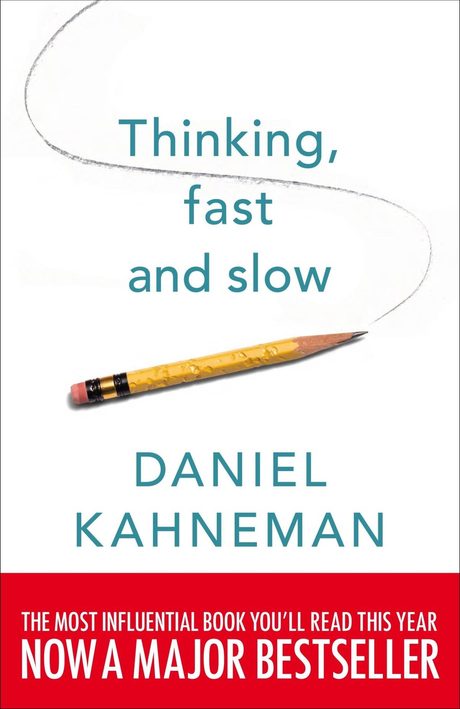
Thinking, Fast and Slow
Daniel Kahneman2011about 611 pages
The best book here on how your mind actually works, and the one least likely to change anything you do tomorrow.
Daniel Kahneman spent a career, much of it working with Amos Tversky, showing that human judgement runs on two systems: a fast automatic one that jumps to conclusions, and a slow effortful one that would rather not be disturbed. The book catalogues the ways the fast one misfires, from anchoring and availability to loss aversion and the stories we build out of far too little data. It is dense, long and worth the effort. Kahneman also did something rare after publication and accepted in public that one chapter leaned on priming studies which have not held up, which tells you exactly how to read the rest.
Why it is at 15
Fifteenth on a list about what works, because knowing about a bias does not stop you having it. I have read this twice and I still anchor on the first number in every negotiation I walk into. Keep it for the frame, which is superb, and keep your expectations about behaviour change close to zero.
Read it ifyou want to understand judgement rather than fix a habit
Skip it ifyou want something you can apply this week
dense, brilliant, slowBest for: readers who like being argued withpsychologydecisionsbiases
16
Repair
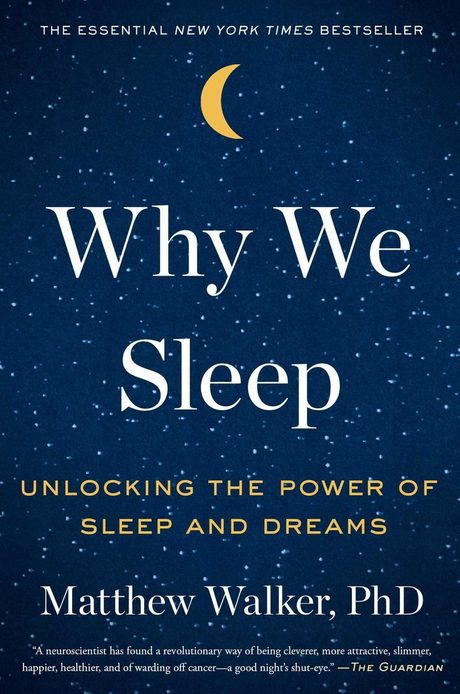
Why We Sleep
Matthew Walker2017about 368 pages
The book that made a generation take sleep seriously, with the caveat that it argues its case harder than the evidence allows.
Matthew Walker is a sleep scientist and his message is blunt: short sleep is not a badge of commitment, it degrades memory, mood, immunity and judgement, and most of us have normalised a deficit. The practical chapters are simple and useful, covering light, room temperature, caffeine timing, alcohol, and the myth of catching up on Sunday. The book also drew a detailed public critique in 2019 that listed factual errors and overstatements, and several of the scarier claims deserve a pinch of salt. The core advice survives all of that intact, which is why it is still on the list at all.
Why it is at 16
Sixteenth because what it asks of you is one thing, protect your sleep window, and you can get that from the first half of the book. It lands last on a list about books that work partly because fear is a poor long-term motivator, and fear is the engine here. Useful, oversold, worth a skim rather than a study.
Read it ifyou treat sleep as the first thing to cut when you are busy
Skip it ifhealth anxiety is a live problem for you, because the framing is alarming
urgent, scientific, overstatedBest for: chronic late sleeperssleephealthscience
Worth knowing
System, frame or repair: work out which one you need first
A system hands you a machine: do this, then this, then this. Atomic Habits, Tiny Habits, Deep Work, Essentialism and Getting Things Done are systems, and you judge them by whether the machine still runs when you are tired.
A frame changes the lens instead of the routine. Four Thousand Weeks, Mindset, So Good They Can't Ignore You, Meditations and Kahneman are frames, and a good one quietly rearranges decisions for years without ever telling you what to do on Monday.
A repair is for when something specific hurts: the loop of anxious thoughts, the argument that keeps restarting, the voice that calls you useless, the trauma that shows up in your body. Feeling Good, Nonviolent Communication, Self-Compassion and The Body Keeps the Score sit here.
Most disappointment with self-help comes from a mismatch. Somebody in real pain buys a productivity system, or somebody who just needs a calendar rule buys a book of philosophy. Name the problem first, then pick the type, then pick the book. In that order it works far more often than not.
Worth knowing
Four famous ones that do not pass the test
The Secret sells one mechanism: think hard about what you want and the universe arranges delivery. There is no evidence for it, and the hidden cost is cruel, because if your thoughts create your reality then your illness, your retrenchment and your grief were also arranged by you. Any book that quietly blames the reader for a bad year has failed the only test that matters.
Rich Dad Poor Dad reads like the most important book you have ever opened and leaves you with almost nothing you can do on Monday. The rich dad of the title has never been identified, the definitions of asset and liability are the author's own rather than the ones your CA uses, and the concrete advice comes down to buy property and start a business with the risky parts left offstage. Keep the single useful idea, own things that pay you, and skip the mythology.
The 5 AM Club, and the whole genre around it, takes one habit that suits some bodies and sells it as a moral law. Chronotypes are real, and a night person dragged out of bed at five is simply a tired person by Wednesday. The fable format stretches roughly one blog post across three hundred pages, which is its own kind of answer.
Ikigai, the pop version, is a pleasant book about Okinawan life carrying a four-circle diagram that is not Japanese at all. That diagram came out of the Western self-help internet and had the Japanese word attached to it afterwards. The Japanese usage is closer to a reason to get out of bed, which can be your grandchildren or the tea you like, and has nothing to do with monetising a passion. As travel writing about long-lived people it is charming. As career advice it is a Venn diagram somebody drew on a blog.
People also ask
Questions, answered
Do self-help books actually work?
Some do, most do not, and the difference is whether the book gives you something to do or only something to feel. The ones with a single mechanism you can run this week, like Atomic Habits, Feeling Good or Nonviolent Communication, change behaviour for readers who actually run them. Books that rearrange your beliefs feel wonderful for three days. The other half of the answer is effort: a self-help book read passively is entertainment, and there is nothing wrong with that as long as you are honest about which one you are doing.
Which self-help book should I read first?
Start with Atomic Habits if you want a general purpose entry point, Feeling Good if the problem is your own thinking, or Nonviolent Communication if what is draining you is a relationship. Do not start with Thinking, Fast and Slow or The Body Keeps the Score, since both are heavy and neither gives you an immediate move to make. Whichever you pick, read it on its own rather than alongside two others, or you will finish none of the three.
Is Atomic Habits worth reading if I have already seen the summaries?
If you have read a detailed summary and you are already stacking habits, probably not, because the book is a manual and you already have the manual. If you read the summary and changed nothing, read the book, since its value sits in the worked examples that make you believe the tiny version counts. The book takes about four hours. A summary takes six minutes and works roughly as well as reading a recipe instead of cooking dinner.
Can self-help books replace therapy?
No. They can sit alongside it, and some, like Feeling Good, teach the same methods a therapist would walk you through, which is why doctors sometimes suggest them between sessions. What a book cannot do is notice what you left out, adjust when you are getting worse, or stay with you when an exercise brings something up. If you are in a bad stretch, treat these as support material and find a professional if that is available to you.
Why are The Secret and Rich Dad Poor Dad not on the list?
Because they fail the Tuesday test in two different ways. The Secret asks you to believe that thoughts arrange reality, which has nothing behind it and quietly blames anyone having a rough year for their own bad luck. Rich Dad Poor Dad is enjoyable and motivating, and when you close it there is no step available to you on Monday that you could not have named before you opened it. The longer reasoning is in the section above.
How many self-help books should I read in a year?
Fewer than you want to. Two or three, actually run, beat twelve read for the feeling of progress. My rule is one book per behaviour: name the change, pick the book that matches it, run one chapter for a month, then decide whether you need another book or simply more weeks. Reading is the cheap part, and it is also the part that feels like effort, which is the whole trap of this genre.
Before you go
What to read tonight
If you want to start tonight, pick the smallest thing you can imagine doing tomorrow, then pick the book that matches it. Habits go to Atomic Habits, thoughts go to Feeling Good, arguments go to Nonviolent Communication, and a flat pointless week goes to Frankl. One book, one behaviour, thirty days.
The part nobody says out loud is that reading is the easy half, and it is the half that feels like work. You can finish four of these in a month and arrive at exactly the Tuesday you had before. So put the behaviour on your phone, not the title of the book. If somebody asks in six months what changed and you can name one dull specific thing you now do differently, the book worked. If you can only remember chapter headings, it was entertainment, and my shelf is full of entertainment too.
Keep going
Lists that pair with this one
Mood & Life
16 Books About Mental Health That Do Not Talk Down to You
Ordered by how much each one asks of you, from the book you can read at three in the morning to the one that needs a steady month.
Mood & Life
14 Best Money Books for Indians, First Salary to First Crore
Sorted by where you are and by how much of each book you have to translate into Indian conditions before it is any use.
Mood & Life
16 Books About Existential Crisis, Gentlest to Heaviest
Ordered by how much weight each one puts on you at 2 a.m., starting with the ones that are safe to read tonight.
Mood & Life
20 Best Books to Read in Your 20s, Grouped by the Problem
Four problems run this decade, work, love, money and meaning, so the list is sorted that way instead of pretending one book fixes all four.
Mood & Life
18 Books to Read in Your 30s, Not the 20s List Again
Grouped under the six questions this decade actually asks, with a line on every book about what changes if you read it at 35 instead of 25.