A friend once ruined a novel for me in eleven words on a WhatsApp group, without meaning to. He did not say what the twist was. He said the book had one of those narrator twists, and that was enough. I spent the next two hundred pages watching the narrator instead of reading the story, and when the reveal arrived I felt nothing except mildly clever, which is the worst thing a novel can make you feel.
So this page runs on one rule and I am going to keep it. I will not tell you what kind of twist a book has: not the category, not where in the book it sits, not whether it turns on a person or a timeline or a lie. Naming the type is half the answer, and most twist lists online give it away in the subheading and then call themselves spoiler free.
What I will tell you is how each book survives a second read, because that is the only test that separates a real turn from a cheap one. Some books collapse when you go back to the first chapter and find the author was simply keeping things in his pocket. Others get better, because the clues were lying in the open the whole time and you were busy looking somewhere else. The list runs in four tiers, best second read first.
This is for the reader who wants to be fooled fairly. Quick picks are below if your chai is going cold.
How I picked these
- The second read is the whole test. I went back to the opening chapters of every book here, and through a few of them completely, to check whether the clues were actually printed or whether I was just denied them.
- Fair play beats shock. A turn that works only because information was withheld is a trick, not a twist, and those books sit in the lower tiers with a note saying so.
- No twist taxonomy anywhere in the writing. Every entry is written to keep the shape of the reveal hidden, which is harder than it sounds and is the reason this list reads differently from the others.
- Books, not films. The Sixth Sense and The Usual Suspects get named in every list like this one and neither is a novel, so neither is here.
- Cut on purpose: The Silent Patient, The Girl on the Train, and Fight Club. All three sit on nearly every twist listicle online, most readers have absorbed something about them from a film or a meme already, and two of the three do badly on my second read test for reasons I cannot give without breaking my own rule.
- Every book verified through Google Books and Open Library with a real cover, and the year on each entry is first publication, not the reprint on the shelf.
The whole list at a glance
All 16 books, in order
| # | Book | Author | Year | Vibe | Best for |
|---|
| 1 | The Murder of Roger Ackroyd | Agatha Christie | 1926 | sly, polite, ruthless | readers who enjoy being outplayed |
| 2 | The Devotion of Suspect X | Keigo Higashino | 2005 | cold, precise, quietly sad | puzzle readers who still want feeling |
| 3 | Fingersmith | Sarah Waters | 2002 | grimy, sensual, patient | readers with a free weekend |
| 4 | And Then There Were None | Agatha Christie | 1939 | bleak, tight, mechanical | one sitting on a wet afternoon |
| 5 | Atonement | Ian McEwan | 2001 | hot, guilty, formal | readers who like being argued with |
| 6 | Gone Girl | Gillian Flynn | 2012 | mean, funny, modern | a first thriller after a reading slump |
| 7 | Life of Pi | Yann Martel | 2001 | bright, strange, unsettling | readers who like a question left open |
| 8 | The Prestige | Christopher Priest | 1995 | cold, obsessive, gothic | readers who like structure as a trick |
| 9 | Shutter Island | Dennis Lehane | 2003 | wet, paranoid, claustrophobic | a stormy weekend indoors |
| 10 | The Seven Deaths of Evelyn Hardcastle | Stuart Turton | 2018 | baroque, clever, demanding | readers who enjoy homework |
| 11 | Sharp Objects | Gillian Flynn | 2006 | humid, sick, intimate | readers who want the ugly version |
| 12 | Six Suspects | Vikas Swarup | 2008 | loud, satirical, sprawling | readers tired of imported thrillers |
| 13 | We Were Liars | E. Lockhart | 2014 | cold, glossy, brittle | a single evening and a train |
| 14 | Before I Go to Sleep | S. J. Watson | 2011 | anxious, repetitive, tense | flights and waiting rooms |
| 15 | Behind Her Eyes | Sarah Pinborough | 2017 | airless, sly, divisive | book clubs that enjoy an argument |
| 16 | Verity | Colleen Hoover | 2018 | hot, lurid, fast | one sitting when you want noise |
The list
The books, ranked
1

Tier 1: better the second time
The Murder of Roger Ackroyd
Agatha Christie1926about 212 pages
The 1926 village mystery that broke a rule nobody had bothered to write down, and still gets away with it.
A wealthy man is found dead in his study in an English village where everybody has a reason to be nervous, and Hercule Poirot, supposedly retired and growing vegetable marrows next door, takes the case. For two hundred pages you get a very good village mystery: gossip, servants, a missing letter, a small circle of suspects who all had a bad evening. What you get at the end is the reason people are still arguing about this book a century later. It reads much faster than its age suggests, because Christie wrote for people on trains, not for people in seminars.
Why it is at 1
Rank one because it is the only book here whose second read is better than its first by a wide margin. Go back and the information is all there, in plain sentences, doing ordinary work. Christie hides nothing from you. She simply knows how you read, and she uses it against you with a straight face.
Read it ifyou want the twist that started the whole argument
Skip it ifyou need modern pacing and interior psychology
sly, polite, ruthlessBest for: readers who enjoy being outplayedclassic mysteryfair playshort
Pairs with: And Then There Were None, further down, for the other Christie that changed the rules of the room.
2
Tier 1: better the second time
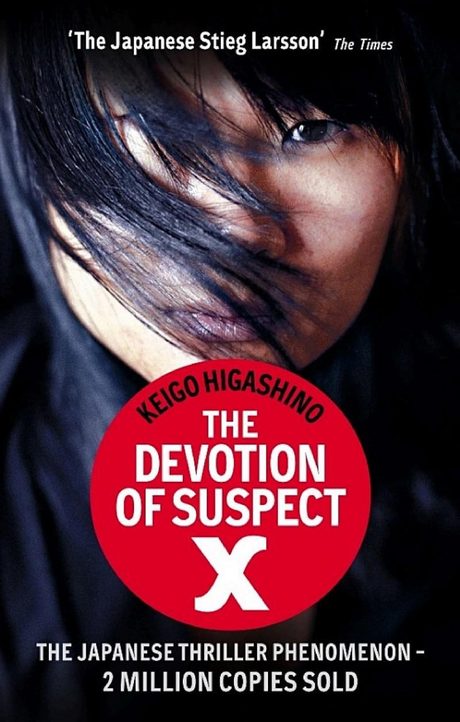
The Devotion of Suspect X
Keigo Higashinotranslated by Alexander O. Smith2005about 212 pages
A maths teacher helps his neighbour cover up a killing, and the police procedural turns into a chess match between two old classmates.
Yasuko works at a bento shop in Tokyo and wants nothing more than a quiet life for herself and her daughter. Her neighbour Ishigami teaches maths and has noticed her in the way lonely people notice one single thing very hard. When something terrible happens in her flat, he offers to handle it, and the book becomes a duel between his logic and a physicist who studied with him years earlier. Higashino gives you a great deal very early, which sounds like a mistake and is not. The pleasure is watching two clever men work while you slowly realise you have misread the question. The English translation appeared in 2011.
Why it is at 2
The fairest twist on this list after Christie. You are handed the pieces in the first thirty pages and you still cannot see the shape they make. On the second read the coldness of the construction shows up properly, and the book stops being a puzzle and turns into a love story you never agreed to read.
Read it ifyou like logic puzzles with a cold heart
Skip it ifyou want warmth, speed, or a chatty narrator
cold, precise, quietly sadBest for: puzzle readers who still want feelingtranslatedjapanese crimefair play
Heads up: domestic violence in the setup and a death described plainly.
3

Tier 1: better the second time
Fingersmith
Sarah Waters2002about 418 pages
A Victorian con job told from inside the crew, and the con is not the one you have been watching.
Sue Trinder grows up among thieves in a London house where stolen goods pass through the kitchen like groceries. A charming crook recruits her to pose as a maid to a sheltered heiress in a damp country house, win her trust, and help push her towards a marriage and then an asylum. Waters writes the period without museum dust: raw hands, cold rooms, laundry, the smell of money. The first third takes its time on purpose, so give it room. Somewhere near the middle the floor moves, and everything you were certain about has to be rebuilt out of the same bricks.
Why it is at 3
Third because the turn arrives in the middle rather than the last chapter, which means you get half a novel to read with the new information in your hands. Very few writers trust a reader that much. Read it again and the opening stops being setup and becomes a completely different story told with a straight face.
Read it ifyou want Victorian grime and a genuinely long game
Skip it ifyou want a fast read or hate patient openings
grimy, sensual, patientBest for: readers with a free weekendvictorianliterary crimelong
Heads up: asylum abuse, coercion, sexual content.
4

Tier 1: better the second time
And Then There Were None
Agatha Christie1939about 324 pages
Ten strangers on a private island, a nursery rhyme on the wall, and no boat coming back for anyone.
Ten people with something to hide are invited to a house on an island off the Devon coast. The host never appears. A recording accuses each of them of a death nobody could prove in court. Then they begin to die in the order the rhyme sets out. The book is barely two hundred pages and Christie throws away nearly everything a mystery usually leans on: no detective, no interviews, no comfortable armchair explanation from a clever Belgian at the end. What is left is arithmetic and fear, and a solution she was honest enough to lay out in full once the counting stops.
Why it is at 4
Fourth because the mechanism is perfect and the people are thin, which is the trade Christie made knowingly. The second read gives you a colder pleasure than Roger Ackroyd does. You stop guessing and start admiring the engineering, which is admiration rather than delight.
Read it ifyou want the cleanest closed circle mystery ever built
Skip it ifyou need characters you can actually care about
bleak, tight, mechanicalBest for: one sitting on a wet afternoonclosed circleclassic mysteryshort
Heads up: first published in 1939 under a title that used a racial slur, retitled in later editions.
5
Tier 1: better the second time
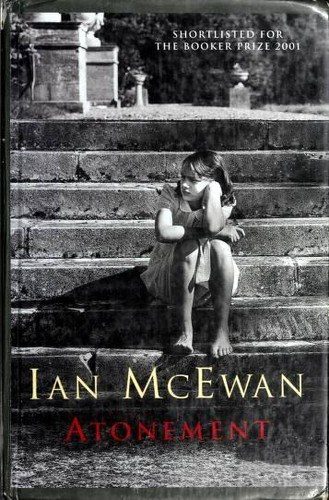
Atonement
Ian McEwan2001about 386 pages
A thirteen year old sees something she does not understand, says the wrong thing to the police, and three lives bend around it.
On the hottest day of the summer of 1935, Briony Tallis watches her older sister and the housekeeper's son by the fountain and reads the scene completely wrong. What she does with that misreading costs everybody, and the novel follows the damage through the retreat to Dunkirk and a London hospital in wartime, in prose that slows down exactly where you want it to hurry. McEwan is interested in the gap between what happened and what later gets written down about it, which is why the final section does what it does. Read the country house chapters carefully. They are doing more work than they appear to be doing.
Why it is at 5
Fifth, and the only book here that would still be excellent with its ending removed. The turn is not a trick, it is an argument about what fiction is for, which is why some readers feel cheated and others feel gutted. The second read improves it a lot, because you can see what the writing has been quietly admitting from the start.
Read it ifyou want literary weight standing behind the turn
Skip it ifyou dislike slow prose or feeling manipulated by an author
hot, guilty, formalBest for: readers who like being argued withliterarywartimeguilt
Heads up: sexual assault, war injury, grief.
6
Tier 2: the reveal rewrites the book, and the book survives it
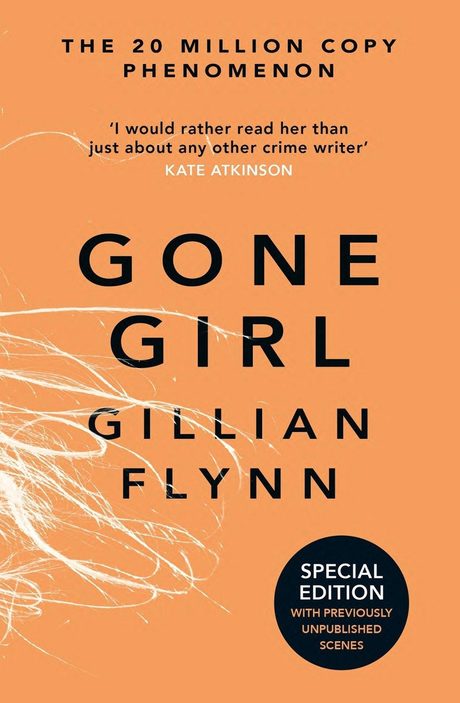
Gone Girl
Gillian Flynn2012about 478 pages
A wife disappears on the fifth wedding anniversary, the husband gives a terrible interview, and a marriage gets an autopsy in public.
Amy Dunne goes missing from a rented house in a dying Missouri town, and her husband Nick behaves on camera exactly the way a guilty man behaves. The book alternates his account with her old diary entries, and Flynn writes both voices with a nastiness that is genuinely funny in places. What it is really about is the performance two people put on for each other while courting and the bill that arrives years later. The prose is sharper than the film let on, particularly about money, small towns after the crash, and the way couples lie to each other by leaving things out.
Why it is at 6
Sixth because the reveal is superb and the final quarter is where readers split. Some think the ending is the bravest thing in the book. I think it peaks earlier and then has to keep walking. The second read still works, mostly for how much of the marriage becomes visible once you know what you are looking at.
Read it ifyou want a mean, funny, extremely readable thriller
Skip it ifyou need at least one person in a book to like
mean, funny, modernBest for: a first thriller after a reading slumpdomestic thrillermarriagemodern
Heads up: domestic abuse, coercion, graphic violence.
7
Tier 2: the reveal rewrites the book, and the book survives it
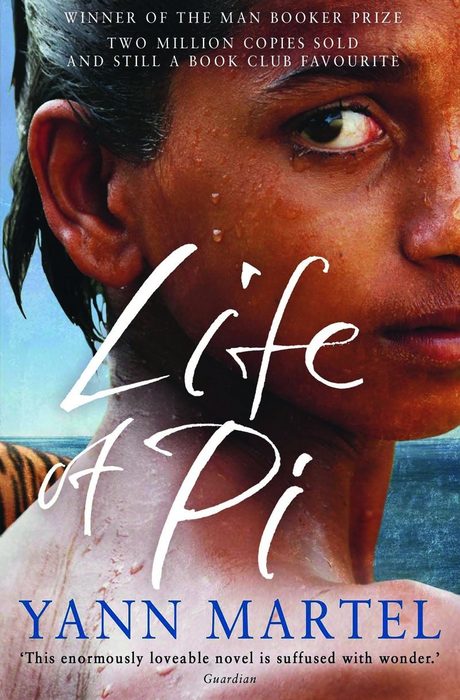
Life of Pi
Yann Martel2001about 465 pages
A boy, a lifeboat and a Bengal tiger, and then a short conversation in a hospital room that reopens all of it.
Pi Patel grows up in a zoo in Pondicherry, collects religions the way other children collect stamps, and ends up adrift in the Pacific with a tiger named Richard Parker. Most of the book is survival at sea, written with a lot of practical detail about water, fish and fear, and a lot of argument about God. It is funnier than its reputation suggests. The final pages are a short scene with two officials from a Japanese ministry who have come to ask what happened to the ship, and that scene is the reason this book belongs on this list at all.
Why it is at 7
Seventh because the turn is a question rather than a reveal, and the answer gets left with you rather than settled by the author. The second read is where it earns the rank. Once you know what the hospital scene is asking, the middle of the book stops being an adventure and becomes something you have to make a decision about.
Read it ifyou want a survival story with a philosophical hook
Skip it iflong stretches of sea and theology will bore you
bright, strange, unsettlingBest for: readers who like a question left opensurvivalphilosophicalindian setting
Heads up: animal death, starvation, violence.
8
Tier 2: the reveal rewrites the book, and the book survives it
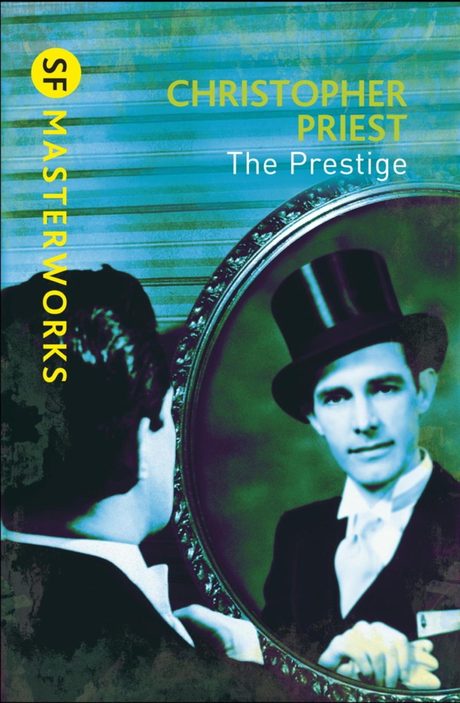
The Prestige
Christopher Priest1995about 384 pages
Two Victorian stage magicians spend their careers wrecking each other, and the feud outlives them both.
Two illusionists in late Victorian London begin with a professional grudge and turn it into a lifelong project of sabotage. The novel is assembled from their journals, wrapped in a modern frame where their descendants meet. Priest is very good on the working mechanics of stage magic, the pledge and the turn and the part where the magician has to bring something back, and he is even better on what a man will trade to keep an audience. The book is colder and stranger than the film taken from it, and it goes somewhere the film only half follows. Knowing the film is no protection here.
Why it is at 8
Eighth for the structure. The entire novel is a magic trick performed in the shape of a magic trick, which sounds insufferable on paper and somehow is not. The second read hands you the machinery, though the modern frame drags in a way the Victorian journals never do, and that is what keeps it out of the top five.
Read it ifyou like period detail and cold professional obsession
Skip it ifyou saw the film and want the same story again
cold, obsessive, gothicBest for: readers who like structure as a trickvictorianmagicobsession
Pairs with: Fingersmith, if you want a second helping of Victorian doubling.
9

Tier 2: the reveal rewrites the book, and the book survives it
Shutter Island
Dennis Lehane2003about 269 pages
Two US marshals arrive at a hospital for the criminally insane to find a missing patient, and then a hurricane closes the harbour.
Teddy Daniels and his new partner land on an island off Boston in 1954 to investigate a woman who has vanished from a locked room. The staff are polite and useless, the storm cuts the island off, and Teddy's own reasons for taking this particular case are not clean. Lehane writes atmosphere the way other people write plot: wet stone, cigarette smoke, the pharmaceutical calm of a ward at night. It moves quickly and it plays rough, and the sense that something is off starts early enough that an attentive reader gets a fair shot at it.
Why it is at 9
Ninth because the clues are honest but heavy, and plenty of readers see it coming by the halfway mark. It stays this high because the last chapter does something the film handles well and the book does better, and because reading it again really is a different novel made of the same sentences.
Read it ifyou want atmosphere thick enough to chew on
Skip it ifyou guess endings early and get annoyed about it
wet, paranoid, claustrophobicBest for: a stormy weekend indoorspsychological1950sisland
Heads up: institutional abuse, violence, references to the Holocaust.
10
Tier 2: the reveal rewrites the book, and the book survives it
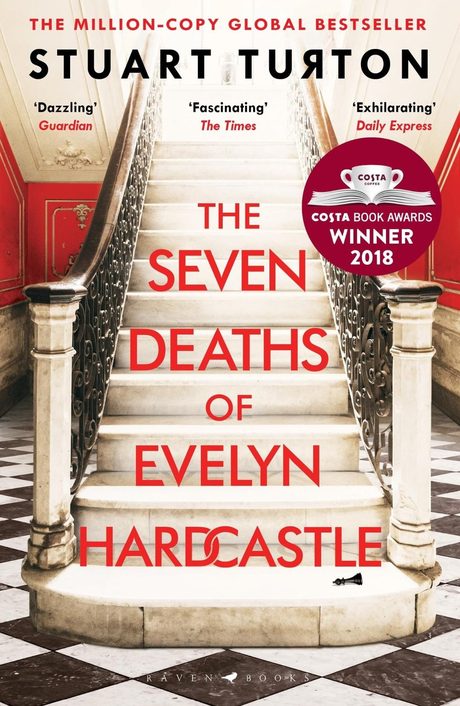
The Seven Deaths of Evelyn Hardcastle
Stuart Turton2018about 335 pages
A country house murder that keeps repeating, with the detective waking up inside a different guest every morning.
A guest at an English country house has to solve a murder that happens every evening, and he wakes each day inside a different body with different limits: one host is heavy and slow, one is a doctor, one is a bully everybody flinches from. Eight days, eight hosts, one killer, and a rule that he cannot leave until he names the right person. It is Agatha Christie put through a very odd machine, and the first fifty pages are disorienting on purpose. Keep a note of the names on your phone. The book expects you to work, and it does pay you back.
Why it is at 10
Tenth because the ambition is enormous and the payoff mostly lands, while the final explanation asks you to hold more in your head at once than is comfortable. The second read is where the trick becomes visible: you can watch Turton placing furniture in chapter three that will not matter until chapter thirty.
Read it ifyou want a puzzle you have to take notes for
Skip it ifyou read in ten minute bursts before sleep
baroque, clever, demandingBest for: readers who enjoy homeworkpuzzlecountry housespeculative
Pairs with: And Then There Were None, which this book is arguing with on every page.
11
Tier 3: the twist lands, the book around it is thinner
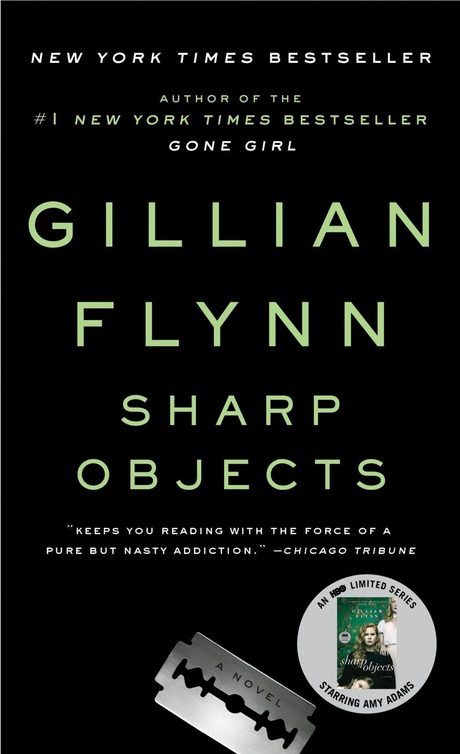
Sharp Objects
Gillian Flynn2006about 272 pages
A reporter goes back to the town that made her, to cover the killing of two young girls.
Camille Preaker is a journalist with a drinking problem and scars she keeps covered, sent home to Wind Gap, Missouri, to report on two dead children. Home means her mother, a house of soft carpets and hard rules, and a half sister she hardly knows. Flynn's first novel is shorter and uglier than Gone Girl, and it cares far more about what women do to each other inside families than about the murders. The whodunit itself is only competent. The house is the horror. It is a slim book and it leaves a mark that lasts longer than the page count suggests.
Why it is at 11
Eleventh because the ending is strong and the final page is stronger, but an attentive reader will be carrying a suspicion long before either arrives. The second read is unpleasant rather than rewarding, which is not a criticism of the writing, only a warning about what you are signing up for.
Read it ifyou want family horror with a crime attached
Skip it ifself harm on the page is not something you can read
humid, sick, intimateBest for: readers who want the ugly versionsouthern gothicfamilydark
Heads up: self harm described in detail, child death, addiction, disordered eating. A novel is not treatment, and if this material is close to home, pick something else on the list.
12
Tier 3: the twist lands, the book around it is thinner
Six Suspects
Vikas Swarup2008about 412 pages
A minister's son is shot dead at his own party, six people at the scene are carrying guns, and every one of them gets a chapter.
A rich man's son who walked free from a murder charge is himself shot at a party in Delhi, and six people present are found with a pistol: a bureaucrat, a film actress, a tribal man from the Andamans, a small time thief, an American, and a politician. Swarup gives each of them a whole life before the night in question, so the book reads like six short novels that agree to meet in the last hundred pages. It is broad, satirical and openly furious about who in this country gets away with what. The final section rearranges everything you have read.
Why it is at 12
Twelfth because the reveal is genuinely clever while the road to it is uneven. Two of the six strands are much better than the rest, and the American section is written as comedy that has aged badly. Worth the unevenness for a twist that most Indian readers will not have had spoiled for them by a film.
Read it ifyou want an Indian twist novel with real anger in it
Skip it ifyou dislike long books with many narrators
loud, satirical, sprawlingBest for: readers tired of imported thrillersindiansatiremultiple narrators
Heads up: sexual violence, caste and class violence, police corruption.
13
Tier 3: the twist lands, the book around it is thinner
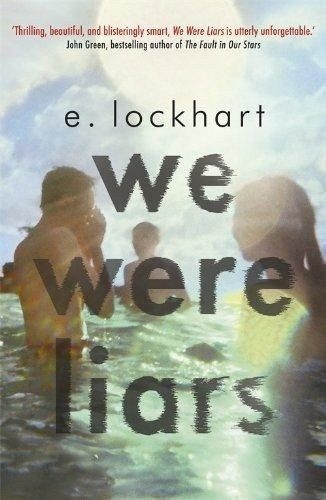
We Were Liars
E. Lockhart2014about 308 pages
A rich family spends every summer on their own island, and the eldest granddaughter cannot remember what happened two summers ago.
Cadence Sinclair Eastman belongs to a family that owns an island off the Massachusetts coast and treats visible emotion as a form of bad manners. She was hurt somehow during summer fifteen, and nobody will tell her how. The prose is clipped and stylised, full of white space and metaphors that go slightly too far, because the narrator is a teenager who genuinely thinks in that register. It is short enough for one evening on a train. The last thirty pages are the reason people press this book into your hands and then stand there watching your face.
Why it is at 13
Thirteenth because the effect is real and the book holding it is slight. Once you know the ending there is very little left to come back to, which is exactly what this tier is for. It remains the best pick here if you want the sensation of a twist tonight and have no appetite for four hundred pages.
Read it ifyou want the whole experience inside one evening
Skip it ifstylised teenage narration makes you itch
cold, glossy, brittleBest for: a single evening and a trainyashortfamily money
Heads up: grief, fire, death of family members.
14

Tier 3: the twist lands, the book around it is thinner
Before I Go to Sleep
S. J. Watson2011about 272 pages
A woman wakes every morning with no memory of the last twenty years, and a journal in her own handwriting telling her who to trust.
Christine wakes each day believing she is in her twenties. She is forty seven, married to a man she does not recognise, and a doctor she is not supposed to mention has told her to keep a journal and hide it. The novel is mostly that journal, which means every chapter has to rebuild the same ground while adding one new brick. That structure should be tedious and Watson keeps it moving, largely because the dread comes from you knowing more than the narrator ever can. It was a first novel and the dialogue shows it.
Why it is at 14
Fourteenth because the premise does most of the work and the ending, effective as it is, lands more as a reveal than a turn. The second read is thin. With the memory no longer a mystery, the repetition stops feeling clever. A very good one time read, and I would rather say that than pretend otherwise.
Read it ifyou want dread built out of repetition
Skip it ifyou need sharp dialogue and deep characters
anxious, repetitive, tenseBest for: flights and waiting roomsamnesia premisedomestic thrillerdebut
Heads up: domestic abuse, medical coercion.
15

Tier 4: read it for the ending, then argue about it
Behind Her Eyes
Sarah Pinborough2017about 318 pages
A single mother kisses a stranger in a bar, finds out on Monday that he is her new boss, and then his wife wants to be friends.
Louise is divorced, tired and drinking a little more than she admits. She meets David in a bar, discovers he is the new psychiatrist at the practice where she works, and is then befriended by Adele, his wife, who seems to need a friend very badly indeed. The book alternates between the two women and keeps the marriage deliberately out of focus. For most of its length it is a competent, airless domestic thriller about a triangle. Then it does the thing that made it famous, and the internet spent the next year arguing about whether that thing was allowed.
Why it is at 15
Fifteenth, and it is here on merit with a warning attached. Nobody guesses this one, which is the entire promise of this list, but the reason nobody guesses it is also the reason a lot of readers put the book down and stare at the wall. Do not treat the ending as a promise about the rest of the book.
Read it ifyou want an ending you can fight with friends about
Skip it ifyou need an ending to obey its own setup
airless, sly, divisiveBest for: book clubs that enjoy an argumentdomestic thrillerdivisivebook club
Heads up: addiction, emotional abuse, references to self harm.
16
Tier 4: read it for the ending, then argue about it
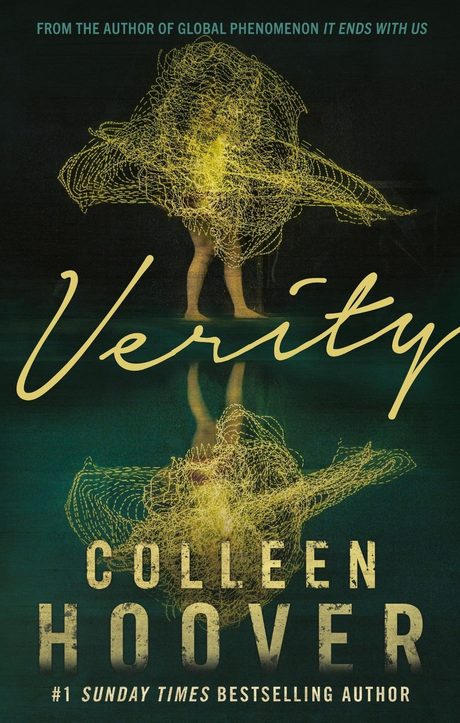
Verity
Colleen Hoover2018about 299 pages
A broke writer takes over a famous novelist's unfinished series and finds a manuscript in the house that was never meant to be read.
Lowen Ashleigh is out of money and out of options when she is hired to finish a hugely successful series whose author, Verity Crawford, can no longer write. The job means moving into the family home to sort through Verity's notes, where the husband is grieving and attentive and the office holds a manuscript that reads like a confession. Hoover writes it fast and hot, with a lot of sex and a lot of dread, and it is really a romance wearing a thriller's coat. It first appeared as a self published edition in 2018 and was picked up for a wider release later.
Why it is at 16
Sixteenth, and it is on this list because the closing pages genuinely do land, not because the book is good in the way the ones above it are good. The construction does invite you to go back through the whole thing with a different theory, which is more than most books on its shelf attempt. Expect to be annoyed and to finish it anyway.
Read it ifyou want something fast, hot and frankly trashy
Skip it ifexplicit sex or harm to children will ruin it for you
hot, lurid, fastBest for: one sitting when you want noiseromantic thrillerbooktokfast
Heads up: explicit sex, the deaths of children, disturbing material throughout.
Worth knowing
The famous ones I left out, and why
The Silent Patient, The Girl on the Train and Fight Club are the three titles people ask about first, and all three have earned a place on somebody's list. They are not on mine because every twist listicle online already carries them, because you have probably absorbed something about each one from a film or a group chat without ever opening the book, and because two of the three do badly on the second read test in ways I cannot describe without giving the game away.
I also left out Rebecca, Never Let Me Go and The Sense of an Ending, which are all wonderful and none of which I think of as twist books. They withhold, they reframe, they make you see the earlier chapters differently. That is a slower and quieter pleasure than being turned around inside a single page, and mixing the two makes for a woolly list where nothing sits next to anything.
Worth knowing
How to read one of these without ruining it
Do not read the back cover. Publishers have started printing the words nothing is what it seems on twist novels, which is the literary equivalent of a laugh track. Do not read the Goodreads reviews either, not even the one star ones, especially not the one star ones. Do not watch the film first, with one exception: The Prestige survives either order, because the novel and the film do not finish in the same place.
If somebody has already told you a book has a twist, you have lost roughly a third of the effect and none of the rest. Read it anyway, and read it harder. A book that only works on people who did not know something was coming was never that good to begin with, which is more or less the argument this entire list is making.
People also ask
Questions, answered
Which book has the best plot twist of all time?
The Murder of Roger Ackroyd, and it is not a close race. Christie did it in 1926, writers have spent a century borrowing the idea, and it still works on readers who have been warned in advance that something is coming. What makes it the best is not the shock, it is the fairness. Everything you needed was printed in front of you in ordinary sentences. If you want a modern equivalent, The Devotion of Suspect X is the closest anybody has come since.
Is this list safe to read if I have not read the books yet?
Yes, that is the one rule of this page. I never say what a twist is, which family it belongs to, where in the book it sits, or who it involves. The most I tell you is how well a book holds up when you read it a second time, which gives away nothing about the content of the turn itself. The covers, the years, the read and skip lines are all safe as well.
Do twist books still work if you already know a twist is coming?
Mostly yes, and the best ones work better. Knowing a turn is on its way makes you read more carefully, and the top tier here rewards careful reading because the clues really are on the page. Where it hurts is the bottom tier, where the ending is the product rather than the payoff. If a friend has spoiled the existence of a twist in We Were Liars or Behind Her Eyes, you have lost more than you would with Christie.
Which one should I start with?
Gone Girl if you read mostly on your phone and want something modern and quick. We Were Liars if you have exactly one evening. And Then There Were None if you want something short with no author's ego between you and the plot. I would not start with Fingersmith or The Seven Deaths of Evelyn Hardcastle, not because they are difficult, but because both of them ask for patience through the first hundred pages before they give you anything.
Is there an Indian book with a good plot twist?
Six Suspects by Vikas Swarup is the one on this list and it holds up well. Beyond that, look at the Indian thriller shelf rather than hunting specifically for twists. Six Suspects is unusual in building its whole structure around a final rearrangement, while most Indian crime writing worth your time is stronger on place, character and social rage than on a last page reversal. That is a difference in ambition, not a shortfall.
Does a twist actually make a book good?
No, and this list is partly an argument about exactly that. Four of the sixteen books here would still be worth reading with their endings removed, and two of them are on the list almost entirely because of the last twenty pages. A twist is a device, like a cliffhanger or a first person narrator. It works when the book underneath it can carry the weight, and it collapses the moment it becomes the only reason to keep turning pages.
Before you go
What to read tonight
If you take one book off this page tonight, make it The Murder of Roger Ackroyd. It costs you a couple of hours, it sits in every railway bookshop in the country for the price of two coffees, and it will make everything else on this list read differently afterwards. If you would rather stay in this century, start at number six with Gone Girl and work upwards rather than down.
Then do the thing almost nobody does. Go back and read the first chapter again. That is where you find out whether the author respected you or simply kept things in a pocket until the end. Once you start reading twist books that way, the whole shelf sorts itself out, and you stop being impressed by shock and start being impressed by nerve.
Keep going
Lists that pair with this one
Genre
15 Novels With Unreliable Narrators, Ranked by How Late You Catch On
Ordered from the narrator who tips his hand in the first paragraph to the one readers are still arguing about, with nothing said past the setup.
Genre
18 Best Crime Thriller Books of All Time, Ranked Honestly
Ranked by what is left of the book once you already know the ending, with a straight answer on every twist.
Mood & Life
20 Unputdownable Books, Ranked by the Engine That Hooks You
I ranked these on one thing: how hard each book made it to stop reading, and which mechanic does the pulling.
Authors
Agatha Christie: Where to Start, and 14 Books in Spoiler Order
The three to read before somebody spoils them, ten that are peak Christie, and one I would leave on the shelf.
Indian Fiction
18 Best Thriller Novels by Indian Authors, Ranked
Crime, mystery and suspense from Calcutta in 1919 to Delhi right now, ranked best first, with the sub-genre and the commitment marked on every book.