I reread Nineteen Eighty-Four last winter on a phone that unlocks when it recognises my face, in a flat where a speaker in the corner sits waiting for its name, after a train ride where the ticket, the payment and the camera above the door all knew exactly who I was. None of that felt sinister while it was happening. It felt convenient, which is the part Orwell got slightly wrong and Huxley got exactly right.
So this list runs one question on every book: how much of its machinery already exists? Not the plot, the machinery. The specific mechanism the author invented to manage people, and whether you could go and build it this year with money that already exists. The books sit in three tiers, already installed, under construction, and still invention, and inside each tier the better novel goes first.
This is not a ranking of quality, and where the two disagree I say so in the entry. Two of the best written books here sit near the bottom because their machinery is nowhere close to real, and one of the worst written sits at six because a version of it is running on your phone right now. If you want the best novel rather than the nearest one, the quick picks below will point you there.
How I picked these
- One test per book: name the mechanism, then ask whether you could build it today. Cameras that recognise a face are ordinary now, and universal infertility is not, so those two books sit in different tiers however frightening each one feels.
- Novels only. No non-fiction warnings, no television episode summaries, and no arena survival series for teenagers, which are a different genre about a fight rather than a system.
- Every book verified through Google Books and Open Library with a real cover, so nothing here is a ghost edition.
- Two Indian entries, because most dystopia lists stop at the English-speaking West and India has been writing this genre for decades.
- Cut on purpose: The Hunger Games and Divergent (adventure with a dystopian set), Vox and The Testaments (thinner versions of books already here), and A Clockwork Orange, which is about one boy rather than one system.
- Where plausibility and quality disagree, plausibility sets the rank and I flag the disagreement out loud in that book's entry.
The whole list at a glance
All 15 books, in order
| # | Book | Author | Year | Vibe | Best for |
|---|
| 1 | Nineteen Eighty-Four | George Orwell | 1949 | grey, airless, furious | understanding every dystopia after it |
| 2 | Brave New World | Aldous Huxley | 1932 | clean, sedated, chilling | arguing about screens |
| 3 | Fahrenheit 451 | Ray Bradbury | 1953 | hot, urgent, elegiac | one evening, first dystopia |
| 4 | Klara and the Sun | Kazuo Ishiguro | 2021 | gentle, patient, devastating | anyone who talks to an AI |
| 5 | Leila | Prayaag Akbar | 2017 | dusty, anxious, intimate | Indian readers new to the genre |
| 6 | The Circle | Dave Eggers | 2013 | bright, glassy, smug | anyone with a tech job |
| 7 | The Handmaid's Tale | Margaret Atwood | 1985 | hushed, watchful, bitter | readers who want anger |
| 8 | Parable of the Sower | Octavia E. Butler | 1993 | hot, moving, stubbornly hopeful | climate anxiety with company |
| 9 | Never Let Me Go | Kazuo Ishiguro | 2005 | muted, English, aching | readers who cry quietly |
| 10 | Station Eleven | Emily St. John Mandel | 2014 | cool, wistful, humane | post-apocalypse without despair |
| 11 | We | Yevgeny Zamyatin | 1924 | geometric, feverish, strange | readers who like difficulty |
| 12 | The Road | Cormac McCarthy | 2006 | ashen, tender, unbearable | readers who want prose |
| 13 | The Children of Men | P. D. James | 1992 | chilly, English, resigned | fans of quiet menace |
| 14 | The Power | Naomi Alderman | 2016 | electric, angry, sardonic | book club arguments |
| 15 | Escape | Manjula Padmanabhan | 2008 | arid, strange, uncomfortable | readers hunting something unusual |
The list
The books, ranked
1
Already installed: a record that can be edited
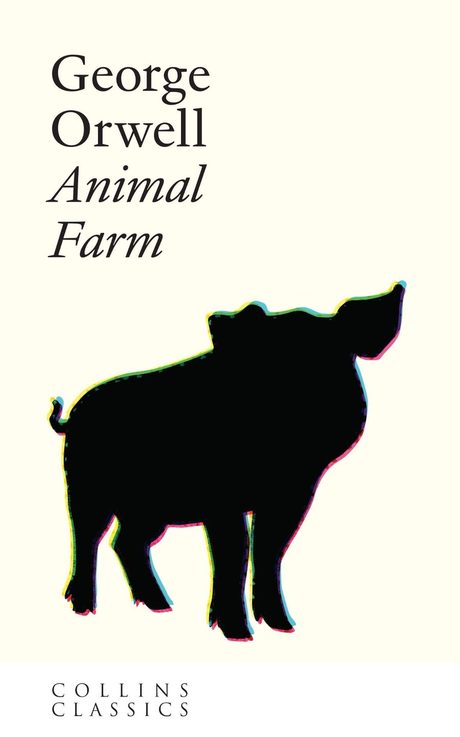
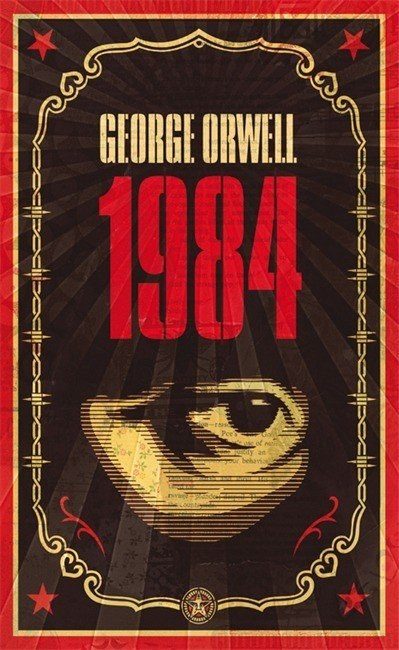
Nineteen Eighty-Four
George Orwell1949
A clerk whose job is rewriting yesterday's newspapers falls in love, which in his country is the one unforgivable act.
Winston Smith works at the Ministry of Truth, where his job is correcting old news so that the government has always been right. He starts a diary, which is illegal, then a love affair, which is worse. What everyone remembers is the telescreen watching him, but the part that has aged hardest is quieter: a state vocabulary designed so certain thoughts cannot be assembled, and a public record that can be updated overnight. Orwell wrote it while dying of tuberculosis in a cold house on the Scottish island of Jura, and you can feel the fever in the sentences.
Why it is at 1
Number one because its machinery is the most fully built of anything on this list, and because it is still a novel about a person rather than a lecture about a system. Cameras that know a face, records that can be quietly corrected, a shrinking public vocabulary: all of it exists in some form somewhere, run by governments and by companies.
Read it ifyou want the book everyone quotes and almost nobody has finished
Skip it ifyou want a fast plot, because there is a political treatise parked in the middle
grey, airless, furiousBest for: understanding every dystopia after itsurveillanceclassic1940s
Heads up: extended torture in the final section
2
Already installed: contentment on demand
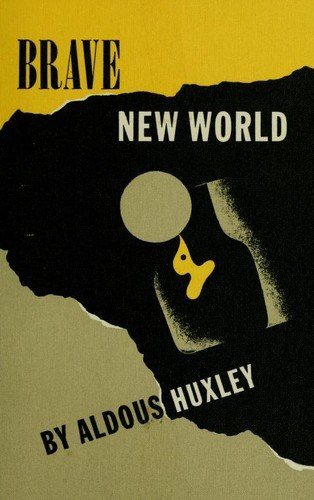
Brave New World
Aldous Huxley1932about 290 pages
Nobody here is oppressed, everybody is comfortable, and comfort turns out to be the more effective cage.
In Huxley's future, humans are grown to order in hatcheries, sorted into castes before birth, and kept content by a drug called soma, casual sex without consequence, and entertainment that never asks anything of you. Nobody gets dragged away in the night. People simply have no reason left to want anything else. The plot follows a misfit who visits a reservation outside the system and brings back a young man raised on Shakespeare, which goes about as well as you would expect.
Why it is at 2
Second because it is the other pole of this tier and the more accurate forecast. Orwell imagined control through pain, Huxley imagined control through pleasure, and pleasure is what got built: an endless supply of engineered comfort available at any hour without leaving your bed. It misses the top spot only because its characters are arguments wearing names.
Read it ifyou want the version of the future that arrived quietly and got applause
Skip it ifyou need characters to care about, because these are positions in a debate
clean, sedated, chillingBest for: arguing about screensclassicpleasureengineering
3
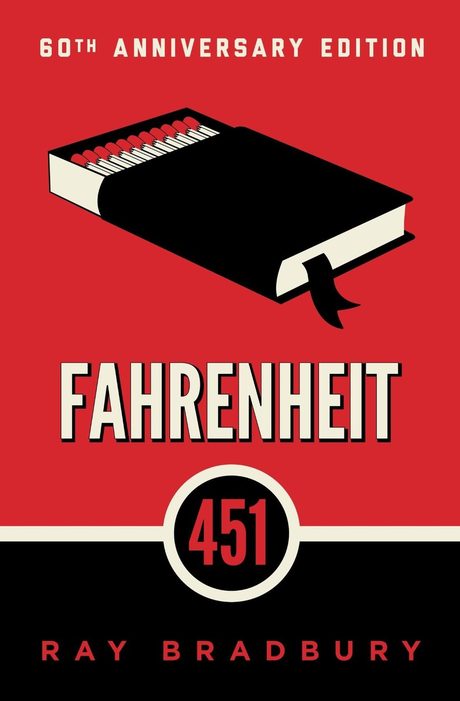
Already installed: nobody had to ban the books
Fahrenheit 451
Ray Bradbury1953about 272 pages
A fireman who burns books meets a girl who asks questions, and his comfortable life stops fitting him.
Montag burns books for a living, which in his city is an ordinary municipal job, like clearing drains. The state never had to force this on anybody. People stopped reading first, because reading is slow and demanding and the wall screens were right there, and the banning followed later as a formality. His wife spends her days with an earpiece in and a parlour of screens she calls her family. Bradbury wrote it fast, on a coin-operated typewriter in a library basement, and the speed shows in the best possible way.
Why it is at 3
Third because the mechanism here needs no technology at all: an audience that stopped wanting the thing, so nobody had to take it away. Check your own screen time and the argument makes itself. It sits under Huxley because the fire brigade conceit is a little neat, but it is the best entry point on this entire list.
Read it ifyou want something short and hot that you can finish tonight
Skip it ifheightened, almost poetic prose in a science fiction setting puts you off
hot, urgent, elegiacBest for: one evening, first dystopiaclassicbooksattention
4
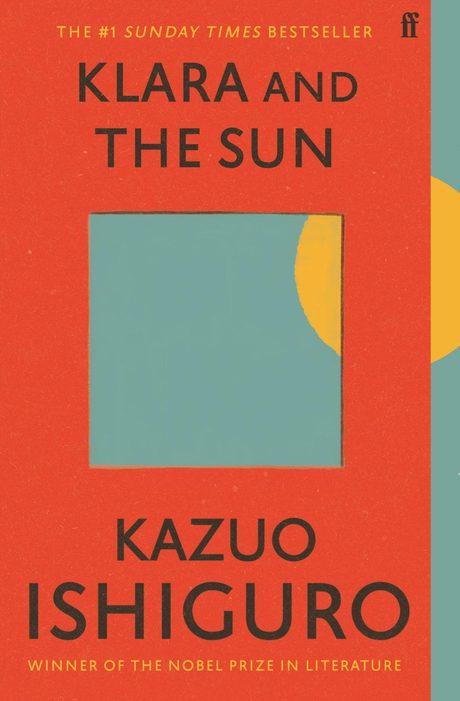
Already installed: the artificial friend
Klara and the Sun
Kazuo Ishiguro2021about 319 pages
An artificial companion is bought from a shop window for a sick teenager, and she narrates her own devotion without complaint.
Klara is a solar-powered Artificial Friend who stands in a store window studying human behaviour until a girl called Josie picks her. The book is told entirely in Klara's voice, which is polite, careful, and missing precisely the pieces you would expect a machine to miss. Around the edges of her narration you catch a society that has sorted its children by genetic enhancement and quietly left the rest behind. Ishiguro does what he always does, which is hand you a narrator who cannot see the shape of her own situation and let you see it for her.
Why it is at 4
Fourth because the product exists. People already keep a chat companion open at midnight and tell it about their loneliness, and the technology in this novel is duller than what is currently on sale. The book is slow and its payoff is deliberately small, so readers who want events will be frustrated, but nothing else here is this close to something you can subscribe to.
Read it ifyou want the quietest and saddest book on this list
Skip it ifyou want plot, because very little happens and the narrator stays flat
gentle, patient, devastatingBest for: anyone who talks to an AIailonelinessnear future
Pairs with: Never Let Me Go at rank nine, the same author running the same trick with humans instead of a machine
5

Already installed: the wall between communities
Leila
Prayaag Akbar2017about 122 pages
A mother spends sixteen years searching for the daughter taken from her, in a city that has walled its communities off from each other.
Shalini's daughter disappears during a birthday party, on the day her mixed marriage stops being survivable. The city has been reorganised into sectors by community, each behind its own wall, with purity sold as an amenity and rubbish piling up in the gaps between. Shalini is sent to a facility for women like her, then released into the lower city to work, and her search continues the only way it can, slowly and mostly inside her own head. Akbar keeps the politics offstage and the mother in focus, which is why the book lands.
Why it is at 5
Fifth, and the highest Indian entry, because the walls are the part already standing. Gated colonies, buildings that screen who may buy in, whole sectors sorted by community: none of that needed inventing. The novel is thinner than the classics above it and the middle stretch sags, but no book here is set closer to home for an Indian reader.
Read it ifyou want dystopia written from inside an Indian city
Skip it ifyou need a tight plot, because this one drifts on purpose
dusty, anxious, intimateBest for: Indian readers new to the genreindiasegregationmotherhood
Heads up: child separation, institutional violence against women
6
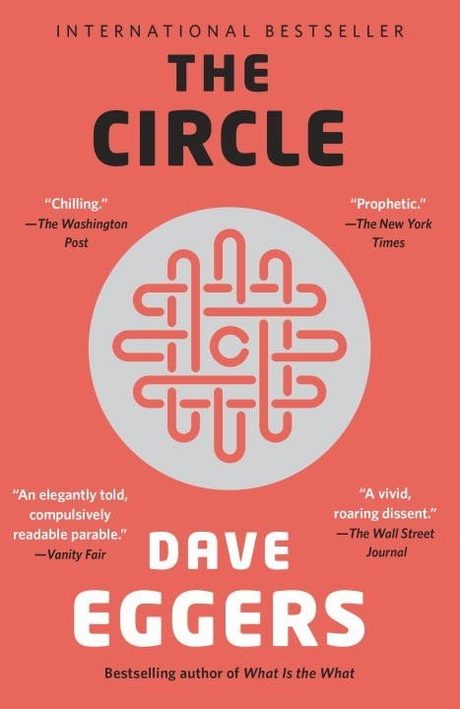
Already installed: the company with one login
The Circle
Dave Eggers2013about 403 pages
A young woman joins the world's most loved tech company and gradually agrees to be watched all day, on camera, by choice.
Mae lands a job at a campus-sized company that has merged everyone's accounts, payments and identity into a single login, and it is the best job she has ever had. There are smoothies, concerts, a doctor on site, and a gently escalating expectation that she share more of herself. The company slogans are the strongest thing in the book: three short lines about secrecy and sharing that unsettle you precisely because you can imagine a real founder saying them onstage to applause.
Why it is at 6
Sixth because nearly every piece of this is now ordinary: one account for everything, people streaming their day from a camera on their chest, a score attached to a face. Then the honest caveat. This is the weakest writing on the list by a distance, the characters are levers rather than people, and the satire has no subtlety at all. It is here for accuracy, not sentences.
Read it ifyou work in tech, or you want to know why that job felt strange
Skip it ifyou want good prose, because this reads like a very long opinion column
bright, glassy, smugBest for: anyone with a tech jobtechsurveillancesatire
7
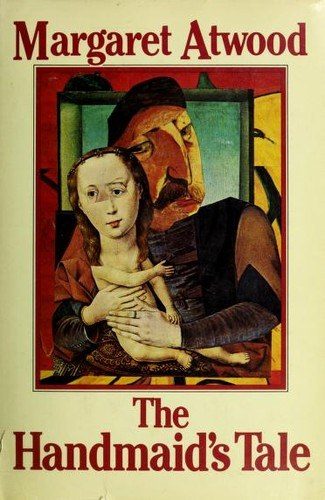
Under construction: control over who gives birth
The Handmaid's Tale
Margaret Atwood1985
In a new American theocracy, fertile women are assigned to powerful households as property, and one of them tells you how it happened.
Offred had a job, a bank card, a husband and a daughter, and then the accounts of every woman in the country were frozen in a single afternoon and it went from there. Now she lives in a commander's house under a new regime, valued only for a working body, and the novel is her voice, careful and dry, telling you what her days are actually made of. What keeps it standing is that every piece of Gilead has a precedent somewhere in history, so none of it can be waved off as invention.
Why it is at 7
First of the under-construction tier because this mechanism is not technology, it is law, and law can move in a single session. The book's own frightening claim is that Gilead needed one afternoon of frozen bank accounts rather than an army. It ranks below the tier above because the full apparatus is not standing anywhere at this scale, and saying so plainly matters more to me than a scarier rank.
Read it ifyou want the most quoted dystopia of the last forty years
Skip it ifsexual violence inside a controlled system is not something you can read right now
hushed, watchful, bitterBest for: readers who want angertheocracywomenmodern classic
Heads up: systematic sexual violence and forced pregnancy
8
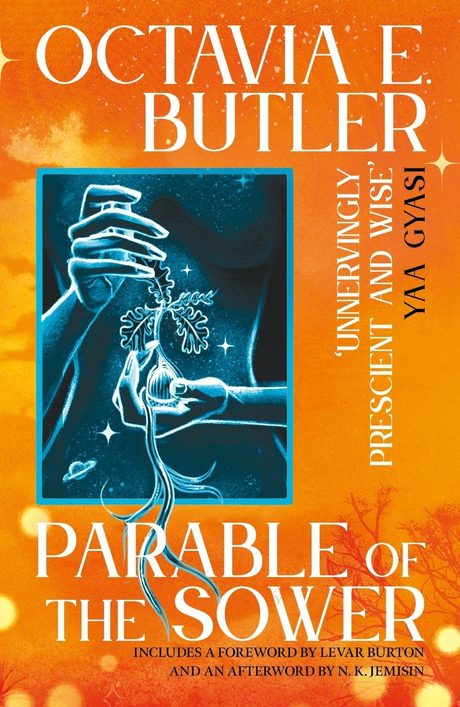
Under construction: heat, water pricing, and the walled street
Parable of the Sower
Octavia E. Butler1993about 366 pages
A teenager who physically feels other people's pain walks north through a broken California, writing a new religion as she goes.
Lauren Olamina is fifteen, lives behind a wall her neighbourhood built itself, and keeps a journal because the adults around her still believe the old order is coming back. Water costs more than fuel, corporations are quietly restarting company towns, and fire travels faster than news. When the wall fails she walks north with strangers, setting down the beginnings of a belief system built on one line about change. Butler wrote this in the early nineties and set it in years we have already lived through, which is an unsettling thing to notice on page one.
Why it is at 8
Eighth because the parts are visibly being assembled: heat, water priced beyond reach, fire seasons, private security estates, work that comes bundled with housing you cannot leave. What has not happened is the collapse of the state itself, so it stays in this tier. It is also the best written book in the tier and the only one whose lead character tries to build something rather than merely last.
Read it ifyou want a survival story with a real argument running inside it
Skip it ifyou cannot take violence against children, which arrives early and without warning
hot, moving, stubbornly hopefulBest for: climate anxiety with companyclimatesurvivalroad novel
Heads up: sexual violence, violence against children, arson
9

Under construction: people raised for their parts
Never Let Me Go
Kazuo Ishiguro2005about 305 pages
Three friends from an English boarding school slowly explain what they were made for, and never once try to run.
Kathy narrates her childhood at Hailsham, a school in the English countryside with unusually good art lessons and a strange emphasis on health, then the friendships and jealousies that follow the three of them into their twenties. The premise arrives early and is not a twist, so I will keep it where Ishiguro keeps it: these children were raised for a purpose everyone understands and nobody discusses. The horror is never the system itself. It is how completely the characters have accepted it.
Why it is at 9
Ninth on a split verdict. The technology is fiction and shows no sign of arriving, so it cannot rank higher. The human half is documentary: people accept an unfair arrangement because everyone around them accepts it and there is nowhere obvious to go. Judged on acceptance alone this would be number one, and that is the part of my ranking I most want you to argue with.
Read it ifyou want quiet devastation with almost no violence on the page
Skip it ifpassive characters infuriate you, because nobody here fights back
muted, English, achingBest for: readers who cry quietlyclonesschoolgrief
Heads up: organ donation, illness and death of young adults
10
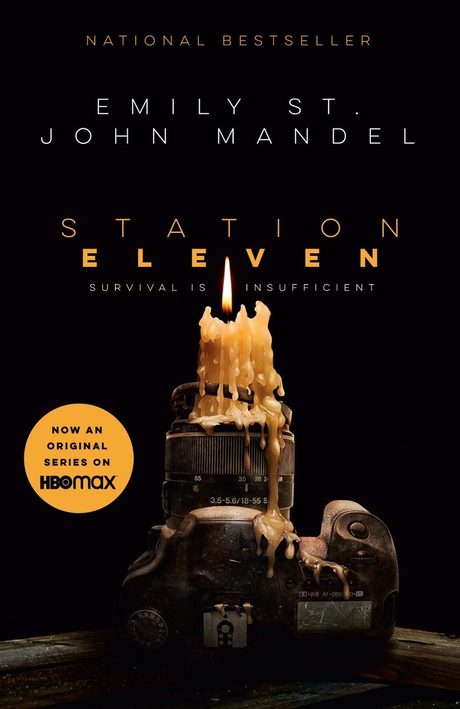
Under construction: the flu, and what people carry afterwards
Station Eleven
Emily St. John Mandel2014
A flu wipes out most of the world in a fortnight, and twenty years later a travelling theatre troupe plays Shakespeare to the survivors.
The novel opens with an actor dying onstage during King Lear on the night the outbreak reaches Toronto, then moves back and forth across the twenty years on either side of the collapse. The main thread follows a caravan of musicians and actors touring settlements around the Great Lakes, performing because a life of bare survival turned out not to be enough. This is the least frightening book on the list, and that is a design decision. Mandel is interested in what people carry, not in how they die.
Why it is at 10
Tenth because we rehearsed part of it in 2020 and the rehearsal was instructive. The airports, the queues, the sudden quiet: recognisable. A total loss of electricity and government inside two weeks: nowhere near. It ranks here rather than lower because a flu with short incubation and high fatality is the only catastrophe on this list that public health agencies genuinely plan for.
Read it ifyou want post-apocalypse without cruelty in it
Skip it ifpandemic fiction still sits too close after 2020
cool, wistful, humaneBest for: post-apocalypse without despairpandemicartsurvival
Heads up: mass death from a pandemic
11
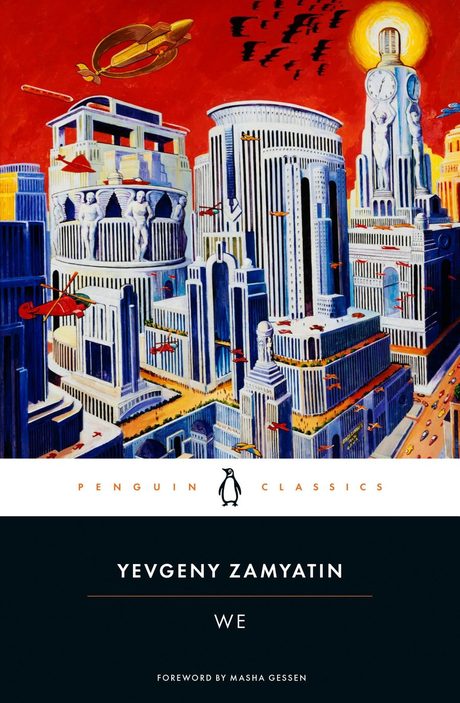
Still invention: the glass city where nobody has walls
We
Yevgeny Zamyatin1924about 258 pages
The first modern dystopia: a mathematician in a city of glass keeps a diary praising the state, and it slowly stops behaving.
D-503 is building a spaceship for the One State. He lives in a glass apartment where everyone can see everyone, eats on a schedule, and is issued sexual partners by coupon, with a curtain permitted for the hour. He begins his notebook as propaganda meant for the readers of other planets, which is why watching it deteriorate into something human is such a good trick. Zamyatin wrote it in Soviet Russia around 1920 and could not publish it there, so the book first reached readers in English translation in New York.
Why it is at 11
Eleventh, at the top of the invention tier, because the glass city was always a metaphor rather than a blueprint. Almost everything after this borrowed from it, including the two books at the top of my list, so read it for the origin rather than the fear. Be warned that it is the hardest going here, since the prose is fractured on purpose because the narrator is fracturing.
Read it ifyou want to see where this entire genre started
Skip it ifyou want smooth prose, because the style is jagged and mathematical
geometric, feverish, strangeBest for: readers who like difficultyoriginrussiatranslated
12
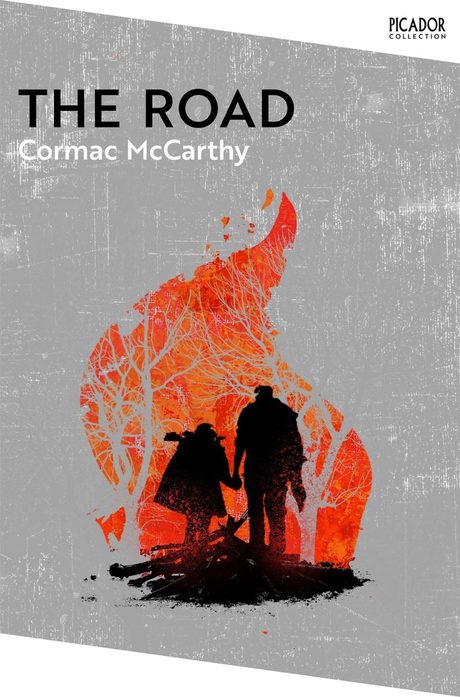
Still invention: the country after the ash
The Road
Cormac McCarthy2006about 324 pages
A man and his son push a trolley south through a burned country, and the book is whether he can keep the boy good.
McCarthy never tells you what happened. There was a flash, then ash, then years of cold and nothing growing, and now a father and his son walk a road towards the coast with a pistol and two bullets. They scavenge, they hide from other people, and the father teaches the boy a story about carrying the fire, which is the only moral instruction left in the world. The sentences are stripped of most punctuation and nearly all adverbs, and the effect is a kind of grey hymn. It is the finest writing here and the hardest to finish.
Why it is at 12
Twelfth on plausibility and first on prose, which is exactly the disagreement this ranking exists to expose. Nothing in it is a forecast: the cause is never named, the biosphere is entirely gone, and no real scenario ends like this. What is true is the smaller thing underneath, a parent working out how long he can keep protecting a child, and that needs no apocalypse at all.
Read it ifyou want the best sentences on this list and can take the subject
Skip it ifyou are a new parent, and I mean that as a serious warning
ashen, tender, unbearableBest for: readers who want proseapocalypsefather and sonprose
Heads up: child endangerment, cannibalism, suicide
13

Still invention: the year the babies stopped
The Children of Men
P. D. James1992about 315 pages
No child has been born anywhere on earth for twenty-five years, and England has settled into a comfortable, well-managed decline.
Theo Faron is an Oxford historian and cousin to the man now running England as Warden, in a country where the last generation ever born has grown up spoilt and resented. James was a crime novelist, so she is superb on administrative texture: the state suicide ceremonies for the old, the prison island, the imported labour sent home once it ages, the women christening kittens. Then a small group of dissidents asks Theo for help and the novel turns into a chase across the countryside.
Why it is at 13
Thirteenth because global infertility is not something that is happening, and because the film version has quietly replaced the novel in most people's heads. Read it anyway for the middle section, which is the best account I know of a society being managed gently towards extinction. The ending is weaker than everything that comes before it, and I would rather tell you that now.
Read it ifyou want procedural calm rather than action
Skip it ifyou loved the Alfonso Cuaron film, because the book is a slower, different animal
chilly, English, resignedBest for: fans of quiet menaceinfertilityengland1990s
Heads up: state-organised suicide of the elderly
14
Still invention: the day the current switched
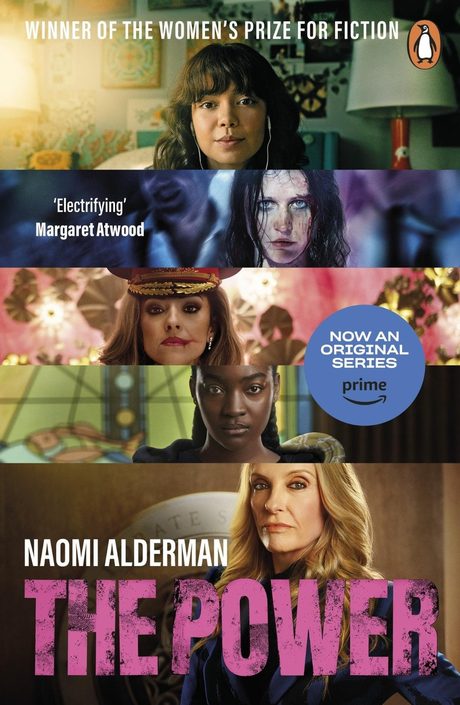
The Power
Naomi Alderman2016about 393 pages
Teenage girls develop the ability to hurt people with a touch, and within a decade the world reorganises itself around them.
A strip of muscle wakes up across the collarbones of girls everywhere, and it can deliver anything from a static prick to a fatal shock. Alderman then does the genuinely interesting work, which is not the discovery but the ten years afterwards: the news cycles, the segregated schools, the safety advice issued to men, the new religions, the governments that flip. The whole thing is framed as a historical novel written thousands of years later by a male author, which is the joke the book is built to land.
Why it is at 14
Fourteenth because the mechanism is invented biology and always will be. What earns its place is that this is the only book here running a controlled experiment: change one variable, hold everything else steady, watch what the species does with the result. If you have ever argued that the problem is men rather than the arrangement, this novel has an unpleasant answer waiting for you.
Read it ifyou want a thought experiment executed with real narrative drive
Skip it ifgraphic violence, including sexual violence, is a hard no for you
electric, angry, sardonicBest for: book club argumentspowergenderthought experiment
Heads up: graphic violence and sexual violence in both directions
15
Still invention: a country with no women left
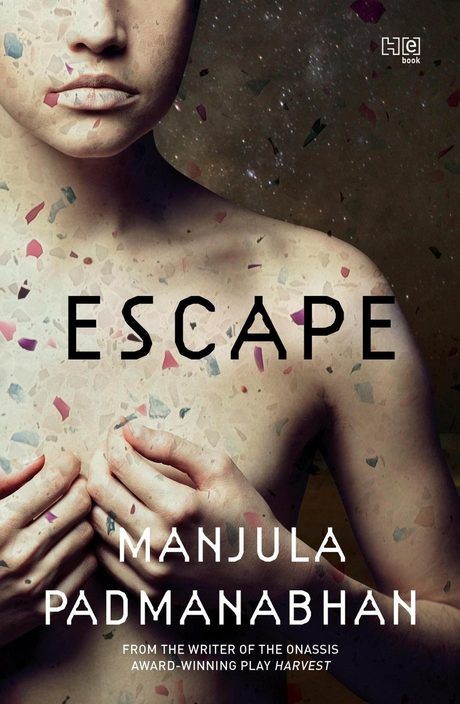
Escape
Manjula Padmanabhan2008about 332 pages
In a wrecked country where every female has been eliminated, three brothers hide the last girl in the family and try to get her out.
Padmanabhan sets this in an unnamed country run by a General and his clones, where a policy of extermination has left no women at all, and a sixteen-year-old called Meiji has been raised inside a compound believing she is a boy. One uncle takes her on a journey across poisoned terrain towards a border, and the book is that journey plus the slow, awkward business of a girl working out what she actually is. It is strange, uneven, and unlike anything else I have read in Indian fiction.
Why it is at 15
Fifteenth on plausibility, because a nation of clones ruled by one man is invention, even though the thing that produced it, families choosing not to have daughters, is documented and Indian. The writing is patchy and the middle stretches badly, so this is here for its idea and its nerve rather than its execution. Nobody else in India was writing anything like it in 2008.
Read it ifyou want Indian speculative fiction that takes a genuine risk
Skip it ifyou want polished prose and a tight plot
arid, strange, uncomfortableBest for: readers hunting something unusualindiagenderspeculative
Heads up: gendercide, body horror, sexual threat
Worth knowing
How the three tiers work
Tier one, already installed, means you could point at the mechanism today and find a working version of it: a camera that identifies a face, a company that owns your login and your payments, a supply of engineered comfort on tap, a city sorted by who is allowed to live where. Tier two, under construction, means the parts exist and the assembly has visibly started, but the finished thing is not standing: reproductive law, climate collapse at scale, a pandemic that removes the state. Tier three, still invention, means the central device is fiction and is likely to stay fiction, which says nothing at all about how good the novel is.
The honest limit of this test is that it measures machinery, not meaning. The Road has no plausible mechanism and is the best written book on the page. Never Let Me Go describes a technology nobody is building and a human response you can watch on any Monday morning. So use the tiers to decide what will unsettle you, and use the quick picks to decide what will move you, because those are two different questions and pretending otherwise would be a con.
Worth knowing
A note on reading We in English
Zamyatin's novel has been translated into English several times, and the versions read very differently. The Penguin edition most Indian readers will find online is the Clarence Brown translation, and there are also well regarded versions by Natasha Randall and by Bela Shayevich. If the first paragraph you sample feels stilted rather than feverish, try a sample of another translation before deciding the book is not for you, because with this one the translator is doing a great deal of the work.
People also ask
Questions, answered
What is the best dystopian novel of all time?
Nineteen Eighty-Four, on this list and on most honest ones. It is not the best written of the fifteen, that is The Road, and it is not the most accurate about how control actually feels, that is Brave New World. It wins because it does all of those jobs at once and still keeps a frightened man and a love affair at the centre, which is why people who never read the genre have still read this one.
Which dystopian novel is closest to reality right now?
By machinery, The Circle, which is the whole reason a weakly written book sits at six on my list: one account for everything, cameras streaming a person's entire day, a public score attached to a face. By atmosphere, Brave New World, because control through comfort is what actually got built. If you want the version set in India, Leila at rank five is the closest to home.
What should I read first if I have never read a dystopian novel?
Fahrenheit 451. It runs under two hundred pages, the prose moves fast, and the central argument is one you can test against your own evening: nobody banned the books, people just stopped choosing them. Read that first, then go to Nineteen Eighty-Four for the machinery and Brave New World for the argument about pleasure. Those three cover most of what every later dystopia is built from.
Are there any good Indian dystopian novels?
Yes, and more than most lists admit. Leila by Prayaag Akbar is the best starting point, with a city divided into walled community sectors and a mother searching for her child. Escape by Manjula Padmanabhan is stranger and rougher, set in a country with no women left. Beyond these two, look for The Wall by Gautam Bhatia and The Ten Percent Thief by Lavanya Lakshminarayan, both from Indian writers working in this genre recently.
What is the difference between dystopian and post-apocalyptic fiction?
A dystopia has a system running: somebody is in charge, the rules are enforced, and the horror is organised. Post-apocalyptic fiction is what happens after the system dies, so the danger is scarcity and other survivors rather than the state. On this list, Nineteen Eighty-Four and Leila are dystopias, The Road and Station Eleven are post-apocalyptic, and Parable of the Sower sits on the join because it watches one turn into the other.
Is 1984 or Brave New World more accurate about today?
Huxley, mostly. The system Orwell described requires enormous effort to maintain, while the one Huxley described maintains itself, because people opt in for the comfort and then keep opting in. Where Orwell has aged frighteningly well is the technical layer: face recognition, a public record that can be edited, and language that narrows what is easy to say. Read them a month apart and you will have the whole argument in your head.
Before you go
What to read tonight
If you are picking tonight, take Fahrenheit 451, because you can start and finish it before you sleep and it will change how the next scroll feels. If you have a longer week, read Nineteen Eighty-Four and Brave New World back to back in that order, and watch the second one quietly win the argument. And if you only want a great novel with no homework attached, go to The Road, keep a light on, and do not start it at midnight.
One last thing about lists like this one. The tier a book sits in will move over your lifetime, because machinery gets built and predictions get overtaken. Come back to these in five years and see which ones have climbed. That, more than any ranking I can write, is the real reading experience the genre offers.
Keep going
Lists that pair with this one
Genre
16 Sci Fi Books for Beginners, Ordered by Difficulty
Ranked one to sixteen by how much each book asks of you, easiest first, with a bail point on every entry.
Mood & Life
Classic Books for Beginners: 21 Ranked Easiest to Hardest
Twenty one classics arranged on a four rung ladder, easiest first, so you finish the first one instead of abandoning it at page thirty.
Mood & Life
16 Books About Existential Crisis, Gentlest to Heaviest
Ordered by how much weight each one puts on you at 2 a.m., starting with the ones that are safe to read tonight.
Genre
15 Literary Fiction Books for Beginners, Easiest First
Every book here asks one new thing of you that the book before it did not, so you climb instead of drowning.
Genre
16 Books With the Best Plot Twists, Ranked by the Second Read
I rank them by what happens when you go back to page one, and I never tell you what any of the twists actually are.