In school we were handed a poem, told to find the metaphor, and then marked on whether we had found the same metaphor the guide book had found. That is where most of us learned that serious books are an exam with one correct answer hidden inside them, and that if you cannot find it you are the problem. I carried that feeling into my twenties. I had published books of my own by then and still felt like a fraud in a bookshop's fiction aisle, quietly reaching for the thriller instead.
Here is what changed it for me. Literary fiction is not harder than the books you already enjoy. It just asks for different things: patience with a slow opening, comfort with an ending that does not tie up, willingness to sit inside a head that is nothing like yours. Nobody teaches those, so people try to jump straight to the hardest possible book, fail, and decide the whole category is not for them.
So this list is a staircase. Book one asks almost nothing of you beyond turning the page. Each book after it adds exactly one new demand, and I say in every entry what that demand is. By the last two you will be doing things you could not do at the start, without ever having suffered through a novel you hated. It is ordered easiest to hardest, not best to worst, and I have named three famous prize-winners that people are wrongly told to start with, plus why they break beginners.
How I picked these
- Every book adds one new reading skill and no more. Two new demands at once is how readers quit.
- Nothing over 350 pages until the final two entries, and eight of these run under 200 pages.
- No book here needs you to have read anything else, no prior knowledge, no mythology homework, no footnotes.
- Translations are in only where the English version reads as its own book rather than as a decoded document.
- I cut the usual beginner recommendations that are actually advanced climbs, and I name them in a section below instead of hiding the disagreement.
- Every title verified through Google Books and Open Library with a real cover, so no ghost editions crept in.
The whole list at a glance
All 15 books, in order
| # | Book | Author | Year | Vibe | Best for |
|---|
| 1 | Convenience Store Woman | Sayaka Murata | 2016 | deadpan, strange, oddly warm | your first literary novel ever |
| 2 | Normal People | Sally Rooney | 2018 | intimate, modern, frustrating | readers coming from romance |
| 3 | Small Things Like These | Claire Keegan | 2021 | quiet, cold, morally huge | one evening, start to finish |
| 4 | Ghachar Ghochar | Vivek Shanbhag | 2013 | calm, sinister, domestic | Indian readers starting out |
| 5 | The Reluctant Fundamentalist | Mohsin Hamid | 2007 | urbane, tense, ambiguous | readers who like a slow threat |
| 6 | The Sense of an Ending | Julian Barnes | 2011 | dry, English, cutting | readers who like a twist earned |
| 7 | Interpreter of Maladies | Jhumpa Lahiri | 1999 | plain, precise, aching | commuters and short reading windows |
| 8 | Tomorrow, and Tomorrow, and Tomorrow | Gabrielle Zevin | 2022 | warm, ambitious, sad | people who miss a best friend |
| 9 | Open Water | Caleb Azumah Nelson | 2021 | tender, rhythmic, anxious | readers who love music writing |
| 10 | The Remains of the Day | Kazuo Ishiguro | 1989 | formal, restrained, devastating | patient readers ready to level up |
| 11 | Stoner | John Williams | 1965 | plain, sober, quietly crushing | readers who want the real thing |
| 12 | The Vegetarian | Han Kang | 2007 | cold, physical, disturbing | readers who want to be unsettled |
| 13 | Chronicle of a Death Foretold | Gabriel Garcia Marquez | 1981 | hot, fated, forensic | an afternoon with a classic |
| 14 | Hamnet | Maggie O'Farrell | 2020 | sensory, earthy, grieving | readers ready for a long book |
| 15 | A Fine Balance | Rohinton Mistry | 1995 | expansive, tender, brutal | your sixth literary novel |
The list
The books, ranked
1
New ask: accept a narrator whose logic is not yours
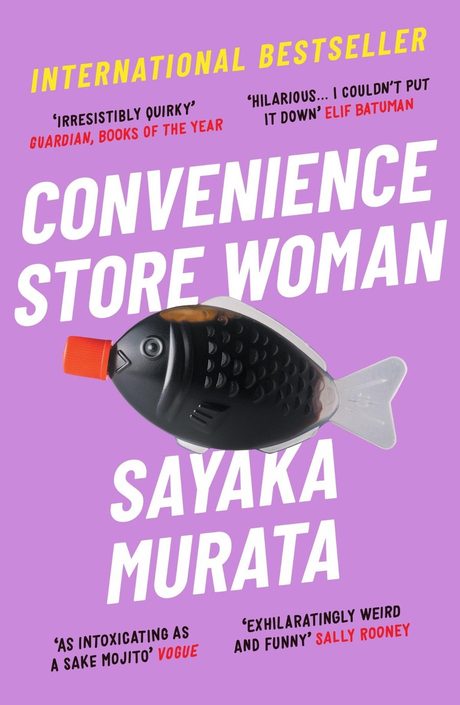
Convenience Store Woman
Sayaka Muratatranslated by Ginny Tapley Takemori2016about 110 pages
A woman who is happiest stacking rice balls at a Tokyo convenience store, in a world that treats her contentment as a medical emergency.
Keiko has worked the same shop for eighteen years. She knows the sound the door makes when a customer wants cigarettes, she copies her speech patterns from colleagues, and she is fine. Everyone around her is not fine about it: her sister, her friends, her parents all keep waiting for her to want a husband and a career. The book is under 200 pages, it is funny in a way that sneaks up on you, and it is quietly brutal about the scripts we hand people and then punish them for refusing.
Why it is at 1
First because the only thing it asks is that you take Keiko at her word instead of correcting her. That is the entry level skill for all fifteen books here: let the narrator be who she is. It also finishes in two sittings, which matters when you are still proving to yourself that you can finish this kind of book.
Read it ifyou want a short, funny, strange novel that you will finish this weekend
Skip it ifyou need a character who grows and learns a lesson, because Keiko flatly refuses to
deadpan, strange, oddly warmBest for: your first literary novel everjapaneseshorttranslated
2
New ask: read what people do not say
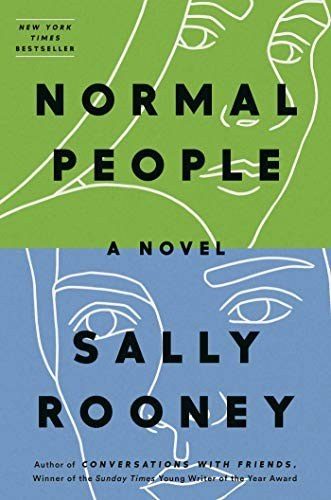
Normal People
Sally Rooney2018about 300 pages
Two clever teenagers in a small Irish town keep finding each other and keep getting the timing wrong, for four years.
Connell is popular and poor, Marianne is rich and friendless, and in school they pretend not to know each other in public. Then they both go to Dublin and the power between them flips. Rooney writes without quotation marks, which sounds like a gimmick and is not: it pulls the dialogue and the thinking into one stream, so you catch what a character means and what they actually manage to say at the same moment. The plot is small on purpose. The misunderstandings are the plot.
Why it is at 2
Second because it teaches the single most useful literary reading habit: the important information is in what a character avoids saying. Every book further down this list runs on that. Rooney also gives you the training wheels of an addictive love story while she does it, which the harder books will not.
Read it ifyou like romance but want it written by someone paying attention to class and power
Skip it ifyou need likeable characters, because both of these two behave badly and know it
intimate, modern, frustratingBest for: readers coming from romanceirishlovecontemporary
Heads up: depression, an abusive relationship, and the suicide of a minor character
3

New ask: sit with an ending that refuses to explain itself
Small Things Like These
Claire Keegan2021about 87 pages
A coal merchant in small-town Ireland finds a girl locked in the convent coal shed a few days before Christmas, and has to decide what he saw.
Bill Furlong delivers coal and timber in New Ross in 1985, has five daughters, and is the sort of man who does not make trouble. Then he opens a shed door at the convent. That is nearly the whole plot in 128 pages, and yet it is one of the most complete books I have read, because Keegan spends her word count on the exact texture of a small life: the ledger, the cold hands, the wife who wants him to leave it alone. The last page stops where a lesser book would keep going.
Why it is at 3
Third because it is the shortest real test on this list. The ending hands you nothing, no consequence, no scene of vindication, and your job is to hold it instead of asking the author to finish the job. Do that once and half of literary fiction opens up. If you have one evening free this week, this is the book.
Read it ifyou want to feel the size of a small decision, and you have two free hours
Skip it ifyou want the story to follow through and show you what happened next, because it will not
quiet, cold, morally hugeBest for: one evening, start to finishirishnovellamoral
Heads up: the Magdalene laundries and the church's abuse of women and girls sit behind the whole story
4
New ask: notice who is paying for the house
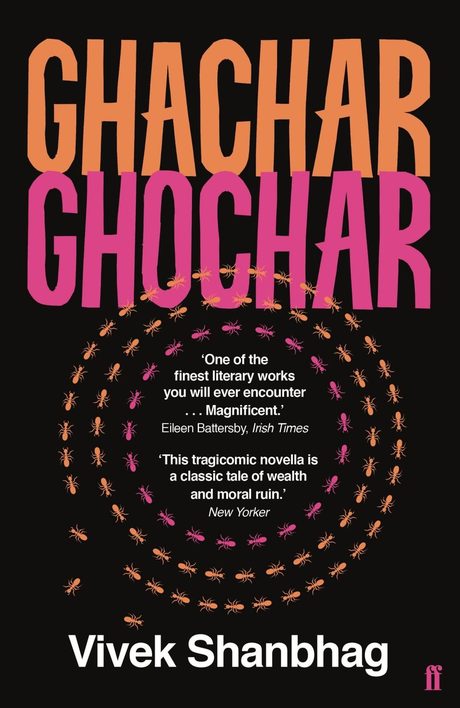
Ghachar Ghochar
Vivek Shanbhagtranslated by Srinath Perur2013about 103 pages
A Bengaluru family goes from cramped and decent to comfortable and cruel, told by the son who benefits and never asks how.
The narrator sits in a coffee house and remembers: the ant-infested small house, the father's job, the uncle's spice business that suddenly makes everyone money, the new address, the wife who asks the wrong questions. It is around 100 pages in Srinath Perur's English and it moves like a short story that will not stop widening. The title is a nonsense phrase the family uses for something tangled beyond fixing, which is also a fair description of what money does to them.
Why it is at 4
Fourth because it teaches you to read a narrator's blind spot without the author ever pointing at it, and it does that in one sitting. This is also the best Indian doorway on the list: the middle-class arithmetic in it, who eats first, who gets the new fridge, who is quietly kept out, is familiar in a way no translated novel from elsewhere can be.
Read it ifyou want a short Indian novel with menace under the surface of an ordinary family
Skip it ifyou want the story to state its verdict, because it hands the judgment to you and leaves
calm, sinister, domesticBest for: Indian readers starting outkannadatranslatedfamily
5

New ask: a narrator talking straight at you
The Reluctant Fundamentalist
Mohsin Hamid2007about 184 pages
A Pakistani man buys tea for an uneasy American stranger in Lahore and tells him his whole New York life across one long evening.
Changez is a Princeton graduate with a valuation job in Manhattan and a complicated love for a grieving woman, and then September 11 happens and the city looks at his beard differently. The whole novel is his side of a conversation in a Lahore market, so you never hear the American speak, only Changez responding to him. Under 200 pages, and the tension is not in the politics but in the question of what exactly is going on at that table as the light goes.
Why it is at 5
Fifth because it is your first book with a shape, a frame around the story that is doing its own work, and it teaches you to ask who is telling me this and why now. Both are questions the tougher books will demand. The reading itself stays easy, since Changez is charming and the pages turn like a thriller's.
Read it ifyou want a political novel that never lectures and reads in one long sitting
Skip it ifyou want a clear answer about what happens at the end of that evening
urbane, tense, ambiguousBest for: readers who like a slow threatpakistanmonologueshort
Heads up: post 9/11 racism and an implied threat of violence
6
New ask: a narrator who is wrong about his own life
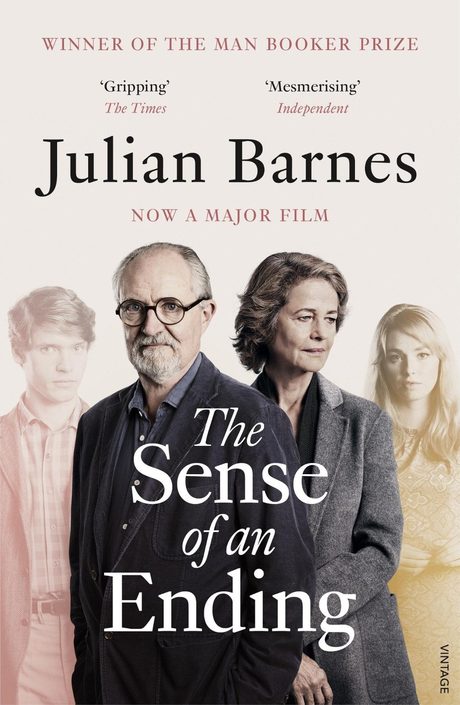
The Sense of an Ending
Julian Barnes2011about 164 pages
A retired man gets a strange bequest from an ex-girlfriend's mother and has to reopen a version of his youth he had filed away as settled.
Tony Webster is comfortable, divorced, mildly pleased with himself, and telling you about school friends and a girlfriend from forty years ago. Then a letter arrives and the past starts moving. It is about 150 pages and the first half feels like a mild memoir, which is the trap: Barnes is letting you get used to Tony's account before he shows you what Tony left out. I re-read the opening twenty pages the moment I finished, which almost never happens to me.
Why it is at 6
Sixth because it is the cleanest lesson in the unreliable narrator you can get, and it comes with a payoff sharp enough that you will not feel lectured. The Booker win is on the cover of the edition I checked, and it is the rare prize-winner that is short, plain-spoken, and genuinely built for a reader who is still finding their feet.
Read it ifyou like a slow burn that turns and want to see how memory can lie
Skip it ifan unlikeable, self-satisfied narrator will make you close the book on page ten
dry, English, cuttingBest for: readers who like a twist earnedbritishmemoryshort
Heads up: a suicide is central to the plot
7
New ask: start over every twenty pages
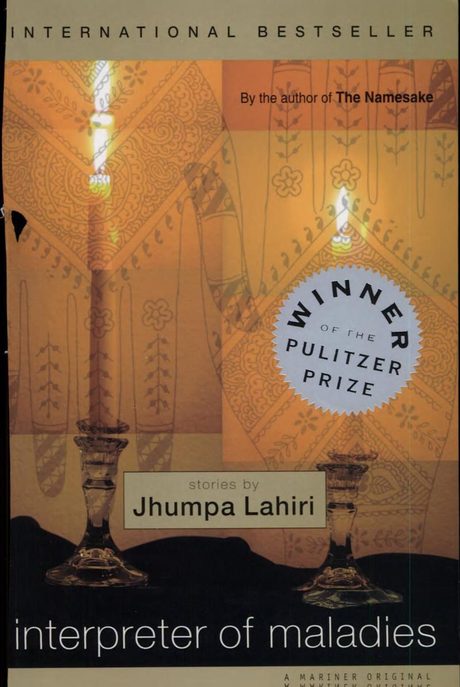
Interpreter of Maladies
Jhumpa Lahiri1999about 202 pages
Nine stories about Indians in America and Americans in India, each one a marriage or a household seen at the exact moment it stops pretending.
A couple in Boston use a nightly power cut to confess things they could not say with the lights on. A tour guide in Konark decides his passenger's secret means something about him. A young wife in a Massachusetts flat cooks fish and cannot drive. Lahiri writes plainly, which is deceptive, because the stories run on things characters notice and refuse to mention. Nine of them, none longer than an evening, and the good ones stay with you for years.
Why it is at 7
Seventh because short stories are the most underrated training ground there is, and this collection is the friendliest in English. Each story asks you to enter cold, work out the situation fast, and accept an ending that only tilts rather than concludes. Doing that nine times in one book builds the exact muscle the second half of this list needs.
Read it ifyou have short reading windows and want something complete in each one
Skip it ifyou hate having to start again with new characters every thirty pages
plain, precise, achingBest for: commuters and short reading windowsindianshort storiesdiaspora
8

New ask: time that jumps without warning you
Tomorrow, and Tomorrow, and Tomorrow
Gabrielle Zevin2022about 416 pages
Two friends spend thirty years making video games together and failing to say the one thing that would fix them.
Sam and Sadie meet as children in a hospital games room, meet again at university, and build a studio that makes them famous. The book covers three decades, moving between Los Angeles, Cambridge and the inside of the games themselves, including one chapter that takes place in a world one character built. It is long for this stage of the list, around 400 pages, but it reads fast because Zevin writes friendship with the intensity most novels reserve for romance.
Why it is at 8
Eighth because it is your first book that plays with form, jumping years between chapters and once changing what kind of text you are reading altogether, while still being the most purely enjoyable book here. You should meet a structural surprise in a novel you are enjoying, not in one you are enduring. No knowledge of video games is required.
Read it ifyou want an absorbing long read about friendship, work and grief
Skip it ifyou find flashbacks and time jumps disorienting rather than interesting
warm, ambitious, sadBest for: people who miss a best friendfriendshipcontemporaryamerican
Heads up: a shooting and the grief that follows it
9

New ask: second person, and prose that behaves like music
Open Water
Caleb Azumah Nelson2021about 149 pages
Two young Black British artists fall in love in south London while the city keeps reminding one of them that he is a suspect.
A photographer and a dancer meet in a pub, become friends, and take a long time to admit what it is. Nelson writes the whole thing in the second person, so the book keeps saying you, and it moves in the rhythm of the music it keeps naming. Around 150 pages. What makes it more than a love story is the second thread: what it does to a man's body to be watched, stopped and searched by police in his own city, and what that fear does to his ability to be held.
Why it is at 9
Ninth because it is your first book where the sentences are doing as much work as the plot, and where the point of view is unusual. Take it slowly. Read a page aloud once and the whole thing clicks into place. It is short enough that the experiment never outstays itself, which is why it sits before the harder books.
Read it ifyou want a love story written like a song and you can read slowly
Skip it ifrepetition and rhythm in prose annoy you, because this book runs on both
tender, rhythmic, anxiousBest for: readers who love music writingbritishlovedebut
Heads up: racist policing, stop and search, and racial violence
10

New ask: read past the narrator to the thing he cannot say
The Remains of the Day
Kazuo Ishiguro1989about 281 pages
An English butler takes a six-day drive across the west country and tells you, with total composure, about the life he gave away.
Stevens has served Darlington Hall for decades and is now driving to visit a former housekeeper on what he insists is staff business. Along the way he recounts dinners, protocols, his father's death during an important evening, and his employer's politics in the 1930s. He never once admits what any of it cost him. The voice is formal and unhurried, and once you tune into it, the gap between what Stevens reports and what actually happened becomes almost unbearable.
Why it is at 10
Tenth because this is the graduation exam for everything Rooney and Barnes taught you earlier: the entire emotional content sits in the space between the words. It moves slowly by design, so it belongs here and not at the top. Read it after book six and you will catch what Stevens is doing on page one instead of page two hundred.
Read it ifyou can enjoy a slow, formal voice and want the payoff of reading between lines
Skip it ifyou need incident, because almost nothing happens except a man driving and remembering
formal, restrained, devastatingBest for: patient readers ready to level upbritishunreliable narratorclassic
11
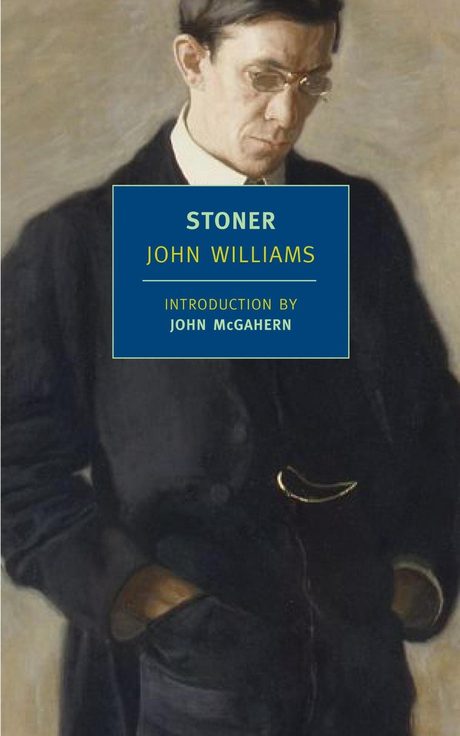
New ask: a life with no plot to hold on to
Stoner
John Williams1965about 305 pages
A farm boy becomes an English professor, has a bad marriage, a brief love affair and a long departmental feud, and dies. That is the book.
William Stoner is sent to university to study agriculture, sits in a compulsory literature class, and quietly changes course. What follows is his whole life at a Missouri university, told straight, without irony and without any attempt to make it larger than it is. It should be dull. Instead it is the book I have pressed on the most people, because Williams treats an ordinary life with the seriousness usually reserved for kings, and by the last page you understand your own father differently.
Why it is at 11
Eleventh because it removes the last handhold: no twist, no structural game, no unusual voice, just chronology and attention. If you can read this and stay gripped, you no longer need a plot to keep you in a book, which is the actual definition of a literary reader. Placing it before this point would be unfair to you.
Read it ifyou are ready to be held by attention alone rather than by events
Skip it ifyou want stakes and resolution, because the book refuses to raise its voice once
plain, sober, quietly crushingBest for: readers who want the real thingamericancampusclassic
12

New ask: three narrators, and none of them is her
The Vegetarian
Han Kangtranslated by Deborah Smith2007about 160 pages
A Seoul housewife stops eating meat after a dream, and her family's reaction turns a quiet refusal into a war over her body.
Yeong-hye empties the fridge one morning and will not explain herself. The novel is told in three parts by her husband, her brother-in-law and her sister, so you only ever see her from outside, the way her family sees her, which is the engine of the whole thing. It is short and it gets progressively stranger and more physical, moving from a bad marriage to an art project to a hospital. Unsettling is the right word, and the discomfort is the argument.
Why it is at 12
Twelfth because it asks you to build a person out of three unreliable accounts and to accept that no explanation is coming. The narrative distance is the hardest technical demand on this list. It sits below A Fine Balance only because it is short, and short is the mercy that makes a difficult book finishable.
Read it ifyou want a book that disturbs you and you trust a writer to stay in control
Skip it ifyou need a sympathetic point of view or you are sensitive to body horror
cold, physical, disturbingBest for: readers who want to be unsettledkoreantranslateddark
Heads up: self-harm, force-feeding, sexual assault, and mental illness treated with force
13
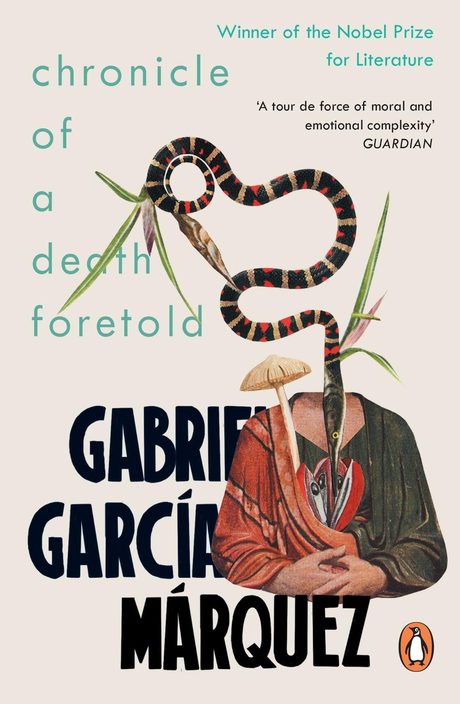
New ask: the ending arrives on the first page
Chronicle of a Death Foretold
Gabriel Garcia Marqueztranslated by Gregory Rabassa1981about 117 pages
A whole town knows two brothers are going to kill Santiago Nasar this morning, and every single person assumes someone else will stop it.
The murder is announced in the opening sentence, so the book is not a mystery about what happens but an investigation into how it was allowed to. A narrator returns decades later and interviews everyone: the bride returned to her family, the brothers who advertised their plan all night, the cook, the priest, the mayor. It is around 120 pages, built like a case file, and it is the least intimidating way into a writer most people are told to approach through a 400 page family saga.
Why it is at 13
Thirteenth because it asks you to read for pattern instead of for suspense, and to hold a dozen contradictory witnesses at once. If you have avoided Garcia Marquez because One Hundred Years of Solitude defeated you or scared you off, start here instead. It is the same intelligence at a quarter of the length and none of the family tree.
Read it ifyou want a Latin American classic that takes an afternoon and not a summer
Skip it ifyou need suspense, because you are told the ending before you are told the names
hot, fated, forensicBest for: an afternoon with a classiccolombiantranslatedclassic
Heads up: a killing described in detail, plus an honour code that punishes a woman for her wedding night
14
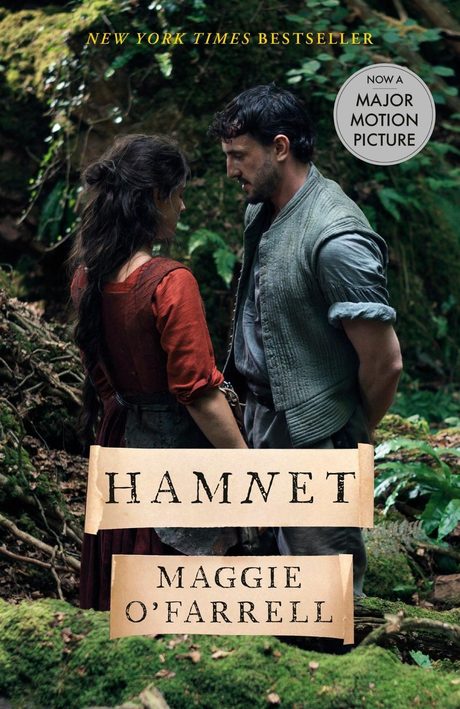
New ask: a long book that withholds the name you want
Hamnet
Maggie O'Farrell2020about 321 pages
The story of the boy whose death gave a play its name, told from inside the house he died in, with his father kept offstage.
Warwickshire, the 1580s. A Latin tutor marries a strange, self-possessed woman who keeps bees and knows plants, and they have three children. One of them dies of plague at eleven. O'Farrell never names the father, who is away in London for most of it, and gives the book to Agnes instead. There is a chapter that follows a flea from Alexandria to England that I still think about, and a grief section in the last third that is as exact as anything I have read on the subject.
Why it is at 14
Fourteenth because it is your first long historical novel and it deliberately keeps the famous man out of frame, so you have to stay interested in the people history did not record. That is a real demand. It is also the most emotionally direct book on this list, which is why it comes before the endurance test at fifteen.
Read it ifyou want a long immersive novel and you are ready for a hard subject
Skip it ifyou are a new parent or recently bereaved, because the middle section is relentless
sensory, earthy, grievingBest for: readers ready for a long bookhistoricalgriefbritish
Heads up: the death of a child, plague, and sustained parental grief
15
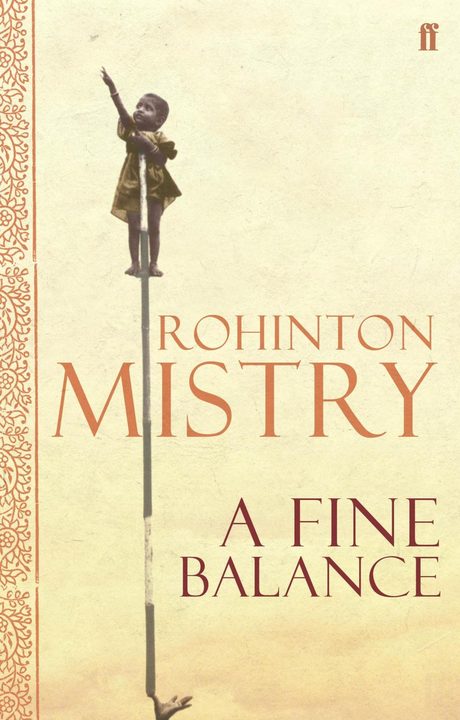
New ask: 800 pages and no mercy
A Fine Balance
Rohinton Mistry1995about 816 pages
Four strangers share a small Bombay flat during the Emergency, and the book refuses to protect any of them, or you.
A widow taking in tailors to survive, two men from a village who left caste violence behind, and a student boarder. Mistry gives them a stretch of ordinary life together, food, jokes, rent arguments, and then the state arrives. It is 800 pages and the first 300 are warm enough that you relax, which is the design. Nobody who finishes this book forgets it, and a fair number of readers put it down two-thirds through and never pick it up again.
Why it is at 15
Last because of weight, not difficulty. The sentences are the plainest here after Stoner. What it asks for is endurance and a willingness to be genuinely hurt by a novel, and you should have four or five finished books behind you before you agree to that. If you are only going to read one book on this list all year, do not make it this one. Make it your sixth.
Read it ifyou have finished several of the books above and want the big one
Skip it ifyou are going through anything heavy right now, because there is no relief valve
expansive, tender, brutalBest for: your sixth literary novelindianemergencyepic
Heads up: caste violence, forced sterilisation, mutilation, and suicide, in detail
Worth knowing
How the asks stack
Every entry above carries a line saying what new thing it wants from you. Books one to four ask you to trust a narrator and read the silences. Books five to nine add shape: a frame, a lying narrator, short story restarts, time jumps, an odd point of view. Books ten to twelve take away your handholds one at a time, until Stoner leaves you with nothing but a life told in order. The last three add scale.
You do not have to go in order, and you will not lose marks for skipping. The order exists so that when a book frustrates you, you can tell whether you picked something above your current reading fitness or simply did not like it. Those are different problems with different fixes, and confusing them is what makes people announce that they hate literary fiction.
Worth knowing
Three famous books not to start with
Beloved by Toni Morrison is the one I see recommended most often as a first serious novel, and it is close to the worst choice for the job. The timeline is deliberately broken, the central event is withheld and then delivered sideways, and one section abandons punctuation. It is a great novel that assumes a practised reader. Come to it fourth or fifth, not first.
Midnight's Children by Salman Rushdie is the other one. It is funny and enormous and it also runs on decades of Indian political detail plus a narrator who digresses for pages at a time. Readers who bounce off it usually conclude they are not clever enough, when the honest truth is they were handed a 600 page book with a stand-up comedian's timing and no map.
Ulysses is not a beginner's book, an intermediate's book, or a book most literature graduates have finished. Nobody should feel behind for not having read it. If somebody recommends it to a person who is just starting, they are talking about themselves, not about you.
People also ask
Questions, answered
What is literary fiction, in plain words?
Fiction where how the story is told matters as much as what happens. A thriller is judged on whether the plot works. A literary novel is judged on the sentences, the point of view, and what it notices about people. That is the whole difference. It does not mean sad, difficult or plotless, and plenty of literary novels have more incident in them than the average airport thriller.
Which literary fiction book should a beginner read first?
Convenience Store Woman by Sayaka Murata. It runs under 200 pages, it is funny, the narrator is unforgettable, and it asks nothing of you except that you accept her on her own terms. If Japanese fiction is not your thing, take Ghachar Ghochar instead: 100 pages, a Bengaluru family, and every uncomfortable thing money does to a household. Either one is finishable in a weekend, which matters more than prestige at the start.
Is literary fiction boring?
Some of it, yes, and pretending otherwise is how people get burned. The category includes books where nothing happens for 200 pages and the reward is a state of mind. But the books on this list were chosen for readability first. If you find Small Things Like These or Normal People boring, the problem is genuinely the fit and not you, and there are fourteen other doors here.
Do I need to understand everything I read?
No, and the belief that you do is the single biggest thing school broke. Skilled readers miss things constantly. They keep going, let the pattern build, and reread the first chapter at the end. Try that once with The Sense of an Ending. If a paragraph defeats you, mark it and move on, because a novel is not an exam paper and nobody is coming to grade your annotations.
How long should my first literary novel be?
Under 200 pages. Eight of the fifteen books here qualify, and that is deliberate. The main risk for a new reader is not difficulty, it is the abandoned book on the bedside table that slowly becomes evidence that this is not for you. Two finished short novels will do more for your confidence than one heroic attempt at an 800 page classic.
Which Indian literary fiction is good for a beginner?
Ghachar Ghochar by Vivek Shanbhag first, at around 100 pages in Srinath Perur's translation. Then Interpreter of Maladies by Jhumpa Lahiri, since short stories suit a commute. Save A Fine Balance for later, not because it is hard to read but because it is 800 pages and emotionally punishing. Anyone who hands a beginner that book as their introduction has forgotten what starting out feels like.
Before you go
What to read tonight
If you want a plan rather than a list: read Convenience Store Woman this weekend, Ghachar Ghochar the weekend after, and Small Things Like These on any evening when you have two free hours. Three books, under 500 pages in total, and by the end of them you will know whether you like this kind of writing or just liked the idea of liking it. Both answers are useful.
After that, pick by the ask rather than by the cover. Want to be moved, go to Hamnet. Want to be impressed by a trick, go to The Sense of an Ending. Want to know what all the noise is about, go to The Remains of the Day and read it slowly enough to hear what Stevens is not saying. And if a book stops working for you at page forty, put it down without ceremony. The stack is long and nobody is watching.
Keep going
Lists that pair with this one
Mood & Life
20 Best Short Novels Under 200 Pages, Ranked by Length
Every book here is under 200 pages in the edition we link, and the list runs shortest first, so you can pick by the hours you actually have left tonight.
Mood & Life
Classic Books for Beginners: 21 Ranked Easiest to Hardest
Twenty one classics arranged on a four rung ladder, easiest first, so you finish the first one instead of abandoning it at page thirty.
Trending
14 Booker Prize Winners Worth Reading (And 3 That Are Homework)
Ranked by what each book gives back for the hours it takes, with the cost of entry printed on every entry.
Indian Fiction
The 20 Best Indian Books in Translation, Ranked by Where to Start
Twenty books from ten Indian languages, ordered from the easiest way in to the one that will fight you, with the translator named every time.
Mood & Life
18 Books for People Who Don't Like Reading (Short and Fast)
Sorted by how much of your evening they ask for, starting with books you can finish tonight.