Almost everyone who tells me they hate horror has been mugged by one book. Somebody lent them Stephen King at thirteen, or a cousin put on a film during a power cut, and one bad night became a lifelong policy. Meanwhile the same person will happily watch a courtroom drama about a real murder and call it a documentary.
Here is what I think actually happens. Fear has flavours, and most people only dislike one or two of them. There is dread, which is the slow certainty that something is wrong in a house. There is gore, which is physical and quick. There is paranoia, where the story makes you doubt the person telling it. And there is grief, which is the one that follows you to work, because it is not about monsters at all.
So this list is a ladder rather than a ranking. Rung one is the gentlest thing on it and rung sixteen is the one I would not hand to a stranger, and each entry says what kind of fear it runs on plus an honest content note. Climb until you find your ceiling, then stop. Nobody hands out medals for finishing, and the reader who quits at rung seven had a better night than the one who forced their way to sixteen and swore off the genre for another decade.
How I picked these
- Ordered by how hard each book is on a new horror reader, not by quality. Rung one is not the worst book here and rung sixteen is not the best.
- Every entry names its fear type: dread, gore, paranoia, grief, disgust, or some mix. That label does more work for a beginner than any star rating.
- A content note on everything that needs one. Being ambushed by child harm or sexual violence is not a plot twist, it is a bad experience someone could have prevented.
- The genuinely extreme books are off the ladder and named in their own section, because I do not want a nervous first-timer clicking a title without warning.
- Only books that stay in print and are easy to find in Indian bookshops or on Kindle, so this list is usable rather than decorative.
- Every title checked against Google Books and Open Library, so the covers and editions here are real.
The whole list at a glance
All 16 books, in order
| # | Book | Author | Year | Vibe | Best for |
|---|
| 1 | Rebecca | Daphne du Maurier | 1938 | gothic, jealous, chilly | people who insist they hate horror |
| 2 | Frankenstein | Mary Shelley | 1818 | sad, argumentative, cold | readers who want the source |
| 3 | The Woman in Black | Susan Hill | 1983 | foggy, old-fashioned, mean | one dark evening |
| 4 | The Silent Companions | Laura Purcell | 2017 | victorian, brittle, creepy | gothic readers levelling up |
| 5 | The Haunting of Hill House | Shirley Jackson | 1959 | lonely, ambiguous, precise | the classic haunted house |
| 6 | Dracula | Bram Stoker | 1897 | predatory, epistolary, grand | the vampire source text |
| 7 | Mexican Gothic | Silvia Moreno-Garcia | 2020 | damp, glamorous, wrong | classic gothic readers going modern |
| 8 | Bird Box | Josh Malerman | 2014 | tense, stripped, fast | readers who want pace |
| 9 | The Devourers | Indra Das | 2015 | literary, feral, unsparing | readers who want Indian horror |
| 10 | Ring | Koji Suzuki | 1991 | clinical, ticking, cold | j-horror curiosity |
| 11 | The Only Good Indians | Stephen Graham Jones | 2020 | guilty, funny, brutal | modern horror done right |
| 12 | The Shining | Stephen King | 1977 | isolated, alcoholic, dreadful | your first Stephen King |
| 13 | Pet Sematary | Stephen King | 1983 | bleak, grieving, inevitable | the bleakest King |
| 14 | The Exorcist | William Peter Blatty | 1971 | clinical, blasphemous, relentless | readers who want the real thing |
| 15 | House of Leaves | Mark Z. Danielewski | 2000 | labyrinthine, paranoid, exhausting | readers who want a project |
| 16 | Tender Is the Flesh | Agustina Bazterrica | 2017 | flat, clinical, revolting | experienced readers only |
The list
The books, ranked
1
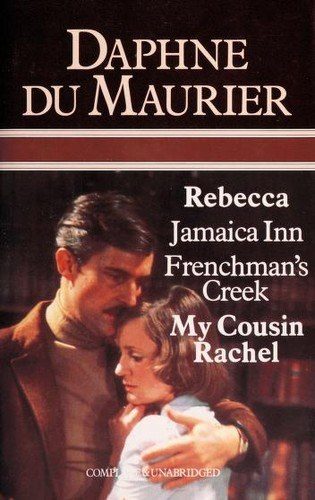
Fear: social dread, nothing supernatural
Rebecca
Daphne du Maurier1938about 390 pages
A shy young wife arrives at her new husband's estate and finds the first wife's presence maintained in every room like an exhibit.
A young woman with no money and no name that we ever learn marries a rich widower after a short courtship and comes home to Manderley, a house that runs on his dead wife's habits. Mrs Danvers, the housekeeper, keeps Rebecca's rooms brushed and ready. The new wife spends the book being quietly outclassed by a woman she has never met, and du Maurier makes that ordinary humiliation feel like something with teeth. Nothing chases anybody. The temperature drops anyway, page by page, until the last third turns into something colder than a ghost story.
Why it is at 1
Rung one because there is no supernatural element and no violence for most of the book, which makes it the safest possible entry point. It is also the book that teaches you what dread is, so every ghost story you read afterwards makes more sense. If you finish this and want the next step up, you are officially a horror reader.
Read it ifyou want atmosphere and menace with zero blood
Skip it ifyou want a monster or a scare, because there is neither
gothic, jealous, chillyBest for: people who insist they hate horrorgothicclassicpsychological
Heads up: emotional cruelty, a suicide reference, and a murder discussed after the fact
2
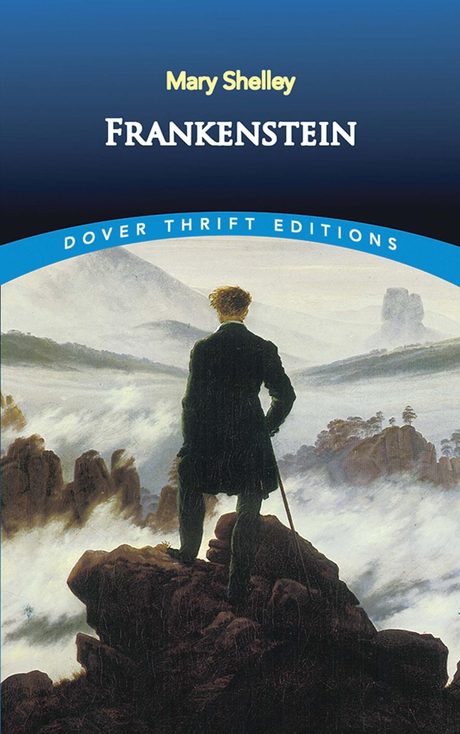
Fear: moral dread and loneliness
Frankenstein
Mary Shelley1818about 180 pages
A student builds a living man out of dead parts, panics at what he has made, and abandons it to teach itself how to be alive.
Victor Frankenstein assembles a person, sees it open its eyes, and runs. The creature learns language by watching a family through a wall, reads a few books, works out exactly what it is, and comes back with a request that Victor refuses. Shelley wrote this at nineteen and it shows in the best way: the argument between maker and made is furious and personal rather than philosophical. The horror is not the stitching. It is that everyone in this book has a chance to be kind and chooses not to be.
Why it is at 2
Rung two because it is genuinely more sad than scary. The fear arrives later, in the shower, when you think about what it would be like to be alive and unwanted. Two hundred year old sentences are the real obstacle here, not the content, so borrow a modern edition with a decent introduction and give it fifty pages.
Read it ifyou want the origin of the genre and can handle old prose
Skip it ifyou want to be frightened tonight rather than saddened
sad, argumentative, coldBest for: readers who want the sourceclassicgothicscience
Heads up: child death and grief
3
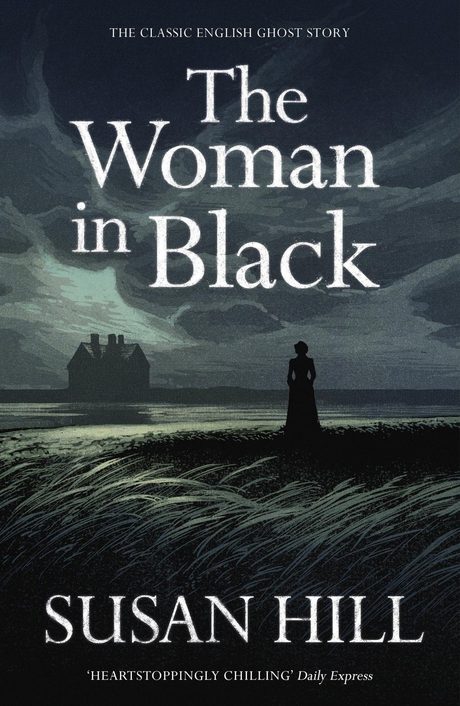
Fear: classic ghost, two real jolts
The Woman in Black
Susan Hill1983about 210 pages
A young solicitor settles a dead client's papers at a house cut off by the tide, and a woman in black keeps appearing.
Arthur Kipps takes a routine job in a marsh town where the locals go quiet whenever he mentions the house he has been sent to. Eel Marsh House sits at the end of a causeway that floods twice a day, which means once he is out there he stays out there. Hill writes an old-fashioned English ghost story with total commitment: fog, a dog, a locked nursery, a sound across the water that is worse than anything visible. It runs a couple of hundred pages and it does not waste one of them.
Why it is at 3
Rung three because it is the training wheels ghost story, short enough to finish in an evening and structured so you can see the machinery working. It gives you two proper jolts and a genuinely nasty ending without a drop of gore. If Rebecca was too quiet, this is the correct next step.
Read it ifyou want a short, classic ghost story that actually works
Skip it ifcreaking-house horror feels quaint to you
foggy, old-fashioned, meanBest for: one dark eveningghost storygothicshort
Heads up: child death
4

Fear: uncanny objects, creeping unease
The Silent Companions
Laura Purcell2017about 469 pages
A newly widowed woman arrives at her husband's crumbling country house and finds a painted wooden figure locked in the garret.
Elsie is pregnant, freshly widowed, and stuck in a house full of servants who resent her and villagers who will not come near the place. In a locked room she finds a silent companion, one of those life-sized painted wooden figures the Victorians used as decoration, and its painted face looks a lot like hers. Then there are more of them, and they are not where she left them. Purcell splits the story across two centuries and keeps both halves cold, and the fear here is the very old one about things that look human standing very still.
Why it is at 4
Rung four because the scares are visual and clean rather than gory, and because the dread builds on a schedule instead of ambushing you. It sits above The Woman in Black only because the historical cruelty in the second timeline is harder going than anything Susan Hill puts on the page.
Read it ifyou like historical settings and objects that should not move
Skip it ifdolls and mannequins are already a phobia you protect
victorian, brittle, creepyBest for: gothic readers levelling upgothichistoricalhaunted house
Heads up: child death, institutional cruelty, self-harm, and a difficult pregnancy
5

Fear: psychological dread, deliberately unresolved
The Haunting of Hill House
Shirley Jackson1959about 190 pages
Four people spend a summer in a house that has a reputation, and one of them was always going to be the house's favourite.
A doctor studying the supernatural rents Hill House and invites three people to stay: a sceptic heir, a confident bohemian, and Eleanor, who has spent eleven years nursing her mother and has nowhere else to be. The house never does anything you could photograph. Doors close, a cold spot moves, something knocks along the corridor, and mostly what happens is that Eleanor stops being able to tell her thoughts from the building's. Jackson writes the loneliest fear in the genre, which is being made to feel wanted by something that means you harm.
Why it is at 5
Rung five and the most useful book here for understanding what horror can do. Nothing is explained, nothing jumps, and it is still the one people cannot shake. Be warned that a reader raised on films sometimes finishes it and asks whether anything happened, which is a fair reaction to a book that hides its worst event inside a sentence.
Read it ifyou want dread and are happy without answers
Skip it ifyou need the ghost confirmed and the rules explained
lonely, ambiguous, preciseBest for: the classic haunted househaunted houseclassicpsychological
Heads up: mental deterioration and a suicide
6
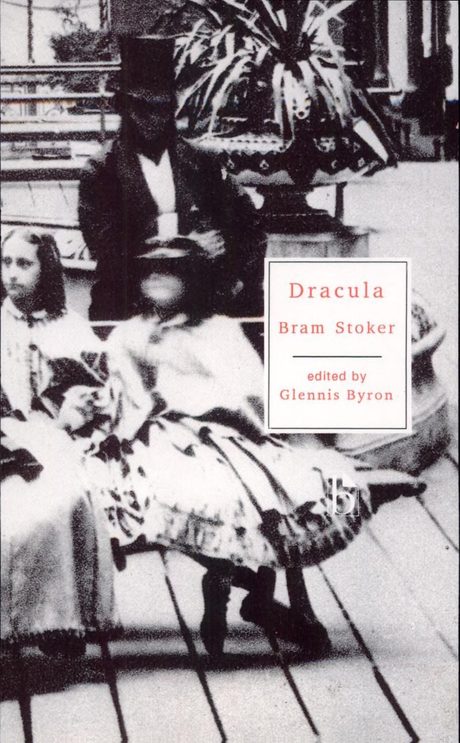
Fear: predatory dread, told in letters
Dracula
Bram Stoker1897about 500 pages
A young solicitor takes a business trip to a castle in the Carpathians and works out far too late that he is not a guest.
The first sixty pages of Dracula are one long trap closing: Jonathan Harker keeps a diary, notices the doors are locked, notices there are no mirrors, and writes it all down in the sensible voice of a man who cannot yet say the word vampire. After that the book moves to England and becomes a group project, assembled from letters, telegrams and newspaper clippings by people who are each holding one piece of the truth. The middle drags in places. The opening and the closing chase are still as good as the genre gets.
Why it is at 6
Rung six because it is scarier than its reputation suggests and gentler than its subject matter suggests, and because everything else with fangs is in conversation with it. The epistolary format also keeps the horror at arm's length, which is helpful for a beginner. Skim the committee meetings, do not skim Transylvania.
Read it ifyou want the original and enjoy diary-and-letters storytelling
Skip it ifVictorian pacing and a saggy middle will lose you
predatory, epistolary, grandBest for: the vampire source textclassicvampiresepistolary
Heads up: period racism and sexism, blood, and a child in danger
7
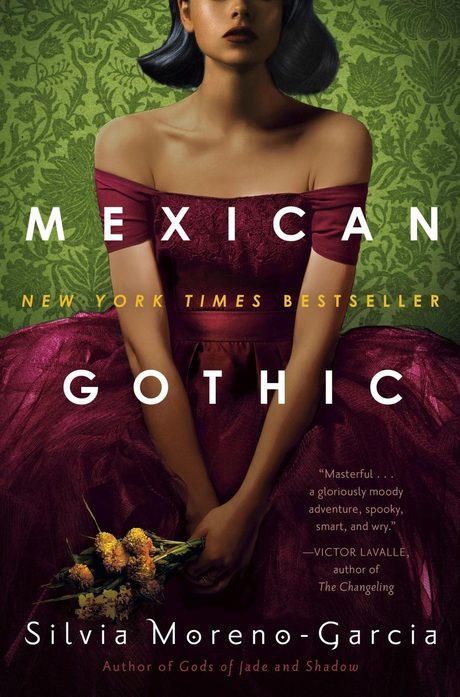
Fear: gothic unease turning into body horror
Mexican Gothic
Silvia Moreno-Garcia2020
A 1950s Mexico City socialite is sent to a mouldering English house in the mountains after her cousin writes a letter that reads like a breakdown.
Noemi is glamorous, stubborn and completely out of place at High Place, a silver baron's mansion above a mining town where the family keeps the windows shut and the conversation shorter. Her cousin says the walls speak to her. The family says she is ill. Moreno-Garcia spends half the book in a proper gothic register, all damp wallpaper and rules at dinner, and then the floor drops out and the horror becomes physical in a way you will feel in your teeth. It is also, quietly, a book about colonialism and who gets treated as raw material.
Why it is at 7
Rung seven is where the ladder changes character. Everything below this is atmosphere, and this is the first book that puts something genuinely revolting on the page, though it waits until you are invested. Perfect bridge from classic gothic to modern horror, and a good test of whether body horror is a door you want to open.
Read it ifyou want gothic atmosphere with a modern, angrier engine
Skip it iffungus, illness and body horror are your limit
damp, glamorous, wrongBest for: classic gothic readers going moderngothicbody horrorhistorical
Heads up: eugenics and racism, incest, attempted sexual assault, drugging
8
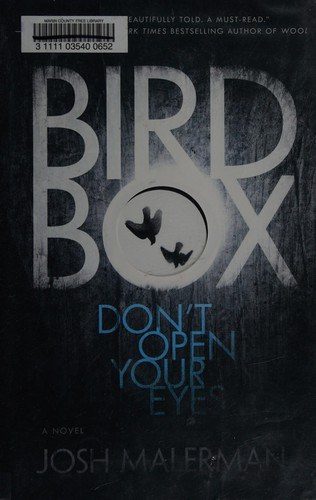
Fear: panic and sensory deprivation
Bird Box
Josh Malerman2014about 292 pages
Something outside makes anyone who sees it turn violent, so a mother rows two children down a river blindfolded.
The rules arrive fast and never loosen: if you look at the thing, you kill yourself and anyone nearby. Malorie survives in a boarded-up house with strangers, and in the other timeline she is on a river with two small children who have been trained since birth to listen rather than look. Malerman writes short chapters that alternate between the house and the boat, and the tension comes from a very simple problem. You cannot check. Every noise has to be interpreted blind, and so does every stranger's voice.
Why it is at 8
Rung eight because it is pure adrenaline rather than dread, which some beginners find easier and others find worse. The prose is plain and the pages turn themselves, so it is a good pick for someone who does not read much. The creatures are never explained and the book is stronger for it, though that annoys a certain kind of reader.
Read it ifyou want relentless tension and a fast, simple read
Skip it ifyou need explanations, or peril involving small children is a hard no
tense, stripped, fastBest for: readers who want pacepost-apocalypticsurvivalthriller
Heads up: suicide, graphic violence, childbirth, and children in danger
9
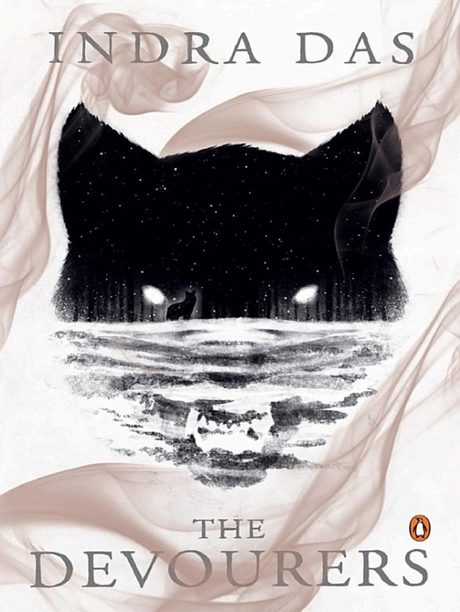
Fear: body horror and human cruelty
The Devourers
Indra Das2015about 396 pages
A history professor in Kolkata meets a stranger who claims to be half werewolf and is handed manuscripts he cannot stop transcribing.
Alok meets a man at an outdoor concert who says something impossible in a calm voice, then keeps his word and hands over old writings to be transcribed. One of them is a Mughal-era account by a shape-shifter, and it is not the romantic kind of transformation. Das writes hunger, skin and hierarchy with a clarity that makes the frame story in modern Kolkata feel like a held breath. The novel is beautiful sentence by sentence and genuinely nasty in what it describes, and the two things are doing the same job.
Why it is at 9
Rung nine and the Indian pick I would defend anywhere on this list. It sits here rather than lower because of one central act of violence that is described plainly and is hard to read past. Go in for the prose, know that the folklore is not being softened for you, and give yourself a few days with it rather than a night.
Read it ifyou want literary horror rooted in India and can take graphic content
Skip it ifdepictions of rape are a line you do not cross, because this book crosses it
literary, feral, unsparingBest for: readers who want Indian horrorindian fictionshape-shiftersliterary horror
Heads up: graphic rape, cannibalism, and extreme violence
10
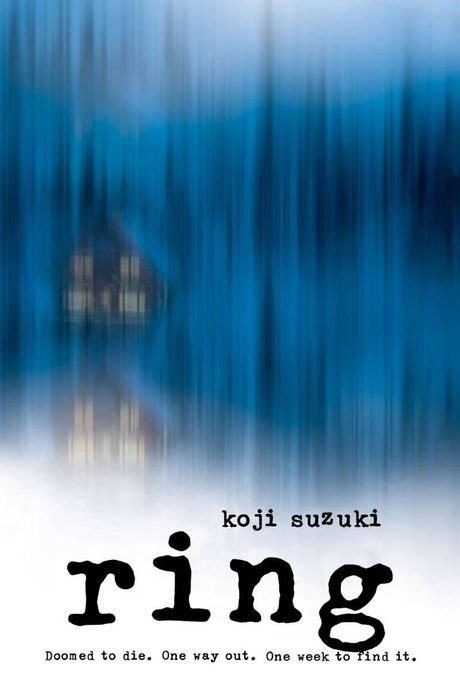
Fear: dread on a deadline, procedural
Ring
Koji Suzuki1991about 474 pages
Four teenagers die at the same moment, and a journalist traces it to a videotape that gives whoever watches it one week.
Asakawa is a reporter who notices a pattern in four deaths and follows it to a cabin, a tape and a countdown. Read in English translation from the Japanese, this is much closer to a detective novel than the films are: two men, a deadline, an investigation into an old crime, and a rational structure that keeps insisting on explanations right up to the point where explanations stop helping. The famous image everyone knows from the films is barely on the page. What you get instead is a week ticking down.
Why it is at 10
Rung ten because the dread is sustained but the violence is minimal, and because it is fascinating to see how different the source is from the horror the film industry built on top of it. The prose in translation is functional rather than lovely, and the ending goes somewhere the movies could not follow.
Read it ifyou like investigative structure with a clock running
Skip it ifyou expect the film's imagery, because the book withholds it
clinical, ticking, coldBest for: j-horror curiosityjapanesetranslatedmystery
Heads up: sexual violence in the backstory, disease, and a corpse described in detail
11
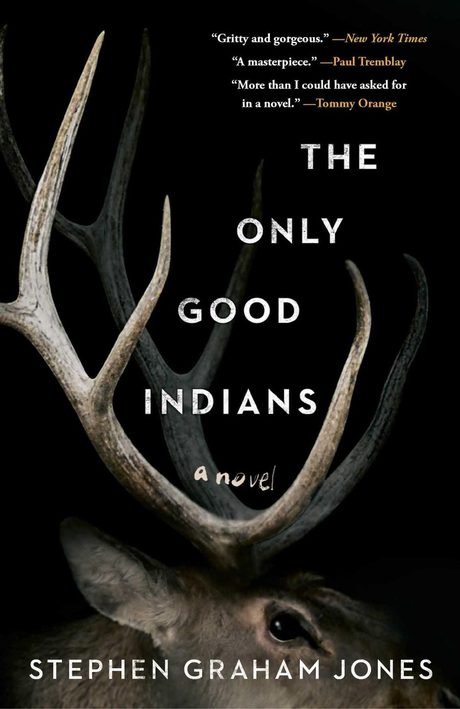
Fear: guilt turning physical, with gore
The Only Good Indians
Stephen Graham Jones2020about 336 pages
Ten years after an elk hunt that broke every rule, four Blackfeet men find that something has been keeping count.
Four friends did something young and stupid and greedy on the last day of a hunt, and a decade later they are scattered, mostly getting by, mostly trying not to think about it. Jones writes them with real affection, which is what makes the book hurt, because you can see the ordinary lives that are about to be taken apart. The horror moves between straight chase sequences, a basketball game that turns into one of the best set pieces in modern horror, and long stretches where nothing happens except a man noticing he is being watched.
Why it is at 11
Rung eleven because this is where the gore becomes explicit rather than implied, and because the fear here is guilt, which is heavier to carry than a ghost. It is also the most alive book on this list, funny in places, angry throughout, and specific about Blackfeet life instead of using it as scenery.
Read it ifyou want modern horror with real characters and no flinching
Skip it ifanimal death and graphic violence will end the book for you
guilty, funny, brutalBest for: modern horror done rightmodern horrorindigenousrevenge
Heads up: graphic animal death, extreme violence, and harm to a child
12
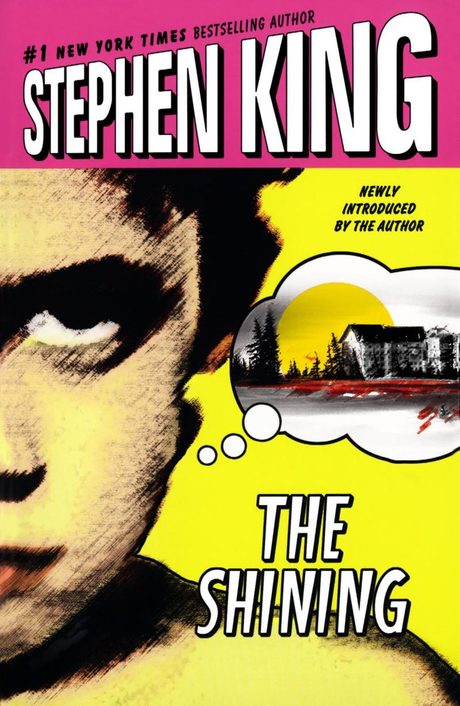
Fear: dread plus the person you love changing
The Shining
Stephen King1977about 530 pages
A recovering alcoholic takes his wife and son to caretake an empty hotel for the winter, and the hotel has been waiting for exactly this family.
Jack Torrance needs the job at the Overlook the way a drowning man needs a plank: he has lost his teaching post, he has hurt his son once already, and a snowed-in winter with time to write is the last version of his life that works. Danny, who is five, can see more than either parent knows. King spends the first third on a family under ordinary pressure and then lets the building lean on the weakest points, and the reason it frightens people is that most of the damage is done by a man rather than by a ghost.
Why it is at 12
Rung twelve is the right place for the King everyone should start with. The scares are conventional in a good way, hedge animals and a bathtub and a corridor, but the real fear is domestic and it is the part that lingers. Note that the book and the film are not telling the same story, and King's Jack is far more sympathetic than the film allows.
Read it ifyou want the famous one and a family drama underneath it
Skip it ifaddiction and a parent turning on a child hit too close
isolated, alcoholic, dreadfulBest for: your first Stephen Kinghaunted housekingfamily
Heads up: alcoholism, child abuse, and domestic violence
13
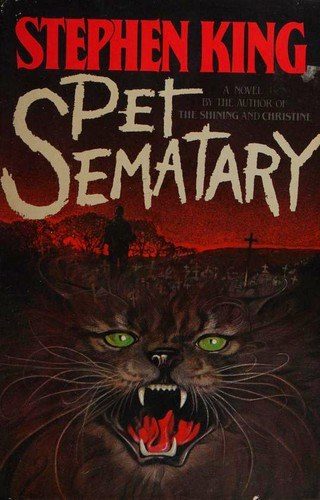
Fear: grief, and what you would do with it
Pet Sematary
Stephen King1983about 411 pages
A doctor moves his family beside a highway that kills things, and learns there is ground nearby that gives them back wrong.
Louis Creed relocates his wife, two small children and a cat to a house in Maine with trucks thundering past the front garden and a path behind it that local children have used for generations to bury pets. An old neighbour shows him what lies beyond the pet cemetery. The whole book is one question asked very slowly: if you could undo the worst thing that has happened to you, and you knew it would come back wrong, would you still do it. King has said this is the one that frightened him, and you can feel him not wanting to write it.
Why it is at 13
Rung thirteen because grief is the fear that follows you out of the book. There are no jump scares to speak of and the pages are still hard to turn, especially if you have young children or have lost someone recently. This is the one I actively tell people to postpone rather than skip, because it is superb and the timing matters.
Read it ifyou want horror that is genuinely sad and genuinely bleak
Skip it ifyou are in fresh grief, or the death of a child is not something you can read
bleak, grieving, inevitableBest for: the bleakest Kingkinggriefresurrection
Heads up: death of a child, animal death, grief, and a dying relative described in detail
14
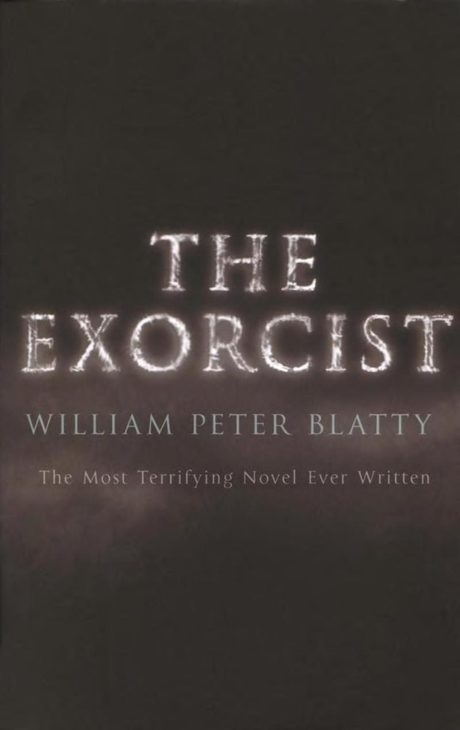
Fear: violation, blasphemy, medicine failing
The Exorcist
William Peter Blatty1971about 370 pages
An actress in Washington watches her twelve-year-old daughter change, exhausts every doctor in the city, and ends up asking a priest who has lost his faith.
Blatty gives you a long medical middle before any religion turns up: scans, specialists, a mother arguing with men who keep suggesting the problem is her parenting. That patience is why the book works. By the time the priests arrive you have watched an ordinary household lose every rational option, and the possession is horrifying less for the effects than for what it does to a child in front of her mother. There is also a detective subplot that is much better than it needs to be.
Why it is at 14
Rung fourteen because of content rather than craft. The profanity, the blasphemy and the sexual material involving a child are extreme and they are meant to be, and plenty of readers who handle every other book on this list stop here. Read it if the religious dimension interests you and skip it without guilt if it does not.
Read it ifyou want the definitive possession novel with real theological weight
Skip it ifsexual content involving a child is a line, and it should be
clinical, blasphemous, relentlessBest for: readers who want the real thingpossessionreligious horrorclassic
Heads up: extreme profanity, sexual content involving a child, self-harm, and invasive medical scenes
15

Fear: paranoia and claustrophobia, on the page itself
House of Leaves
Mark Z. Danielewski2000
A family films a house that measures bigger inside than outside, and the book about that film is itself falling apart in your hands.
There are three layers here. A photojournalist explores a corridor that appears in his hallway and keeps going. An old man writes an academic study of the resulting film, complete with footnotes citing sources that do not exist. A young man in Los Angeles finds that manuscript and starts losing his mind while annotating it. The text runs sideways, upside down, one word to a page as the corridor narrows, and reading it turns physical. The house sections are the most frightening thing on this list. Getting to them is work.
Why it is at 15
Rung fifteen is about difficulty as much as fear. The exploration chapters are unmatched for claustrophobia, and the frame narrative is deliberately unreliable and unpleasant in a way some readers loathe. Skipping the footnotes is allowed and most people do. Do not make this your first horror novel, and do read it eventually.
Read it ifyou want a puzzle box and enjoy books that break their own format
Skip it ifyou want a straight story, because half of this one is a maze
labyrinthine, paranoid, exhaustingBest for: readers who want a projectexperimentalhaunted housecult classic
Heads up: sexual content, drug use, mental illness, and a distressing childhood account
16
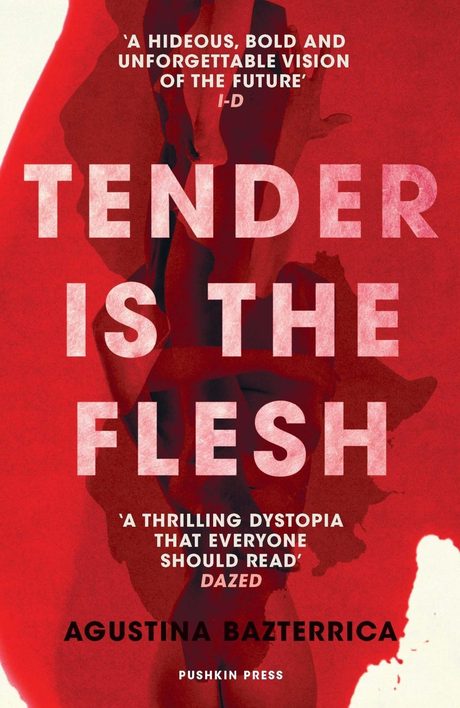
Fear: disgust and complicity
Tender Is the Flesh
Agustina Bazterrica2017about 211 pages
A virus makes animal meat lethal, so the world legalises the farming of humans and invents polite words for all of it.
Marcos works at a processing plant and takes us through the industry in flat, procedural detail: the terminology, the paperwork, the clients, the euphemisms that let everyone keep eating. Bazterrica, translated from the Spanish, never raises her voice. That restraint is the weapon, because the book is really about how quickly language can be adjusted to make anything acceptable, and about the ordinary man who processes the forms and goes home. The last page is one of the coldest in modern fiction and it recontextualises everything you have just tolerated.
Why it is at 16
Rung sixteen, the top of the ladder, and I want to be blunt: this is a superb novel and a terrible first horror book. There is no dread and no suspense, only sustained disgust and the growing sense that you are being implicated. Come here after you have found your limits elsewhere, and do not read it during meals or during a bad week.
Read it ifyou want dystopian horror with a real argument inside it
Skip it ifcannibalism, animal cruelty or harm to infants are lines you keep
flat, clinical, revoltingBest for: experienced readers onlydystopiatranslatedliterary horror
Heads up: cannibalism, slaughter described in detail, sexual violence, and harm to an infant
Worth knowing
How the ladder works, and where to get off it
Rungs one to six are atmosphere: houses, weather, ghosts you mostly do not see, and violence that happens off the page or long ago. Rungs seven to eleven bring the body into it, with modern pacing and explicit consequences. Rungs twelve to sixteen are the ones that go after something specific in you, whether that is your family, your faith, your sense of what is real, or your appetite.
Most readers find their ceiling somewhere between eight and twelve, and that is not a failure of nerve, it is information. I know people who sail through cannibalism and cannot read a page about a sick child. Find your own line and then stop climbing, because horror only works on a reader who is still willing to be there.
Worth knowing
Two books people will recommend that you should not start with
The Girl Next Door by Jack Ketchum, published in 1989, is fiction built on a real torture and murder case from Indiana. It is well made and it is endurance rather than entertainment, and recommending it to a beginner is either a prank or a failure of imagination. Read the case first if you must, then decide whether you want the novel at all.
American Psycho by Bret Easton Ellis, published in 1991, gets handed to people as satire, which it is, and the satire does not soften the several chapters of extended sexual violence. Both books have serious defenders and I am not arguing they should not exist. I am saying that a person on their third horror novel should not meet either of them by accident.
Worth knowing
Reading this ladder without hurting yourself
Say it plainly once: a novel is not treatment. Horror can be useful, because a controlled scare on your own sofa is a way of practising fear at a size you choose, but no book on this list will process a grief or an anxiety disorder for you, and a few of them will make a bad week worse. If you are in the middle of something heavy, rungs thirteen and sixteen in particular can wait.
Two practical things. Keep a chaser, a light book or a familiar film for after, because the twenty minutes right before sleep are when horror does its real work. And read the content note before the first page rather than after the bad chapter, which is the entire reason every entry here has one.
Worth knowing
A note on the two translations
Ring was first published in Japanese in 1991 and Tender Is the Flesh in Spanish in 2017, and both are widely available in English. I have not named the translators here because I could not verify the credits to my own satisfaction, and putting a wrong name on someone else's work is worse than leaving a gap. Check the copyright page of the edition you buy, since the translator is usually credited there and deserves the credit.
People also ask
Questions, answered
What is the best horror novel for a beginner?
Rebecca by Daphne du Maurier if you are nervous about the genre, because it delivers pure dread with no gore and no supernatural element. If you want a proper ghost, read The Woman in Black by Susan Hill, which takes one evening and lands two real scares. Both teach you what atmosphere feels like, which makes everything harder on this list easier to read later.
Which horror novel is the scariest one here?
It depends entirely on which fear is yours. For most readers the answer is Pet Sematary, because grief follows you out of the book, or The Exorcist, because of what it does to a child. For claustrophobia it is House of Leaves. For pure disgust it is Tender Is the Flesh. There is no single scariest book, only the one that finds your particular door.
Should I start with Stephen King?
Not necessarily first, but he is worth reaching by rung twelve. The Shining is the best entry point because the domestic story underneath it works even if the hotel does nothing for you. Pet Sematary is the better novel and much harder to recover from. If you want King without the bleakness, his short stories are a gentler way in than either.
Are there any good Indian horror novels?
The Devourers by Indra Das is the one I recommend, a Kolkata-set novel about shape-shifters that is written well enough to survive its own violence. Beyond that, a lot of the strongest Indian horror lives in short fiction and in regional languages rather than in English novels, so anthologies are often a better hunting ground than the novel shelf.
Is Rebecca actually a horror novel?
Strictly, no. It is a gothic suspense novel with no supernatural content, and I have put it at rung one anyway because it does the job horror does, which is make an ordinary house feel unsafe. Purists will object. Beginners who read it usually come back asking for the next one, which is the only test I care about here.
Is horror a bad idea if I have anxiety?
It varies, and you are the only person who can answer it. Some anxious readers find controlled fear genuinely settling, since the threat is fictional and the book can be closed. Others lie awake for two nights. Start low on this ladder, read in daylight, and treat the content notes as a menu rather than a challenge. A novel is entertainment, not treatment, and stopping costs you nothing.
Before you go
What to read tonight
If you have never read horror and you want to start tonight, take Rebecca or The Woman in Black, read it in one sitting with the lights on, and notice which part got you. That is your fear type, and it tells you which direction to climb. Somebody who was rattled by the housekeeper wants dread, so Hill House is next. Somebody who was bored until the causeway flooded wants incident, so Bird Box is next.
Then stop when you stop. The point of the ladder is not the top rung. I would rather you spend the next year reading gothic novels you love than force your way through the last four and decide the whole genre is not for you, which is exactly what happened to most of the people who told me they hate horror in the first place.
Keep going
Lists that pair with this one
Genre
16 Fantasy Books for Beginners, Ranked by Homework
Ordered by how many names you have to hold in your head before chapter five, lightest load first.
Genre
16 Sci Fi Books for Beginners, Ordered by Difficulty
Ranked one to sixteen by how much each book asks of you, easiest first, with a bail point on every entry.
Mood & Life
Classic Books for Beginners: 21 Ranked Easiest to Hardest
Twenty one classics arranged on a four rung ladder, easiest first, so you finish the first one instead of abandoning it at page thirty.
Genre
18 Best Crime Thriller Books of All Time, Ranked Honestly
Ranked by what is left of the book once you already know the ending, with a straight answer on every twist.
Mood & Life
20 Unputdownable Books, Ranked by the Engine That Hooks You
I ranked these on one thing: how hard each book made it to stop reading, and which mechanic does the pulling.