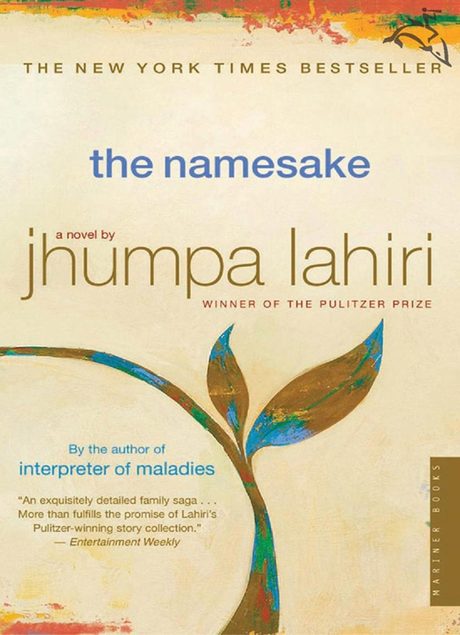
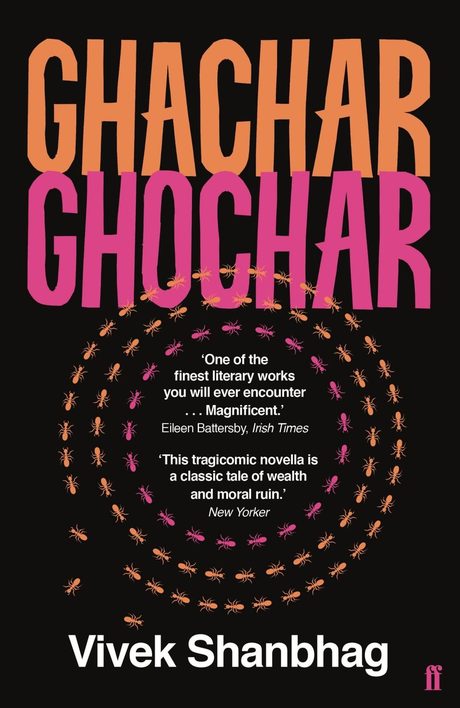
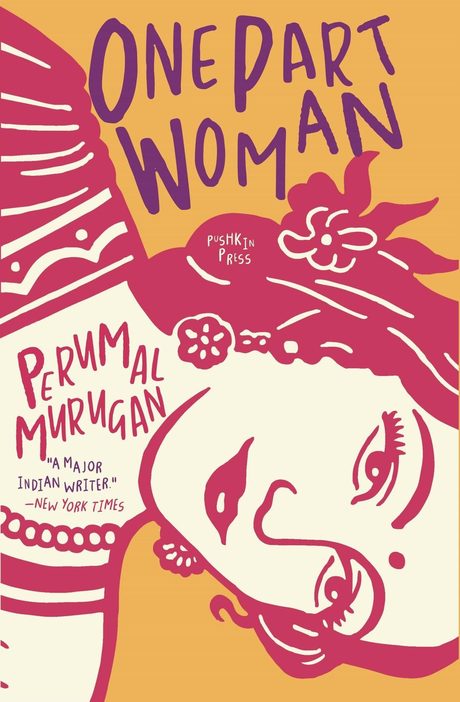
I am from Ahmedabad, which means my first Kolkata was somebody else's memory long before it was mine. When I finally landed there, the thing that surprised me was not the trams or the College Street book stalls, it was how many buildings I recognised from novels I had read on a different side of the country. A staircase from one book, a hotel lobby from another, a pond behind a house in Tollygunge that I had already walked past on a page.
No other Indian city gets written about like this. Bombay gets the crime and the money, Delhi gets the power, and Kolkata gets everything else: the family arguments, the failed revolutions, the theatre that is dying, the hotel where the whole city checks in and lies about its name. Part of that is the Bengali literary habit of taking your own street seriously. Part of it is that Calcutta was the capital of British India, which means the empire wrote about it too, from the wrong side of the road.
This list is ranked by one thing: how much of the actual city you get. A great novel that only passes through Kolkata sits near the bottom, and a smaller book that puts you inside a north Kolkata lane sits higher. Each entry carries the era it belongs to, so you can pick your Kolkata rather than mine: colonial Calcutta, the Naxal years, or the city as it is now. Three of these are translations and I say who did the work.
How I picked these
- Ranked by how much city you actually get. This is why A Suitable Boy, which I love, sits last: Calcutta is one of its rooms, not its house.
- Novels first, with two honest exceptions that are marked: one book of detective stories and one work of reportage that no Kolkata list should pretend to be above.
- Translations are in and the translators are named. Chowringhee and Those Days come from Bengali, Hangwoman from Malayalam, and each one earns its place on the writing, not on the novelty.
- Every edition checked through Google Books and Open Library with a real cover, so nothing here is a listicle ghost.
- Cut: novels set in Bengal but not in the city. The Sundarbans, the villages and the tea estates are a different list and a different country of the mind.
The whole list at a glance
All 14 books, in order
| # | Book | Author | Year | Vibe | Best for |
|---|
| 1 | Chowringhee | Sankar | 1962 | warm, gossipy, quietly sad | first time readers of Bengali fiction |
| 2 | The Lives of Others | Neel Mukherjee | 2014 | cold, forensic, furious | readers who like big political novels |
| 3 | The Lowland | Jhumpa Lahiri | 2013 | restrained, aching, precise | readers who like quiet family novels |
| 4 | A Rising Man | Abir Mukherjee | 2016 | atmospheric, brisk, wry | crime readers new to Kolkata |
| 5 | Those Days | Sunil Gangopadhyay | 1981 | sprawling, social, historical | readers who like period epics |
| 6 | The Shadow Lines | Amitav Ghosh | 1988 | elegant, layered, haunting | readers who like literary structure |
| 7 | Hangwoman | K R Meera | 2012 | dark, dense, unsettling | readers who like difficult novels |
| 8 | The Epic City: The World on the Streets of Calcutta | Kushanava Choudhury | 2017 | wry, observant, homesick | anyone visiting Kolkata soon |
| 9 | A Strange and Sublime Address | Amit Chaudhuri | 1991 | gentle, precise, slow | one evening readers |
| 10 | The Firebird | Saikat Majumdar | 2015 | shadowy, tense, theatrical | readers who like dark coming of age |
| 11 | The Calcutta Chromosome | Amitav Ghosh | 1996 | eerie, clever, elliptical | science fiction curious readers |
| 12 | The Complete Adventures of Feluda | Satyajit Ray | 2000 | clean, clever, nostalgic | teen readers and their parents |
| 13 | Kalkatta | Kunal Basu | 2015 | raw, streetwise, bleak | readers who want the margins |
| 14 | A Suitable Boy | Vikram Seth | 1993 | expansive, comic, humane | readers with a free month |
The list
The books, ranked
1
Central Calcutta, late 1950s
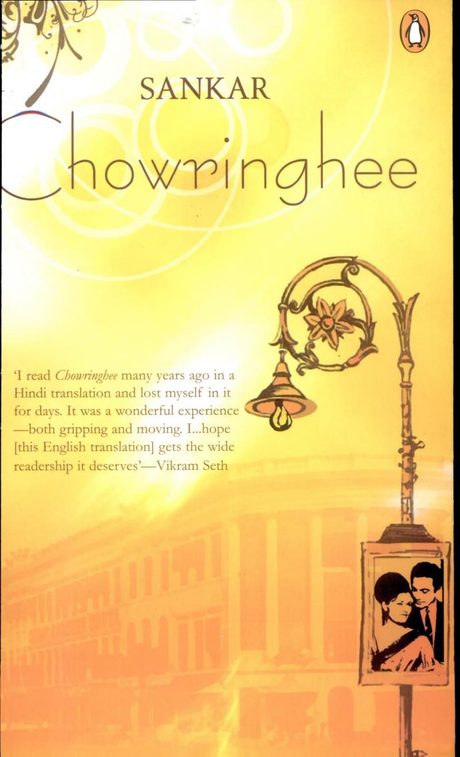
Chowringhee
Sankartranslated by Arunava Sinha1962about 420 pages
A young man takes a job at a grand hotel and discovers that everyone in the city passes through it, usually under a false name.
Sankar wrote this in Bengali in 1962 and Arunava Sinha brought it into English in 2007, which is when the rest of India finally met it. The narrator joins the Shahjahan, an old Calcutta hotel on Chowringhee, and works his way through its floors: the receptionist who knows everything, the housekeeper, the guests running affairs and businesses and small frauds. Nothing is exaggerated for effect, which is what makes it land. You finish it feeling like you did a season of night shifts in a city that never quite tells you the truth.
Why it is at 1
First because no other novel here holds so much of the city in one building. Kolkata arrives through the revolving door: the money, the sex, the servants, the barely hidden desperation of respectable people. It also reads faster than anything else on this list, which matters when a reader is deciding whether Bengali fiction is for them. Start here and the rest of this list makes sense.
Read it ifyou want the whole city delivered through one address
Skip it ifyou need a tight plot with a clear finish line
warm, gossipy, quietly sadBest for: first time readers of Bengali fictiontranslationbengaliclassic
Pairs with: The Epic City, which is the same city sixty years later and awake
2

The Naxal years, 1967 to 1970
The Lives of Others
Neel Mukherjee2014
A joint family in a four storey Calcutta house, and the grandson who leaves it to join an armed revolution in the villages.
The Ghoshes own a paper business and a house arranged by rank, with the most powerful family on the top floor and the least on the bottom. Around them the business is failing, the servants are watching, and one son has gone to the countryside to organise landless peasants and write letters home that nobody in the house wants to read. Mukherjee cuts between the two, so a squabble about jewellery sits next to a page about starvation, and the effect is not subtle. It is not meant to be.
Why it is at 2
Second because it is the most complete novel about Calcutta at the moment the city broke, and because it refuses to make either side charming. The family is petty and the revolution is brutal, and the book gives you no comfortable place to stand. It is long and there is real violence in it, which is why it is not the first pick for a reader easing in.
Read it ifyou want a family saga with politics that actually bite
Skip it ifyou avoid graphic violence or very long family novels
cold, forensic, furiousBest for: readers who like big political novelsnaxalfamily saga1960s
Heads up: torture, caste violence and self harm are shown directly
3

Tollygunge, 1960s onward
The Lowland
Jhumpa Lahiri2013about 354 pages
Two brothers grow up beside the same pond in Tollygunge, and only one of them stays in the country.
Subhash and Udayan are close enough to be mistaken for each other as boys. Udayan is drawn into the Naxalite movement in Calcutta, Subhash leaves for a doctorate in Rhode Island, and one decision in the lowland behind their parents' house shapes the next forty years for everyone in the family, including a woman who never asked for any of it. Lahiri writes with almost no decoration, so the grief arrives plainly and stays. The Calcutta chapters are the strongest thing she has written about India.
Why it is at 3
Third because half the book leaves the city, and I am ranking on Kolkata. What it does inside Tollygunge is remarkable: the specific streets, the police at the door, the parents who go on living in the same house afterwards. If you want the emotional aftermath of the Naxal years rather than the politics themselves, this is the better book to take before number two.
Read it ifyou want the private cost of a political decision
Skip it ifyou want the story to stay in Kolkata throughout
restrained, aching, preciseBest for: readers who like quiet family novelsnaxaldiasporafamily
Pairs with: The Lives of Others, which covers the same years from inside the movement
4

Colonial Calcutta, 1919
A Rising Man
Abir Mukherjee2016
An English detective fresh off the boat, an Indian sergeant who is better at the job, and a body in an alley behind a brothel.
Captain Sam Wyndham arrives in Calcutta in 1919 carrying a war, a dead wife and an opium habit, and is handed a murder that everybody senior would prefer to see closed quickly. He works it with Sergeant Banerjee, a Cambridge educated Bengali who has to be twice as careful and is roughly three times as smart. The mystery is solid, but the reason to read it is the city: the racial geography of White Town and Black Town, the club rules, the way the police behave in a year when Indian politics is boiling over.
Why it is at 4
Fourth, and it is the single best entry point on this list for a reader who normally reads thrillers. You learn colonial Calcutta while chasing a suspect, which is a far kinder education than a literary novel that expects you to know it already. It is the first of a series, so if you like it you have several more books waiting. The prose is workmanlike rather than beautiful, and that is a fair trade.
Read it ifyou want history smuggled inside a proper murder plot
Skip it ifyou want literary prose more than a well built case
atmospheric, brisk, wryBest for: crime readers new to Kolkatacrimecolonialseries
5
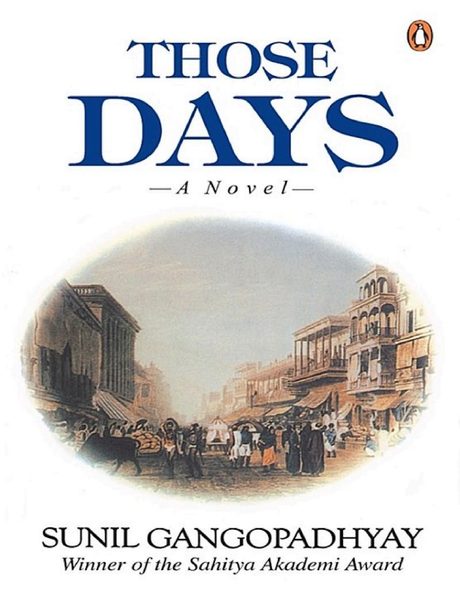
Nineteenth century Calcutta
Those Days
Sunil Gangopadhyaytranslated by Aruna Chakravarti1981about 804 pages
The Bengal Renaissance as a crowded, gossiping, badly behaved novel, with real historical figures walking through it.
Gangopadhyay's Bengali novel Sei Somoy, published in the early 1980s, goes back to the Calcutta of the mid nineteenth century, when a new English educated Bengali class was inventing modern India in one city and behaving appallingly while doing it. Vidyasagar and Michael Madhusudan Dutt appear alongside invented families, and the book moves between reform meetings, courtesans' houses, litigation and household politics. Aruna Chakravarti's translation keeps it readable without flattening the period. It is long and it wanders, in the way a nineteenth century city wanders.
Why it is at 5
Fifth because it gives you a Calcutta nobody else on this list attempts: the city before the nationalists, when the arguments were about widow remarriage and English education. The historical detail is rich enough that you will be looking things up, which is a pleasure or a chore depending on your mood. Read it when you have time rather than on a commute.
Read it ifyou want the origins of modern Bengal in novel form
Skip it ifyou want a tight plot and a short book
sprawling, social, historicalBest for: readers who like period epicstranslationbengali19th century
6
Calcutta, Dhaka and London, 1960s to 1980s
The Shadow Lines
Amitav Ghosh1988about 264 pages
A novel about how a riot in one city and a riot in another are the same event, told by a boy who was told not to ask.
The narrator grows up in Calcutta among relatives who are always half somewhere else: Dhaka, where his grandmother was born and which is now another country, and London, where a family friend lives. Memory does the work of plot, jumping decades without warning, and the book keeps circling a violent event in 1964 that the adults refuse to explain. Ghosh is making an argument about borders being drawn on maps rather than in lives, and he makes it through people you come to know rather than through speeches.
Why it is at 6
Sixth because the Calcutta here is a house and a mind more than a street map, so you get less of the physical city than in the books above it. What you get instead is the best writing on this list about Partition as a lasting condition rather than a historical event. The nonlinear structure asks for attention, and readers who want a straight line often bounce off it.
Read it ifyou want a novel about memory, borders and family silence
Skip it ifyou dislike time jumps and unnamed narrators
elegant, layered, hauntingBest for: readers who like literary structurepartitionmemoryclassic
7

North Kolkata, now, translated from Malayalam
Hangwoman
K R Meeratranslated by J Devika2012about 544 pages
A young woman from a family of hereditary hangmen is about to become India's first female executioner, and the television cameras have arrived.
Chetna Grddha Mullick's family has been carrying out executions for generations, in a lane in north Kolkata where poverty, ritual and reputation are all knotted together. When she is named to perform a hanging, the city's media turns her into a story, and the novel becomes an argument about power: who gets to watch, who gets to profit, who is actually holding the rope. Meera wrote it in Malayalam and J Devika translated it, and the Kolkata in it is closely observed enough to embarrass a few writers who live there.
Why it is at 7
Seventh because it is the strangest and most ambitious book on this list, and because a Malayalam novelist writing this Kolkata is a fact worth sitting with. It is dense, digressive and full of family history that slows the plot, which is exactly why it is not higher. Get through the first eighty pages and it grips like nothing else here.
Read it ifyou want a dark, ambitious novel about power and spectacle
Skip it ifyou want a fast plot or you find capital punishment hard to read about
dark, dense, unsettlingBest for: readers who like difficult novelstranslationmalayalamcontemporary
Heads up: executions, sexual coercion and family violence
8

Reportage, Kolkata now
The Epic City: The World on the Streets of Calcutta
Kushanava Choudhury2017about 273 pages
A man with an Ivy League degree returns to Calcutta, takes a job at a dying newspaper, and walks the city until it makes sense.
This is not a novel and I am not pretending otherwise. Choudhury grew up between New Jersey and Calcutta, came back after Princeton, and reported for The Statesman, which by then was a great paper in slow decline. The book moves through neighbourhoods, tea shops, family flats and para politics, asking why anybody stays in a city that the rest of India has written off as finished. His answer is complicated and unsentimental, and it does more for a first time visitor than any guidebook.
Why it is at 8
Eighth, and the highest a non fiction book gets on a list of novels, because it fills the gap the fiction leaves. Most Kolkata novels are set in the past. This one is about the present tense of the city: the jobs, the flats, the exits, the people who came back anyway. Read it alongside Chowringhee and you have the same streets in two centuries.
Read it ifyou want the living city rather than its literary past
Skip it ifyou only want fiction on a fiction list
wry, observant, homesickBest for: anyone visiting Kolkata soonreportagecontemporarynon fiction
9
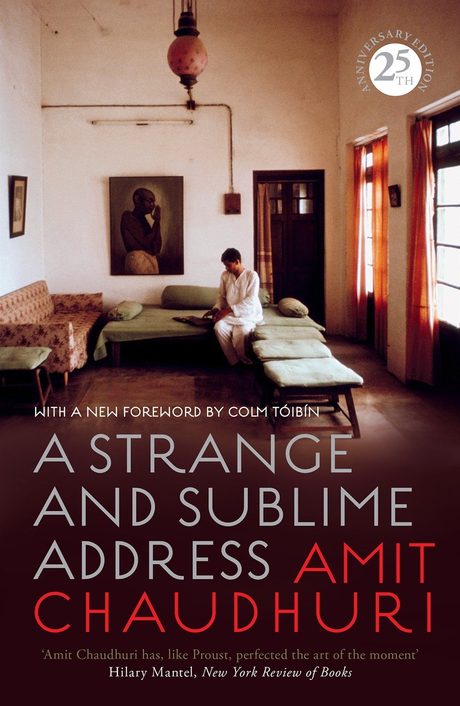
Calcutta, 1980s
A Strange and Sublime Address
Amit Chaudhuri1991about 179 pages
A Bombay boy spends his holidays at his uncle's Calcutta house, and almost nothing happens, gorgeously.
Sandeep visits his cousins in Calcutta and the novel simply stays with him: the afternoon light in a middle class flat, the sound of a scooter starting, an uncle's small business worries, the particular boredom of a child in someone else's routine. Chaudhuri is interested in ordinary time, so there is no crisis waiting in chapter twelve. What builds instead is a physical sense of the city in the eighties, the sort you only get from a writer who noticed the smell of a staircase.
Why it is at 9
Ninth because it is the shortest and gentlest book here, and the best one to read in a single evening. It ranks below the bigger novels because its Calcutta is domestic rather than public: you get the house, not the city's arguments. Readers who need plot find it maddening, and they are not wrong about what it is.
Read it ifyou like quiet books about ordinary days
Skip it ifyou need a story with stakes and a resolution
gentle, precise, slowBest for: one evening readersliterary1980sshort
Pairs with: Calcutta: Two Years in the City, the same author's non fiction return to the place
10

The theatre world, Calcutta in the 1980s
The Firebird
Saikat Majumdar2015about 166 pages
A boy watches his mother act in a commercial Bengali theatre that everyone around him considers shameful.
The boy at the centre is small enough to be taken along to rehearsals and old enough to absorb what the family whispers about having an actress in the house. The novel sits in the last years of Calcutta's commercial theatre, with half empty halls, jealous relatives and a child working out that adoration and disgrace can be aimed at the same person. Majumdar writes the child's point of view without making him cute, and the ending has a cruelty that stays with you for weeks afterwards.
Why it is at 10
Tenth because the world it captures is one no other book here touches, and because that world was disappearing as it was being written. The city is present mostly through interiors, greenrooms and buses, so you get atmosphere rather than geography. It is also unusually bleak for a novel narrated by a child, which some readers will love and others should be warned about.
Read it ifyou want the backstage side of Bengali cultural life
Skip it ifyou want a warm story about childhood
shadowy, tense, theatricalBest for: readers who like dark coming of agetheatre1980scoming of age
11
Calcutta, the 1890s and a near future
The Calcutta Chromosome
Amitav Ghosh1996about 268 pages
A counter history in which the malaria discovery credited to a British scientist was really somebody else's experiment, on him.
Ghosh takes the real story of Ronald Ross and his malaria research in India and builds a conspiracy underneath it: a hidden group of Indian assistants pursuing knowledge of their own, using the colonial laboratory as a cover. The narrative moves between a near future New York, a Calcutta of the 1890s and a present day in between, and it withholds explanations on purpose. Call it science fiction, call it a ghost story, it works as both and refuses to settle.
Why it is at 11
Eleventh because the Calcutta in it is a puzzle piece rather than a place you can walk through, so it scores low on the axis this list uses. As a novel it is one of the most inventive things any Indian writer has done, and readers who want a straightforward story will hate it. Come to it after you already know the city from the books above.
Read it ifyou like puzzles, conspiracies and unreliable histories
Skip it ifyou want a plot that explains itself by the end
eerie, clever, ellipticalBest for: science fiction curious readersspeculativecolonial sciencemystery
12

Detective stories, written from 1965 onward
The Complete Adventures of Feluda
Satyajit Raytranslated by Gopa Majumdar2000about 808 pages
The private detective who made two generations of Bengali children want a notebook, a magnifying glass and a cousin to boss around.
Ray wrote the Feluda stories in Bengali from the mid sixties, and this English collection gathers them with Gopa Majumdar's translations. Pradosh Mitter solves cases with his teenage cousin Topshe and a bumbling thriller writer called Jatayu, and while the trio travel all over India, home is a Calcutta flat and a Calcutta way of thinking. The mysteries are fair, the violence is minimal, and the appeal for an adult reader is watching a great film director build plots that never waste a scene.
Why it is at 12
Twelfth because these are stories rather than a novel, and because the city is a base camp more often than a subject. They earn their place anyway: no book on this list has shaped how Bengali readers imagine their own city more than these did. Start with a single volume rather than committing to the complete set.
Read it ifyou want a gentle detective series you can read in any order
Skip it ifyou want adult crime fiction with real menace
clean, clever, nostalgicBest for: teen readers and their parentsdetectivestoriestranslation
13

Migrant Kolkata, now
Kalkatta
Kunal Basu2015about 323 pages
A young man whose family crossed over from Bihar makes a living with his body in a city that will never call him local.
The narrator grows up in the crowded margins of Kolkata, in a family that came over from Bihar without papers anyone respects, and finds that his looks are the one asset the city will pay for. Basu follows him through the trade, through the politics of the neighbourhood and through a family that needs the money and cannot ask where it comes from. It is a novel about who counts as a citizen, told from the pavement rather than the drawing room, and it is unsentimental about both.
Why it is at 13
Thirteenth because the writing is uneven and the plotting sags in the middle, which keeps it below the books above. It stays on the list because it does something none of them attempt: it shows the Kolkata of migrants and minorities, the city that the literary novels tend to drive past. Read it for that view and forgive it the rest.
Read it ifyou want the outsider's Kolkata rather than the bhadralok one
Skip it ifyou want polished prose or an uplifting story
raw, streetwise, bleakBest for: readers who want the marginscontemporarymigrationclass
Heads up: sex work, communal politics and violence
14
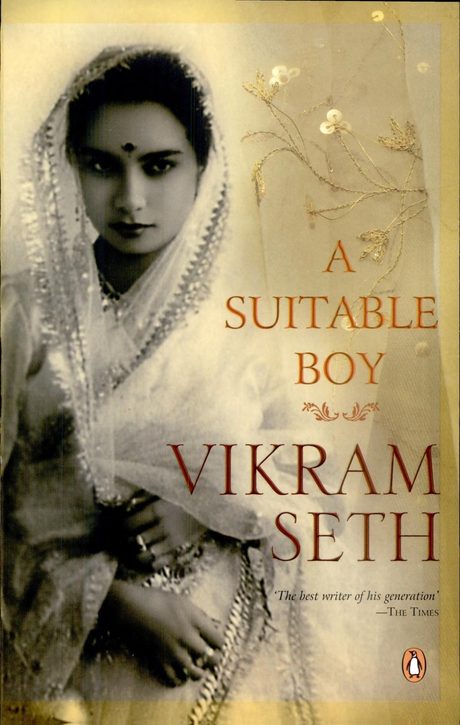
Partly Calcutta, early 1950s
A Suitable Boy
Vikram Seth1993about 1372 pages
The great Indian marriage novel, in which Calcutta is one family, one poet and several of the funniest scenes in the book.
Seth's novel follows Lata and her mother's search for a husband across a newly independent India, and it lives mostly in the invented town of Brahmpur. Calcutta arrives through the Chatterjis, a clever, unbearable, wonderful family whose son writes poetry and whose dinner table conversation is the best comedy Seth has written. The city shows up in the Ballygunge houses, the clubs and the shoe business, and it is drawn with real affection by a writer who clearly enjoyed his time there.
Why it is at 14
Last, and I want to be clear that this is a ranking of Kolkata content rather than of quality. As a novel it would sit near the top of almost any Indian list. As a Kolkata book it gives you a few hundred pages out of nearly fifteen hundred, so a reader who came here specifically for the city will feel short changed. Read it for itself, not for the map.
Read it ifyou want a long, funny, generous novel about India in the fifties
Skip it ifyou specifically want a book that stays in Kolkata
expansive, comic, humaneBest for: readers with a free monthclassic1950sfamily
Worth knowing
Three Kolkatas, three doors
Colonial Calcutta is the first door: the capital of British India, White Town and Black Town, a police force that answers to London. Enter through A Rising Man if you like a plot, or Those Days if you want the century before that, when the city was busy inventing modern Bengal in between lawsuits and love affairs.
The Naxal years are the second door, and they are the reason so much Kolkata fiction carries an ache. Between 1967 and the early 1970s a student movement turned into an armed one, the state answered with disappearances and killings, and thousands of families lost sons. The Lives of Others goes inside the movement and the household at once. The Lowland shows what is left forty years later, in another country.
The city now is the third door, and it is the least crowded shelf. The Epic City reports it directly, Hangwoman turns its media circus into a novel, and Kalkatta walks the streets the other books avoid. If you are visiting soon, read one from this group and one from the colonial group, and the contrast will teach you more than either alone.
Worth knowing
What is not a novel here, and who did the translating
Two entries are not novels and both are labelled. The Epic City at number eight is reportage. The Feluda volume at number twelve is a set of detective stories written across decades. If you want more Kolkata non fiction after the Choudhury, Amit Chaudhuri's Calcutta: Two Years in the City is the obvious next stop, and it pairs neatly with his novel at number nine.
Three books arrive in English through a translator, and they are named on purpose: Arunava Sinha for Chowringhee, Aruna Chakravarti for Those Days, and J Devika for Hangwoman. If you are new to Indian fiction in translation, start with Chowringhee, which reads so naturally in English that you forget the crossing happened at all.
One more note on names. The city was officially renamed Kolkata in 2001, so most books here say Calcutta because that is what the characters said. The spelling tells you the era before the first page does.
People also ask
Questions, answered
What is the best novel set in Kolkata?
Chowringhee by Sankar, translated by Arunava Sinha. A whole city passes through one old hotel, and the book gets the money, the sex, the servants and the politeness of Calcutta into a story you can finish in a weekend. If you want a novel in English rather than a translation, The Lives of Others by Neel Mukherjee is the strongest, though it is much longer and much harsher.
Which Kolkata novel should I read first if I have never been to the city?
A Rising Man by Abir Mukherjee, especially if you already read crime fiction. It is set in 1919, so you absorb the colonial geography of the city while following a murder investigation, and it never assumes you know anything about Bengal. After that, jump to Chowringhee for the Bengali view of the same streets a few decades later, and then to The Epic City for the place as it is today.
Which novels cover the Naxalite movement in Calcutta?
The Lives of Others by Neel Mukherjee is the fullest account, moving between a Calcutta joint family and a son organising landless peasants in the countryside. The Lowland by Jhumpa Lahiri takes the other route, following the decades of private damage after one killing in Tollygunge. Read Mukherjee for the politics and Lahiri for the grief. Both are set between 1967 and the early 1970s, when the movement and the crackdown ran through the city.
Are there good Kolkata books that are not novels?
Yes, and this list includes one. The Epic City by Kushanava Choudhury is reportage by a man who returned from the United States and took a reporting job in the city, and it is the best book here on Kolkata as it is now. Amit Chaudhuri's Calcutta: Two Years in the City is the other one worth your time, quieter and more essayistic, and a good companion to his novel A Strange and Sublime Address.
Which Kolkata novels are translated from Bengali?
Chowringhee by Sankar, translated by Arunava Sinha, and Those Days by Sunil Gangopadhyay, translated by Aruna Chakravarti. Hangwoman by K R Meera is also a translation but from Malayalam, which is worth knowing since its setting is entirely in north Kolkata. Bengali fiction has a much deeper Kolkata shelf than English does, so a good translated novel will usually put you closer to the street than an English original will.
Is there a Kolkata detective series worth starting?
Two, from opposite ends of the shelf. Satyajit Ray's Feluda stories are the classic, written for younger readers but read happily by adults, with a Calcutta flat as home base and cases all over India. Sharadindu Bandyopadhyay's Byomkesh Bakshi stories are the darker, older cousin, set largely in the city and available in English translation. For adult crime with a colonial setting, Abir Mukherjee's series starting with A Rising Man is the easiest to find.
Before you go
What to read tonight
If you are starting tonight, take Chowringhee and let the hotel do the work. If you want to be honest with yourself about how much time you have, take A Strange and Sublime Address instead, because you can finish it before the tea goes cold and it will still leave a room in your head that you can walk back into later.
After that the choice is really about which Kolkata you want to carry. Pick an era, read the book from that group, then read one from a different century and watch the same lanes change hands. And if you ever get on a tram in the city itself, notice how many of these writers describe the same sound. They were not copying each other. They were all just listening to the same street.
Keep going
Lists that pair with this one
Indian Fiction
16 Best Novels Set in Mumbai, Mapped Neighbourhood by Neighbourhood
Sixteen Bombay novels ranked by how much of the city you carry out with you, from a Worli chawl to a tower in Vakola.
Indian Fiction
12 Best Novels Set in Delhi, Plus 3 That Are Not Fiction
Delhi is at least five cities stacked on one map, so I have ranked these by which one you actually take away.
Authors
The 12 Best Amitav Ghosh Books, Ranked (With the Ibis Reading Order)
Three doors into his work, twelve books ranked, and an honest warning about the first eighty pages of Sea of Poppies.
Authors
The 10 Best Jhumpa Lahiri Books, Ranked (Where to Start)
Ranked by warmth, from the crowded Bengali kitchens of the early stories to the bare Italian rooms she writes in now.
Indian Fiction
The 20 Best Indian Books in Translation, Ranked by Where to Start
Twenty books from ten Indian languages, ordered from the easiest way in to the one that will fight you, with the translator named every time.