For about ten years I owned poetry books the way some people own gym memberships. I would start at page one, read fourteen poems in a row, understand roughly two of them, decide the problem was me, and put the book back on the shelf looking very literary and completely unread.
The problem was not the poems. I was reading a collection like a novel, front to back at speed, and that is the one way it cannot be read. A poetry book is closer to a room than a story. You walk in, you look at one thing properly, and then you leave. Two poems in an evening is a full session. Fourteen is a way of reading none of them.
So every book here comes with one poem named to start on, because page one is almost never the door. The order runs from the books nobody can fail at down to the ones worth saving until poetry already has you, and it is the sequence I would physically hand them over in rather than a quality ranking. Ten of the seventeen come from the subcontinent, written in English or carried across from Urdu, Hindi and Bengali, because the standard beginner list is Rumi, Mary Oliver, and then it stops, which is an odd thing to accept in this part of the world.
How I picked these
- Every book gets one poem named as the entry point, and I only named poems I am sure sit inside that edition. Where I was not sure, the label says start anywhere and means it.
- Difficulty first, reputation second. This is the order I would hand them over in, so two of the finest books here sit near the bottom because they are the worst possible starting points.
- Ten from the subcontinent, deliberately. The usual beginner list treats Indian poetry as an optional extra, which is a strange position to hold here.
- Every edition checked through Google Books and Open Library with a real cover. That matters more for poetry than for fiction, because half the collections people recommend are out of print and the ones you can actually buy are a much shorter list.
- Translators named only where I am certain. Where I could not confirm one, the field is empty rather than guessed.
- Milk and Honey is here, placed late, with the reasoning written out instead of a sneer.
The whole list at a glance
All 17 books, in order
| # | Book | Author | Year | Vibe | Best for |
|---|
| 1 | Devotions | Mary Oliver | 2017 | calm, plain, attentive | absolute beginners |
| 2 | 100 Lyrics | Gulzar | 2009 | familiar, tender, filmi | Hindi film song lovers |
| 3 | Sailing Alone Around the Room | Billy Collins | 2001 | wry, conversational, American | anyone burned by school poetry |
| 4 | The Essential Rumi | Coleman Barks | 1995 | warm, mystical, quotable | late night reading |
| 5 | Gitanjali | Rabindranath Tagore | 1912 | devotional, simple, old fashioned | readers wanting one Indian classic |
| 6 | Making Cocoa for Kingsley Amis | Wendy Cope | 1986 | witty, formal, dry | readers who hate solemnity |
| 7 | Songs of Kabir | Kabir | 2011 | blunt, mocking, spiritual | sceptics and arguers |
| 8 | Night Sky with Exit Wounds | Ocean Vuong | 2016 | tender, violent, contemporary | younger readers wanting something current |
| 9 | Collected Poems | Nissim Ezekiel | 1989 | urban, ironic, precise | readers of Indian English writing |
| 10 | The Golden Gate | Vikram Seth | 1986 | witty, warm, ingenious | novel readers crossing over |
| 11 | Girls Are Coming Out of the Woods | Tishani Doshi | 2017 | bodily, coastal, unsettling | readers wanting a living poet |
| 12 | Jejuri | Arun Kolatkar | 1976 | sceptical, sunlit, exact | readers who like ambiguity |
| 13 | The Colours of My Heart | Faiz Ahmed Faiz | 2017 | romantic, defiant, musical | listeners of ghazals |
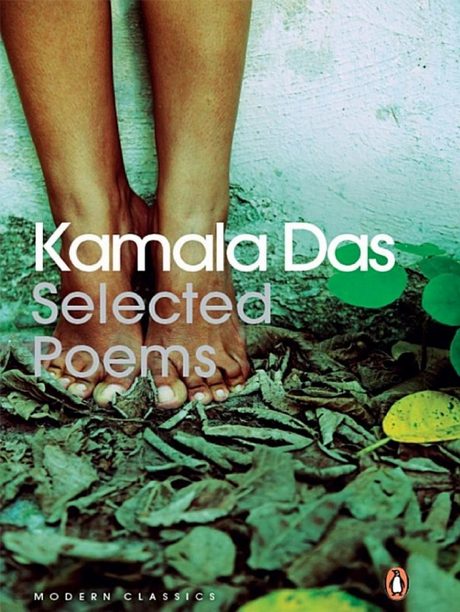
| 14 | Selected Poems | Kamala Das | 2014 | frank, wounded, defiant | readers wanting confessional poetry |
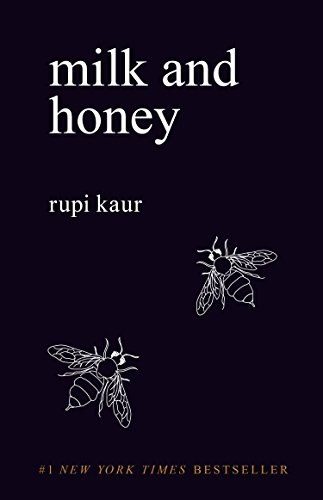
| 15 | Milk and Honey | Rupi Kaur | 2014 | direct, plain, emotional | readers coming from Instagram |
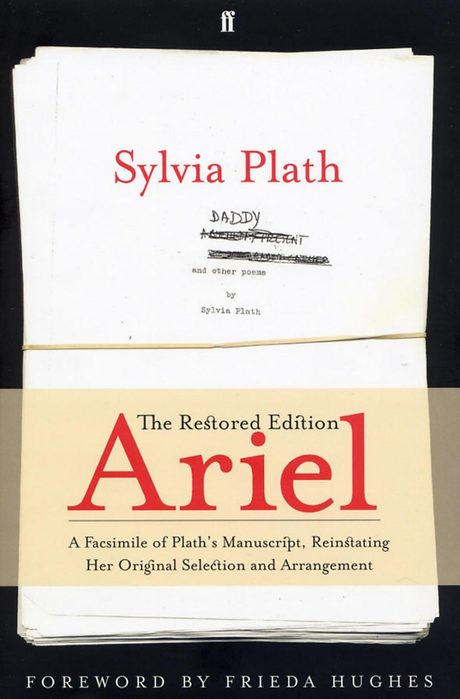
| 16 | Ariel: The Restored Edition | Sylvia Plath | 2004 | furious, brilliant, unstable | readers ready for difficulty |
| 17 | Ms Militancy | Meena Kandasamy | 2010 | angry, funny, political | readers who like arguments |
The list
The books, ranked
1
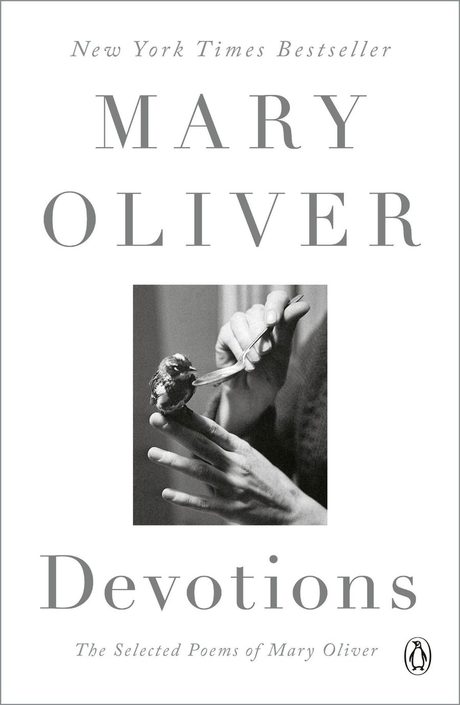
Start with "Wild Geese"
Devotions
Mary Oliver2017about 481 pages
Fifty years of poems about geese, ponds, mornings and paying attention, selected by the poet herself near the end of her life.
Mary Oliver spent decades walking around the woods and ponds of Provincetown and writing short poems about what she saw. Devotions is the selection she made herself, arranged so the late work comes first and the early work last. The poems are short, the sentences are ordinary, and hardly any of them need you to know anything in advance. What they ask is that you slow down for four lines. This is the book I hand to people who tell me they do not get poetry, and so far nobody has handed it back.
Why it is at 1
First because the failure rate is close to zero. Every other book on this list asks something of you: a language, an era, a tolerance for difficulty. This one asks that you read eight lines about a goose. Finish a single Mary Oliver poem and feel something, and you are a poetry reader now, which makes the other sixteen possible.
Read it ifyou want poems you understand on the first pass
Skip it ifyou find nature writing soft, because there is a great deal of pond here
calm, plain, attentiveBest for: absolute beginnersnatureamericanselected poems
2

Start with a song you already know the tune of
100 Lyrics
Gulzar2009about 271 pages
A hundred Hindi film lyrics by Gulzar with English translations alongside, so you can finally read what you have been humming for years.
Gulzar has been writing film songs since the nineteen sixties, and this book collects a hundred of them with English translations alongside. Reading a lyric you have known since childhood, laid flat on a page with no tune underneath it, is a genuinely strange experience. Lines you sang past for twenty years stand up and turn out to mean something specific, usually about distance or memory or somebody leaving in the rain. It is the least frightening poetry book in India, because you are not starting from zero. You have been carrying half of it around in your head already.
Why it is at 2
Second because it removes the thing that actually stops Indian beginners, which is the fear of not understanding. You cannot fail to understand a song you have already sung. It sits under Devotions only because a lyric leans on its music, so a few of these read thin once the tune is taken away. As a first Indian poetry book, nothing else comes close.
Read it ifyou know the words to half of Hindi cinema already
Skip it ifyou want poems built for the page rather than for a singer
familiar, tender, filmiBest for: Hindi film song loversindianurdufilm lyrics
3

Start with "Introduction to Poetry"
Sailing Alone Around the Room
Billy Collins2001about 192 pages
An American poet who writes like a friendly, faintly sarcastic uncle explaining why poetry got ruined for most of us.
Billy Collins writes poems that begin somewhere completely ordinary, a lanyard from summer camp, a dog, a piano lesson, and then move about two feet sideways until you are standing somewhere else entirely. This book gathers his earlier work together with new poems. He is funny, which is rarer in poetry than it should be, and he is never obscure on purpose. One poem in here describes readers tying a poem to a chair and beating it with a hose to make it confess what it means, which is a fair description of what school did to most of us.
Why it is at 3
Third because it undoes the damage school did. Most people did not decide poetry was not for them. They were taught that a poem is a puzzle with one correct answer hidden inside, and they failed the quiz. Collins writes as though a poem is a conversation, and after twenty of his you stop bracing for a test.
Read it ifschool put you off poetry and you want the taste out of your mouth
Skip it ifyou want density and difficulty, because this is deliberately easy going
wry, conversational, AmericanBest for: anyone burned by school poetryamericanhumouraccessible
4
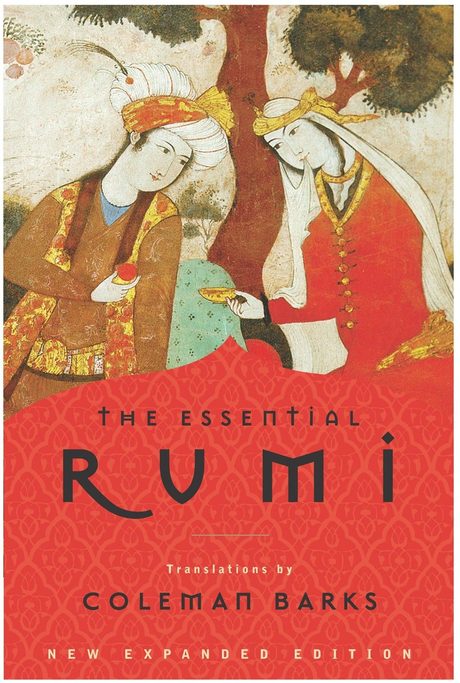
Start with "The Guest House"
The Essential Rumi
Coleman Barks1995about 410 pages
Thirteenth century Persian mysticism turned into loose American free verse, which is why half the internet is quoting it at you.
Rumi was a Persian scholar and mystic living in what is now Turkey, and these are Coleman Barks's versions of his poems, built from earlier literal translations rather than from the Persian itself. That distinction matters and I come back to it below. What you get is warm, direct, quotable writing about longing, God, wine, loss and welcome, with the formal architecture of the original mostly dissolved. The Guest House, which treats every arriving emotion as a visitor you are obliged to let in, is the one everybody eventually meets on somebody's wall.
Why it is at 4
Fourth because it is the most forgiving spiritual poetry in print and it works at three in the morning. It ranks under Collins because of the translation question. These are versions rather than translations, and Persian readers will tell you Barks smoothed away most of what made the originals beautiful. Take what it gives you, then read the note on translations further down this page.
Read it ifyou want poems about longing that ask nothing technical of you
Skip it ifyou want the real Persian Rumi, in which case look for Nicholson or Arberry
warm, mystical, quotableBest for: late night readingsufipersianspiritual
5
Start with poem 35, the one about the mind without fear
Gitanjali
Rabindranath Tagore1912
Tagore's own English versions of his Bengali songs, written as short prose poems that read like someone talking to God.
Tagore wrote these as songs in Bengali and then put them into English himself, as prose poems rather than metrical verse, which is why they read so oddly and so well. They are addressed to a god, or a lover, or death, and frequently you cannot tell which, and that uncertainty is most of the pleasure. The famous one, number thirty five, asks for a country where the mind is without fear and the head is held high, and it has been quoted in Indian classrooms and speeches ever since.
Why it is at 5
Fifth because it is short, because the language is simple even where the diction is old fashioned, and because reading Tagore in his own English rather than somebody else's is a rare opportunity. It sits here rather than higher only because a devotional register does not suit every reader, and a century has settled some dust on the phrasing.
Read it ifyou want the Indian classic that is genuinely easy to read
Skip it ifreligious address switches you off, because nearly every piece here is a prayer
devotional, simple, old fashionedBest for: readers wanting one Indian classicindianbengalidevotional
6
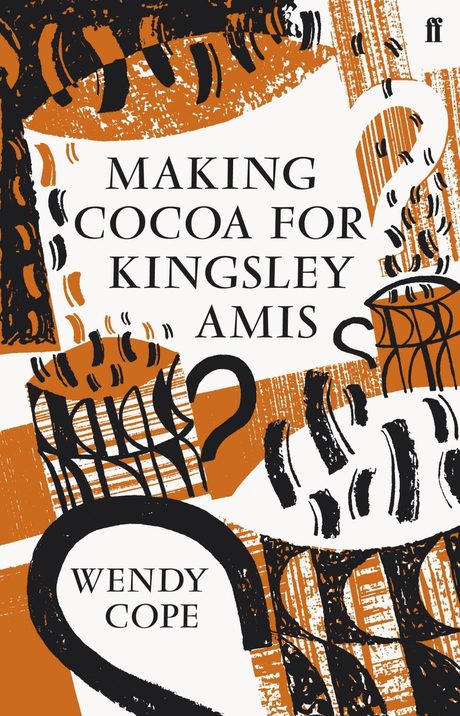
Start with "Reading Scheme"
Making Cocoa for Kingsley Amis
Wendy Cope1986about 74 pages
Short, funny, technically immaculate English poems about unreliable men, hangovers, and the absurdity of writing poems at all.
Wendy Cope's first collection is one of the few genuinely funny poetry books that is also serious about form. She writes villanelles and sonnets and then fills them with disappointing boyfriends, divorce and parodies of famous male poets, including an invented character named Jason Strugnell who produces dreadful verse from Tulse Hill. The jokes land immediately. A week later you notice the sadness sitting underneath about half of them. Her second collection, Serious Concerns, does the same job if this one is hard to find.
Why it is at 6
Sixth because laughing is the fastest way to stop being frightened of a page of verse, and because these poems are short enough that a failed attempt costs you thirty seconds. It ranks under Gitanjali only because the humour is very English and a few references will sail past an Indian reader. The best ones need none of that background.
Read it ifyou want to laugh and you like a poem that rhymes properly
Skip it ifyou want grandeur, because this is deliberately domestic and small
witty, formal, dryBest for: readers who hate solemnitybritishhumourformal verse
7

Start anywhere, and read three in a row out loud
Songs of Kabir
Kabirtranslated by Arvind Krishna Mehrotra2011about 146 pages
A fifteenth century weaver from Benares insulting priests, pandits and yogis, brought into blunt modern English.
Kabir wove cloth in Benares and made poems while he wove, and the poems go after everybody: Hindu priests, Muslim clerics, ascetics, the vain, the certain. Arvind Krishna Mehrotra's translation is why this particular edition is worth owning. He drops the reverent tone usually applied to devotional verse and hands Kabir a sharp street voice, slang included. The result is funny, rude and unexpectedly current, and it kills the idea that old Indian poetry has to be read in a temple whisper.
Why it is at 7
Seventh because it is the shortest route into old Indian poetry with no scholar standing between you and the page. Each poem runs a few lines and lands like a slap. It sits below the funny English books only because the world view takes a minute to enter. Once you are inside, this is the one you start reading aloud to other people.
Read it ifyou want Indian poetry with the incense taken out
Skip it ifyou want a strictly literal version, because this one takes liberties on purpose
blunt, mocking, spiritualBest for: sceptics and arguersindianbhaktitranslation
8
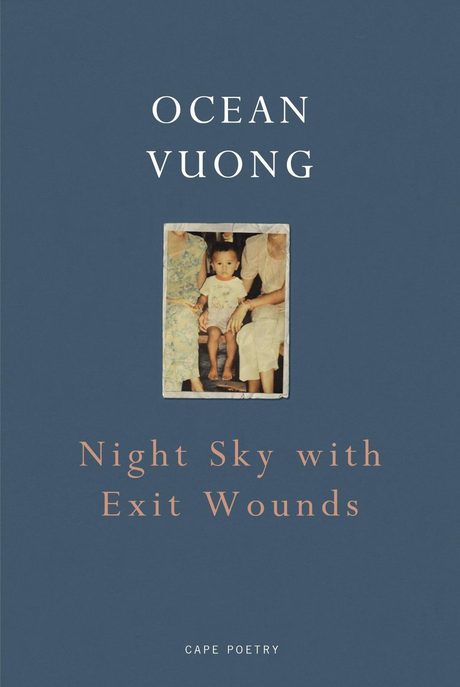
Start with "Someday I'll Love Ocean Vuong"
Night Sky with Exit Wounds
Ocean Vuong2016about 95 pages
A Vietnamese American poet writing about his father, his body, war and desire in images you will not manage to shake off.
Vuong's first collection moves between a Vietnamese family history, the war that produced it, an American childhood and a queer coming of age, in language that keeps doing things you did not know were permitted. Some poems break apart across the page. Some run almost like stories. What holds the book together is tenderness aimed at difficult people, particularly a father. It is the newest book on this list and the one most likely to convince a young reader that poetry is a living thing rather than a school subject.
Why it is at 8
Eighth, and this is where the list starts asking something back. Vuong is not difficult in the academic sense, but he does not explain himself, and several poems only open on a second pass. Read him after the easy six and he is a pleasure. Read him first and you might conclude poetry is not for you, which would be the wrong conclusion drawn from the right evidence.
Read it ifyou want contemporary poetry that feels urgent rather than assigned
Skip it ifyou need every poem to resolve into a clear statement
tender, violent, contemporaryBest for: younger readers wanting something currentamericanqueerwar
Heads up: war, violence and explicit sexual content
9
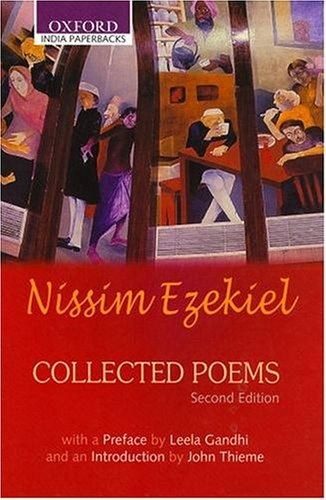
Start with "Night of the Scorpion"
Collected Poems
Nissim Ezekiel1989about 296 pages
The poet who taught Indian writers in English to stop imitating England and write about the street they lived on.
Nissim Ezekiel lived in Bombay, taught, edited, and wrote poems about the city, marriage, belief and the ordinary compromises of a working life. Most Indians first meet Night of the Scorpion in a textbook, a village crowding into a hut around a mother who has been stung, and the poem survives the textbook, which is the highest compliment available. The other side of him is the comic Indian English poems, where he writes the way people around him actually spoke. That was controversial then and simply reads as accurate now.
Why it is at 9
Ninth because he is the start of modern Indian poetry in English and the poems themselves are easy, but a Collected is a heavy object and beginners bounce off heavy objects. Treat it as a shelf rather than a book. Four poems, put it down, return next month, and it will keep going for years.
Read it ifyou want the roots of Indian poetry written in English
Skip it ifa thick collected volume feels like homework before you open it
urban, ironic, preciseBest for: readers of Indian English writingindianbombaymodern
10
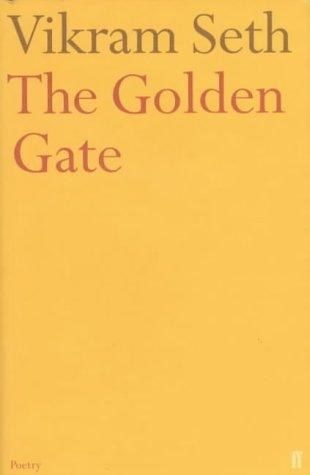
Start at stanza one, because this one really is read front to back
The Golden Gate
Vikram Seth1986about 316 pages
A whole novel about lonely young professionals in 1980s San Francisco, written from beginning to end in rhyming sonnets.
John is twenty six, successful and miserable, so his former girlfriend places a personal advertisement on his behalf, and from there Vikram Seth runs an entire novel of love affairs, friendships, protests, a cat and a lawsuit. The catch is the form. The whole book is in sonnets, rhymed and metered, several hundred of them. It should be completely unbearable. Instead the rhyme carries you along like a current, and after ten pages you stop noticing it at all, which is the real achievement.
Why it is at 10
Tenth because it solves the beginner's problem from a completely different direction. You are never asked to sit with a difficult page. You are given a story, and the poetry arrives underneath it. It ranks here rather than in the top five only because it is long, and length frightens new readers more reliably than difficulty does.
Read it ifyou love novels and have never once finished a poetry book
Skip it ifrhyme irritates you, because there is no escaping it for four hundred pages
witty, warm, ingeniousBest for: novel readers crossing overindianverse novelsan francisco
11

Start with the title poem
Girls Are Coming Out of the Woods
Tishani Doshi2017about 100 pages
Contemporary Indian poems about women's bodies, violence, dance and the sea, written by a poet who trained as a dancer.
Tishani Doshi lives on a beach in Tamil Nadu, trained and worked as a dancer, and writes poems with a body inside them, which is less common than it sounds. This collection moves between the sea, family, illness, travel and violence against women. The title poem, written in memory of a woman who was murdered, has girls walking out of the trees carrying their wounds, and it is the one most likely to leave you sitting still for a minute afterwards. The rest of the book is quieter and stranger than that opening suggests.
Why it is at 11
Eleventh because this is the most alive contemporary Indian collection I can put in a beginner's hands, and because it is a real book by a living poet rather than a syllabus entry. It asks a little more than Ezekiel does: images arrive without explanation and a few poems only click on a second reading. Worth the extra effort.
Read it ifyou want living Indian poetry rather than a school syllabus
Skip it ifviolence against women is not something you can read right now
bodily, coastal, unsettlingBest for: readers wanting a living poetindiancontemporarywomen
Heads up: sexual violence and murder
12

Start with "The Bus"
Jejuri
Arun Kolatkar1976about 92 pages
A sceptic takes a bus to a temple town in Maharashtra and writes thirty odd short poems about what he actually sees there.
A man travels to Jejuri, a pilgrimage town with a temple to Khandoba, and looks at all of it with no faith whatsoever. What he finds is a priest thinking about his lunch, a caretaker, a broken idol, an old woman after money, dogs, a hen, stone. The poems are short and plain and manage to hold the wonder and the fraud in the same hand without deciding between them. Kolatkar wrote in both Marathi and English and had an unmatched eye for the absurd detail. This is the Indian poetry book I would put in a time capsule.
Why it is at 12
Twelfth. It is the finest book on this list after Ariel, and also the first one where a beginner can miss what is happening, because Kolatkar refuses to tell you how to feel about anything. Read it after Ezekiel and the shape comes clear. Read it cold and it can look like a set of casual notes, which it very much is not.
Read it ifyou like irony, temples, and being left to draw your own conclusions
Skip it ifyou want the poet to tell you what a scene is supposed to mean
sceptical, sunlit, exactBest for: readers who like ambiguityindianmarathipilgrimage
13

Start with "Mujh Se Pehli Si Mohabbat"
The Colours of My Heart
Faiz Ahmed Faiztranslated by Baran Farooqi2017about 147 pages
The great Urdu poet of the twentieth century, who wrote love poems that are political and political poems that read like love.
Faiz wrote in Urdu, spent years in prison for his politics, and produced poems that get sung at protests and at weddings with roughly equal frequency. The central move in his work is a blurring: the beloved and the country become the same person, so a line of longing is also a line about a nation, and a censor cannot easily object. This Penguin selection, translated by Baran Farooqi, is the version you can actually find in an Indian bookshop. Read a few aloud even if your Urdu is thin, because the sound is doing half the work.
Why it is at 13
Thirteenth because Faiz is essential and is also genuinely harder in English than in Urdu. Translation flattens him more than it flattens Kabir, and a beginner reading only the English can end up wondering what the fuss is about. Come to him once a few of the easier books have worked on you, and if you have any Urdu at all, find the originals.
Read it ifyou want the poetry that the subcontinent's protest songs came out of
Skip it ifyou have no patience for politics, because it is in every second poem
romantic, defiant, musicalBest for: listeners of ghazalsurdupakistanpolitical
14
Start with "An Introduction"
Selected Poems
Kamala Das2014about 332 pages
The Indian woman who wrote about desire, marriage and her own body in the sixties, when nobody here was supposed to.
Kamala Das wrote in English and in Malayalam and observed the limits of neither. Her poems are about a body, a marriage that disappointed her, love that failed to arrive as advertised, and the particular loneliness of a woman instructed to behave. An Introduction, the poem everyone starts with, is about language and womanhood and refusing to be told which parts of either belong to her. The voice is direct to the point of discomfort, which is exactly why it still reads as current sixty years later.
Why it is at 14
Fourteenth because she is necessary and because she is not comfortable. Das offers the reader nothing soothing, and if you arrive expecting the warmth of Mary Oliver you get something closer to a confrontation. Read her when you want poetry that argues with you. This Penguin selection is the sanest way in, since most of her individual collections are hard to buy now.
Read it ifyou want an Indian woman writing about desire without apologising
Skip it ifyou want comfort, because there is very little of it in this book
frank, wounded, defiantBest for: readers wanting confessional poetryindianconfessionalwomen
15
Start with the section called the loving
Milk and Honey
Rupi Kaur2014about 224 pages
The book that got an entire generation buying poetry, and the one people argue about hardest, usually without reading it.
Milk and Honey runs in four short sections, moving from pain through love and a breakup to recovery, written in lower case with small line drawings and almost no punctuation. The pieces are short, sometimes two lines, and they say what they mean without any detour. That directness is the whole argument about this book: admirers find it honest and immediate, critics find it thin and point out that a line break is not by itself a poem. Both camps are describing the same page accurately.
Why it is at 15
Fifteenth, and the placement is the honest verdict. This book gets more people to open poetry than anything else on the list, which is a genuine achievement, and it also teaches you the least about what a poem can do. If it is your first, good. Just do not stop here, because everything above it shows a range this book never attempts.
Read it ifyou want short pieces about heartbreak that land immediately
Skip it ifyou want form, surprise, or a line that changes direction on you
direct, plain, emotionalBest for: readers coming from Instagramcontemporaryheartbreakinstapoetry
Heads up: sexual assault and abuse in the first section
16
Start with "Morning Song"
Ariel: The Restored Edition
Sylvia Plath2004about 219 pages
The last poems Sylvia Plath wrote, printed in the order she left them in, and still the fiercest book on this list.
Plath wrote most of these in a few months at the end of her life, often before dawn, and they bear almost no relation to the polite verse of her earlier work. They are fast and furious, full of bees, horses, hospitals and fathers, and the images arrive with a force that does not check whether you are ready. This restored edition prints her own selection and running order, which her husband had rearranged for the first published version, and reading it in her sequence is a noticeably different book.
Why it is at 16
Sixteenth because it is the strongest book on this list and close to the worst place to start. Nothing in it explains itself, the emotional voltage is enormous, and a beginner can finish it impressed and completely untouched. Read it once a few poems have already worked on you, and take no more than three in a sitting.
Read it ifyou are ready for poetry that has no interest in your comfort
Skip it ifyou are low right now, because this book goes straight at death
furious, brilliant, unstableBest for: readers ready for difficultyamericanconfessionalclassic
Heads up: suicide, death and self destruction throughout
17
Start with the first poem and read the whole thing angry
Ms Militancy
Meena Kandasamy2010about 60 pages
A Tamil poet rewriting myths and saints from the point of view of the women inside them, and she is not asking politely.
Meena Kandasamy takes stories from Tamil and Sanskrit tradition and retells them with the women at the centre and the anger left in. Caste runs through the whole book, and so does the body, and so does a sharp comic instinct that stops the collection from turning into a lecture. The poems are short, loud and built to be spoken out loud. It is a small press book from Navayana and it looks like nothing much on a shelf, which suits it.
Why it is at 17
Last, and last here means most demanding rather than least good. Some grounding in the myths helps several of these poems land, and the politics is not decoration, it is the engine. Come to it after Kabir, whose quarrel with religion is five hundred years older and pointed in a similar direction.
Read it ifyou want Indian poetry that fights back
Skip it ifyou want myths retold respectfully
angry, funny, politicalBest for: readers who like argumentsindiantamilcaste
Heads up: caste violence and sexual violence
Worth knowing
How to read a poetry book, which is not cover to cover
Nobody finishes a poetry collection front to back, and the people who claim they do are either lying or setting an exam. Here is the method that finally worked on me. Open at the poem named in the label, or open anywhere at all. Read it once at normal speed. Read it again out loud, because poems were built for a mouth and a good half of what is happening is sound. Then stop, even if it was short, even if you still have time.
Two poems in a sitting is a full session and one is not a failure. If a poem does nothing for you, turn the page immediately: there is no obligation and no quiz at the end. Keep the book somewhere inconvenient, a bedside table or the bottom of a bag, so you meet it in gaps rather than sitting down to study it. Read this way, a collection lasts you months. Read like a novel, the same collection takes an evening and leaves nothing behind.
Mark the ones that land. Fold the corner, or write the date in the margin if you can bear to damage a book. Two years later those marks turn into a map of what you were going through at the time, which is a strange and valuable thing to own.
Worth knowing
A note on the translations here
Six of these books arrive from another language, and a translation is never a neutral pipe. Arvind Krishna Mehrotra's Kabir is deliberately modern and slangy, and a purist would call it a version rather than a strict translation. Coleman Barks does not read Persian, so his Rumi is built out of earlier English translations, which is why it flows so easily and why Persian speakers wince. Tagore put his own Bengali into English and altered it on the way across. Baran Farooqi's Faiz and the Gulzar lyrics both lose sound the moment they change language, and sound is a large part of what those two poets do.
None of that means avoid them. It means read them as English poems carrying a signal from somewhere else, and if a poet grips you, go and find a second translation of the same work. Two versions side by side tell you more about a poem than any introduction ever will.
Worth knowing
If you only buy three
Devotions, to prove to yourself that you can do this. 100 Lyrics, because you already know half of it and cannot fail. Songs of Kabir, because it is short, savage and Indian, and because it will break the habit of reading old poetry in a reverent voice. Those three cover three completely different ideas of what a poem is for, and none of them takes more than a week of evenings. If a fourth is allowed, make it Jejuri.
People also ask
Questions, answered
Which poetry book should a complete beginner start with?
Devotions by Mary Oliver, for one reason: the failure rate is close to zero. The poems are short, the language is ordinary, and none of them need background knowledge. If you want an Indian first book instead, take Gulzar's 100 Lyrics, because you already know the songs and cannot fail to follow them. Either way, read two poems and stop. The stopping is the part beginners get wrong.
Is Rupi Kaur real poetry?
It is poetry by any working definition, and the real argument is whether it is good poetry. What Kaur does well is directness: short pieces about pain and love that land instantly and travel well on a screen. What she does not do is form, surprise or compression, and a line break placed for effect is doing less work than her admirers claim. If she gets you reading, she has done more for you than most of her critics have.
How do you read poetry without feeling stupid?
Stop trying to solve it. School trained most of us to hunt for one hidden correct meaning, and that habit is exactly what makes a page of verse feel like a test you are failing. Read the poem once, read it aloud once, notice which line stayed with you, then move on. If nothing stayed, turn the page without guilt. Understanding often turns up on a second meeting months later, and there is no rule saying it has to turn up at all.
Which Indian poetry books are good for beginners?
Start with Gulzar's 100 Lyrics and Songs of Kabir in Mehrotra's translation, both easy and both unmistakably Indian. Then Nissim Ezekiel's Collected Poems for the beginning of modern Indian poetry in English, Arun Kolatkar's Jejuri for the best single Indian collection I know, and Tishani Doshi for a living voice writing now. Faiz, Kamala Das and Meena Kandasamy come after those, because each one asks something extra of the reader.
Are Coleman Barks's Rumi translations accurate?
Not in the strict sense, and Barks has never claimed otherwise. He does not read Persian. He works from earlier literal translations and turns them into free verse, so what you are reading is a rendering of a rendering. The result is warm and quotable and it is how most English readers first meet Rumi. It also loses the formal structure and much of the Islamic context. Read Barks for pleasure, then look at Nicholson or Arberry to see the shape underneath.
How long does it take to finish a poetry book?
Months, if you are doing it properly, and that is not a complaint. Two poems in a sitting, a few sittings a week, and a hundred page collection lasts you a season. Devotions is a thick book and I have owned it for years without reaching the end, which is the correct relationship to have with it. The only title here designed to be read straight through is The Golden Gate, and that is because it is secretly a novel.
Before you go
What to read tonight
If you want to start tonight, pick Devotions or 100 Lyrics, read exactly two poems, and put the book down while you still want a third. That last part is the whole method. Poetry punishes bingeing in a way that novels never do.
Once a single poet has actually worked on you, follow that thread instead of a list, including this one. If Kabir landed, go looking for Ghalib and Tukaram. If Mary Oliver landed, try Wendell Berry or Jane Hirshfield. If Ocean Vuong landed, read whoever he thanks in the back of the book, because poets always name their people in there. A list gets you through the door. After that the poets themselves are far better guides than I am.
Keep going
Lists that pair with this one
Indian Fiction
12 Best Urdu Poetry Books in English, Ranked as a Ladder
Ordered from the book that needs no Urdu at all to the one you will only enjoy after the other eleven.
Indian Fiction
The 20 Best Indian Books in Translation, Ranked by Where to Start
Twenty books from ten Indian languages, ordered from the easiest way in to the one that will fight you, with the translator named every time.
Mood & Life
Classic Books for Beginners: 21 Ranked Easiest to Hardest
Twenty one classics arranged on a four rung ladder, easiest first, so you finish the first one instead of abandoning it at page thirty.
Mood & Life
20 Best Books to Read in Your 20s, Grouped by the Problem
Four problems run this decade, work, love, money and meaning, so the list is sorted that way instead of pretending one book fixes all four.
Mood & Life
20 Books to Gift Anyone, Sorted by Who You Are Buying For
One book per recipient, from the friend who says he never reads to the boss you barely know, with a note on which ones look expensive.