A friend borrowed my copy of Tinker Tailor Soldier Spy before a Mumbai flight and gave up somewhere over Nagpur. He is a smart man who finishes books. The problem was mine: I handed a first-timer the hardest door in the genre and told him it was the best one, which it is, and which is not the same thing.
Spy novels come in two shapes and almost nobody says so. There is the desk book, where the work is filing, waiting, lying to people at home, and losing an agent because a form went to the wrong department. Then there is the chase book, where a man on a rooftop assembles a rifle and a detective in another city works out his name. Both are good. They ask completely different things of you, and a list that mixes them without a warning label is how readers end up thinking they hate spy fiction when they only hated the pairing.
So every entry here is marked Desk or Field, and the ranking runs one to sixteen by how well each book does its own job, which is why a plot machine sits above a better-written novel in one place. There are two Indian entries and one book by a former R&AW chief, because these lists in India usually stop at Forsyth and pretend that is the whole world. Quick picks are below if you have ten seconds.
How I picked these
- Every book carries a Desk or Field label, decided by what it actually asks of you: patience and memory, or speed and nerve.
- Ranked by how well each book does its own job. A tight thriller can outrank a finer novel here, and does.
- Every title verified through Google Books and Open Library with a real cover, so nothing on this page is a ghost edition.
- The Bond novels are out of the ranking on purpose and I explain why in a section below rather than pretending they do not exist.
- I added Indian entries instead of nodding at the gap. Two of them, plus a nonfiction corrective, and I am honest about how thin the shelf still is.
The whole list at a glance
All 16 books, in order
| # | Book | Author | Year | Vibe | Best for |
|---|
| 1 | The Spy Who Came in from the Cold | John le Carre | 1963 | cold, controlled, bleak | first-time le Carre readers |
| 2 | Tinker Tailor Soldier Spy | John le Carre | 1974 | patient, wintry, exact | readers who want the genre's peak |
| 3 | The Day of the Jackal | Frederick Forsyth | 1971 | procedural, cold, relentless | readers who want pure plot |
| 4 | The Quiet American | Graham Greene | 1955 | humid, guilty, sharp | readers who like literary fiction |
| 5 | Slow Horses | Mick Herron | 2010 | funny, foul-mouthed, modern | people who bounced off le Carre |
| 6 | Our Man in Havana | Graham Greene | 1958 | wry, warm, sly | one evening and a cup of chai |
| 7 | The Ipcress File | Len Deighton | 1962 | deadpan, scruffy, sixties | fans of Slow Horses |
| 8 | Kim | Rudyard Kipling | 1901 | sunlit, roving, imperial | readers who like classics |
| 9 | Red Sparrow | Jason Matthews | 2013 | explicit, technical, cold | tradecraft obsessives |
| 10 | American Spy | Lauren Wilkinson | 2019 | quiet, personal, political | readers who like literary spy fiction |
| 11 | I Am Pilgrim | Terry Hayes | 2013 | cinematic, propulsive, daft | long flights and holidays |
| 12 | Ashenden | W. Somerset Maugham | 1928 | detached, elegant, dated | readers who like short stories |
| 13 | The Night Manager | John le Carre | 1993 | glossy, tense, late le Carre | people who liked the show |
| 14 | Lashkar | Mukul Deva | 2008 | fast, angry, Indian | readers tired of only British spies |
| 15 | The Unending Game | Vikram Sood | 2018 | sober, informed, dry | after a few spy novels |
| 16 | The Bourne Identity | Robert Ludlum | 1980 | pulpy, loud, eighties | fans of the films, with patience |
The list
The books, ranked
1
Desk
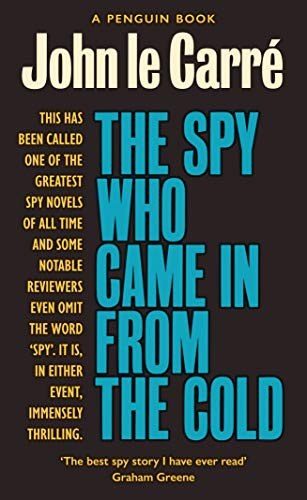
The Spy Who Came in from the Cold
John le Carre1963
A burnt-out agent takes one last job in East Berlin, and the job is not the one his own service described.
Alec Leamas has watched his network in East Germany get picked apart, so London brings him home and then sends him out again as bait, playing a drunk washout ready to sell what he knows. The book is barely two hundred pages and it moves like a trap closing. Nothing in it is glamorous. The meetings happen in grocery shops and rented rooms, the lies are administrative, and the cost lands on ordinary people who never signed up for any of it. Two sittings is all it takes, and afterwards every other spy novel you read is arguing with this one.
Why it is at 1
First because it is the shortest, hardest and clearest book here, and because it is the le Carre door that actually opens. Tinker Tailor is the bigger achievement, but it assumes you already know how his world runs. Start here, then go there. If you read one book off this page, make it this.
Read it ifyou want the cold, quiet version of the trade done perfectly
Skip it ifyou want heroes, gadgets, or an ending that lets anyone off
cold, controlled, bleakBest for: first-time le Carre readerscold warberlinclassic
Pairs with: Tinker Tailor Soldier Spy, once this one has taught you the rules
2

Desk
Tinker Tailor Soldier Spy
John le Carre1974about 396 pages
A pushed-out spy is quietly asked to work out which of five men at the top of British intelligence belongs to Moscow.
George Smiley is drifting around London in early retirement when he is handed the worst question in the service: one of the five men who run it is a Soviet mole, and he has to find out which. Almost the whole book is people remembering things in rooms. Interviews, requisitioned files, a safe house, one long night with old paperwork. The tension comes from knowing that any question Smiley asks might reach the mole before the answer reaches him. As a picture of what an intelligence service feels like from inside, including the pettiness and the wrecked marriages, nothing else is close.
Why it is at 2
Second, and it would be first if it were easier to walk into. The furniture of this world, the Circus and the lamplighters and Control, arrives with no explanation and readers fall off in the first fifty pages. Come to it after The Spy Who Came in from the Cold and it opens cleanly. Give it your attention or give it nothing.
Read it ifyou like a puzzle built out of memory and paperwork
Skip it ifyou read in ten-minute bursts on a crowded train
patient, wintry, exactBest for: readers who want the genre's peakcold warmole huntsmiley
3

Field
The Day of the Jackal
Frederick Forsyth1971about 516 pages
A professional assassin is hired to kill de Gaulle, and the book is him preparing while a French detective works out his name.
You know from the first page that de Gaulle was not assassinated, and Forsyth still makes the thing unbearable. The Jackal builds his identity, his rifle and his route with the calm of a man filling in forms, while Claude Lebel works backwards through hotel registers and passport applications with the same patience. It is procedure against procedure, reported in a flat newsroom voice with almost no interior life allowed. As an engine it is close to perfect, which is why thriller writers still take it apart to see how the parts fit.
Why it is at 3
Third, above better-written books, because this ranking rewards a book for doing its own job. Nothing here is built better. It is thin on character, and the women in it mostly exist to be leaned on, which is 1971 showing its face. Read it for the machinery and you will not be disappointed.
Read it ifyou want a plot so tight it feels engineered
Skip it ifyou need characters with real inner lives
procedural, cold, relentlessBest for: readers who want pure plotassassinationfranceprocedural
4

Desk
The Quiet American
Graham Greene1955about 210 pages
A tired British reporter in Saigon watches an idealistic young American start getting people killed, politely.
Fowler covers the French war in Vietnam, smokes opium in the evenings, and keeps telling himself he is not involved in anything. Then Pyle arrives from Boston with a head full of theory about a third force, and with designs on the woman Fowler wants back. Greene wrote this in the early fifties and it reads now like a memo nobody in Washington opened. The espionage sits in the margins, which is the whole point: the damage is done by a courteous young man who is certain he is helping. The last stretch asks what a bystander is actually answerable for.
Why it is at 4
Fourth because it is the best novel here and only the fourth best spy story. If you came for tradecraft, this has less of it than anything else on the list. If you came for the thing spy fiction is really about, which is how decent people end up complicit, nobody has done it better in two hundred pages.
Read it ifyou want politics, guilt and a love triangle in one short book
Skip it ifyou came for surveillance detail and set pieces
humid, guilty, sharpBest for: readers who like literary fictionvietnamcold warclassic
Heads up: a bombing in a crowded square, described plainly
5

Field, from a very bad office
Slow Horses
Mick Herron2010about 288 pages
The agents who failed too publicly to fire are parked in a grubby building doing pointless filing, until one case turns real.
Slough House is where MI5 sends its embarrassments so that they will resign: a set of rooms full of people transcribing phone calls under Jackson Lamb, a boss who is disgusting on purpose and cleverer than anyone above him. Then a young man is taken by a group threatening to behead him on camera, and the rejects find themselves inside a live operation that head office would much rather they stayed away from. Herron writes internal politics as a blood sport, and it is very funny right up to the moment somebody dies badly.
Why it is at 5
Fifth, and the highest modern entry, because Herron found a new joke inside the genre without turning it into a spoof, which nobody had managed for twenty years. It ranks under the classics because the series takes a book or two to reach full strength. Start here anyway, and keep going.
Read it ifyou want workplace comedy with real stakes attached
Skip it ifcrude and cruel humour puts you off
funny, foul-mouthed, modernBest for: people who bounced off le Carremi5comicseries
Pairs with: The Ipcress File, the grandfather of the resentful-employee spy
6
Desk
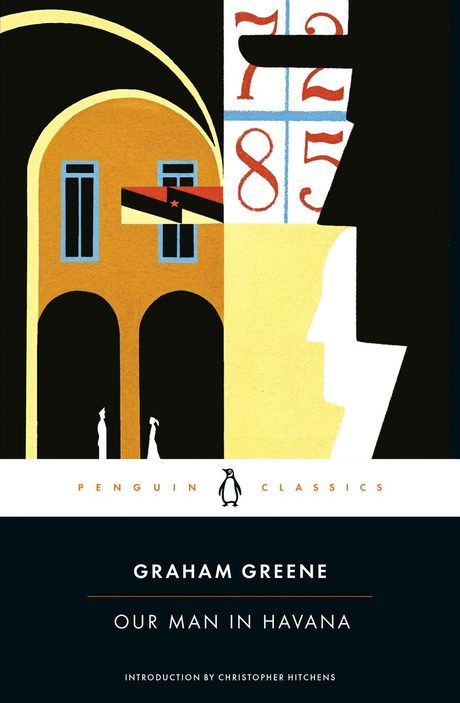
Our Man in Havana
Graham Greene1958
A vacuum cleaner salesman in Cuba invents an entire agent network to pay for his daughter's tastes, and London believes all of it.
Wormold sells vacuum cleaners, cannot afford his teenage daughter's horse, and gets recruited by British intelligence in a bar toilet. Having no secrets to sell, he manufactures them, sketching vacuum parts as blueprints of a mysterious installation in the mountains. London is thrilled. Then his invented agents turn out to match real people with real addresses, and somebody starts killing them. Greene filed this under entertainment and that is what it is, until it stops being one. The joke underneath is that a bureaucracy will always prefer a satisfying report to a true one.
Why it is at 6
Sixth because it is the funniest book here and, awkwardly, one of the most accurate about how intelligence goes wrong. Wishful thinking travels up a chain of command and gets stamped at every level. It sits below the heavier entries only because the stakes stay light for most of its length.
Read it ifyou want a spy comedy that turns cold at the end
Skip it ifyou want tension from the first page onward
wry, warm, slyBest for: one evening and a cup of chaicubacomicclassic
7

Desk
The Ipcress File
Len Deighton1962about 248 pages
A working-class British agent with an expenses problem looks into missing scientists, and files a very sarcastic report about it.
Deighton's narrator is never named, has no visible interest in queen or country, and thinks mostly about his pay grade, his lunch and the feud between his department and the next one. Scientists are disappearing and returning with their minds rearranged. The plot is genuinely hard to follow in the middle, which Deighton did deliberately: you are reading a report by a man who was not briefed properly either. This was the first spy novel to make the work sound like an irritating job, with forms, travel claims and colleagues you would not sit with.
Why it is at 7
Seventh for what it broke. Before this, British spies in fiction were officers and gentlemen; Deighton gave us one who resents his boss and pads his claims. The murk in the middle stretch is a real cost to the reader, so it ranks under books that manage to be clever and clear at once.
Read it ifyou like deadpan narrators and departmental knife fights
Skip it ifyou want a plot you can follow while half asleep
deadpan, scruffy, sixtiesBest for: fans of Slow Horsessixtiesbritaindeadpan
8
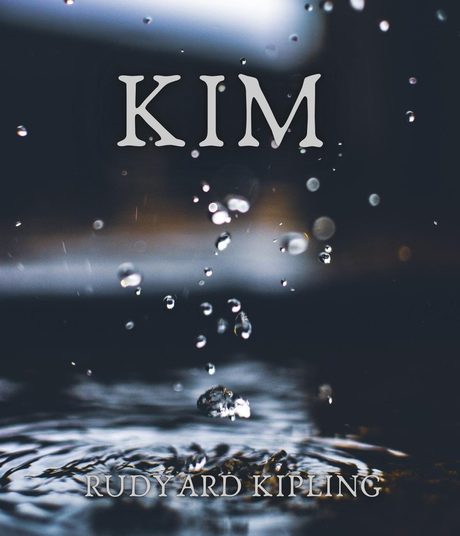
Field, on the Grand Trunk Road
Kim
Rudyard Kipling1901about 505 pages
An orphan off the streets of Lahore carries messages for British intelligence while walking India beside a Tibetan lama.
Kimball O'Hara is a white orphan raised in the bazaars, fluent in the languages around him, invisible because nobody looks twice at one more street kid. He attaches himself to a lama on pilgrimage and is pulled at the same time into what the book calls the Great Game, the intelligence contest between Britain and Russia along the northern frontier. Kipling's politics are the empire's politics and they are all over it. The writing about the Grand Trunk Road, the horse traders, the sellers and the dust, is still some of the most alive travel prose in English.
Why it is at 8
Eighth, with an argument attached. Read as adventure it is a delight; read as history it is a colonial officer's daydream of an India that enjoys being governed. It earns its place because the entire vocabulary of the Great Game begins here, and because it is the only book on this list where the tradecraft happens on a road you can still drive today.
Read it ifyou want the origin of the spy as shapeshifter, set in India
Skip it ifthe imperial gaze will spoil the ride for you
sunlit, roving, imperialBest for: readers who like classicsindiagreat gameclassic
Heads up: colonial-era racial attitudes throughout, stated as fact by the narrator
9

Field
Red Sparrow
Jason Matthews2013about 573 pages
A Russian ballerina loses her career, is pushed into a state school that teaches seduction as tradecraft, and is aimed at a young CIA officer.
Dominika Egorova is recruited by her uncle in Russian intelligence after an injury ends her dancing, and sent for training that treats sex as an operational tool with a syllabus. Matthews spent decades in the CIA and it shows everywhere except the romance: the surveillance detection runs, the dead drops, the meeting protocols and the paranoid arithmetic of a personal meeting are the real attraction. The book is explicit, and its handling of its heroine's body is uncomfortable in a way that is sometimes the argument and sometimes just the author. Every chapter ends with a recipe, which is a strange thing to be true.
Why it is at 9
Ninth because the tradecraft is the best on this list by a distance and the writing around it is ordinary. If you want to know what countersurveillance actually involves, hour by hour, nothing else here comes close. If you want a book that treats its women well, several others do.
Read it ifyou want procedure written by somebody who did the job
Skip it ifsexual coercion in a plot is a hard no for you
explicit, technical, coldBest for: tradecraft obsessivesrussiaciatradecraft
Heads up: sexual violence and coercion, and torture, described directly
10
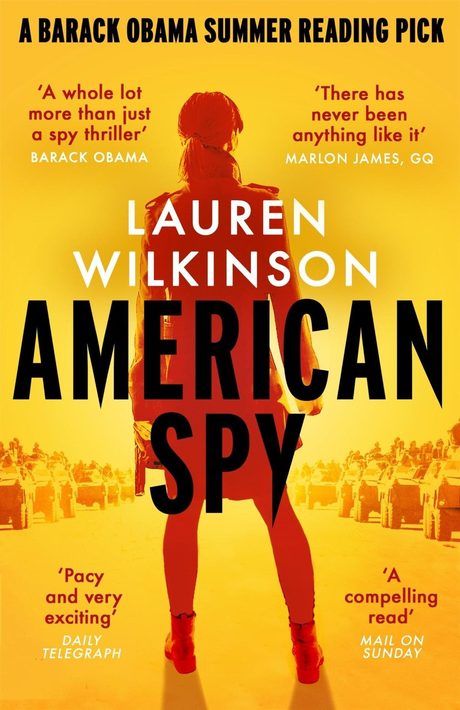
Desk
American Spy
Lauren Wilkinson2019about 232 pages
A Black FBI intelligence officer in the 1980s is pulled into an off-books operation against a revolutionary president in Burkina Faso.
Marie Mitchell is stuck with paperwork at a bureau that will not promote her, and takes a job aimed at Thomas Sankara, the young leader of Burkina Faso. The novel is written as a long letter to her twin sons, so her operational life and her family life arrive in the same breath, and neither gets to be the side plot. Wilkinson cares more about what loyalty costs a woman who has never been treated as fully American than about chases and shootouts. It moves quietly for a long while, and then it hurts.
Why it is at 10
Tenth for the angle nobody else here has: the Cold War as it looked to a Black woman working for a service that suspected her by default. It is not the most exciting book on the list, and the ending arrives in a rush. It belongs because it looks at the part of the map that spy fiction normally drives past.
Read it ifyou want the Cold War from outside the usual rooms
Skip it ifyou need pace and set pieces to stay interested
quiet, personal, politicalBest for: readers who like literary spy fictioncold warafricafbi
11

Field
I Am Pilgrim
Terry Hayes2013about 624 pages
A retired American operative is dragged back to stop one man planning a mass-casualty attack, across three continents and six hundred pages.
Hayes wrote screenplays before this and it shows in the best way, because six hundred pages go by like four hundred. There is a murder in a New York hotel room that has been staged using a forensics textbook, a long chase through Turkey, an extended section following the antagonist from a childhood in Saudi Arabia, and a plot that ties all of it together far more neatly than life would. Everyone I know in India who has read it finished it in one weekend, usually while complaining about the coincidences and refusing to put it down.
Why it is at 11
Eleventh because it is the most enjoyable book here and the least believable. The set pieces are superb, the hero is a little too good at everything he touches, and one long backstory stretch does work that a firmer edit would have done faster. Take it as an excellent film that happens to be printed.
Read it ifyou want six hundred pages that vanish over a weekend
Skip it ifyou need your thrillers to stay plausible
cinematic, propulsive, daftBest for: long flights and holidaysterrorismchasemodern
12

Desk
Ashenden
W. Somerset Maugham1928about 296 pages
Linked stories about a writer sent to Switzerland as a British agent in the First World War, drawn from Maugham's own war work.
Maugham really did intelligence work in Switzerland and Russia during the First World War, and he turned it into stories about a man who takes trains, waits in hotels, pays informants, and now and then sends a stranger to their death by writing one careful sentence. There is almost no action anywhere in it. The entire tone of modern spy fiction, the boredom and the shabbiness and the way a decision made at a desk kills somebody a thousand miles away, starts in this book. Read three stories at a time rather than swallowing it whole.
Why it is at 12
Twelfth on enjoyment, first on influence. Some of the stories are slight, and the prose carries an Edwardian starch that takes adjusting to. I would not hand it to a new reader. Once you have four or five of these books behind you and want to see where the whole thing came from, this is that book.
Read it ifyou want the origin point of realistic spy fiction
Skip it ifearly twentieth century prose feels stiff to you
detached, elegant, datedBest for: readers who like short storiesww1short storiesorigins
13
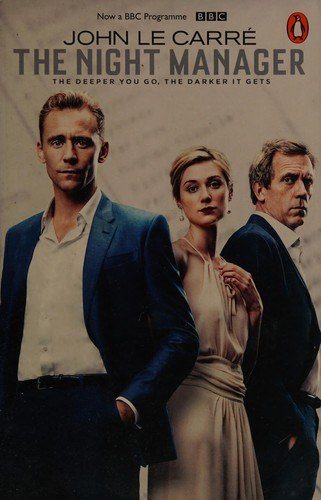
Field
The Night Manager
John le Carre1993about 496 pages
A hotel night manager is rebuilt as an undercover asset and planted inside the household of an arms dealer he has private reasons to hate.
Jonathan Pine works the night shift in a Cairo hotel and then a Swiss one, carrying guilt about a woman who died after handing him a document. British intelligence builds him a criminal past, floats him into the orbit of Richard Roper, and the back half of the book has Pine living inside a lie on a private island among people who would kill him without raising their voices. This is le Carre after the Berlin Wall came down, following money and weapons instead of ideology, and it is by some way his most plot-driven novel.
Why it is at 13
Thirteenth here, which says more about the company than the book. Judged as le Carre it sits mid-table; judged as a thriller it beats most things on any shelf. Indian readers may know the Hindi series version made from it, and the novel is colder and better than any adaptation of it so far.
Read it ifyou want le Carre with a proper plot engine underneath
Skip it ifyou specifically want the Cold War rather than arms dealing
glossy, tense, late le CarreBest for: people who liked the showarms dealingundercovernineties
14
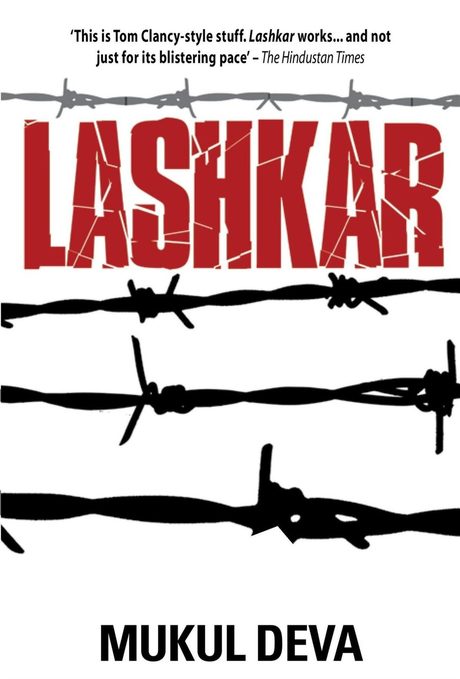
Field
Lashkar
Mukul Deva2008about 174 pages
An Indian military thriller following a covert team sent after a terror network, written by a man who spent years in the army.
Deva served in the Indian Army and writes the parts he knows from the inside: the briefings, the unit rivalries, the gap between a plan drawn on a map and the same plan happening in a village at night. The story crosses the border into training camps and comes back through intelligence corridors in Delhi, with a soldier's contempt for politicians never far from the surface. The prose is functional rather than fine and the pace is quick. It treated this material as genre rather than as a lecture, and a series grew out of it.
Why it is at 14
Fourteenth, and honestly it is here for what it opened up as much as for its sentences. Next to Forsyth it is looser and much hotter under the collar, and the politics belong to the author rather than to the characters. If you have wondered why Indian spy fiction barely appears on lists like this, this is where the modern attempt starts.
Read it ifyou want Indian covert operations from someone who served
Skip it ifyou want careful prose and cool distance
fast, angry, IndianBest for: readers tired of only British spiesindiamilitaryseries
15

Nonfiction
The Unending Game
Vikram Sood2018about 294 pages
A former head of India's foreign intelligence service explains what the trade actually consists of, without the operations he cannot name.
Sood ran R&AW and writes here about the shape of intelligence work rather than about anecdotes: how raw information becomes an assessment, why services fail in predictable ways, how propaganda and covert action sit beside each other, what the Indian service was built to do and what it was never built to do. Do not come for revelations, because he does not hand them over. Come for the correction, because after a dozen novels you will have absorbed a fictional version of this job, and here is a practitioner quietly marking which parts of the fiction are silly.
Why it is at 15
Fifteenth because it is the only nonfiction on the list and it does something no novel can. Read it after three or four of the books above rather than before them. It is dry in stretches and it assumes you follow the news, but it is the cleanest Indian answer to the question of what these people do all day.
Read it ifyou want the real trade explained by a practitioner
Skip it ifyou want stories rather than analysis
sober, informed, dryBest for: after a few spy novelsnonfictionindiaintelligence
16

Field
The Bourne Identity
Robert Ludlum1980about 566 pages
A man is pulled out of the Mediterranean with no memory and a bank account number under his skin, and discovers he is very good at violence.
The premise is one of the finest in the genre and it carries the first two hundred pages without effort. Then Ludlum keeps going, and the book becomes a long conspiracy involving an assassin called Carlos, a great many capital letters, and characters explaining the plot to one another in rooms. If your Bourne is Matt Damon in a Zurich park, be warned that the film kept the setup and threw away nearly everything else, including the pace and most of the shouting.
Why it is at 16
Last, and I still put it on the list. The amnesia hook is genuinely great, the middle sags badly, and the dialogue often bellows. If somebody tells you the films are better than the book, this is the rare occasion when they are right. Read it to see the machine the movies were built from, or read a hundred pages and stop with a clear conscience.
Read it ifyou want the original amnesia hook in its first form
Skip it ifyou want tight editing and a plot that stays clean
pulpy, loud, eightiesBest for: fans of the films, with patienceamnesiachaseeighties
Worth knowing
Where to start with le Carre, and where not to
Almost everyone starts with Tinker Tailor Soldier Spy because it is the famous one, and a good number of them stop by page fifty. That book drops you inside a working service and expects you to pick up the slang, the hierarchy and ten years of grudges as you go. It rewards that effort more than any spy novel ever written, but it is a second book, not a first.
The order I give friends: The Spy Who Came in from the Cold, then Tinker Tailor Soldier Spy, then A Perfect Spy, which is the strangest and most personal thing he wrote, about a spy and his con-man father. The Night Manager after that if you want him at his most plot-driven. Nobody has to read all twenty-odd books, and the ones from his last decade are patchier than the reputation suggests.
Worth knowing
Why James Bond is not in the ranking
Casino Royale exists, it is short, and it is meaner and sadder than any film made from it. Fleming's Bond loses, gets hurt in ways the films will not show you, and spends a chapter wondering whether the job makes any moral sense. That much is worth knowing.
It is off the ranking because I rank books I would put in somebody's hands this year, and the Bond novels have aged into artefacts. The attitudes to women are heavy going, some of the racial writing is worse than heavy, and the plots creak. If you want to try one, try Casino Royale, treat it as a document of 1953, and do not expect it to explain why the character survived. That was the films.
Worth knowing
If you want the real Indian intelligence world
The honest position is that Indian spy fiction is thin, and the good material is mostly nonfiction. Beyond Vikram Sood at fifteen, two books are worth your time: Mission Overseas by Sushant Singh, which reconstructs three Indian military operations abroad, and The Spy Chronicles by A.S. Dulat, Asad Durrani and Aditya Sinha, in which a former R&AW chief and a former ISI chief sit down together and talk, which is as odd and as useful as it sounds.
Read those alongside the novels and you get a fair split: the fiction gives you what the job feels like, the nonfiction tells you which parts of that feeling are borrowed from Hollywood. If somebody writes the Indian equivalent of Slow Horses, I will move it to the top of this page happily.
People also ask
Questions, answered
What is the best spy thriller of all time?
The Spy Who Came in from the Cold by John le Carre, and it is not a close contest. It is two hundred pages, it works whether or not you care about the Cold War, and it set the terms every later spy novel argues with. If you want the most impressive book rather than the best starting point, that is Tinker Tailor Soldier Spy by the same author, and you should read the shorter one first.
Which le Carre book should I read first?
The Spy Who Came in from the Cold, not Tinker Tailor Soldier Spy. Tinker Tailor is the famous title, so it is where most people begin and where most people quit, because it assumes you already know the slang and the hierarchy of a fictional service. The shorter book teaches you the world while telling a self-contained story, and it takes an evening or two.
What is the difference between a spy thriller and a crime thriller?
A crime thriller usually asks who did it and whether they will be caught. A spy thriller asks who is lying, to whom, and on whose orders, and it accepts that the state is one of the liars. That is why so many spy novels end with the paperwork rather than an arrest, and why they can be bleak in a way detective fiction rarely is.
Are there any good Indian spy novels?
A few, and fewer than there should be. Lashkar by Mukul Deva is the readable entry point on the fiction side, written by a former army officer. Beyond that, the strong Indian material is nonfiction: Vikram Sood's The Unending Game on how intelligence actually works, Mission Overseas by Sushant Singh on real operations abroad, and The Spy Chronicles for the strange spectacle of a retired R&AW chief and a retired ISI chief in conversation.
Which spy thriller should I read if I do not read much?
Slow Horses by Mick Herron. It is funny, the chapters are short, the office setting needs no history lessons, and the plot moves. Our Man in Havana is the other easy one, a comedy about a salesman who invents his own spy network. Both are under four hundred pages, and neither expects you to know anything about the Cold War before you start.
Do I have to read spy series in order?
For the Smiley books, roughly yes, because characters carry over and the payoff in Smiley's People depends on what came before. For Slow Horses, definitely yes, since the running cast changes in ways that spoil badly. For Bond and Bourne, no, the books stand alone. When in doubt, publication order is safer than the internal chronology somebody assembled later.
Before you go
What to read tonight
If it is late and you want something started tonight, take The Spy Who Came in from the Cold off the shelf and give it two evenings. If you have already tried le Carre and put him down, Slow Horses will make you laugh in the first ten pages and then trap you anyway. If you want to be entertained without being asked to think about complicity, The Day of the Jackal is waiting and it has never let anybody down.
One last piece of advice: pick your ladder before you pick your book. When you want a desk book on a night your brain is tired, you will blame the novel rather than the pairing, which is exactly how people convince themselves they do not like spy fiction. Match the book to the evening you are actually having, and this genre will keep you busy for years.
Keep going
Lists that pair with this one
Genre
18 Best Crime Thriller Books of All Time, Ranked Honestly
Ranked by what is left of the book once you already know the ending, with a straight answer on every twist.
Indian Fiction
18 Best Thriller Novels by Indian Authors, Ranked
Crime, mystery and suspense from Calcutta in 1919 to Delhi right now, ranked best first, with the sub-genre and the commitment marked on every book.
Genre
The 14 Best Detective Series, and Which Book to Start With
I ranked these by the door, not by the house: the exact entry book, how many there are, and whether reading order actually matters.
Genre
16 Books With the Best Plot Twists, Ranked by the Second Read
I rank them by what happens when you go back to page one, and I never tell you what any of the twists actually are.
Genre
16 Best Historical Fiction Books That Never Feel Like Homework
Ranked by how fast each one stops feeling like research and starts feeling like a story you cannot put down.